Indoor Gardening
Rise Garden vs AeroGarden Farm Plus: Which Indoor Hydroponic System Should You Buy?
A detailed 12-category comparison of the two-tier Rise Garden and the AeroGarden Farm Plus, covering space, lighting, pumps, apps, and more.
Introduction
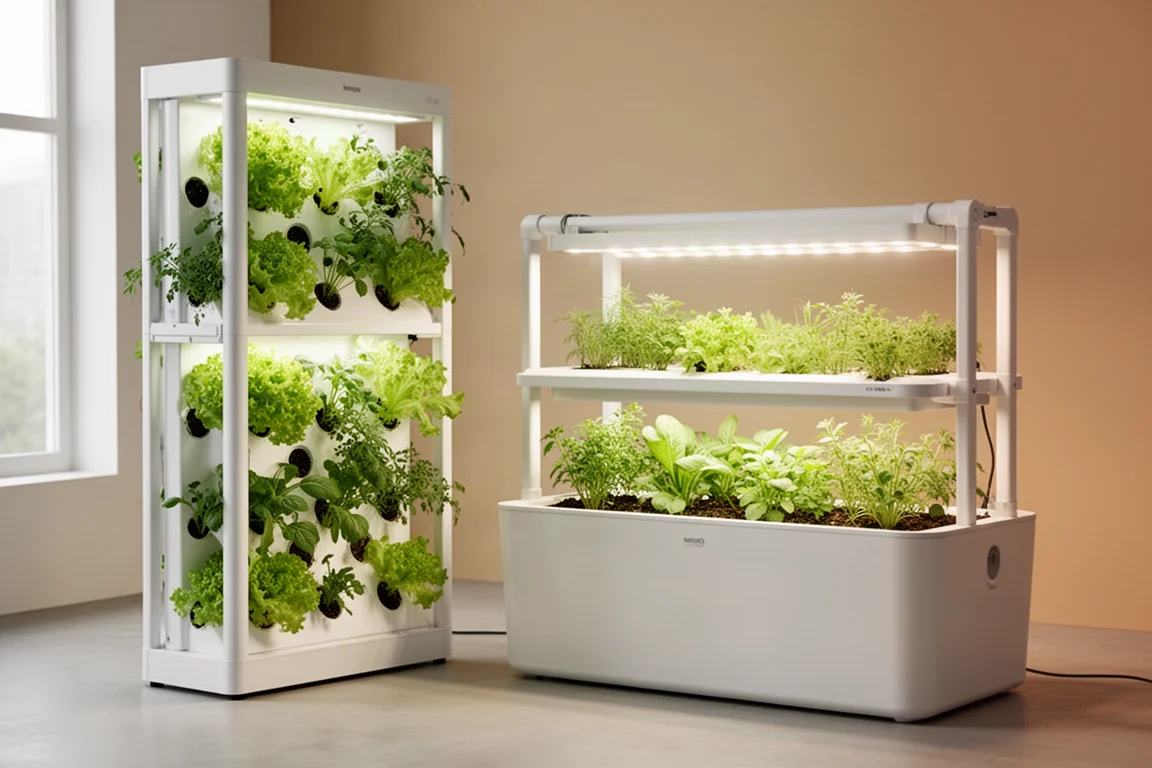
Hydroponic systems are a genuine game changer if you have limited outdoor space, or if you live somewhere with a long, cold winter and want to grow food year-round. But choosing between the big names can be hard, especially when both systems look capable on paper.
This comparison puts the two-tier Rise Garden head to head with the AeroGarden Farm Plus, two mid-range units in each brand’s lineup, across twelve practical categories: aesthetics, plant capacity and use of space, light height, water cycling, nutrients, pumps, cleaning, water testing, plant pods, accessories, apps, and innovation.
Meet the Two Contenders
The Rise Garden is available as a one-tier base unit, a two-tier version, or a three-tier setup for the maximum growing space. The AeroGarden Farm line includes the base Farm, the Farm Plus, and the larger Farm Plus XL. Comparing the two-tier Rise Garden against the Farm Plus puts us in the middle of both ranges.
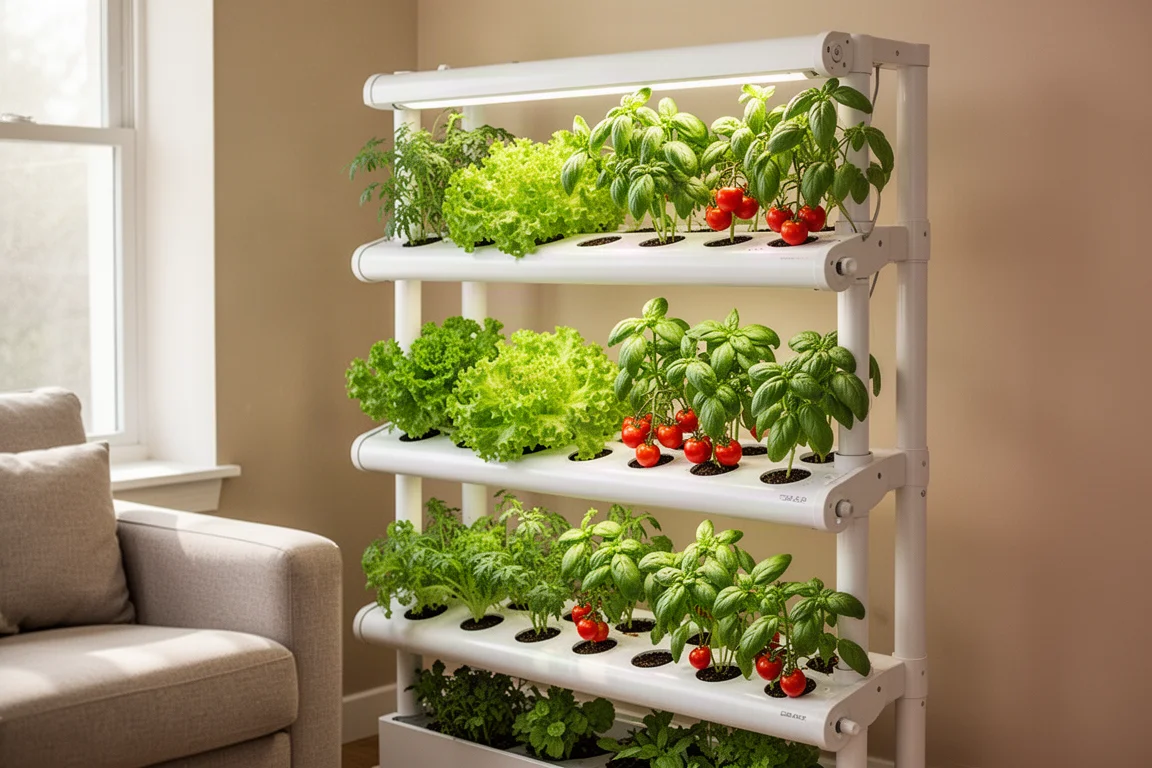
One quick note on aesthetics: the Rise Garden is the clear winner here. It is attractive enough to live in a living room or dining room without looking like lab equipment.
Rise Garden
The two-tier Rise Garden holds 24 plants across two levels, with swappable grow decks that let you reconfigure holes per panel, growing support accessories like plant stands and trellises, and a water reservoir at the base that cycles nutrient solution through the entire unit.
AeroGarden Farm Plus
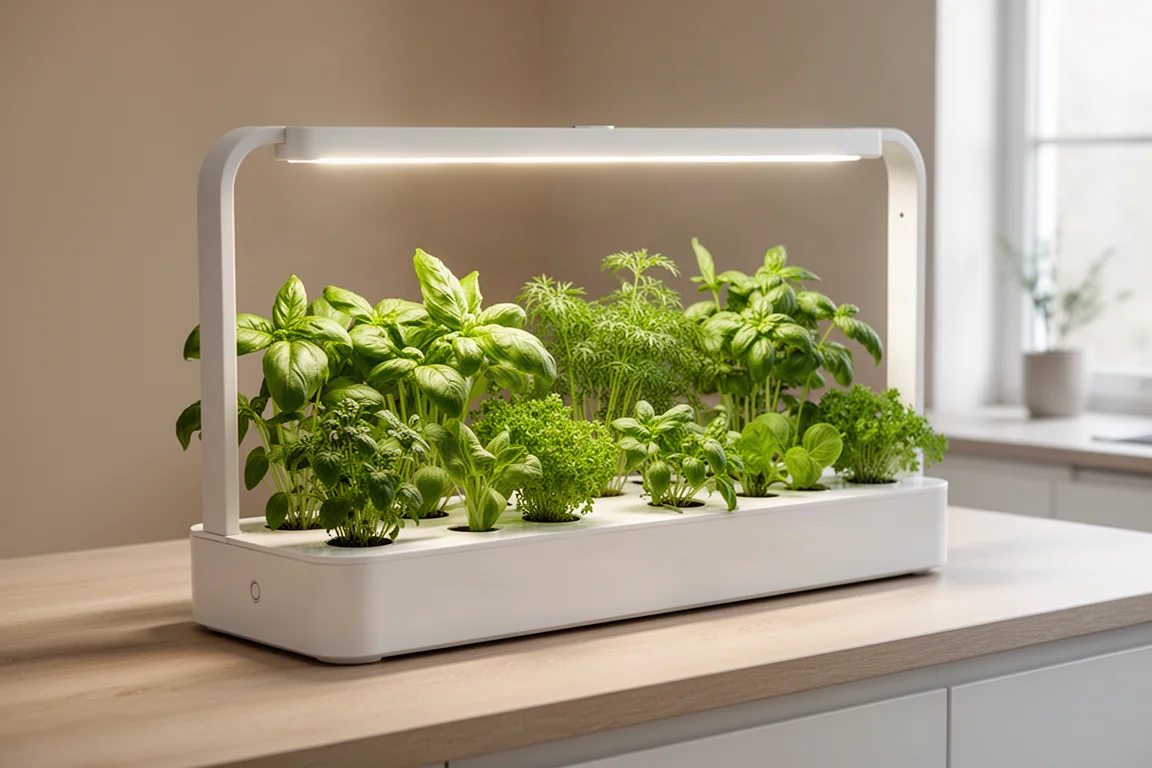
The AeroGarden Farm Plus also grows 24 plants, but in two separate grow bowls with independent pumps, adjustable height light bars, and its own nutrient and pod ecosystem. It is a workmanlike system that prioritizes flexibility of lighting and water management over looks.
Plant Capacity and Use of Space
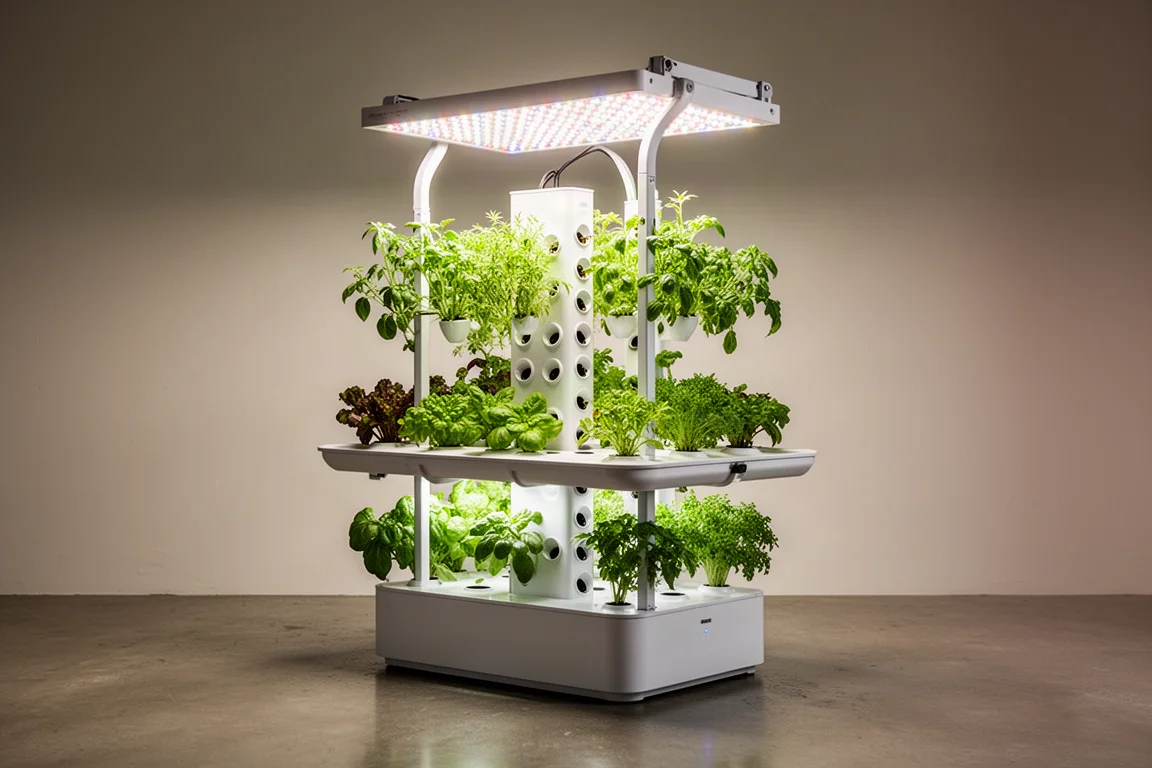
Both units technically support 24 plants, twelve holes per side on the AeroGarden and twelve per level on the Rise Garden. In practice, that number is misleading. A single jalapeno plant can swallow a huge share of an AeroGarden grow deck, and planting the maximum is rarely realistic on either system.
The Rise Garden pulls ahead because of its swappable deck configurations: you can choose panels with four, eight, or twelve holes, adjusting plant count and spacing without changing anything else. The AeroGarden is fixed at what it ships with. Advantage: Rise Garden.
Light Height and Flexibility
The Rise Garden’s lights sit at a fixed 10 inches over the top level and 18 inches over the bottom. There is no adjustment. The AeroGarden Farm Plus lights range from roughly 6.5 inches, ideal for seedlings, up to about 20 inches of growing height, and the Farm Plus XL adds nearly another foot.
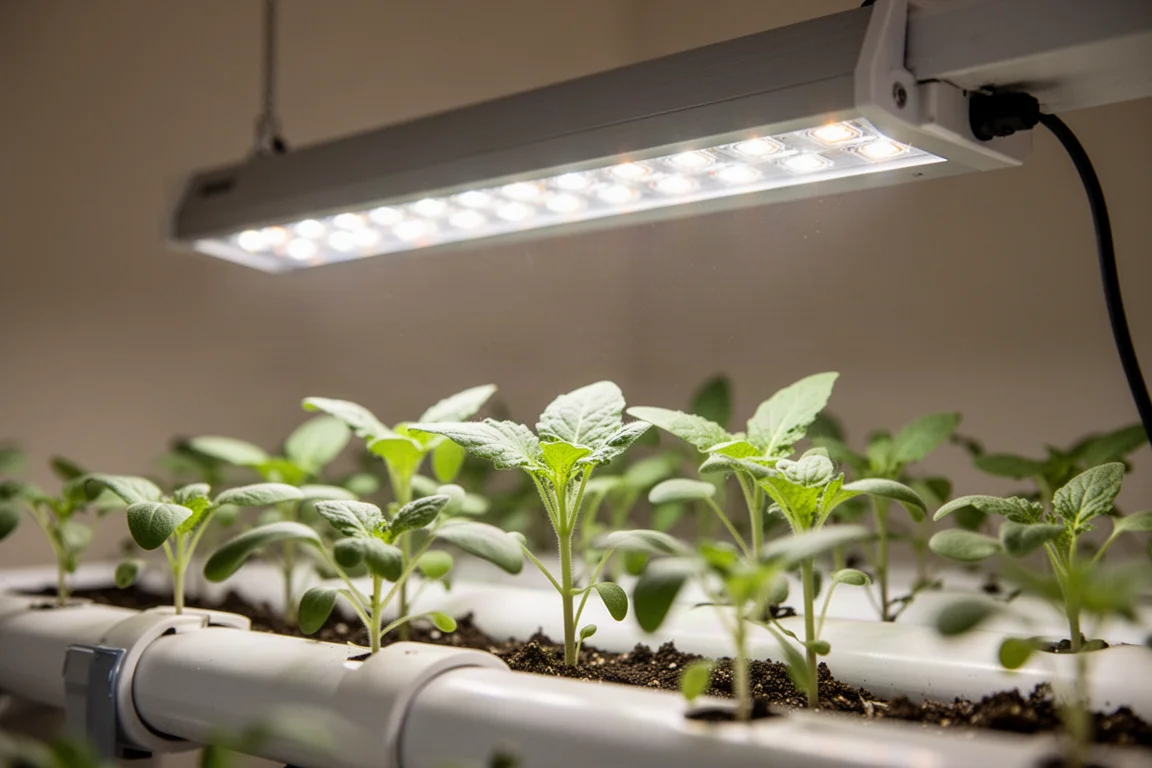
If you start a lot of seedlings or grow taller plants, adjustable light height matters a lot. Advantage: AeroGarden, with a nod that the Farm Plus XL is the version to get for maximum height.
Water Cycling
The AeroGarden Farm Plus uses two separate reservoirs, one per side. That means you can run different nutrient solutions or pH levels on each side, which is ideal for things like starting seedlings with no nutrients at all.
The Rise Garden uses a single reservoir at the base that cycles water up through the back pipe and around the whole unit. Everything shares the same solution, so one pH and one nutrient mix applies to every plant. Advantage: AeroGarden.
Nutrients and Water Testing
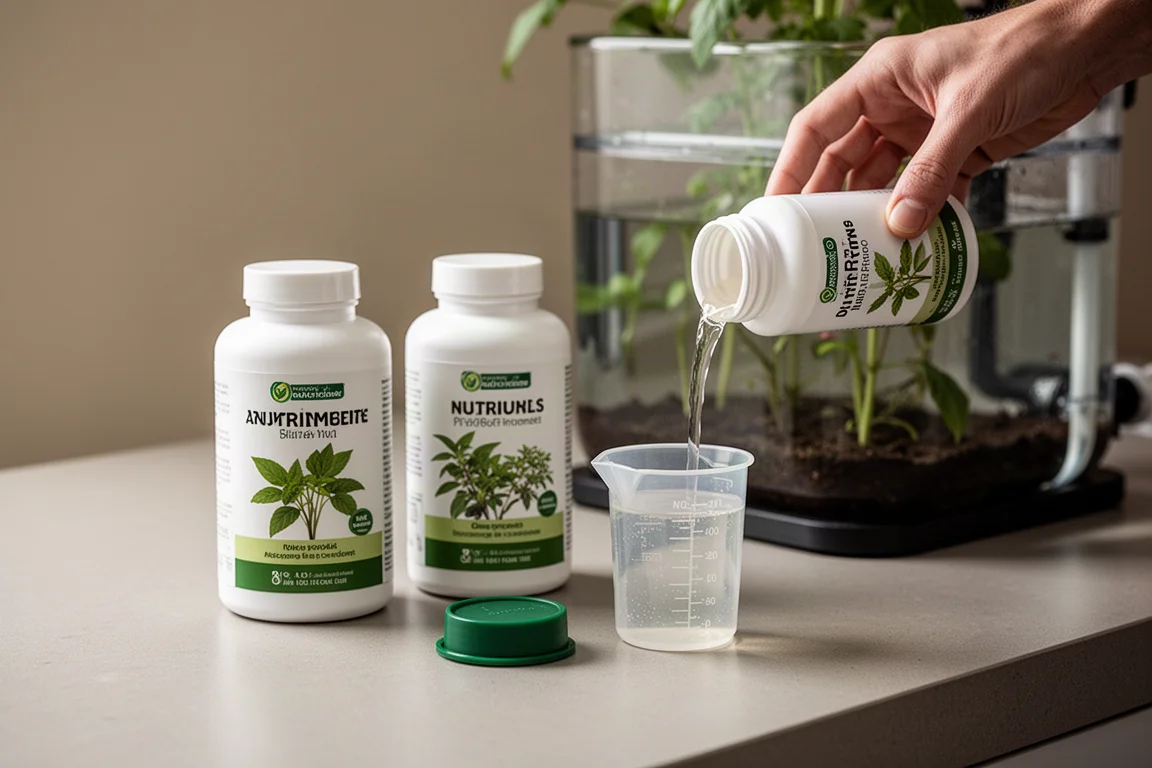
AeroGarden supplies a single all-purpose liquid nutrient with dosing instructions for every pod count, plus guidance for houseplants and outdoor use. Rise Garden splits its nutrients by growth stage: Sprout for early growth, Blossom for flowering and fruiting, with Thrive used alongside, and the app guides you through which to add and when.
Water testing is another clear difference. The Rise Garden treats it as a priority: the unit has a dedicated slot for a water meter, the pH balancing supplies are included, and the app reminds you to test. AeroGarden does not make water testing prominent at all, though you can absolutely add your own meter and pH products. Advantage: Rise Garden on both counts.
Pumps and Cleaning
The AeroGarden Farm Plus has two pumps, one per grow bowl. If one fails, you can shift plants to the working side, which gives you a real buffer. The downside is pump placement: the central location in each grow bowl means roots can get sucked in and jam the pump, so occasional root trimming is part of ownership.
The Rise Garden has a single pump housed in the bottom cabinet, safely away from roots. But if that one pump fails, every plant in the system is affected at once.
Cleaning is a tie, honestly. Both systems are more work than they look. The Rise Garden’s grow decks and trays wipe down easily, but the tubing and pump take real time. The AeroGarden’s grow deck is hard to disassemble, full of crevices, and the pump needs unscrewing to clear roots. Neither will make you happy on cleaning day.
Plant Pods and Accessories
Both systems support grow-anything pods: Rise Garden sells seedless pods where you add your own seeds, and AeroGarden sells bulk sponges and baskets. If you grow from heirloom seed, both will let you.
For pre-seeded pods, Rise Garden wins on variety and momentum. The range includes interesting options like Durango marigold, Sora radish for growing root vegetables indoors, and baby cauliflower, along with heirloom seed choices and constant new releases. AeroGarden’s pod range is solid but more static, with height labels (tall versus short) that matter for matching plants to your light clearance.
On accessories, the Rise Garden includes hole covers standard, which matters because blocking light prevents algae, and offers plant stands, trellises, and extra grow decks. AeroGarden sells a watering jug, pruners, a pollinator, and hole covers, but hole covers cost extra. Critically, adding a second or third tier to a Rise Garden is essentially an accessory purchase, so the system can grow with you. Advantage: Rise Garden.
Apps and Innovation
Both brands have apps. The AeroGarden app mirrors the unit’s touchpad controls: pump status, light scheduling, adding plant food reminders, and support for up to three gardens, with a camera feature that feels gimmicky.
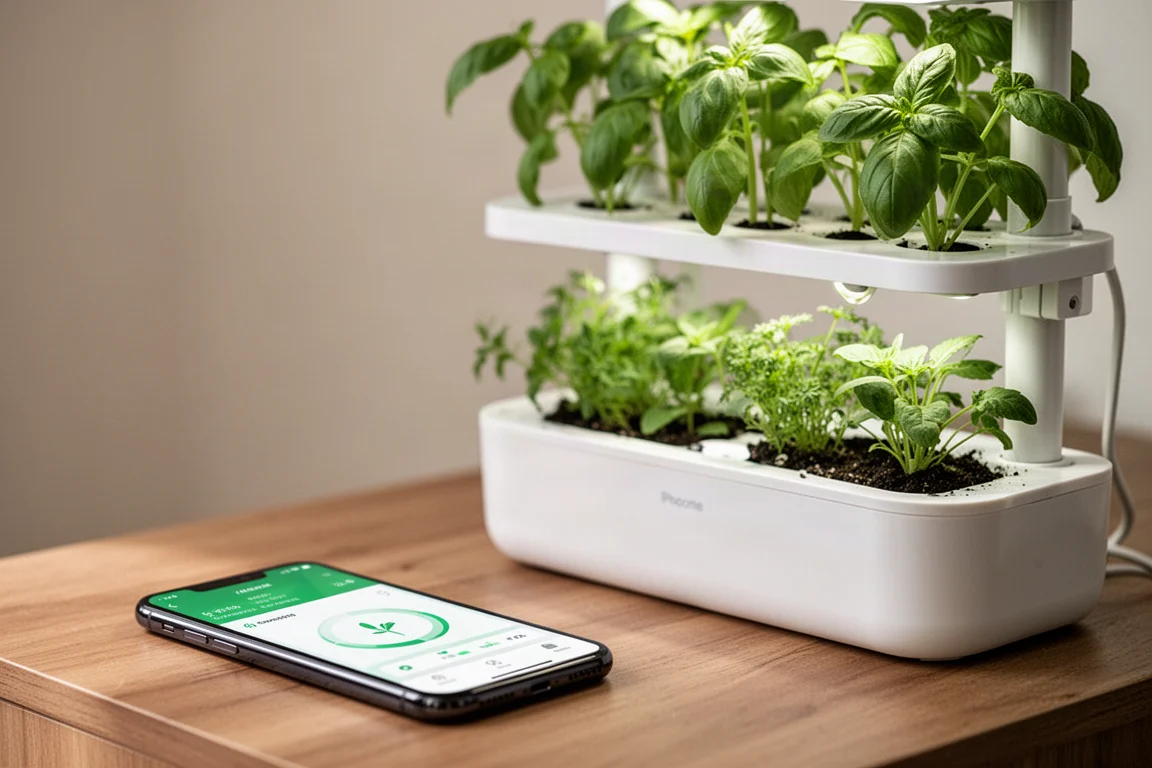
The Rise Garden app goes much further. It tracks both tiers and connected nurseries, walks you through each plant’s full timeline from planting to transplanting, pruning, harvesting, and removal, shows water level and quality, guides nutrient dosing and water testing, and supports custom plants. It is genuinely head and shoulders above the competition.
On innovation, AeroGarden is the established name with many models over the years, but recent releases have been mostly smaller variants of the Farm line. Rise Garden is newer yet iterating fast: a slimmer redesigned nursery, plant stands, trellises, microgreens, new seed varieties, and reconfigurable grow decks. Advantage: Rise Garden on both.
Overall Buying Advice
Across the twelve categories, the Rise Garden takes eight wins, the AeroGarden Farm Plus takes two, and two end in ties. If you can only buy one system, the Rise Garden is the easier recommendation: it looks better in living spaces, uses space more flexibly, guides you through nutrients and water testing, and can expand from one tier to three as your ambitions grow.
That said, the AeroGarden Farm Plus is not a bad choice. If adjustable light height matters most to you, if you want independent reservoirs for running different nutrient programs side by side, or if pump redundancy matters, it may fit your situation better. It comes down to which trade-offs suit how you actually grow.
Conclusion
Both systems grow real food indoors, year-round, with 24 plant positions each. The Rise Garden wins on design, space flexibility, guided care, pod variety, and expandability, while the AeroGarden Farm Plus wins on light adjustability and independent water zones. Pick the Rise Garden if you want a beautiful, guided, grow-with-you system; pick the Farm Plus if light height control and split reservoirs are your priority.
Further reading
Related Reviews
Indoor Gardening
AeroGarden Eight-Pod System Review: A Budget Hydroponic Garden That Works
After a few months of growing dill, a shishito pepper, and micro tomatoes, here is what this eight-pod hydroponic system gets right and what to watch for before buying.
Indoor Gardening
AeroGarden Buying Guide: How to Choose the Right Model for What You Want to Grow
From the 3-pod Sprout to the 24-hole Farm Plus, here is what actually matters when picking your first AeroGarden, plus the growing tips nobody tells beginners.
Indoor Gardening
AeroGarden Farm After 8 Years: What I Wish I Knew Before Buying
A long-term look at the AeroGarden Farm, the 12XL alternative, and why a Rise Garden won out on space efficiency.