Indoor Gardening
AeroGarden Farm After 8 Years: What I Wish I Knew Before Buying
A long-term look at the AeroGarden Farm, the 12XL alternative, and why a Rise Garden won out on space efficiency.
Introduction
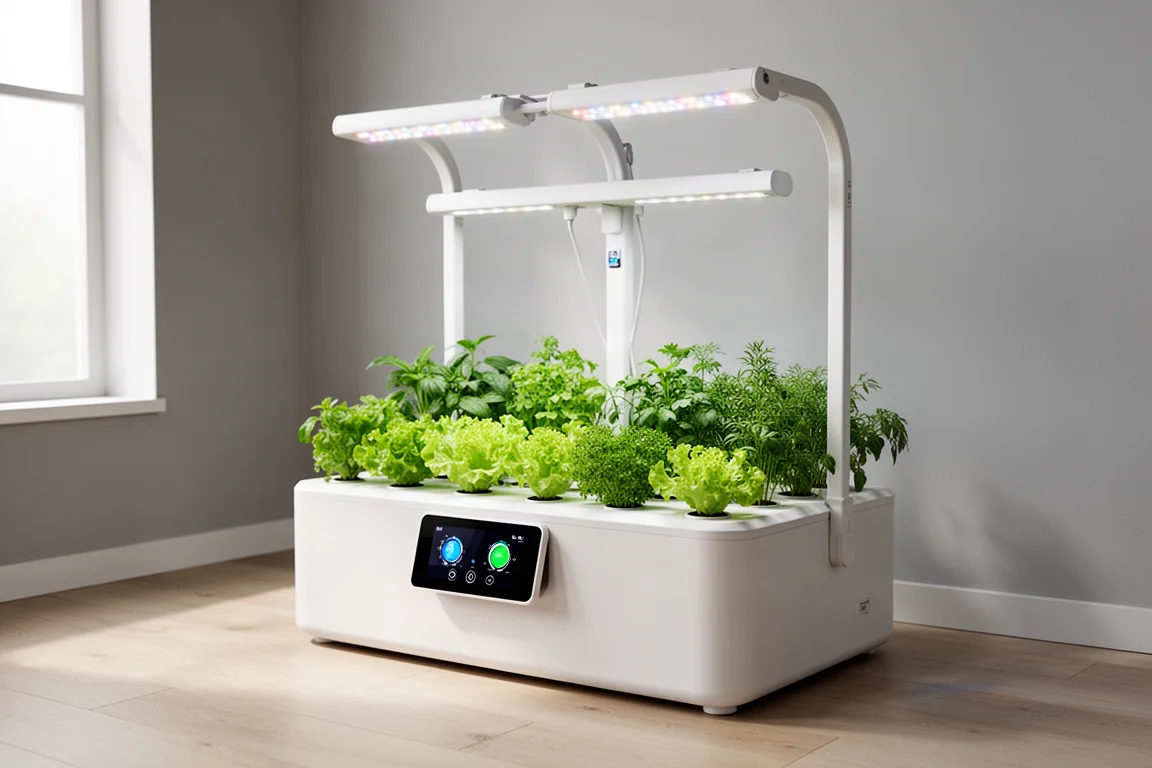
Buying a large hydroponic garden feels like a “go big or go home” decision: if you want to grow food, surely the biggest model grows the most food. After roughly eight years with the AeroGarden Farm, the honest answer is more complicated. This unit has grown plenty of food, but not as much as its hole count suggests, and several design quirks became clearer with every year of use.
This article walks through what worked, what did not, the alternatives worth considering, and why the Farm is being replaced by a Rise Garden in this setup.
Evaluation Criteria
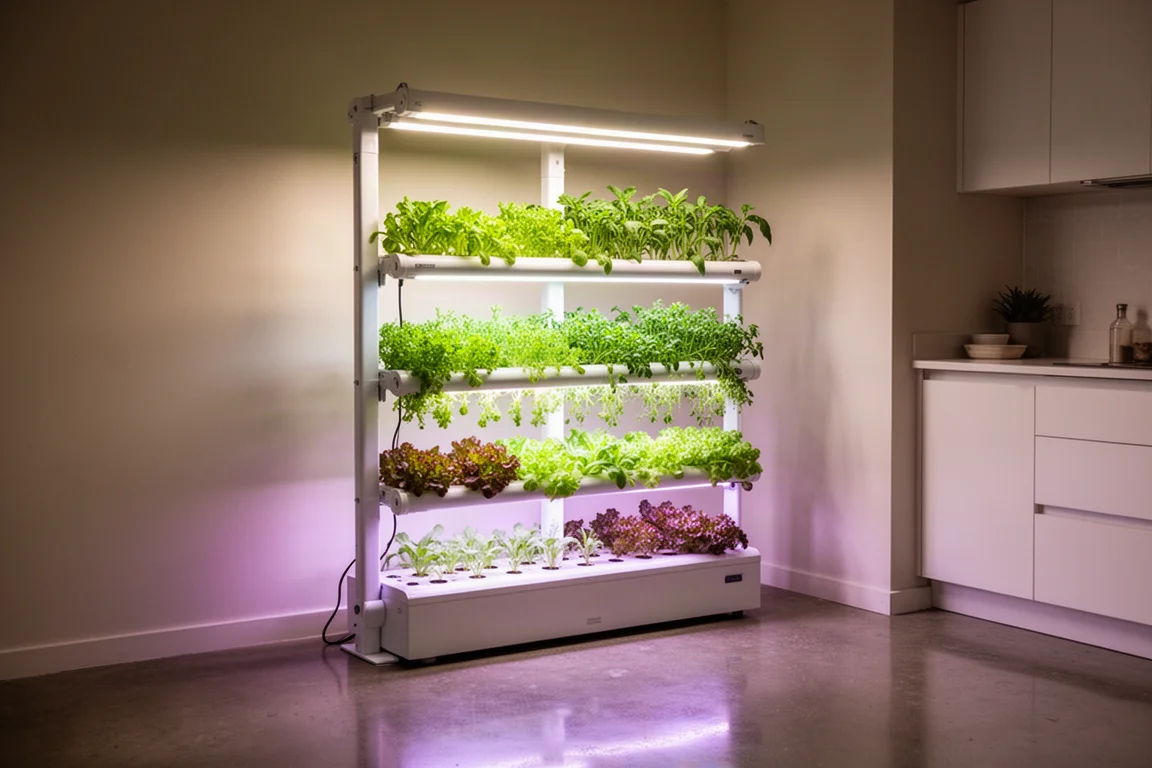
The assessment here comes from years of daily use rather than a first-impressions test. The factors that mattered most in the long run:
- How many plants the unit realistically supports at once
- Ease of cleaning and maintenance
- Growing height and what crops it can actually accommodate
- Everyday usability, including app support and working height
Living With the AeroGarden Farm: The Good
After eight years, it would be misleading to call this unit a failure. It has produced a real amount of food, and a few design choices genuinely stand out as strengths.
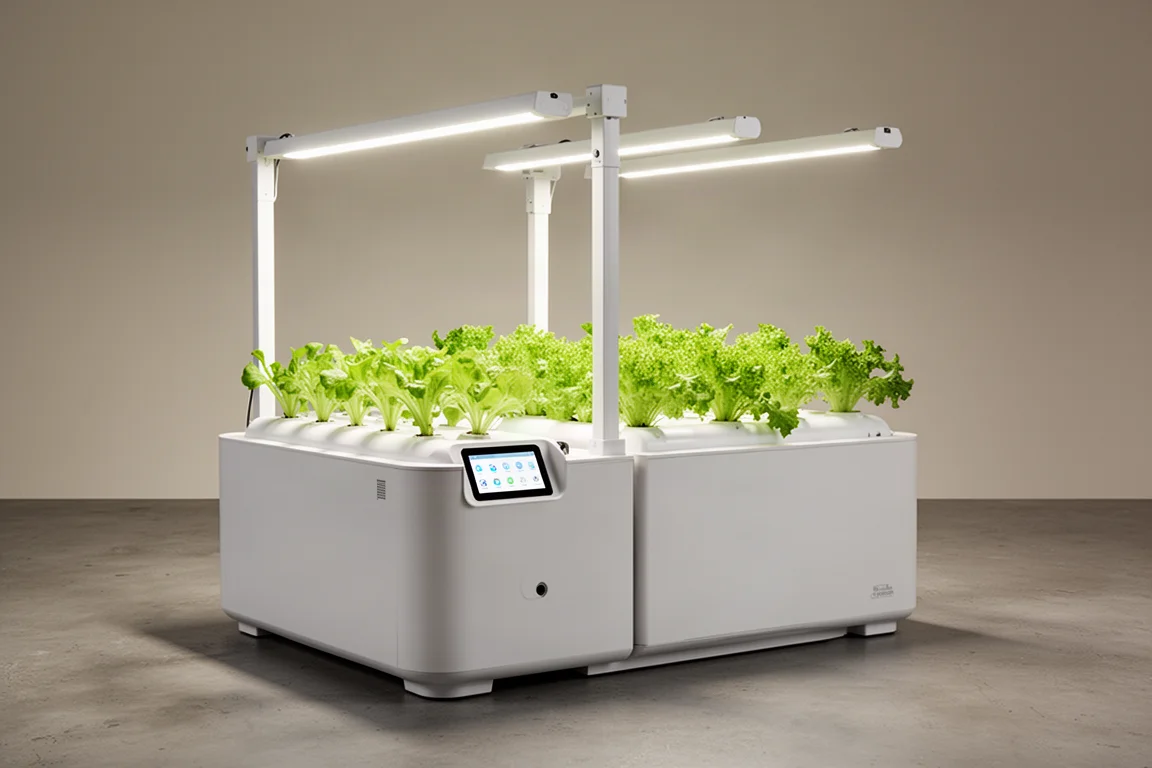
The adjustable grow lights are a highlight. Being able to raise and lower the light bars means seedlings can get light very close to the deck when they are tiny, then the lights can move up steadily as plants grow. Few larger units handle this well, and it is a real advantage for anyone starting plants from seed.
The Farm also has two separate grow beds, which means each side can run its own water conditions. A tomato on one side and lettuce on the other can each get the conditions that suit them best, which smaller single-bed units cannot offer.
The Hole Count Problem
The headline 24-hole capacity deserves skepticism. Planting all 24 holes at once is a mistake: the spacing does not leave enough room for air circulation, and crowded plants invite pests and disease. Filling every hole leads to trouble later, and the pods included in the box do not change that math.
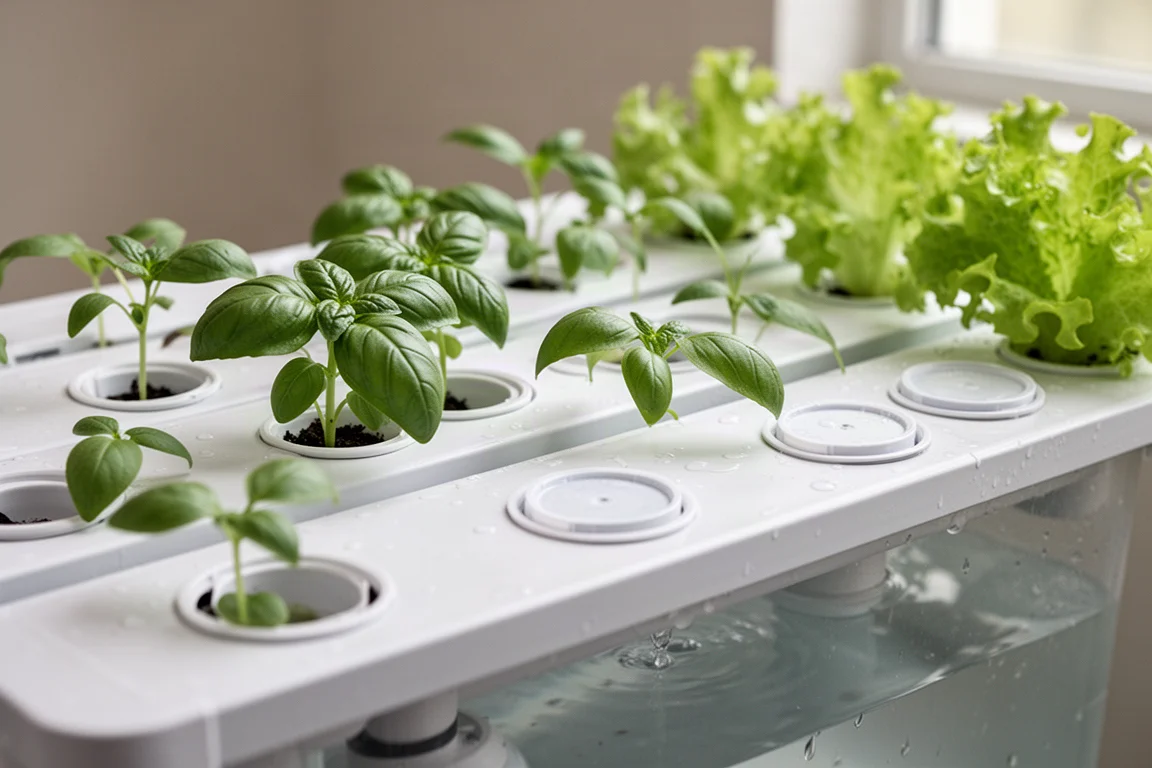
Any unused holes need to be covered, because water, nutrients, and light together are a recipe for algae. The catch: the Farm does not ship with hole covers. Branded covers exist, but third-party options such as 3D printed covers from marketplaces like Etsy, or even golf balls, work just as well. Whatever you choose, buy enough for 24 holes.
This was one of the biggest surprises of ownership. The assumption on day one is that every hole is meant to hold a plant, and the algae struggles that follow from uncovered holes are hard to diagnose without that context.
Cleaning and Everyday Frustrations
Maintenance is the weakest part of the design. The grow decks pop apart into two pieces, but the clips holding them together are genuinely difficult to release, and a couple have broken over the years. Getting into all the nooks and crannies matters, because skipped cleaning means algae, but the difficulty means cleaning happens less often than it should. That is not a good cycle.
A drain tube is included that attaches to the pump; reversing the pump pushes water out so you avoid the “crazy walk” to the sink with a heavy tub of used water. Unfortunately, it is easy to forget it exists, tucked in the end cabinet, and many owners dump water the hard way and spill it.
Two more annoyances: the companion app simply mirrors what the built-in screen already shows, so its value is questionable, and the unit is very low to the ground. Tending plants means sitting or crouching on the floor, which is a real problem for anyone with mobility concerns. Other AeroGarden models sit on counters or shelves and are far easier to reach.
The Best Feature: Seed Starting
The standout capability is the seed starting deck, which can start a large batch of seedlings at once. It has seen heavy use over the years, and it is the feature that will be missed most when the Farm goes. When you have left things a bit late or suddenly decide you need more plants, being able to get dozens started simultaneously is excellent.
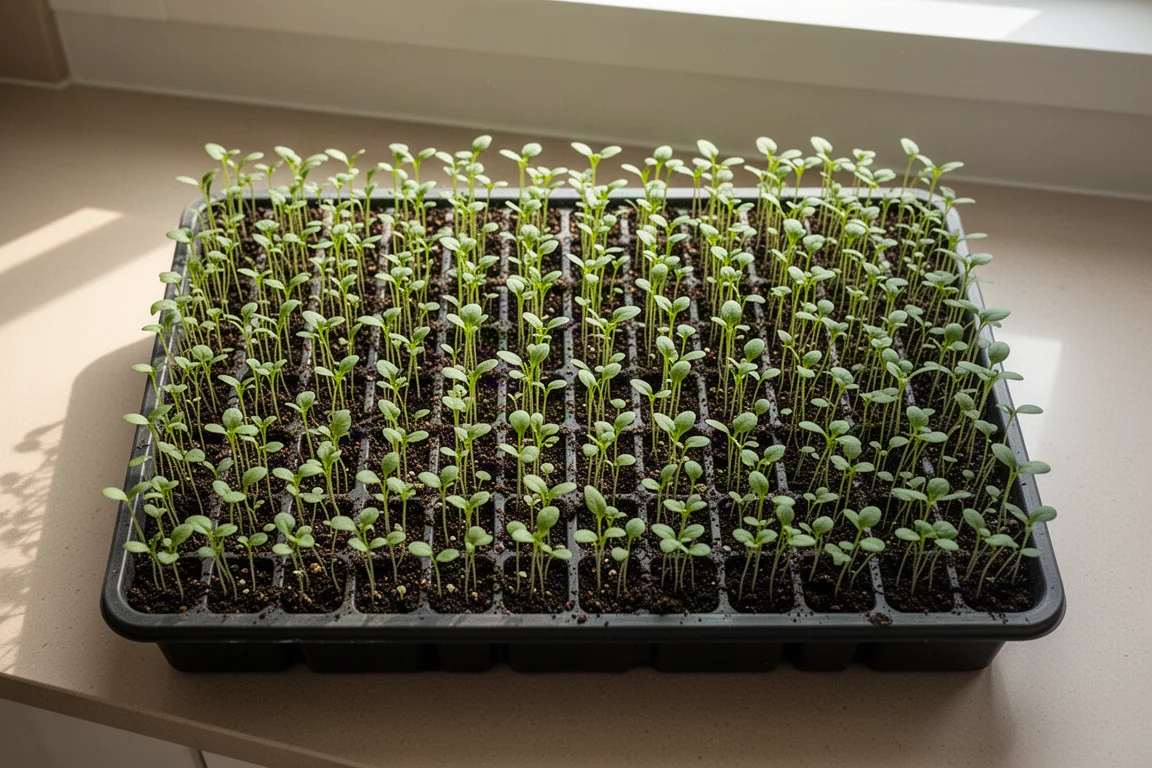
One caveat: the deck has built-in small baskets, so it is intended for getting seedlings going rather than for long-term growing. Anyone giving up a Farm should plan to add a seed starting deck to another unit.
The Better Buy: AeroGarden Farm 12XL
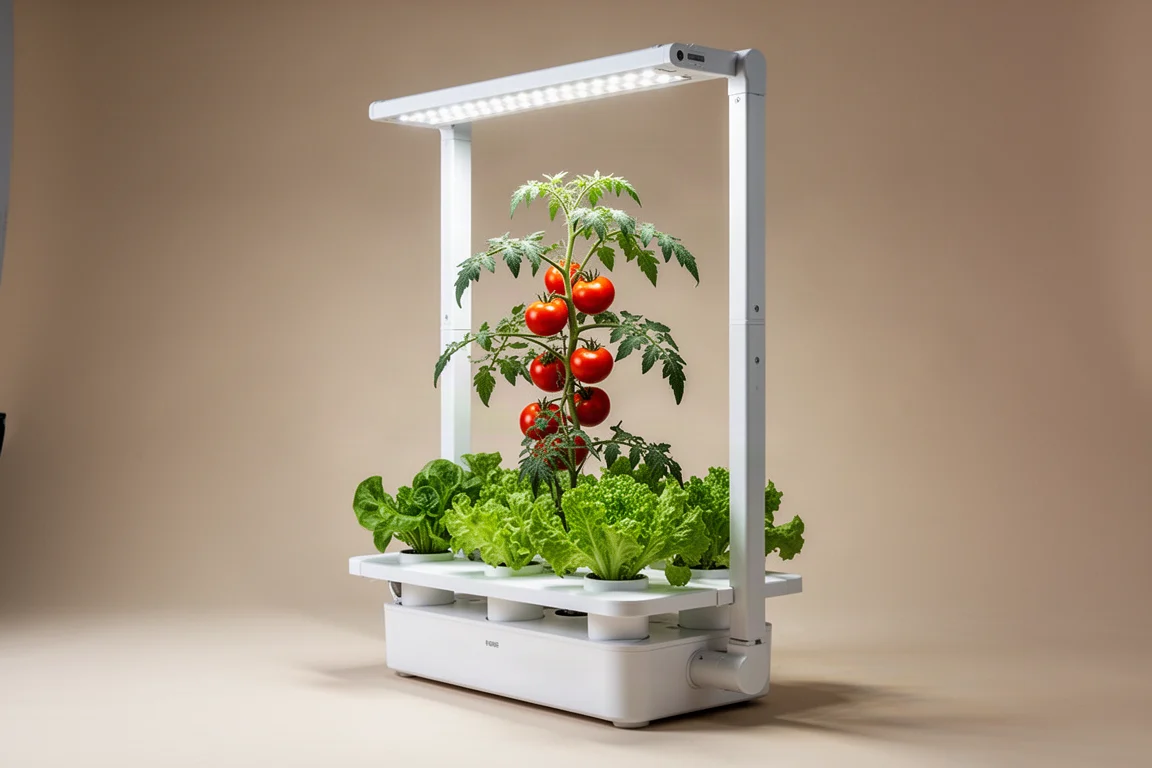
If the decision could be made again, the AeroGarden Farm 12XL is the model worth choosing. It uses a single grow bed and offers 3 feet of grow height, the tallest growing height available in this family of systems. That extra height is enough to grow nearly a full determinate tomato, something the standard Farm’s layout makes awkward even with its dual beds.
The same hole-count logic applies: you will not realistically grow 12 plants in it at once, but the height alone makes it the stronger pick for anyone who wants to grow taller crops. It keeps the adjustable light benefit in a simpler, taller package.
The Alternative: Rise Garden
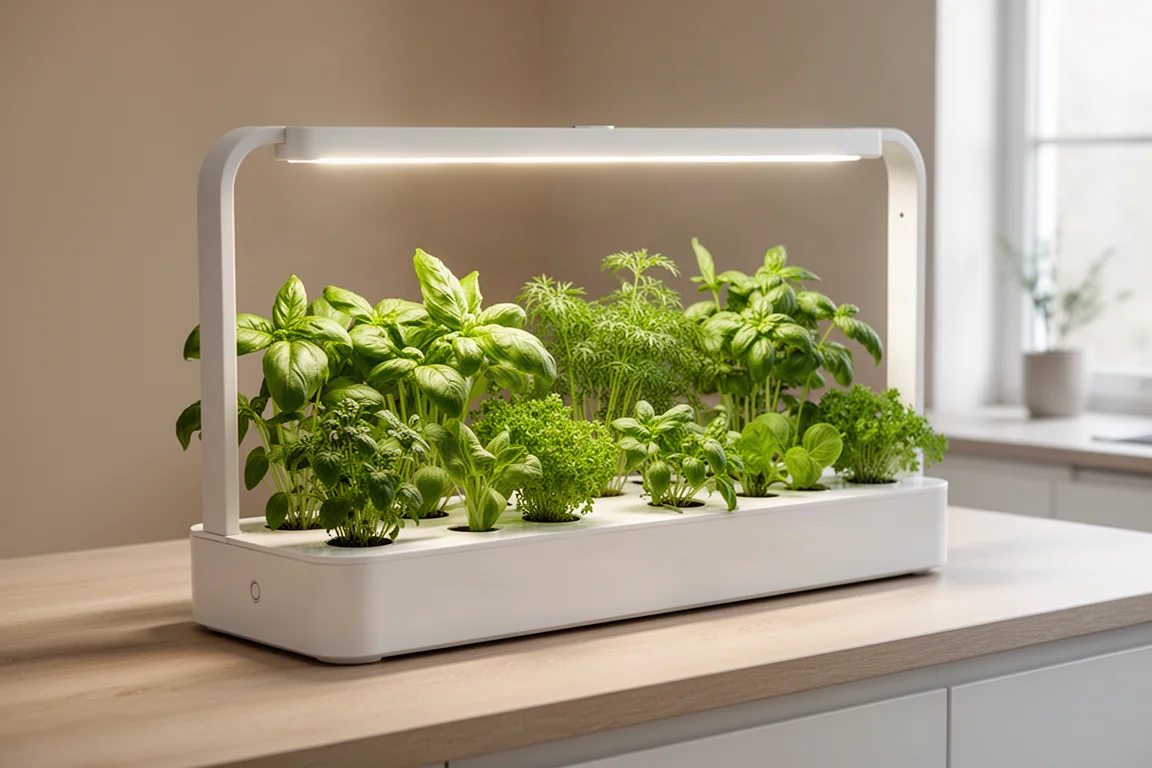
After the Farm comes out, a Rise Garden moves into its spot, and the reason is simple: better use of space. The Rise Garden model in question can also hold 24 plants, but it grows 12 plants with more space than the Farm dedicates to 24. Healthier spacing means better air circulation and fewer pest and disease problems.
Rise Garden has also released newer models recently, which makes it an interesting option for anyone evaluating this category fresh. For growers frustrated by crowded hole layouts and floor-level maintenance, a countertop-height system with more sensible spacing solves several Farm pain points at once.
Buying Advice: Which One Makes Sense
For anyone set on the AeroGarden family, the choice comes down to what you grow. If tall crops like tomatoes appeal to you, the 12XL and its 3 feet of grow height make it the clear pick over the standard Farm. Its single grow bed is simpler to maintain, and the height advantage is the largest in the lineup.
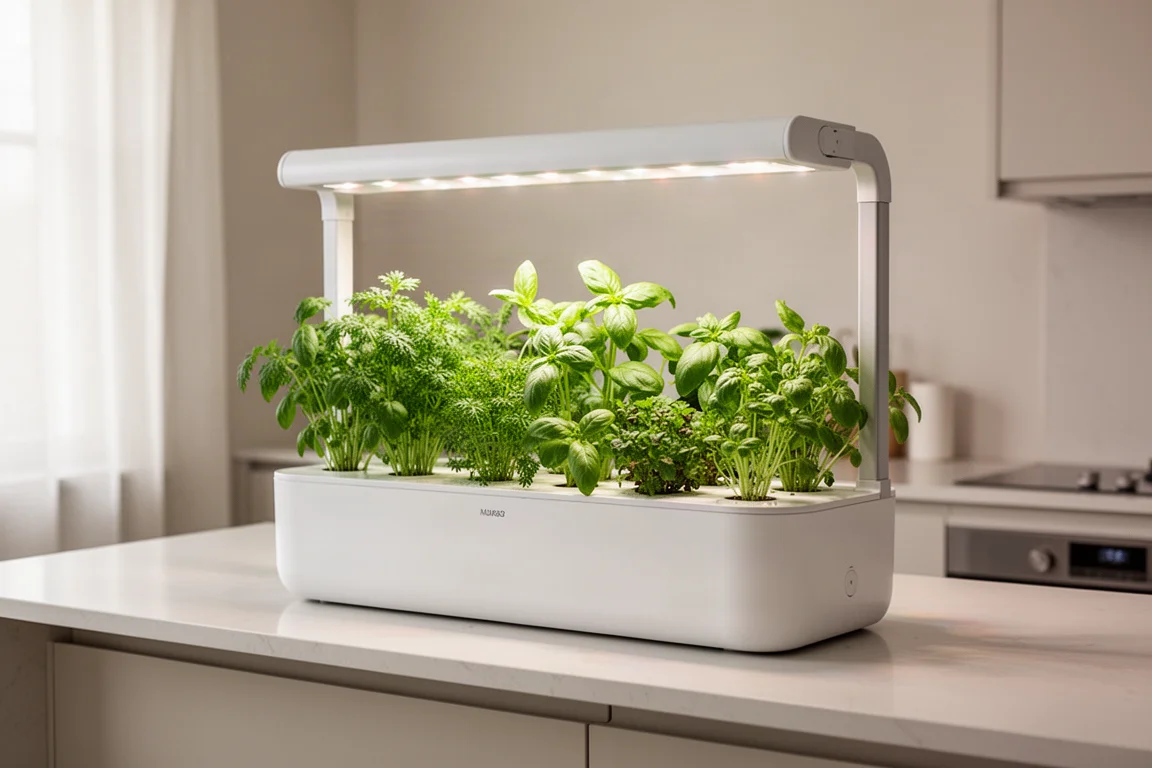
The standard Farm still suits growers who want two independently managed grow beds and a large seed starting workflow, and who do not mind the low working height and demanding cleaning routine. Budget for hole covers from day one, use the drain tube, and plant far fewer holes than advertised.
For anyone prioritizing space efficiency and easier day-to-day access, the Rise Garden approach of fewer plants with more room each is worth serious consideration before committing to a large-format unit.
Conclusion
Eight years with the AeroGarden Farm produced plenty of food and a few lasting lessons: adjustable lights and serious seed starting capacity are genuinely valuable, but the advertised hole count overstates real capacity, cleaning is harder than it should be, and the low working height wears on you. The 12XL fixes the height problem elegantly, while the Rise Garden’s space-efficient design addresses the crowding issues altogether. Match the system to what you actually want to grow, and the right choice becomes much easier.
Further reading
Related Reviews
Indoor Gardening
AeroGarden Eight-Pod System Review: A Budget Hydroponic Garden That Works
After a few months of growing dill, a shishito pepper, and micro tomatoes, here is what this eight-pod hydroponic system gets right and what to watch for before buying.
Indoor Gardening
AeroGarden Buying Guide: How to Choose the Right Model for What You Want to Grow
From the 3-pod Sprout to the 24-hole Farm Plus, here is what actually matters when picking your first AeroGarden, plus the growing tips nobody tells beginners.
Indoor Gardening
AeroGarden Farm XL 12 Review: A Tall Indoor Garden Built for Year-Round Tomatoes
A closer look at the tallest grow height in the AeroGarden Farm lineup, its assembly quirks, and why it makes sense for growing full-size tomatoes indoors.