Indoor Gardening
AeroGarden Buying Guide: How to Choose the Right Model for What You Want to Grow
From the 3-pod Sprout to the 24-hole Farm Plus, here is what actually matters when picking your first AeroGarden, plus the growing tips nobody tells beginners.
Introduction
Buying your first AeroGarden can feel overwhelming. There are more models than ever, the product pages all look similar, and the one spec that actually changes your experience the most is easy to miss. This guide pulls together the practical details worth knowing before you order: how the models differ, what you can realistically grow, and the small habits that separate thriving gardens from overcrowded messes.
The AeroGarden Lineup at a Glance
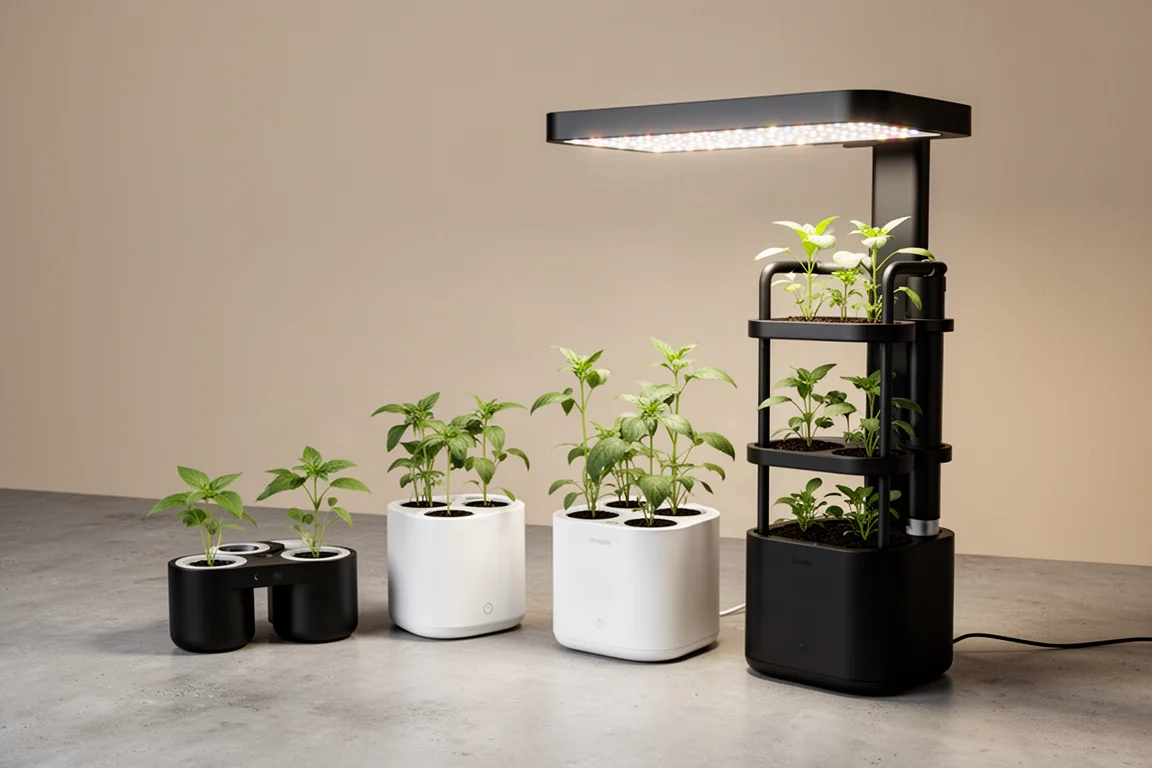
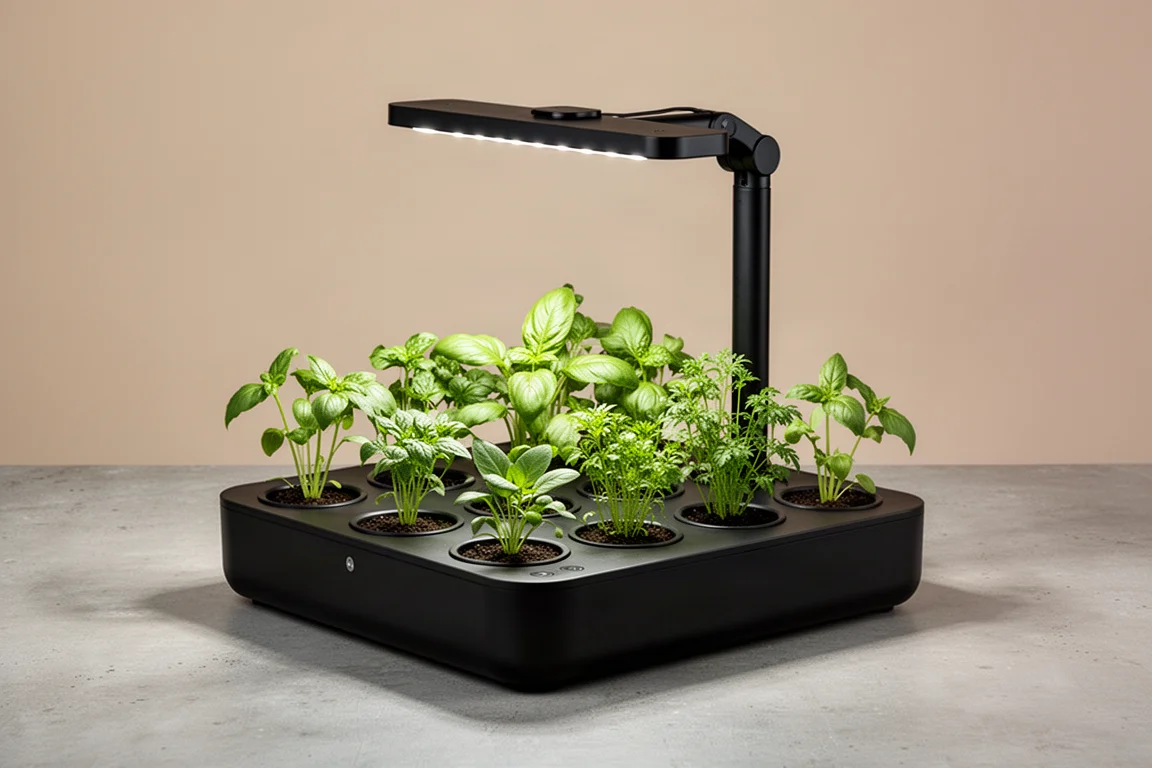
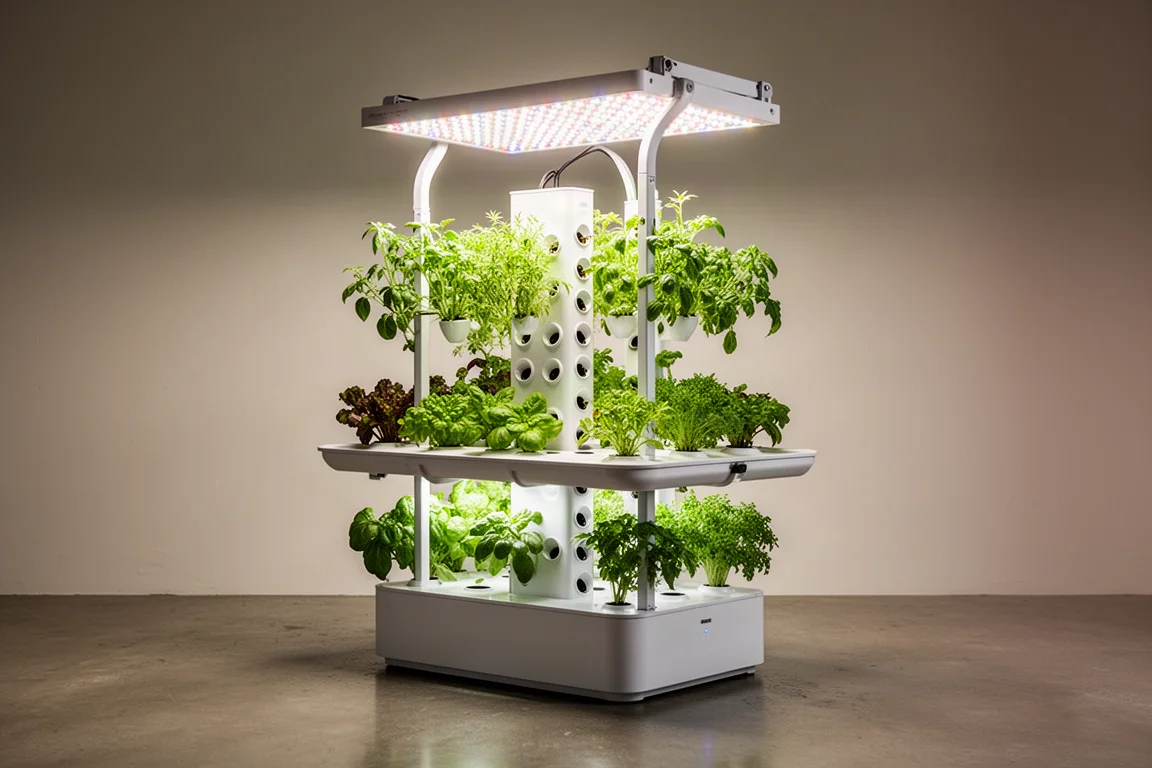
The current range breaks down into a few clear tiers. The Sprout is the smallest, with three growing holes. The Harvest family comes in several orientations, including the Harvest Slim, and all of them offer six pods. The Bounty steps up to nine pods. Then there are the Farms: the Farm Plus carries 24 growing holes, and there is now a smaller Farm 12 for people who want Farm-level features without the footprint.
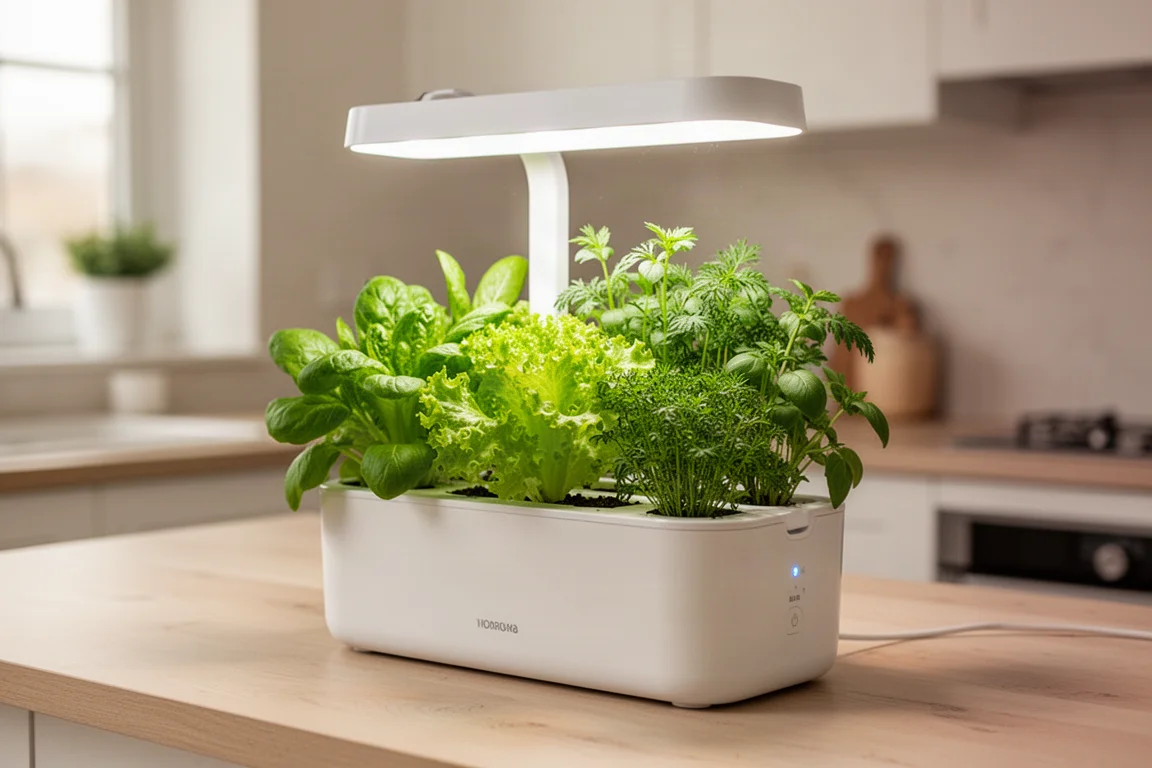
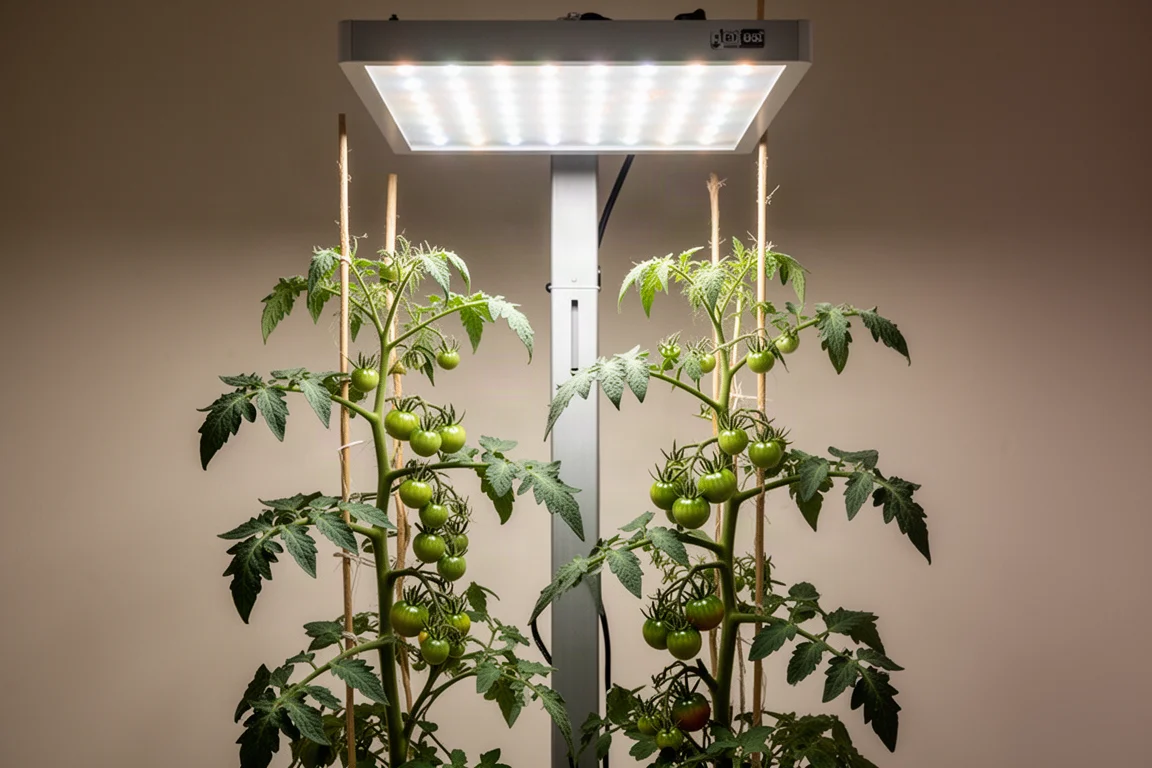
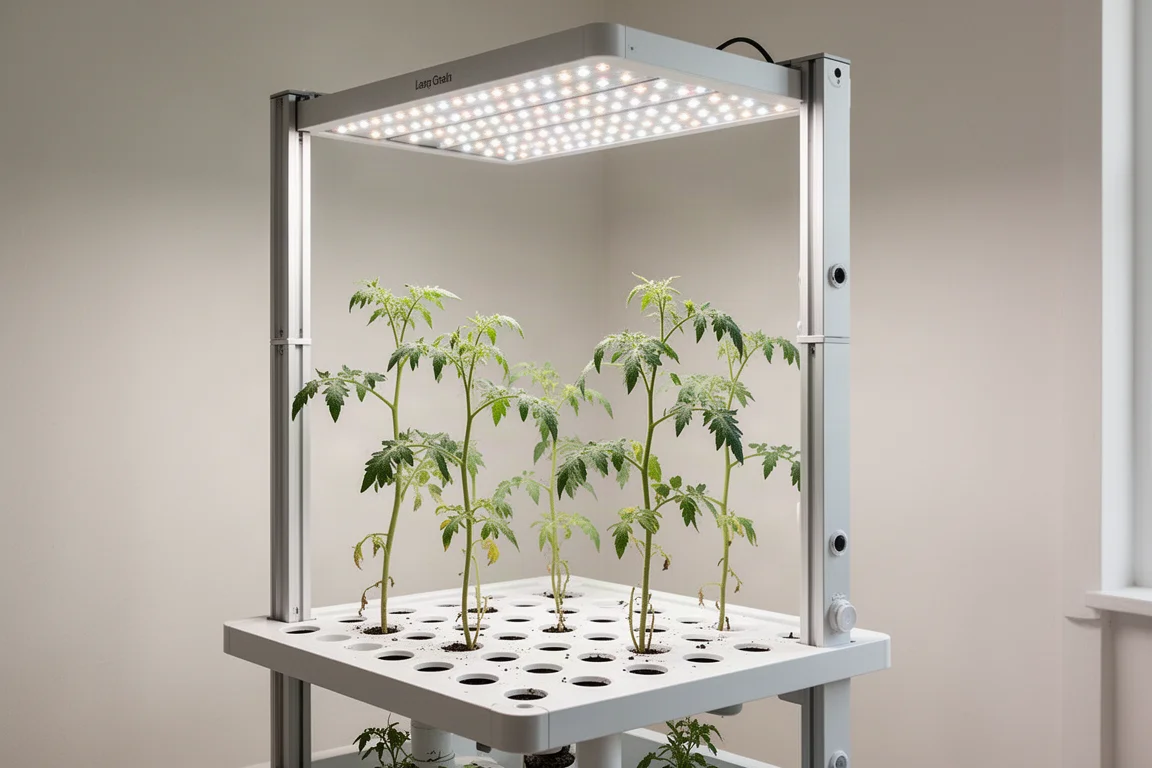
One model-specific detail matters more than the pod count: grow height. The Sprout tops out around 10 inches, while the Farm XL reaches roughly 36 inches. Because you cannot change grow height after buying, it is worth deciding now whether you want to grow tall plants like peppers and tomatoes, or stick to herbs and leafy greens.
Choosing by Grow Height
If your goal is bigger plants, go for one of the Farms. The Bounty offers a decent height of around two feet, which covers many mid-size plants, but true giants need Farm-level headroom. For leafy greens, herbs, and other compact plants, the smaller units do the job perfectly well. A Sprout, a Harvest, or a Bounty will all grow short crops happily, so there is no need to overspend if that is your plan.
Choosing by Pod Count
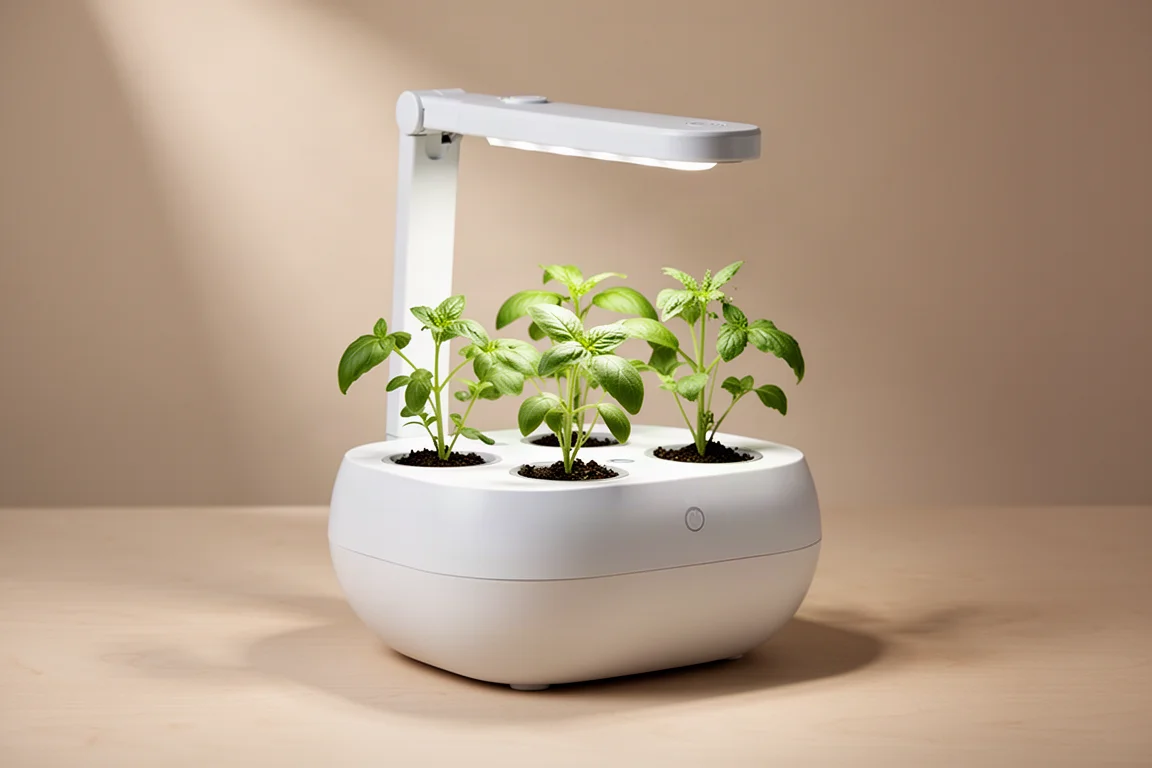
Pod count affects capacity, but bigger numbers can work against you. A common beginner mistake is planting every available hole. With a six-pod Harvest filled to capacity, plants crowd each other and yields suffer. A smarter approach is to leave holes empty so each plant can spread out. For peppers or tomatoes in a 24-hole Farm, one or sometimes two plants per side is a realistic target, even though far more holes are available.
Seed Pods: Use Them, But Don’t Stop There
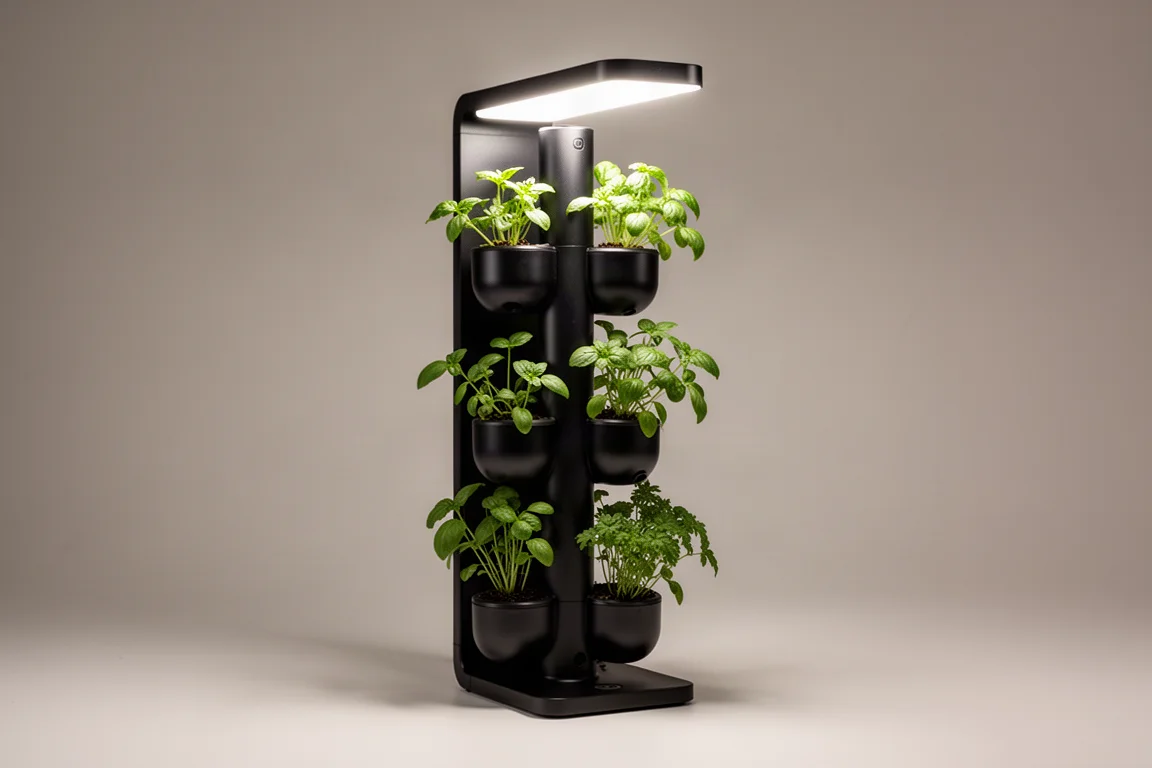
Most units ship with pre-seeded pods, usually leafy greens, though some larger units let you choose tomato and other bigger-plant pods when you buy. They are a great way to start, and there is a useful safety net: if a pod fails to sprout, customer support can send replacements, since seeds sometimes shift out of place in shipping.
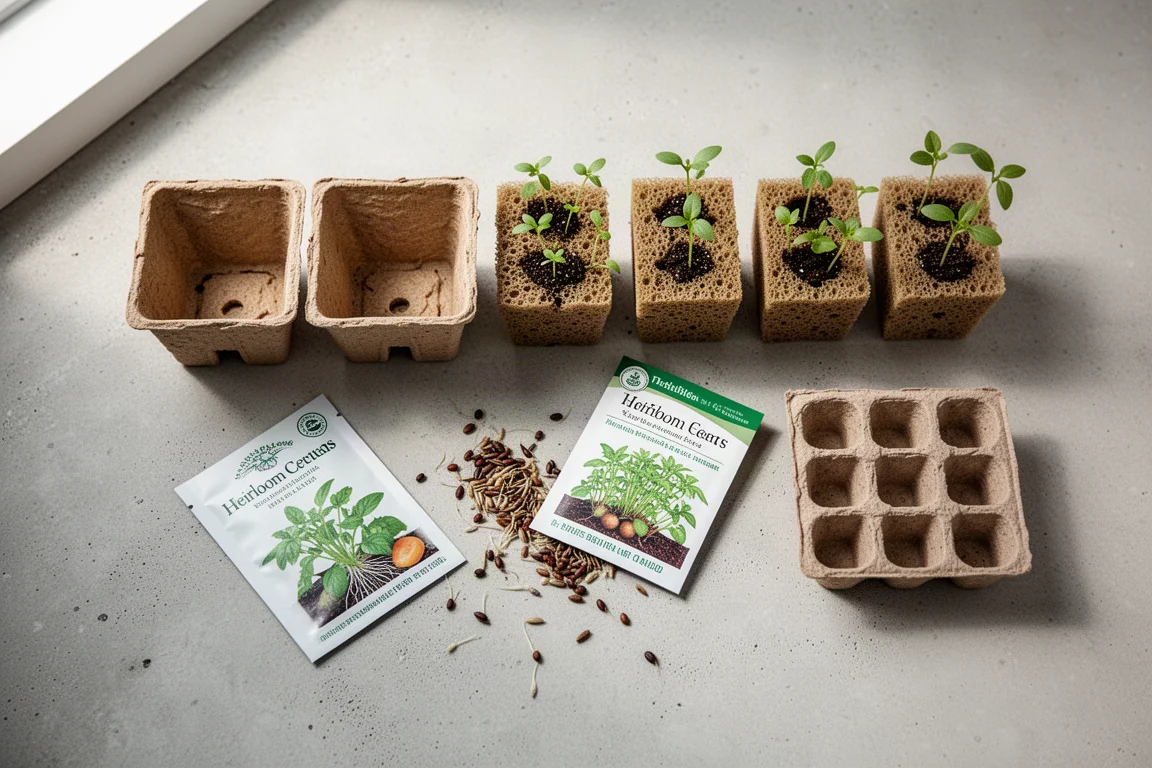
For more freedom, grow-anything pods are the upgrade worth considering. These come as bulk packs of sponges and baskets, letting you plant any seeds you like. If you prefer heirloom varieties or simply want more variety than the official seed range offers, this is the route to take.
Growing Big Plants: Push the Boundaries
You cannot grow everything, but the range is wider than most people expect. Herbs, peppers, tomatoes, eggplants, cucumbers, melons, peas, and beans have all been grown successfully in these units. The real limits are grow height and a bit of creativity.
Dwarf varieties are the trick that unlocks more. Regular peas, for example, tend to become unruly indoors, but a dwarf variety like the Tom Thumb pea grows only about nine inches tall, produces a decent harvest, and stays manageable. Applying the same logic to other crops lets you stretch what a smaller unit can do.
Accessories Worth Knowing About
A few add-ons genuinely earn their place. A small oscillating fan, nothing powerful, keeps air moving and helps seedlings grow stronger stems. Hole covers are another practical item: any empty hole should be covered, because light plus water plus nutrients is a recipe for algae. Branded covers fit well, but golf balls or anything similar work too. You will probably see some algae eventually no matter what, but covering holes reduces the odds considerably.
A seed starter tray accessory is available for nearly every unit, and it is one of the most useful ways to use these machines. Hydroponics speeds up early growth significantly, so many growers start seedlings indoors and then transplant them outside. Even the Sprout has a version that starts 15 seedlings, while the Farm version handles around 85.
Nutrients and Water Care
The AeroGarden nutrients work well on their own, and there is no obligation to use anything else. That said, branching out is an option, as long as you stick to hydroponic formulas. Standard fertilizers can contain grit that damages the pump. Adding Cal-Mag is another consideration, particularly for tomatoes and reportedly for lettuce. Some growers say it improves tomato flavor, though plenty of excellent tomatoes have been grown without it. It is simply an optional extra nutrient.
Cleaning Is Part of the Deal
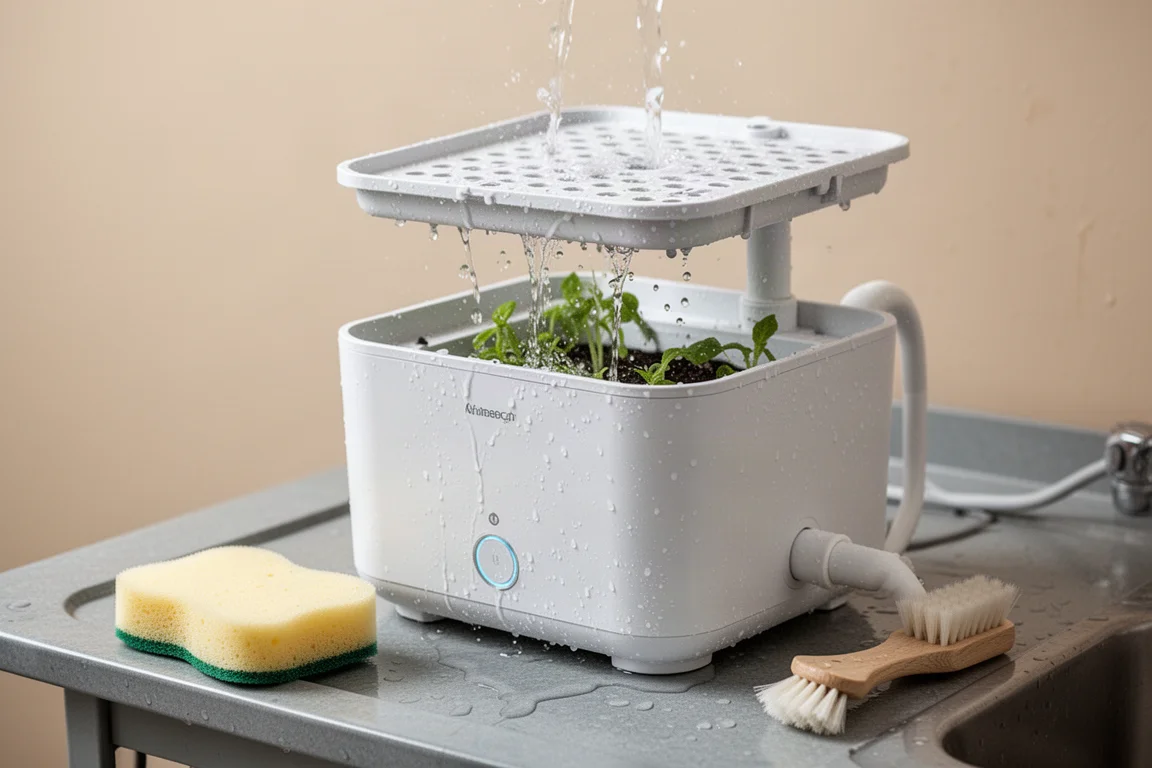
Cleaning takes time, and the bigger the unit, the longer it takes. The Farm is the most demanding of all, and most models have a grow deck that comes apart for cleaning, which is fiddly. The Sprout is the easiest to maintain by far, thanks to its simple design. If you are used to outdoor gardening, where the garden does the cleaning for you, factor this regular chore into your decision.
Lights, Timers, and Everyday Use
The grow lights are very bright. Kept in a dedicated room this is a non-issue, but in an open-plan space where the bedroom shares the light, it can genuinely be annoying. Some people build small light blockers around their units. People are often surprised the first time they plug one in and see how much light these things throw.
On most units, the moment you plug the machine in becomes the lights-on time: 16 hours on, 8 hours off. If the schedule needs changing, simply unplug and replug at the desired time. Some models, like the Farm, have programmable light settings so no unplugging is required.
A few practical extras to check per model: vacation mode, which lowers water usage while you are away, is available on most Harvest, Bounty, and Farm units. Indicator lights on most machines flag two things, low water and nutrients due, the latter typically on a 14-day cycle. Watering frequency changes dramatically as plants mature, so expect to top up far more often once plants are fully grown. Wi-Fi equipped models can push these reminders to your phone.
AeroGarden Is Not the Only Option
It is worth knowing the alternatives before committing. Rise Gardens, Click and Grow units, and Tower Gardens all occupy the same space, and new hydroponic systems seem to appear constantly. If AeroGarden is the choice, simply match the model to what you actually want to grow. If you are open to exploring, trying different systems is a good way to learn which one suits your space and habits.
Conclusion
The right AeroGarden comes down to one question first: what do you want to grow? Tall plants like tomatoes and peppers demand Farm-level grow height, while herbs and greens thrive in anything from a Sprout upward. Plant fewer holes than you have, cover the empty ones, consider dwarf varieties to stretch your options, and treat cleaning and light brightness as part of the deal. Get those basics right and any model in the lineup can deliver a genuinely productive indoor garden.
Further reading
Related Reviews
Indoor Gardening
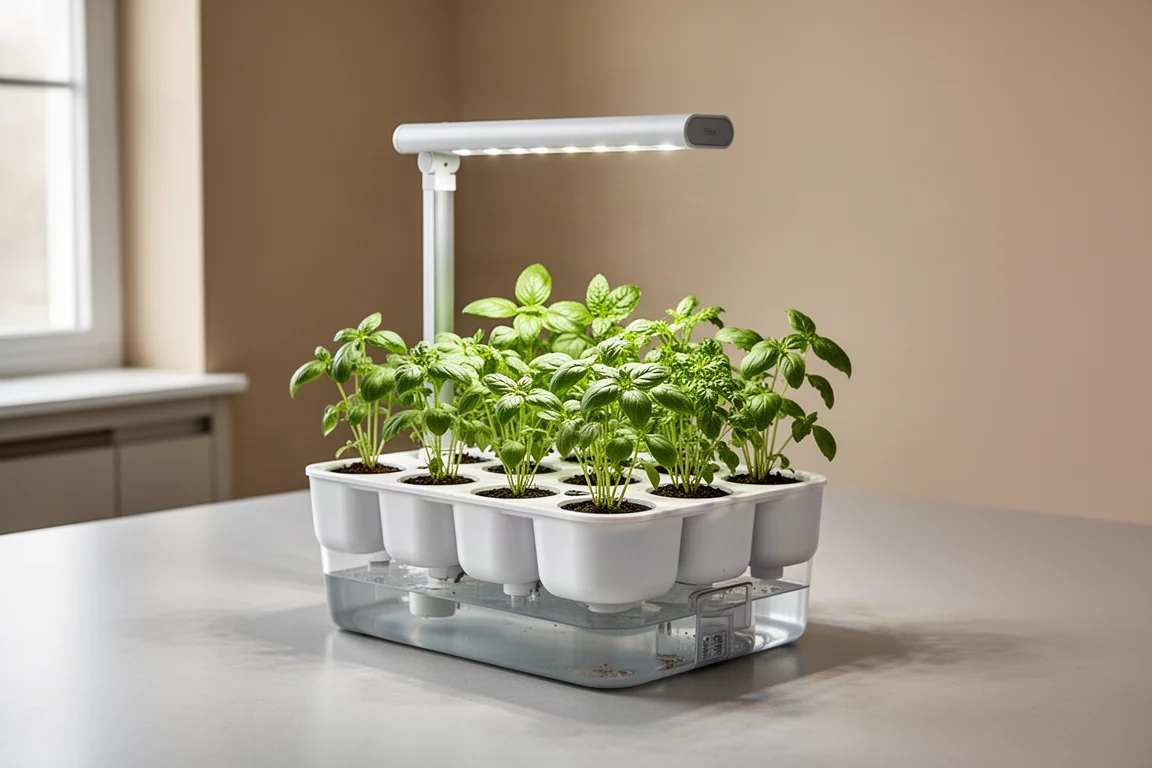
AeroGarden Eight-Pod System Review: A Budget Hydroponic Garden That Works
After a few months of growing dill, a shishito pepper, and micro tomatoes, here is what this eight-pod hydroponic system gets right and what to watch for before buying.
Indoor Gardening
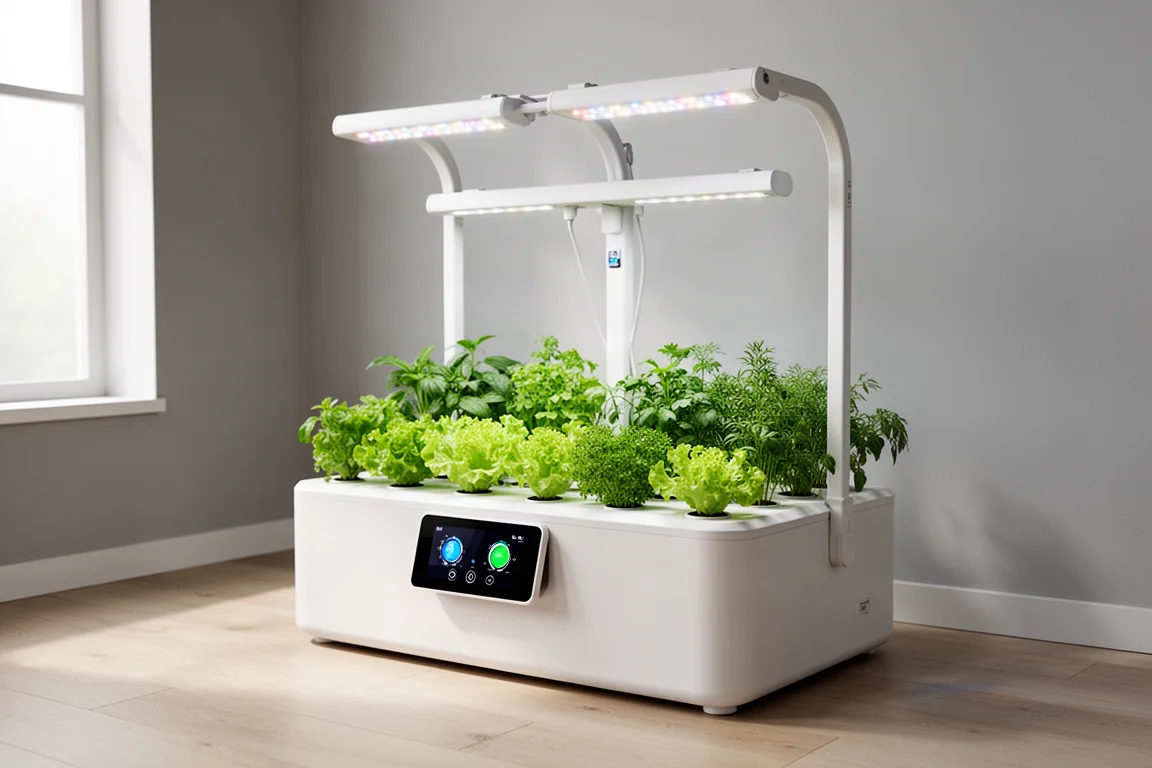
AeroGarden Farm After 8 Years: What I Wish I Knew Before Buying
A long-term look at the AeroGarden Farm, the 12XL alternative, and why a Rise Garden won out on space efficiency.
Indoor Gardening
AeroGarden Farm XL 12 Review: A Tall Indoor Garden Built for Year-Round Tomatoes
A closer look at the tallest grow height in the AeroGarden Farm lineup, its assembly quirks, and why it makes sense for growing full-size tomatoes indoors.