Road Cycling
A Rim Brake Dream Build: Giant TCR Advanced SL with Campagnolo Super Record
A deliberately old-school road build pairing a Giant TCR Advanced SL frameset with mechanical Campagnolo Super Record, Bora Ultra 35 wheels and 25mm Michelin tires at 6.92 kg.
Introduction
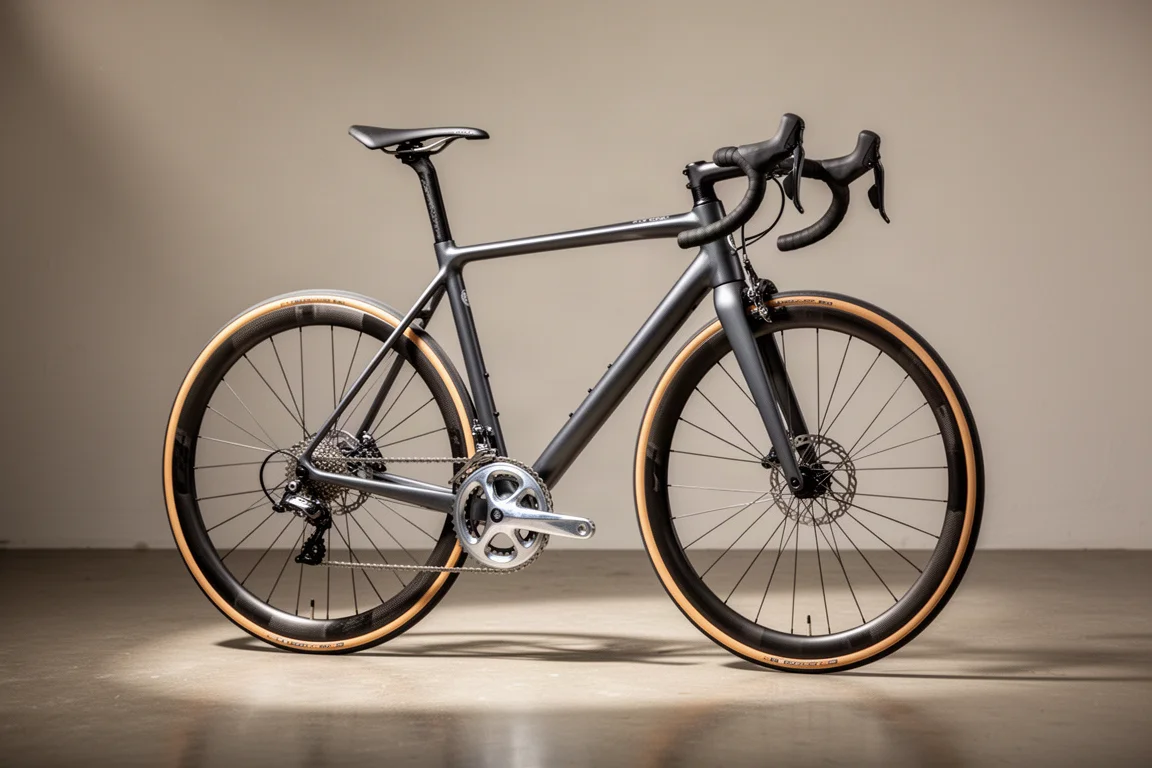
High-end road bikes have moved almost entirely to disc brakes, which makes a new rim brake build a statement of intent rather than an accident of timing. This one starts with a Giant TCR Advanced SL frameset and finishes with a mechanical Campagnolo Super Record groupset, Campagnolo Bora Ultra 35 wheels and 25mm Michelin Power Cup Competition 4 tires. On the scales it comes in at 6.92 kg, close to the UCI minimum weight limit.
Every decision here points the same way: keep the bike light, keep it simple to work on at home, and keep it looking like a classic road bike.
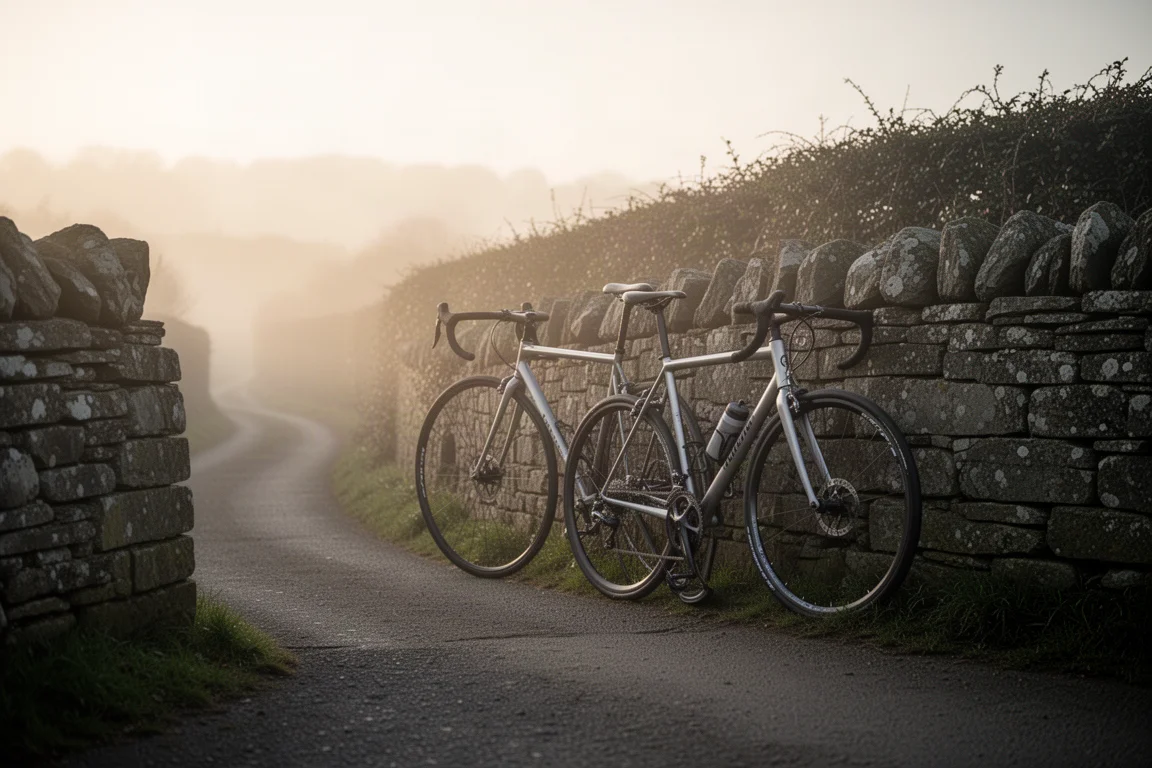
The reasoning behind the build is easier to follow once the rider’s situation is clear. Riding time is limited, hill climbing shaped the priorities, and there is little appetite for hidden cables or hydraulic bleeding. The sections below take each component in turn and explain where it makes sense and where it does not.
Why Rim Brakes Still Make Sense
There is no argument that disc brakes stop better, especially in poor conditions. The case for rim brakes rests on other ground: weight, simplicity and maintenance time. A rim brake adjustment is typically a short job with basic tools, while hydraulic systems bring fluid, syringes and longer service windows.
Rim brake road bikes also tend to avoid some of the more involved modern design habits, including fully internal cable routing. Routing everything inside the frame may save a fraction of a watt over 40 km, but it can add a great deal of time to routine work at home.
Weight matters most on steep climbs, which is where this build’s priorities come from. It is worth keeping perspective, though: on any hill, a rider’s training, pacing and ability to suffer will count for far more than the type of brake on the bike.
Looks matter too. Rim brake frames tend to keep classic lines, rounded tubes and subdued paint, and a bike that appeals visually is easier to reach for on a cold morning.
The Frame: Giant TCR Advanced SL
The TCR Advanced SL is the centre of the build. This is the current generation, slightly lighter and a little more aero than the version before it, but the family resemblance is strong: classic frame shapes, an integrated seatpost and clearance for tires up to 28mm.
The frameset is not cheap, at roughly £2,400 after shopping around, but it sits below the flagship framesets from other brands that can run north of £5,000. For riders who want a light, fast all-round road frame, that gap is part of the appeal.
The TCR has a long-standing reputation as an excellent all-rounder rather than a specialist. It is not always the lightest, the most aero or the most comfortable option in its class, but it handles a wide range of road riding well, which is exactly what a single bike has to do.
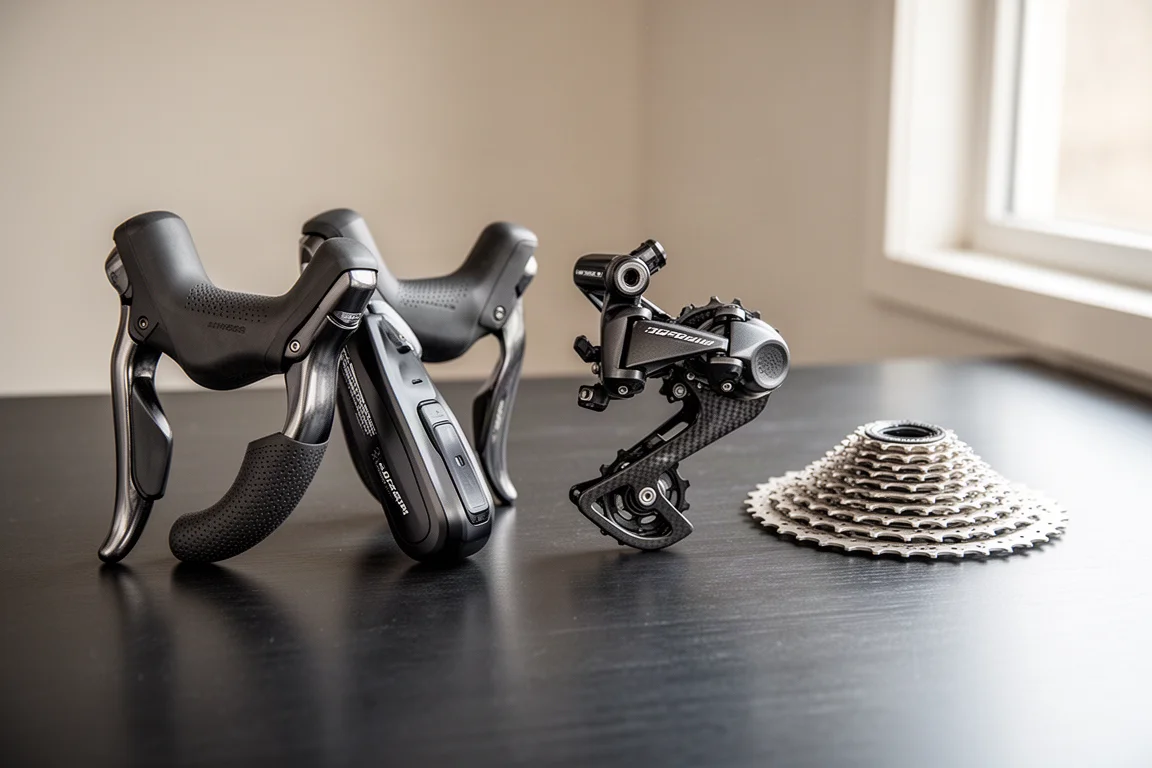
The Groupset: Campagnolo Super Record
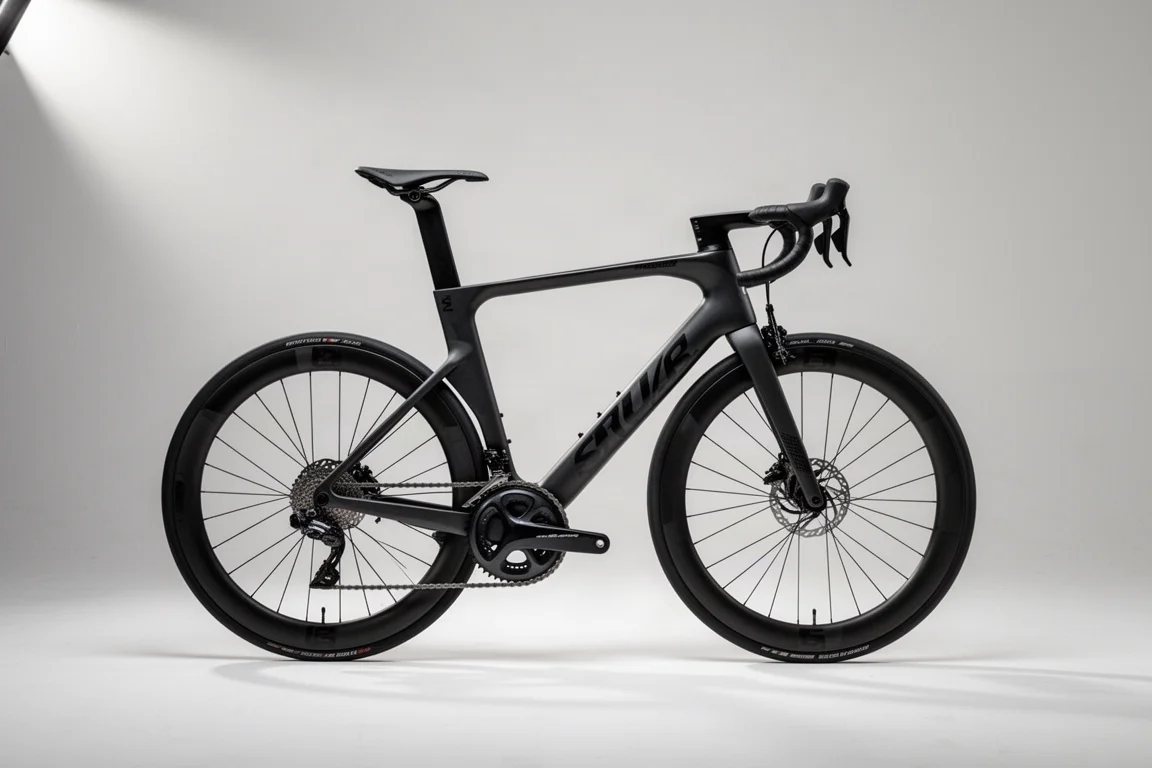
Campagnolo Super Record is an indulgent choice for almost any build. Shimano 105 is more than enough for most riders. The reason to go further is a combination of low weight, fully mechanical operation and a particular feel: cables and friction rather than batteries and beeps.
The shift levers are a large part of that character. Separate levers and a thumb-actuated downshift paddle give a distinct, precise feel, and the deep contoured hoods offer a shape that many riders find comfortable over long distances.
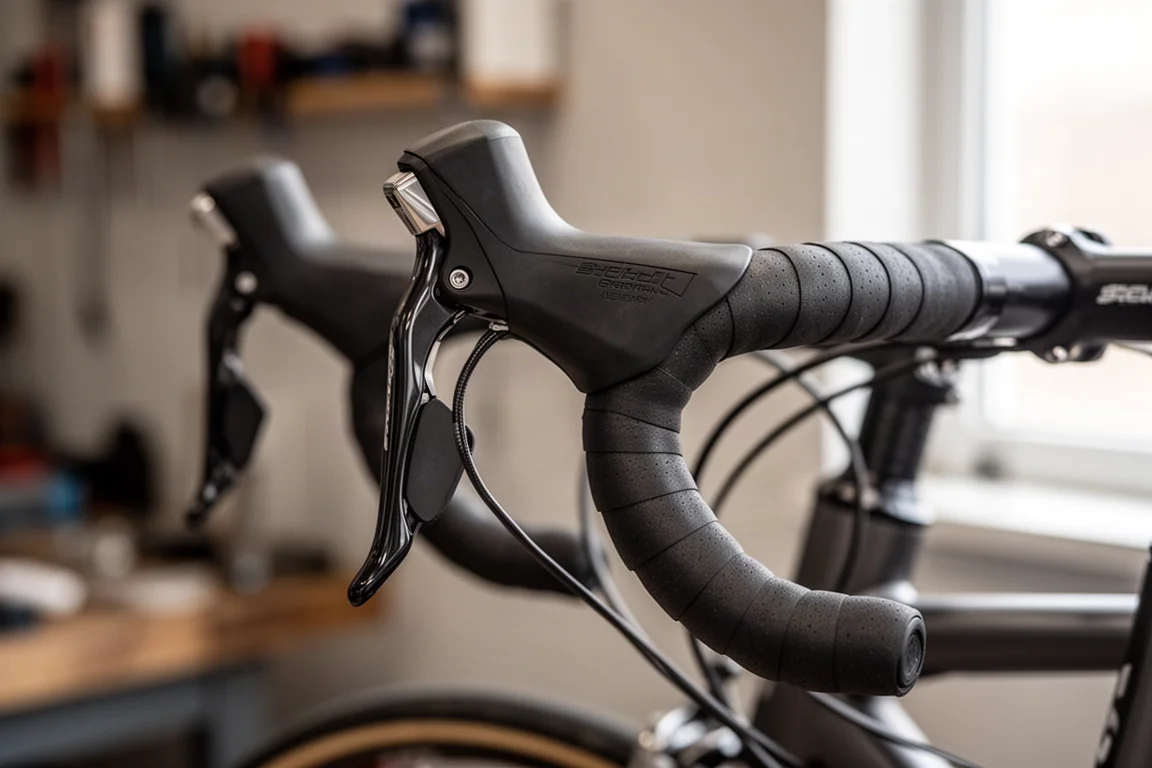
Mechanical Super Record also has a more organic look than most modern groupsets, with polished surfaces and visible cable runs. It is not for everyone, and the price is a genuine consideration, but for a build where shifting feel matters as much as numbers, it is a coherent choice.
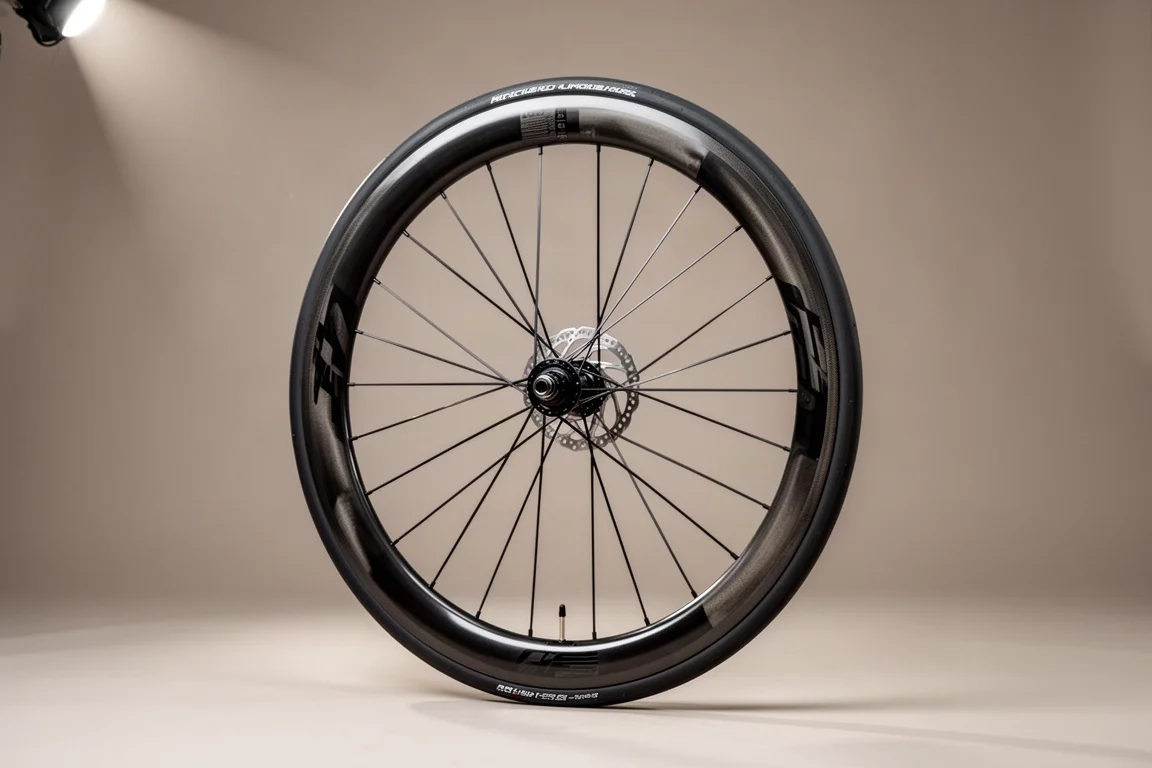
The Wheels: Campagnolo Bora Ultra 35
The Bora Ultra 35 is an old-school pick by current standards. The rims are not especially wide and not especially aero, and deeper wheels would be faster on flat roads. What they bring instead is weight: around 1,360g for a pair of carbon clinchers.
For a build centred on climbing and on a traditional look, that trade-off works. The shallower profile also suits the frame’s proportions, and the finish ties the whole bike together visually.
The Tires: Michelin Power Cup Competition 4
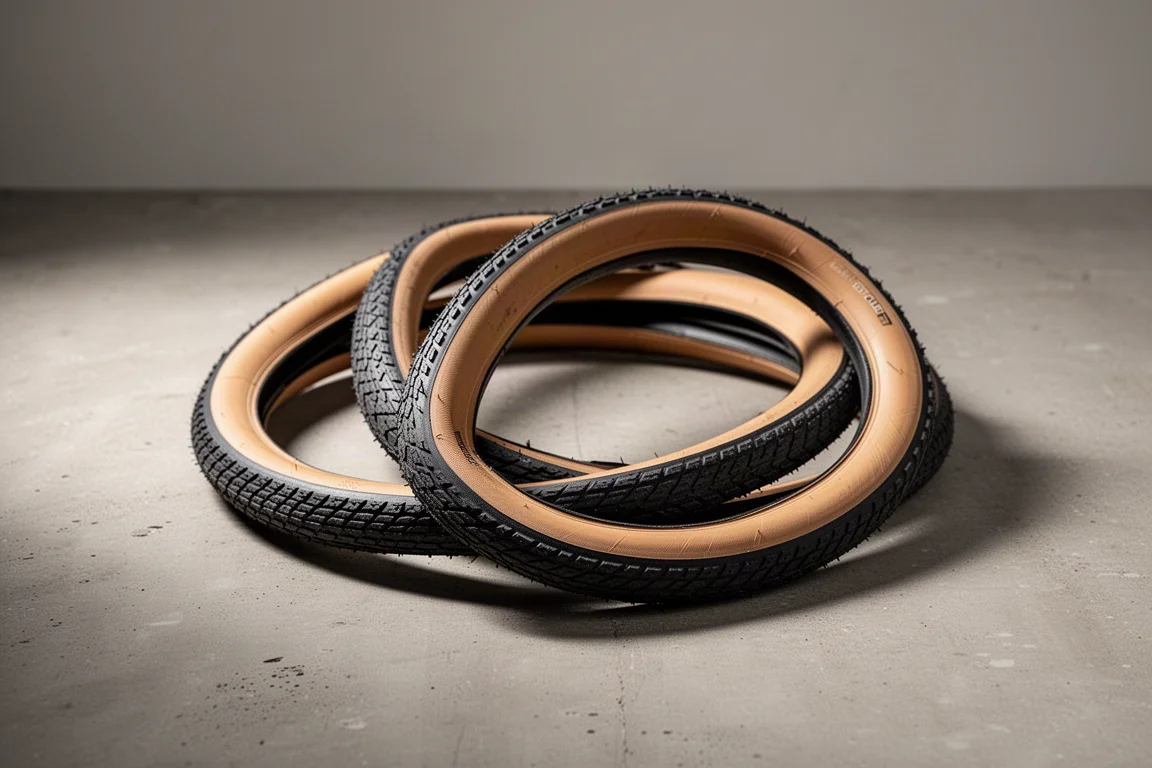
The Michelin Power Cup Competition 4 in 25mm is an unusual choice in a market that has moved toward wider rubber. The reasoning is familiar by now: a light tire for a light build, with tan walls that suit the wheels and the frame.
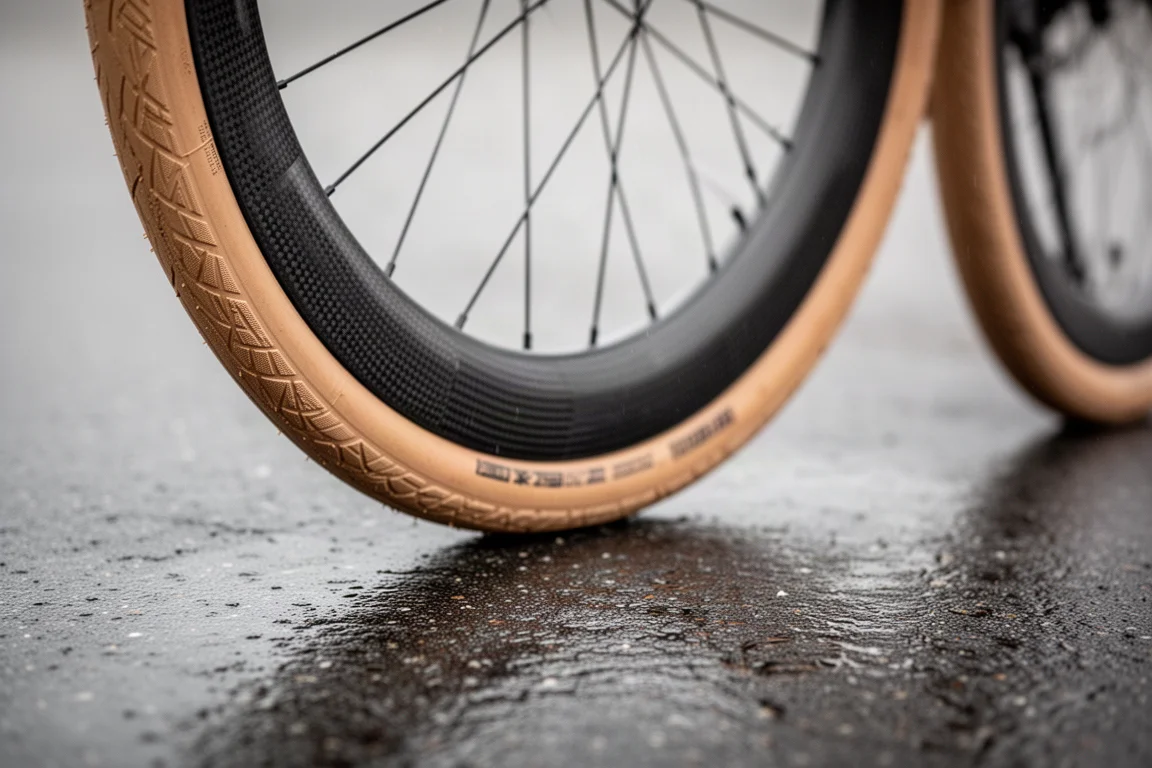
The 25mm width also fits the frame comfortably, since the TCR Advanced SL accepts up to 28mm, and the tires sit well on the Bora Ultra 35 rims. Riders who prioritize comfort and grip on rough surfaces would likely prefer something wider.
Finishing Kit and Build Weight
The remaining parts come from older hill climb builds, so they follow the same theme: lightweight components with plenty of carbon. The complete bike weighs 6.92 kg, close to the UCI minimum weight limit.
Two details stand out. There is no power meter and no bike computer fitted, which reflects how little time the owner has to ride and record data. The protective tape is also still on the cranks, a small sign that the bike is being kept as pristine as possible.
Overall Buying Advice
A rim brake build like this makes sense for a specific rider: someone who values low weight, simple home maintenance and classic looks, and who rides in conditions where rim braking is acceptable. Anyone who rides frequently in wet weather or wants the widest possible tire options is better served by a disc brake bike.
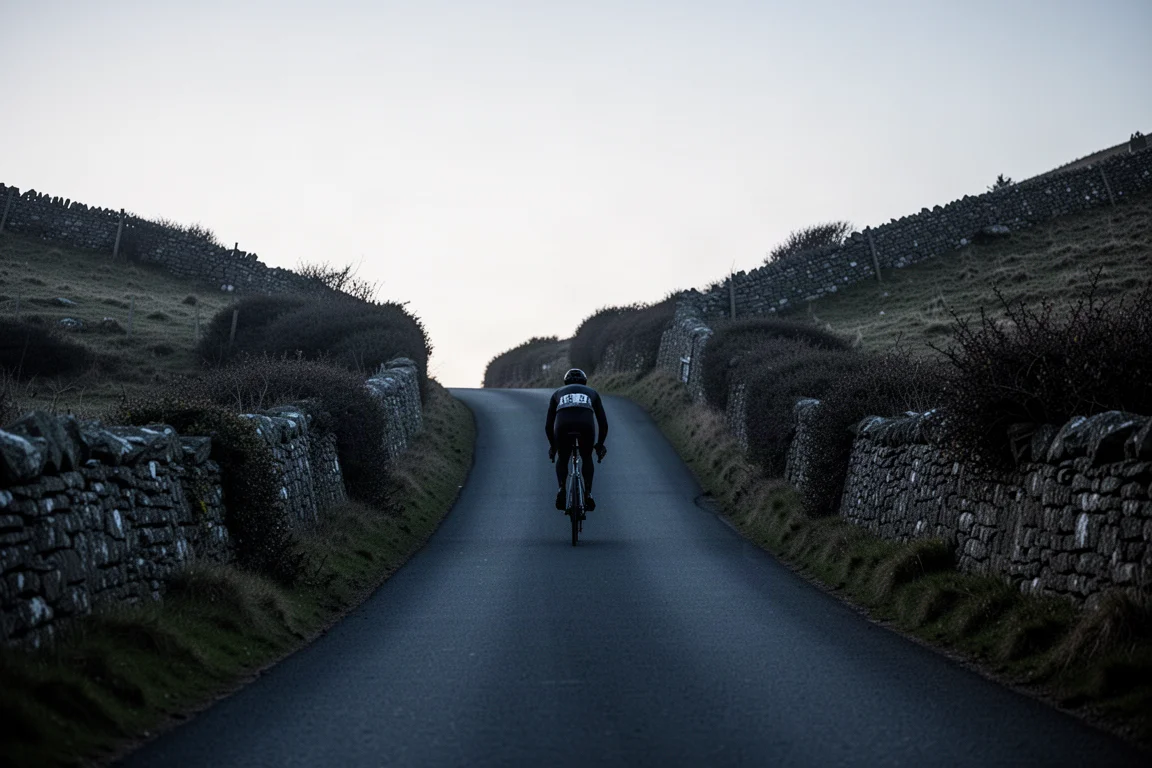
If you are planning something similar, the frame is the largest single cost and the part worth shopping around for. The groupset is where the build becomes personal, and mechanical Super Record is a deliberate choice rather than a default one. Wheels and tires are the easiest places to adjust weight, cost and comfort later, and the 28mm clearance of this frame leaves a little room to experiment.
Conclusion
This build is not an argument that rim brakes are better. It is an argument that they still make sense for riders with clear priorities: light weight, mechanical simplicity and a classic silhouette. A TCR Advanced SL frameset at around £2,400, mechanical Campagnolo Super Record, Bora Ultra 35 wheels and 25mm Michelin Power Cup Competition 4 tires add up to a 6.92 kg road bike that is fast, straightforward to live with and easy to enjoy looking at.
Further reading
Related Reviews
Road Cycling
Best Looking Tour de France Bikes: Eight Race Machines and Their Paint Schemes
A closer look at eight Tour de France race bikes, from a gold-detailed presentation build to rainbow watercolours, water-transfer finishes and a clean title-sponsor livery.
Road Cycling
Best Road Bike Upgrades 2026: Clipless Pedals Compared and What to Change First
Two clipless pedal systems worth shortlisting for 2026, plus the lighter inner tubes, wheels, tires and saddles that genuinely change how a road bike rides.
Road Cycling
Best Road Bike Upgrades 2026: Five Pro-Level Picks Worth Buying
Five road cycling upgrades tested over months of hard riding, from a carbon-shell helmet and mixed-depth wheels to a tubeless race tire and a tight aero jersey.