Bike Inner Tubes
RideNow TPU Inner Tubes Review: A Budget Way to Cut Rotating Weight
A practical look at RideNow TPU Inner Tubes, a lightweight and inexpensive option for road riders who want to save rotating weight without moving to tubeless.
Introduction
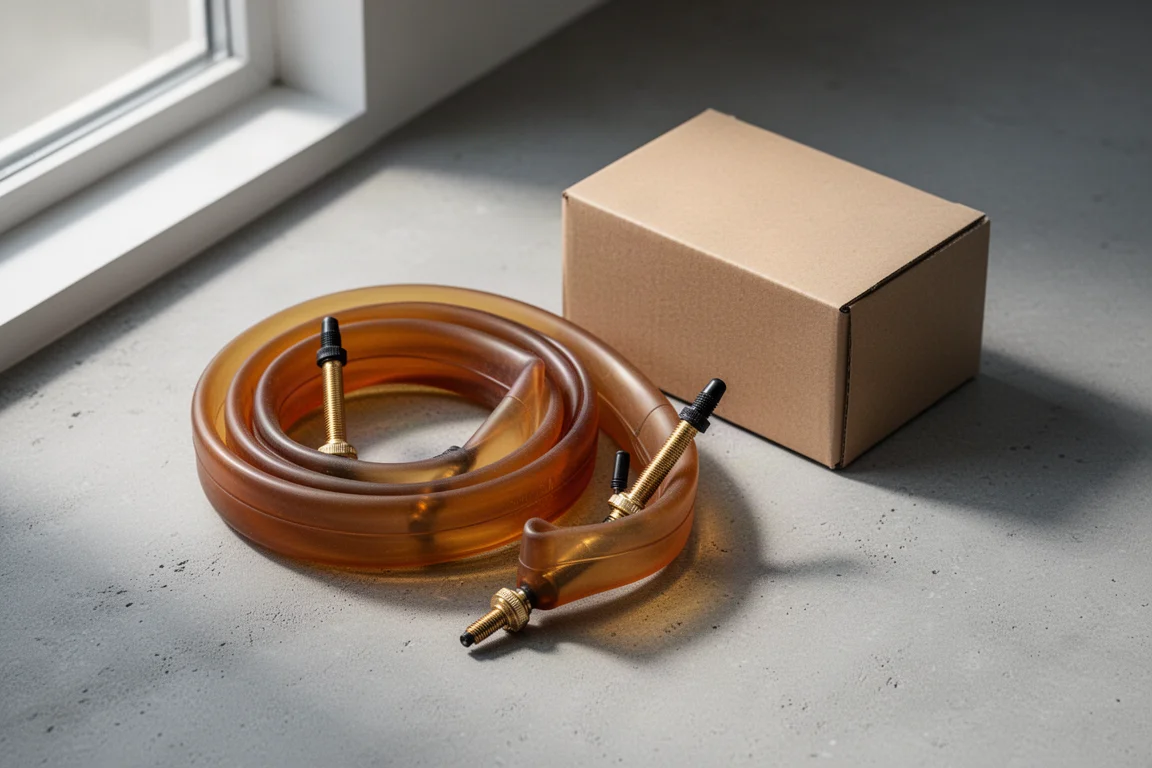
Weight is one of the few things on a road bike that can be reduced without changing how the bike behaves underneath you, and inner tubes are among the least expensive places to start. RideNow TPU Inner Tubes are built from thermoplastic polyurethane rather than butyl rubber, which makes them lighter, far more compact, and considerably cheaper than the latex tubes they are often compared with. At around £8 per tube, they cost a fraction of the roughly £30 that comparable lightweight tubes from other manufacturers typically command.
This review covers what TPU construction actually changes, who gets the most from these tubes, and the practical details worth checking before you buy.
What Makes TPU Inner Tubes Different
TPU stands for thermoplastic polyurethane, a material that allows a tube to be moulded thin and light while staying flexible enough to install in the usual way. The result is a tube that weighs very little, packs down small enough to disappear into a saddle bag, and still behaves like a conventional inner tube at the valve.
The material also appears to have an effect on rolling resistance. Some studies indicate that TPU tubes deliver rolling resistance comparable to latex, which has long been the benchmark for low-friction tubes. Latex, however, loses air over time and is more fragile when it comes to puncture resistance. TPU keeps much of the performance advantage while being easier to live with day to day.
Who These Inner Tubes Are For
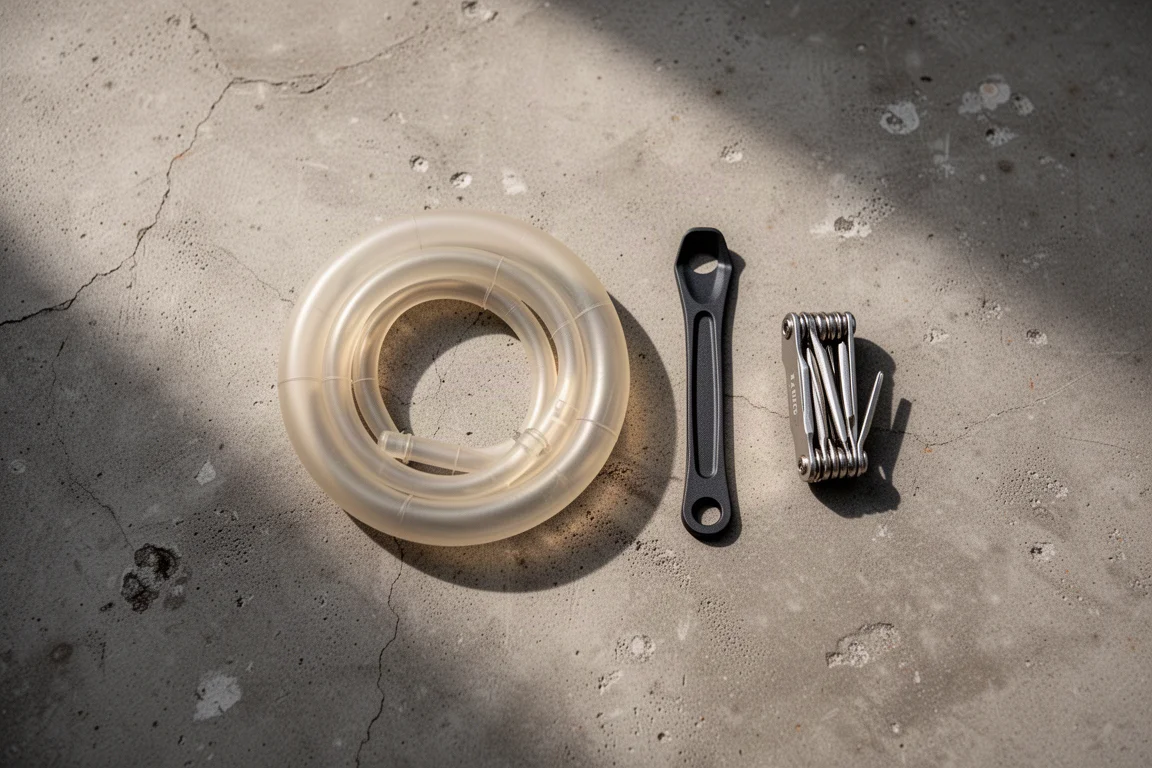
These tubes suit road riders who want a meaningful weight saving without spending much. If you are running standard butyl tubes and looking for an inexpensive upgrade, swapping to TPU is one of the simplest changes you can make, and the difference in rotating weight tends to show up on climbs and accelerations more than on a flat cruise.
They also make sense for riders who have considered tubeless but do not want the setup process, the sealant maintenance, or the long-term commitment that comes with it. TPU tubes install like any other tube, which keeps your existing wheels and tires in play and your routine unchanged.
Main Strengths
The headline strength is weight. TPU tubes are very light and very small, and they cost far less than the alternatives that offer similar performance characteristics. Rider feedback reflects that value, with the tube accumulating more than 1,000 ratings and an average score around 4.8.
Air retention is the second strength. In practice, these tubes hold pressure over the course of a week or longer, which puts them well ahead of latex tubes that need reinflating on a regular basis before nearly every ride.
Installation and Air Retention
Fitting is straightforward and, in one respect, easier than fitting a conventional tube. Adding a small amount of air to the tube first gives it shape, which reduces the chance of pinching it between the tire and the rim as you work it into place. From there you seat the tire, inflate, and ride.
That simplicity is a large part of the appeal. There is no sealant to measure, no compressor needed to seat a bead, and no tubeless tape ritual to get right. For riders who want low weight and low rolling resistance without changing how they maintain their bike, the process is a genuine advantage rather than a compromise.
Things to Consider Before Buying
Weight savings are real but modest in absolute terms, so the benefit is best thought of as part of a broader weight-reduction plan rather than a transformation on its own.
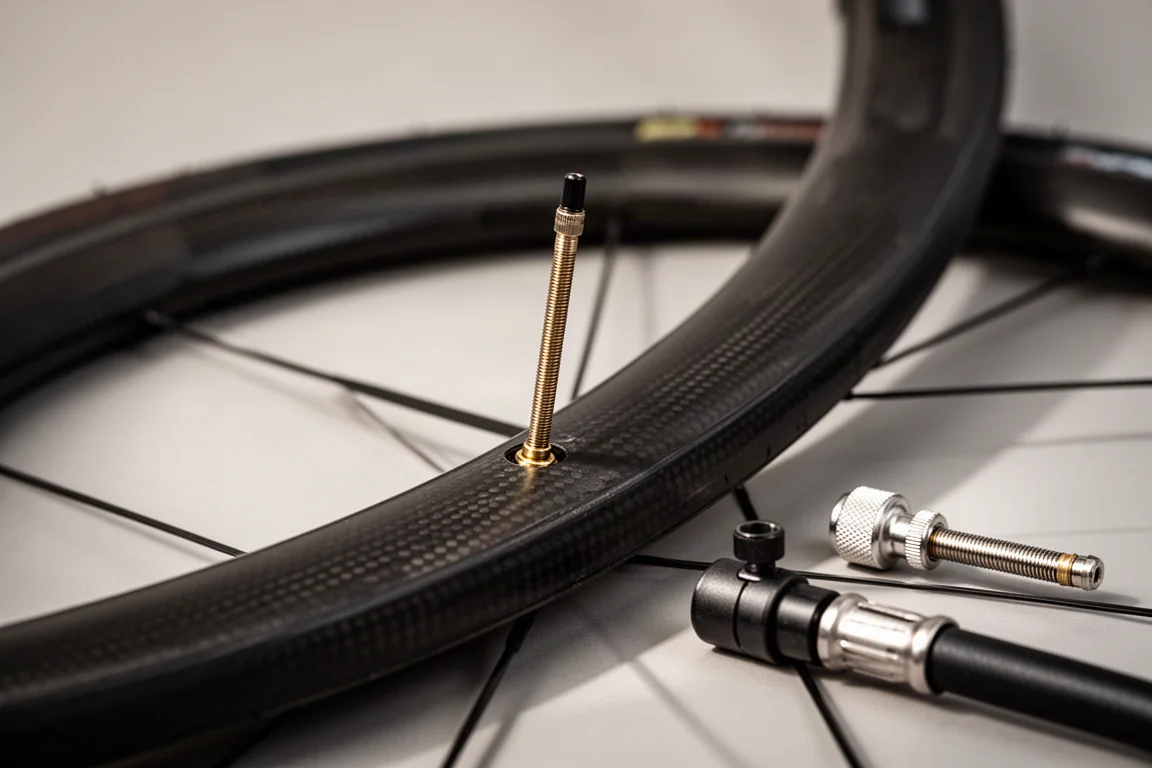
Compatibility is the other thing to check. TPU tubes are less commonly stocked than butyl tubes, so it is worth confirming availability in your size and valve length before you commit. They are also less forgiving of a careless installation than a thicker butyl tube, which makes the pre-shaping step worth doing properly every time.
Sizing and Valve Length Checklist
The tubes are offered for tires from 18 mm up to 32 mm in width, which covers the vast majority of road and all-road setups. Valve length is the variable that matters most, with 45 mm, 65 mm, and 85 mm options available.
A 65 mm valve is the practical choice for a 28 mm road tire on a 50 mm deep rim, a common combination on modern road bikes. If you run shallow alloy rims, 45 mm is usually enough. Deep section wheels generally need the 85 mm version so the valve clears the rim and leaves room for a pump head. Matching the valve to the rim depth is a small decision that prevents an irritating problem later.
Buying Advice
At around £8 per tube, these are an easy recommendation for anyone who wants to reduce rotating weight cheaply. The price also makes it sensible to buy more than one, and the small packed size means a spare takes up very little room in a saddle bag or jersey pocket.
If you are comparing against latex, the calculation is straightforward. Latex tubes typically cost around £30 each, lose air quickly, and are more delicate, while these tubes cost a fraction of that and hold pressure for a week or more. For most riders, the TPU option is the more practical purchase.

Check the tire width and valve length against your wheels before ordering. If you are unsure between two valve lengths, measure your rim depth and pick the option that leaves comfortable clearance for a pump head.
Conclusion
RideNow TPU Inner Tubes deliver the core benefits of a modern lightweight tube at a price that makes the upgrade almost trivial. They are light, compact, easy to fit, and hold air well over time, and their rolling resistance appears to sit in the same territory as latex without the maintenance burden. For road riders looking for an inexpensive way to take weight off the bike, they are a sensible place to start.
Product link
View more details for RideNow TPU Inner Tubes
This product is mentioned in the review. Check the specifications, options, and compatibility before buying.
View more details for RideNow TPU Inner TubesFurther reading
Related Reviews

Backpacking Gear
Building a 10 lb Base Weight: An Ultralight Backpacking Gear List
A practical walkthrough of the ultralight pieces behind a 10 lb base weight, from a 765 g pack and a roomy one-person tent to a full camp chair and a dependable water filter.
Road Bikes
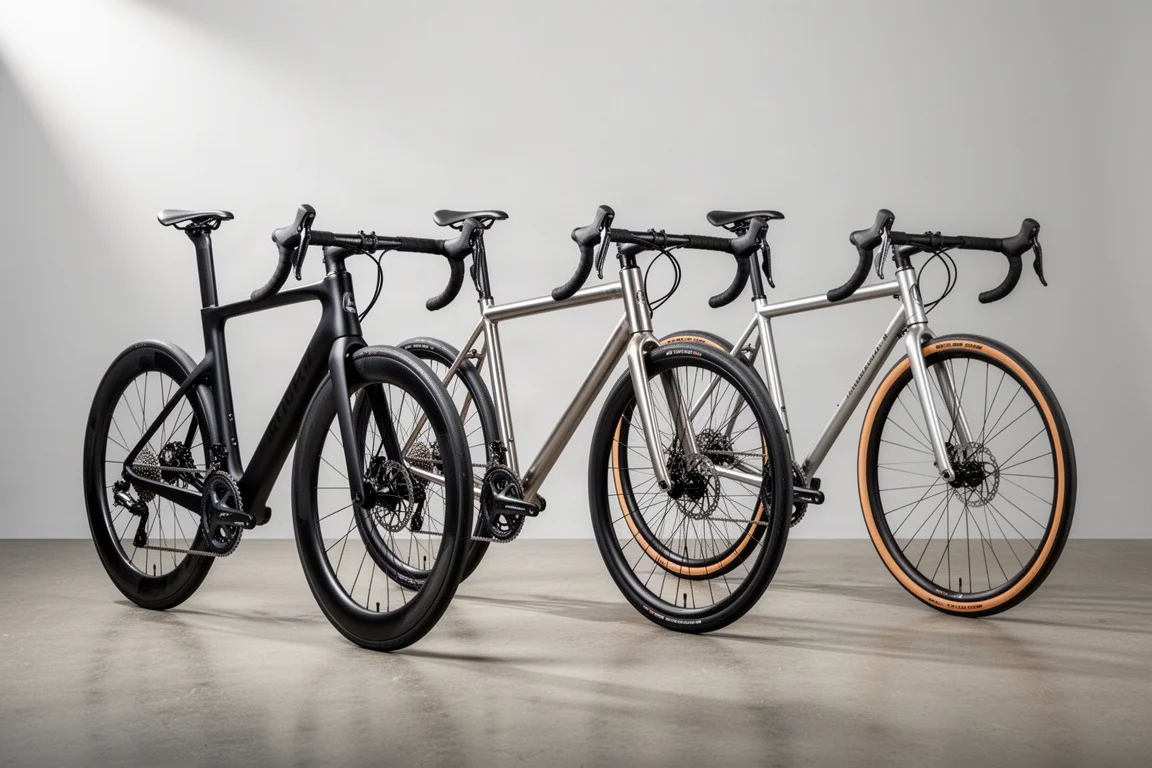
10 New Road Bikes Worth Watching: Aero, Titanium, Steel and Endurance Standouts
A practical roundup of 10 new road bikes, from aero flagships chasing single-watt gains to titanium, steel and endurance platforms built for real roads.
Bikepacking Gear
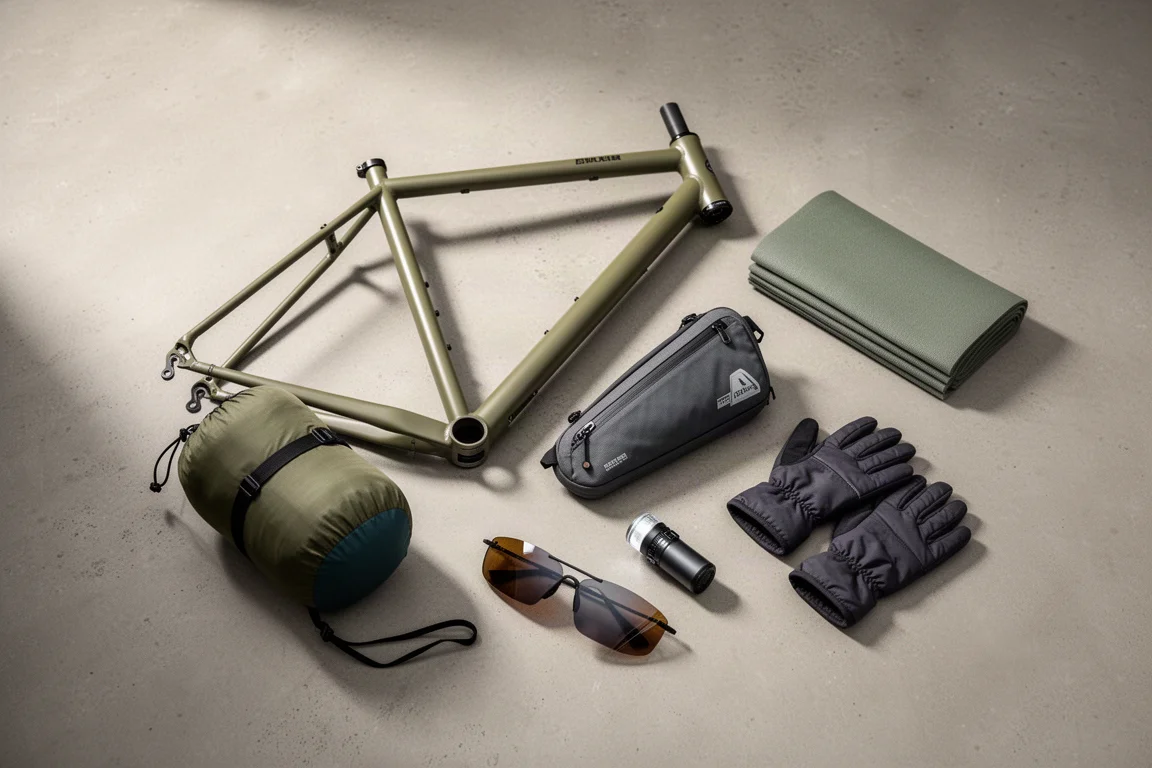
11 Bikepacking Essentials for Long-Distance Cycling
Eleven bikepacking essentials for long-distance cycling, from a steel gravel frame and a two-person tent to helmet lights, packable gloves, and a frame bag that puts weight in the right place.