Electric Road Bikes
Ribble Endurance SL e Review: A Discreet Road E-Bike Tested on a 21 Kilometre Alpine Climb
A road e-bike built on the Endurance SL platform with a Mahle X35 Plus motor and a 250 Wh frame battery, put to the test on the Stelvio Pass.
Introduction
Road e-bikes promise something simple: the same roads, the same views, a lot less suffering. The real question is whether a modern electric road bike can carry a rider up a genuinely serious climb without the battery giving out along the way.
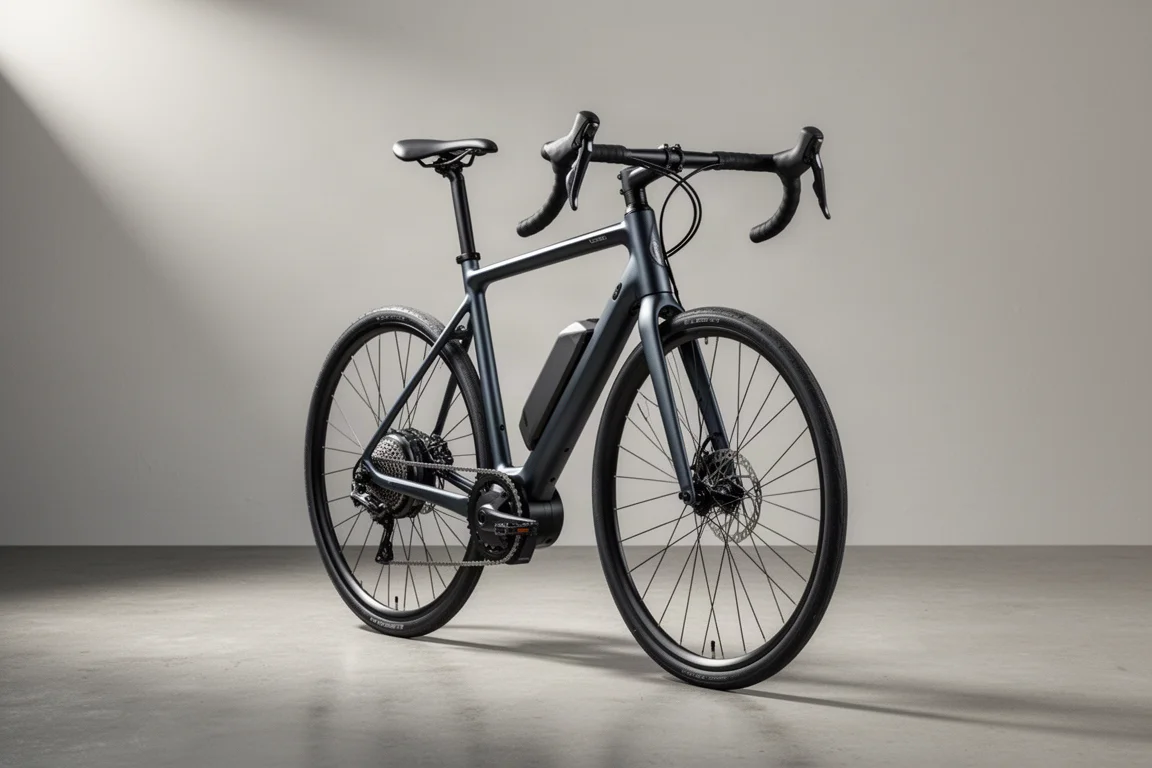
The Stelvio Pass in Italy makes a fair test. From this side the climb runs 21 kilometres, gains around 1,500 metres and averages a gradient of 7.6 percent. End to end the pass stretches 48 kilometres across 75 hairpins and tops out at 2,758 metres above sea level. It is one of cycling’s great bucket list rides, and for plenty of riders it is also out of reach on fitness alone. The Ribble Endurance SL e takes the Endurance SL road platform and adds a Mahle X35 Plus motor with a 250 Wh battery hidden inside the frame. This review looks at what that combination actually delivers on a climb of that scale.
Who this product is for
The case for a road e-bike like this is broader than it first looks. Riders who are older or coming back to cycling, riders who are new to the sport and have not yet built up the fitness, and riders who simply want to keep pace with faster friends all get something real from motor assistance.
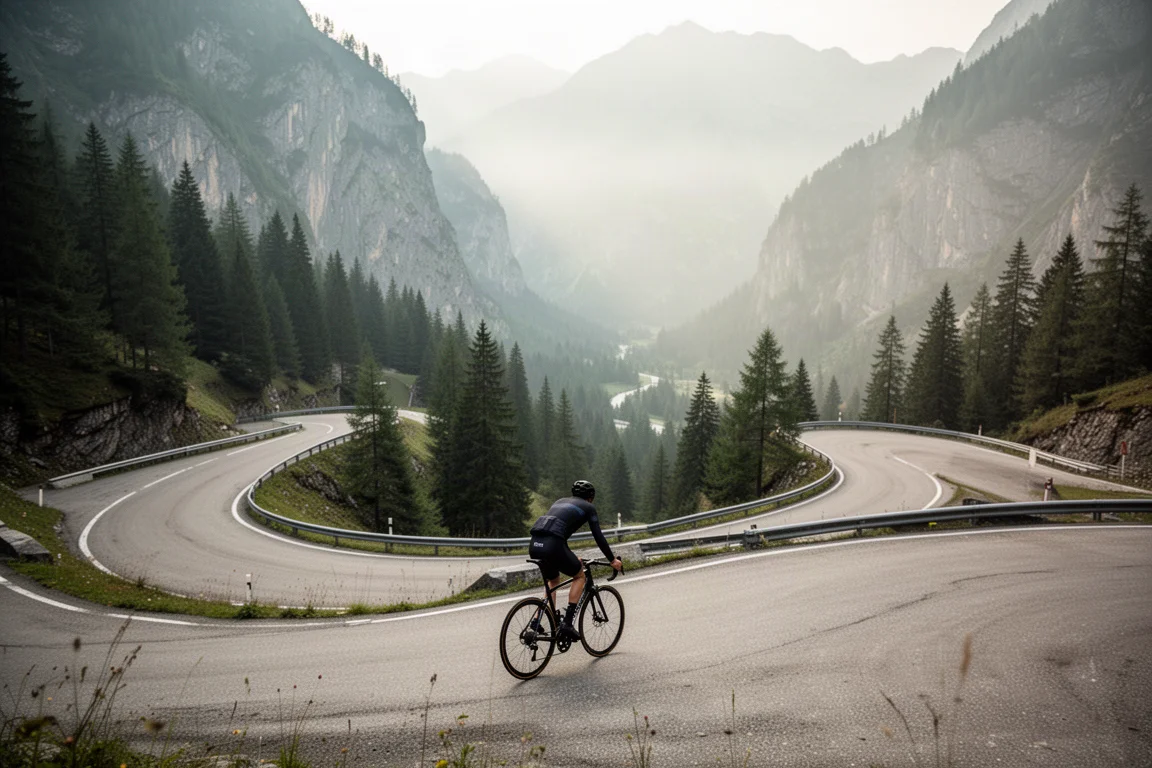
On a climb like the Stelvio, that changes the maths. Instead of being a hard limit, a 21 kilometre ascent becomes an experience a much wider group of people can actually finish, and enjoy rather than simply survive.
Main strengths
Motor assistance on steep gradients
The Mahle X35 Plus unit provides up to 40 Nm of torque and 200 watts of assistance, which is more than capable of dealing with sustained alpine gradients. Assistance is split across three modes selected from a button on the bike, so you can trade range for speed depending on how the road ahead looks.
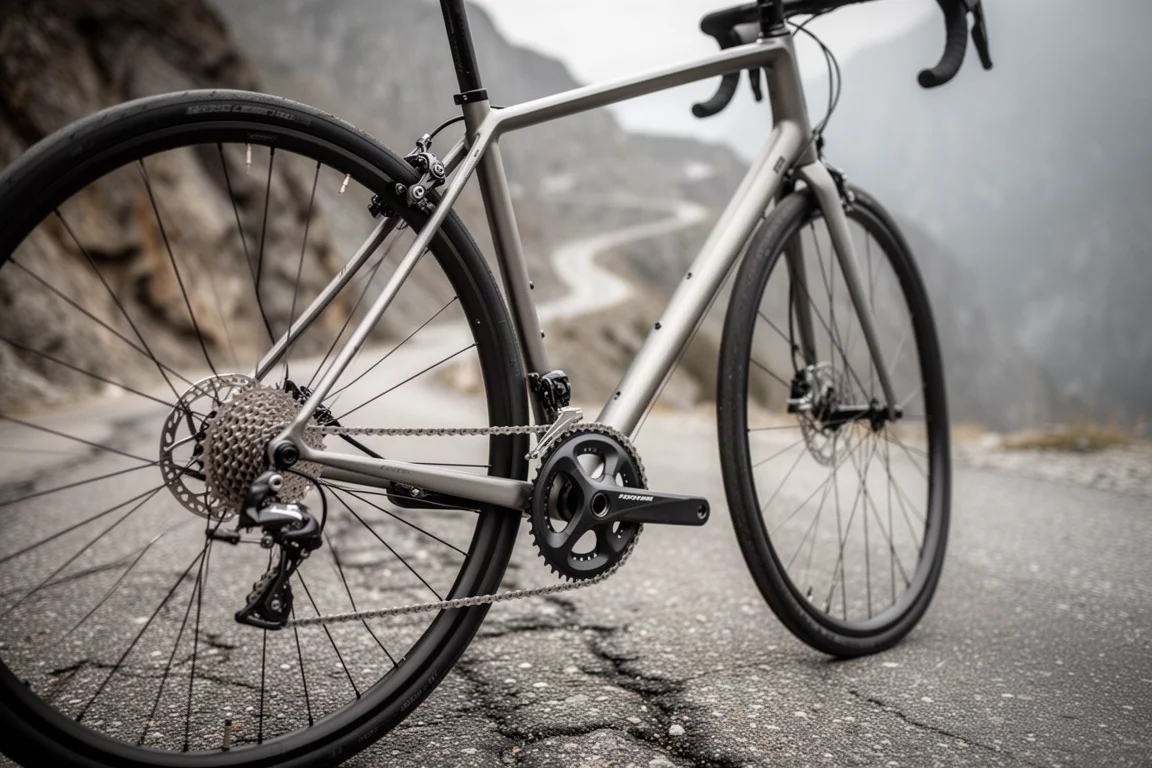
The motor’s quiet nature is part of its strength. Because it is discreet and the battery is concealed, the bike still feels and looks like a road bike rather than a small motorcycle.
Battery range and assistance modes
The internal 250 Wh battery is the number that decides how far the assistance goes. Range depends on the terrain, how much assistance you use and your own weight, so no single figure applies to every rider. A rider producing more of their own power drains the battery more slowly than a rider leaning heavily on the motor.
The bike makes this easy to read. The on and off button doubles as a range indicator, showing white and green when the battery is healthy, red when it is low and flashing red when you are running on fumes. A phone app can be connected for more detailed information. On this climb, riding at a deliberately modest output of roughly 100 to 150 watts, the battery reached the summit with a flashing red light indicating the last 15 percent remaining. It made it to the top, but with very little left in reserve.
Discreet design and everyday ride feel
Because the battery sits inside the frame and the motor is compact, the Endurance SL e does not advertise itself. To most people on the road it looks like an ordinary road bike, which is a meaningful part of the appeal for riders who do not want their bike to define the ride.
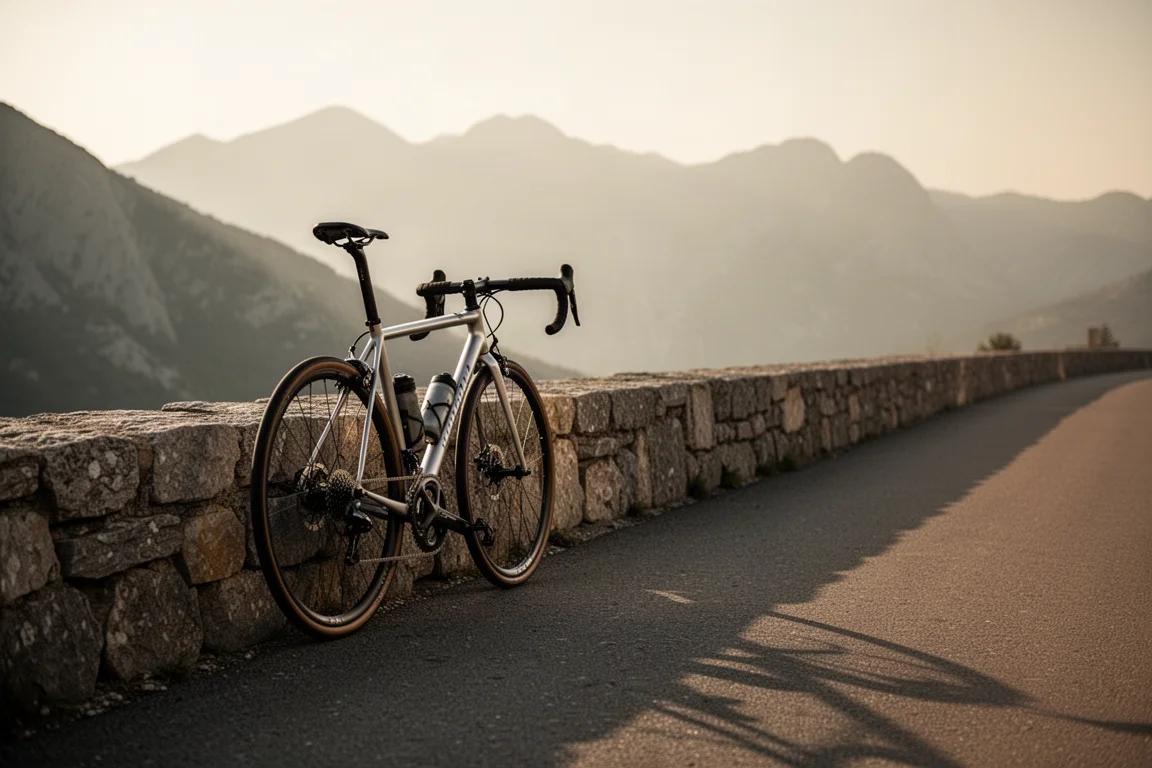
The platform underneath is the Endurance SL, so the character stays close to a standard road bike when assistance is switched off or set low.
Things to consider before buying
Range is the main thing to plan around. A 250 Wh battery is a modest capacity, and long alpine days with heavy assistance will test it. Riding in the lowest assistance mode, keeping your own power output steady and planning stops will stretch the available range considerably.
The three assistance modes also require some judgement. Higher modes make the climb faster but shorten the battery’s useful life, so riders tackling long routes need to be willing to manage the system rather than leave it in its most powerful setting. Connecting the app for more detailed information helps, but it is not a substitute for keeping an eye on the button indicator.
Buying advice
This bike makes most sense for riders who want to keep riding proper road routes and are willing to work with the motor rather than rely on it entirely. If your goal is to climb something like the Stelvio alongside friends, or to ride routes that have always felt slightly out of reach, the assistance genuinely changes what is possible.
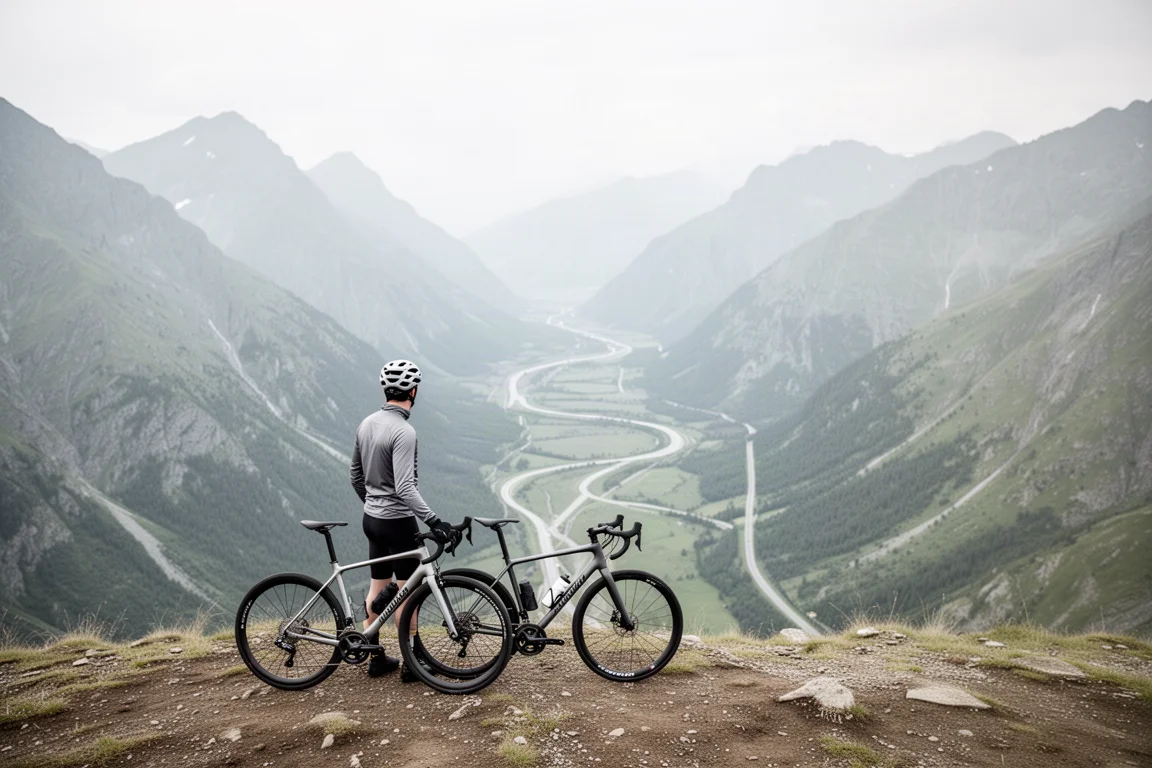
Treat it as a road bike with a safety net rather than a replacement for effort. Riders who hold a steady power output and stay in the lower assistance modes will get the most out of the battery, and the most out of the ride.
Conclusion
The Ribble Endurance SL e does what a good road e-bike should. It looks like a road bike, rides like a road bike, and adds enough assistance to open up climbs that would otherwise be off the table. On a 21 kilometre alpine ascent it reached the summit, although the battery finished with very little margin left. Used thoughtfully, that is a fair trade for the access it creates.
Product link
View more details for Ribble Endurance SL e
This product is mentioned in the review. Check the specifications, options, and compatibility before buying.
View more details for Ribble Endurance SL eFurther reading
Related Reviews
Electric Road Bikes
7 Best Drop-Bar Electric Road Bikes to Consider in 2026
Seven drop-bar electric road bikes compared on motor feel, weight, range, and versatility, from a value-focused alloy build to a carbon flagship.
Electric Road Bikes
Best Drop-Bar Electric Road Bikes: 7 Models Worth Considering
A practical look at seven drop-bar electric road bikes, from accessible all-rounders to flagship carbon builds, with the motor, range, and tire clearance details that matter.
Electric Road Bikes
Best E-Road Bikes: Five Lightweight Electric Road Bikes Worth Considering
Five electric road bikes that add assistance without spoiling weight, silence, or road bike looks, plus the trade-offs to weigh before buying.