Electric Road Bikes
Best E-Road Bikes: Five Lightweight Electric Road Bikes Worth Considering
Five electric road bikes that add assistance without spoiling weight, silence, or road bike looks, plus the trade-offs to weigh before buying.
Introduction
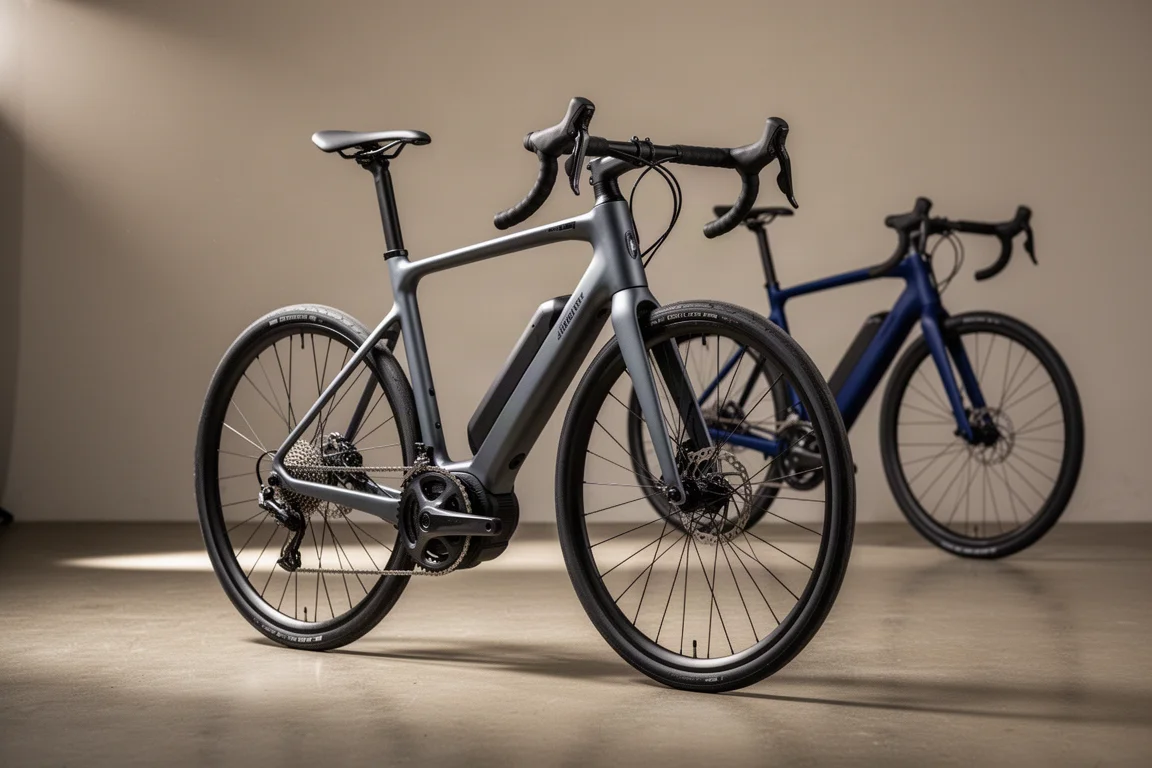
Electric assistance has been part of the bike world for years, but road bikes came to it late. The problem was never hard to understand: how do you add a motor and a battery without making a road bike heavy, noisy, and visually clumsy? Those are not qualities anyone wants attached to a modern road bike, and for a while a number of electric road bikes fell short on all three counts.
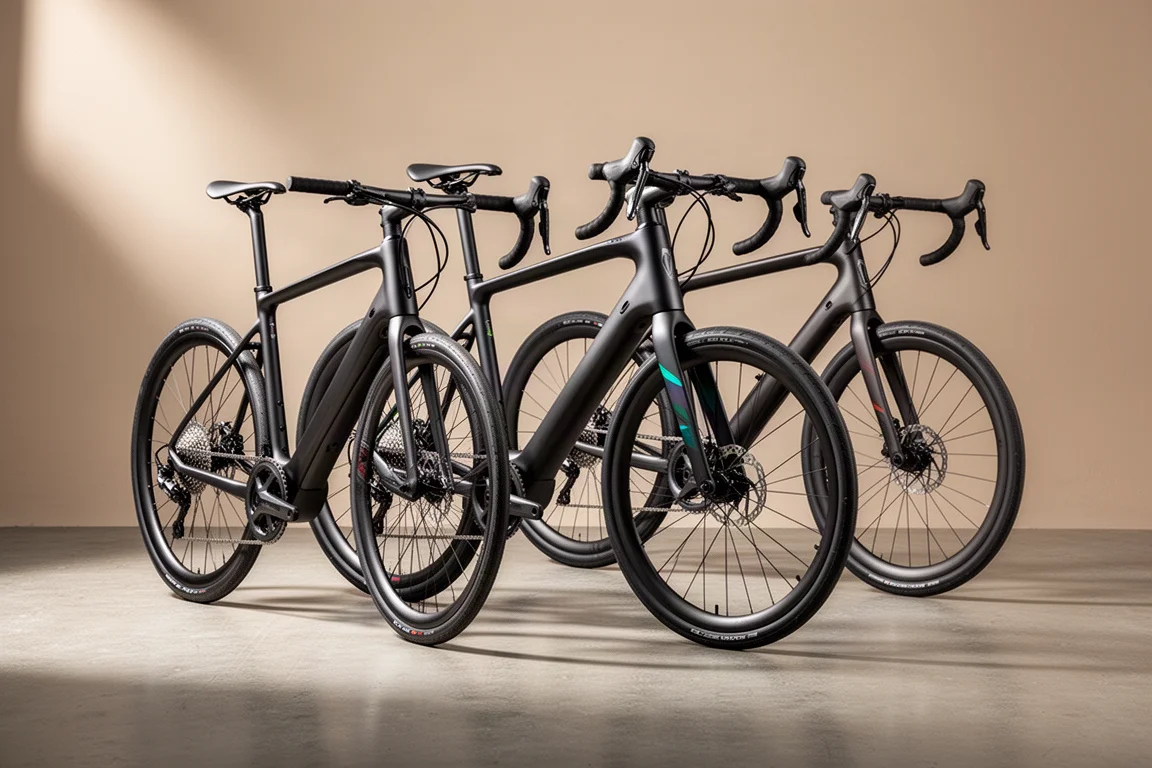
That has changed. Recent designs are genuinely light, genuinely quiet, and close enough to a conventional road bike that most riders will not notice the difference at a glance. The five bikes below show how different engineering approaches can reach the same destination.
What to Look For in a Lightweight E-Road Bike
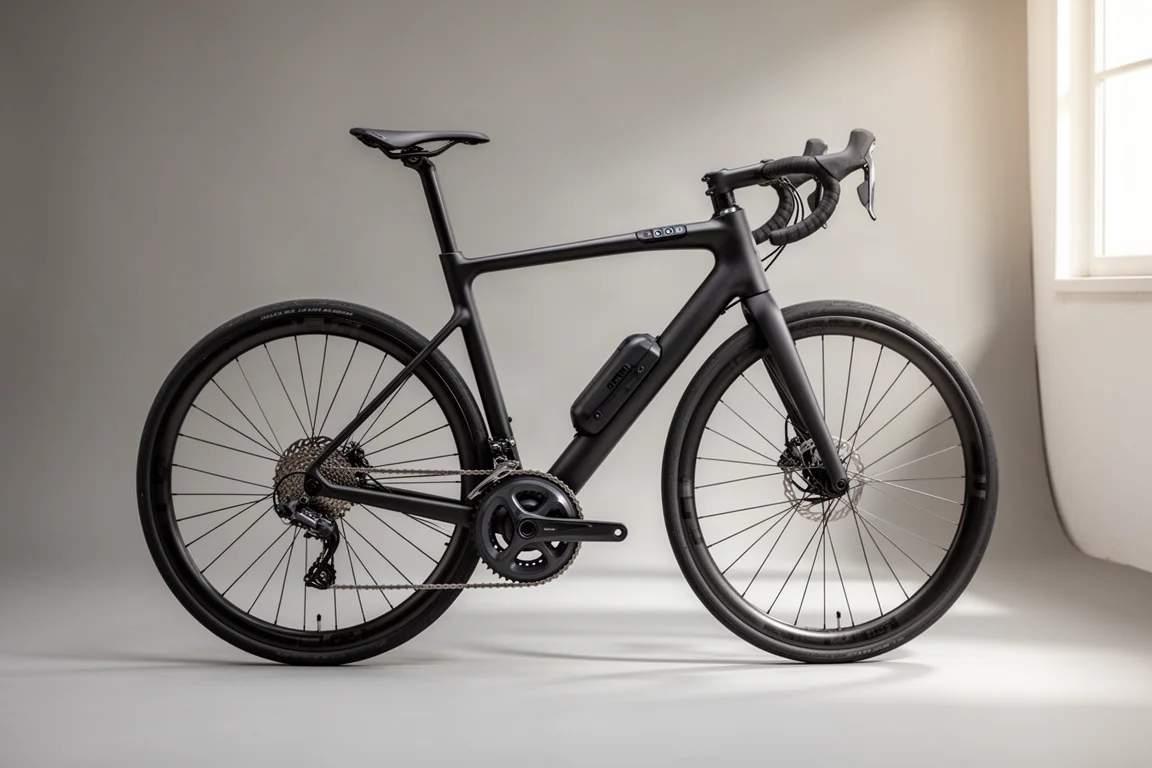
Three things separate a convincing electric road bike from a compromised one: where the motor sits, how much the whole system weighs, and how the bike behaves once assistance is switched off. Bottom-bracket systems tend to keep mass central and let the frame keep conventional road bike lines, while rear hub motors can simplify maintenance because the drive unit is easier to remove from its casing.
Battery placement matters just as much. A battery tucked into the downtube keeps the silhouette clean, and a compact unit is easier to live with on a bike that is still meant to feel like a road bike rather than a small vehicle.
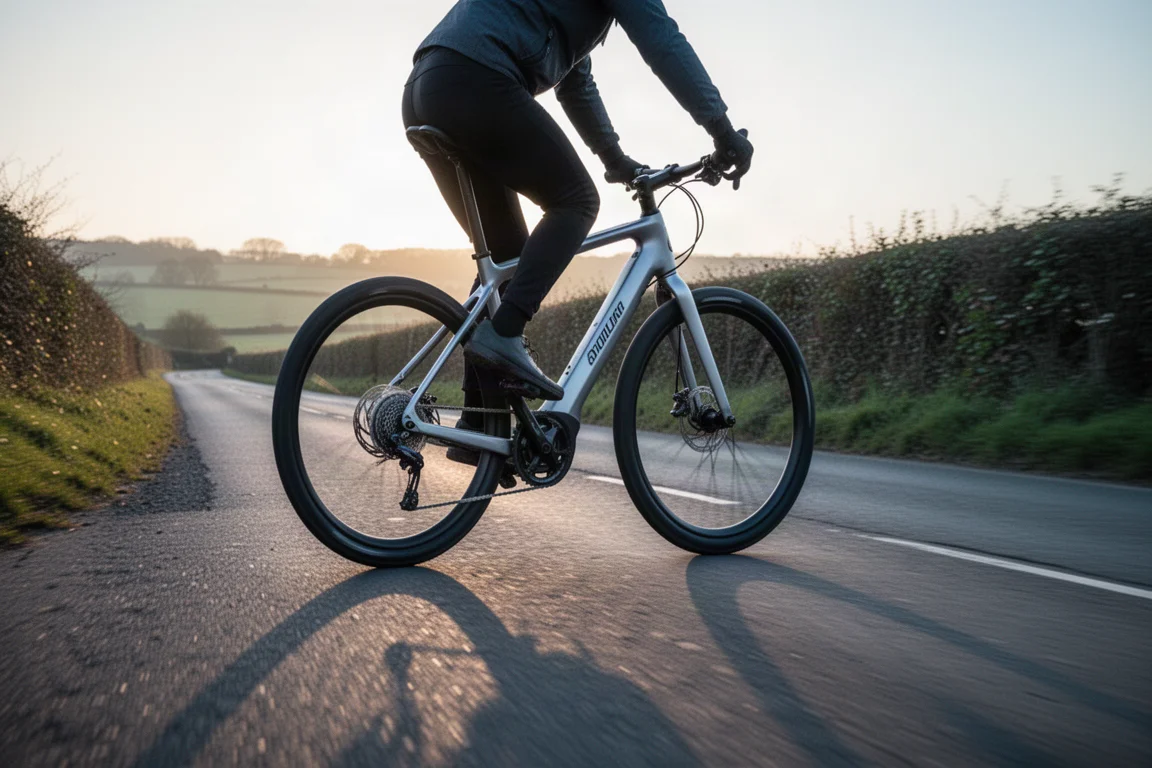
Geometry is the other half of the story. Most bikes in this group lean toward endurance numbers, with a higher stack, a shorter reach, and a longer wheelbase than a pure race frame. That makes them comfortable over long distances and stable with wider tires, which also opens the door to light gravel use. Quiet operation deserves a place on the checklist too, because a motor that stays audible over wind noise quickly becomes tiring on a long ride.
Trek Domane+ SLR
The Domane+ SLR is the closest thing here to a standard road bike with a hidden secret. Parked beside the non-assisted Domane, the differences are hard to spot; the giveaway is a slightly beefier downtube that houses the battery. The frame uses the same 800 Series OCLV carbon as the regular SLR, along with IsoSpeed technology that takes the edge off road chatter.
Geometry follows the endurance-focused Domane formula: a high stack, a longer wheelbase, and clearance for tires up to 40 mm. Hidden mounts for mudguards are part of the package as well, which makes it a practical choice for year-round riding.
Assistance comes from the TQ HPR 50 system, a hub-driven design that weighs just under four kilograms for the motor and battery combined. It is also exceptionally quiet, claimed to be twice as quiet as the brand’s previous electric bikes, with ambient wind noise masking what little the motor produces. The complete bike weighs 12.6 kg, just under 28 lb, in a size 56, with maximum assistance of 15.5 mph in the UK or 28 mph in the US and a range of around 60 miles.
Pricing reflects the technology. The entry-level SLR 6 costs £8,340, nearly $9,000, while the flagship SLR 9 is £12,900, nearly $13,000.
Scott Solace eRIDE
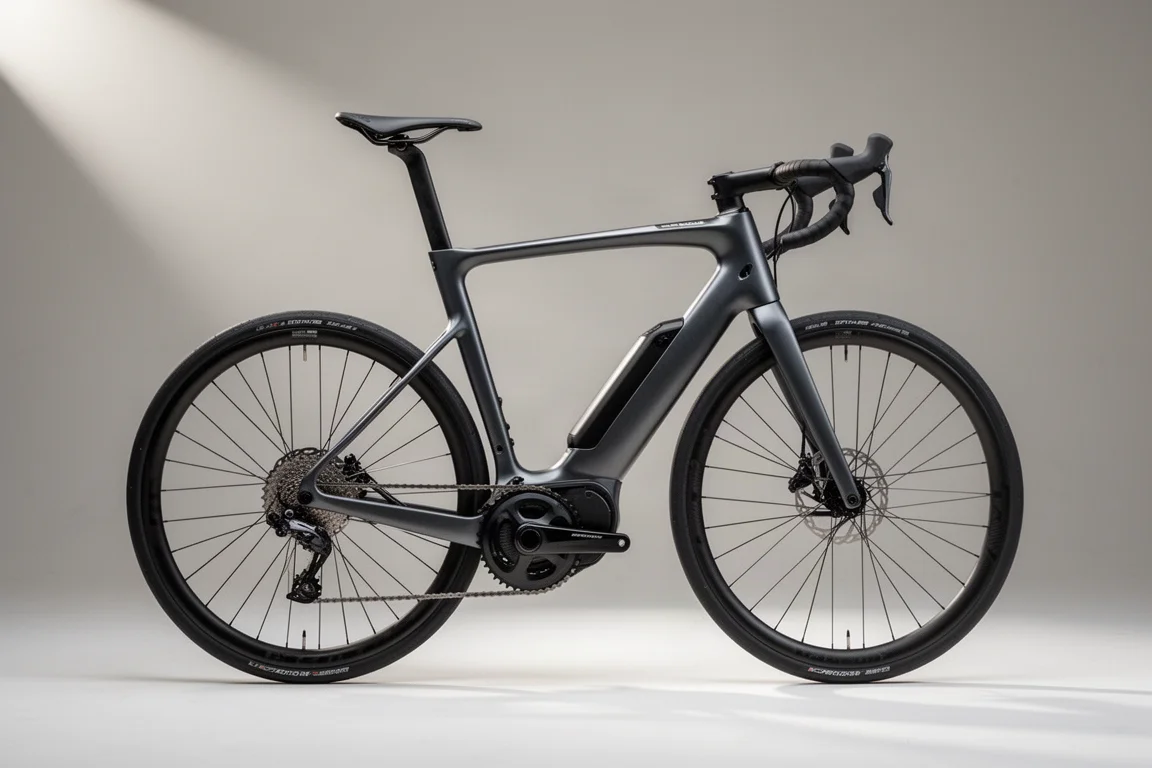
The Solace eRIDE was designed around four targets: low weight, silence, compactness, and comfort. Rather than evolving the previous Solace, the project borrowed from the Addict gravel platform, which explains why the bike is endurance-focused but still comfortable on rougher surfaces.
The carbon frame balances compliance with stiffness, and the ride quality stays predictable and assured on both tarmac and looser ground without ever feeling dull. The Solace eRIDE 10 is offered in road and gravel configurations, with the gravel version running SRAM Force 1 eTap and the road build using Shimano Dura-Ace Di2. Both share the same frame.
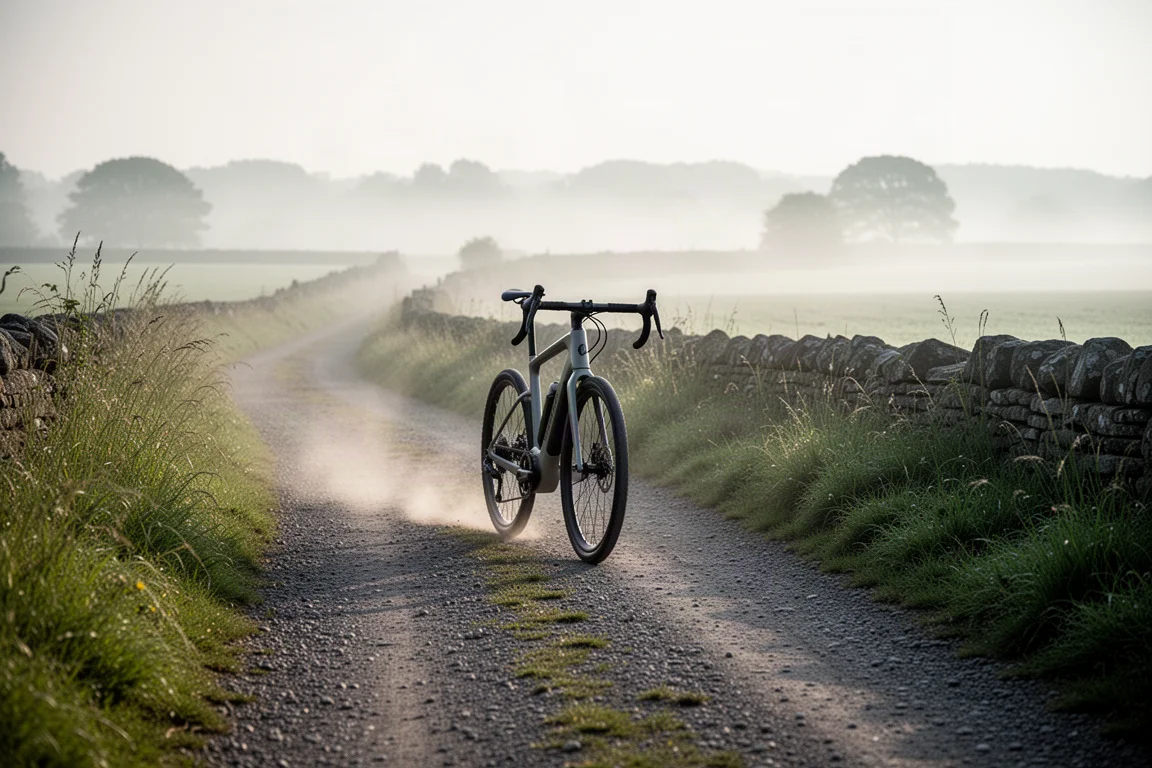
A TQ motor and battery system handles the assistance, and it is close to silent in use. The builds also include Zipp 303 S wheels and a Syncros Creston IC bar and stem.
Prices are substantial. The gravel configuration retails at nearly $10,100, or £9,200, while the Dura-Ace road model sits at nearly $12,000, or nearly £11,000.
BMC Roadmachine 01 AMP X
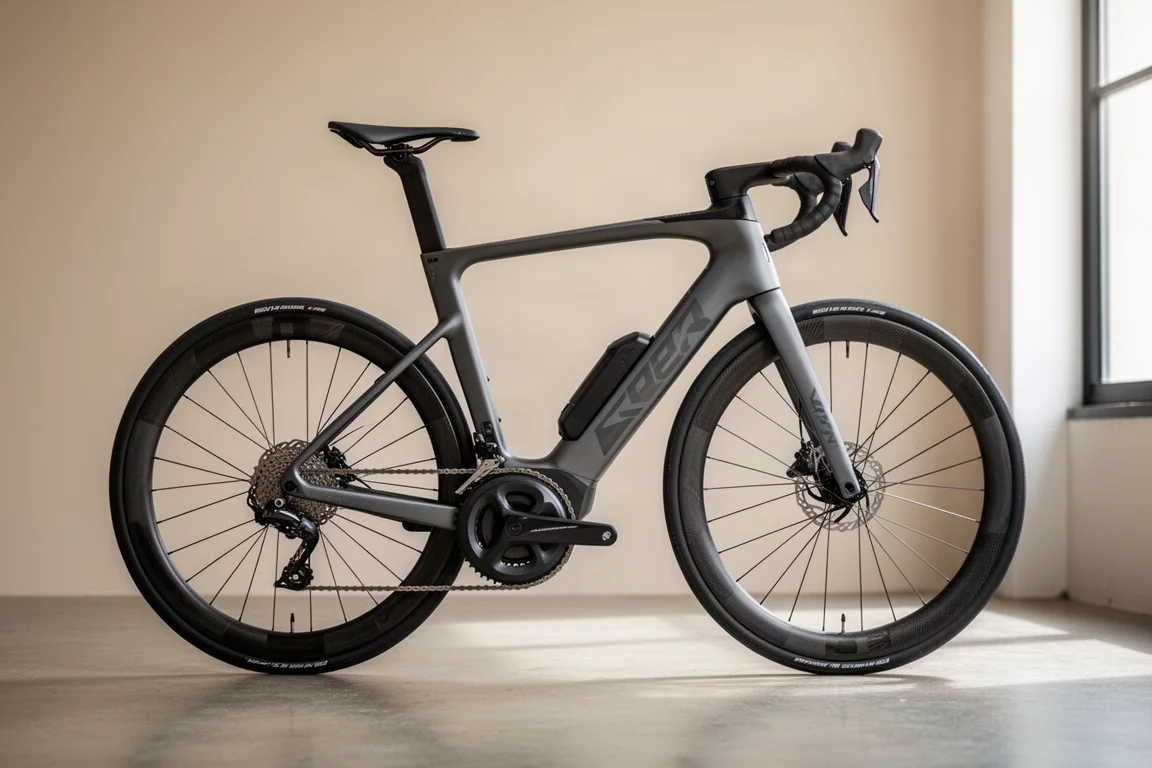
The Roadmachine 01 AMP X is the flagship electric road model in the range, and the 01 in the name signals that positioning. Like the Domane+ and the Solace eRIDE, it is built around an endurance approach: a high-end carbon frameset with a more upright riding position and comfort built into the design rather than added afterwards.
Tire clearance reaches 38 mm, and the chainstays measure 420 mm, shorter than the Domane+‘s 430 mm. That points toward sharper maneuverability and potentially a stiffer rear end. The signature tube shapes and dropped seat stays are still present, so the bike keeps the look of the non-assisted Roadmachine.
The TQ HPR 50 system appears again, with a combined motor and battery weight of 3,900 grams. Because the unit is compact, it can be hidden discreetly around the bottom bracket and downtube, which is what allows the frame to keep conventional road bike proportions. Drivetrains are SRAM 1x, with Force or Rival XPLR eTap AXS depending on the build, and the specification includes a Redshift suspension stem and Pirelli gravel tires, which hints at dual-purpose use.
Six sizes are available, from 47 cm to 61 cm. The two builds are priced at nearly $8,900, or £8,100, and nearly $7,900, or £7,200.
Wilier Filante Hybrid
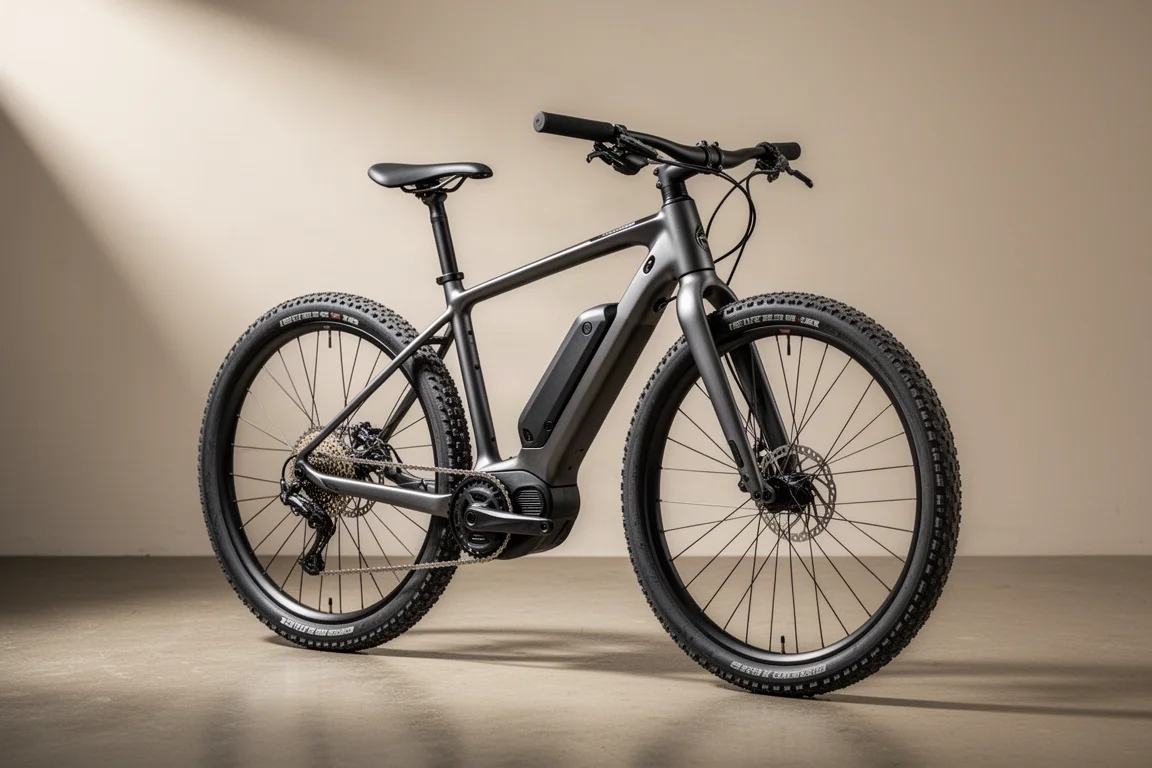
Despite the name, the Filante Hybrid is styled after the brand’s flagship road bike rather than a flat-bar commuter. The tube shapes echo the SLR, but the geometry has been adjusted toward endurance riding, with a higher stack, a shorter reach, and a longer wheelbase.
Where Trek, Scott, and BMC use a bottom-bracket motor, Wilier places the Mahle X20 unit in the rear hub. It is comparably light, and the battery is tucked neatly into the downtube. Locating the motor at the rear hub is said to aid ease of maintenance, since the unit can be removed from its casing. A power sensor in the bottom bracket reads the effort going through the pedals and modulates assistance accordingly, which the brand says produces a natural pedaling feel without jerks, sudden accelerations, or loss of assistance.
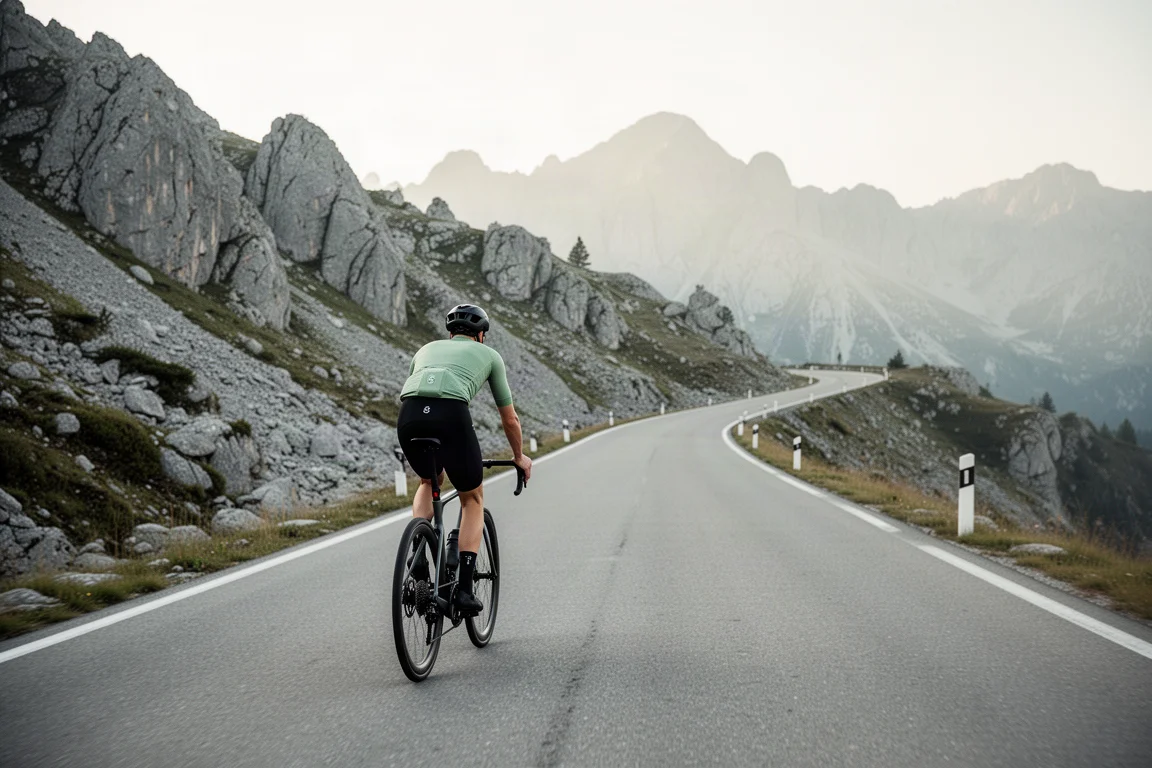
Wilier also claims better aerodynamics, lighter weight, and better performance from this layout. Six build options are offered, spanning Shimano Dura-Ace Di2, Shimano Ultegra Di2, SRAM Red AXS, and SRAM Force AXS, starting at €9,300 and topping out at €12,500 for the Red AXS model.
Ribble Endurance SL e
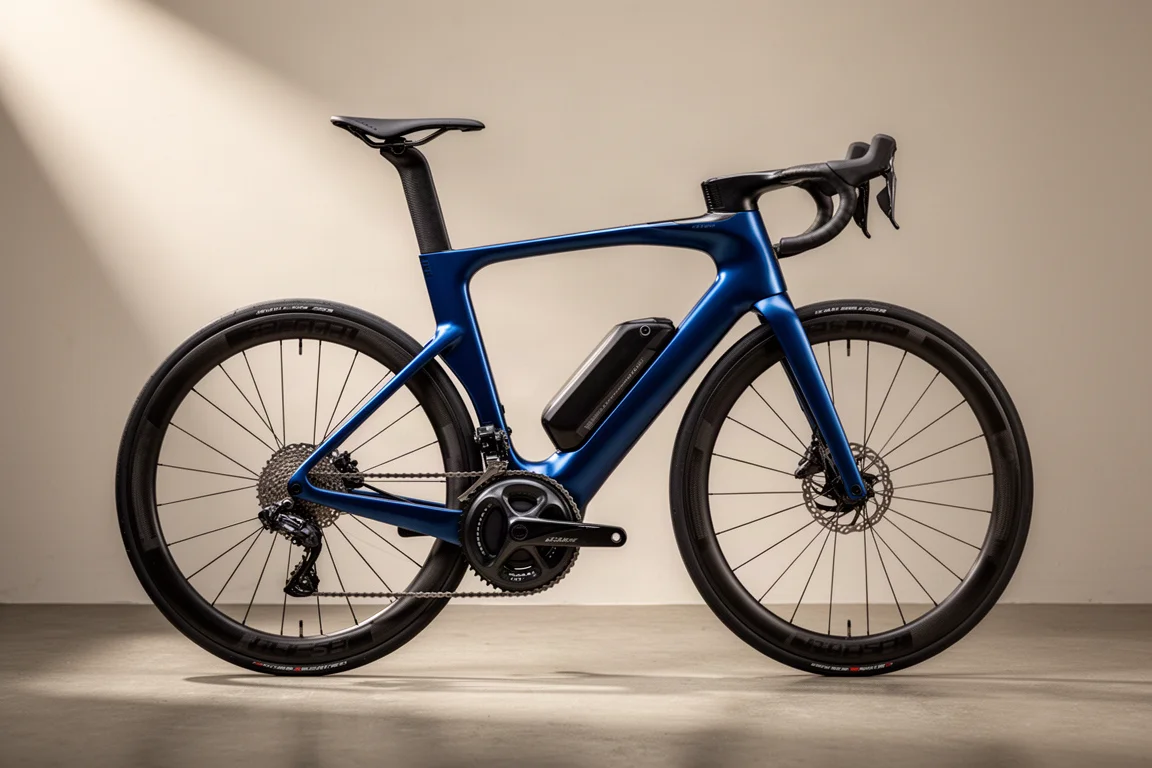
The carbon-framed Endurance SL e is the lightest bike in this group and the most affordable. Its hero build pairs Shimano Dura-Ace Di2 with Level DB35 wheels and carries a claimed weight of under 10.5 kg.
Assistance comes from the Mahle smart bike system, with a hub-driven motor and three levels of assistance controlled by a button mounted discreetly on the top tube. The overall package is deliberately stealthy, which suits riders who want electric help without drawing attention to it.
Build options are extensive, and that is what keeps the entry price low: a SRAM Rival 22 build comes in at just under £3,000, with the Shimano 105 Di2 option only around £399 more. The platform has also earned an Editor’s Choice Award and remains in the range.
Buying Advice
If quiet, natural assistance matters most, the bottom-bracket TQ systems on the Trek Domane+ SLR, Scott Solace eRIDE, and BMC Roadmachine 01 AMP X are the closest to the feel of an unassisted road bike. The Domane+ SLR leans furthest toward all-day endurance riding with its 40 mm tire clearance and mudguard mounts. The Roadmachine 01 AMP X adds a slightly sharper chassis and a dual-purpose specification. The Solace eRIDE splits the difference and offers a genuine gravel build alongside the road version.
Riders who value easy maintenance and a lower entry point should look at the hub-motor bikes. The Wilier Filante Hybrid keeps flagship road bike styling with a rear hub system, while the Ribble Endurance SL e is the lightest and most affordable option here, with a build range wide enough to suit most budgets.
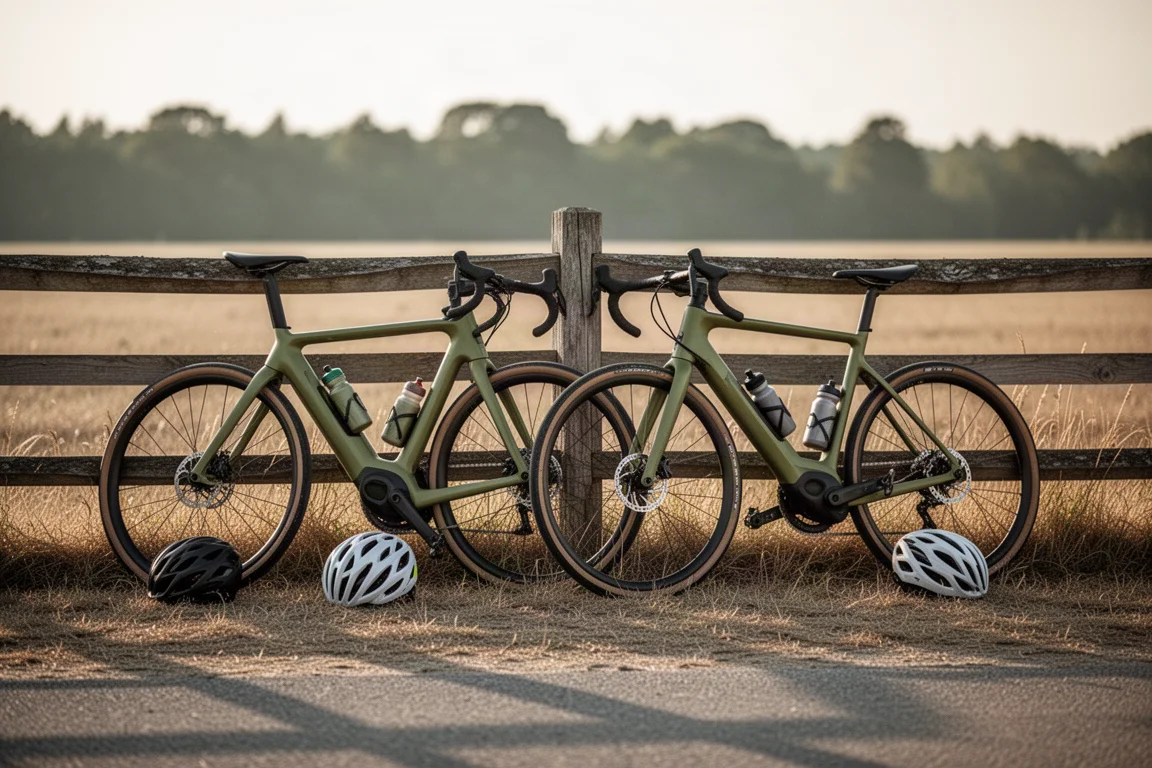
Two practical checks are worth making before buying. First, confirm the assistance limit and range for your region, since the Trek, for example, is limited to 15.5 mph in the UK and 28 mph in the US with a range of around 60 miles. Second, decide how wide a tire you actually want. Clearance for 38 to 40 mm opens up light gravel and rough lanes, but it also changes the character of the bike and the way it feels on smooth tarmac.
Conclusion
The electric road bike has grown up. Each of these five machines solves the motor-and-battery problem in a different way, and none of them asks the rider to accept a heavy, noisy, or awkward-looking bike in exchange for assistance. Bottom-bracket systems from TQ deliver the most conventional ride feel, rear hub systems from Mahle make maintenance and pricing easier to live with, and every bike here keeps the proportions of a proper road bike.
The right choice comes down to priorities. Choose the Trek Domane+ SLR for the widest tire clearance and the most familiar road bike silhouette, the Scott Solace eRIDE if a road-and-gravel pairing appeals, the BMC Roadmachine 01 AMP X for a sharper endurance chassis, the Wilier Filante Hybrid for flagship road styling with rear hub simplicity, or the Ribble Endurance SL e if weight and value matter most.
Further reading
Related Reviews
Electric Road Bikes
7 Best Drop-Bar Electric Road Bikes to Consider in 2026
Seven drop-bar electric road bikes compared on motor feel, weight, range, and versatility, from a value-focused alloy build to a carbon flagship.
Electric Road Bikes
Best Drop-Bar Electric Road Bikes: 7 Models Worth Considering
A practical look at seven drop-bar electric road bikes, from accessible all-rounders to flagship carbon builds, with the motor, range, and tire clearance details that matter.
Electric Road Bikes
Best Lightweight E-Road Bikes: Five Quiet Electric Road Bikes Worth Considering
Five lightweight electric road bikes that add assistance without ruining the looks, weight, or ride quality that make a road bike worth owning.