Electric Road Bikes
7 Best Drop-Bar Electric Road Bikes to Consider in 2026
Seven drop-bar electric road bikes compared on motor feel, weight, range, and versatility, from a value-focused alloy build to a carbon flagship.
Introduction
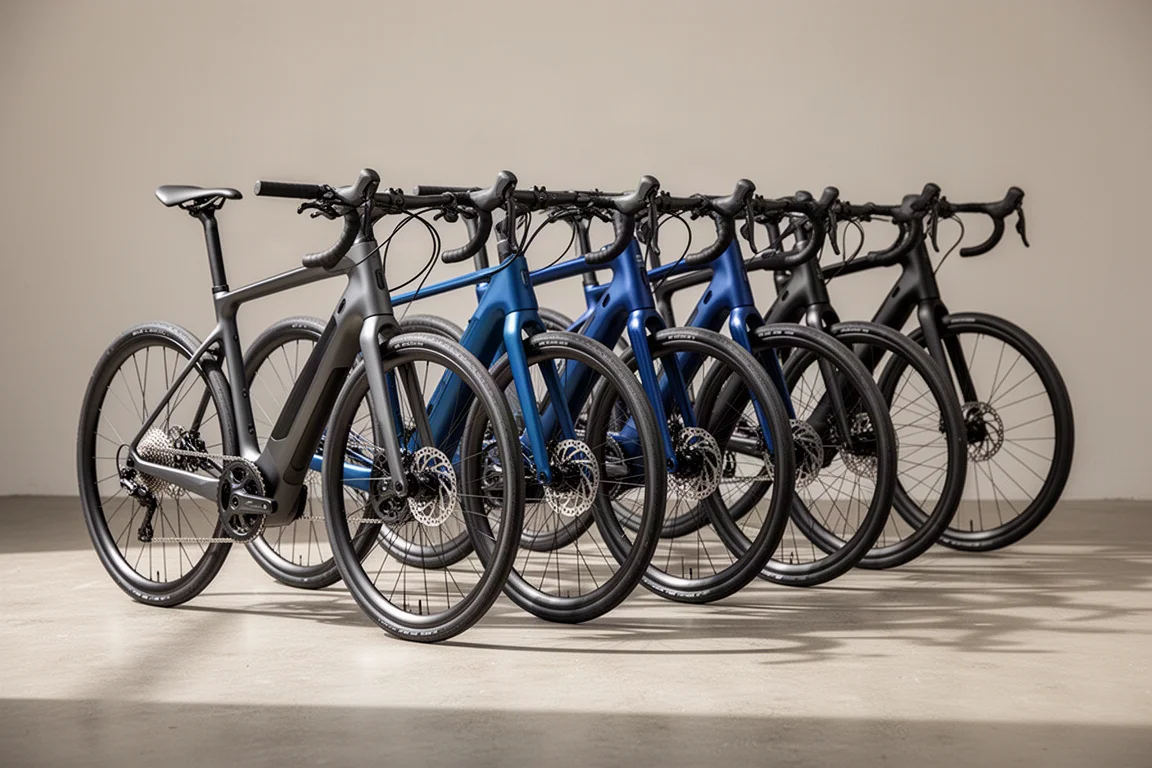
Drop-bar electric road bikes have quietly become one of the most interesting corners of cycling. They keep the riding position, the bar shape, and the handling that road riders already know, then add assistance that smooths out climbs, headwinds, and long days in the saddle.
The seven bikes below cover a wide spread of approaches. There is an aluminium-framed entry point, a handful of carbon endurance machines, and one flagship that costs more than most cars. Each one makes a slightly different trade between weight, power, range, and how far it is willing to stray onto gravel.
What to Look For in an Electric Road Bike
Two broad motor philosophies run through this group. Rear hub systems, such as the Mahle X35 Plus in the Orbea Gain D50 and the SyncDrive SM Plus in the Giant Defy Advanced E+ Elite 0, keep the bottom bracket conventional and the overall package light. Bottom bracket motors, including the Bosch Performance Line SX in the Cannondale Synapse Neo Allroad and the TQ unit in the Pinarello Nytro E7, tend to bring more torque and a more centralised feel.
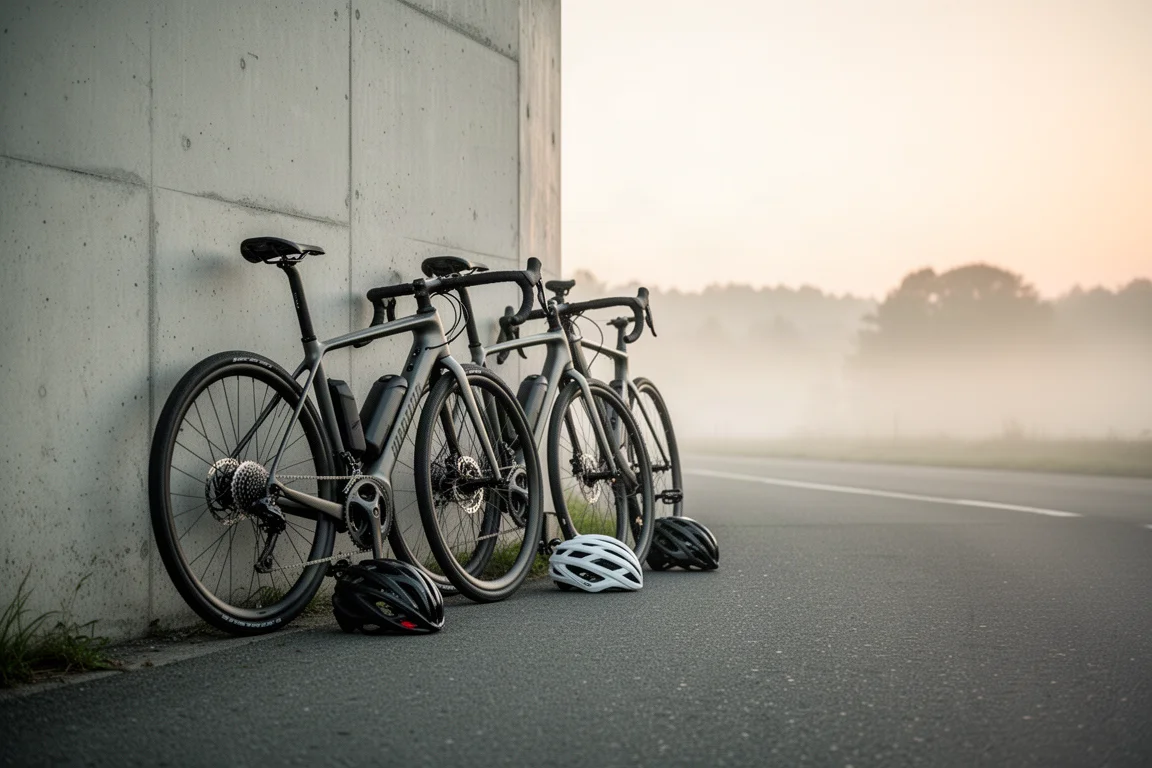
Battery capacity and claimed range matter just as much. Figures here run from a 320 Wh pack on the Specialized S-Works Turbo Creo 2 up to 400 Wh on the Giant, Trek, and Cannondale, and most of these bikes accept an optional range extender for longer days. Weight, tire clearance, and geometry are the other three variables worth weighing. Clearance up to 57 mm on the Creo 2 signals a bike that is genuinely happy on gravel, while the endurance-focused geometry on the Defy, Gain, and Synapse prioritises all-day comfort over race-day aggression.
Giant Defy Advanced E+ Elite 0
The Giant Defy Advanced E+ Elite 0 is the newest bike in this roundup, and it blends the endurance-road strengths of the Defy with Giant’s latest e-bike hardware. The SyncDrive SM Plus motor sits in the rear hub, which keeps weight down and is engineered for smooth power delivery. Giant’s intelligent algorithms are said to ramp assistance up as you start pedalling and ease it off when you stop, so the ride feels closer to a conventional road bike than a switched-on motor.
There are five power levels, including a responsive mode aimed at steep climbs and stiff headwinds. The EnergyPak 400 battery holds 400 Wh, and paired with the optional range extender that is good for up to 150 km. The frameset uses Giant’s Advanced composite carbon, and the D-Fuse handlebar and seatpost carry over the comfort and control of the analogue Defy. Prices start at £5,999.
Look E-765 Optimum
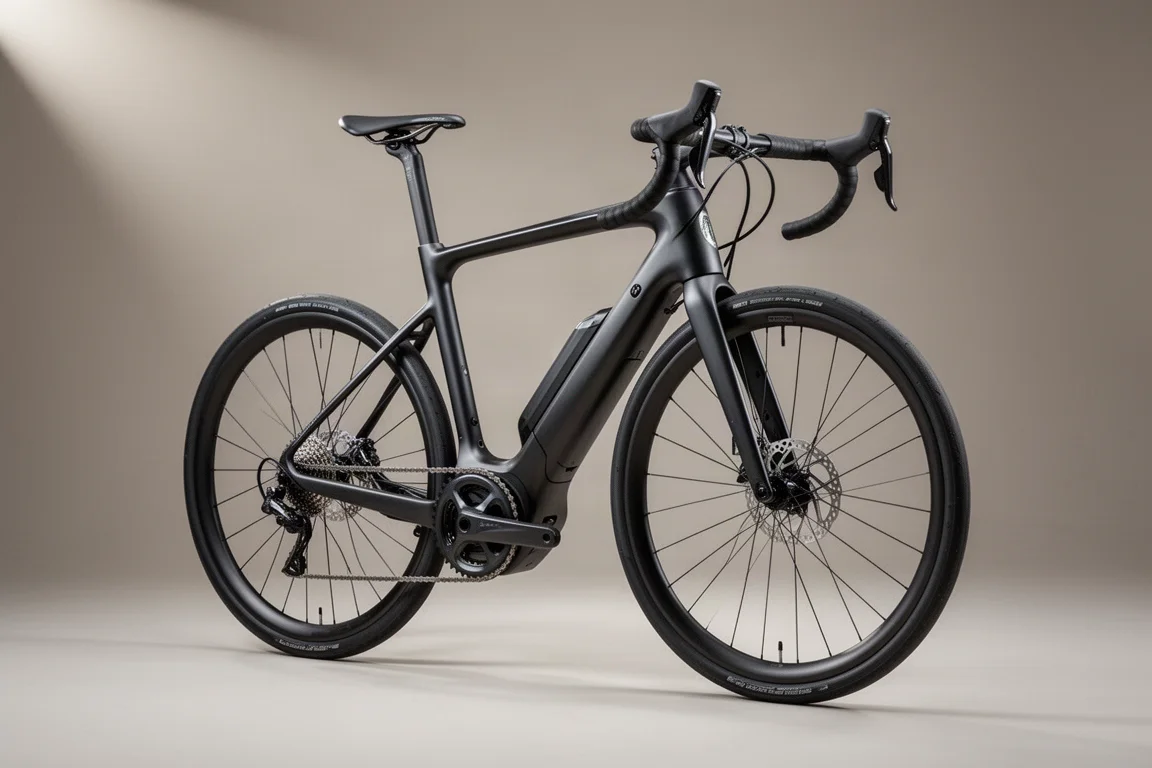
The Look E-765 Optimum pairs the performance DNA of Look’s road bikes with the Fazua Ride 60 motor, a system that stays visually quiet inside the frame. Output reaches a maximum of 450 W, with 60 Nm of torque and a range of up to 120 km, which is plenty for long climbs or for making rolling terrain feel that little bit easier.
At 12.9 kg the bike sits around par for this group, and it looks pretty non-invasive too. The build is finished with a premium cockpit and wheels from Look, Hutchinson Sector 32 mm tires, and a simple 1x drivetrain from SRAM’s Explore range, which keeps things light while retaining a good spread of gearing.
The result is a fast yet smooth ride with a clean, uncluttered look, and it is a premium choice for riders seeking an elegant balance of speed, power, and comfort.
Orbea Gain D50
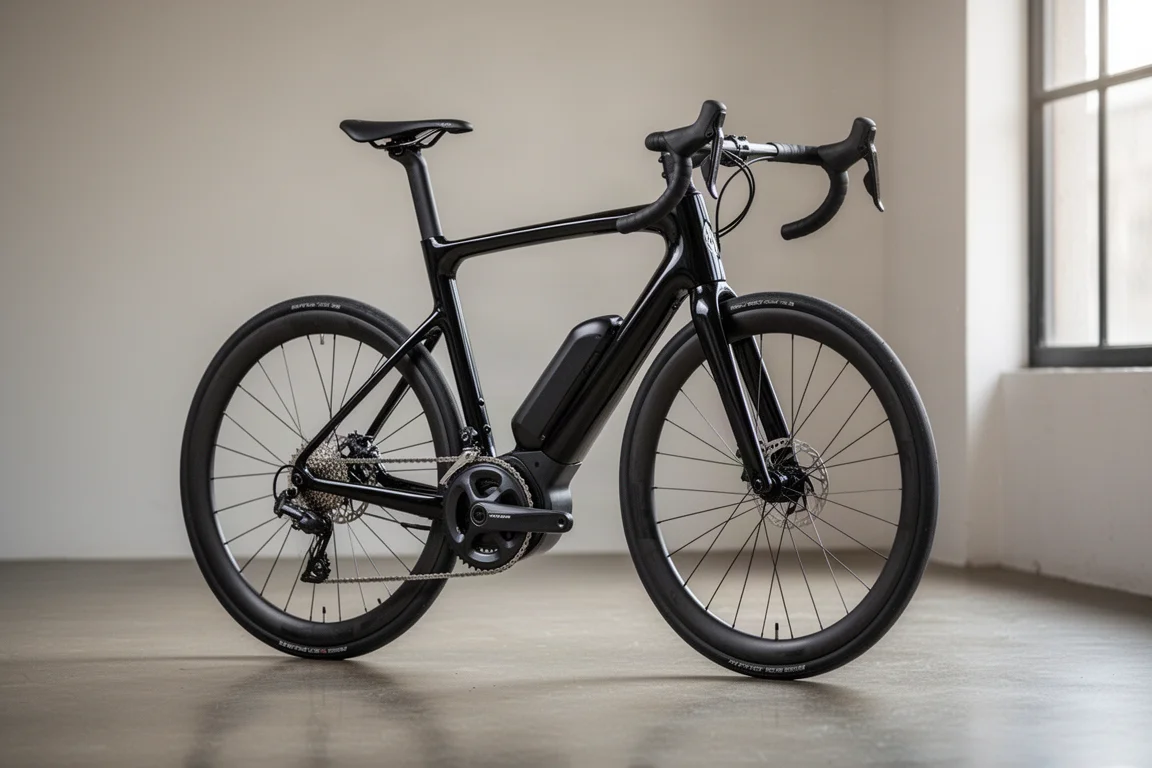
Orbea has been in the road e-bike market for some time, and the Gain D50 is the latest generation of that work. It is one of the cheaper bikes here, which makes it a sensible entry point into premium electric road riding rather than a compromise.
Rather than a bottom-bracket motor, the Gain D50 uses a rear hub drive built around Mahle’s enough-power philosophy. The Mahle X35 Plus hub motor delivers 40 Nm of torque, enough to smooth out climbs while keeping the ride light and responsive. A 350 Wh internal battery is claimed to be good for up to 100 km, and a range extender can be added for longer adventures.

The aluminium frame is matched with a full carbon fork, clearance for tires up to 40 mm, and endurance-focused geometry. At £2,899 it is certainly far from cheap, but it provides a serious amount of range and power for the price point when you compare it with the competition.
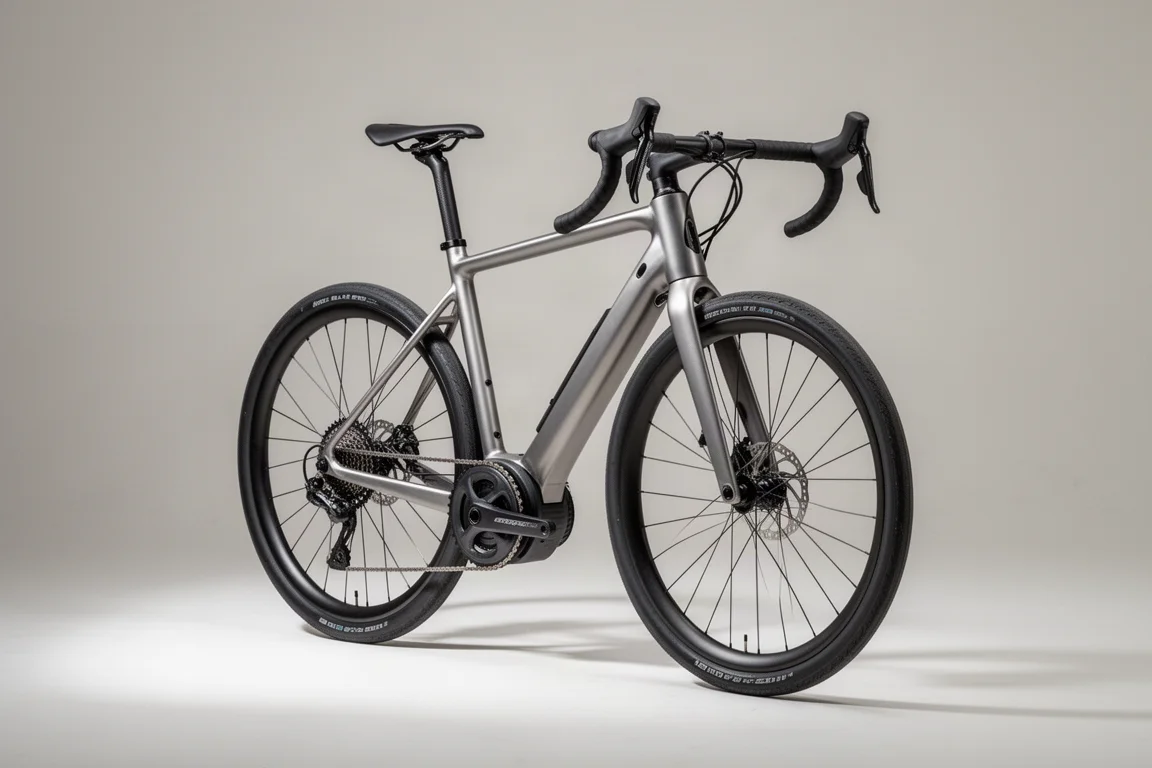
Pinarello Nytro E7
The Pinarello Nytro E7 is the latest generation of Pinarello’s e-road bike, updated around the TQ HPR50 motor system. It is one of the sleeker bikes in this roundup: the oversized down tube hints at the motor, but to an untrained eye it reads as just another high-end road machine.
The frameset borrows much of the same language as the brand’s Dogma F race bike, with an asymmetric frame and third-tier T900 carbon fibre construction, while the geometry leans more towards all-day adventures than race-day aggression. That shows up in the way it stays stable on descents, helped by 160 mm disc brake rotors front and rear for plenty of stopping power.
At around 13 kg the weight is noticeable, but the assist modes more than compensate, especially when climbing. Compared with the lighter, more subtle Orbea Gain, this is the heavier but more powerful option, and as a Pinarello it is a premium entry into the e-road market. Riders who want to keep up on group rides, recover from injury, or simply extend their range should shortlist it.
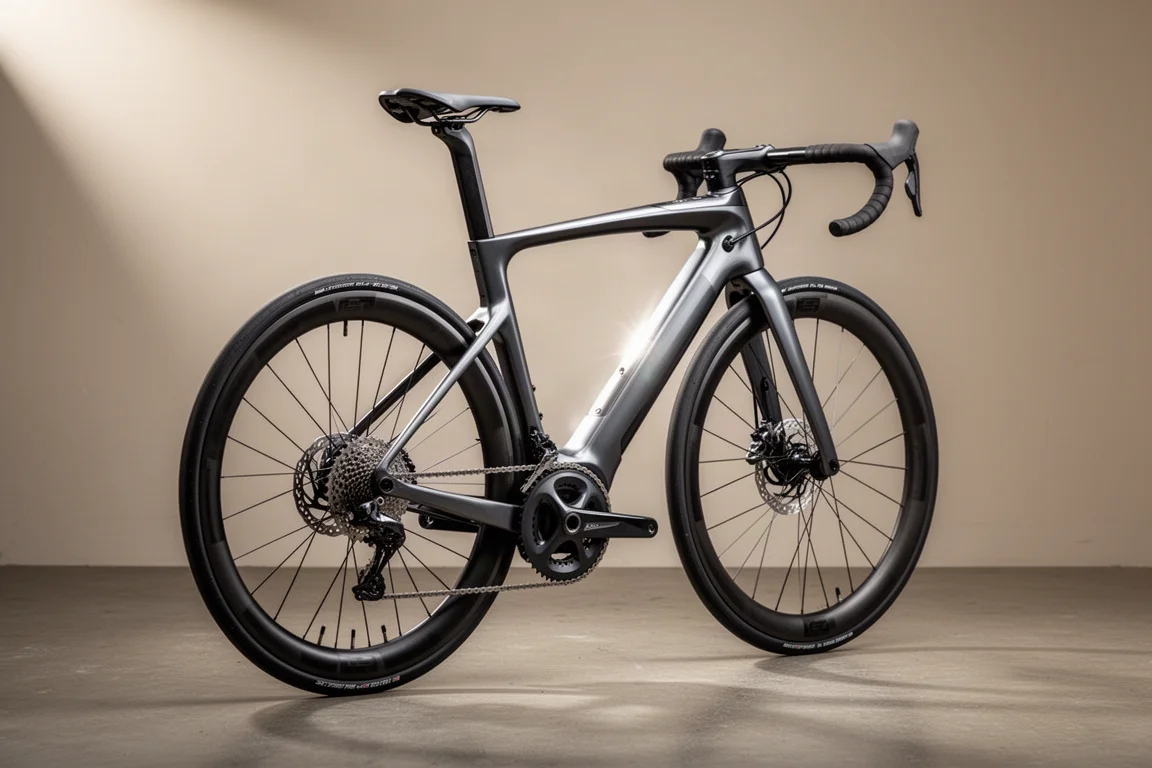
Specialized S-Works Turbo Creo 2
The second-generation Specialized Turbo Creo went big, and the S-Works Turbo Creo 2 is the most expensive bike in this roundup at £12,000. The frame is built from Specialized’s FACT 11R carbon, which is light yet stiff, and the geometry has shifted in a more gravel-friendly direction with a slacker head tube and a taller stack. The result handles with more stability, especially on steeper terrain and gravel paths.
The headline numbers are 57 mm of tire clearance and the latest generation Future Shock stem suspension system, which together make this the most versatile bike here. The SL 1.2 motor brings a significant increase in torque and power over its predecessor, and the 320 Wh battery is claimed to deliver up to 120 miles of range, extendable with a range extender.
The build is equally serious, with a SRAM XX1 Eagle AXS drivetrain, Roval Terra CLX II carbon wheels, and a Terra handlebar. It is a lot of money, but it is also a lot of bike.
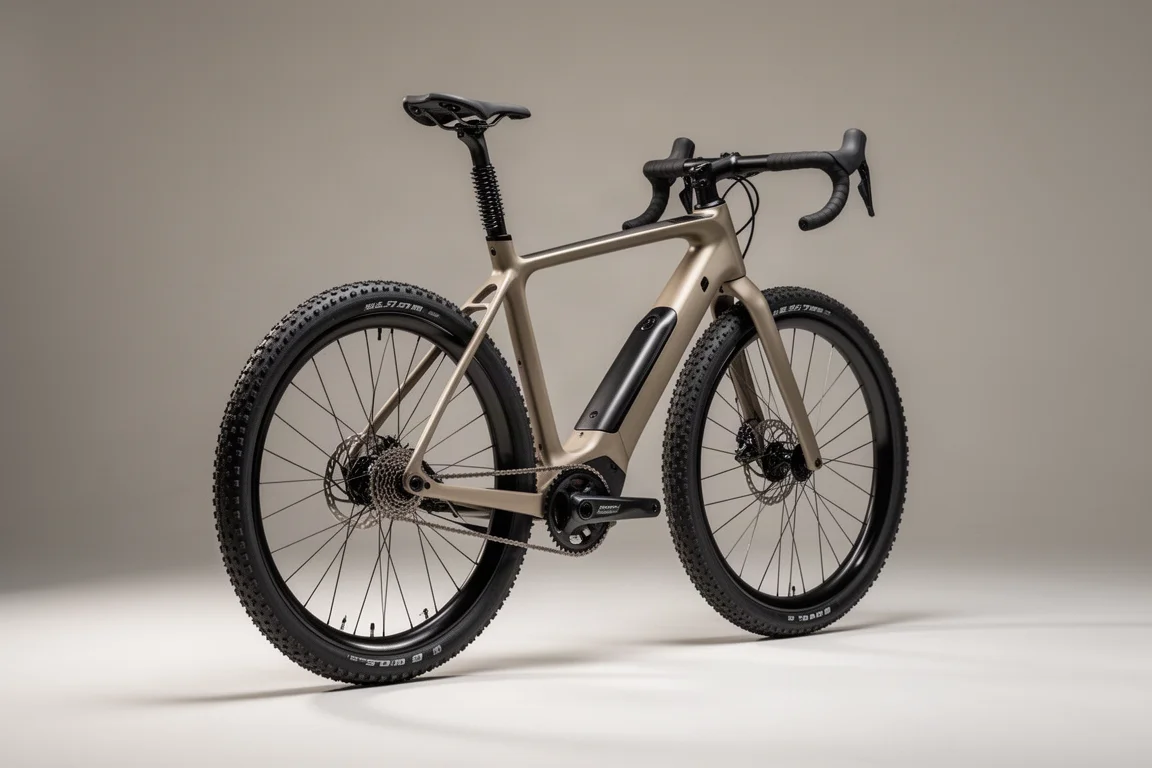
Trek Domane+ SLR 6
The Trek Domane+ SLR 6 is another premium option that stays low profile enough to go unnoticed by an untrained eye. Trek constructs the frame from its 800 Series OCLV carbon, and keeps the rear IsoSpeed decoupler from the non-motorised Domane. That pivot in the seat tube allows increased seatpost flex, which improves rider comfort over rougher terrain.
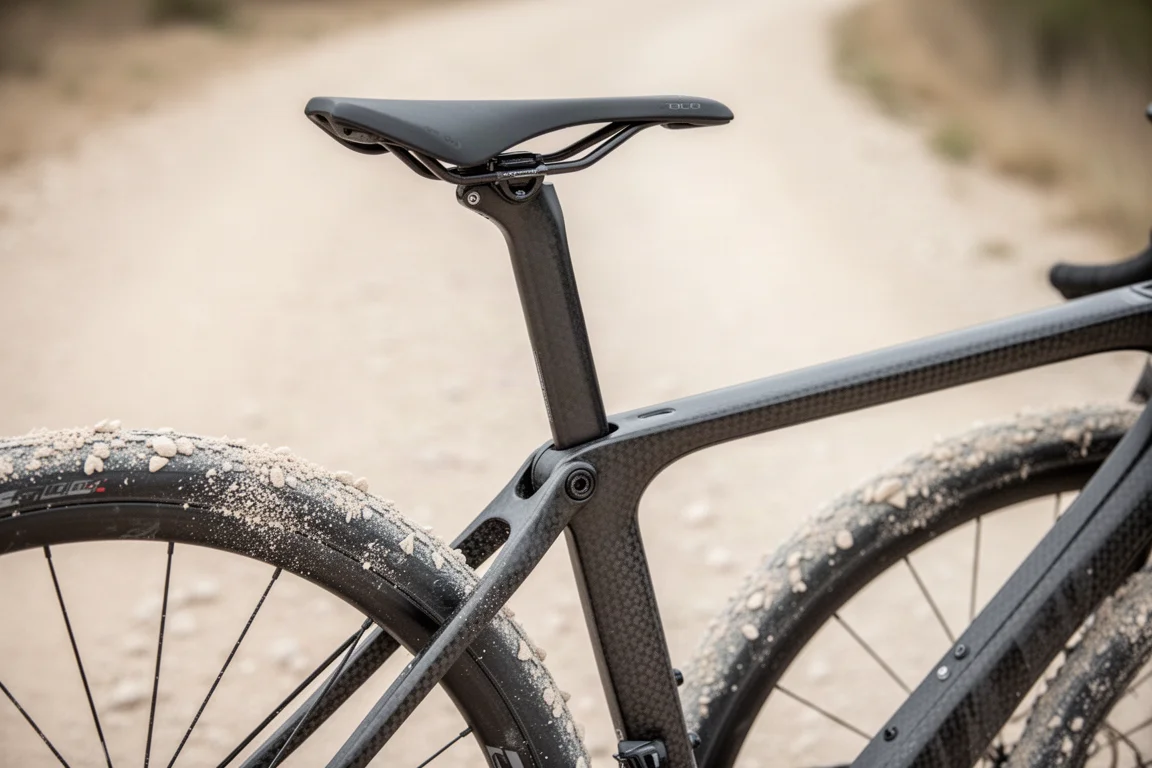
Power comes from the discreet TQ harmonic pin ring motor. The included battery is a little smaller than most here at 360 Wh, though Trek claims it is still good for a range of up to 62 miles, and the optional range extender can add up to 44 percent more capacity.
Shifting is handled by SRAM’s wireless Rival eTap AXS 1x12 drivetrain, and the bike rolls on 40 mm gravel tires fitted to Aeolus Pro 3V OCLV carbon wheels. A sleek display and full cable integration for a traditional road bike aesthetic round out one of the most high-tech bikes here, and the package blurs the lines between smooth roads and loose conditions.
Cannondale Synapse Neo Allroad
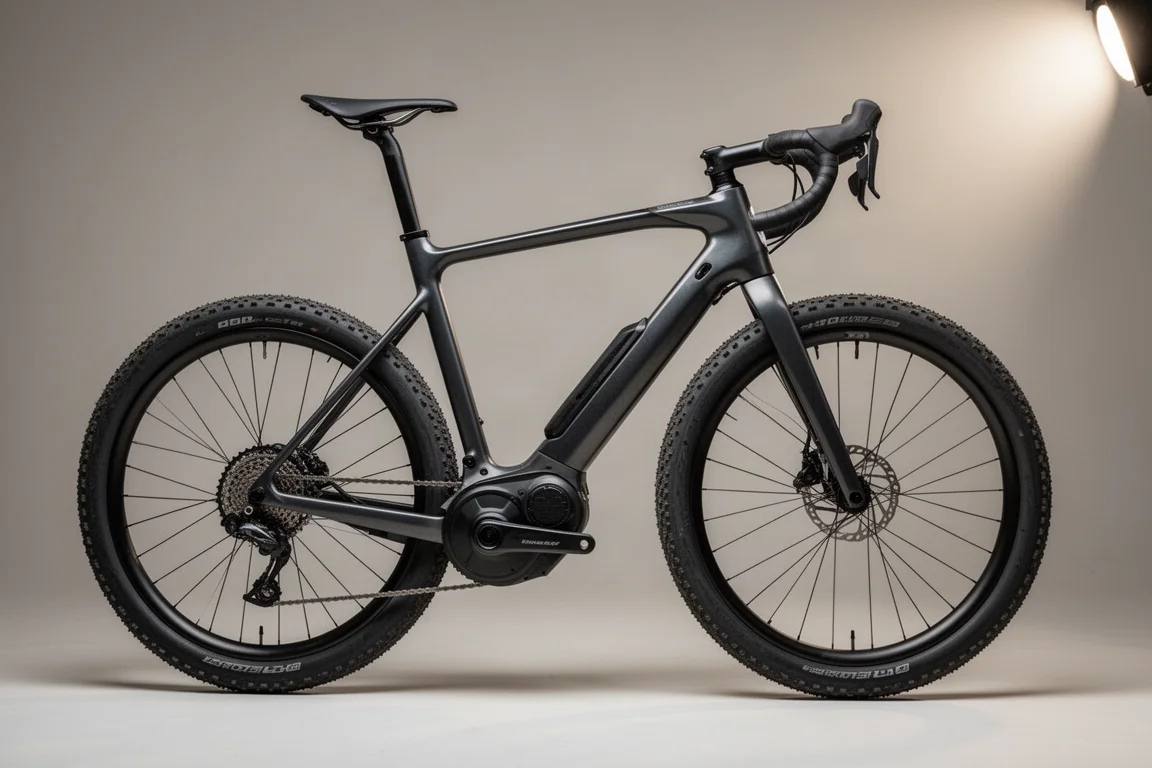
The Cannondale Synapse Neo Allroad is part road machine and part gravel e-bike, built on the Synapse endurance platform. It keeps the blend of comfort and handling found on its lightweight sibling, then adds up to 55 Nm of torque through Bosch’s Performance Line SX motor, which Bosch claims is the lightest bottom-bracket motor yet.
The motor is paired with a 400 Wh battery integrated into the frame, and like many bikes here a 250 Wh extender can be added using the bottle cage mounts if you need the extra juice. The frame is made from Cannondale’s Series 2 carbon, with heavily dropped seat stays and slim rear tubing all in aid of a more compliant rear end, and the geometry is endurance-tuned around comfort and control.
The build finishes with a SRAM Force AXS groupset and 40 mm Vittoria Terreno tires, a combination that strikes a middle ground between grip and rolling resistance on mixed surfaces.
Buying Advice
If low weight and long range matter most, the Giant Defy Advanced E+ Elite 0 and the Orbea Gain D50 are the most straightforward choices. Both use rear hub motors, both accept a range extender, and the Giant offers the longest claimed range here at up to 150 km once the extender is fitted. The Orbea is the least expensive bike in this roundup at £2,899, which makes it the natural starting point if you are new to electric road riding.
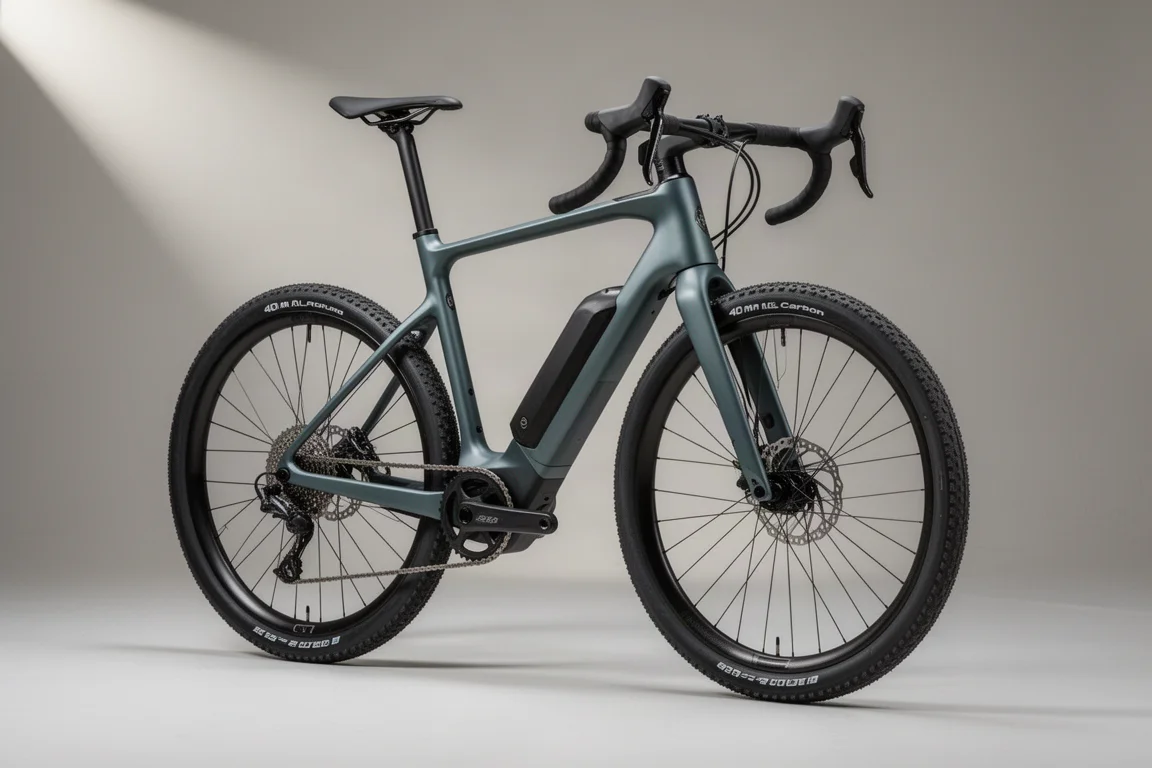
If versatility is the priority, the Specialized S-Works Turbo Creo 2 and the Trek Domane+ SLR 6 both blur the line between road and gravel, thanks to 57 mm and 40 mm tire clearances respectively. The Cannondale Synapse Neo Allroad sits in a similar all-road space with a more powerful Bosch motor and a SRAM Force AXS build.
If you want the lightest, most natural-feeling assistance, the rear hub bikes are the ones to test first. If you want the strongest climbing support, look at the bottom-bracket motors from Bosch and TQ. Prices across this group run from £2,899 to £12,000, so it is worth deciding early whether you are shopping for a first electric road bike or a flagship.
Conclusion
Every bike here solves a slightly different version of the same problem: how to keep the feel of a drop-bar road bike while adding help for the climbs, the headwinds, and the long days. The Orbea Gain D50 is the accessible entry point, the Giant Defy Advanced E+ Elite 0 offers the longest claimed range with its extender, and the Specialized S-Works Turbo Creo 2 and Trek Domane+ SLR 6 stretch the definition of a road bike towards gravel. Match the motor, the range, and the tire clearance to the riding you actually do, and any of these seven will make the road feel shorter.
Further reading
Related Reviews
Electric Road Bikes
Best Drop-Bar Electric Road Bikes: 7 Models Worth Considering
A practical look at seven drop-bar electric road bikes, from accessible all-rounders to flagship carbon builds, with the motor, range, and tire clearance details that matter.
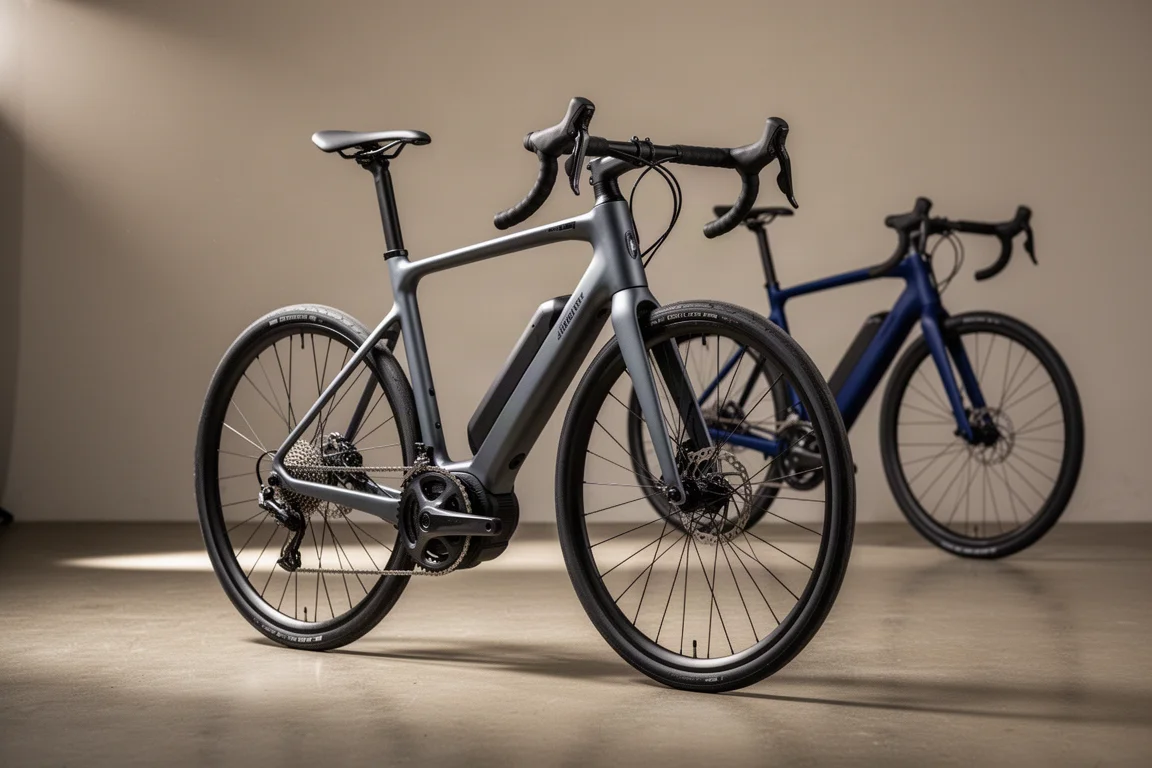
Electric Road Bikes
Best E-Road Bikes: Five Lightweight Electric Road Bikes Worth Considering
Five electric road bikes that add assistance without spoiling weight, silence, or road bike looks, plus the trade-offs to weigh before buying.
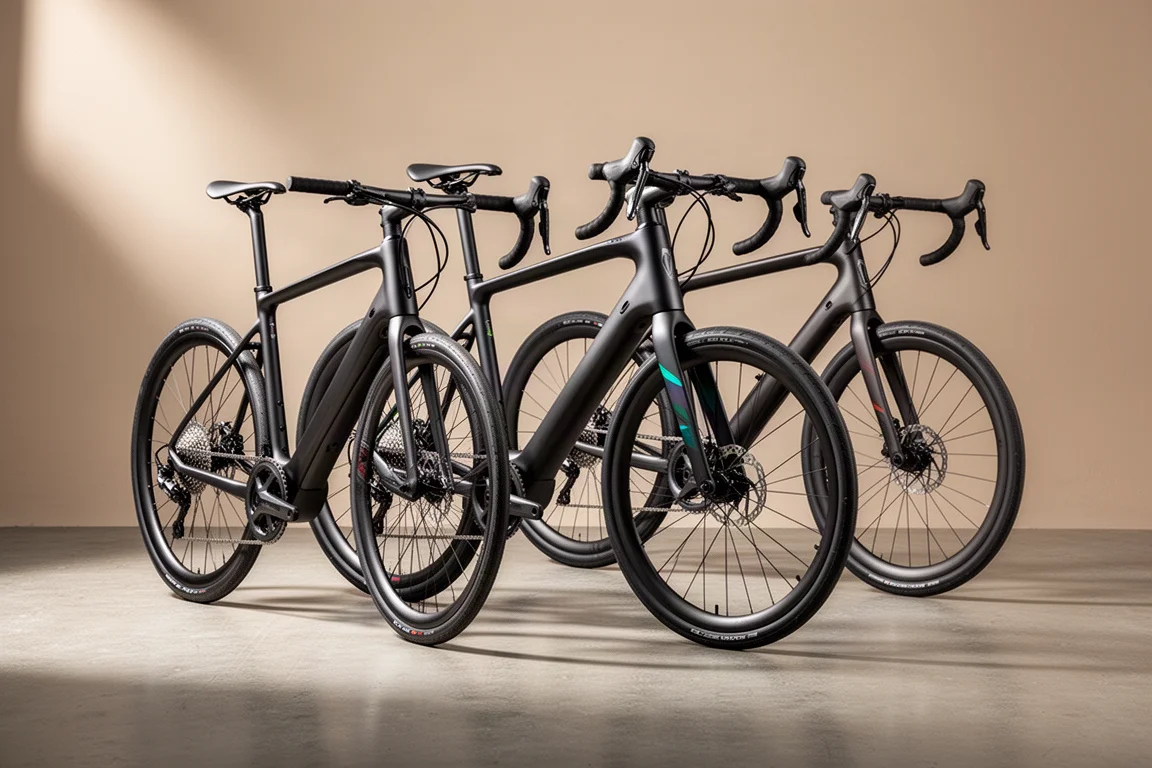
Electric Road Bikes
Best Lightweight E-Road Bikes: Five Quiet Electric Road Bikes Worth Considering
Five lightweight electric road bikes that add assistance without ruining the looks, weight, or ride quality that make a road bike worth owning.