Electric Road Bikes
Best Drop-Bar Electric Road Bikes: 7 Models Worth Considering
A practical look at seven drop-bar electric road bikes, from accessible all-rounders to flagship carbon builds, with the motor, range, and tire clearance details that matter.
Introduction
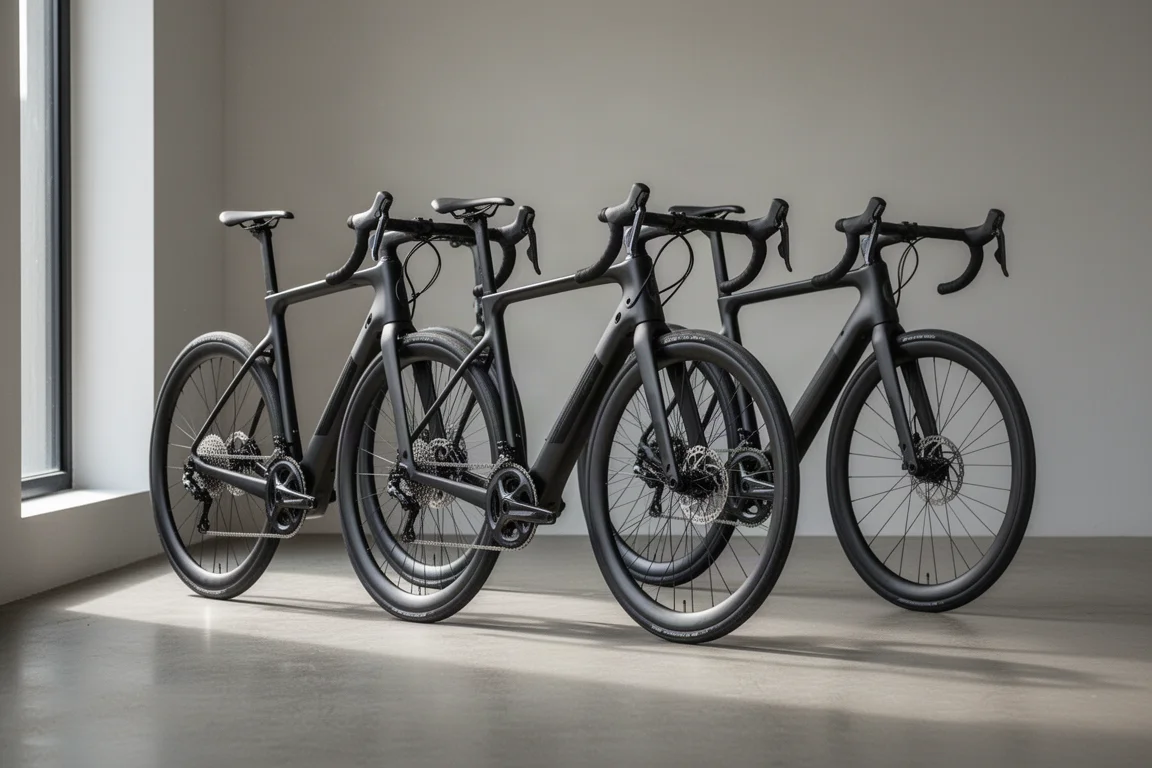
Electric road bikes have moved well beyond the city commute. Each year they offer more pedal-powered assistance, making rides smoother, faster, and more enjoyable, and the latest drop-bar machines are built to tackle open roads rather than just urban streets. The seven models below show how varied the category has become: rear-hub and bottom-bracket motors, carbon and aluminium frames, subtle assistance systems, and genuinely powerful ones.
What to Look For in an Electric Road Bike
Motor placement shapes how a bike feels. Rear-hub systems keep hardware out of the frame and are presented by their makers as light and responsive, while bottom-bracket motors centralise mass and are generally the route to higher assistance output. Torque figures across this group vary noticeably, and higher numbers usually translate to easier climbing and stronger support into a headwind.
Battery capacity and range claims sit in a similar spread. Most of these bikes accept an optional range extender, which is the simplest way to add capacity for longer days in the saddle.
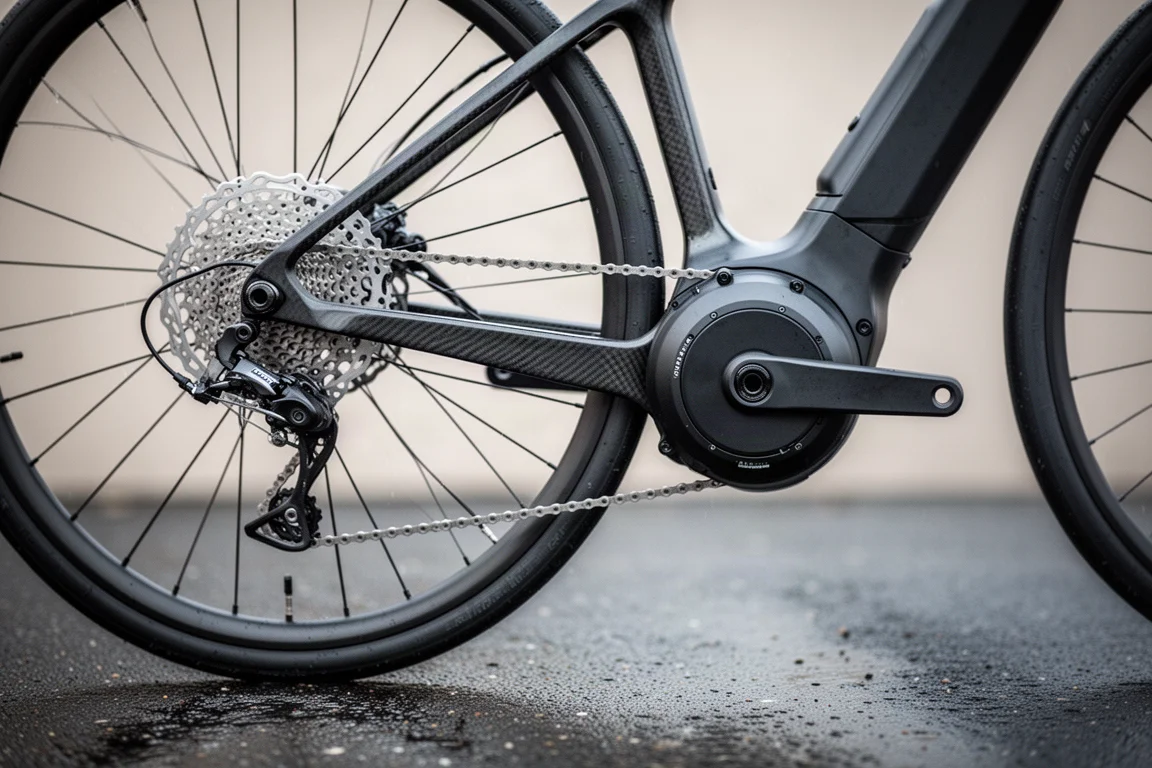
Frame material and tire clearance matter just as much. Carbon dominates the upper end of this list, while one model uses an aluminium frame with a full carbon fork. Clearance runs from 32 mm road rubber up to 57 mm on the most gravel-capable build, so it is worth deciding early whether you want pure tarmac or mixed surfaces.
Geometry is the last piece. Endurance and all-day adventure layouts favour stability and comfort over race-day aggression, and several of the bikes here deliberately lean that way.
Giant Defy Advanced E+ Elite 0
The newest bike in this group blends the Defy endurance road platform with electric assistance. Its SyncDrive SM Plus motor is lighter than before and mounted in the rear hub, engineered for low weight and smooth power delivery, with intelligent algorithms intended to make assistance feel natural: support ramps up gradually as you start pedalling and eases off as you stop.
Riders get five power levels plus a responsive power mode for steep climbs and stiff headwinds. The EnergyPak 400 battery holds 400 Wh, and with the optional extender the bike is claimed to be good for up to 150 km (93 mi). The Advanced composite carbon frameset keeps the comfort and control of the analogue Defy, helped by D-Fuse handlebars and seatpost. Prices start at £5,999.
Look E-765 Optimum Rival AXS
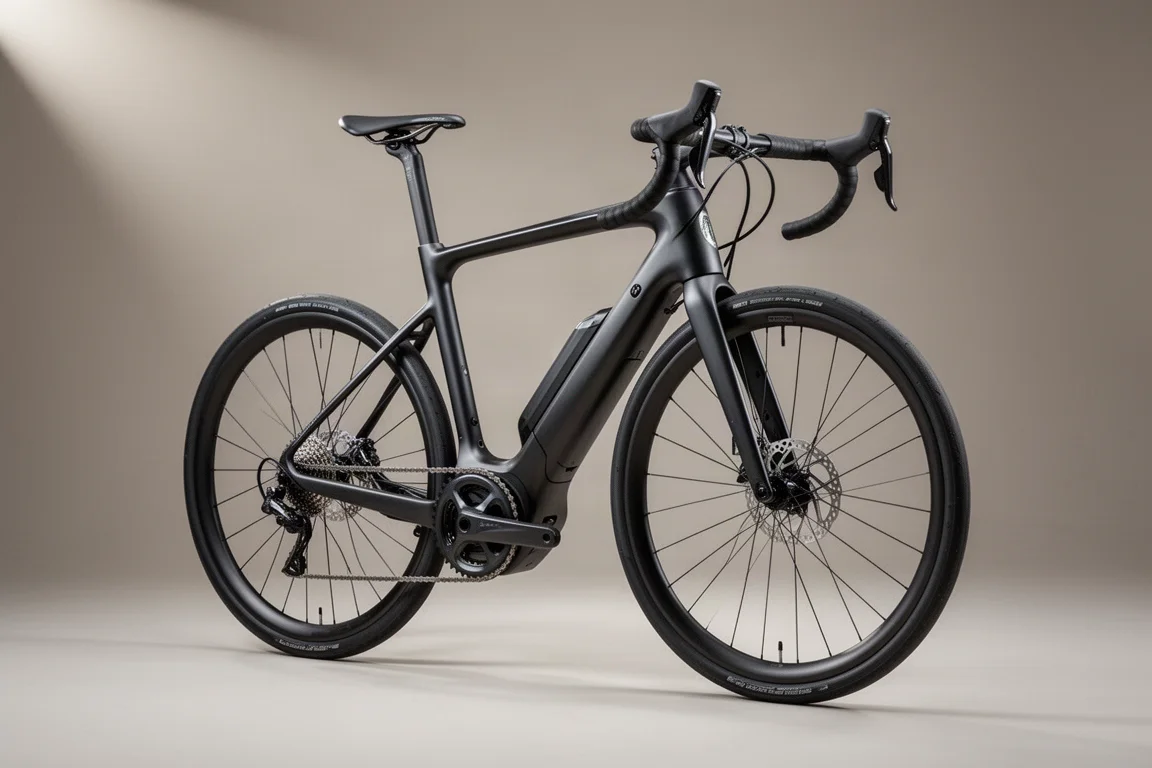
This one pairs the performance DNA of Look’s road bikes with the subtle power of a Fazua Ride 60 motor, capable of up to 450 W of maximum output and 60 Nm of torque. Claimed range reaches up to 120 km (75 mi) per charge, and the complete bike sits at 12.9 kg, around par for this group.
The system is visually unobtrusive, and the build is finished with a premium cockpit and wheels from Look, Hutchinson Sector 32 mm tires, and a single-chainring SRAM drivetrain from its XPLR range that keeps things simple and light while retaining a usable spread of gears.
Orbea Gain D50
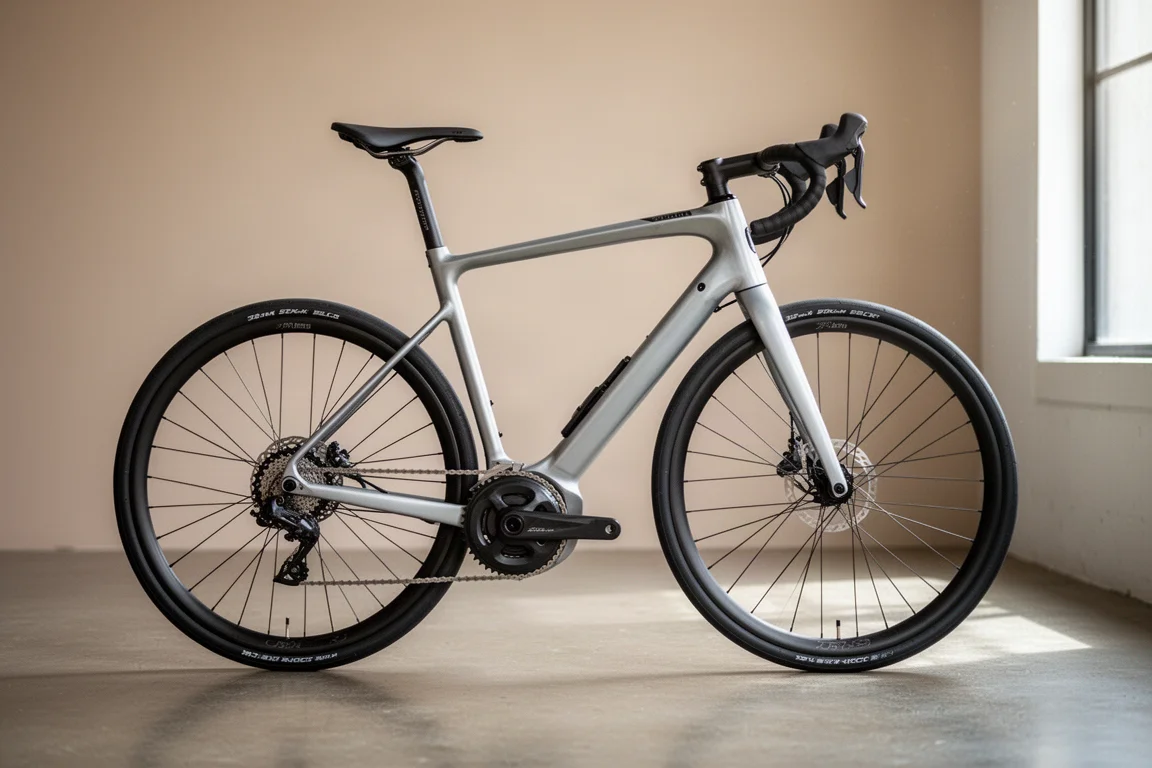
Orbea has been in the road ebike market for some time, and the Gain D50 is the latest generation of that work. It is one of the more accessible bikes here and acts as a solid entry point into the world of premium electric road riding, using a rear-hub drive that follows Mahle’s design philosophy.

The Mahle X35 Plus hub motor produces 40 Nm of torque, enough to smooth out climbs while keeping the ride light and responsive, and it is paired with a 350 Wh internal battery for a claimed 100 km of range, with an optional range extender available for longer adventures. The aluminium frame and full carbon fork clear tires up to 40 mm and use endurance-focused geometry. At £2,899 it is far from cheap, but it offers a strong combination of range and power for the money.
Pinarello Nytro E7
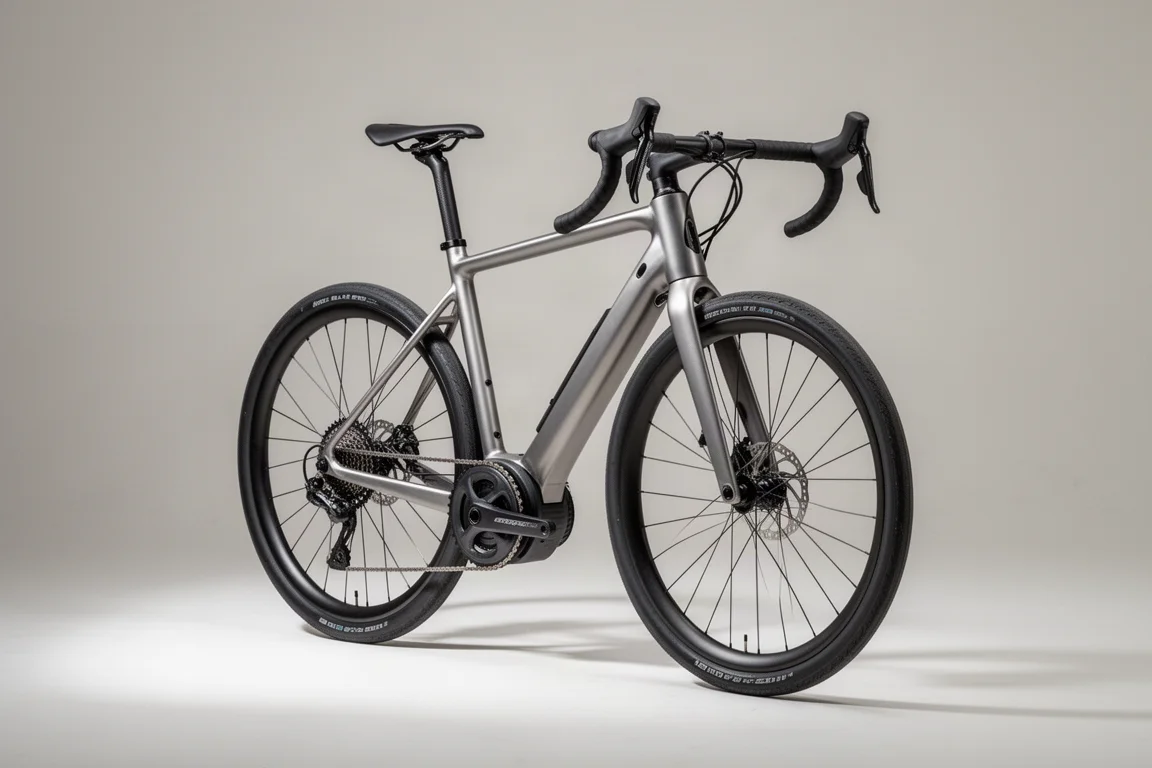
The Nytro E7 is the latest generation of Pinarello’s electric road bike, built around the TQ HPR50 motor system. It is one of the sleeker bikes here: the oversized down tube hints at the electric hardware, but at a glance it reads as another high-end road machine.
The frameset shares several traits with the brand’s Dogma F race bike, including an asymmetric frame and T900 carbon fibre construction, though the geometry leans towards all-day adventures rather than race-day aggression, which helps it feel stable on the descents. Disc rotors measure 160 mm front and rear. At 13 kg the weight is noticeable, but the assist modes compensate, particularly when climbing. For riders looking to keep up, recover from injury, or simply extend their range, this one is worth a shortlist spot.
Specialized S-Works Turbo Creo 2
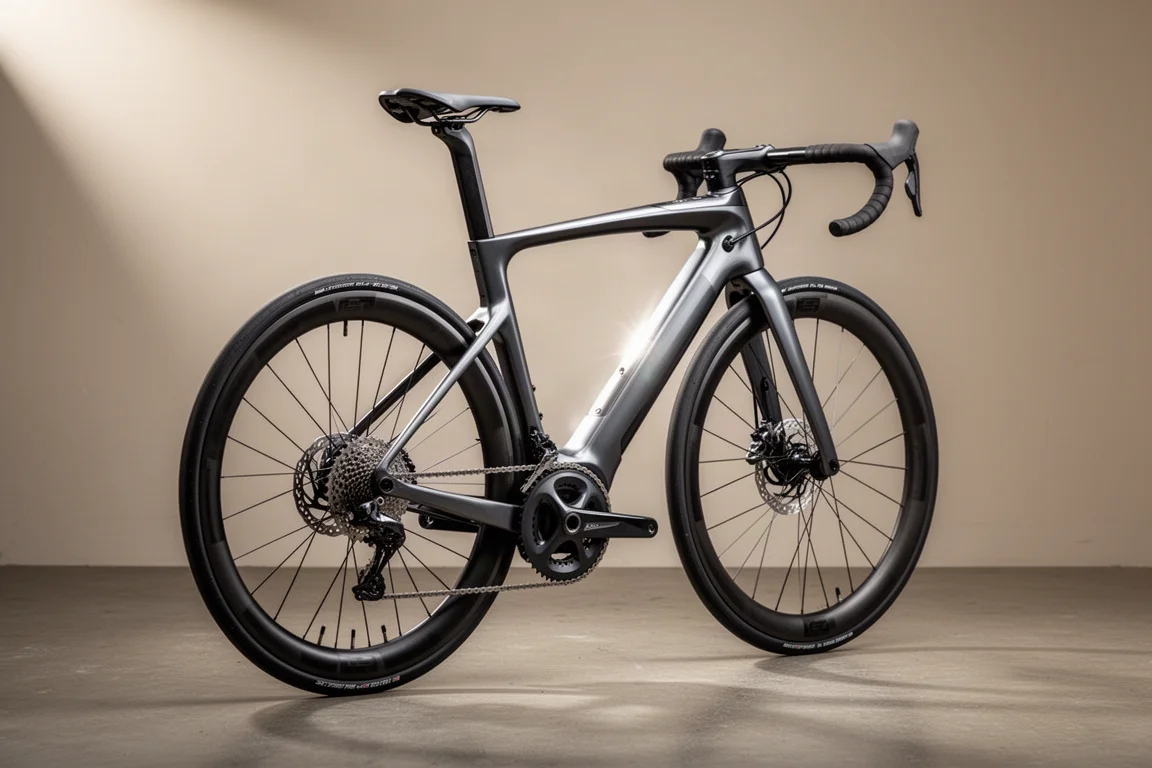
The second-generation Turbo Creo went bigger in every sense, and at £12,000 the S-Works Turbo Creo 2 is the most expensive bike on this list. It is built around a FACT 11R carbon frame that is lightweight yet stiff, with more gravel-friendly geometry than the original, including a slacker head tube for extra stability on steeper terrain and gravel paths.
Tire clearance grows to 57 mm, and the latest generation Future Shock stem suspension is part of the package, making this arguably the most versatile bike here. The SL 1.2 motor delivers a significant increase in torque and power over its predecessor, with up to 120 mi of range from a 320 Wh battery that can be extended further. The build is topped with a SRAM XX1 Eagle AXS drivetrain, Roval Terra CLX 2 carbon wheels, and a Terra handlebar.
Trek Domane+ SLR 6 AXS
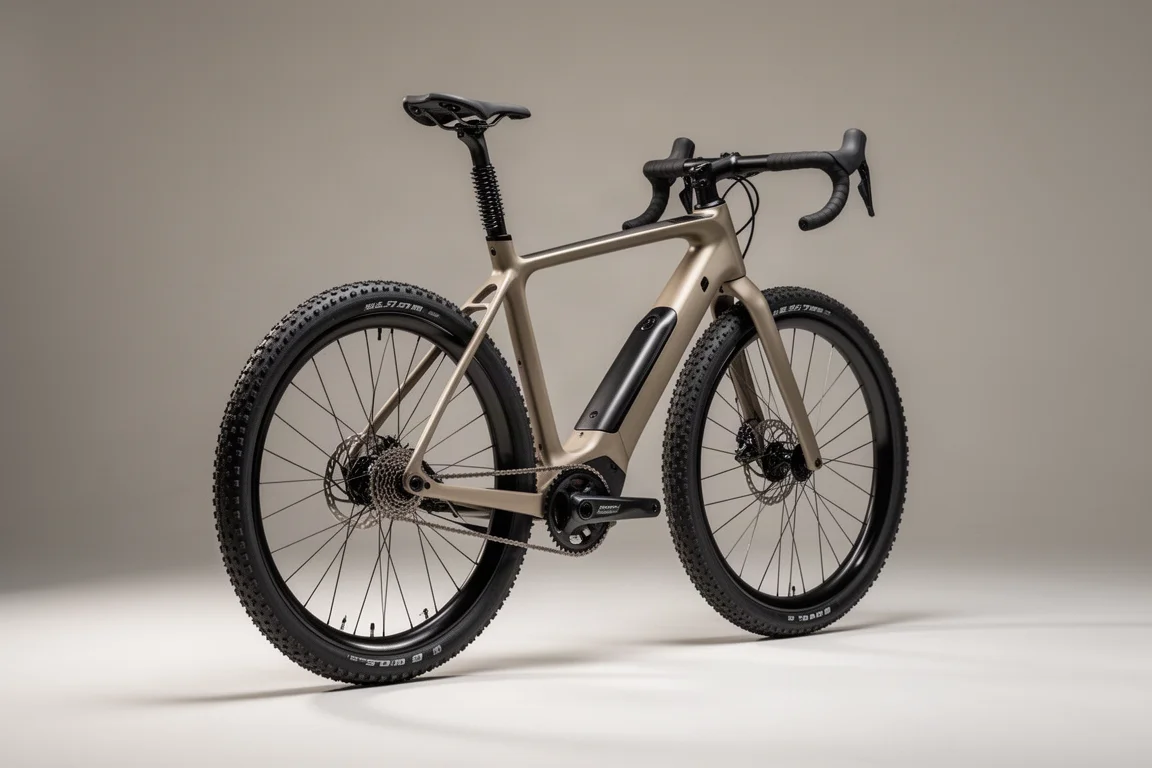
Trek’s entry here is low profile enough to go unnoticed by an untrained eye, helped by a premium chassis built from the brand’s 800 Series OCLV carbon fibre. In keeping with the non-motorised Domane, it retains the rear IsoSpeed decoupler: a pivot in the seat tube that allows more seatpost flex and improves comfort over rougher terrain.
Power comes from a discrete TQ harmonic pin ring motor. The included 360 Wh battery is slightly smaller than some rivals here, with a claimed range of up to 62 mi, and an optional range extender can add up to 44 percent more capacity. Shifting is handled by a wireless SRAM Rival XPLR AXS 1x12 drivetrain, and 40 mm gravel tires on Aeolus Pro 3V OCLV carbon wheels let the bike blur the line between smooth roads and loose conditions.
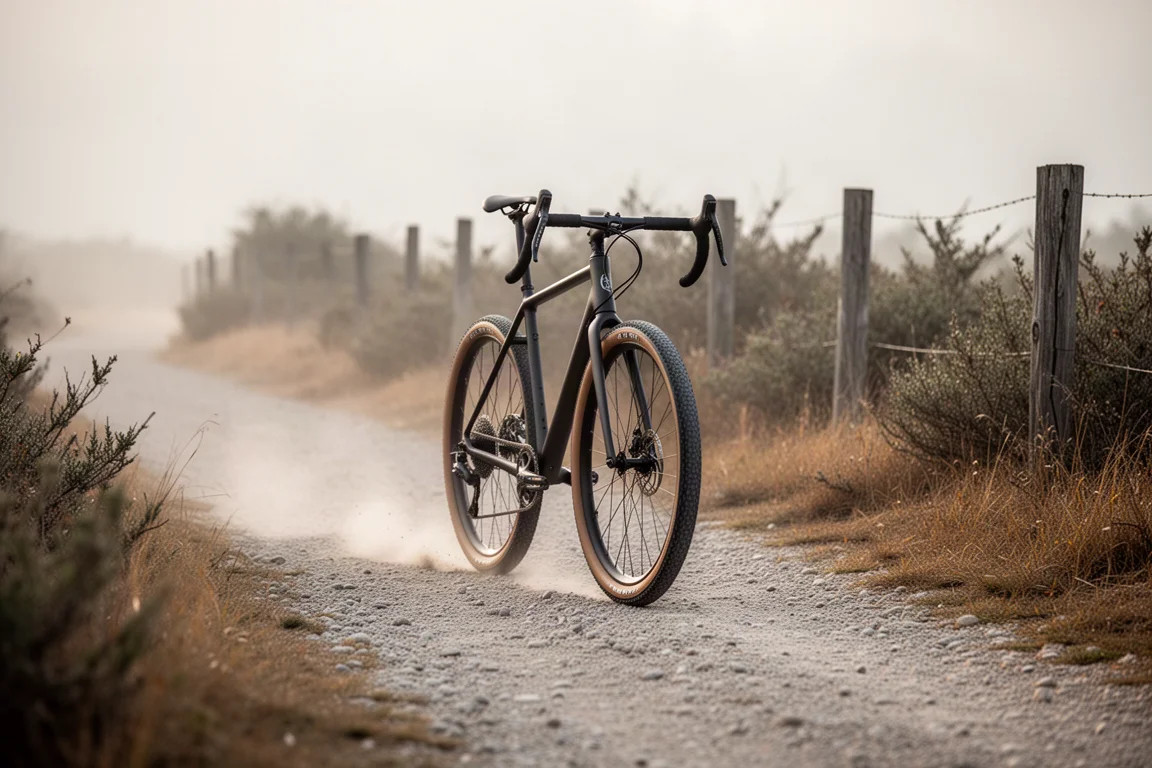
A sleek display and full cable integration complete a build that ranks among the most tech-forward in this group.
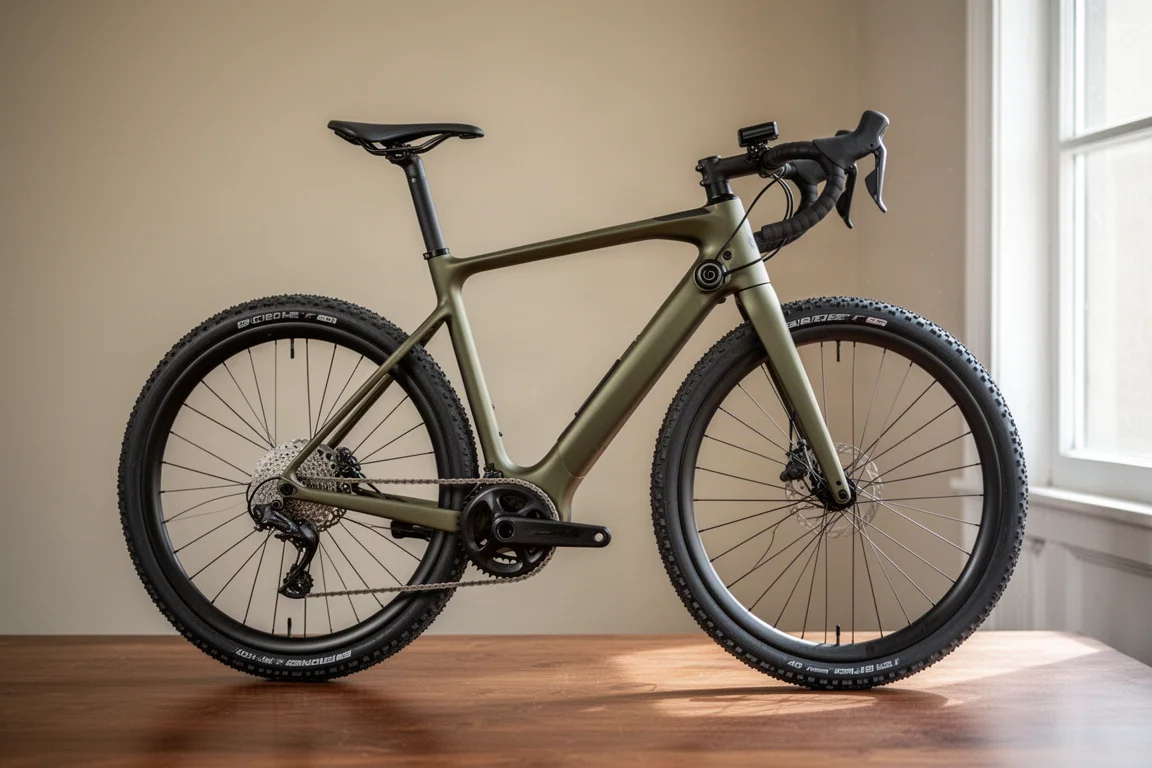
Cannondale Synapse Neo Allroad
Part road machine and part gravel ebike, the Synapse Neo Allroad is designed for adventures of different kinds. It is built on the Synapse endurance platform, so it keeps the comfort and handling of its lightweight sibling, now with up to 55 Nm of torque on tap.
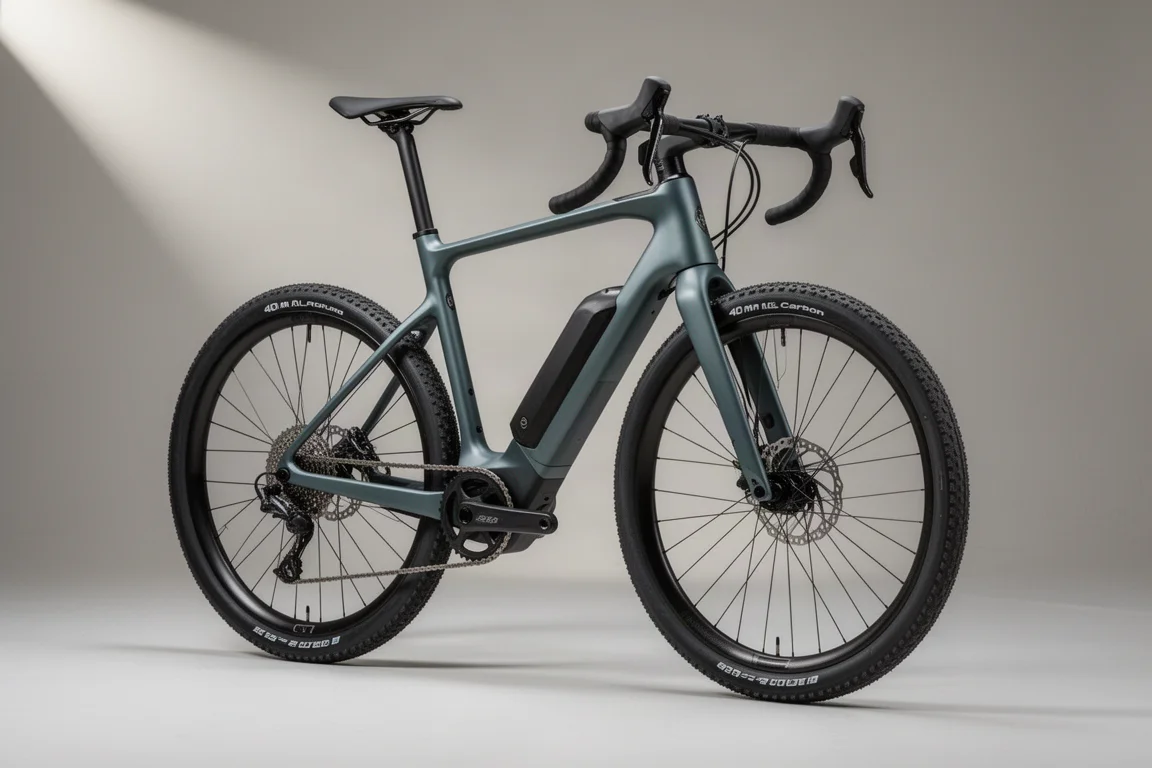
That power comes from Bosch’s Performance Line SX motor, which the brand describes as its lightest bottom-bracket motor yet, providing up to 600 W of assistance. It is paired with a 400 Wh battery integrated into the frame, and a 250 Wh extender can be added using the bottle cage mounts when more juice is needed. The frame uses Series 2 carbon with heavily dropped seat stays and slim rear tubing to make the back end more compliant, and the geometry is endurance-tuned for comfort and control. A SRAM Force AXS XPLR groupset and 40 mm Vittoria Terreno tires finish a build that sits in a useful middle ground of grip and rolling resistance.
Buying Advice: Matching the Bike to the Ride
Price spans a wide range here. The Orbea Gain D50 at £2,899 is the most accessible, the Giant Defy Advanced E+ Elite 0 starts at £5,999, and the Specialized S-Works Turbo Creo 2 at £12,000 sits at the top of the list. That spread broadly tracks motor output, frame material, and component level, so it is worth matching the spend to what you actually need from the assistance.
If your rides are mostly tarmac, a lighter bike with subtle assistance and slick tires will usually feel more natural. If you want to mix in gravel and rough lanes, tire clearance, suspension elements such as the Future Shock, and wider 40 mm rubber become far more relevant.
Range extenders are worth thinking about early. Most of these bikes support one, and they remain the easiest way to cover longer days without changing how the bike rides.
Conclusion
Electric road bikes now cover a genuinely broad range of priorities, from light and natural assistance through to powerful motors built for long climbs and mixed surfaces. The right choice comes down to how much help you want, how far you plan to ride, and whether your routes stay on tarmac or wander onto gravel.
Further reading
Related Reviews
Electric Road Bikes
7 Best Drop-Bar Electric Road Bikes to Consider in 2026
Seven drop-bar electric road bikes compared on motor feel, weight, range, and versatility, from a value-focused alloy build to a carbon flagship.
Electric Road Bikes
Best E-Road Bikes: Five Lightweight Electric Road Bikes Worth Considering
Five electric road bikes that add assistance without spoiling weight, silence, or road bike looks, plus the trade-offs to weigh before buying.
Electric Road Bikes
Best Lightweight E-Road Bikes: Five Quiet Electric Road Bikes Worth Considering
Five lightweight electric road bikes that add assistance without ruining the looks, weight, or ride quality that make a road bike worth owning.