Allroad Bikes
Ribble Allroad SL vs Allroad SLR: Which Allroad Bike Fits Real Roads?
A practical comparison of the Ribble Allroad SL and Allroad SLR, covering geometry, tyre clearance, gearing, integration, and value.
Introduction
Race bikes are built long and low for professional riders, and those positions are rarely the best fit for the riding most recreational cyclists actually do. An allroad bike takes a different approach: quick enough for tarmac, comfortable enough for long days, and capable enough to leave the smooth stuff behind.
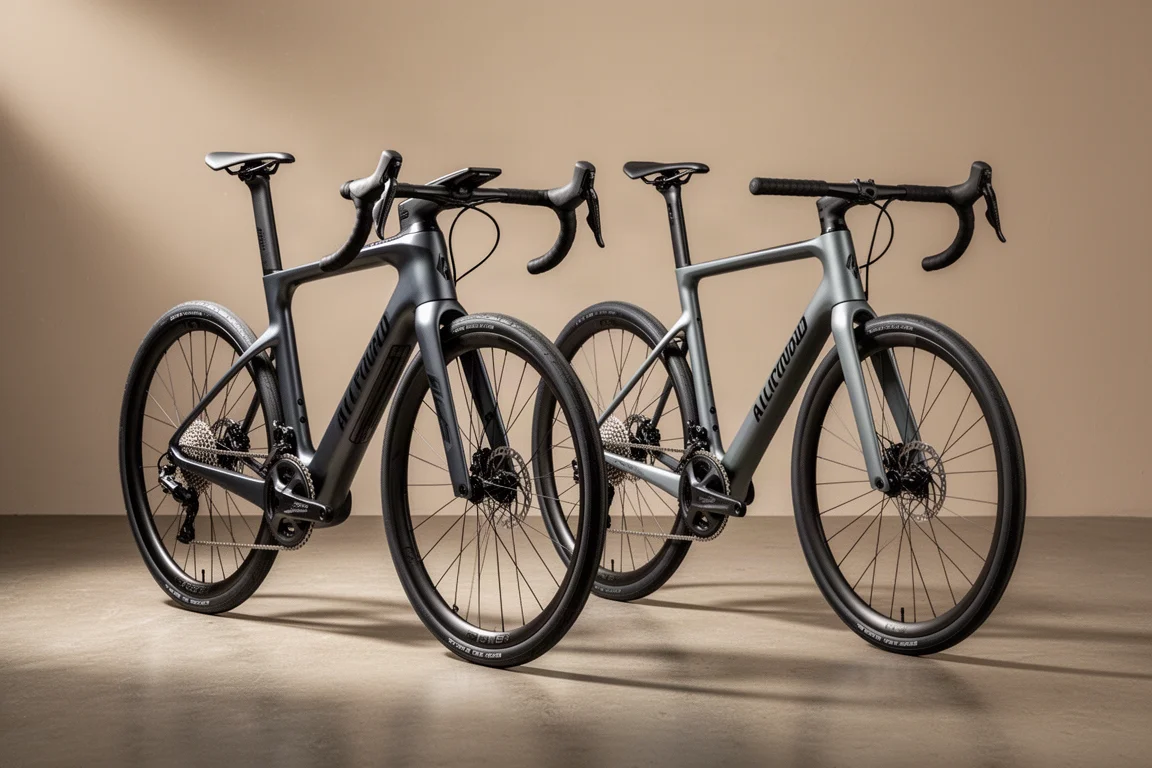
The Ribble Allroad range covers that brief in two directions. The Allroad SLR takes aero tube shapes and an integrated front end from the brand’s race platform, while the Allroad SL keeps the same allroad geometry at a lower cost with a simpler front end. Both are designed for riders who want to go fast over a mix of terrain and surfaces.
What Makes an Allroad Bike Different
Geometry is the first thing to get right. An allroad bike needs a position that works for long rides over mixed terrain while staying sporty on tarmac, which usually means a balance of comfort and pace rather than a pure racing stance. Choosing a bike that fits the rider rather than a racing position can reduce strain on the back and neck, and a balanced weight distribution is easier on the hands, wrists, and shoulders. Being comfortable on the bike makes it easier to keep riding, and that is what leads to fitness gains over time.
Tyre clearance matters just as much. Space for wider tyres allows lower pressures and extra puncture protection on rough back lanes, and it opens the bike up to lighter gravel duties. Wider tyres also help in bad weather, where a fatter contact patch provides more grip in wet corners. For many riders, that flexibility is the difference between repeating the same routes every week and exploring new ones.
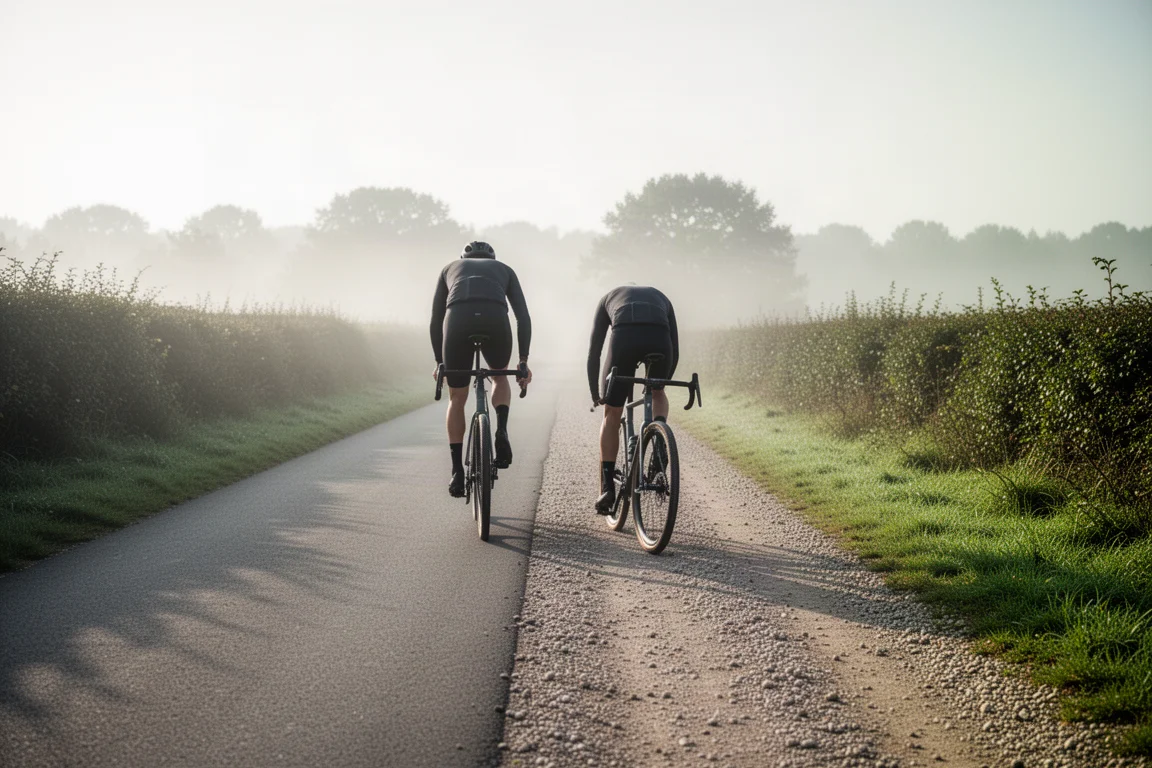
Both Ribble Allroad models are built around that thinking, with a shared geometry and the tyre clearance to handle more than one kind of road.
Ribble Allroad SLR: Aero Tube Shapes and an Integrated Front End
The Allroad SLR is the faster, more technically ambitious option. Its aero tube shapes take learnings from the Ribble Ultra platform, and the carbon layup combines M46 and T1000 carbon, which Ribble says makes it faster than before. The fully integrated front end gives it a sleek look and pairs with the next generation Ultra Bar, a cockpit designed aerodynamically in combination with the front end and the rider. Ribble describes the bar as wake generating, which increases aerodynamic efficiency further.
Gearing is tuned for allroad use: a 50/34 crankset paired with an 11-34 cassette provides a useful mix of top-end speed for fast flat roads and a low 1:1 bottom gear for steeper climbs. There is also space in the frame for ride spares, so a saddle bag is not required.
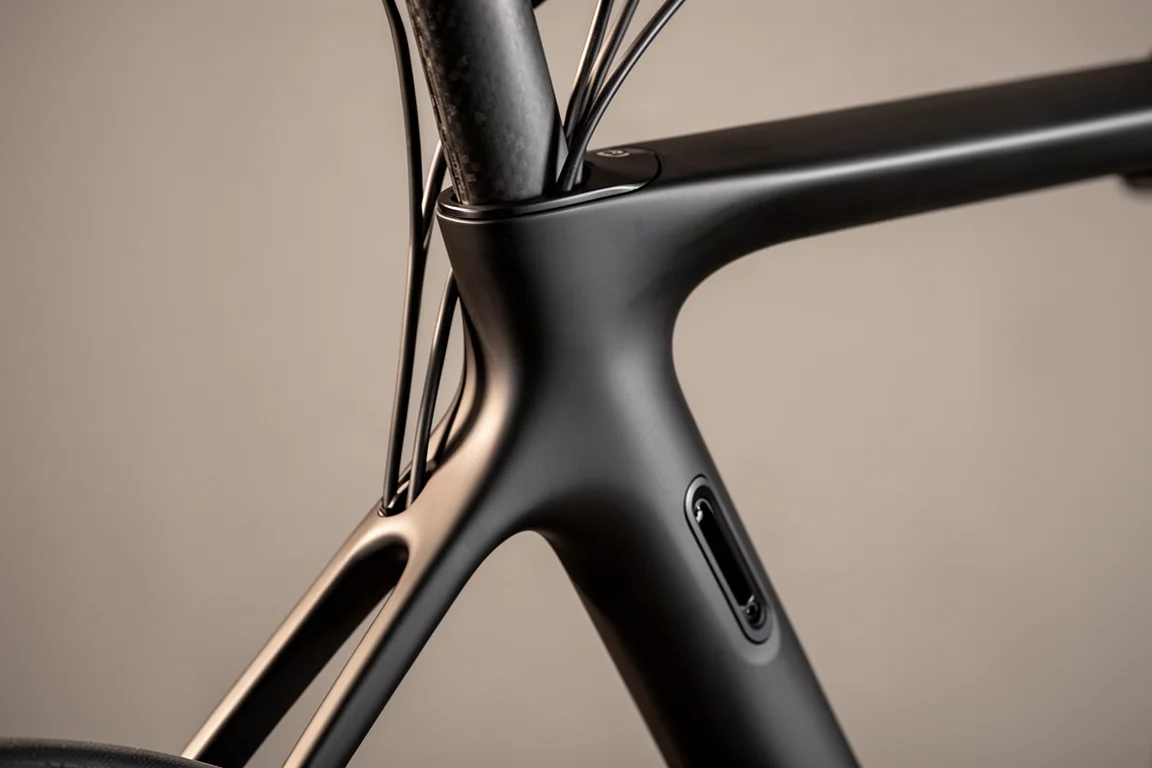
The trade-off is complexity. A fully integrated front end looks clean but makes routine home maintenance more involved, and stepping up to the SLR frame set costs more than the SL model. Riders who want the lightest build and the sharpest aero package will see the value; those who service their own bikes may not.
Ribble Allroad SL: The More Accessible Build
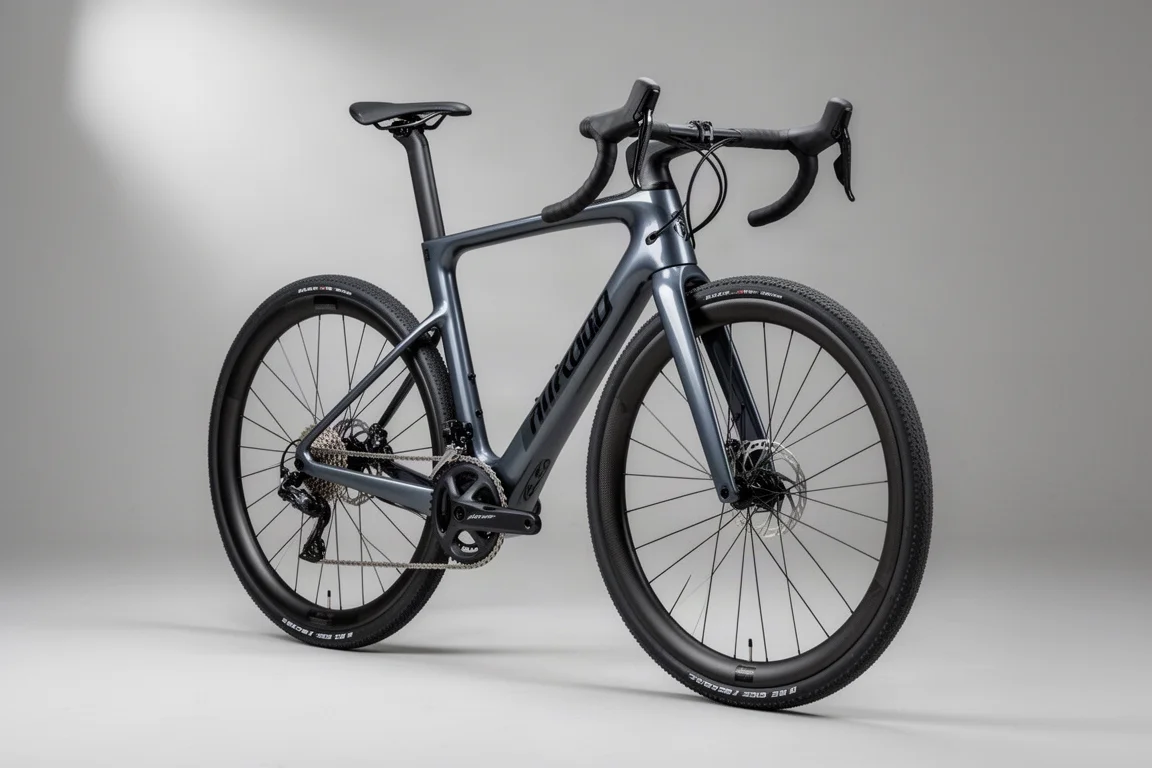
The Allroad SL starts at £1,699 and keeps the same allroad geometry while forgoing the full front end integration. That decision simplifies home mechanics and keeps the cost down, which makes it the more practical entry point to the range. It still offers the wide tyre clearance, the gearing spread, and the in-frame storage that define the platform.
Mudguard mounts make it a realistic winter bike, and the same frame works as a light gravel bike, so it effectively covers two bikes in one. Ribble’s custom designer adds another layer of flexibility: a rider can start from a 105 Di2 build, for example, and add the UB2 bar to the specification.
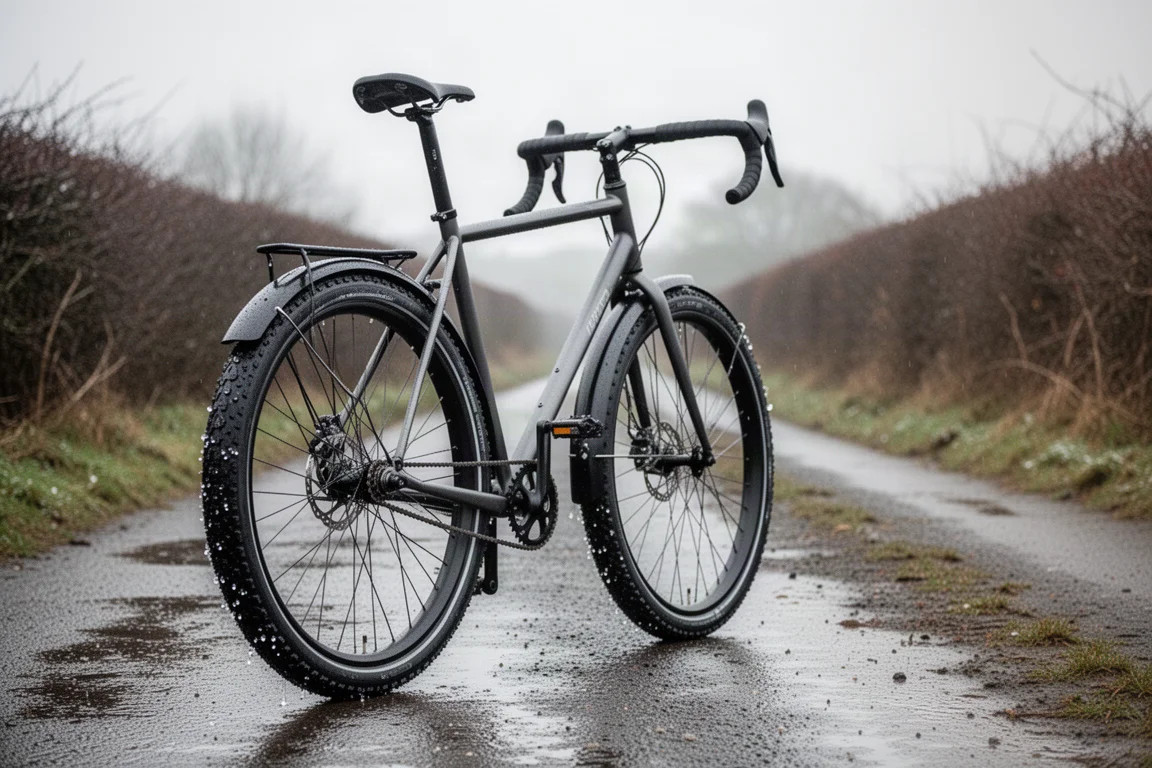
For riders who want the allroad position and versatility without the integrated cockpit, the SL is the more straightforward ownership proposition.
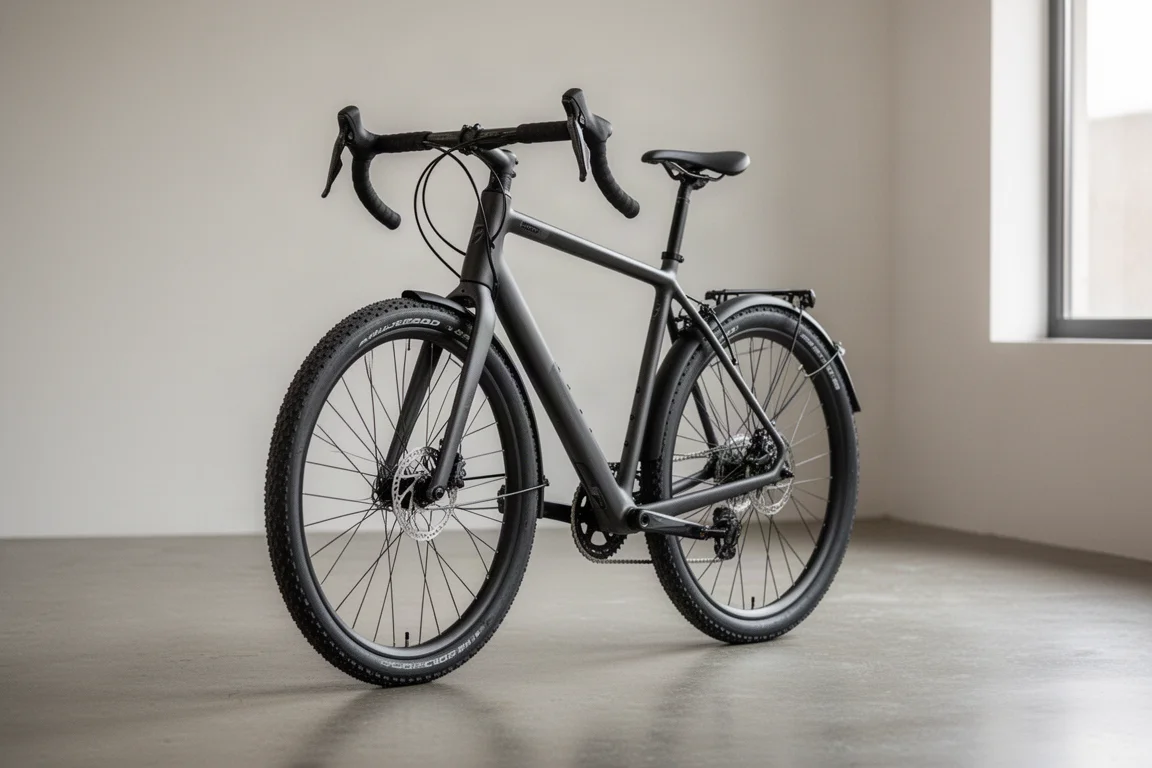
Ribble Allroad SL vs Allroad SLR: Which Should You Buy
The choice comes down to how much you value integration and weight savings. The Allroad SLR is the pick for riders who want the aero tube shapes, the M46 and T1000 carbon layup, and the fully integrated front end with the next generation Ultra Bar. It is the faster, more race-influenced allroad bike.
The Allroad SL is the value option at £1,699, with a simpler front end that is easier to live with at home. Both bikes share the allroad geometry, the 50/34 and 11-34 gearing, the in-frame storage, and the tyre clearance that makes them useful on tarmac, rough lanes, and light gravel. Mudguard mounts on the platform also make either one a sensible winter choice.
Ribble also offers a lightweight electric version of the Allroad with a Mahle X20 motor producing 55 Newton metres of torque, which is worth knowing about if a hilly commute is the main reason you are shopping.
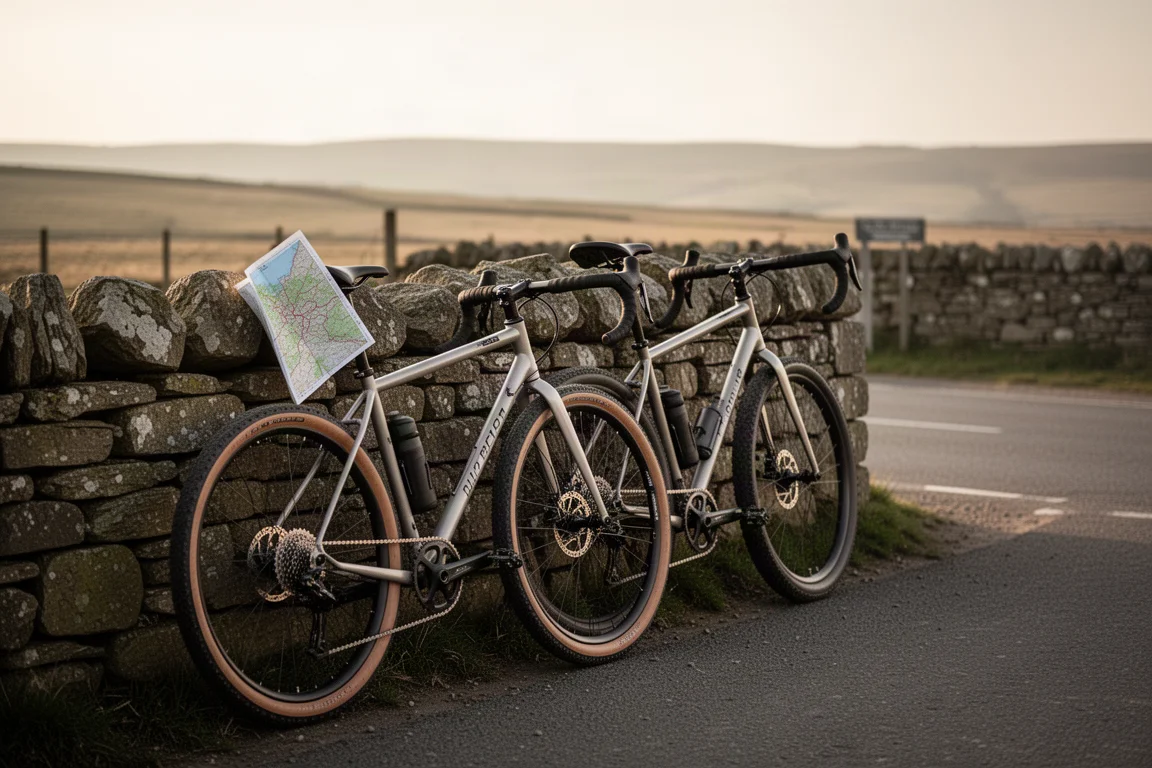
Whichever model you choose, customisation through Ribble’s bike designer means the final specification can be matched to the riding you actually do rather than a fixed build.
Conclusion
The Ribble Allroad range answers a real question: what should most recreational riders buy instead of a race bike? The Allroad SLR delivers aero tube shapes, a carbon layup mixing M46 and T1000, and an integrated front end for riders chasing speed. The Allroad SL keeps the same geometry and versatility from £1,699 with a front end that is easier to maintain. Both are designed to go fast over mixed terrain, and both can be tailored through Ribble’s custom designer.
Further reading
Related Reviews

Backpacking Gear
Building a 10 lb Base Weight: An Ultralight Backpacking Gear List
A practical walkthrough of the ultralight pieces behind a 10 lb base weight, from a 765 g pack and a roomy one-person tent to a full camp chair and a dependable water filter.
Road Bikes
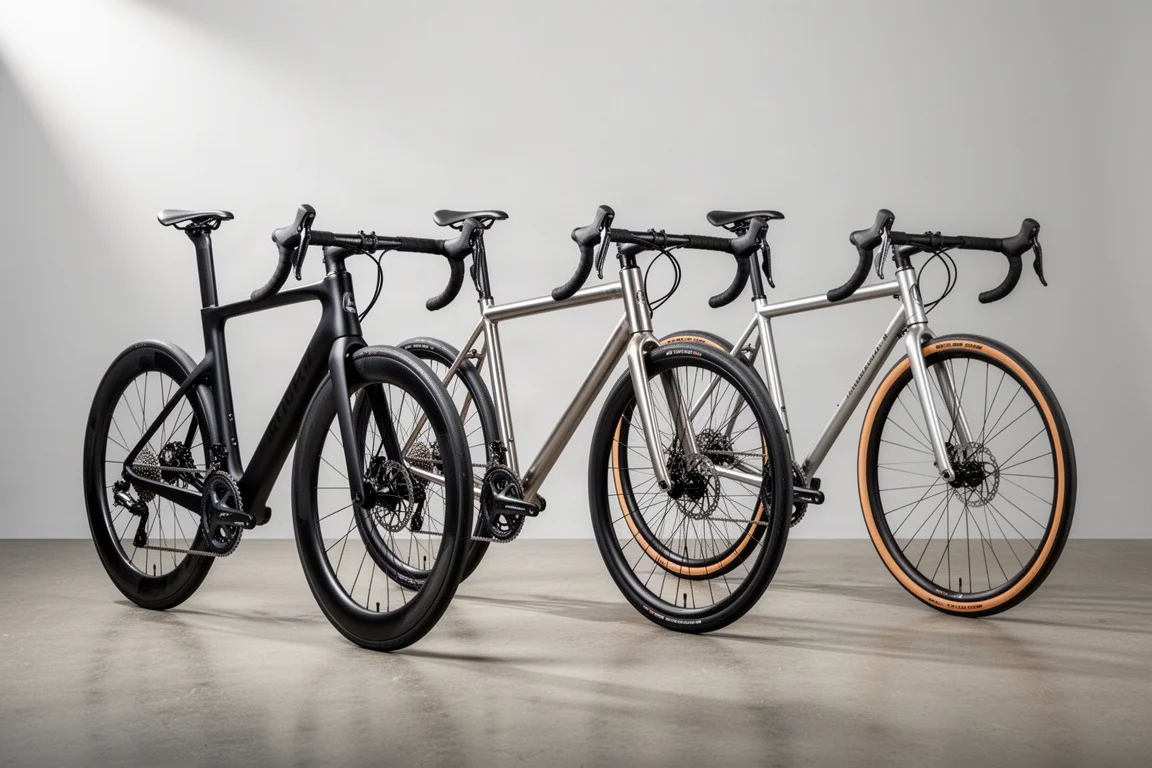
10 New Road Bikes Worth Watching: Aero, Titanium, Steel and Endurance Standouts
A practical roundup of 10 new road bikes, from aero flagships chasing single-watt gains to titanium, steel and endurance platforms built for real roads.
Bikepacking Gear
11 Bikepacking Essentials for Long-Distance Cycling
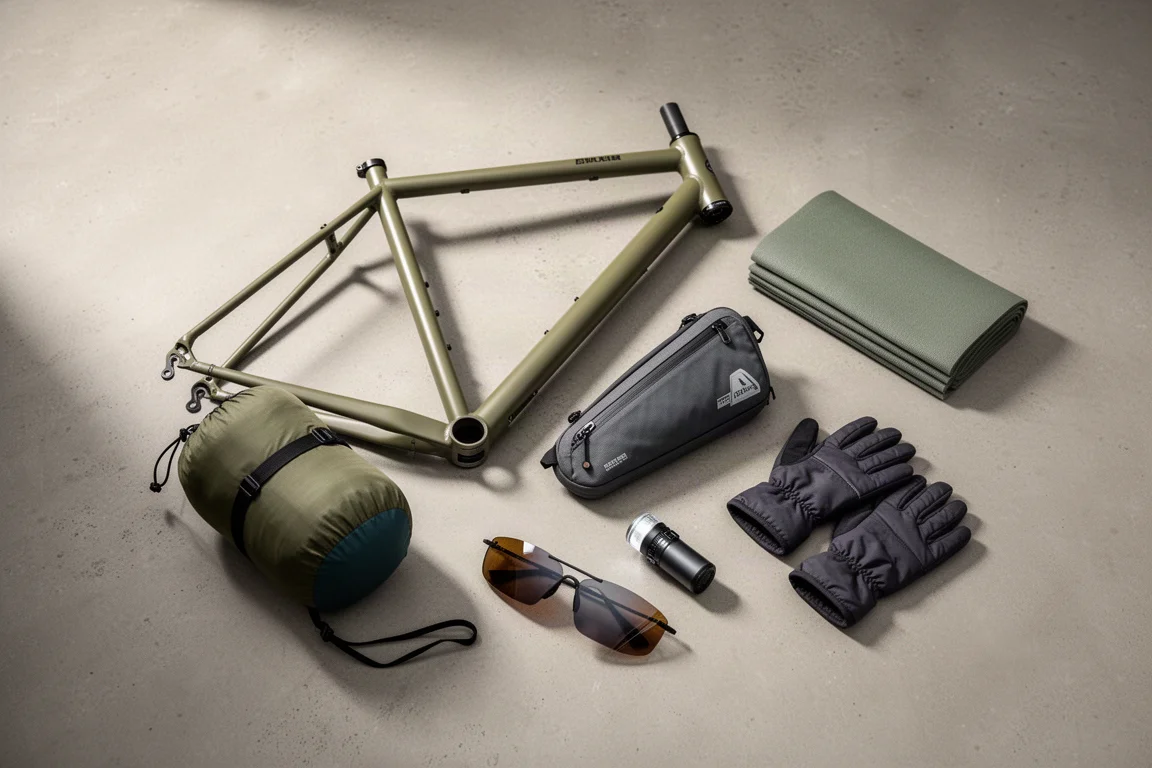
Eleven bikepacking essentials for long-distance cycling, from a steel gravel frame and a two-person tent to helmet lights, packable gloves, and a frame bag that puts weight in the right place.