Hi-Fi Speakers
Revival Audio Atalante 4 Review: Spacious Three-Way Towers With Serious Bass
A close look at the Revival Audio Atalante 4, from its in-house tweeter and basalt sandwich drivers to its wide, spacious presentation and how it compares with the Arendal 1723 THX Towers.
Introduction
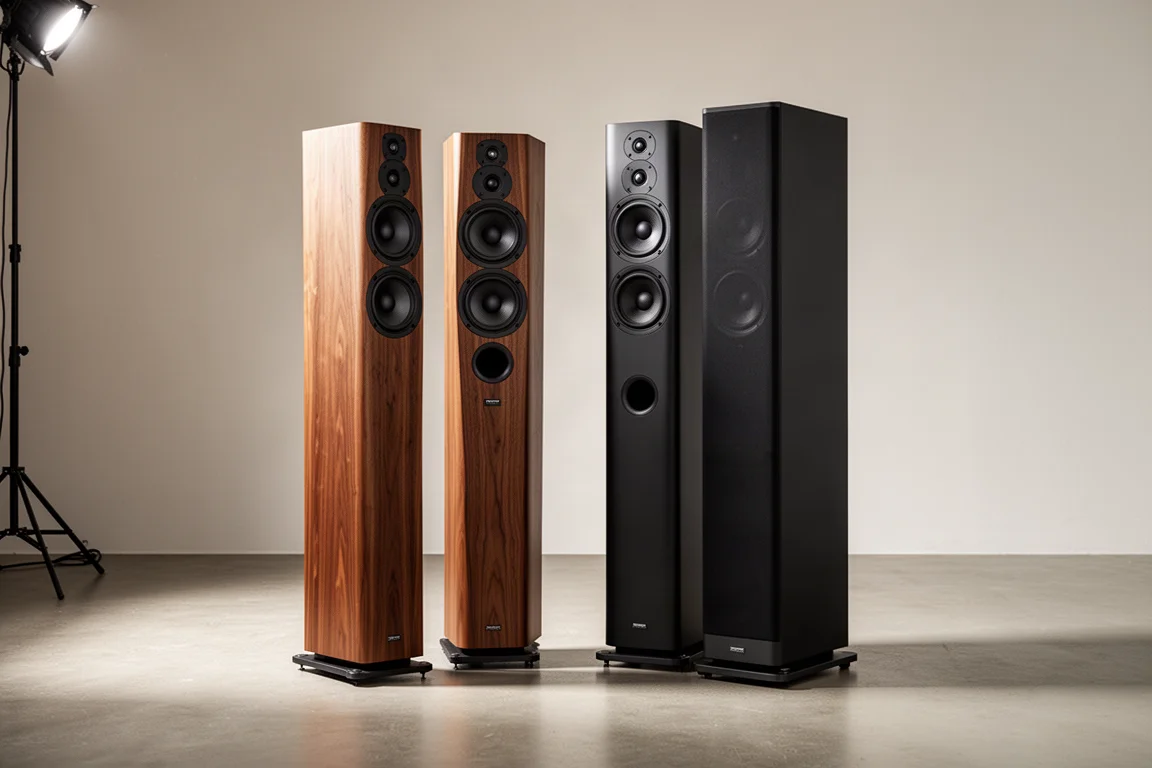
Revival Audio is a relatively new name in high-end loudspeakers, and the Atalante 4 is a clear statement of intent. The design team behind the brand has an extensive track record creating speakers for established high-end manufacturers, and that background shows in the parts used here: a soft-dome tweeter developed in-house in France, basalt sandwich drivers, and a cabinet created with an award-winning French design studio.
At $4,300, the Atalante 4 lands in a crowded bracket. This review covers what it does well, where it needs care during setup, and how it stacks up against the Arendal 1723 THX Towers, a reference point at around $4,000.
Who the Atalante 4 Is For
Two kinds of listeners should pay attention.
The first is anyone who has lived with a soft-dome speaker and wished the top end was more open, more alive, with spatial cues that step forward into the room. The Atalante 4 does that without sliding into the fatigue that often comes with a bright presentation.
The second is the listener who already enjoys a detailed, spacious sound but finds many speakers of that type tiring over long sessions. The Atalante 4 keeps an elevated upper range while smoothing the harshest edges, which makes it easier to sit with for hours.
It also suits buyers who value a brand with genuine in-house engineering rather than a catalogue of off-the-shelf parts. That level of capability normally appears at much higher prices.
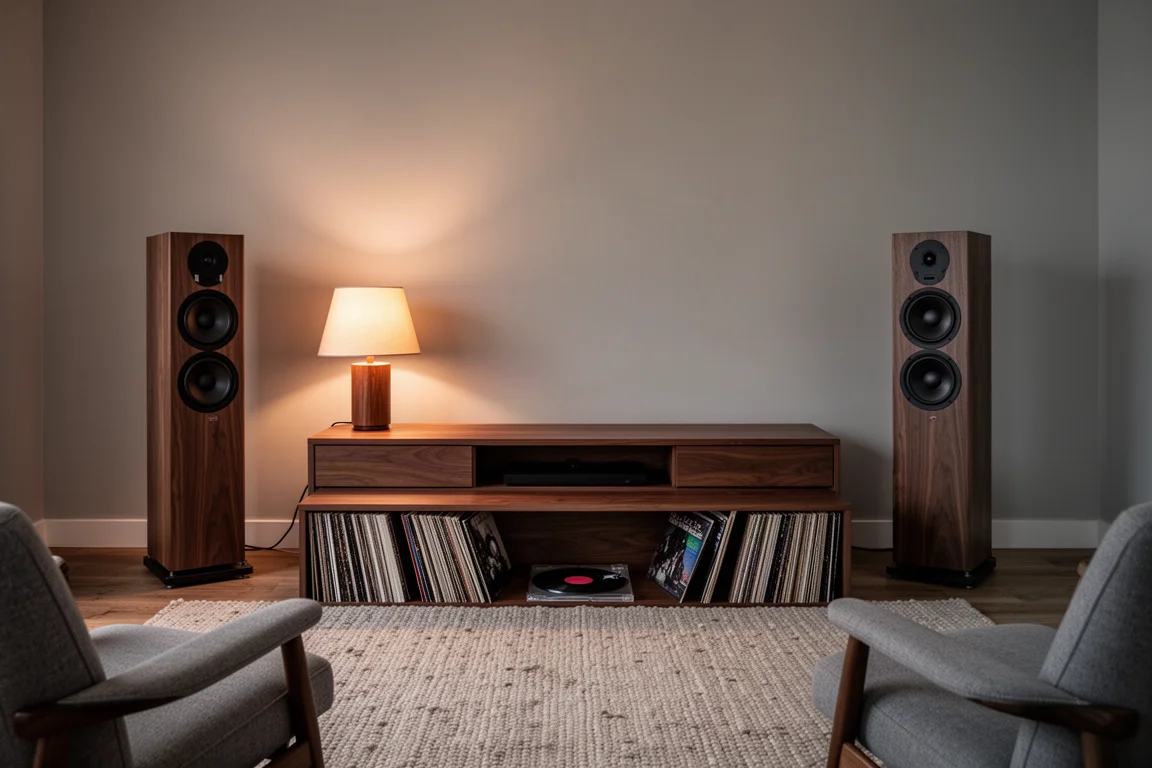
There is a practical bonus for quiet listening. Human hearing is less sensitive to the extreme high and low frequencies at low volumes, so a speaker with a little lift at both ends tends to sound more complete when the volume is turned down. The Atalante 4 fits small rooms and late-night sessions particularly well.
Design, Drivers and Craftsmanship
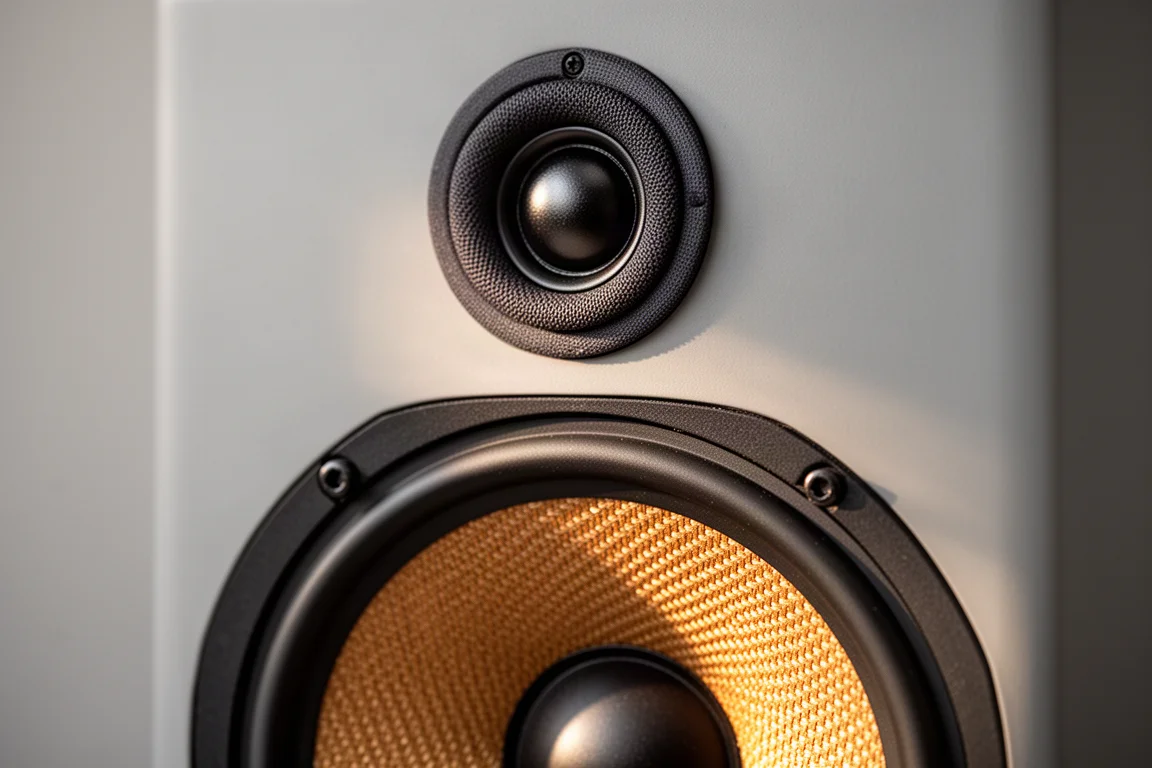
The tweeter is a soft-dome unit slightly larger than one inch, designed in-house in France rather than sourced from a supplier. Behind the dome sits a patented damping device that, per Revival Audio, absorbs up to 95% of standing waves without the heavy traditional damping material usually required. The claimed result is a more extended high-frequency response.
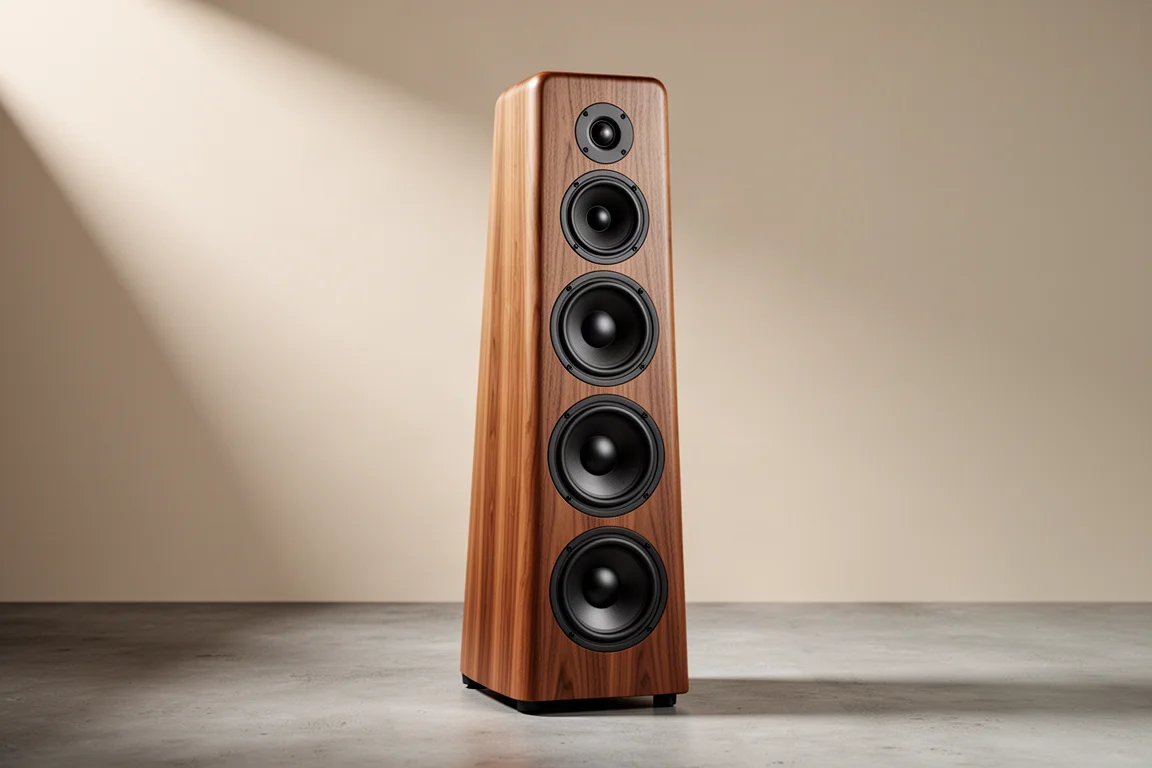
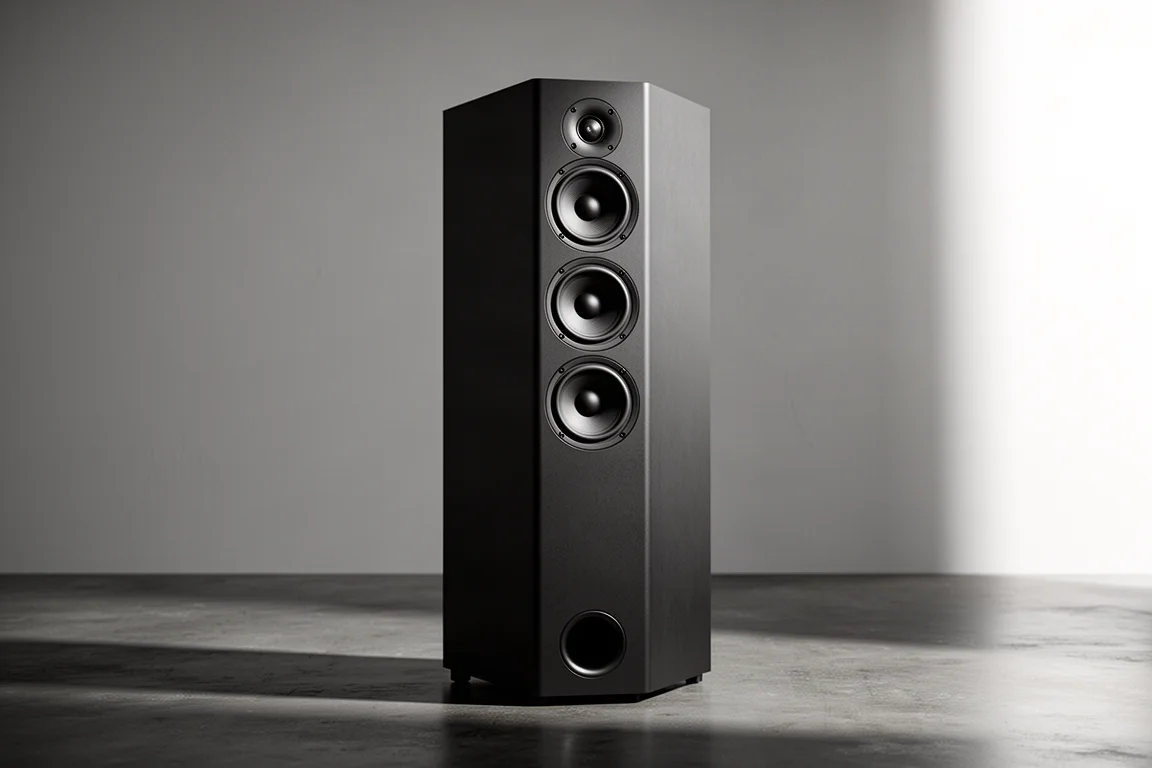
The three-way layout pairs a 5-inch midrange driver with two 7-inch bass drivers, all using a basalt sandwich cone construction. Basalt is a lava stone found in large quantities in many parts of the world, which makes it a sustainable material choice. Revival Audio also states that basalt has a higher Young’s modulus than Kevlar and glass fiber; published material figures place basalt above glass fiber but below Kevlar, so the stiffness claim is worth treating with some caution. The underlying argument still holds, since a stiffer cone resists deformation and helps keep distortion in check.
Visually the speaker is elegant and restrained. The cabinet was developed with an award-winning French studio and reads as a marriage of Japanese and French design sensibilities, a timeless look rather than a trend-driven one.
The crossover is a good-quality unit using WBT binding posts and Van den Hul Skyline internal wiring. Even so, at this price there are speakers with more exotic crossover components, and the internal cabling is arguably a less meaningful upgrade than better crossover parts would have been.
Sound Quality: Treble, Midrange and Bass
The overall signature is mildly V-shaped, with elevated bass and elevated treble. The treble lift is audible but not punishing. Part of the reason is a dip around the 7 kHz region, where vocal sibilance lives, so sharp “s” sounds stay under control. The upper treble is where the boost is most obvious, and it makes many recordings sound livelier. A handful of modern, already-bright recordings can tip into too hot, while most tracks come across cleanly and without harshness. Rather than adding glare, the lift mostly enlarges the sense of space.
The midrange measures roughly plus or minus 3 dB and sounds balanced in practice. Nothing jumps forward and nothing is pushed back. Vocals and instruments arrive with a natural tone that is easy to follow, carrying enough warmth and body to avoid sounding thin without ever turning thick or lush. That is unusual for a V-shaped speaker, where the midrange often feels hollowed out.
Bass is where the speaker makes its strongest case. The quasi-anechoic response shows substantial low-frequency output, and once room gain is factored in this is effectively a full-range tower that does not demand a subwoofer. Adding a subwoofer is still worth considering for managing room modes, but the speaker itself leaves no obvious gap. Its character leans muscular and rich rather than fast, tactile or clinical.
The soundstage is wide, and that width is the most impressive part of the presentation. Layering, spatial cues and instrumental separation extend beyond the plane of the speakers. Depth is less pronounced than width. Some of that expansiveness tracks with the elevated response above roughly 10 kHz.
Setup, Placement and Amplification
Sensitivity is rated at 89 dB with a nominal impedance of 4 ohms and a minimum that dips to 3.2 ohms. That is not an especially difficult load, but the low-impedance dips mean the speaker benefits from an amplifier with real current delivery. Tube integrated amplifiers can sound good here, while more robust solid-state designs tend to deliver better bass control and texture.
Horizontal off-axis response is good, and the high frequency rolls off in a standard way as you move off axis, so the overall tonal character holds up even when the speakers are angled out into the room. A practical approach is to begin with minimal toe-in, then gradually angle the speakers inward while paying attention to how much treble energy suits the room and your taste.
Because the cabinet is ported, give the speakers roughly two to three feet of space behind them. That distance produced a good balance of stage depth and width. If the room forces a closer placement, foam plugs are included for the ports, and plugging the bottom port first is the most effective starting point.
Aim to sit on axis with the tweeter where possible. Sitting slightly below tweeter height is fine and not critical. Sitting above tweeter level is a different story, since the response dips noticeably around 3.5 kHz. That makes the speaker a poor fit for rooms with multiple rows of seating that step upward, such as some home theater layouts.
How the Atalante 4 Compares With the Arendal 1723 THX Towers
The Arendal 1723 THX Towers sell for around $4,000 and remain a reference point in this bracket. Both speakers have serious bass capability. The Arendal holds a slight edge in bass tuning, because its three ports can be plugged in different orientations to shape the low-frequency response for a specific room.
Where the two diverge is balance and staging. The Arendal is more even across the frequency spectrum, which makes it easier to listen to across a wide range of music. The Atalante 4 counters with a wider soundstage and a stronger sense of space, an area where the Arendal is comparatively narrower.
Sensitivity separates them as well. The Arendal is rated at 92 dB, so it is easier to drive with a range of tube amplifiers, and a tube amplifier can open up its stage further. That route gets closer to the Atalante 4’s spaciousness without matching it exactly.
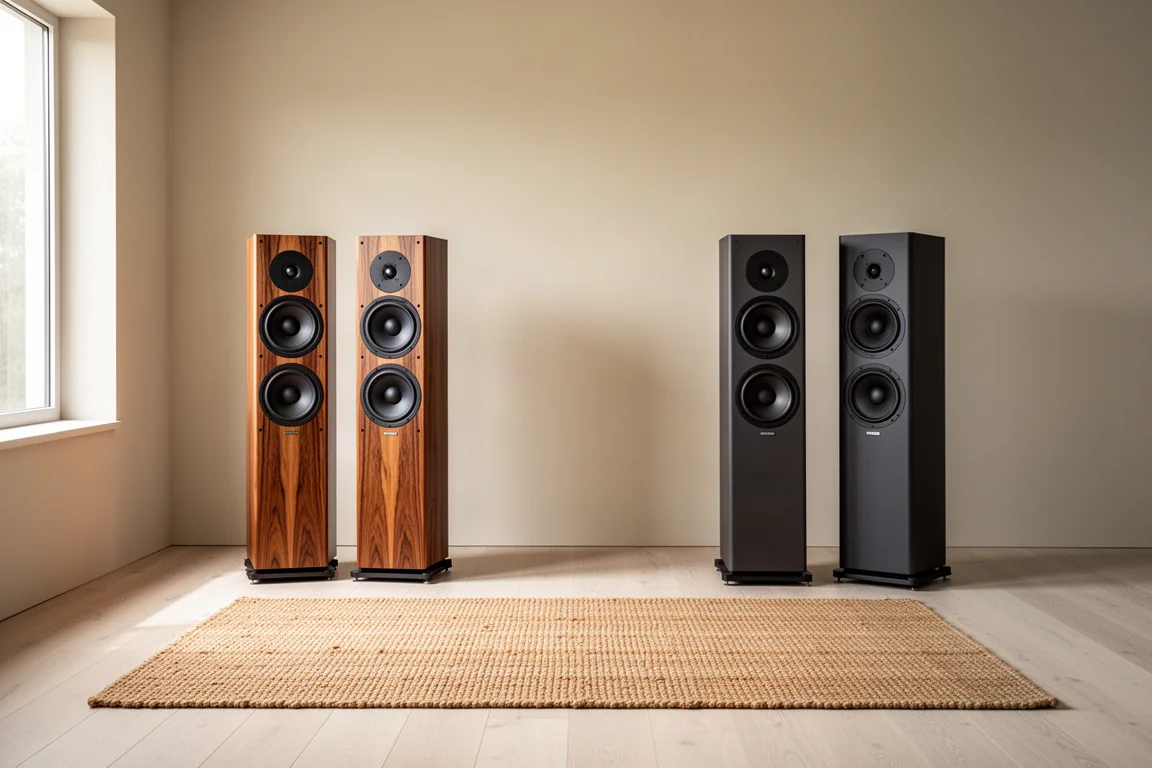
On midrange quality the two are close, both offering a natural, easygoing presentation. Aesthetics are more decisive: the Atalante 4’s cabinetry is the more striking of the two, and for many buyers that will matter as much as the final degree of tonal balance.
Things to Consider Before Buying
The $4,300 price is significant, and the crossover does not use the most exotic parts available at this level. Buyers who prioritize component count over driver engineering may want to weigh that.
The V-shaped balance is a deliberate design choice rather than a flaw, but it does mean the speaker rewards careful matching. If your room forces a placement close to the wall, plan on using the supplied port plugs, and if your seating rises above tweeter level, this is not the right speaker.
Buying Advice
Choose the Atalante 4 if you want a wide, spacious presentation with an open top end, if you listen at low volumes and want bass and treble presence without turning the volume up, or if you value in-house driver design and distinctive cabinetry at this price.
Choose the Arendal 1723 THX Towers if you want the most balanced, easygoing performance across many genres, more sensitivity for tube amplifier matching, or greater flexibility in tuning bass for your room.
Both are capable towers, and the right choice depends on which set of strengths matches the way you listen.
Conclusion
The Revival Audio Atalante 4 is a well-engineered three-way tower with genuinely impressive bass, a natural midrange, and a soundstage that is wider than most rivals at this price. Its mildly V-shaped tuning is handled carefully enough to stay enjoyable rather than tiring, and it performs unusually well at low listening levels.
The trade-offs are a crossover that could use better parts, some care needed in placement, and close competition from the Arendal 1723 THX Towers. If spaciousness and a lively top end top your list, the Atalante 4 makes a strong case. If all-round balance and amplifier flexibility come first, the Arendal is the safer recommendation.
Further reading
Related Reviews
Hi-Fi Speakers
1723 THX Tower vs 1528 Bookshelf: Which Speaker Fits Your Room?
Two speakers at roughly the same price, built very differently. How the 1723 THX tower and the 1528 bookshelf compare on construction, bass, power needs, and sound.
Hi-Fi Speakers
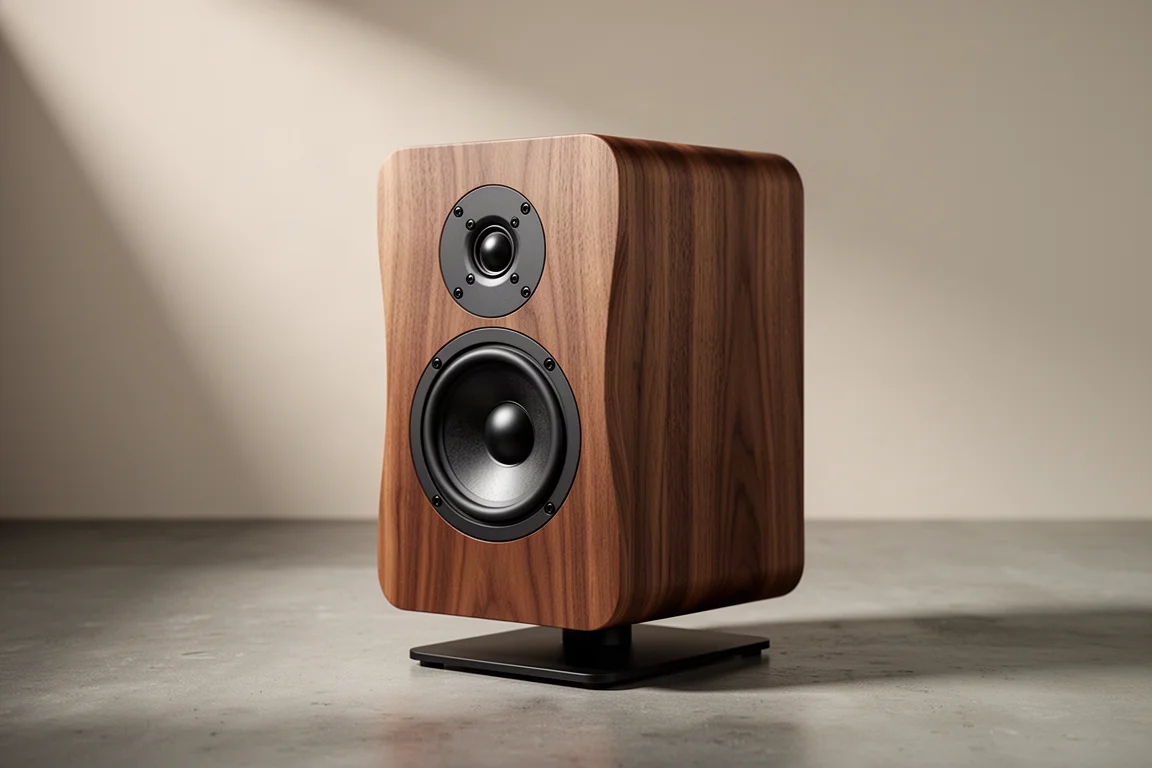
Acoustic Energy AE 300 Review: Deep Bass From a Compact Standmount
A two-way standmount with real wood veneer, surprising low-end weight, and a warm, easygoing character. Here is what to know before buying.
Hi-Fi Speakers
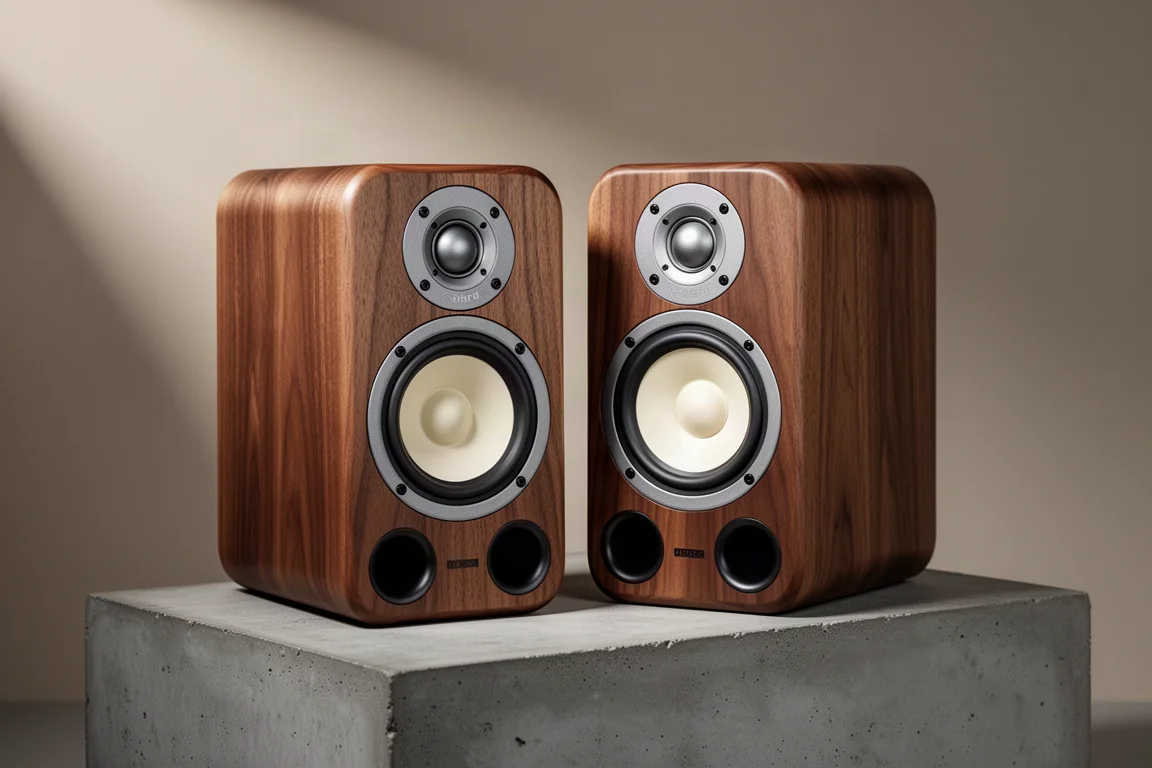
Acoustic Energy AE1 40th Anniversary Review: A Modern Take on a British Classic
A compact standmount that revives a 1980s favorite with all-new parts, a warm mid-centric balance, and a price of £1,499 per pair.