Hi-Fi Speakers
Revival Audio Atalante 3 Review: Artisan Stand-Mount Speakers With a Warm Heart
A detailed look at the Revival Audio Atalante 3, a French stand-mount speaker with basalt cone drivers, furniture-grade veneers and a warm-of-neutral balance that keeps its clarity.
Introduction
Revival Audio is a young name in hi-fi, but it is not an anonymous one. The company is based in Alsace, France and was formed in 2022, designing and engineering its loudspeakers in-house. Daniel Emont, a 30-year veteran who has previously held engineering positions at Acoustic Energy, Focal and Dynaudio, leads the technical side, while Jacky Lee, also formerly of Dynaudio, runs commercial and operational matters. In a short time the brand has built a reputation for quality speakers that offer good value for money, along with design touches that set them apart from the usual box with drivers.
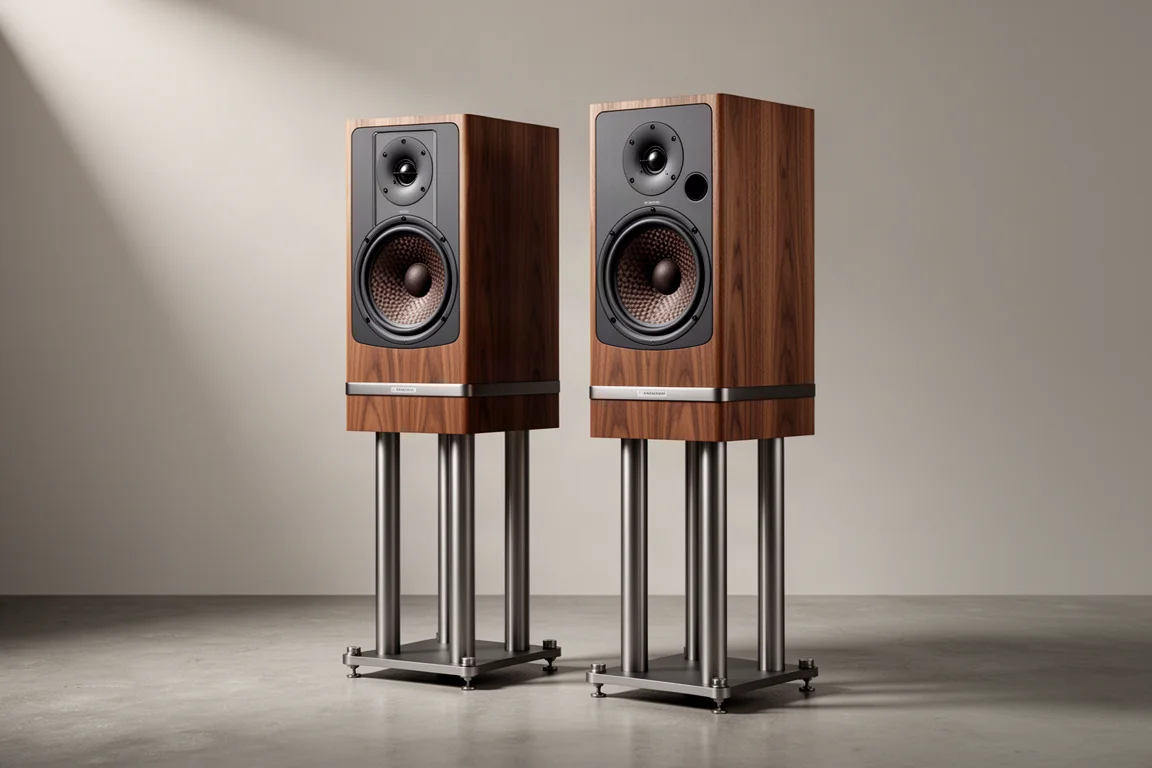
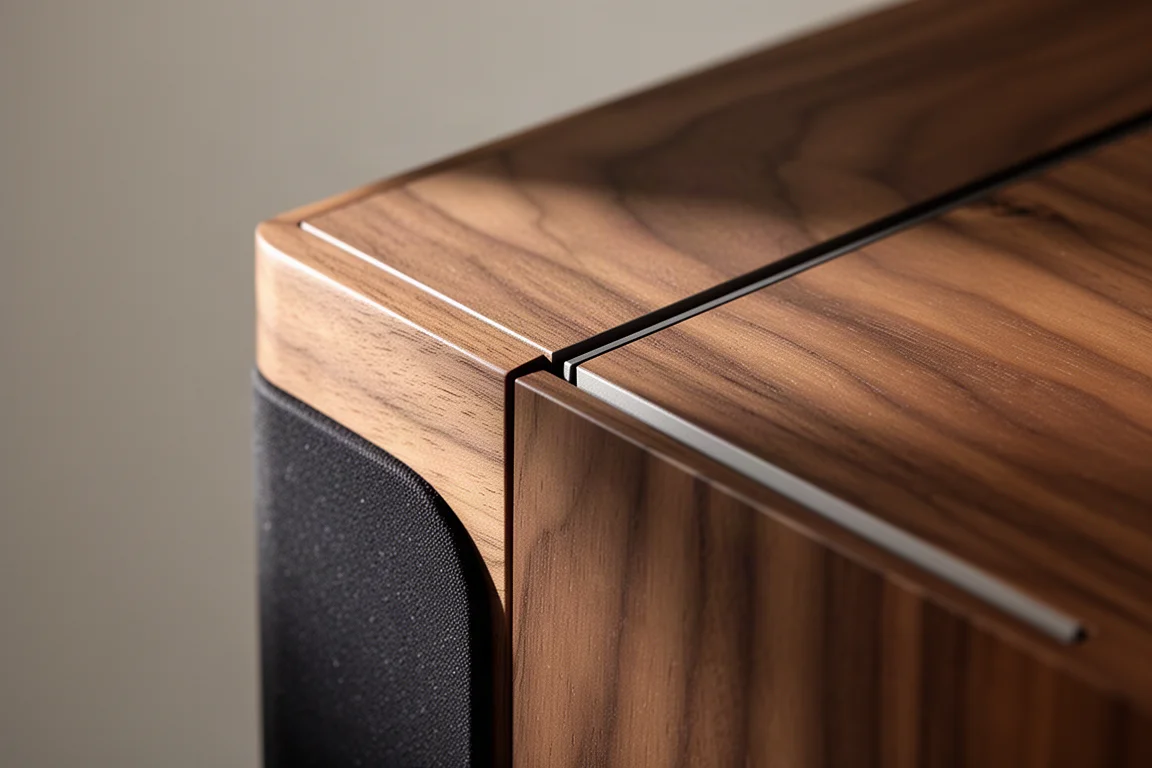
The Atalante 3 is a stand-mount model that fits that story. It retails for £2,490 in the UK, with an optional four-pillar stand available for an additional £399, which is modest next to what many manufacturers charge for dedicated stands. Two finishes are offered, walnut and a dark ebony, and the veneers are hand-picked so that the left and right speakers match consistently. These are furniture-grade surfaces rather than the usual thin wrap, and it shows the moment the cabinets come out of the box.
Who the Atalante 3 Is For
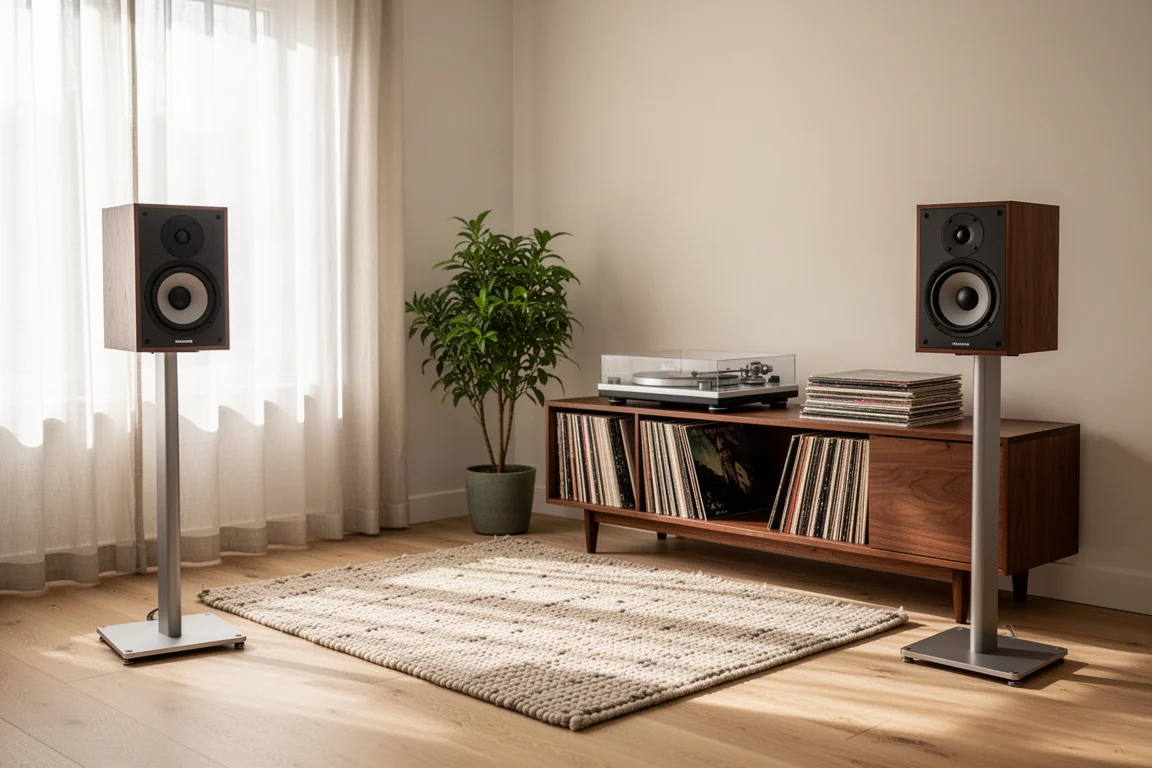
This is a speaker for listeners who care about how a system makes them feel as much as how it measures. The Atalante 3 is consistent enough to play across any genre, but it really shines with vocals and acoustic instruments, where its warmth and composure flatter recorded voices and unamplified textures. If most of your listening is jazz, folk, singer-songwriter material or well-recorded classical, it lands in a very comfortable place.
It also suits buyers who want a sense of ownership. The cabinet is unapologetically retro without shouting about it, and the detailing is understated enough to live in a normal room rather than a dedicated listening den. Anyone who has grown tired of products that feel designed by committee will find something more human here.
It is a less obvious fit for listeners chasing absolute neutrality above all else, or for anyone who needs to place speakers tight against a wall. Those needs point in a different direction.
Design and Build Quality
Each cabinet measures 390 by 240 by 270 mm (15.3 by 9.4 by 10.6 in) and weighs 11 kg (24.5 lb), which is heavy for a mid-size stand-mount. That mass comes from proper cabinet construction rather than added ballast, and it contributes to the sense of solidity.
The French design studio AA Coran contributed the visual details. A belt-like trim runs around the middle of the cabinet, what you could call its waistline, bridging a 2 mm shadow gap that circles the front baffle. The notch carries a laser-etched company mark, and a slightly larger version of the name is engraved into the side panel. It is all restrained and quietly confident.
The one aesthetic criticism worth noting is that the drivers are mounted to the front panel rather than rebated into it, so they sit proud of the baffle instead of flush. A flush mounting would look cleaner and could help with edge diffraction, but in practice the speaker gives nothing away to slimmer, more modern cabinet designs when it comes to timing and imaging.
Main Strengths: Sound and Tonality
The driver package is entirely in-house in design, with manufacturing carried out by a partner to Revival Audio’s specification. A 180 mm (7 in) bass and mid-woofer uses a basalt sandwich cone, with basalt woven into a fabric that has a higher Young’s modulus than some forms of Kevlar, meaning it is stiffer. It is bonded to a felt middle layer with a polymer glue and a foam bottom layer to get the damping right, and it covers from 44 Hz up to 2,800 Hz, well into the heart of the mid-range. The diecast basket is deliberately open for ventilation and to reduce interference, and it houses a large magnet for greater motive force and improved sensitivity.
Above it sits a 28 mm (1.1 in) soft dome tweeter, offset to reduce time smearing from diffraction at the cabinet edges, with the second speaker built as a mirrored pair. The RASC coating on the dome helps control breakup modes, the magnet structure is large, and the asymmetrical dome suspension reduces resonances. Revival Audio’s patented ARID technology adds an anti-resonance inner dome that the company says captures 95 percent of resonances, while an asymmetrical plastic back chamber lowers the resonant frequency to 560 Hz, outside the tweeter’s working band. The crossover type is not specified, though the component count suggests middle order slopes. On the back there is a single set of sturdy binding posts and a flared port designed to minimise chuffing.
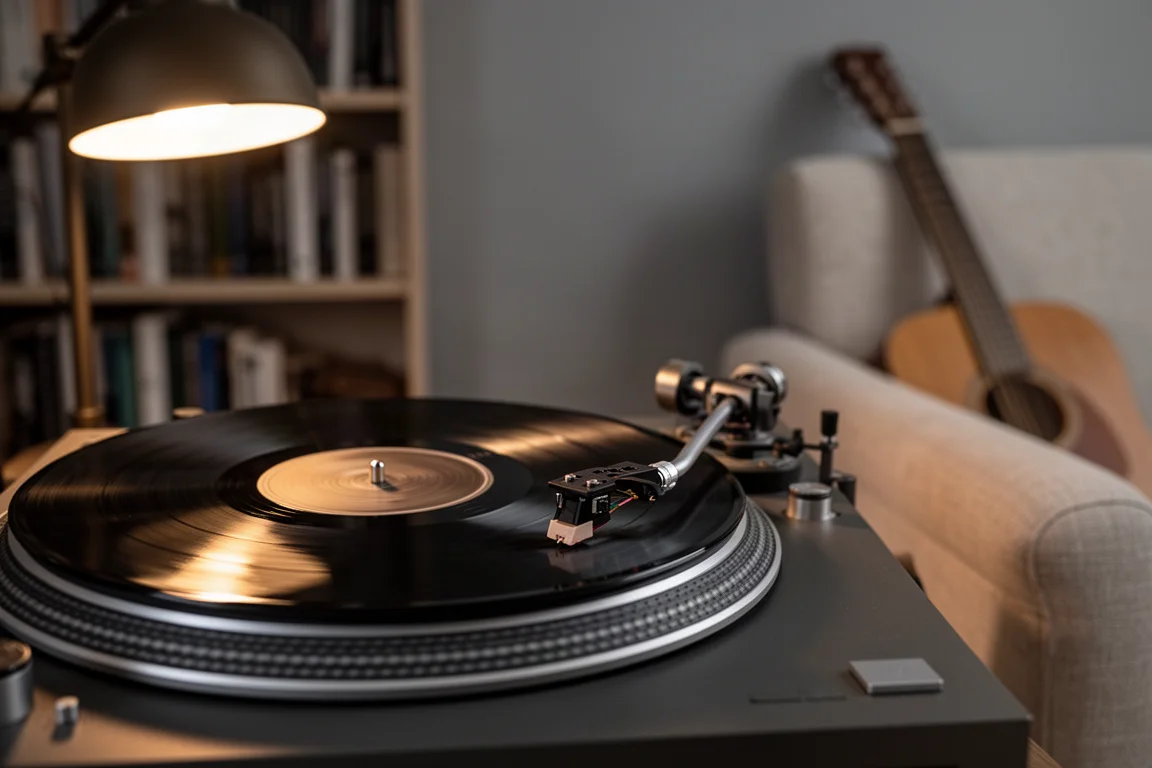
The result is a speaker that throws out a wide and deep soundstage with excellent stereo imaging, and it presents information in a way that feels effortless and cohesive. Very few speakers at this price sound this resolving. The overall tonal balance sits slightly on the warm side of neutral, and normally that comes with a penalty in clarity, but that penalty simply is not present here. The upper mid-range is ever so slightly relaxed rather than forward, and it never drifts into sounding polite or dull.
Room Placement and Amplification
The Atalante 3 likes a bit of space. These are not speakers to push up close to a wall. Port bungs can be used at the back, but they change the response in unpredictable ways, so a sealed box design is a better answer for anyone who must place speakers near a boundary.
As a starting point, a setup roughly 1 m (39.5 in) from the wall behind and 2.15 m (84.5 in) apart, measured from the centre line of the front baffle, with the tweeters aimed at shoulder height, works well. The speaker is quite sensitive to these adjustments, but once dialled in it loads the room evenly with sound. The effort is worth it, and it is a one-time job rather than an ongoing fuss.
Amplification is a different story. With a rated sensitivity of 87 dB into a 6-ohm load, the Atalante 3 is far less fussy than its specifications might suggest. A 3,299 pounds Electrocompaniet ECI 80D has excellent synergy, retaining the bass thump and mid-range warmth that define the speaker while adding a touch of energy in the upper mid-range without sounding bright. A 2,100 pounds Exposure 2510 proved even more appealing, with a noticeably wider and deeper soundstage and more timbral nuance, at the cost of a little low-frequency control. A 3,250 pounds Hegel H190 kept a vice-like grip on the bass, but that grip robbed the speakers of some of their vitality. Even a single-ended triode valve amplifier producing just 8 W per channel drove them convincingly at moderate levels, with practically no loss of dynamic headroom below average listening levels of around 75 dB, and it delivered the biggest soundstage and the richest, most open mid-range of the group.
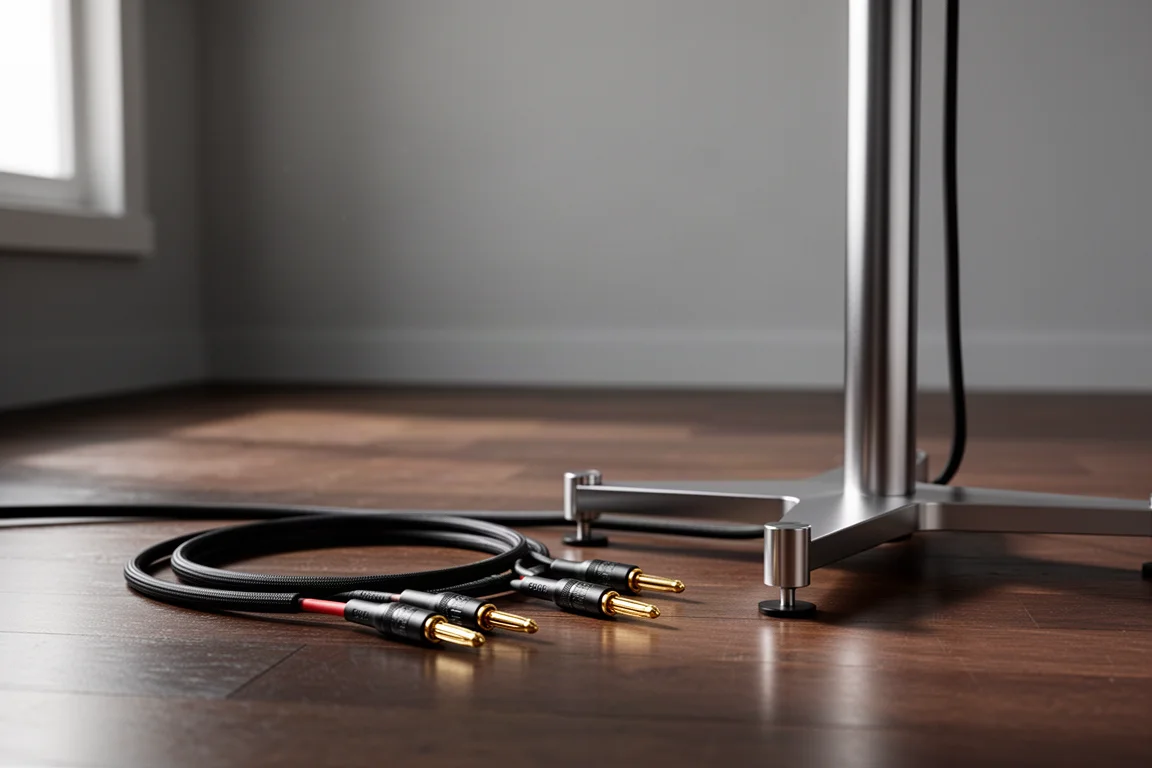
The practical lesson is that specifications only get you so far. If you listen at moderate volumes in a relatively small space, low-powered valve amplification is a genuine option here, which is rare for a speaker of this sensitivity.
Things to Consider Before Buying
The warmth is deliberate. If you want ultimate neutrality and a strictly uncoloured presentation, this is not the speaker for that goal, and there are leaner alternatives that will suit you better.
Placement demands are real. You need room behind the speakers and some freedom to move them around, plus a willingness to spend an evening getting the spacing and toe-in right. Buyers in small rooms or with fixed furniture layouts should plan for that.
The proud-mounted drivers are a minor visual compromise, and the port tuning means bungs are not a clean solution for close-to-wall placement. Budget for the optional four-pillar stands as well if you want the intended setup, which takes the total to a little under £2,900 in the UK.
Buying Advice
For £2,490, there are not many speakers below £3,000 that deliver this level of pride of ownership. The attention to detail runs from the engineering of the drivers through to the quality of the cabinetry and the tastefully understated trim, and it makes clear how much care has gone into the product. That combination of artisan build and articulate, dynamic sound is the reason to buy.
Choose walnut or dark ebony based on your room rather than resale considerations, since the hand-picked veneers are matched as a pair and both finishes are of the same high quality. Add the four-pillar stands if you can, because the speaker was clearly voiced and finished to be seen on them. Then take your time with positioning and worry less about the amplifier: this is an unusually amplifier-agnostic design, and it will reward whatever you already own, from a modest integrated to a low-powered valve amp.
If your listening leans towards vocals, acoustic instruments and long evening sessions, the Atalante 3 makes a persuasive case for itself. If you need a speaker that disappears against a wall or refuses to add any warmth at all, look elsewhere and buy with confidence elsewhere.
Conclusion
The Revival Audio Atalante 3 is a very complete stand-mount speaker. It pairs a wide and deep soundstage and excellent stereo imaging with a resolving, effortless character, and its slightly warm tonal balance is a colouration that most listeners will actively enjoy rather than tolerate. It is a little fussy about positioning and refreshingly indifferent about amplification, which is a far better trade-off than the reverse.
The build and finish give it a sense of occasion that few rivals at this price can match, and the design touches are subtle enough to live with for years. For listeners who value vocals, acoustic material and a system that feels crafted rather than assembled, the Atalante 3 is an easy recommendation.
Product link
View more details for Revival Audio Atalante 3
This product is mentioned in the review. Check the specifications, options, and compatibility before buying.
View more details for Revival Audio Atalante 3Further reading
Related Reviews
Hi-Fi Speakers
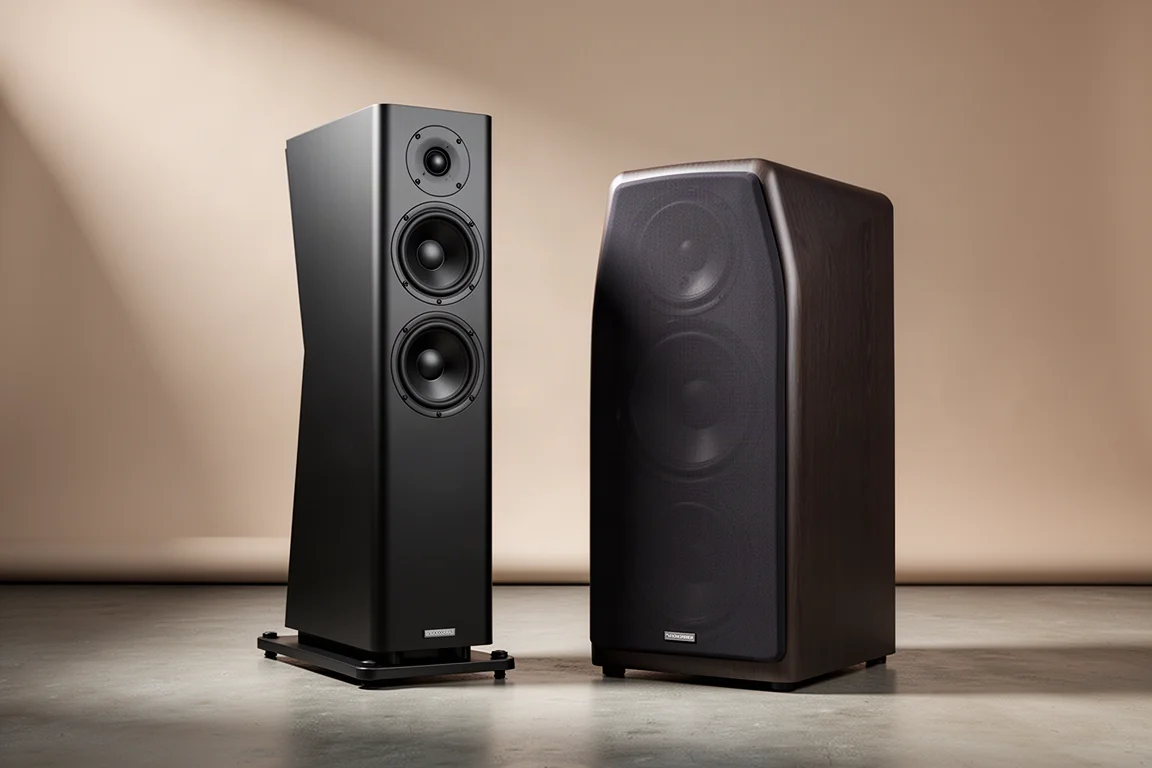
1723 THX Tower vs 1528 Bookshelf: Which Speaker Fits Your Room?
Two speakers at roughly the same price, built very differently. How the 1723 THX tower and the 1528 bookshelf compare on construction, bass, power needs, and sound.
Hi-Fi Speakers
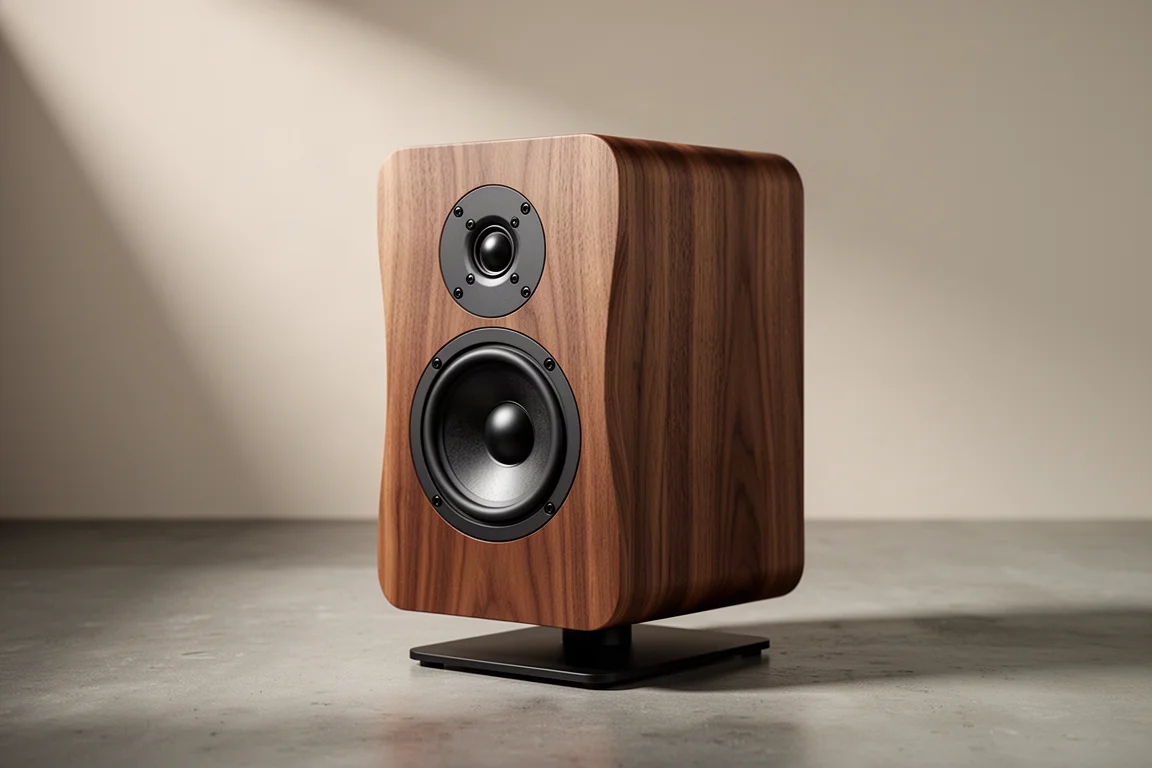
Acoustic Energy AE 300 Review: Deep Bass From a Compact Standmount
A two-way standmount with real wood veneer, surprising low-end weight, and a warm, easygoing character. Here is what to know before buying.
Hi-Fi Speakers
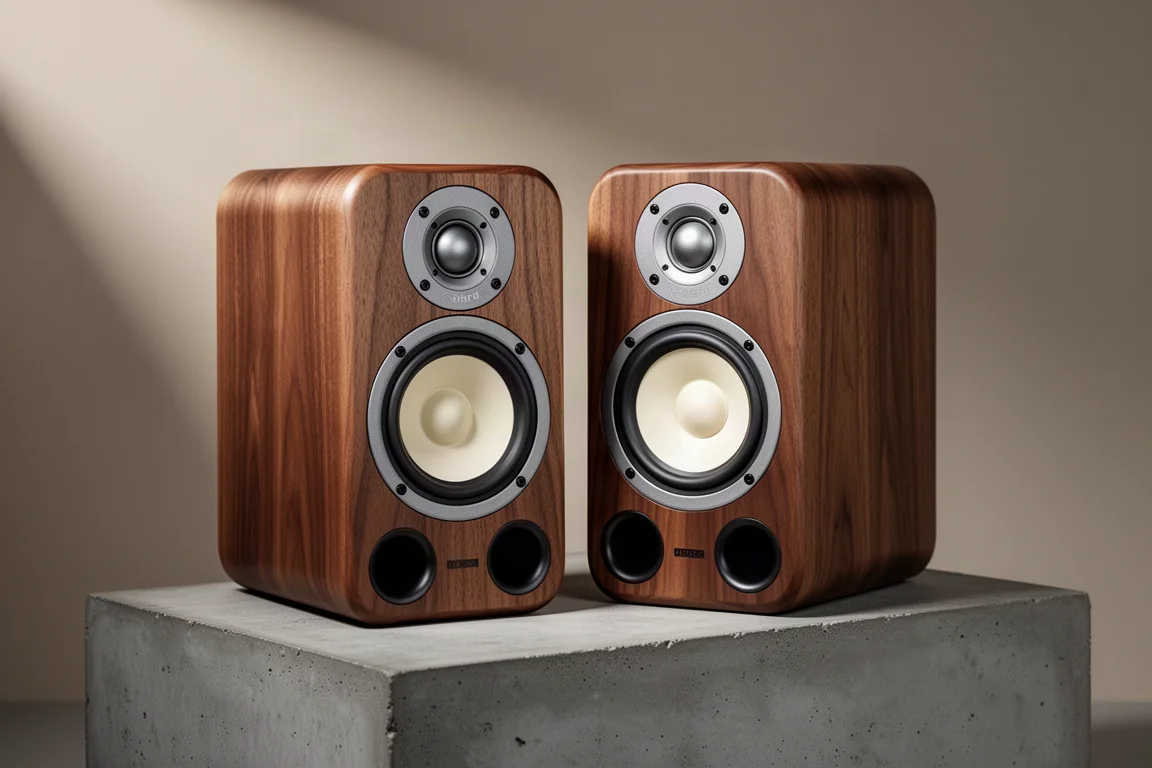
Acoustic Energy AE1 40th Anniversary Review: A Modern Take on a British Classic
A compact standmount that revives a 1980s favorite with all-new parts, a warm mid-centric balance, and a price of £1,499 per pair.