Hi-Fi Speakers
Revisiting Six Hi-Fi Speakers After a Room Change: What Still Holds Up
A fresh listening room changes the story for six reference speakers, from the Sonus Faber Lumina II to the Bowers & Wilkins 600 Series.
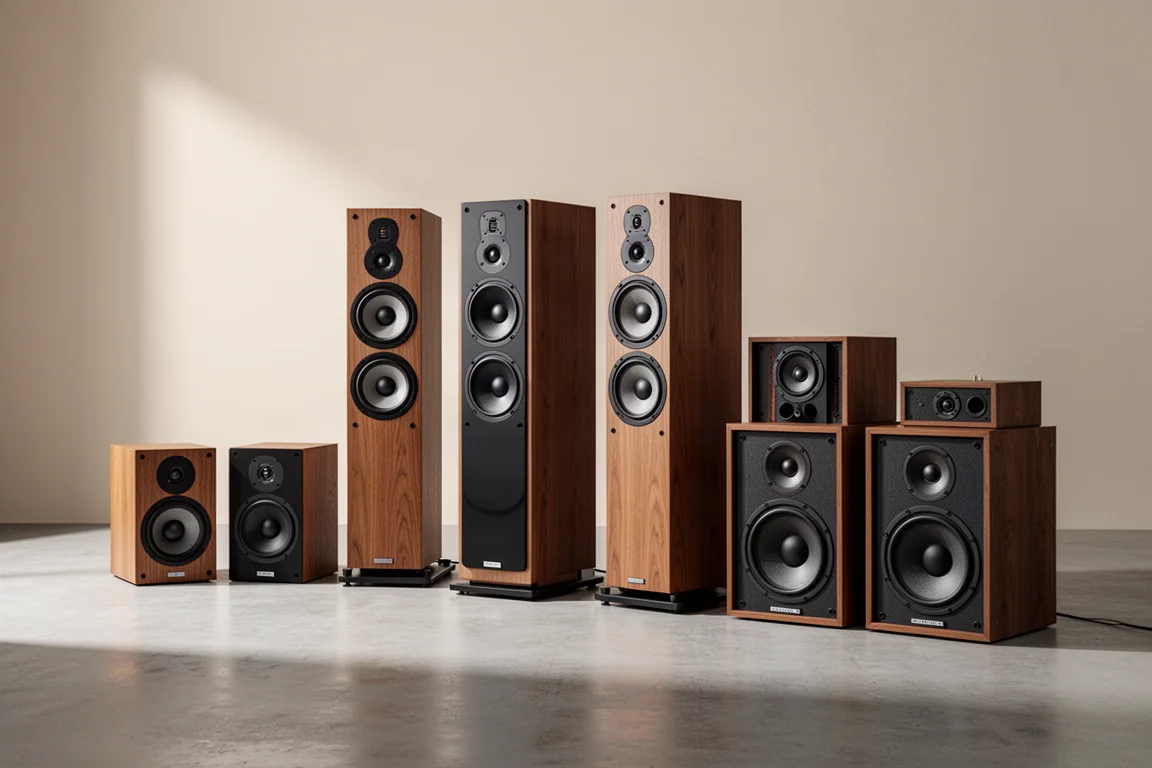
Introduction
The single most important component in any hi-fi or home theater system is often the room. A speaker can sound one way one minute and completely different the next, and a new listening space can reveal strengths or flaws that were previously masked. After moving into a new room and adding acoustic treatments, we revisited several favorite reference loudspeakers to see what changed and where earlier impressions might need adjustment.
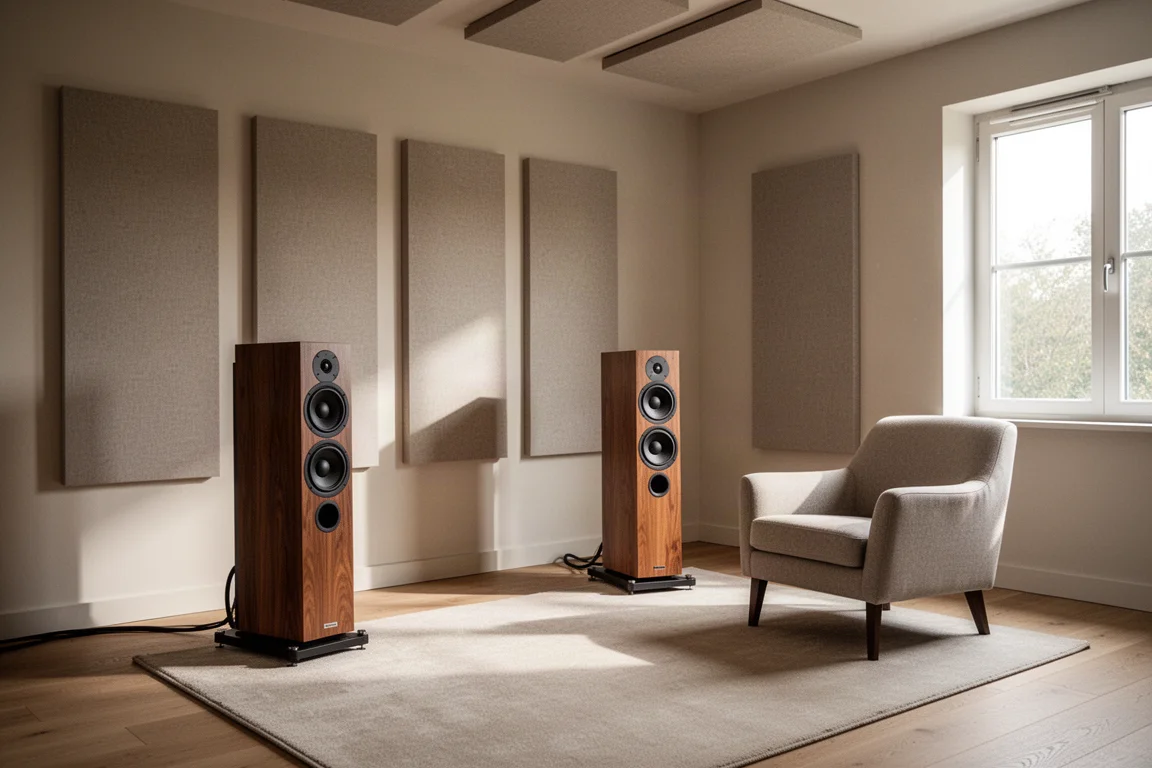
The new room is more linear and neutral than the previous one. It does not add a bass bump or accentuate treble energy the way the old space did. That means speakers with a natural top-end emphasis no longer sound overly forward, while bass-heavy designs still reveal their low-frequency character. The result is a clearer baseline for evaluating each speaker on its own terms.
Sonus Faber Lumina II: More Refined Than Expected
The Lumina II remains an engaging, well-balanced compact speaker, though it is not entirely neutral. There is a bit of top-end emphasis, and it does not play deep, so a subwoofer is still needed for full-range music or movies down to 20 Hz. The midrange is colorless and transparent, delivering excellent clarity and intelligibility.
In the new room, the treble is more refined than earlier impressions suggested. The tweeter does not encroach on fatiguing territory when pushed or when playing poor recordings. Because it uses a soft dome tweeter, the highs are breathy rather than metallic or ringing. In the face of sibilance or plosives, the sound can come across as slightly grain-like rather than glassy, but that is a minor characteristic. Soundstage and dynamics remain fantastic for a speaker of this size and price. The Lumina II still stands as a great speaker without hesitation.
KLH Model Five: The Most Consistent Speaker
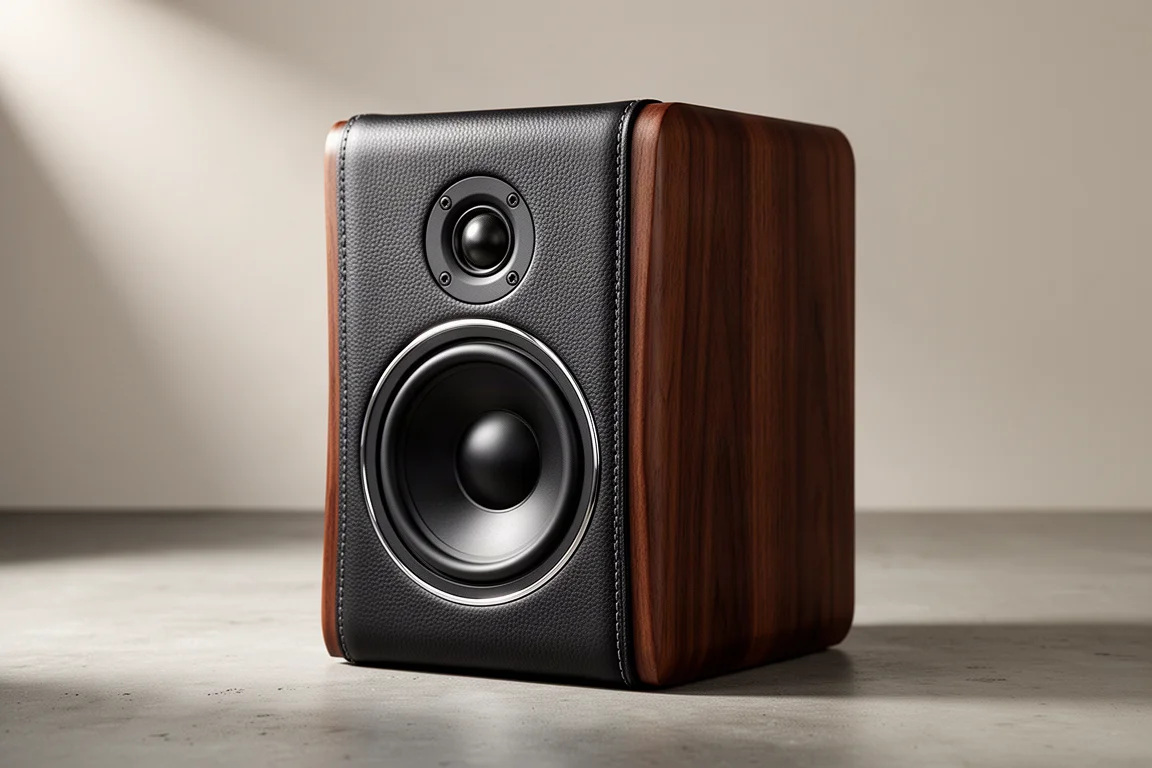
The Model Five is an easy recommendation. It is not a true full-range loudspeaker, but its 42 Hz response sounds and feels honest. There is so much raw attack, even at its limits, that it comes across as deeper sounding than it likely measures. The midrange is neutral without being boring or lifeless, and the treble is composed, neither forward nor aggressive. In brighter-leaning rooms, the acoustic compensation switch on the back can curb the treble response if needed.
More than a year later and in the new space, the Model Five remains fantastic. Its sonic signature seems the most unphased by its environment. Of all the speakers in our arsenal, it has proven the most consistent room to room. The sealed enclosure likely contributes to this, as it has no ports front or back, minimizing room interactions. The new room brings slightly better coherence from bass up to treble, along with a bit more upper midrange and treble detail, but the fundamental character is unchanged. A solid amplifier of around 50 watts per channel is still required for best results. The Model Five ranks among the best obtainable 3-way speakers currently available.
Monitor Audio Silver 500 7G: Deep Bass with New Linearity
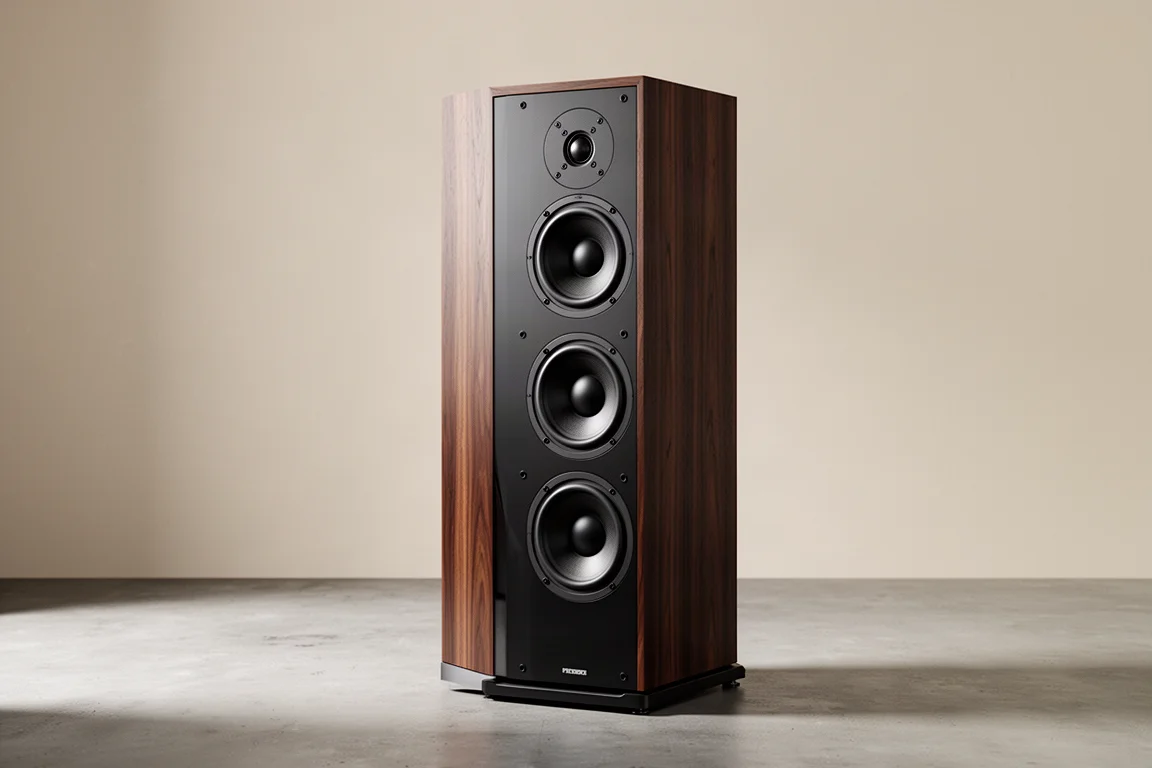
The Silver 500 7G tower has a cabinet that is not without some minor resonance, especially around the woofers, but the bass remains very deep. The midrange has a more immediate presence than outright neutral, with a little more energy as you near the tweeter, and there is a slight spike in high-frequency energy. In the old room, Monitor Audio speakers generally sounded dynamic and punchy with low-end emphasis and mild top-end energy.
In the new room, that is not entirely the case. The bass is still deep, and the midrange presence remains, but the gold dome tweeter is just a bit more linear than previously thought. The old space boosted the highs, and the new room does not. Without that boost, the tweeter is almost textbook linear, second only to what we have heard from Sonus Faber. The Silver 500 7G still delivers deep bass and a lively presence, but with greater composure in the upper frequencies.
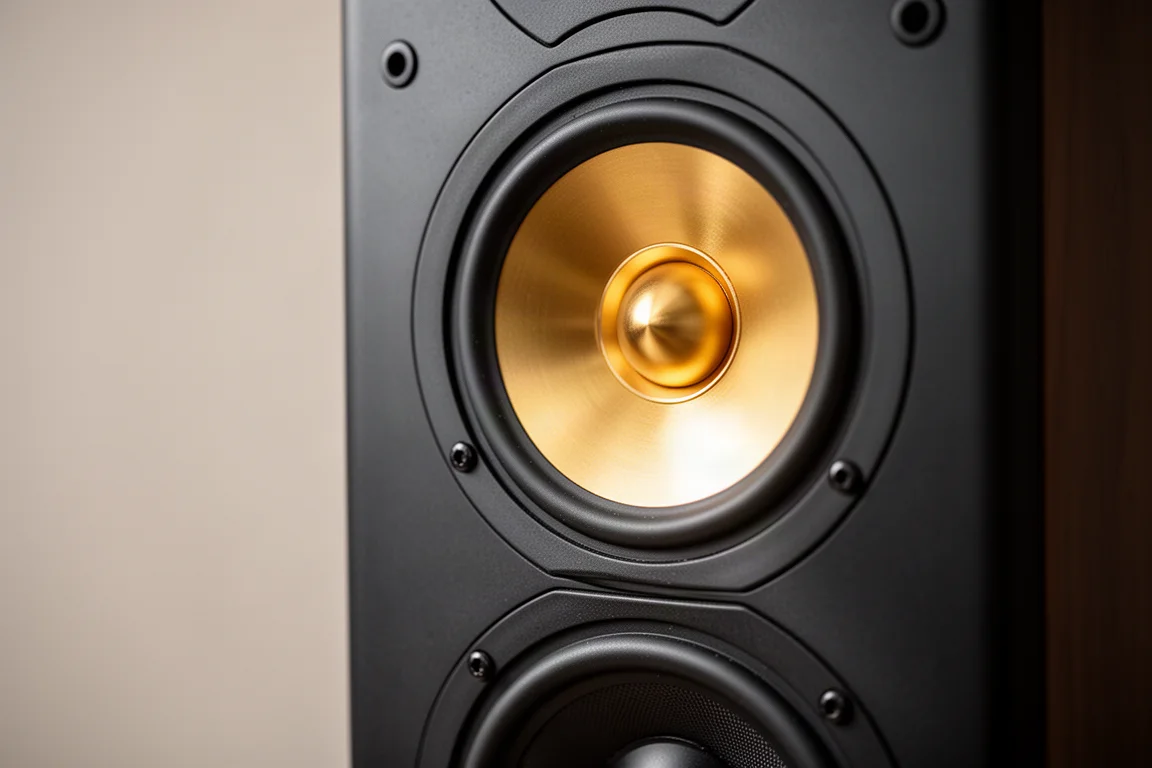
For listeners who want a tower speaker with genuine low-frequency weight and a forward midrange, the Silver 500 7G remains a strong option. The new room simply reveals a more balanced version of its character, one that still favors dynamic, punchy sound while keeping the top end under better control.
Monitor Audio Silver 100 7G: Compact Presence
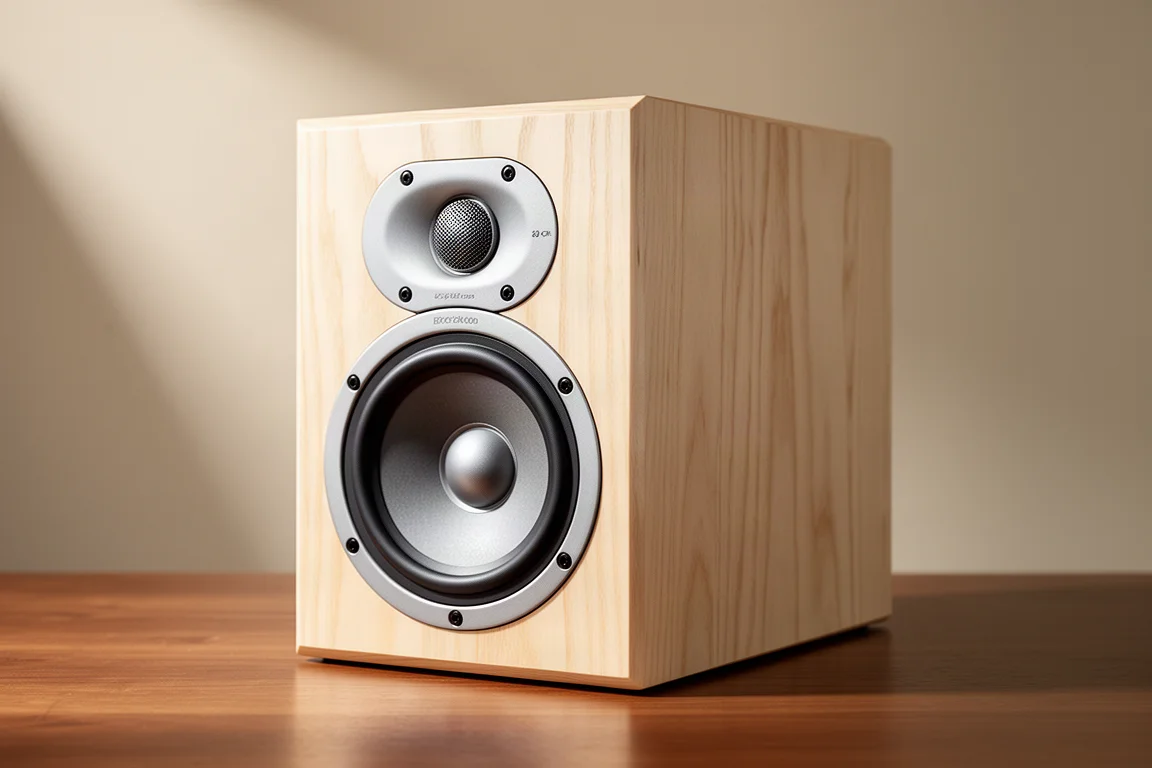
The Silver 100 7G bookshelf speaker still has some audible resonance at the extreme thanks to its rear-facing port, but it is capable of playing satisfyingly deep on its own. The midrange has terrific presence, ever so slightly forward or resting in line with the speaker’s front baffles, but without a great deal of coloration either by design or cabinet construction. The gold dome tweeter in the new room is almost textbook linear, a significant improvement over the old space where highs were boosted.
The Silver series continues to offer reference-class performance for a reasonable amount of money. The Silver 100 7G is a great example of this, delivering a compact speaker that can fill a room with presence while maintaining a linear top end. For listeners who need a bookshelf speaker with genuine midrange clarity and satisfying bass for its size, the Silver 100 7G is a compelling choice.
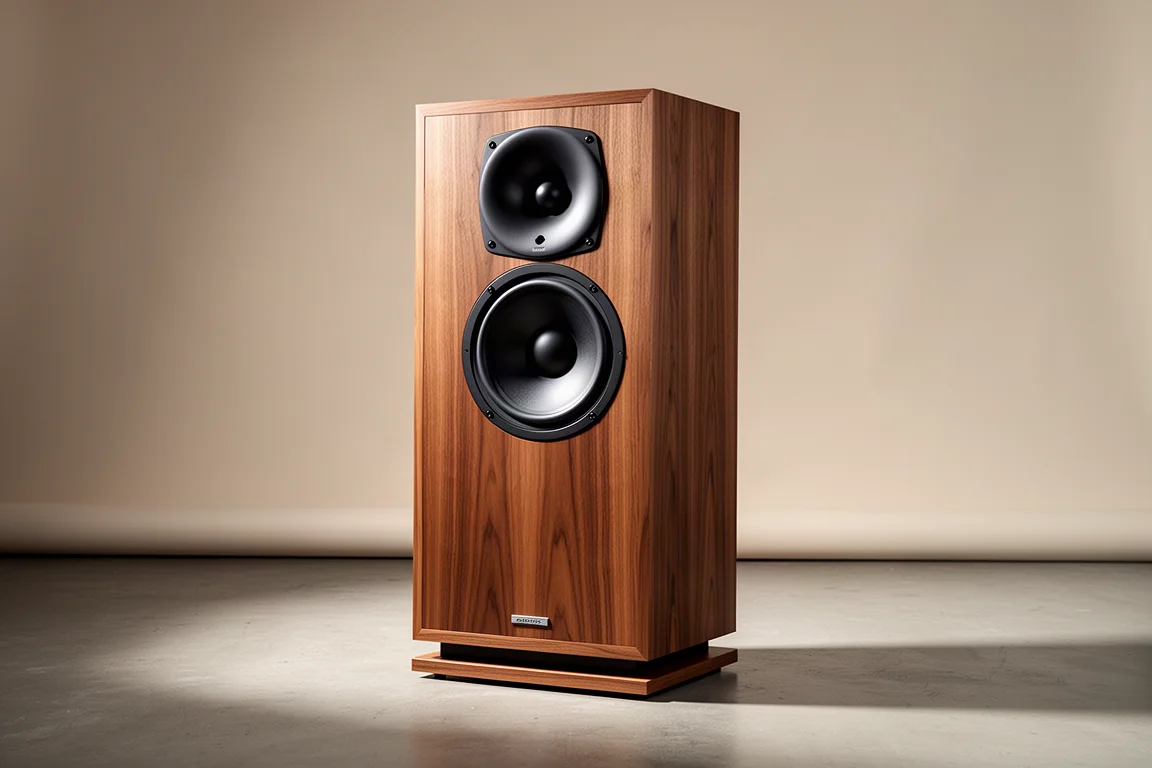
Klipsch Heresy IV: Composed but Still Horn-Loaded
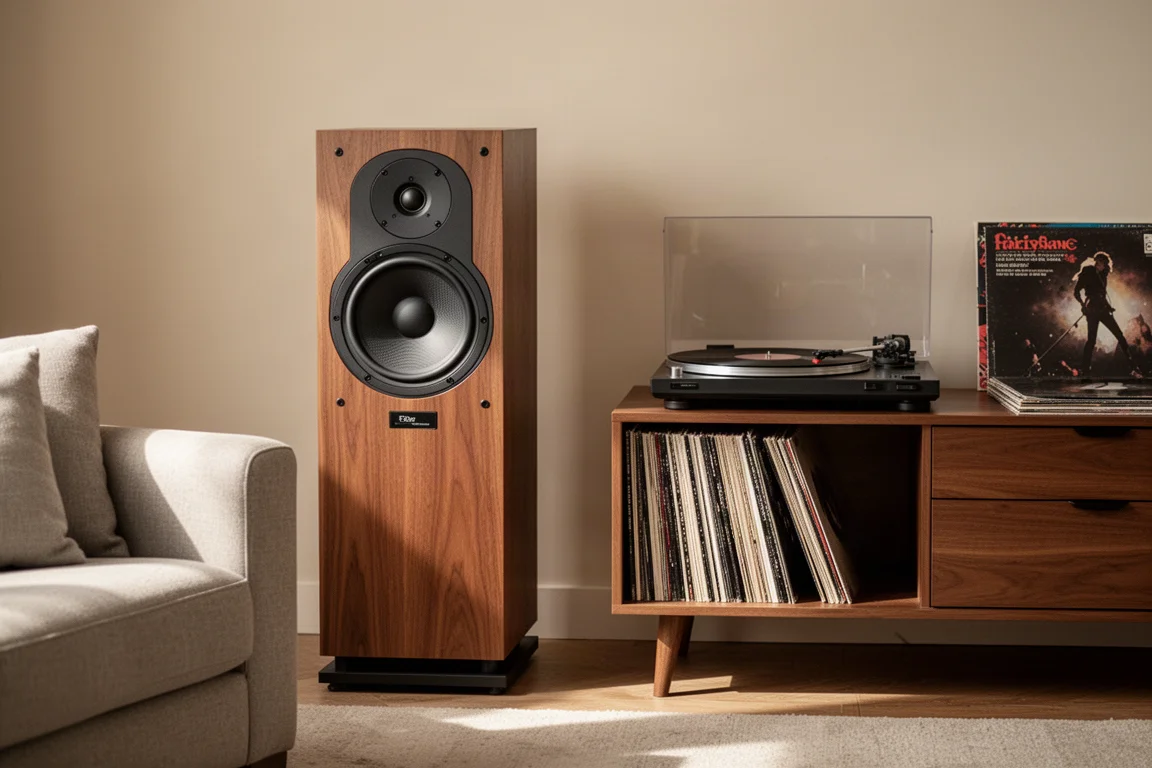
Klipsch remains a love-it-or-hate-it brand, and the Heresy IV is not perfect or neutral. In the old room, it could be bright bordering on harsh with some source material, and it could get a little boomy if placed too close to the front wall. The midrange has that horn quality and projection that gives midrange-leaning instruments and vocals a live, in-room presence. The Heresy IV is the speaker that has changed the most since the move.
In the new space, the Heresy IV is more composed in the upper registers than previously credited. It is not linear, and that is more apparent now. The bass still loads even in this room if not placed correctly, and the upper midrange projection is still present, but the speaker is far less forward. The tweeter is actually a little more linear and rolls off sooner than expected, something measurable at the listening position. The Heresy IV still has immediacy and presence that make every recording sound more in-room than traditional speakers, but it is less PA-like. Dynamics and scale have improved. Watching movies through a horn-loaded speaker remains an experience not soon forgotten. There is still a mild rise in the bass and midrange, but the speakers are far more palpable than before. They are the most temperamental speakers currently owned by a country mile, and it takes effort to dial them in, but once set up, they are still excellent.
The Heresy IV will not suit everyone. If you want a lively, in-your-face sound, the new room may actually reduce that trait, which could be a drawback. If you value horn-loaded immediacy and are willing to work with placement, the Heresy IV rewards the effort.
Bowers & Wilkins 600 Series: Still Bold, Still Forward
The Bowers & Wilkins 600 Series speaker was revisited to see whether earlier criticisms held up. In the new room, it is liked better than in the previous space, but it did not magically get rid of the things that were disliked. There is still too much bass and a scooped-out midrange. It still caused a bit of a headache, though nowhere near as bad or as immediate as before.
Everything brought up in the earlier assessment is still audible, just not to the same degree. In a room with a lot of hard surfaces and brighter-leaning acoustics, listeners are likely to have a similar experience to the original findings. In a larger, more balanced room, the speaker is not quite as aggressive, but there is still a massive injection of energy in and around the low-frequency range, and it is messy. The midrange is scooped out, and there is a second bump in the upper midrange as you approach the tweeter. This is even more attenuated than the Klipsch Heresy IV, which shares the trait. The tweeter is incredibly linear, give or take half a decibel, and it does not roll off until well past 20 kHz. For listeners with high-frequency hearing loss, these are likely among the most detailed speakers they have ever heard.
That said, there is a forceful forward presence. Everything is front of house, bold, big, and in your face. Some people may like that, but it is not the Bowers & Wilkins sound of the past. It is an incredibly forward, present loudspeaker. If the bass were more subdued and there were more midrange, it could be a favorite. Crossing it over at 80 to 100 Hz and cutting out the low bass might help. Even with those adjustments, listener fatigue set in immediately with these speakers, which is rare. The original assessment still stands. This speaker is not recommended, though it may have market appeal for some listeners.
Overall Buying Advice: Matching Speakers to Your Room
The room remains the most influential component. A speaker that sounds bright or bass-heavy in one space can sound balanced in another. Before buying, consider the room’s size, surface materials, and placement options. If the room has many hard surfaces, a speaker with controlled treble and modest bass may be easier to live with. If the room is well-damped and linear, a speaker with a bit more top-end energy can shine without becoming fatiguing.
For the speakers revisited here, the KLH Model Five is the most consistent and easiest to recommend for its neutral midrange and honest bass. The Sonus Faber Lumina II remains a refined compact that needs a subwoofer for full-range playback. The Monitor Audio Silver 500 7G and Silver 100 7G deliver deep bass and presence with a linear gold dome tweeter in a balanced room. The Klipsch Heresy IV is the most temperamental, rewarding those who value horn-loaded immediacy but requiring careful placement. The Bowers & Wilkins 600 Series is bold and forward, with massive low-frequency energy and a scooped midrange; it is best suited to listeners who specifically want that presentation and have a room that can tame it.
Conclusion
A new listening room can change how a speaker is perceived, but it does not change the fundamental design. The speakers that proved most consistent, like the KLH Model Five, held their character across rooms. Others, like the Sonus Faber Lumina II and Monitor Audio Silver series, revealed greater refinement in a more linear space. The Klipsch Heresy IV and Bowers & Wilkins 600 Series remained true to their signatures, with the Heresy IV becoming more composed and the B&W still bold and forward. The most important takeaway is that the room matters, and the only person who has to like the sound of your system is you.
Further reading
Related Reviews
Hi-Fi Speakers
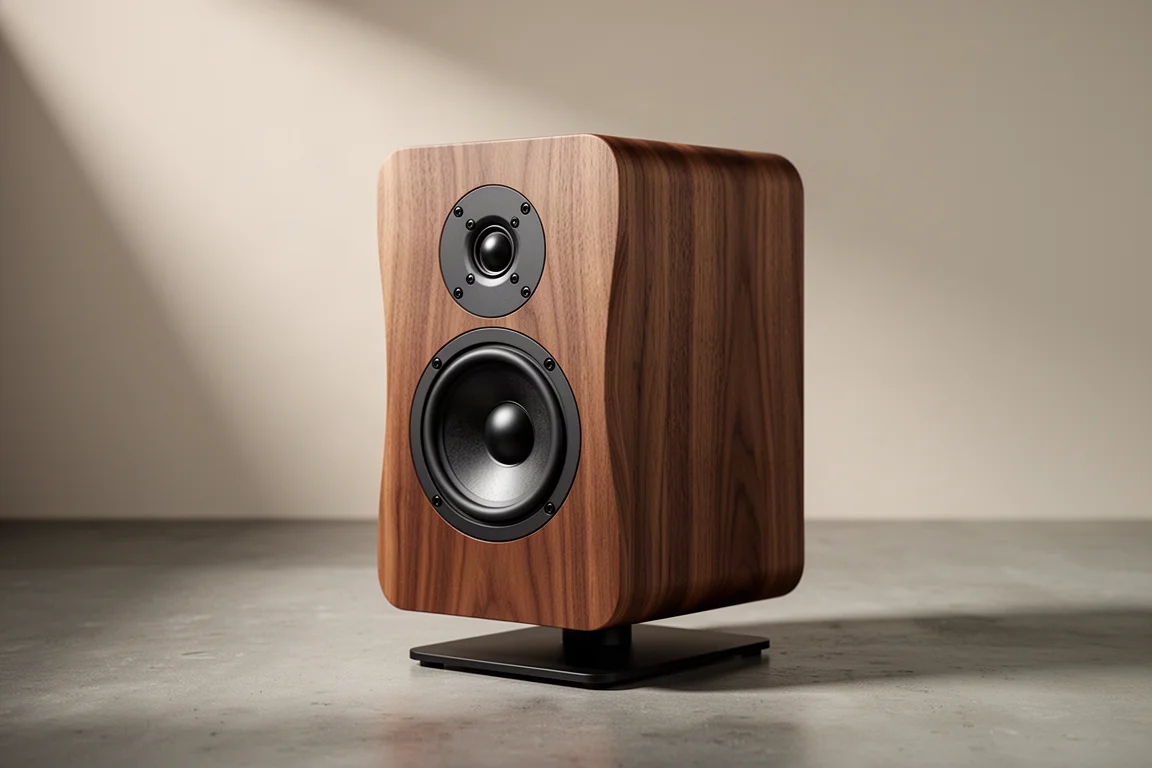
1723 THX Tower vs 1528 Bookshelf: Which Speaker Fits Your Room?
Two speakers at roughly the same price, built very differently. How the 1723 THX tower and the 1528 bookshelf compare on construction, bass, power needs, and sound.
Hi-Fi Speakers
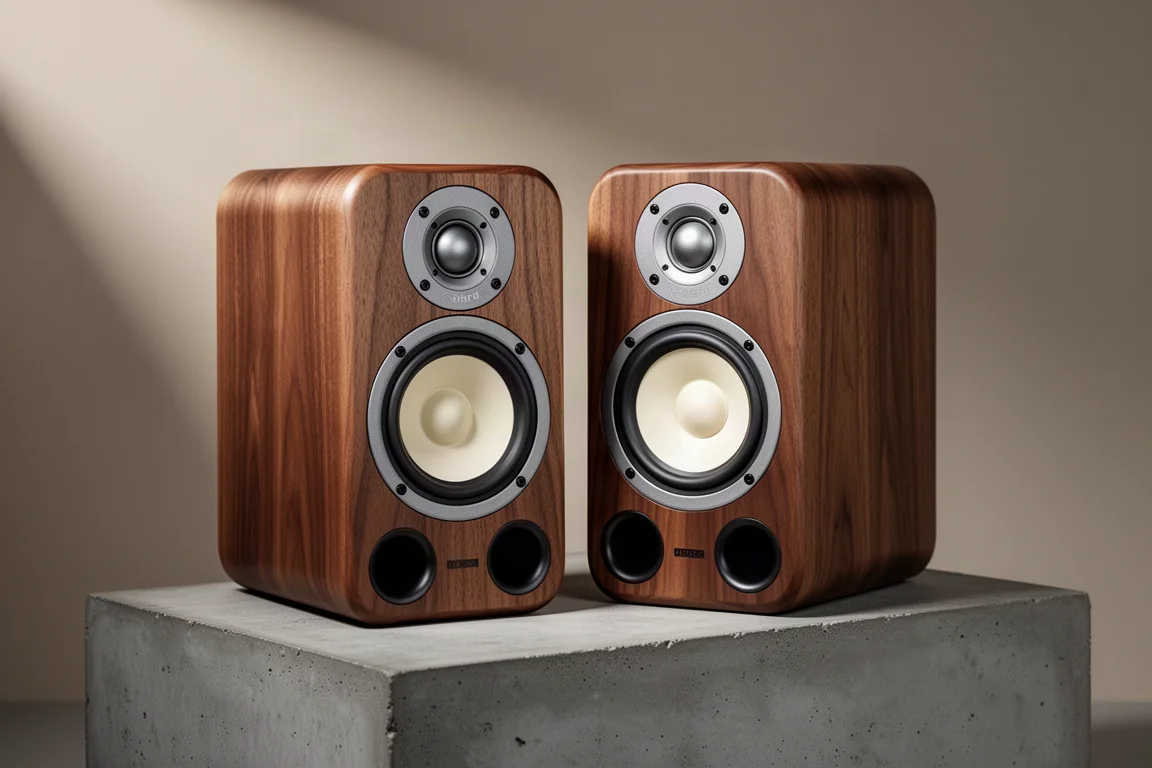
Acoustic Energy AE 300 Review: Deep Bass From a Compact Standmount
A two-way standmount with real wood veneer, surprising low-end weight, and a warm, easygoing character. Here is what to know before buying.
Hi-Fi Speakers
Acoustic Energy AE1 40th Anniversary Review: A Modern Take on a British Classic
A compact standmount that revives a 1980s favorite with all-new parts, a warm mid-centric balance, and a price of £1,499 per pair.