Ski Resorts
Revelstoke Mountain Resort Review: Big Vertical, Dry Powder, and Backcountry on the Doorstep
A practical look at Revelstoke Mountain Resort, from its 1,713 meter vertical and 3,121 acres of terrain to snow quality, lift layout, crowds, and ticket options.
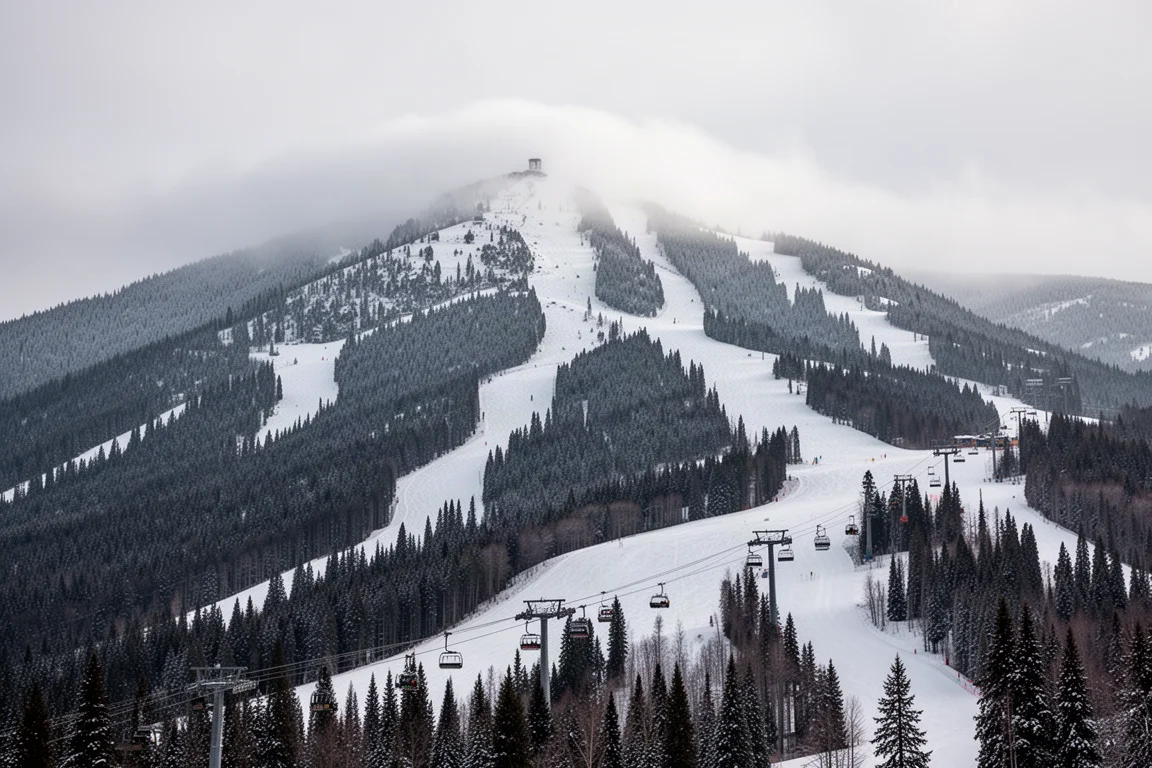
Introduction
Revelstoke Mountain Resort has spent the last several seasons as one of the most discussed names in North American skiing, and much of that talk comes down to snow. The resort sits in the Selkirk Mountains of British Columbia, roughly a two and a half hour drive from Kelowna, and it has become a regular stop on the Powder Highway circuit.
What makes it interesting is the combination: a very large vertical drop, a modest number of lifts, and backcountry terrain that starts almost at the edge of town. It is also a small mountain town rather than a purpose-built resort village, and that shapes the whole experience.
Who Revelstoke Mountain Resort Is For
The terrain skews toward intermediate and advanced skiers. Beginners have a magic carpet and the lower, mid-station section of the Revelation Gondola to learn on, but the mountain’s signature runs are long fall-line descents rather than gentle learning slopes.
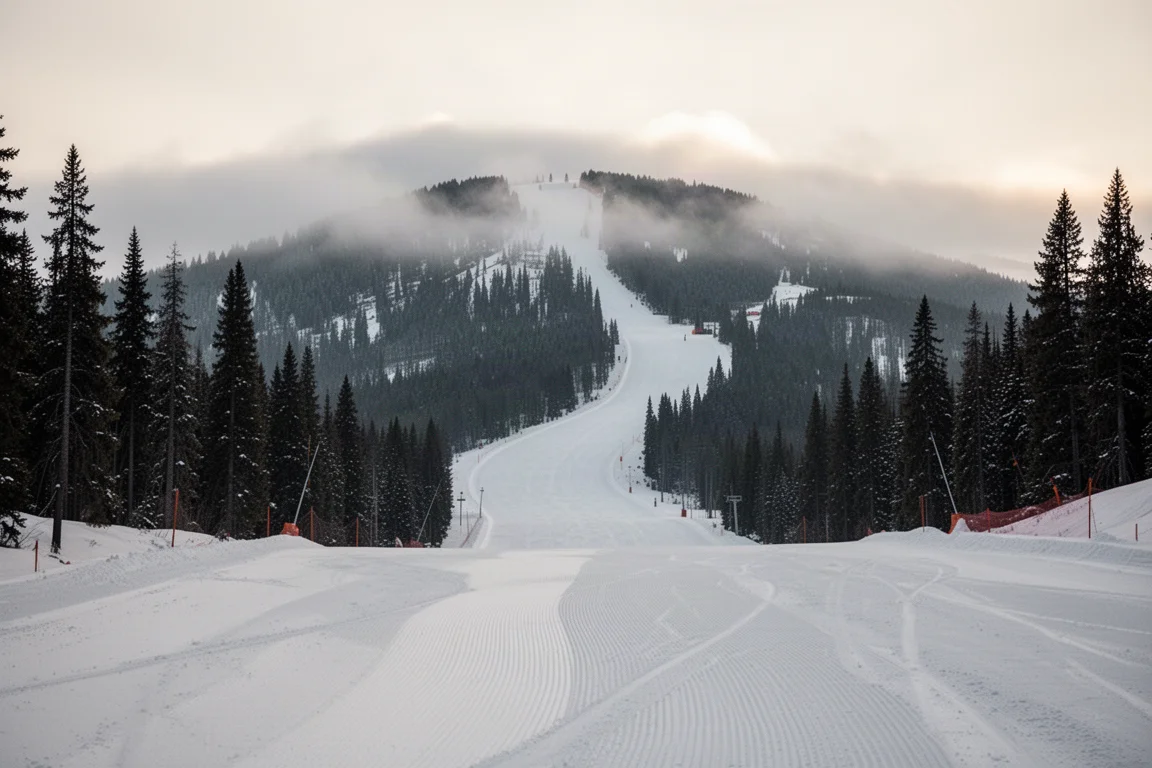
For families with mixed ability levels, the layout works better than the terrain figures suggest. Groups can split up at the top, ski runs of very different difficulty, and meet again at the bottom of the Stoke chair or the gondola without a complicated traverse. The Ripper chair adds a gentler pitch with well-spaced trees that suit skiers who are new to glades.
Skiers who want every lift to serve steep, exposed alpine terrain may find the in-bounds extreme options narrower than expected. The trade-off is that the tree skiing is unusually forgiving, with one main cliff band to be aware of and good spacing through most of the upper mountain.
Mountain Stats and Lift Layout
The vertical drop is 1,713 meters, roughly 100 meters more than the peak chair at Whistler, and it is skied top to bottom without interruption. That figure is the reason a single run can leave your legs burning in a way that is hard to match elsewhere.
In-bounds terrain covers about 3,121 acres, which translates into a generous amount of space per skier. Five lifts serve the mountain, but three do most of the work. The Revelation Gondola runs from the base to mid-mountain, the Stoke chair is the main artery to the summit and the terrain above it, and the Ripper chair serves mellow glades and groomers on the lower flanks.
Snow and Climate
Revelstoke’s reputation rests on snow quality. Recent seasons have delivered roughly 900 centimeters, which is less total snowfall than some better-known coastal resorts, but the snow is lighter and drier. That difference matters: dry powder stays cold and loose rather than turning heavy and dense.
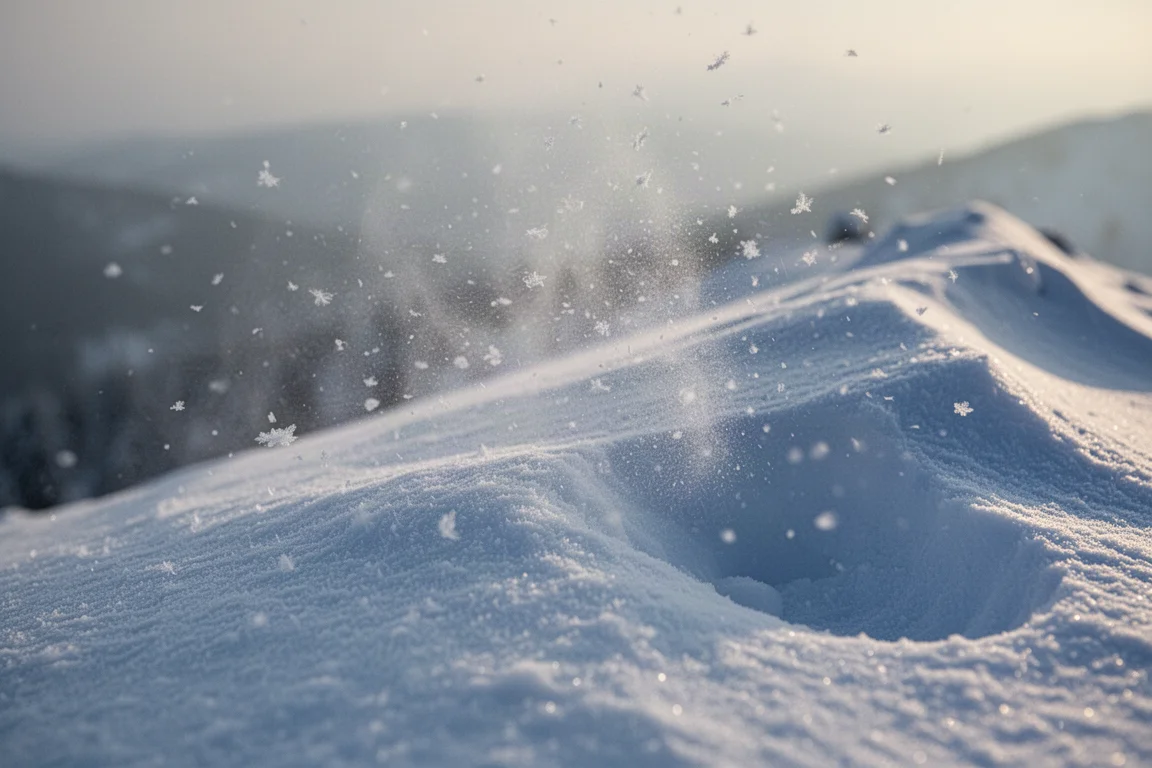
Flat light is common through the core of the season, since snow is what makes the skiing work, and bluebird days arrive occasionally rather than regularly. Planning for variable visibility is part of a trip here.
Terrain: Groomers, Trees, and Bowls
The intermediate groomers are the surprise. Blue runs fall straight down the mountain with almost no diversion, giving a fall line of around 1,700 meters from top to bottom. Because most visitors head for the trees and bowls, the groomers stay quiet and often hold corduroy well into the afternoon.
Beginners and experts can both ski the Last Spike, a green run of about 9.2 miles, or roughly 15 kilometers, from the summit to the base. It may be the longest ski run in the world. Skiers who are still getting comfortable on cat tracks should build up some confidence before committing to the full length.
Above that, the black and double black terrain is creative and varied. There are open mogul runs under the Stoke chair, steeper glades such as the Steel Life Glades and Clyde’s Glades, and separate areas including the North Bowl, the South or Greeley Bowl, and the Separate Reality Bowl and ridge. Tree spacing is wide in the upper reaches and tightens lower down.
The resort does not offer the same volume of extreme, exposed high-alpine lines as some rivals, and in-bounds routes of that kind are fewer than at larger destinations. What is here includes shoots, small cliffs, and drop options for skiers who know where to look.
Backcountry and Sidecountry Access
This is where Revelstoke separates itself. Sidecountry lines such as the Montana Bowl can be skied back down to the base area and the parking lot, and the terrain around town is accessible enough that lines are visible from the downtown core. A 45-minute drive reaches Rogers Pass, a well-known mountaineering destination, and areas such as Bagby’s shoulder are within easy reach.
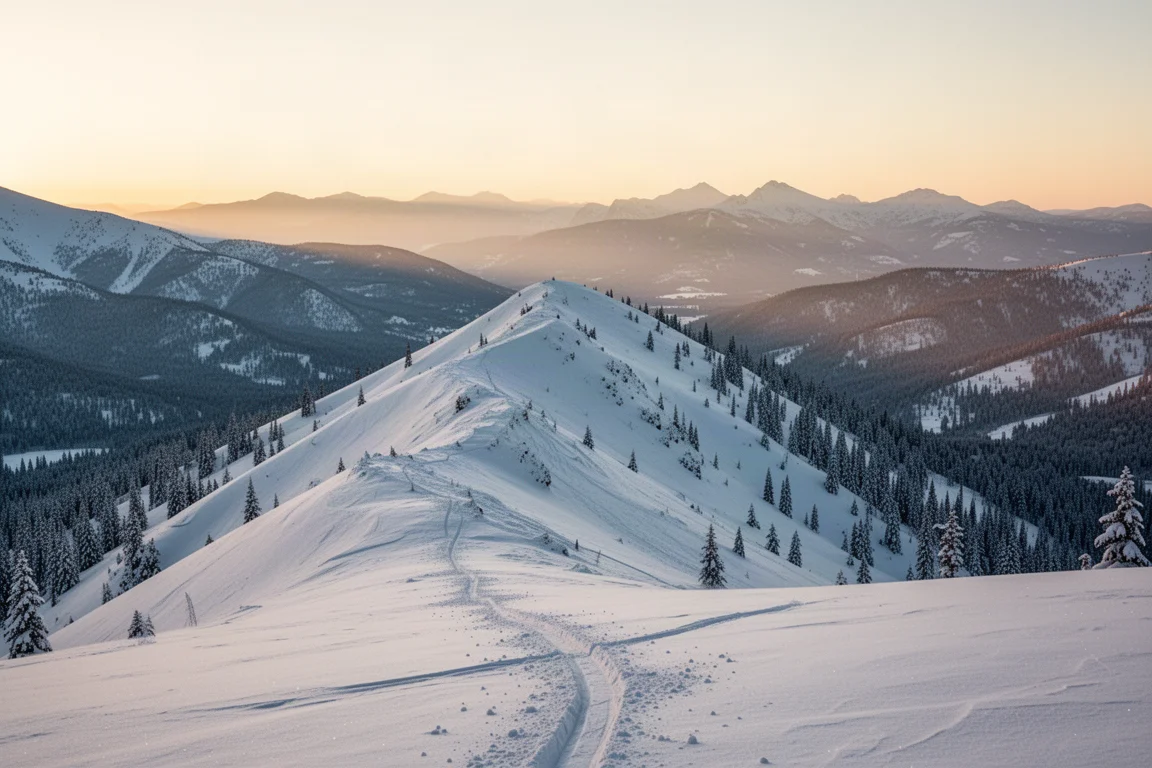
That access changes how a trip can be structured. As conditions shift, skiers can move between resort days, sled-assisted days, and touring days without relocating. It is one of the main reasons people move to the area rather than simply visit.
The Town, Views, and Practical Details
Revelstoke itself is small, with a genuine ski town feel. Food options include a pulled pork mac and cheese at one of the local beer houses, a large fried platter at another spot in town, and pizza that holds up after a day on the hill. The Last Drop is the local watering hole.
Views are good rather than spectacular. The Columbia River running through the valley below the ski area is the standout, and the contrast between the river and the snow is memorable. Skiers chasing postcard scenery above all else may prefer a different mountain.
Things to Consider Before Buying
Crowds are the main variable. On a weekend without fresh snow, lift lines can be effectively nonexistent, and it is possible to lap all day until the legs give out. On a powder day, lines for the gondola can get long, although they tend to thin out as people spread across the mountain.
The resort is getting busier each season as more skiers hear about it, so powder-day queues are worth planning around. Development in the area has added to that trend.
Beginner terrain is limited, and the mountain is not the place to learn if you want a wide choice of easy runs. Reaching Revelstoke usually means a drive, and many visitors rent a car. The upside is that the location makes it easy to add other Powder Highway mountains to the same trip.
Buying Advice
A single day ticket runs around $160, which puts the resort in the upper tier for daily pricing. An Ikon Pass includes seven free days, which is the most cost-effective route for skiers who already hold one or who plan to visit several resorts in a season.
For everyone else, a multi-day pass and a flexible schedule make the most sense, since snow conditions decide how good any given week will be. A week is a comfortable length of stay: long enough to learn the layout, short enough that a poor snow window does not define the trip.
Conclusion
Revelstoke Mountain Resort is not the most extreme mountain in North America, and it is not the easiest place to learn. What it offers is a very large vertical drop, dry light snow, unusually long fall-line groomers, forgiving tree skiing, and backcountry access that starts within sight of town. For intermediate and advanced skiers building a Powder Highway itinerary, it is a straightforward addition, and for anyone holding an Ikon Pass, the seven included days make it an easy call.
Product link
View more details for Revelstoke Mountain Resort
This product is mentioned in the review. Check the specifications, options, and compatibility before buying.
View more details for Revelstoke Mountain ResortFurther reading
Related Reviews

Ski Resorts
Alyeska Resort Review: Alaska's Largest Ski Resort, Worth the Journey?
A deep look at Alyeska Resort: heavy snowfall, expert terrain, an Icon Pass connection, and the trade-offs of a near-sea-level mountain in the Last Frontier.

Ski Resorts
Bear Valley Ski Resort Review: Northern California's Quiet Sierra Alternative to Tahoe
A lesser-known Sierra resort with over 1,300 skiable acres, surprisingly strong expert terrain, and crowd levels Tahoe can only dream of. Here is what to know before you go.

Ski Resorts
Colorado Ski Resorts Ranked: The Best Destination Mountains for Overall Experience
A ranked guide to Colorado's destination ski resorts, covering terrain, snow, logistics, crowds, and cost so you can pick the right mountain for your trip.