Home Audio
Revel Performa 4 Series Lineup Guide: M145, M146, F345, F346, C245, and B140 Explained
A model-by-model guide to the Revel Performa 4 series, covering the engineering shared across the range and what each of the six models is actually built for.
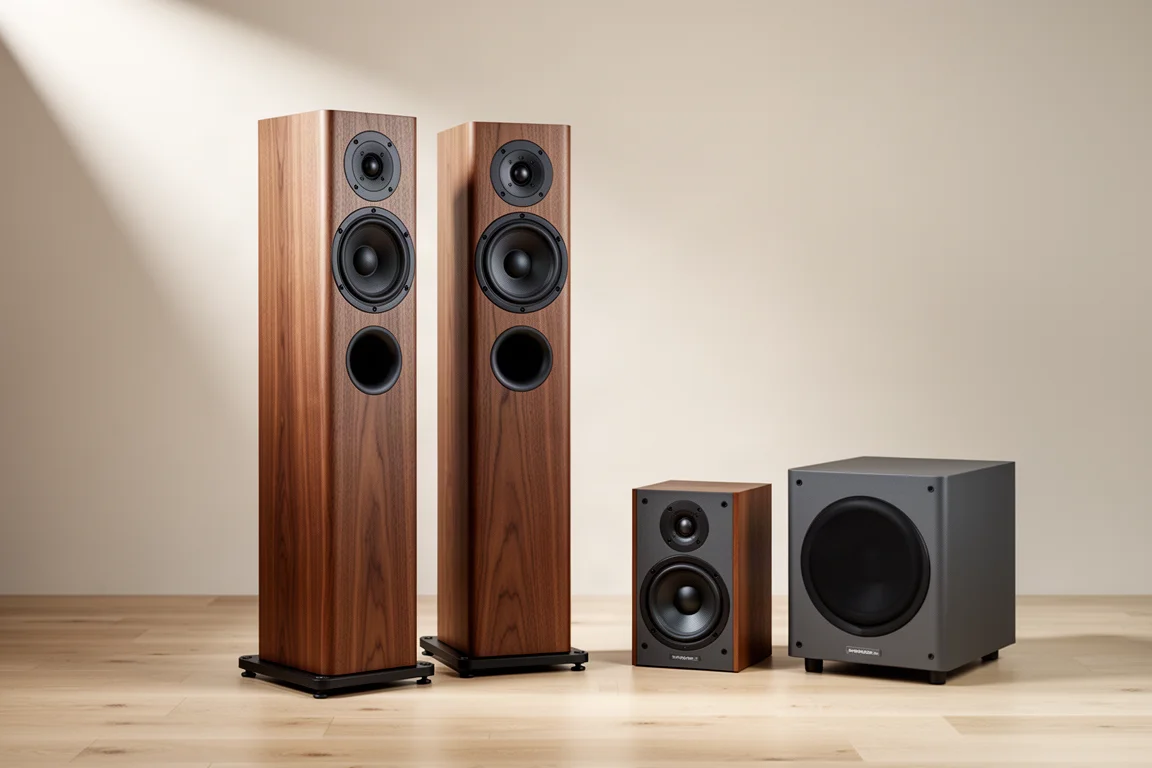
Introduction
Revel has spent decades building loudspeakers around measurement rather than a house sound. Founded in the late 1990s as the luxury loudspeaker division of Harman International, the brand was shaped by acoustic research figures including Dr. Floyd Toole and Sean Olive, and by sustained investment in multi-channel listening labs, anechoic chambers, laser interferometry, and double-blind listening tests in which speakers are judged purely on acoustic merit behind acoustically transparent curtains.
That research culture produces a specific design goal. A speaker should not have a signature sound. It should not be warm, bright, or forward. It should behave as a transparent window into the original recording.
The Performa 3 series became a benchmark for mid-tier luxury loudspeakers, the kind of speaker that made it hard to justify spending thousands more. The Performa 4 series is the next generation, fully redesigned, with technology moving down from Revel’s higher tiers. This guide walks through the shared engineering and then through all six models, so you can work out which one actually fits your room.
The Engineering Behind the Performa 4 Series
The most visible change is the seventh-generation acoustic lens waveguide. Its job is to control the dispersion of high frequencies so that it matches the midrange driver’s dispersion at the crossover point. When that is done correctly, you get a large, room-filling soundstage that holds its tonal balance even when you are sitting well off to one side. The new lens provides wider dispersion than the previous generation and more seamless driver integration than the already strong Performa 3 design.
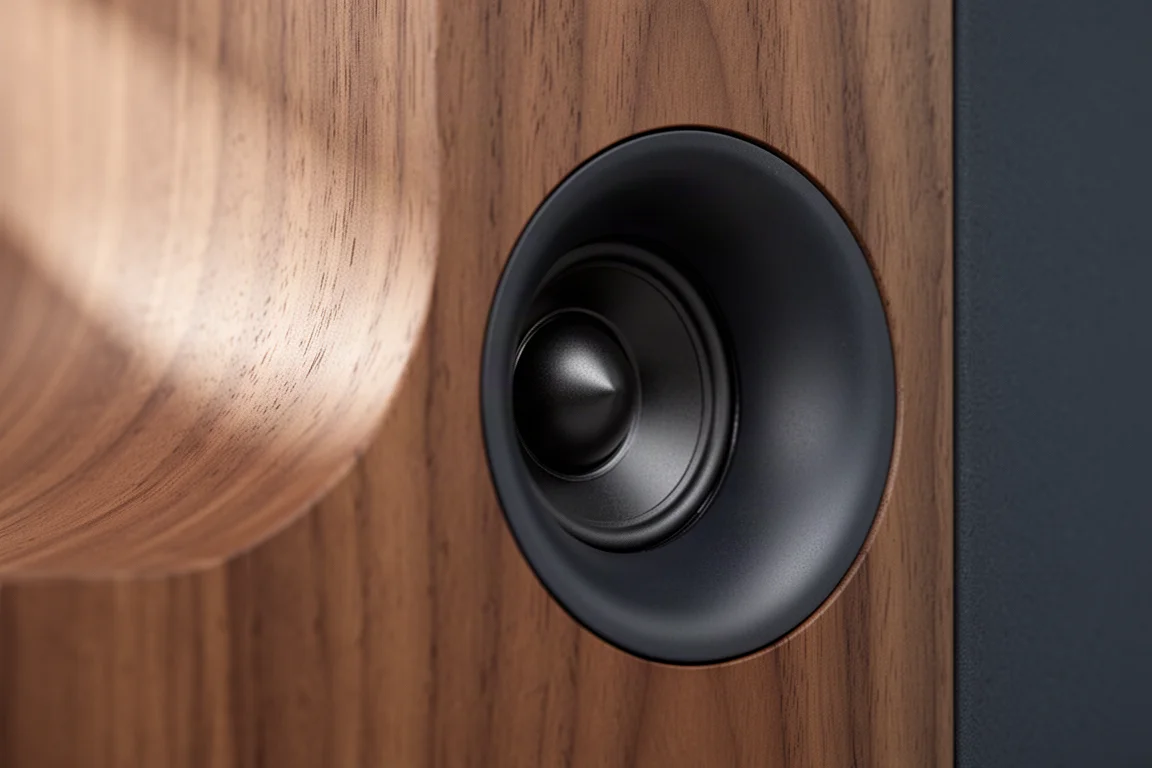
Nestled inside that waveguide is a brand-new tweeter. The 1-inch dome tweeters and the dedicated midrange drivers on the floorstanding models now use Deep Ceramic Composite, or DCC, a material previously reserved for much higher-end models. DCC is extremely rigid and very well damped. In speaker design you want a cone to behave like a perfect piston moving back and forth without bending, because a cone that flexes distorts, a behavior known as a breakup mode. DCC pushes those breakup modes far beyond the range of human hearing, which leaves detailed, effortless sound: the detail of a metal dome without the harshness or ear fatigue that design can sometimes introduce.
The low end is anchored by new Micro-Ceramic Composite, or MCC, woofers. Bass is not only about moving air, it is also about speed. The MCC cone is stiff enough to resist flexing under heavy acoustic loads and damped enough to avoid coloring the sound coming out of it.
The rest of the construction is equally deliberate. Redesigned cast aluminum driver frames optimize rear airflow to keep voice coils cool while reducing weight and increasing rigidity. Every driver uses an inverted surround with trim rings that conceal the mounting hardware, which gives the speaker a remarkably clean look and, more importantly, reduces cabinet edge diffraction: the tiny reflections that bounce off screws and cabinet edges and can smear clarity. Premium crossover networks use high-order topologies, film capacitors, and air-core inductors, all housed in heavily braced, acoustically dead bass reflex enclosures. Cabinets are finished in matte wood veneer, available in walnut or black walnut, a deliberate move away from high-gloss piano finishes that can reflect light in a dark theater. Heavy-duty crystal brass binding posts are used across the range, with dual five-way binding posts on the larger models for bi-amping.
Revel Performa 4 M145
The M145 is the compact two-way bookshelf model: a 1-inch DCC tweeter paired with a single 5.25-inch MCC woofer, standing 11.6 inches tall and weighing 13.6 lb. Frequency response is 54 Hz to 40 kHz at -6 dB, sensitivity is 85 dB, and nominal impedance is 6 ohms.
That 85 dB figure makes it relatively inefficient. This is not a speaker to hook up to an entry-level AV receiver; it needs high-current amplification to control the driver properly. The 54 Hz roll-off also means it will not deliver deep sub-bass. The trade-off is that a smaller 5.25-inch mid-woofer integrates exceptionally well with the tweeter at the crossover point, and the result is a highly accurate soundstage with a solid, stable center image.
It suits a small listening room in a tight space, a high-end near-field desktop setup, or duty as surround channels in a larger Performa 4 home theater system.
Revel Performa 4 M146
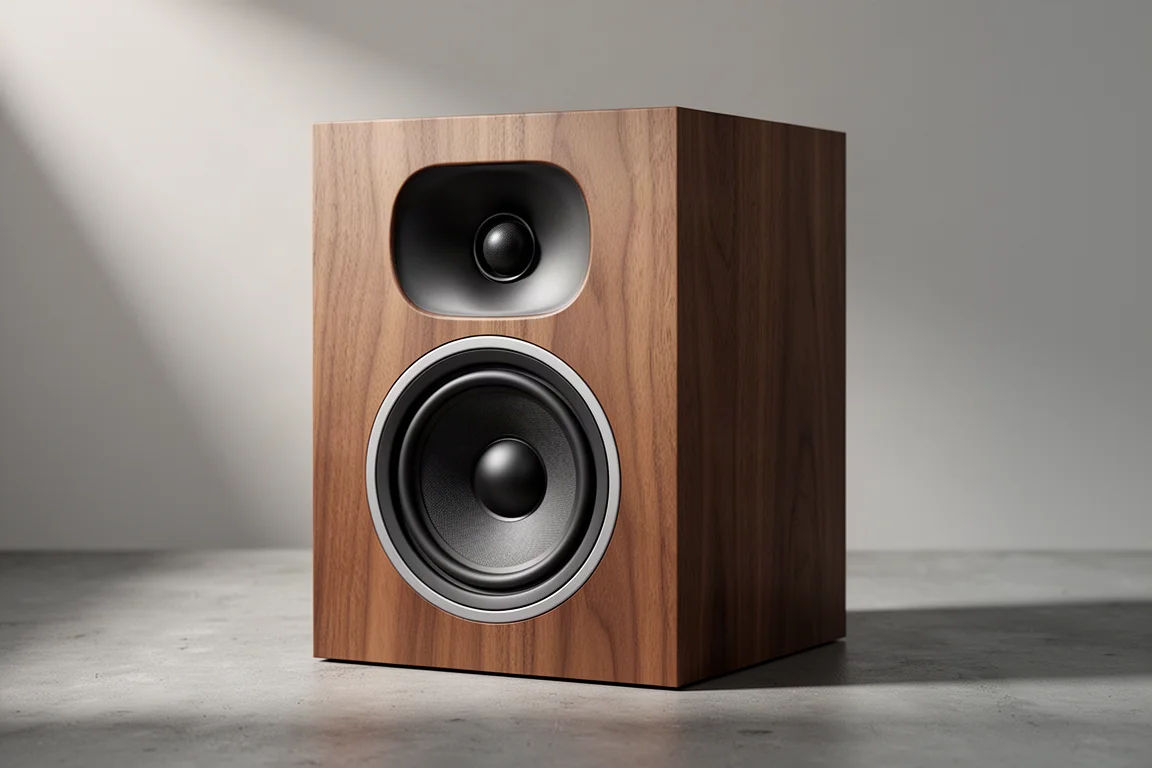
The M146 is the direct replacement for the previous generation M106, and it steps up to a larger 6.5-inch MCC woofer. That change buys a wider dynamic range and more comfortable handling of bass transients. Sensitivity rises slightly to 86 dB, low-frequency extension drops to 43 Hz at -6 dB, and each speaker weighs 22.1 lb, making it a substantially built, acoustically inert monitor.
Positioned properly, the M146 produces a broad, highly accurate soundstage. Because of that 43 Hz extension, it works as a highly capable standalone option in medium or smaller rooms, particularly for dynamic acoustic music or rock where accurate low-end representation matters without necessarily adding a subwoofer. It also serves as an excellent high-output surround channel in a dedicated home theater.
Revel Performa 4 F345
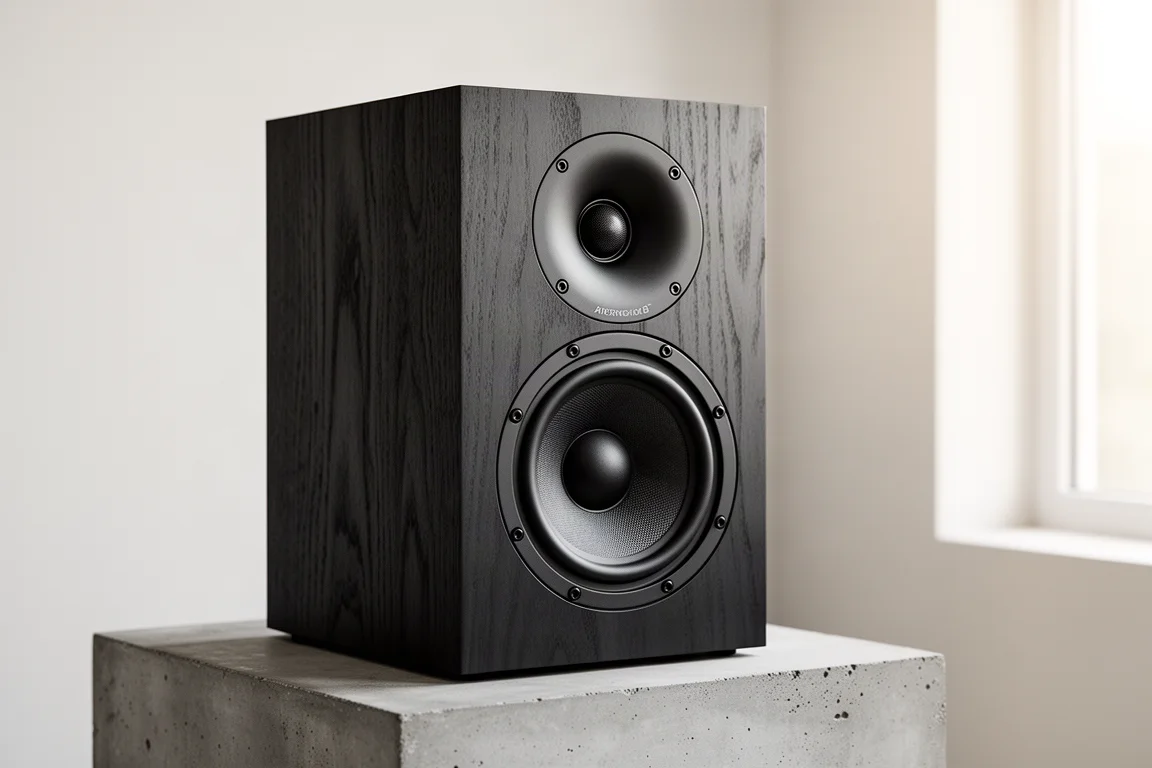
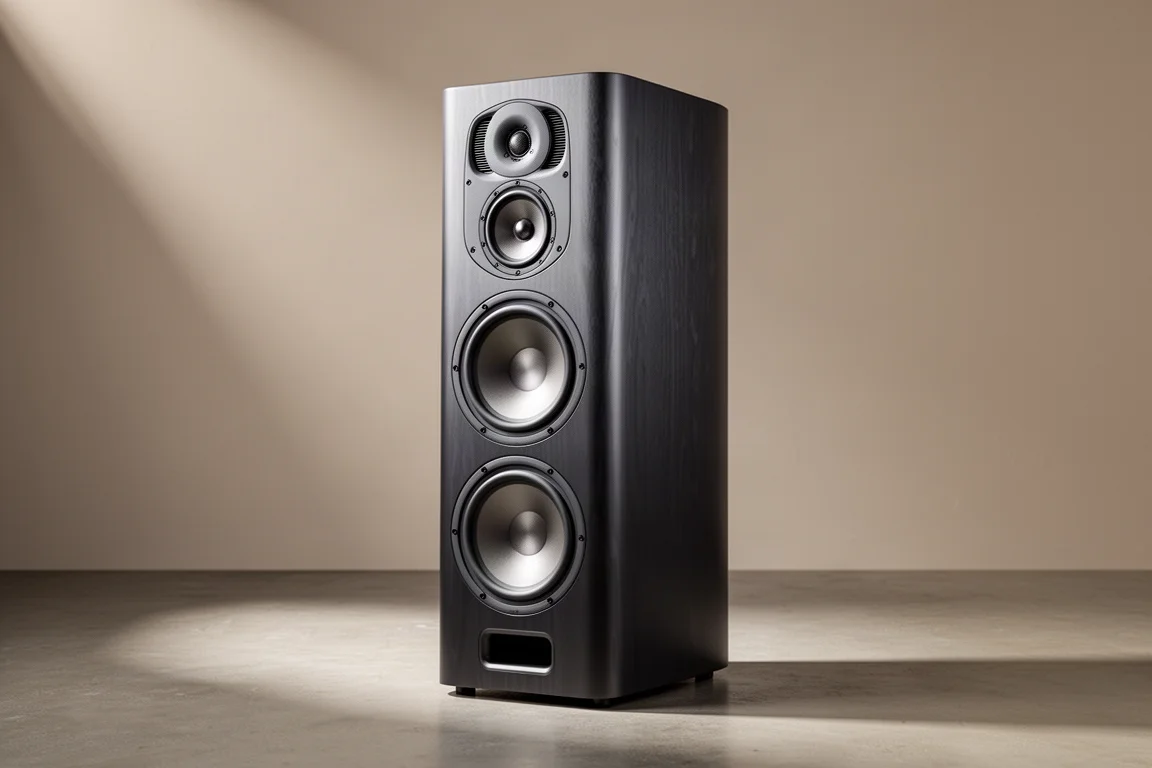
The F345 is the first floorstanding model, a true three-way tower with a 1-inch DCC tweeter, a dedicated 5.25-inch DCC midrange driver, and three 5.25-inch MCC woofers. Using three smaller woofers rather than larger 8-inch drivers keeps the cabinet incredibly thin at just under 12 inches wide, while the triple array still moves a massive amount of air. Sensitivity is 87 dB and low-frequency extension reaches 36 Hz at -6 dB.
The three-way layout is the real story here. The dedicated DCC midrange driver handles the most critical frequencies in all music, the vocals, acoustic guitars, and snare drums, while the three lower woofers take on the heavy lifting of bass. That division of labor drastically reduces intermodulation distortion.
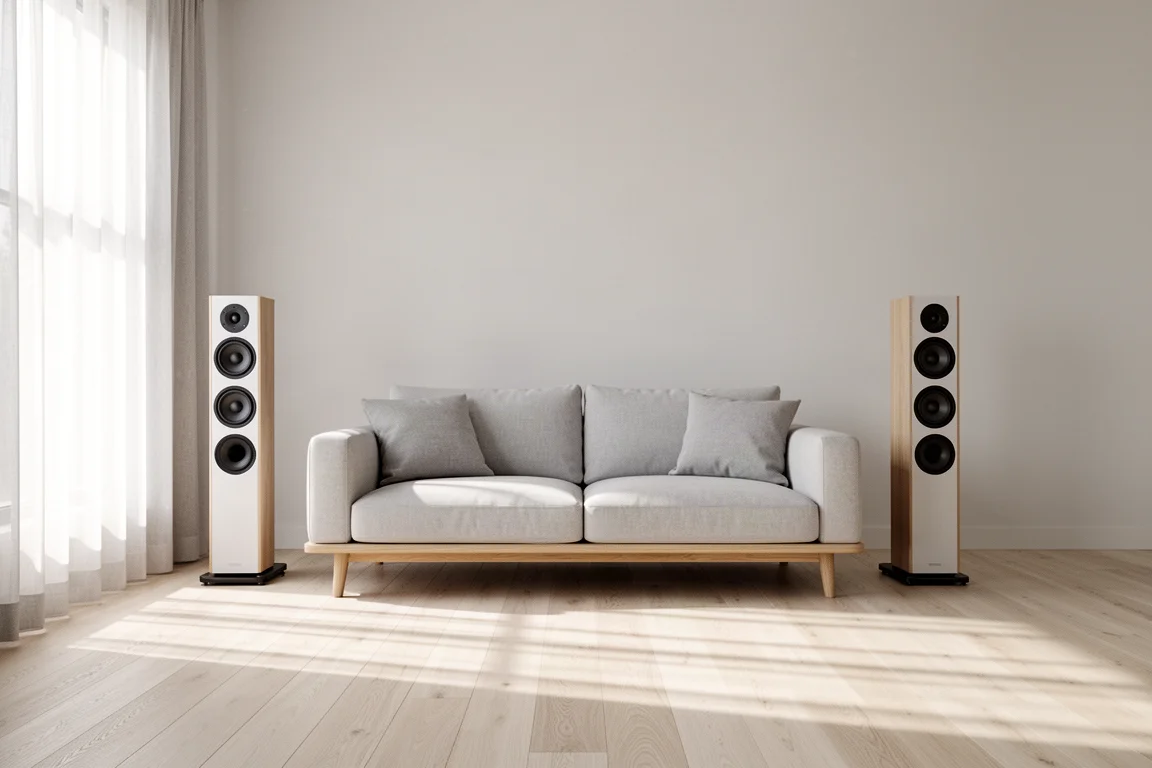
The F345 is arguably the sweet spot of the entire lineup, balancing aesthetics, real-world living spaces, and high-end performance. It is well suited to a medium to large living room where you want full-range sound without the speakers dominating the floor space.
Revel Performa 4 F346
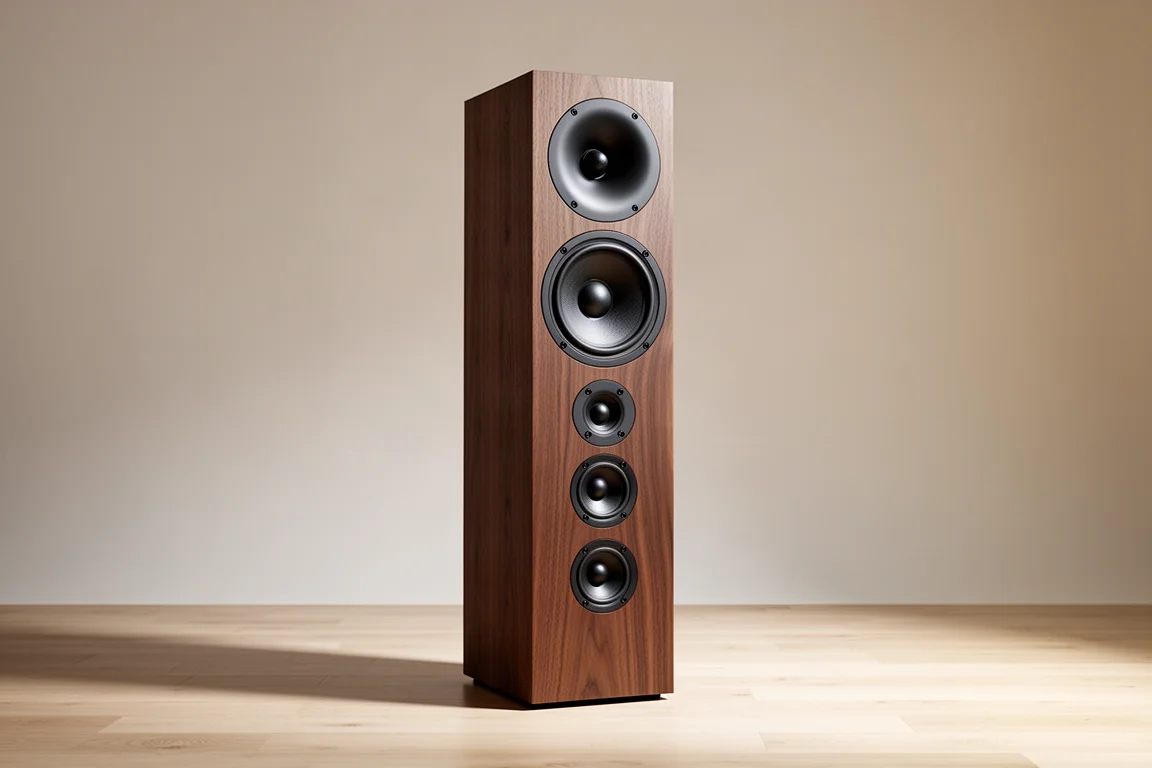
The F346 is the largest tower in the range, weighing 87.5 lb each. It keeps the same 1-inch tweeter but steps up to a larger 6.5-inch DCC midrange driver and three 6.5-inch MCC woofers. The bigger midrange delivers effortless, uncompressed dynamic capability in the vocal region, and the three woofers dig down to 30 Hz with authority. This is a speaker that can reproduce the physical impact of a live orchestra or a cinematic explosion without breaking a sweat.
Sensitivity is 88 dB, which is reasonably efficient for a speaker of this size, but it still presents a 6-ohm load, so it wants an amplifier that is completely stable into lower impedances. Give it 2 to 3 feet of breathing room off the side walls and feed it solid power, and it will comfortably fill a large dedicated listening room or a reference-level home theater.
Revel Performa 4 C245
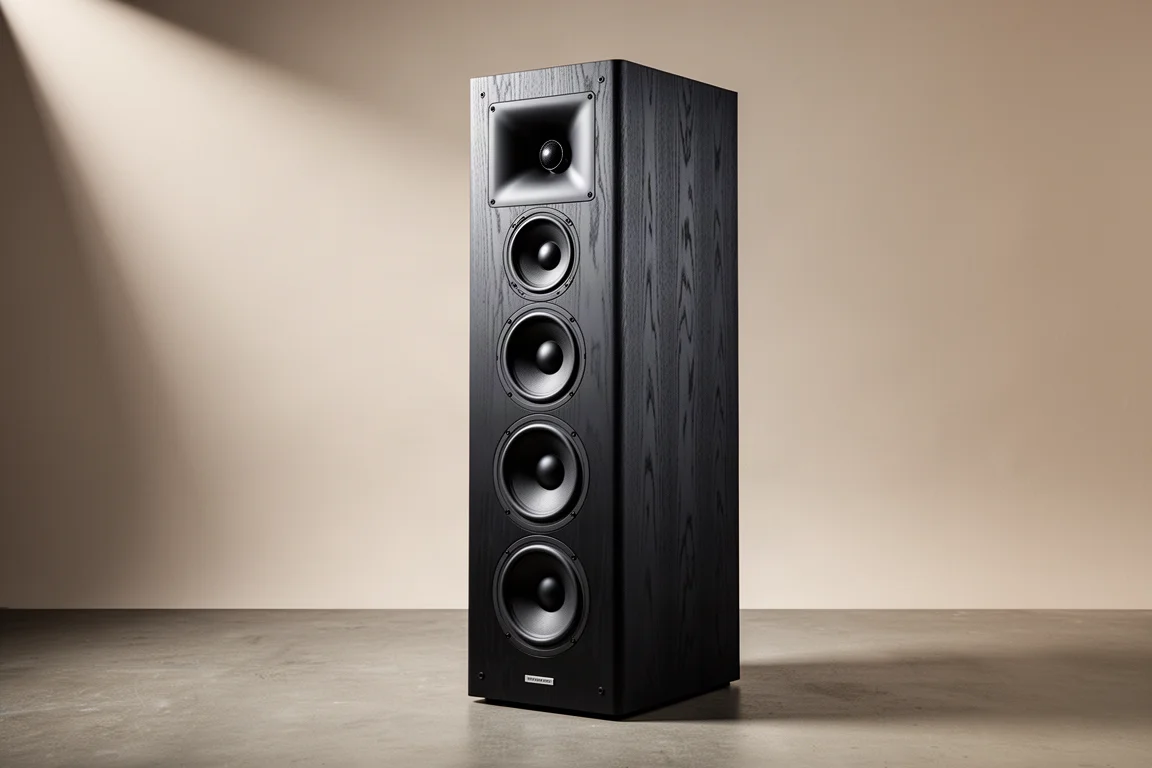
The C245 is the center channel, a robust two-way design using the same 1-inch DCC tweeter and seventh-generation waveguide as the towers, flanked by dual 5.25-inch MCC woofers. Sensitivity is 86 dB and frequency response is 55 Hz to 40 kHz at -6 dB, in a cabinet just 7.1 inches tall.
In a home theater, the center channel handles upwards of 70 percent of the audio, including every single word of dialogue, so this is not the place to skimp. The shared tweeter and waveguide ensure absolute timbre matching: when a sound pans from one F346 tower through the center channel and into the opposite tower, the tonal signature does not change. Its low profile makes it easy to place beneath a wall-mounted TV or behind an acoustically transparent projection screen.
Revel Performa 4 B140
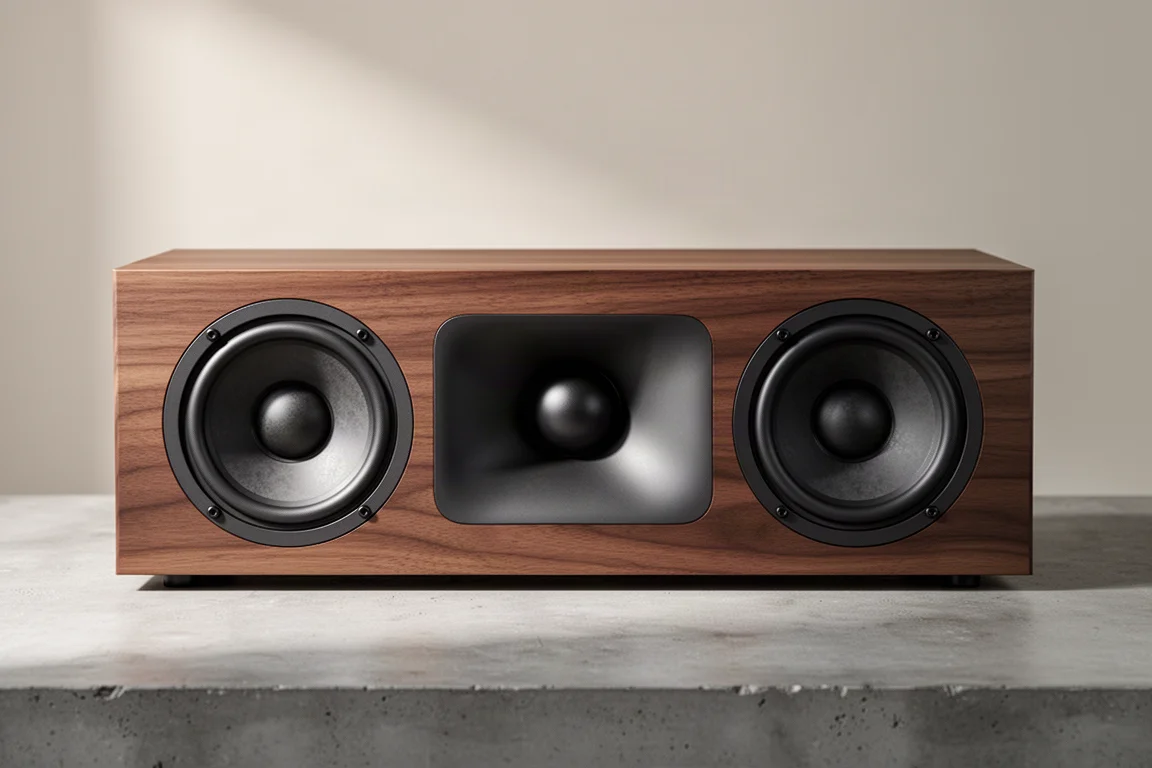
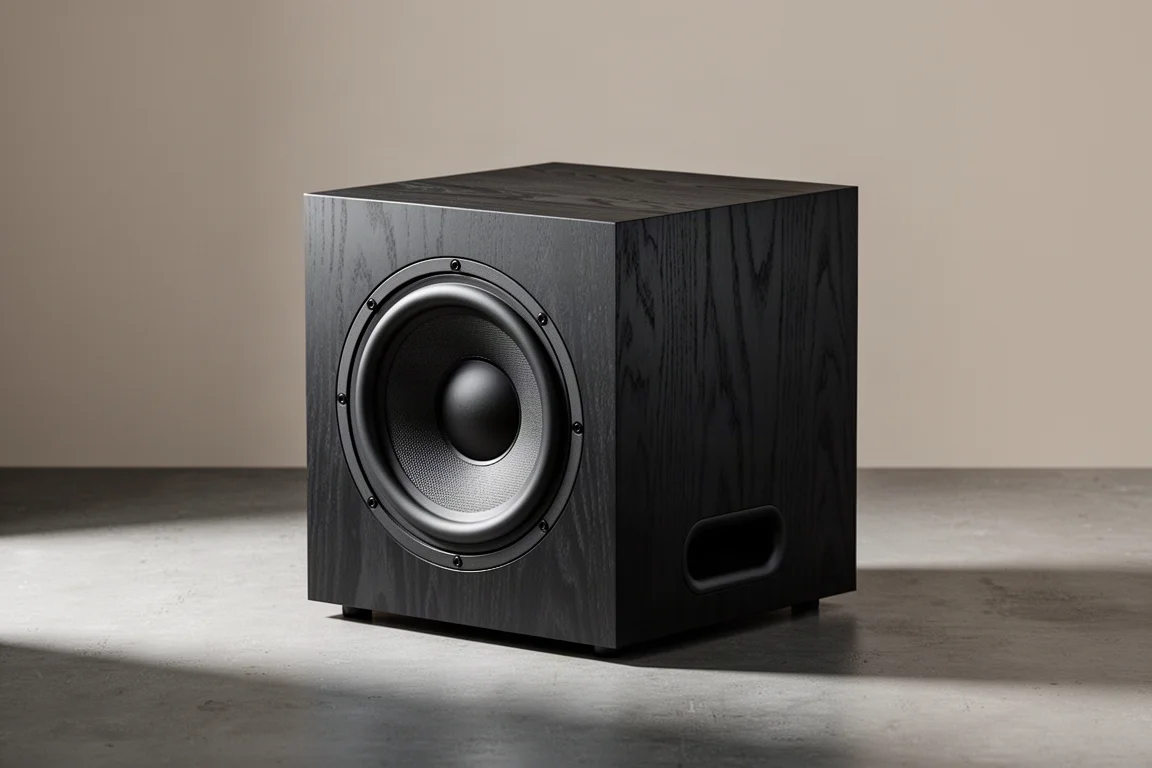
The B140 is the foundation of a home theater system, and it is built differently from subwoofers designed purely to rattle drywall. It features a 10-inch high-density coated fiber composite woofer backed by a 750 W RMS active amplifier with 1,500 W peak output. It extends all the way down to 26 Hz, enough to pressurize a medium to large room, and it operates with remarkable control.
Because of that speed and control, it blends flawlessly with the fast, articulate woofers of the Performa 4 towers, rather than creating the muddy, bloated low end that can collect in the corners of a room.
Room Placement and Setup Notes
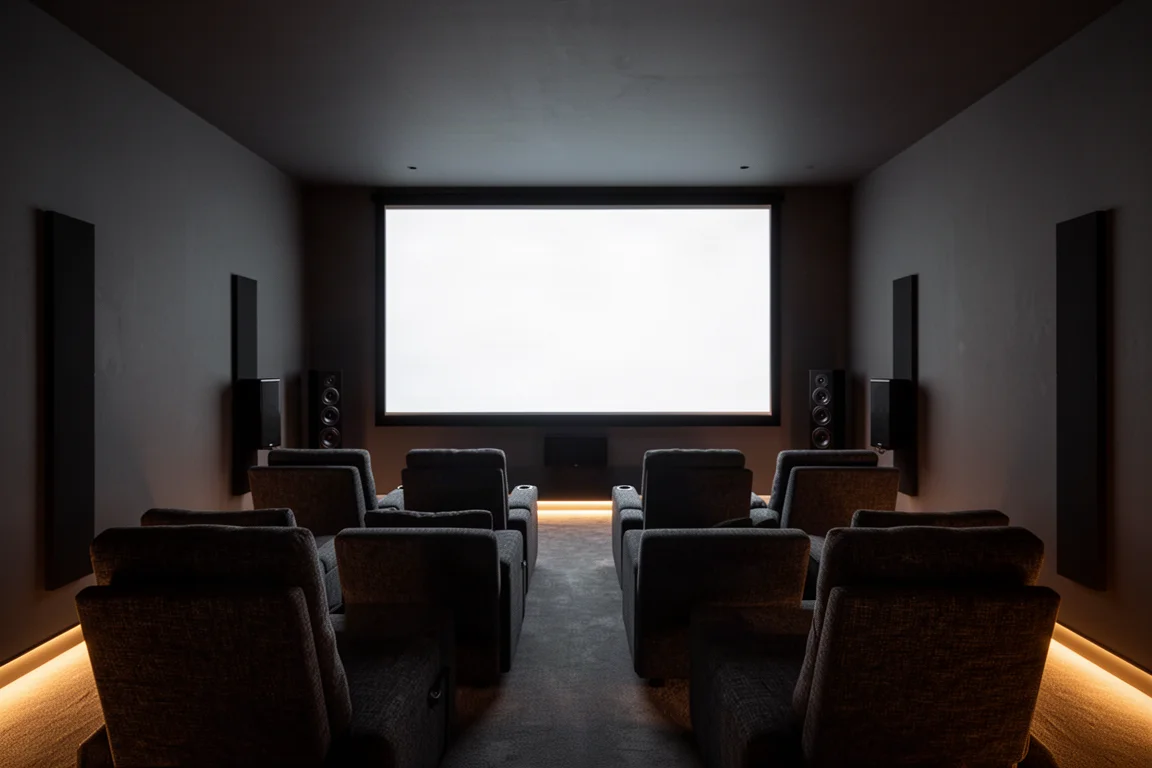
Every model in the lineup uses a rear-firing bass reflex port, so none of them should be pushed directly against a back wall. Aim for at least 18 to 24 inches of clearance from the wall behind to prevent bass from becoming too boomy and overwhelming the pristine midrange these speakers are capable of. Because the seventh-generation acoustic lens delivers such strong off-axis response, aggressive toe-in toward the listening chair is not required, though it is always worth experimenting with angle to see what you prefer.
Buying Advice
Choosing within the Performa 4 range comes down to three things: room size, amplification, and whether the system is being built for two-channel listening or home theater.
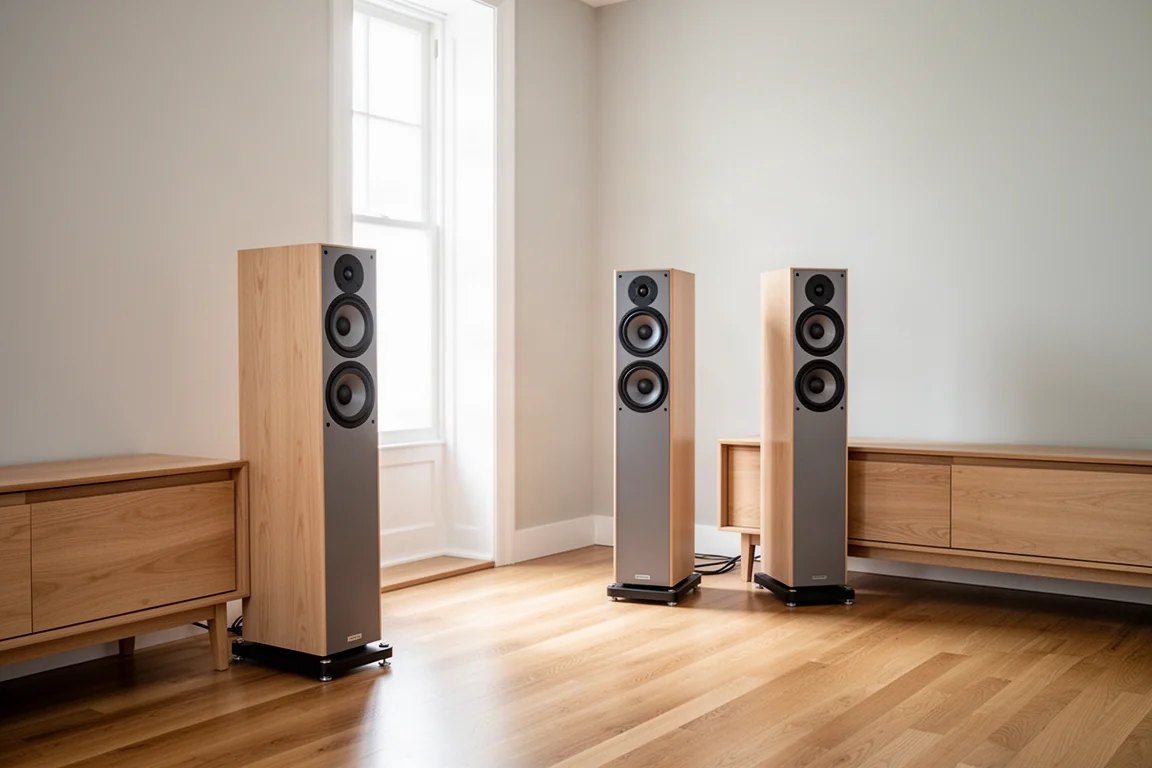
For small rooms, tight spaces, and desktop systems, the M145 covers near-field duties with an accurate, stable image. The M146 adds output and low-frequency extension for medium rooms and can stand alone without a subwoofer for dynamic acoustic music and rock. In a living space, the F345 balances a slim cabinet with genuine three-way performance, while the F346 is intended for large dedicated rooms and listeners who want maximum dynamic headroom. A home theater build should add the C245 for dialogue and timbre matching, and the B140 for the lowest octaves.
Amplification deserves attention before anything else. The bookshelf models are relatively inefficient, and the towers present a 6-ohm load, so high-current amplification that stays stable into lower impedances is the safer pairing. One honest note: these speakers are not designed to add warmth or artificial sparkle. Anyone looking for a flattering, colored presentation may prefer a different design. Anyone who wants a neutral, scientifically driven tool that shows what is actually on the recording will find the Performa 4 series a significant step forward from the previous generation.
Conclusion
The Performa 4 series keeps Revel’s core philosophy intact while moving genuine flagship technology down the range: the seventh-generation acoustic lens waveguide, DCC tweeters and midranges, MCC woofers, redesigned cast aluminum frames, and matte veneer cabinets. Across six models, the lineup covers bookshelf, tower, center channel, and subwoofer roles with a consistent tonal character, so a system assembled from any combination of them will hold together. If you know your room size and your amplifier, the right model in this range is a straightforward choice.
Further reading
Related Reviews
Home Audio
Aperion Novus Tower and Center Review: Punchy Home Theater Sound With Real Refinement
A close look at the Aperion Novus tower and center speakers, from their layered paint finish and punchy bass to the 4-ohm load and what the price actually buys.
Home Audio
Arendal 1610 Tower Review: Flagship Dynamics in a Room-Friendly Tower
A compact floorstanding tower with three 8-inch aluminium woofers, a 5-inch carbon midrange, and the kind of bass heft usually reserved for much larger speakers.
Home Audio
Arendal 1723 S THX Review: A Reference Speaker Built Like a Tank
A practical look at the Arendal 1723 S THX, a sealed, THX-certified speaker with exceptional build quality, a very flat top end, and a midrange that responds beautifully to EQ.