Hi-Fi Speakers
Retro Standmount Speakers Compared: Wharfedale Super Denton, Monitor Audio Silver 100, Dali Opticon 2 and Q Acoustics 5020
Four standmount speakers under £1,000 compared on sound character, cabinet finish, setup demands and amplifier matching.
Introduction
Retro-styled speakers divide listeners. Plenty of affordable designs look the part but sound boxy, coloured and short on detail, which is why so many of them never earn a place in a serious system. The Wharfedale Super Denton is a more interesting proposition, because the design work behind the vintage styling is genuinely current.
It is inspired by the original Denton 3, which had a production run from 1971 to 1974 and was claimed at the time to be the smallest three-way speaker on the market, dual concentric designs aside. The new model keeps that heritage framing but competes in a very crowded part of the market.
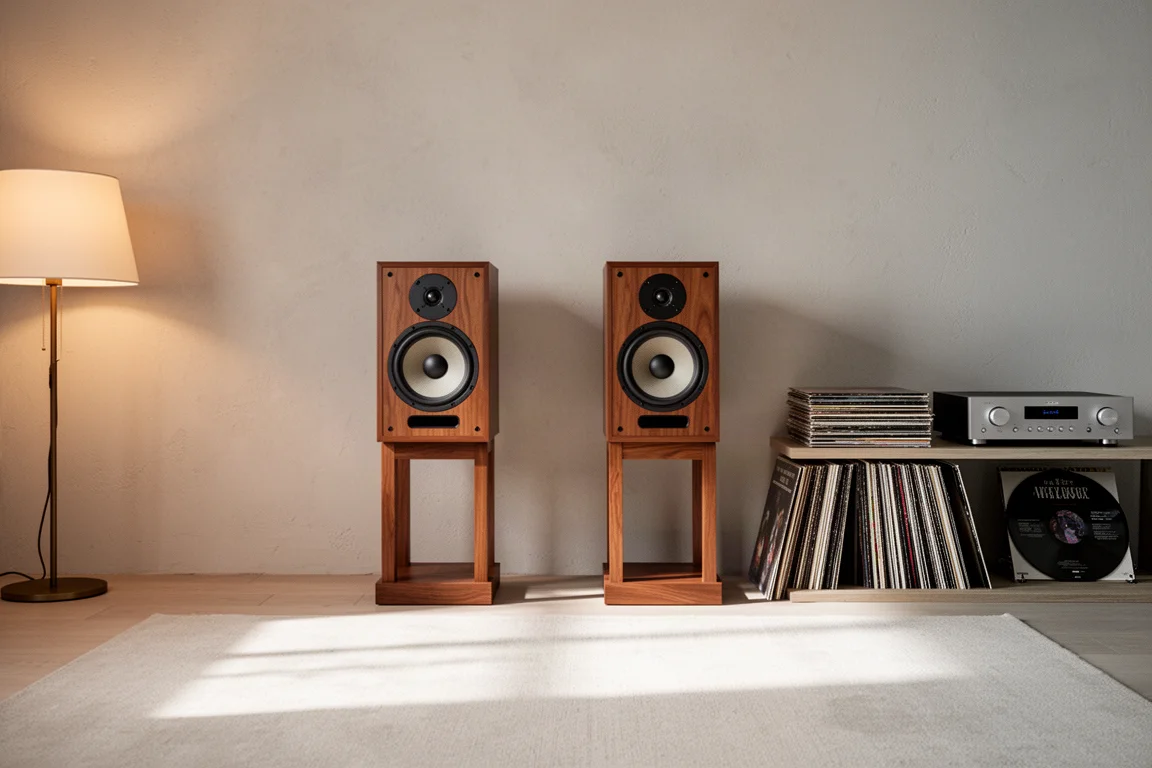
Three rivals sit close in price and purpose. The Monitor Audio Silver 100, the Dali Opticon 2 and the Q Acoustics 5020 each take a different route to sound, finish and setup, and each asks something slightly different of the room and the amplifier behind it.
How These Standmount Speakers Compare
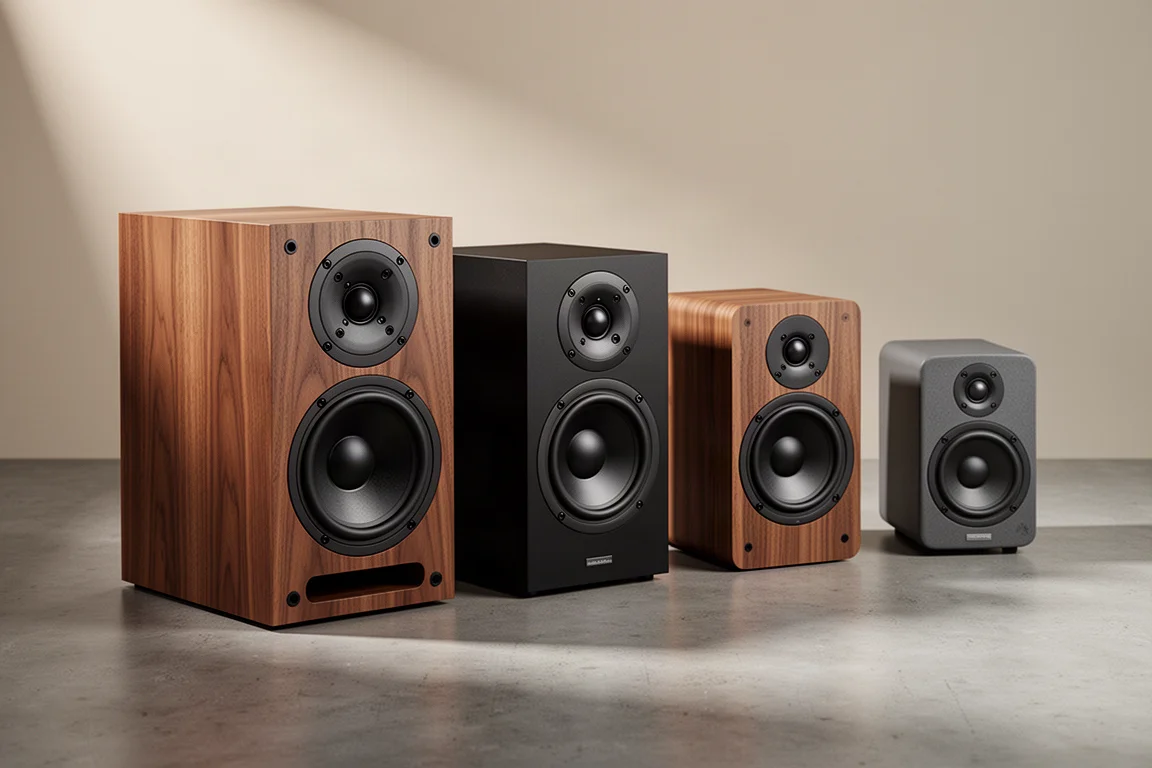
The four speakers span roughly £600 to £999, so the differences are not about budget tiers so much as priorities. The Wharfedale Super Denton and the Dali Opticon 2 sit at £999, the Monitor Audio Silver 100 comes in under £1,000, and the Q Acoustics 5020 lands just under £600.
Cabinet finish separates them clearly. The Super Denton uses a hand-finished real walnut wood veneer, with real wood mahogany and black oak also available, while the Q Acoustics 5020 and the Dali Opticon 2 use vinyl wraps. Size also matters: the Super Denton is the larger cabinet here, which brings more bass output and less dynamic compression, while the smaller designs trade some of that weight for a cleaner and more even-handed tonal balance.
The other variable is setup tolerance. These speakers do not want the same position in a room, and the Super Denton is the most sensitive of the group to amplifier choice.
Wharfedale Super Denton
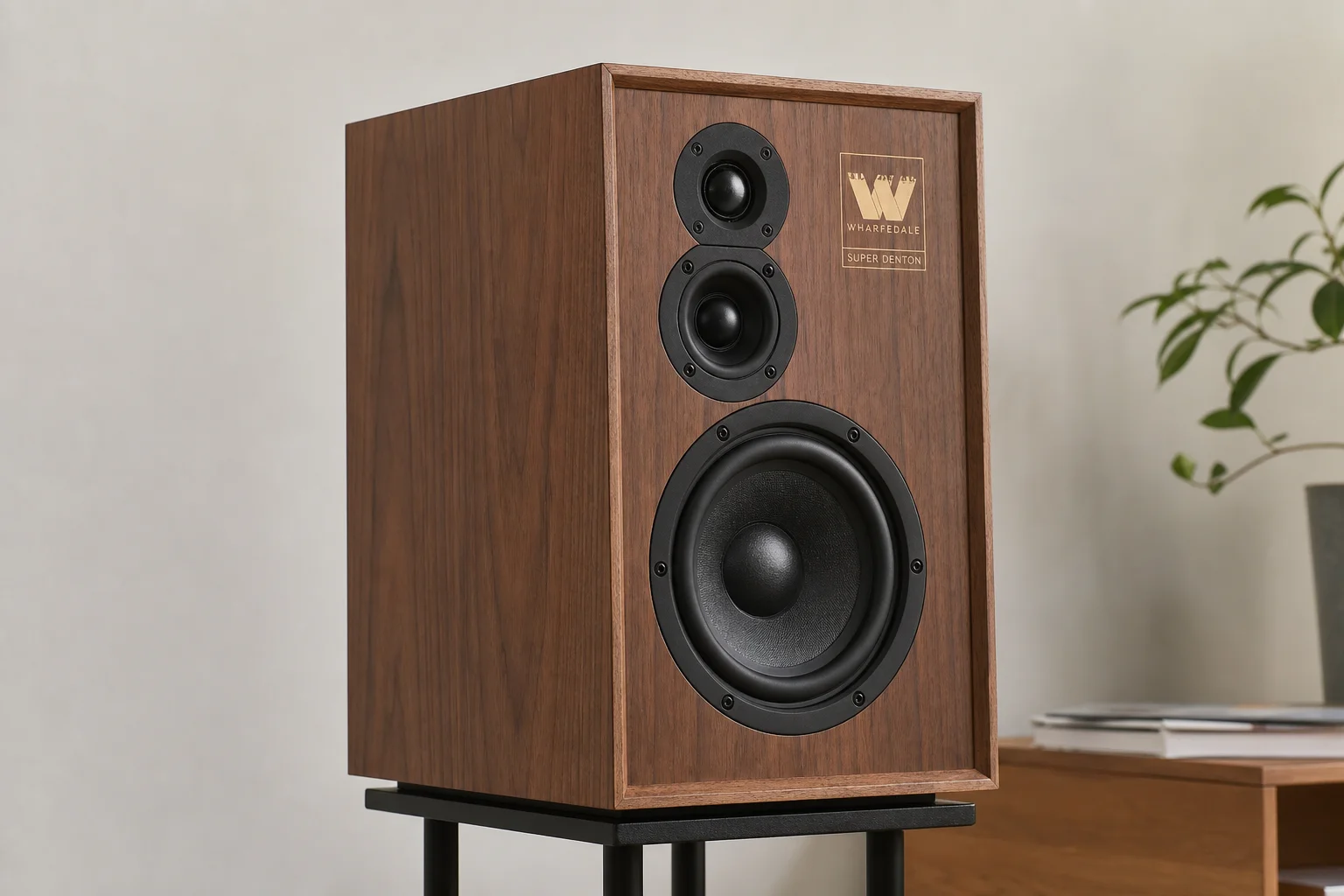
The cabinet measures 360 x 246 x 275 mm and weighs 9.2 kg, or 14.2 x 9.7 x 10.8 in and 20.3 lb in imperial measurements. The real wood veneer is of a quality rarely seen at this price, and the speakers are designed to be listened to with the grilles on, which helps control edge diffraction from the lip around the front baffle.
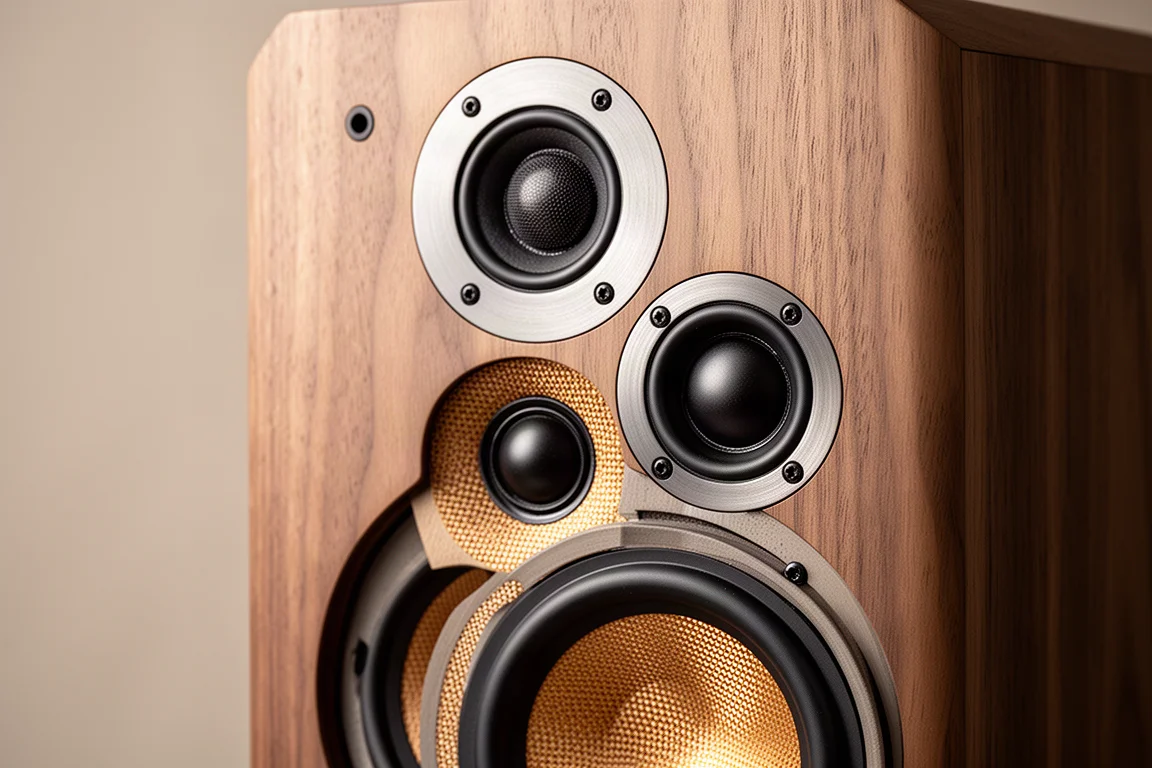
Behind the traditional open-weave grille sits a three-way driver array. A 165 mm woven Kevlar cone woofer on a die-cast chassis, which is stiffer than the pressed chassis typical at this price, handles bass down to a claimed 40 Hz at the minus 6 dB point, or 52 Hz at minus 3 dB. Mid frequencies pass at 940 Hz to a 50 mm silk dome midrange, offset to one side to help disperse edge diffraction, and its architecture is closely based on the unit used in the Evo range of three-way speakers. The 25 mm soft fabric dome tweeter takes over from 4,600 Hz, is also offset, and appears to use the same dome material as the midrange, which should help tonal matching. It is a new driver with trickle-down technology from the speakers at the top of the Heritage range, including a ceramic motor system and a rear chamber. At the back there is a single set of reasonable quality binding posts and twin ports, which help bass extension and contribute to a sensitivity of 87 dB into a 6 ohm load. Minimum impedance drops to 3.4 ohms, which by industry standards points to a load closer to 4.25 ohms.
Sonically, the Super Denton has a distinct character. Bass is surprisingly weighty and extended but a little soft, so listeners who want maximum note-to-note definition should look elsewhere. The trade-off is placement freedom: the speakers can sit closer to walls than usual, gaining depth and thump with very little loss of agility. Lower midrange is nicely saturated and the presence region between roughly 2 and 4 kHz is subtly recessed, which is why toeing the speakers in directly toward your ears tends to work best. Spacing matters too. In a conventional position about 1.8 m apart the lower midrange sounded thick on chesty male vocals, and moving them to just over 2 m brought the tonal balance and clarity back into line. Treble is well expressed for the class, and the soundstage is wide and deep, though the location of individual performers within it can be a little vague.
With the grilles on there is a subtle veiling of upper midrange and treble, but also slightly less grain, and neither configuration is a clear winner. Amplification deserves care. A warm-sounding budget integrated amplifier exaggerated the soft bass and the midrange thickness, and an altogether more powerful and resolving amplifier did not gel either, sounding merely acceptable. Cooler, more neutral amplification suits these speakers far better. Treated properly, the Super Denton is rich, relaxed, forgiving of recordings and genuinely fun, with a big personality for a small cabinet.
Monitor Audio Silver 100
The Silver 100 takes the opposite approach. It remains the most articulate speaker in the sub-£1,000 category, with exquisite timing that is hard to match at the price. It digs noticeably deeper into recordings and images with more focus than the Wharfedale, and it will reward a good source.
It also demands more from the room and the rest of the system. These speakers need to be kept away from walls, placed closer together and fired more or less straight down the room, because listening off axis helps temper a presentation that edges toward bright. A degree of coolness remains whatever you do with setup, and poor recordings or partnering equipment that is not up to scratch are punished rather than smoothed over.
Dali Opticon 2
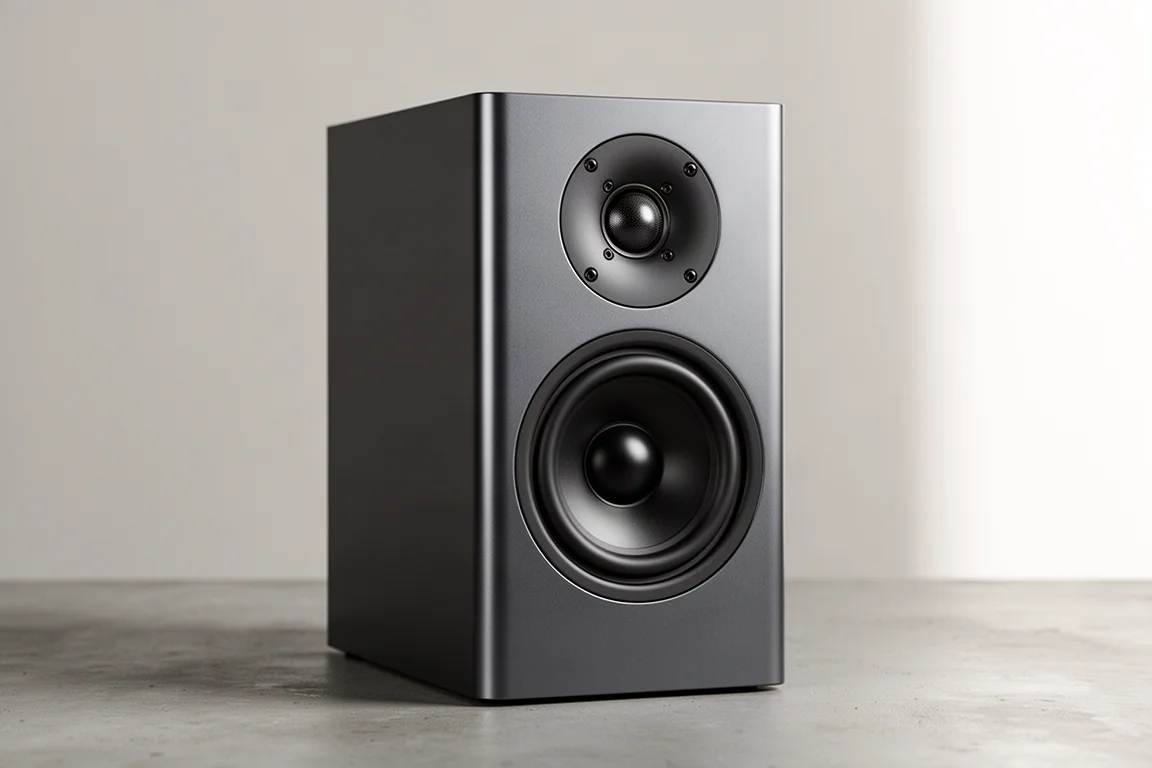
The Opticon 2 retails at effectively the same price as the Super Denton, a pound under a grand. It offers a bit more resolution and a more natural sounding midrange, which makes it a strong choice for listeners who prioritise insight into the recording.
It will not dig as low as the Wharfedale and it will not produce the same dynamic fireworks, so the character of the music you listen to matters here. The cabinet finish is a vinyl wrap rather than real wood veneer.
Q Acoustics 5020
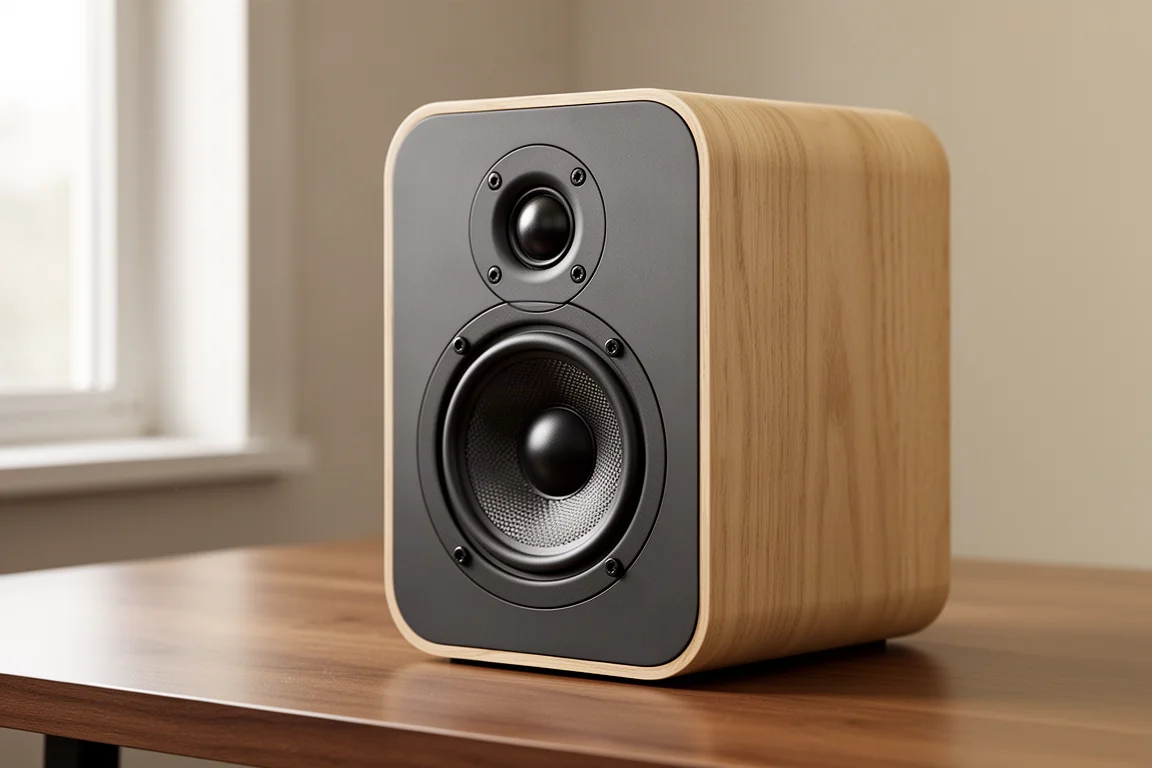
The 5020 is compact, and hugely impressive for just under £600. Its tonal delivery is a little cleaner and more even-handed than the Wharfedale’s, and it presents more information overall, which makes it a persuasive package for smaller rooms and tighter budgets.
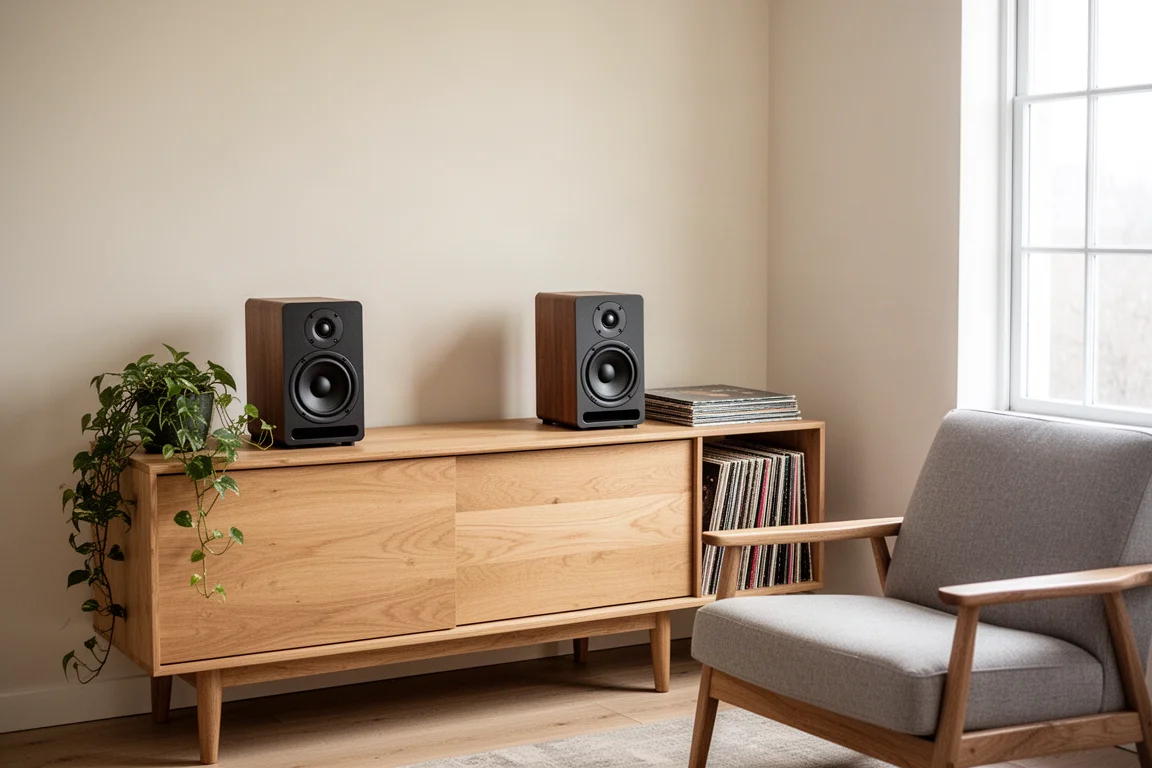
The smaller cabinet naturally means less bass and more dynamic compression than the Super Denton. The Wharfedale’s £400 premium is partly explained by the real wood veneer, which is worth a couple of hundred over the vinyl wrap used on the Q Acoustics and on the Dali. Where the Wharfedale wins is in the effortlessness of its presentation: it may convey less information, but it does so with less strain.
Amplification and Room Setup Notes
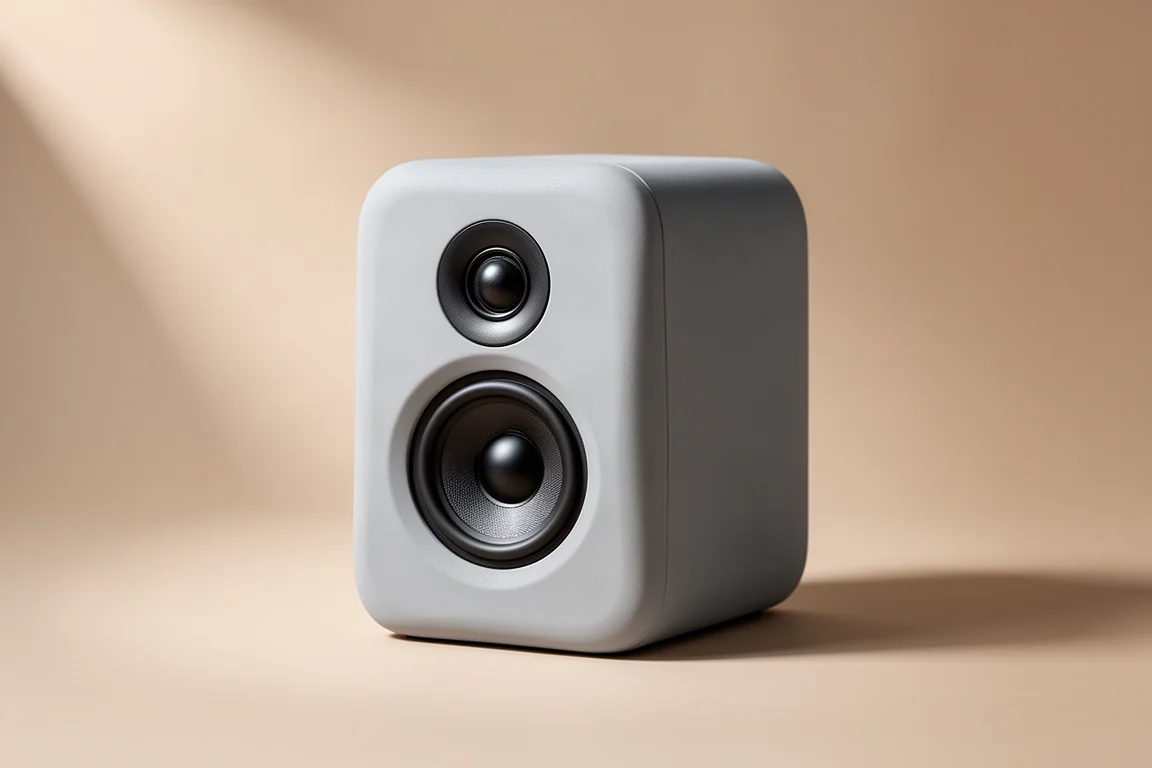
Positioning these speakers is effectively tone adjustment. The closer they sit to walls, the more bass energy you get, at the cost of some bass definition. The distance between the two speakers adjusts the lower midrange: closer together sounds thicker, wider apart sounds leaner. Toe-in adjusts upper midrange and treble energy, with maximum energy when the speakers point directly at your ears.
The Super Denton needs the most care with amplification. Overly warm sounding amplifiers are a poor match, because they exaggerate the soft bass and the midrange thickness that careful positioning is meant to cure. A Cambridge Audio AXA35 was a clear example of this, and a considerably more powerful and resolving Exposure 2510 did not bring out the best in the Wharfedales either. Cooler, more neutral amplification is the safer direction, and a tube amplifier running EL34 valves played strongly to these speakers’ strengths, with authoritative bass, a lush midrange and a presence region lifted just enough to be engaging without becoming fatiguing. The Monitor Audio Silver 100 has its own requirements, chiefly distance from room boundaries and a straight-ahead firing angle, and it is the least forgiving of the group when the source or the amplifier is not up to standard.
Which Speaker Should You Buy?
Start with the presentation you actually want rather than the finish you like most. The Super Denton is the pick if you want a rich, relaxed and forgiving sound with a wide soundstage, real wood veneer on the cabinet, and the freedom to place speakers closer to a wall. Expect to spend time on positioning and to choose amplification with a cooler tonal balance.
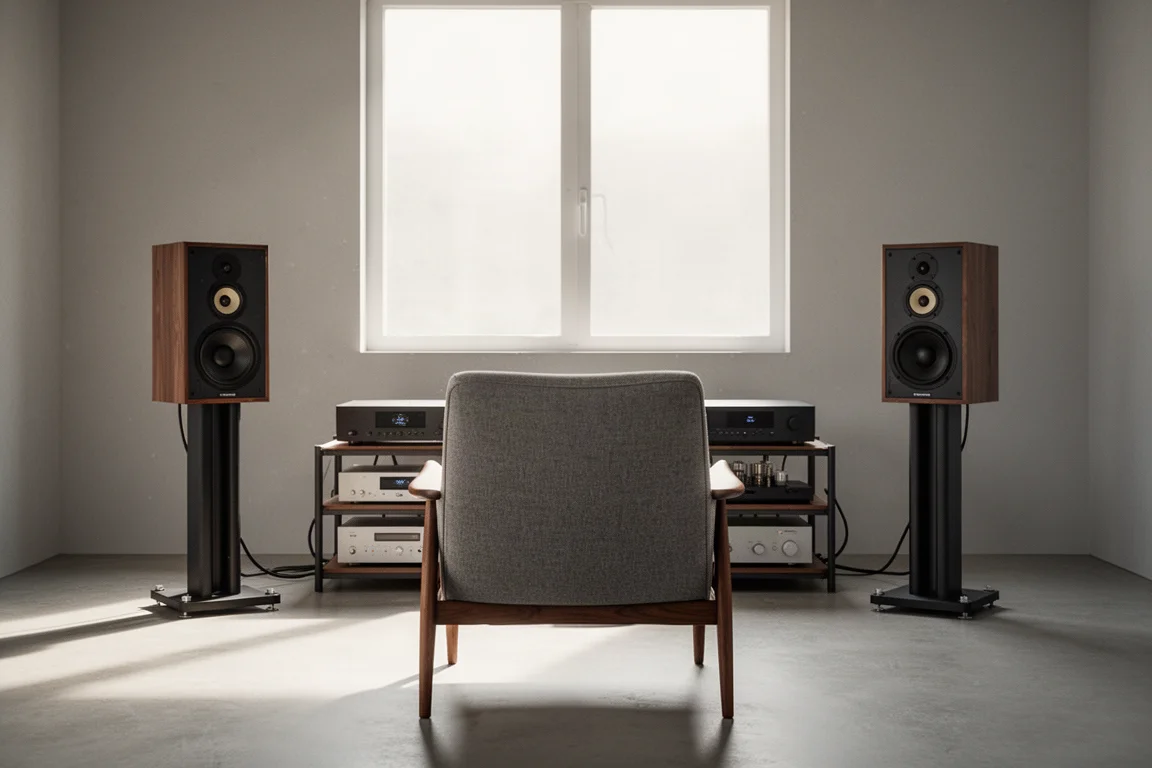
If precision matters more than warmth, the Monitor Audio Silver 100 is the most articulate option here, with timing and focus that the others cannot match, provided you can give it space away from walls and feed it decent recordings. If you want more resolution and a more natural midrange at the same price as the Wharfedale, the Dali Opticon 2 is the logical alternative, accepting that it will not reach as low or hit as hard. And if value, compact dimensions and an even-handed tonal balance are the priorities, the Q Acoustics 5020 delivers a great deal for just under £600, as long as you do not need the deeper bass and lower dynamic compression that a larger cabinet brings.
Conclusion
The Wharfedale Super Denton is not simply a nostalgia exercise. It is beautifully finished, it nods tastefully to the vintage speakers that inspired it, and it delivers exactly the sound its designer clearly intended: a small speaker with a big personality, with bass that kicks, a rich and relaxed midrange and good detail spread across a large canvas. It will divide opinion, because there are less coloured and more resolving speakers at the price, and it asks for care with setup and partnering equipment. Buy it for character, and it is an easy speaker to enjoy for years.
The alternatives each make sense on their own terms. Precision and timing point to the Monitor Audio Silver 100, resolution and a natural midrange point to the Dali Opticon 2, and compact value with a clean tonal balance points to the Q Acoustics 5020. Match the speaker to the room, the amplifier and the way you listen, and any of the four will justify the outlay.
Further reading
Related Reviews
Hi-Fi Speakers
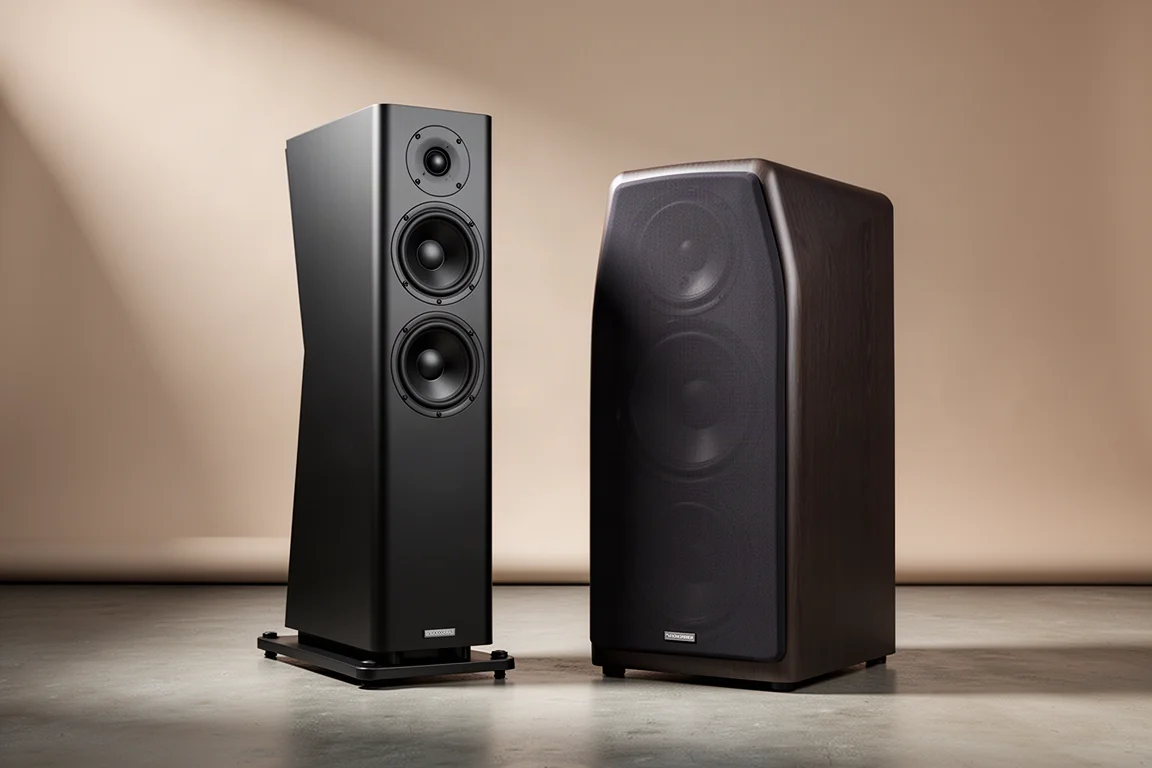
1723 THX Tower vs 1528 Bookshelf: Which Speaker Fits Your Room?
Two speakers at roughly the same price, built very differently. How the 1723 THX tower and the 1528 bookshelf compare on construction, bass, power needs, and sound.
Hi-Fi Speakers
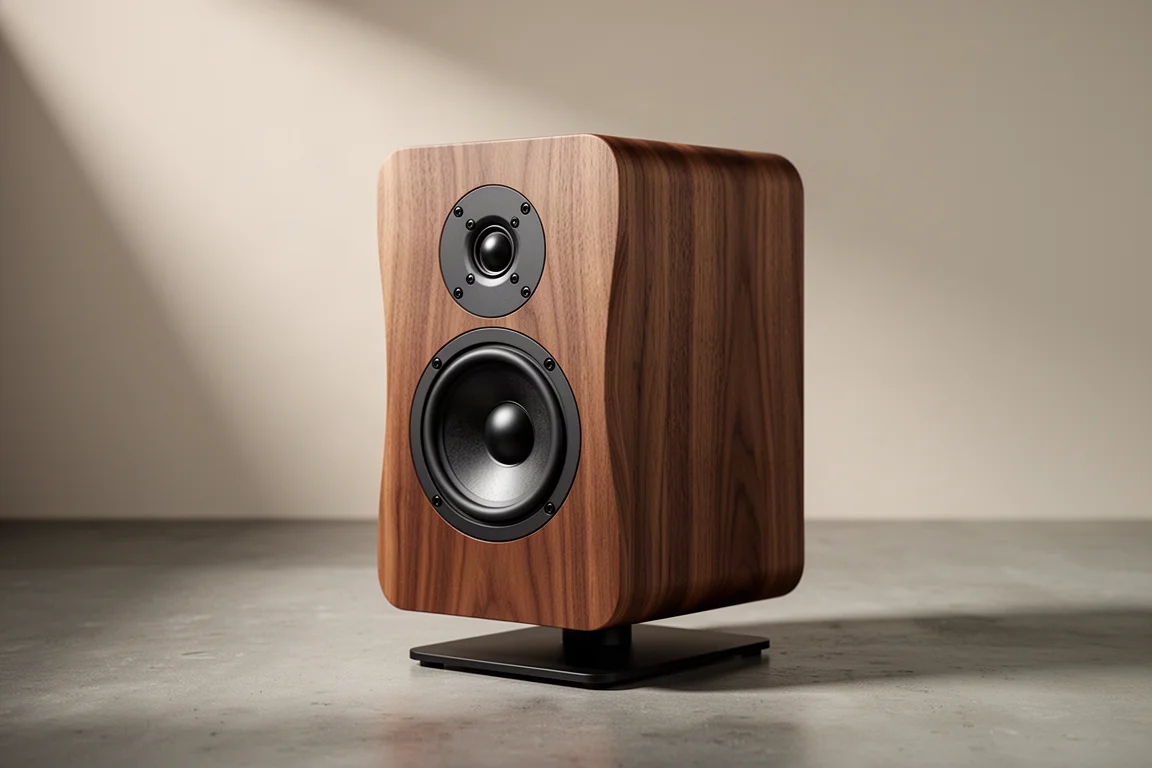
Acoustic Energy AE 300 Review: Deep Bass From a Compact Standmount
A two-way standmount with real wood veneer, surprising low-end weight, and a warm, easygoing character. Here is what to know before buying.
Hi-Fi Speakers
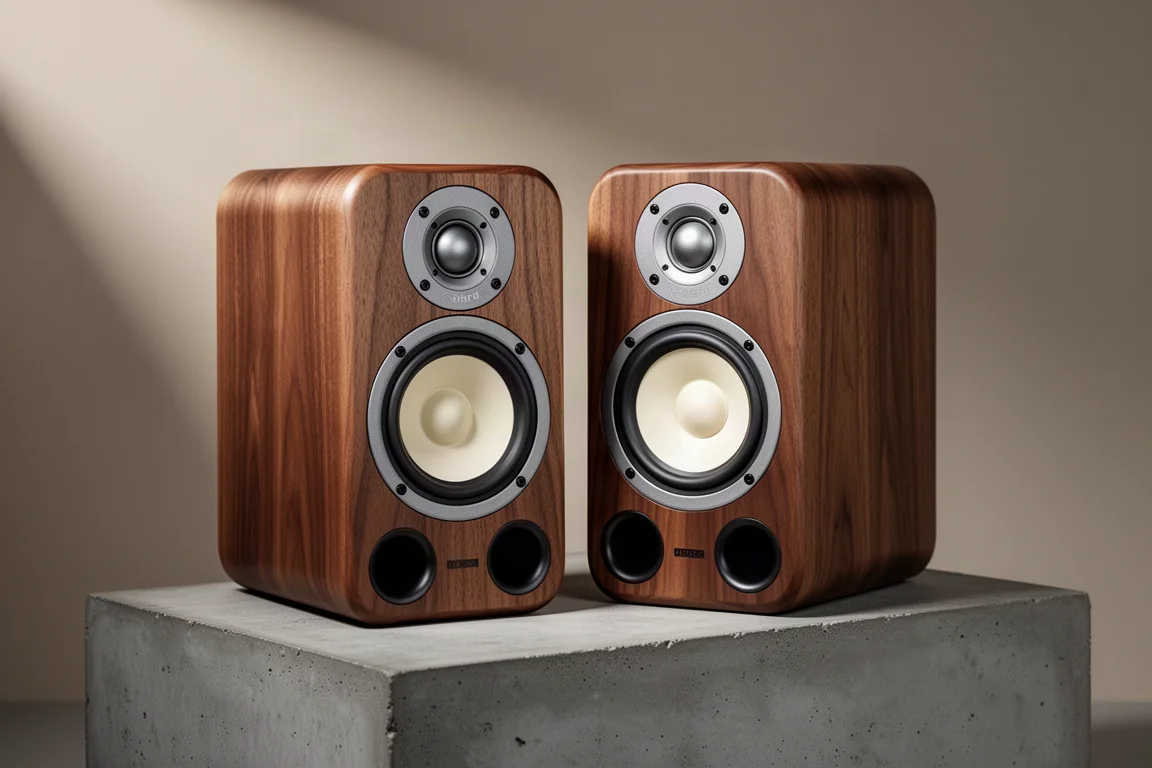
Acoustic Energy AE1 40th Anniversary Review: A Modern Take on a British Classic
A compact standmount that revives a 1980s favorite with all-new parts, a warm mid-centric balance, and a price of £1,499 per pair.