Automotive
Restore Engine Restorer and Lubricant with CSL: A 45-Day Test on a High-Mileage Truck
We ran this engine additive for 45 days in a 197,000-mile Tacoma to see if it really reduces blow-by and improves compression, or if it is just another mechanic-in-a-bottle promise.
Introduction
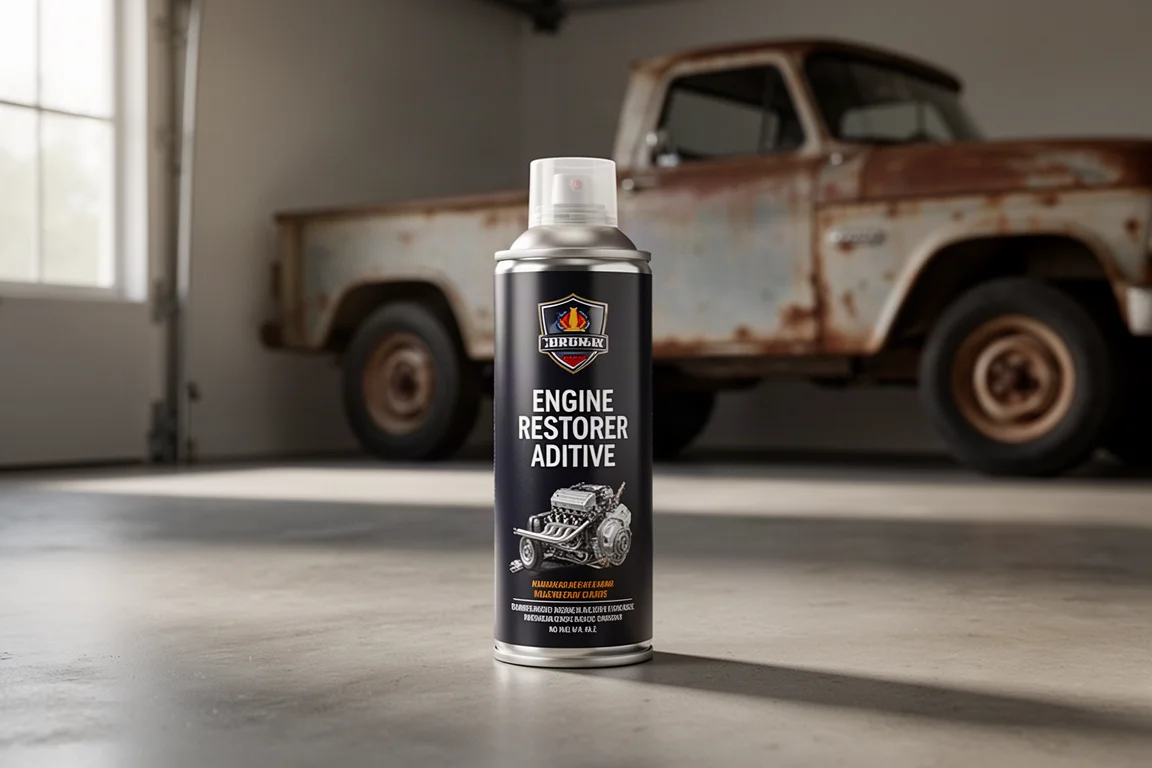
High-mileage engines and blow-by tend to go hand in hand, and there is no shortage of additives promising to reverse the wear. Restore Engine Restorer and Lubricant with CSL is one of the most well-known names in this category, so it made a good candidate for a real-world, long-duration test.
The question was deliberately simple: if an everyday owner of an older vehicle poured this in, would they actually notice anything? No compression gauges, no spark plug removal, just the two things anyone can check without special tools: visible blow-by at the oil filler with the engine running, and any change in how the truck drives.
The Test Vehicle and the Baseline
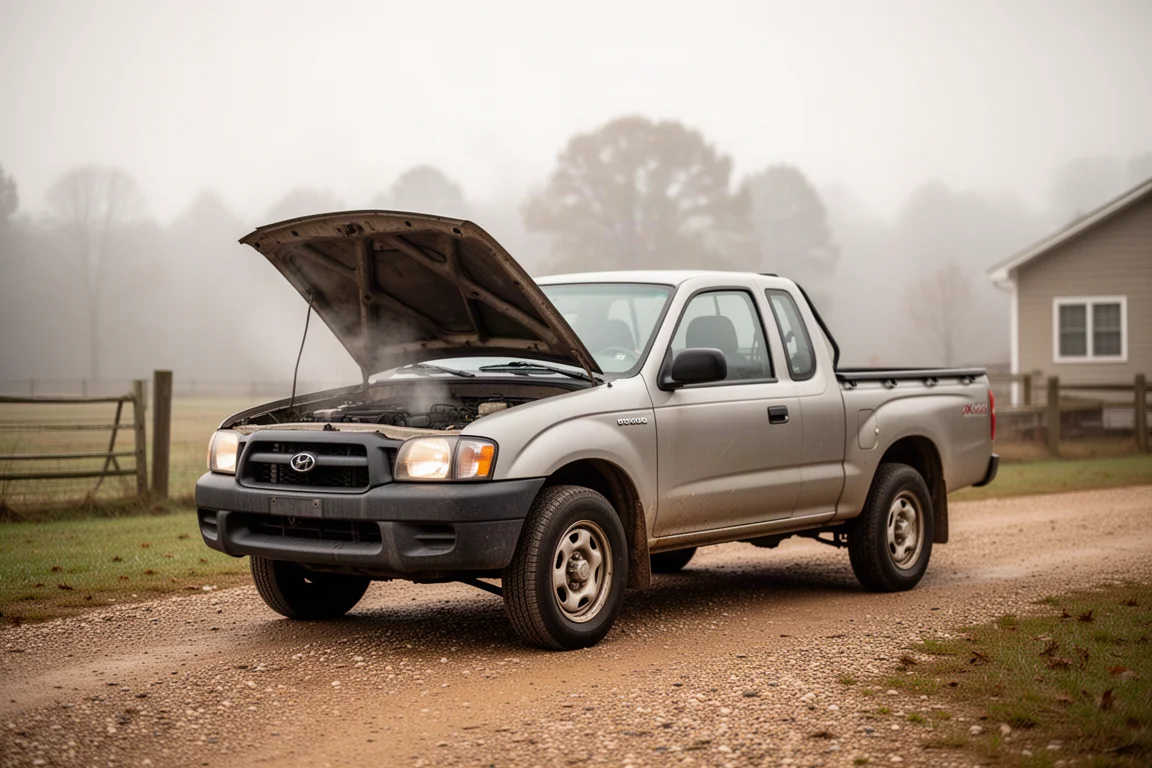
The test truck is a Toyota Tacoma with 197,000 miles on the clock. It lives a hard but slow life as a farm truck on a 10-acre property, hauling trash, tree debris, and towing small trailers over short distances. In nearly two years of ownership it has covered only around 60 miles, but it accumulates far more engine hours than road miles.
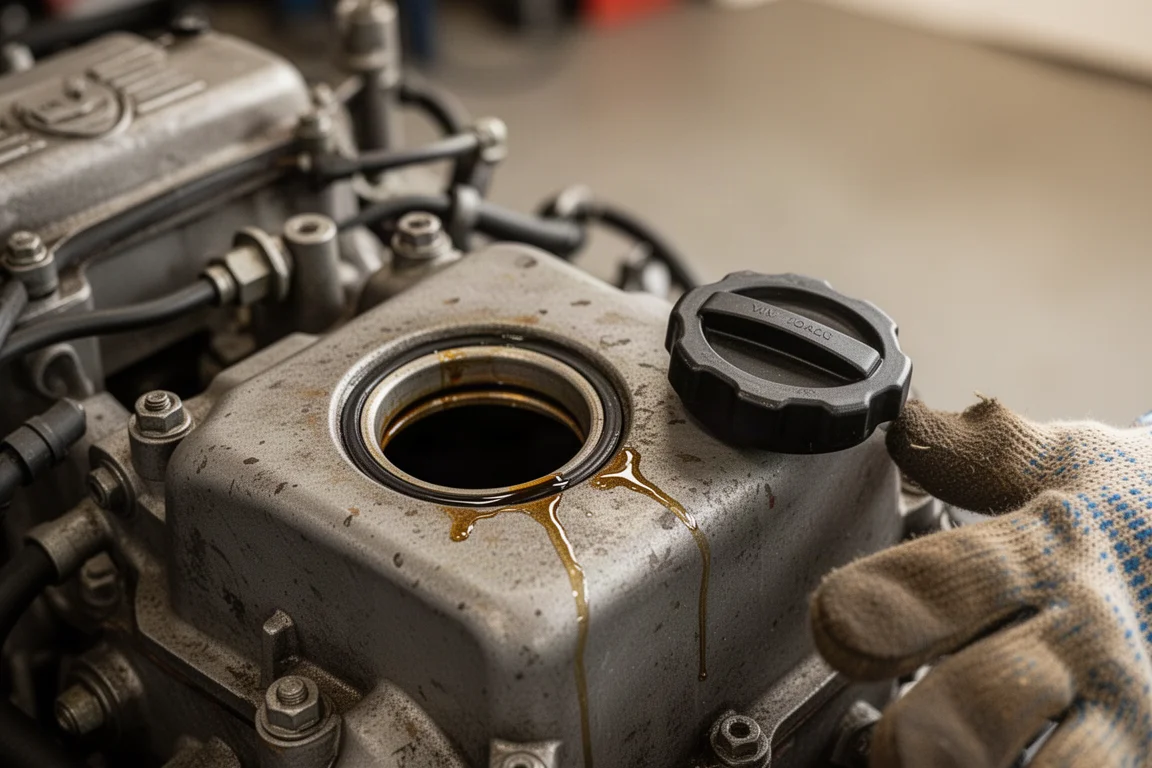
The engine starts beautifully every time, but it shows a good amount of blow-by at the oil filler, with a little oil making its way up through the port as well. The truck runs and drives fine, so a full rebuild or engine swap felt premature. Previous friction-reducer additives had produced no noticeable difference, which set a fair baseline for this test.
What the Product Actually Claims to Do
The idea behind Restore with CSL is straightforward: the additive fills in micro scratches in the cylinder walls, which is meant to improve compression and reduce the amount of oil and combustion gases slipping past the rings. It is marketed as a high-performance lubricant, and the bottle instructs you to shake well before use.
Application is simple: remove the filler cap on the bottle, attach the pouring cap, shake thoroughly, and add it to the engine. The oil in the test truck was fresh at the time, with only a handful of engine hours and less than 5 miles on it.
The Catch: It Is Not a One-and-Done Fix
This is the detail most people miss, and it changes the whole value proposition. The back of the bottle states that Restore should be used at every oil change. This is not a miracle fix-it-for-the-rest-of-the-engine’s-life product. The effect it provides wears out with the oil, much like a toothpaste you have to keep using rather than a single treatment.
At roughly eight dollars a can, the ongoing cost is modest, but it is a recurring one. If you add it at each oil change for the sake of better compression, that commitment is worth accepting only if the results justify it.
Early Results: No Instant Magic
After the first drive of about 10 minutes and half a mile of gentle use, including a warm-up to full operating temperature, there was no change at all. Performance felt exactly the same, and the blow-by looked just as strong as before.
A few days later, after two heat cycles and a good amount of running time, the result was the same. The oil cap was still getting coated, and the blow-by remained substantial. Anyone hoping for a quick turnaround in the first week should set expectations accordingly.
Results After 45 Days
The truck ran essentially every day for the next 45 days, mostly short towing trips and idle time rather than highway driving. By the end of that period, the honest assessment was: slightly less blow-by, maybe. The reduction was small enough to be subjective, and oil was still coming out of the fill port in every check.
No dramatic power gain was felt either. The engine still starts and runs fine at 197,000 miles, but if the goal was a clearly measurable improvement in either blow-by or performance, 45 days of use did not deliver an obvious one.

Should You Buy It?
This is a situational product more than a good-or-bad one. If your engine has just a little bit of blow-by, or a small to moderate amount, this additive could genuinely work well for you. If your engine has heavy blow-by like the test truck, the improvement is unlikely to justify the recurring cost, because the better compression only matters if you can actually see or feel a difference.
The check for a regular owner is simple: open the oil filler with the engine running. A heavy, oily blow-by stream suggests deeper wear that this product probably will not fix. A faint wisp suggests the kind of wear it is designed to address. Either way, remember the commitment: this goes in at every single oil change, not once.
Conclusion
Restore Engine Restorer and Lubricant with CSL is neither a bad product nor a miracle cure. It sits somewhere in the middle. For an older vehicle with mild blow-by that you want to keep running as long as possible, it is a reasonable, cheap maintenance habit. For a heavily worn engine, no bottle is going to replace real mechanical work. Judge it against your own engine’s condition, and factor in the every-oil-change requirement before deciding whether it earns a place on your garage shelf.
Product link
View more details for Restore Engine Restorer and Lubricant with CSL
This product is mentioned in the review. Check the specifications, options, and compatibility before buying.
View more details for Restore Engine Restorer and Lubricant with CSLFurther reading
Related Reviews
Automotive
Best Brake Parts Cleaner 2026: 14 Brands Tested for Speed, Cleaning Power, and Residue
We tested 14 brake parts cleaners for evaporation speed, grease removal, sludge breakdown, and residue to find the best value for your garage.

Automotive
Escort ZR6 Laser Jammers: A Hands-On Look at Features and Performance
The Escort ZR6 laser jammers offer compact heads and flexible integration, but the interface leaves room for improvement.
Automotive
LiPower Solid-State Car Battery Review: A Lighter, Longer-Lasting Upgrade
A practical look at the LiPower solid-state car battery, covering its specs, real-world performance, and how it compares to a traditional AGM battery.