Cycling Wheels
Reserve Wheels Compared: 52|63 and 40|44 Carbon Wheelsets
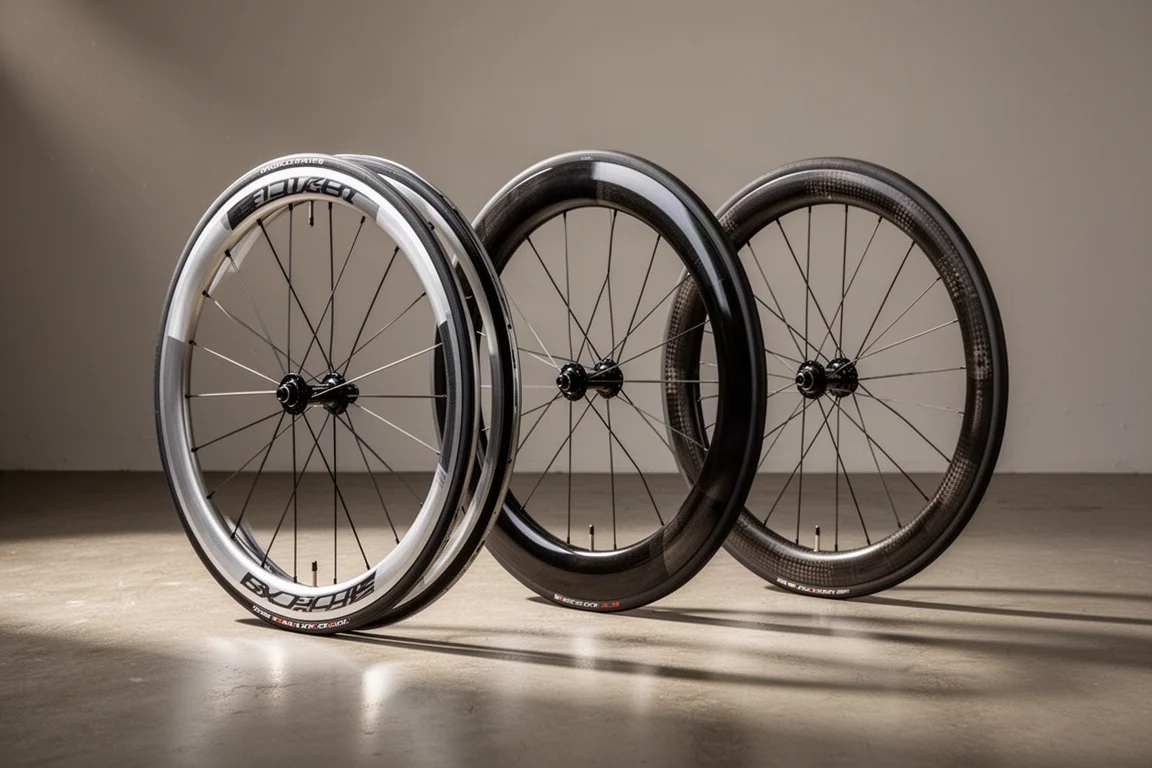
Two carbon wheelsets from Reserve, one deep and fast, one balanced and light. Here is how they differ, what they share, and which one fits your riding.
Introduction
Moving a road bike onto carbon wheels is one of the most effective upgrades you can make. It changes how the bike accelerates, how it holds speed, and how it looks standing still. The difficult part is choosing, because wheel ranges are wide and rim depth reshapes the whole character of a bike.
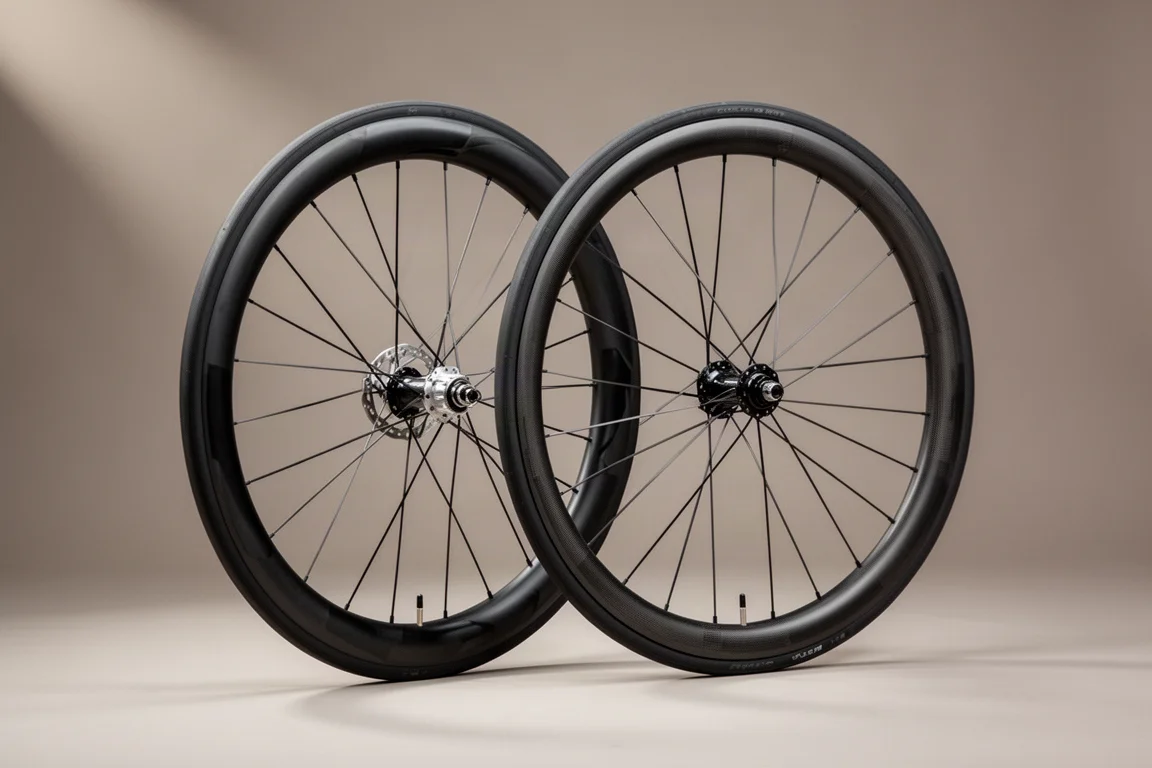
Reserve is a wheel brand that has been ridden by the most successful team in the professional peloton this season, and its range covers the full span from shallow, lightweight climbing wheelsets to deep, aero-focused ones. Two models sit at the heart of that range: the deep-section Reserve 52|63 and the mid-depth Reserve 40|44.
Both come from the same range and share the brand’s hooked bead rim construction and its approach to rim shaping. The real difference comes down to rim depth, and what you want the wheels to do for you.
How Reserve Approaches Wheel Development
Most wheel development leans on a combination of computational fluid dynamics and wind tunnel testing. Those tools are valuable, but the results do not always translate directly into real-world riding conditions.
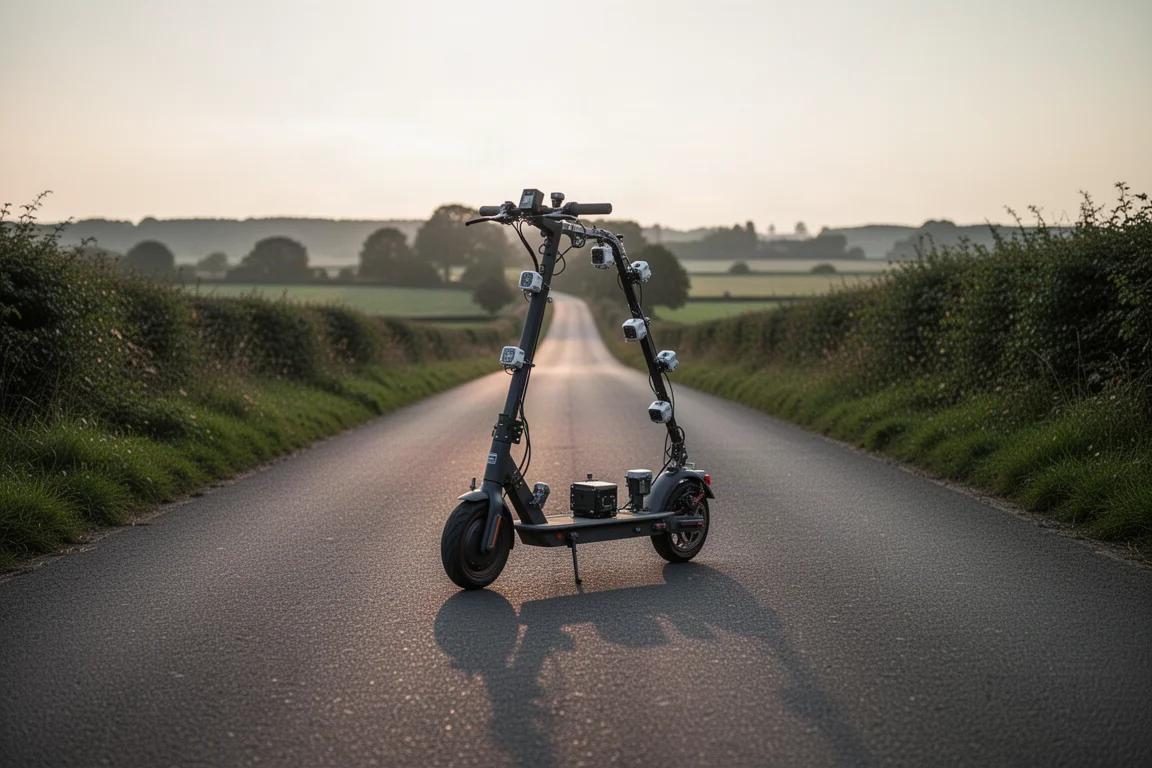
Reserve took a different route. The company built a scooter, covered it in sensors, and rode it for thousands of miles at normal bicycle speeds to gather data from genuine riding conditions. That data was then used to inform the testing and development of the wheels.
The approach appears to have paid off. The range delivers both speed and stability, and the same thinking runs through every wheelset from shallow and light to deep and fast, which is exactly the balance that makes a carbon upgrade feel worthwhile rather than merely expensive.
Reserve 52|63: Deep-Section Speed With Real-World Stability
Deep-section wheels have a reputation for being a handful. In gusty conditions they can feel unstable and erratic, and at high speed on a descent they can be genuinely sketchy. That instability is the trade-off many riders accept in exchange for aerodynamic speed.
The 52|63 upends that expectation. It is the most stable deep-section wheelset in more than 15 years of testing bikes, components, and wheels, and it holds that composure while still delivering the speed you would expect from a rim this deep. Against well-established deep aero wheelsets, outright pace is comparable, with a possible slight edge in stability, though at this end of the market the differences are marginal.
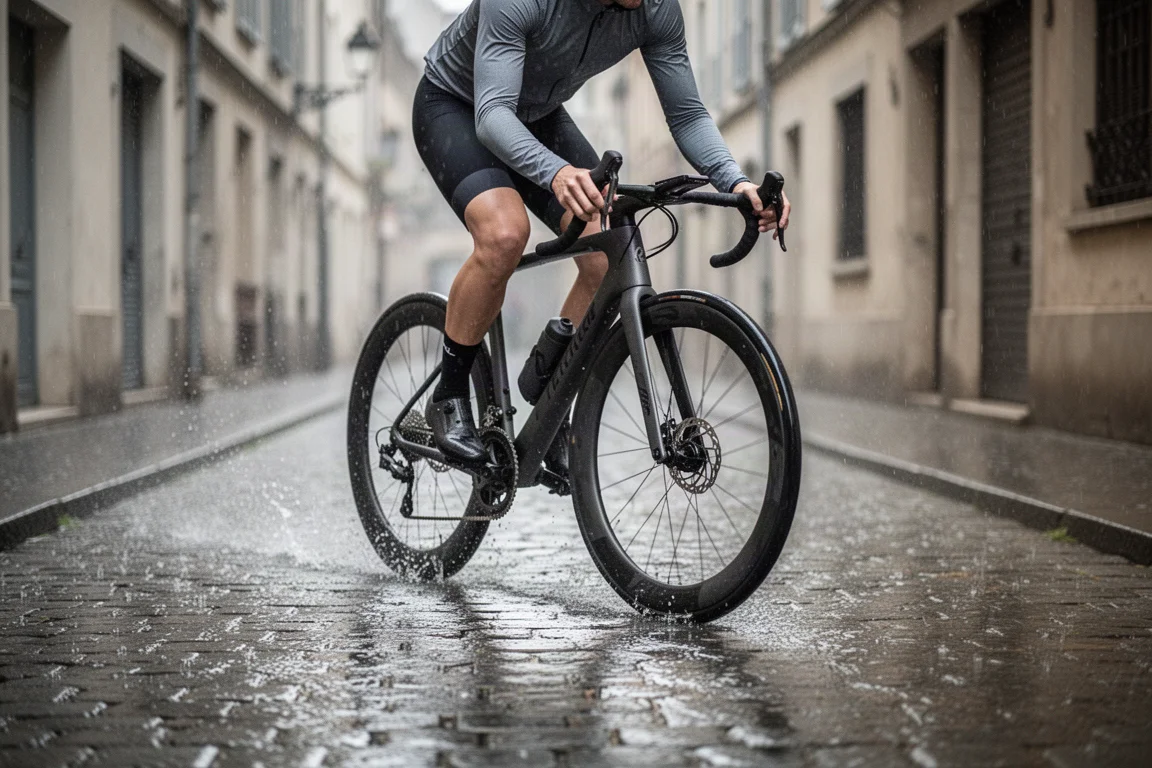
Belgian spring conditions are about as harsh a test as a wheel can face, and the 52|63 came through them convincingly. On cobbles, with 28mm tires inflated to 55 to 60 PSI, the ride stayed comfortable and smooth. On the road sections between the stones, the aerodynamic benefit came back into play and translated into real speed. Wind and rain did nothing to unsettle them, and the wheels offered the stability of a much shallower rim wrapped in the pace of a deep one.
Reserve 40|44: The Balanced All-Rounder
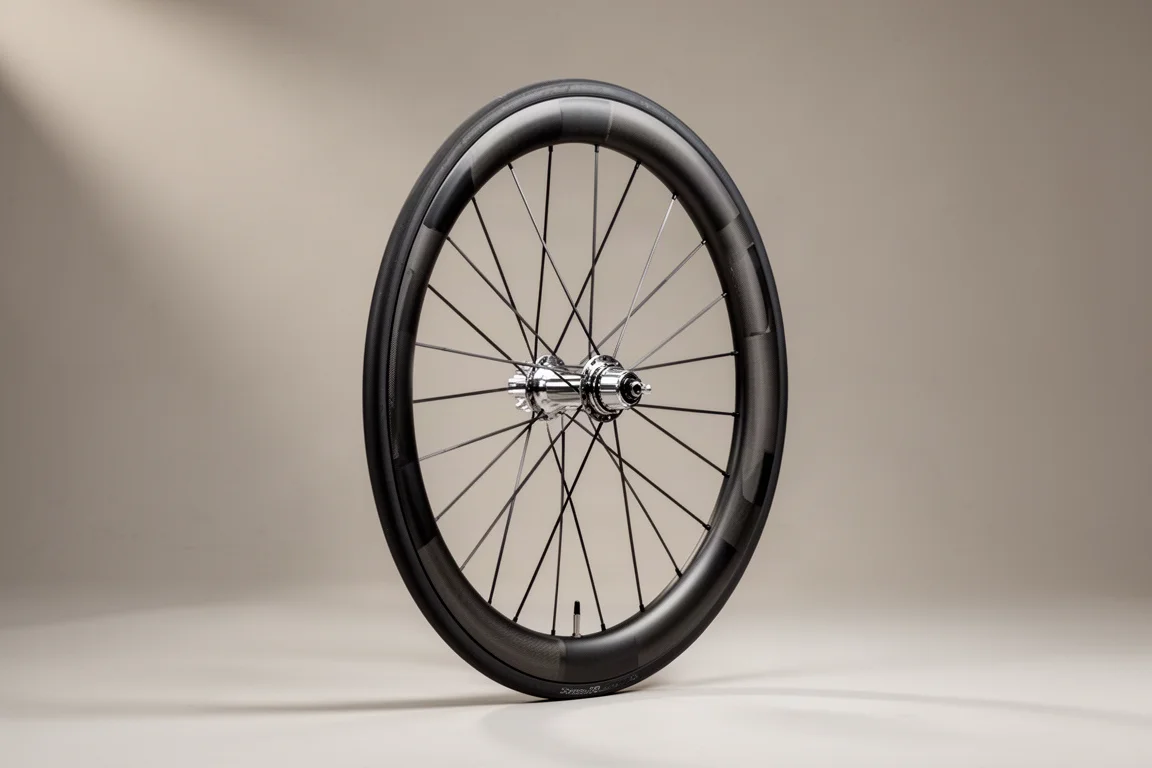
The 40|44 is the easiest recommendation in the range because it refuses to pick a side. It balances low weight against good aerodynamics, which makes it a genuine do-it-all option whether you are riding, racing, or training.
That balance is the point. If you cannot decide between going superlight or going full aero, the 40|44 sits in the middle and does both jobs well. With DT Swiss 180 hubs, it comes in below 1,400 grams, a very competitive figure for a wheelset of this type.
Build Details and Ownership
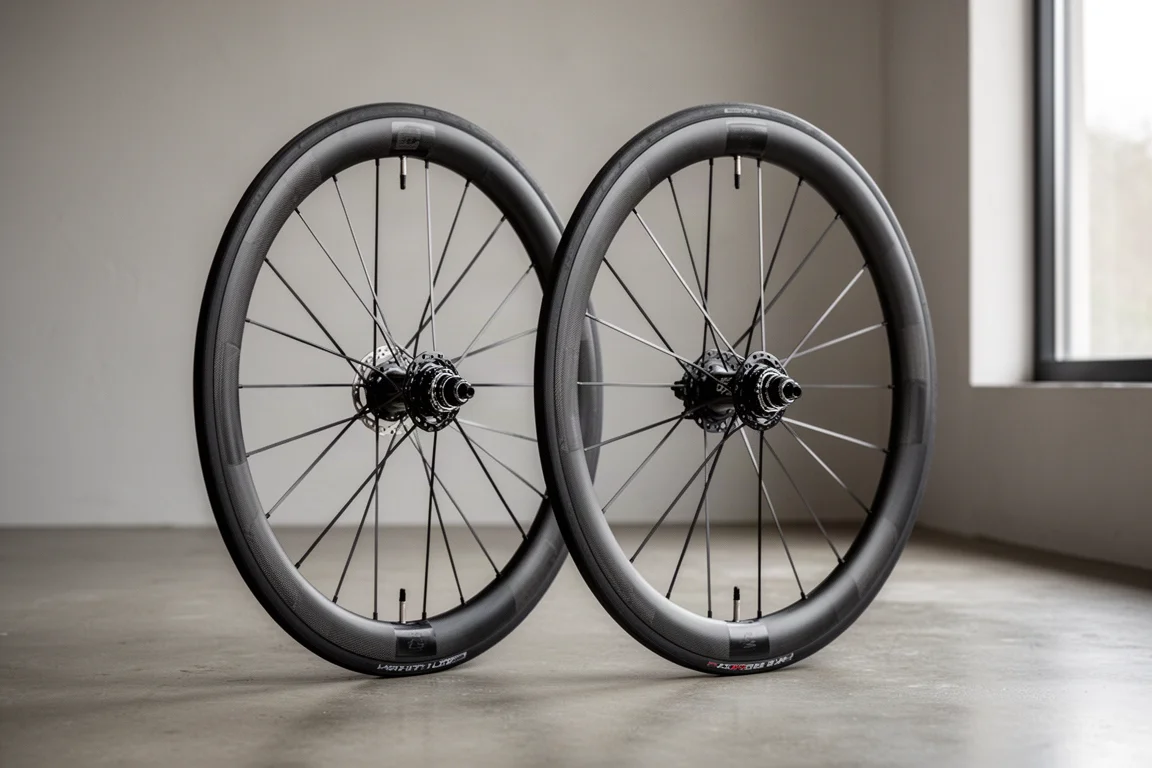
Across the range, the front and rear rims are deliberately different. The front rim is wider, shallower, and rounder, with handling and stability in crosswinds as its priority. The rear rim is deeper, narrower, and uses a different cross section, which is what allows a deep wheelset to stay predictable when the wind picks up.
Reserve has also gone against the prevailing direction of the wheel market by using a hooked bead rather than a hookless design. That gives you the choice of tubeless tires or clinchers with inner tubes, so you can run whatever setup you prefer. Fitting a tubeless Continental GP5000 S TR was straightforward with a normal track pump, with no fuss and no hassle, and all of the wheels were ridden on 28mm tires to keep that variable consistent.
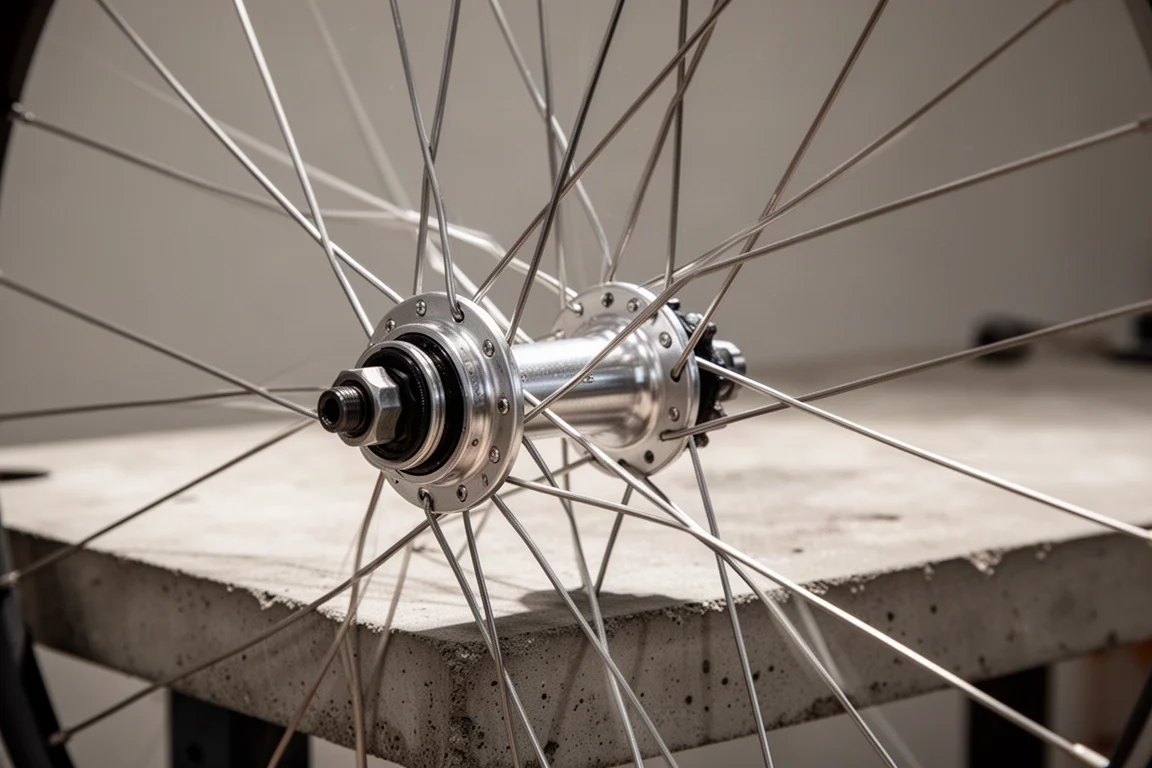
The ownership details are reassuring too. DT Swiss hubs are a known quantity for both performance and easy servicing, the Aeroblade spokes and external nipples make maintenance simpler if a wheel ever needs truing, and the wheels stayed true and reliable throughout months of use. A lifetime warranty is included, which matters when you are spending real money on carbon and want the reassurance that you will be looked after if something goes wrong. The finish is understated as well, with small logos on the rims and no loud decals, so the wheels look right on anything from a workhorse road bike to a top-tier race frame.
For riders who prioritize climbing, the range also includes a lighter option at around 1,300 grams with DT Swiss 180 hubs, which puts it in the same ballpark as comparable premium wheelsets.
Buying Advice: Choosing Between the Two Wheelsets
Both wheelsets share the same hooked bead construction, the same easy tubeless setup, and the same lifetime warranty, so the decision comes down to rim depth and the riding you actually do.
Choose the 52|63 if you want deep-section speed and are not willing to accept the usual crosswind penalty that comes with it. It is the pick for riders who want aerodynamic gains on fast roads and confidence when the conditions turn.

Choose the 40|44 if you would rather have one wheelset that handles everything, from training rides to race day, without forcing a choice between lightweight and aero. Pricing across the range is fairly reasonable, not cheap but not excessively expensive either, which makes either option a considered purchase rather than an impulse one. The good news is that the fundamentals, including the hubs, the hooked bead, and the warranty, are shared, so you are choosing a ride character rather than a level of quality.
Conclusion
Reserve has built a range that earns its place on the shortlist. The development process was grounded in real-world riding data rather than tunnel figures alone, and the results show in how the wheels behave on the road. The 52|63 proves that a deep rim can be fast and stable at the same time, while the 40|44 is the smart all-rounder for riders who want one wheelset to cover everything. Whichever depth suits your riding, the combination of DT Swiss hubs, a hooked bead, external nipples, and a lifetime warranty makes either choice easy to live with.
Further reading
Related Reviews
Cycling Wheels
Aero vs Lightweight Carbon Wheels: Hunt 60 Limitless and Hunt 32 Aerodynamicist Compared
Deep-section aero wheels and featherweight climbing wheels promise different things. Controlled real-world testing on flat laps and a steep climb shows where each set actually gains time.
Cycling Wheels
Best Carbon Road Bike Wheels 2026: Six Standouts From Entry Level to Premium
A practical guide to carbon road bike wheels across six price brackets, covering rim width, rim depth, hub engagement and what each step up actually buys.
Cycling Wheels
Best Rim Brake Road Wheels: Six Options From Budget to Premium
Six rim brake road wheelsets covering nearly every price point, from a value alloy set to sub-kilogram tubulars, plus advice on custom builds and buying secondhand.