Cycling Wheels
Reserve Carbon Wheels Buying Guide: Deep, Balanced and Lightweight Options
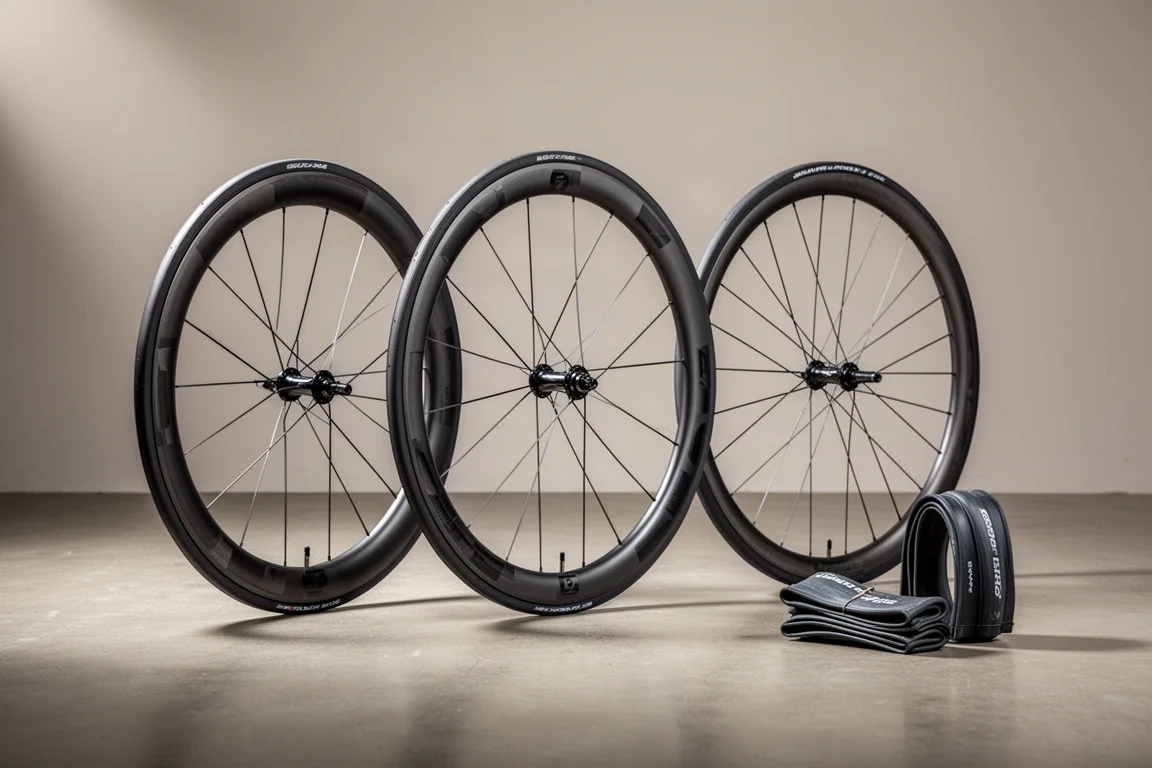
A practical look at the Reserve carbon wheel range, from the deep-section 52|63 and the balanced 40|44 to the DT Swiss 180 hub builds and the Continental GP5000 S TR tubeless tire.
Introduction
Carbon wheels are one of the most effective upgrades available for a road bike, and the market now stretches from shallow climbing rims to deep aero hoops. Reserve has become a prominent name in that conversation this season, with its wheels used by the most successful team in the professional peloton.
This guide looks at three directions in the range: the deep-section 52|63, the balanced 40|44, and a lighter build that uses DT Swiss 180 hubs. It also covers the Continental GP5000 S TR, the tubeless tire that makes the whole setup straightforward.
What to Look For in a Carbon Wheelset
Three factors shape how a carbon wheelset behaves in the real world: rim depth, crosswind stability, and how easy the wheels are to live with and service.
Depth is the first decision. Deeper rims are faster in a straight line, while shallower rims are lighter and calmer once the wind picks up. Reserve handles that trade-off by shaping the front and rear rims differently. The front wheel is wider, shallower and rounder, which puts the emphasis on handling and stability in crosswinds. The rear wheel is deeper, narrower and uses a different cross-section.
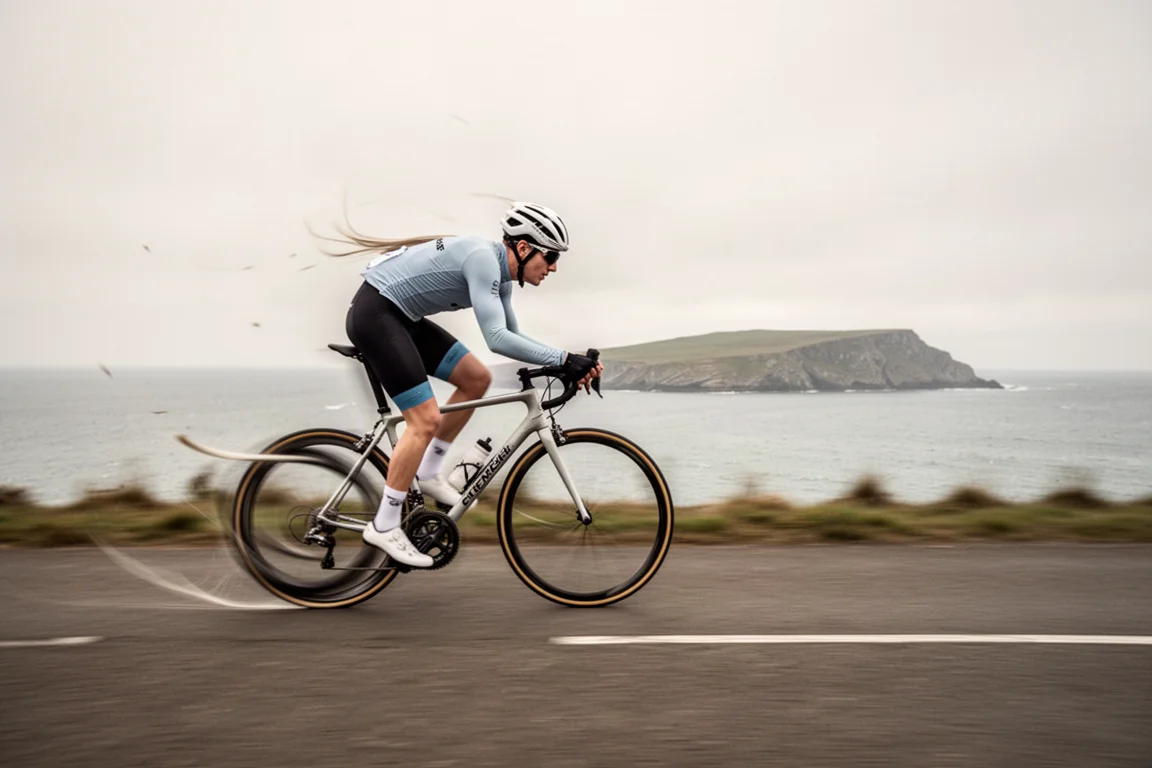
Tire compatibility is the second consideration. Reserve uses a hooked bead rather than the hookless design that has become common, so the wheels can be run tubeless or with inner tubes, depending on preference.
The third is long-term ownership. Hubs from a known manufacturer make servicing predictable, and a lifetime warranty is worth weighing when the outlay is significant.
Reserve 52|63: Deep-Section Speed Without the Nervousness
Deep rims have a reputation for being a handful in gusty conditions, particularly at speed on a descent. The 52|63 is the deepest option in the range, and it was developed specifically to address that weakness. Across months of riding it proved stable in windy, gusty weather and predictable in exactly the moments where a deep wheel usually feels nervous.
The development process behind it is unusual. Rather than relying only on CFD and wind tunnel testing, the brand built a sensor-covered scooter and rode thousands of miles at normal bicycle speeds, using the collected data to inform the design. Judging by the speed and stability of the finished wheels, that approach has paid off.
Reserve 40|44: The Balanced All-Rounder
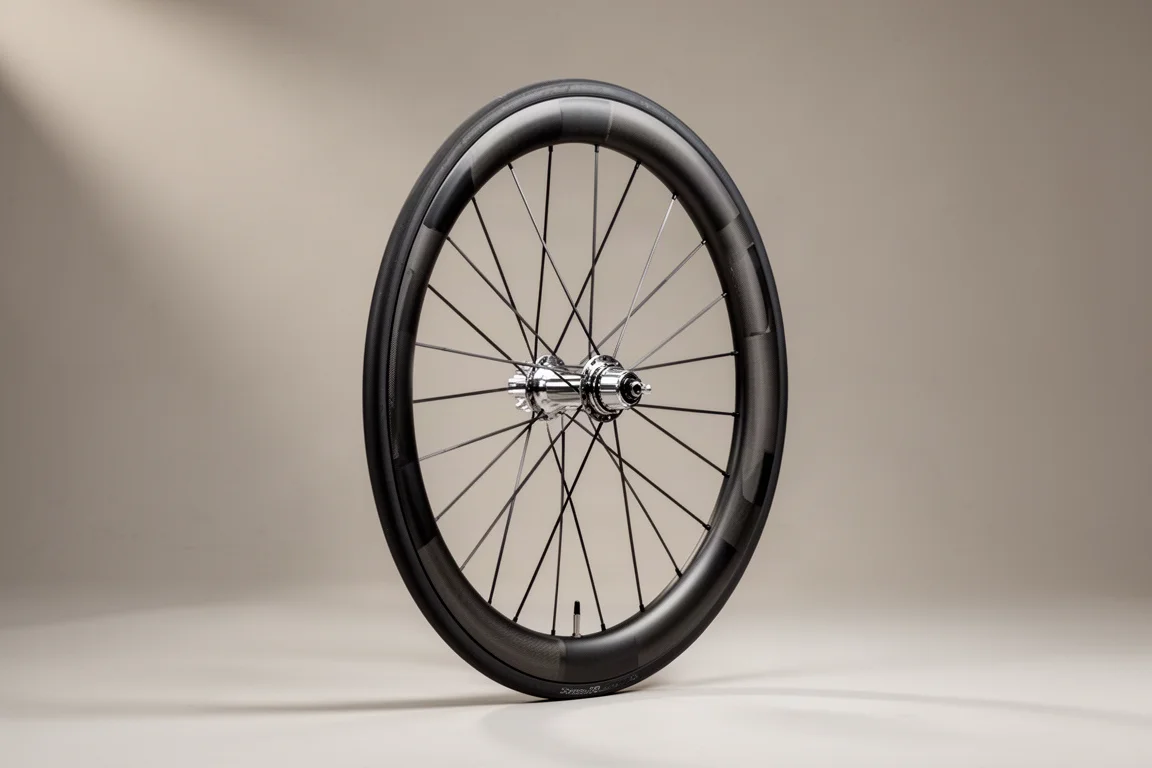
The 40|44 is the mid-depth option, and for many riders it will be the easiest recommendation in the range. It balances low weight with good aerodynamics rather than chasing either extreme, which makes it a sensible choice for racing, training and everything in between.
With DT Swiss 180 hubs, the wheelset comes in below 1,400g on the scales, a competitive figure for this category. That combination of reasonable weight and useful aero performance is what turns it into a genuine do-it-all set rather than a specialist tool.
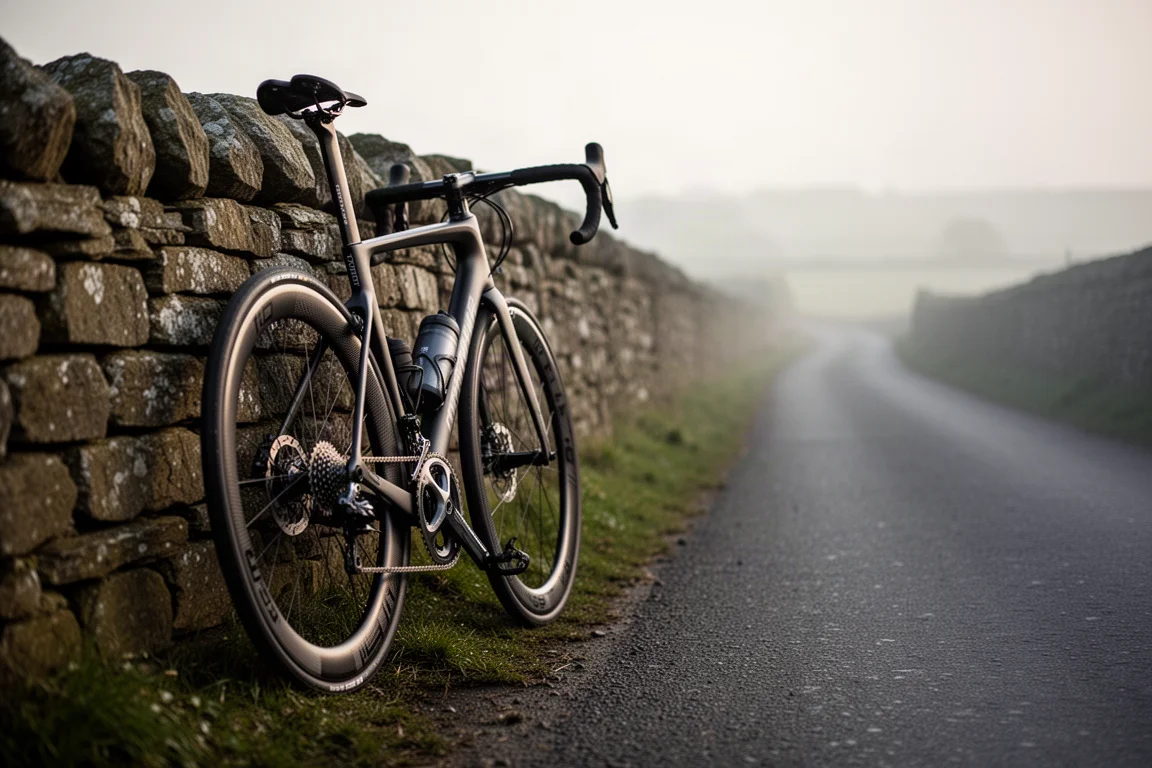
If you cannot decide between a superlight climbing wheel and a deep aero wheel, the 40|44 is the compromise that gives up the least on either side.
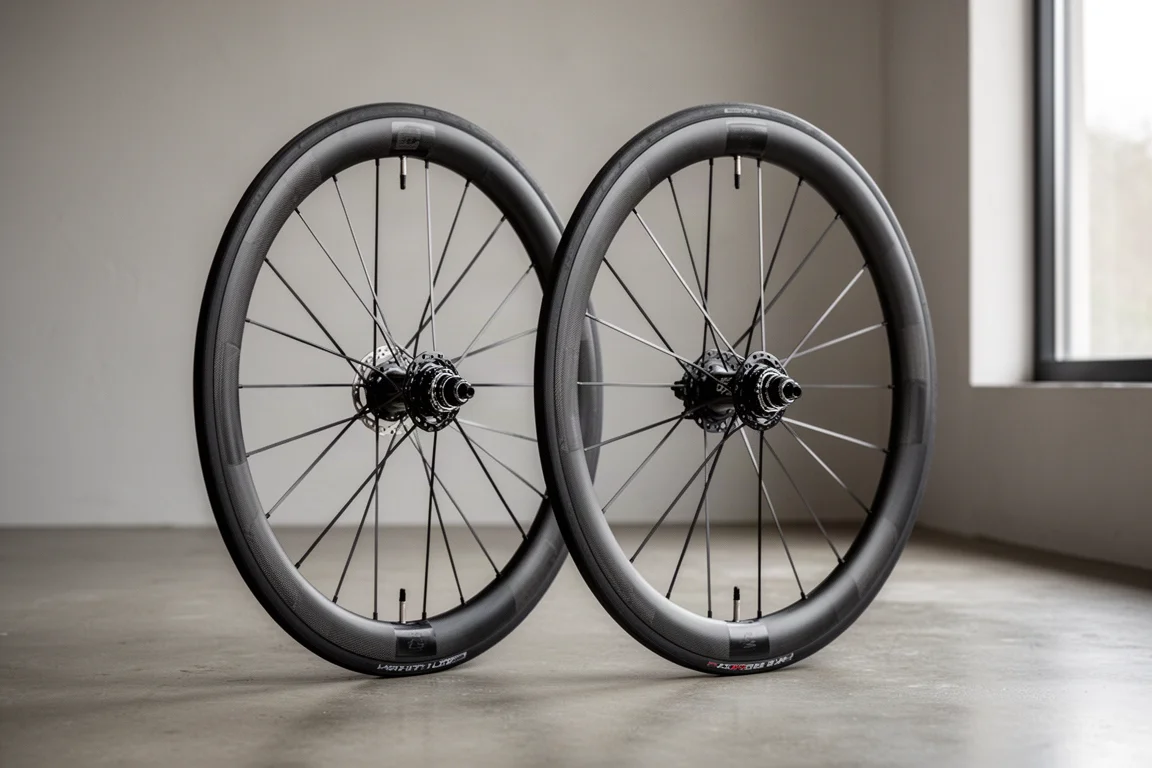
DT Swiss 180 Hubs and Build Details
Hubs rarely get much attention, but they influence both the feel of a wheelset and how simple it is to maintain. The DT Swiss 180 hubs used here are a known quantity, with predictable performance and straightforward servicing. They also help keep build weights competitive. The brand’s lightest offering, built around the same hubs, comes in at around 1,300g, which places it in the same ballpark as other lightweight carbon wheelsets without being the outright lightest on the market.
Elsewhere in the build, Aeroblade spokes and external nipples make maintenance easier. The wheels stayed true and reliable throughout testing, and the fact that a spoke key can be used on the nipples if a wheel ever needs straightening is a useful detail rather than a headline.
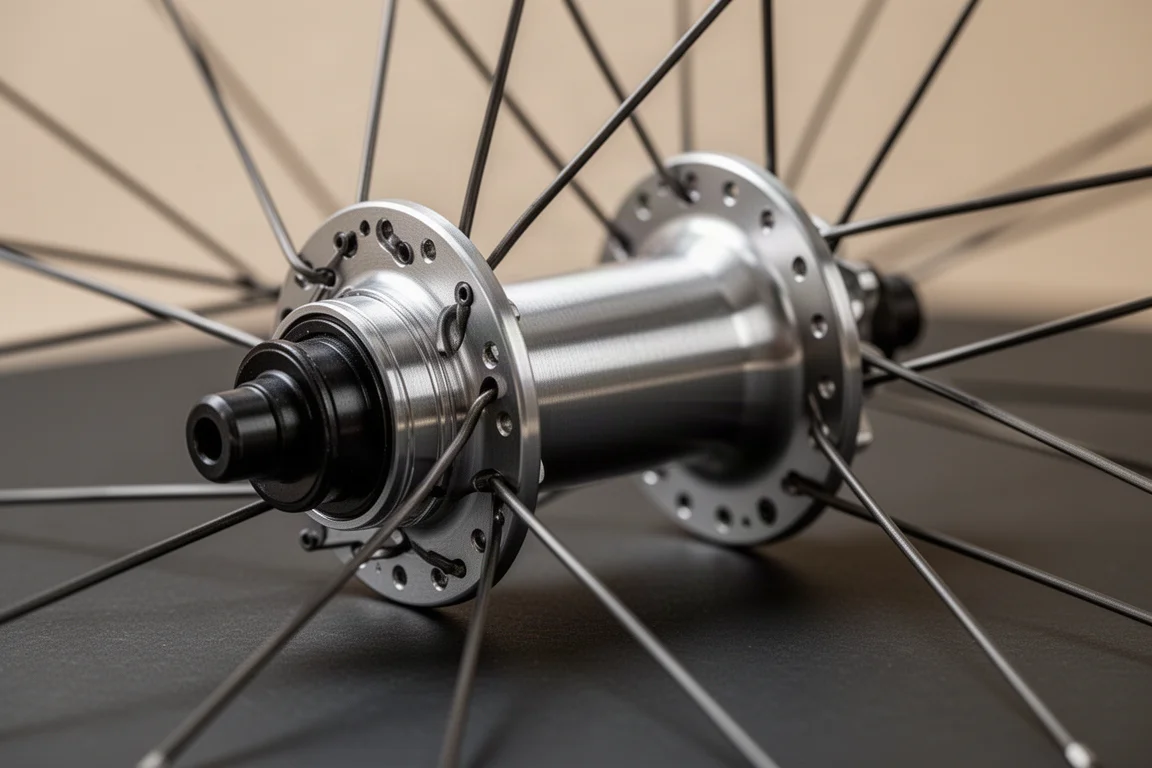
Continental GP5000 S TR: Fuss-Free Tubeless Setup
Tubeless setup is where many wheelsets lose goodwill, and it is often the difference between a wheel that gets used and one that sits in the garage. With the Continental GP5000 S TR, installation was straightforward using a normal track pump, with no special equipment and no wrestling with the bead.
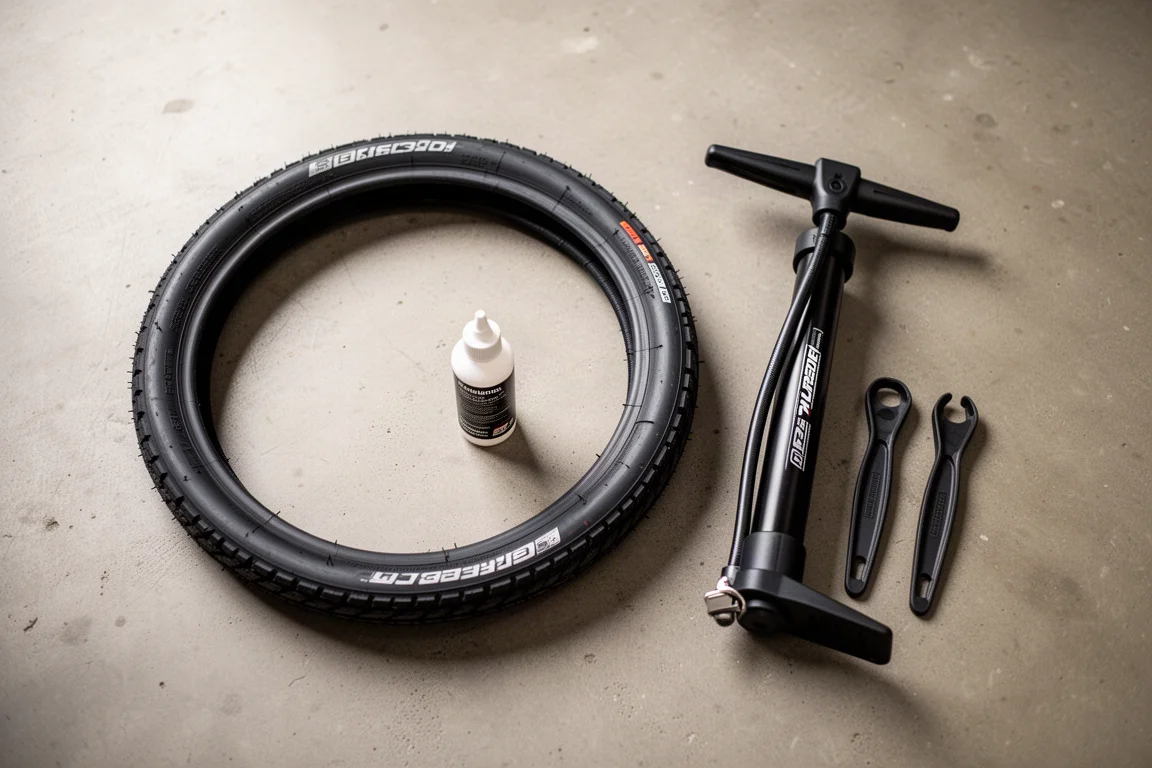
Because the rims use a hooked bead, the same tire can also be run with inner tubes, which gives riders a fallback for training or for a quick roadside repair. The same 28mm width was used across every wheelset compared here, which keeps the differences between them meaningful, and the GP5000 S TR is what made that consistency possible.
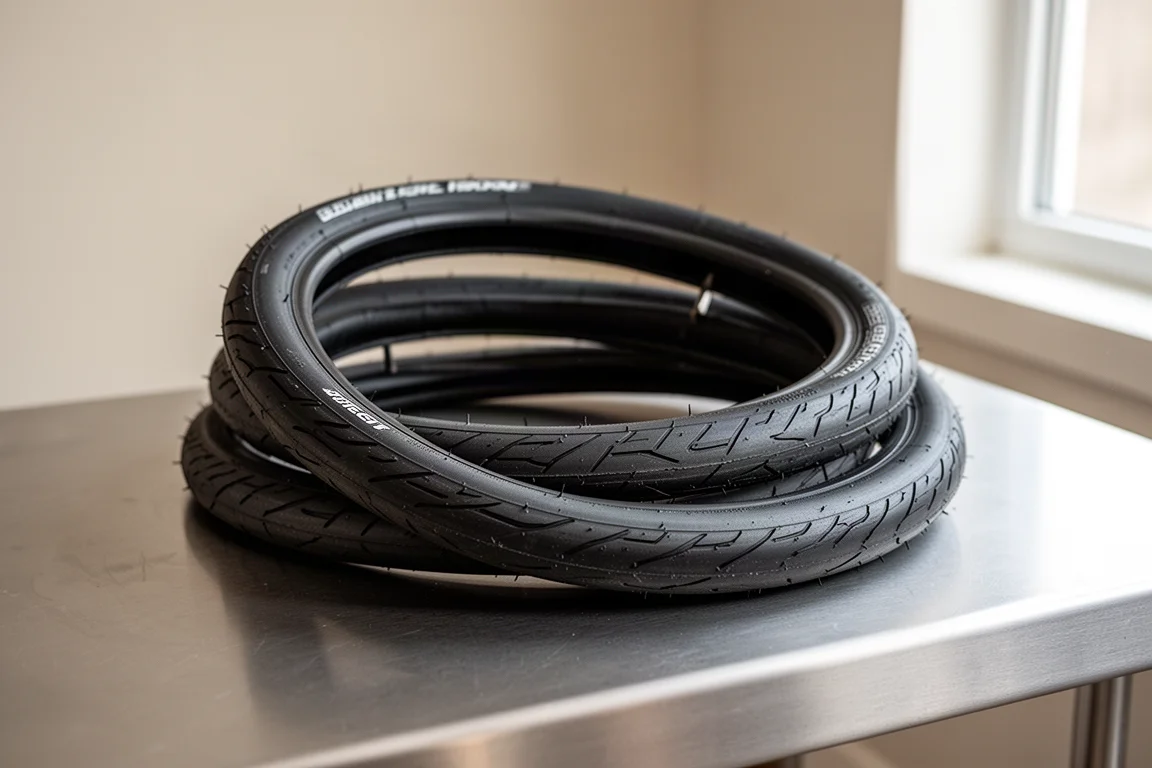
Ride Quality and Real-World Handling
Cobbles are one of the harshest tests a wheel can face, and they are a good indicator of how a wheelset will behave on rough tarmac. With 28mm tires inflated to between 55 and 60 PSI, the wheels delivered impressive comfort and smoothness over cobbled sections, while the aero benefits returned on the smoother road stretches in between.
Wind and rain did not unsettle them either, which matters in conditions where a nervous front wheel forces a rider to slow down. On steep gradients the lighter options feel nimble and agile underneath, and they help keep momentum when the road pitches up sharply.
Buying Advice
Choose the 52|63 if outright speed is the priority and you ride in the kind of gusty conditions that usually make a deep rim a compromise; this is the set designed to remove that penalty. Choose the 40|44 if you want one wheelset that covers racing, training and long rides without obvious weaknesses.
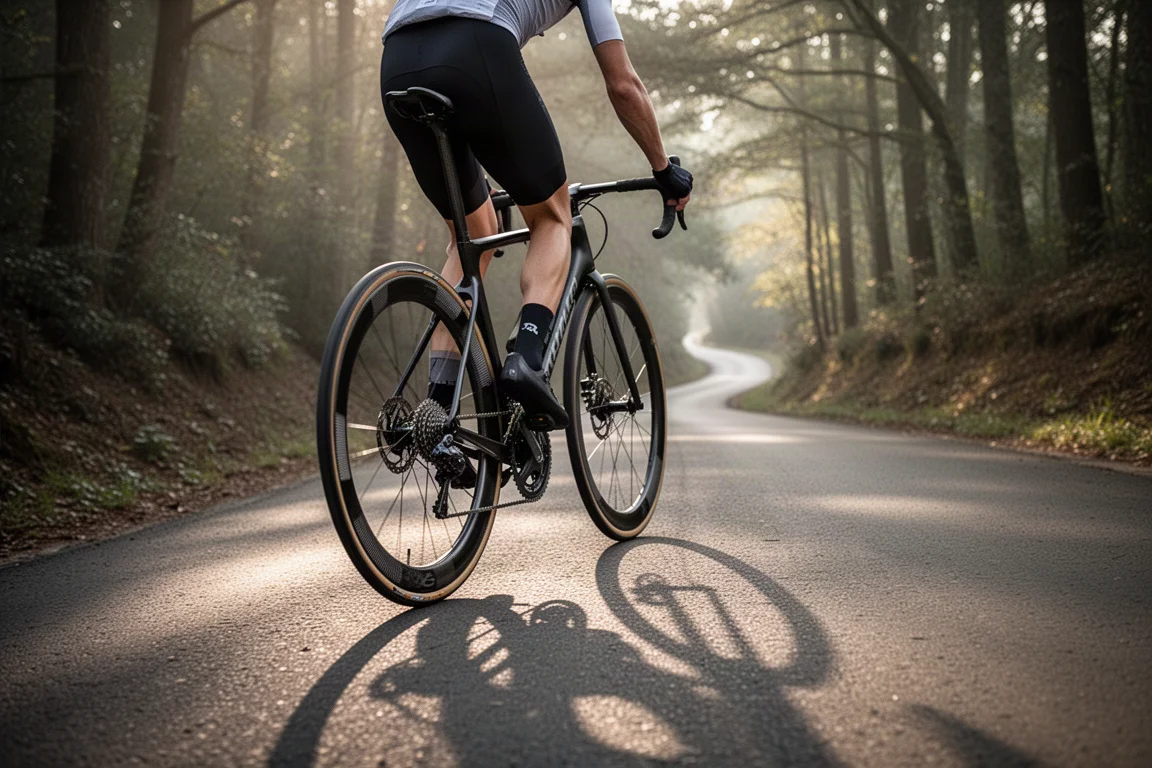
If you are already settled on a wheelset, the two supporting choices are simpler. Hubs from DT Swiss keep servicing predictable and weights competitive, while a hooked bead rim opens up both tubeless and inner tube setups, with the GP5000 S TR as a proven tubeless pairing.
Whichever direction you take, the shared details matter: a lifetime warranty, serviceable hubs and external nipples, and an understated finish that looks at home on almost any road bike.
Conclusion
Reserve’s range covers the three broad directions a road rider can take: deep and fast, balanced and versatile, or light and climbing-focused. The 52|63 stands out for combining deep-section speed with stability that holds up in gusty conditions, the 40|44 is the sensible all-rounder for most riders, and the DT Swiss 180 hubs and Continental GP5000 S TR make the whole package easier to live with day to day.
Further reading
Related Reviews
Cycling Wheels
Aero vs Lightweight Carbon Wheels: Hunt 60 Limitless and Hunt 32 Aerodynamicist Compared
Deep-section aero wheels and featherweight climbing wheels promise different things. Controlled real-world testing on flat laps and a steep climb shows where each set actually gains time.
Cycling Wheels
Best Carbon Road Bike Wheels 2026: Six Standouts From Entry Level to Premium
A practical guide to carbon road bike wheels across six price brackets, covering rim width, rim depth, hub engagement and what each step up actually buys.
Cycling Wheels
Best Rim Brake Road Wheels: Six Options From Budget to Premium
Six rim brake road wheelsets covering nearly every price point, from a value alloy set to sub-kilogram tubulars, plus advice on custom builds and buying secondhand.