Backpacking Gear
Remote Backpacking Gear List 2026: 12 Items That Held Up Off Trail
A field-tested ultralight backpacking kit for a 10-day off-trail route in the Canadian Rockies, with what earned its place and what to reconsider.
Introduction
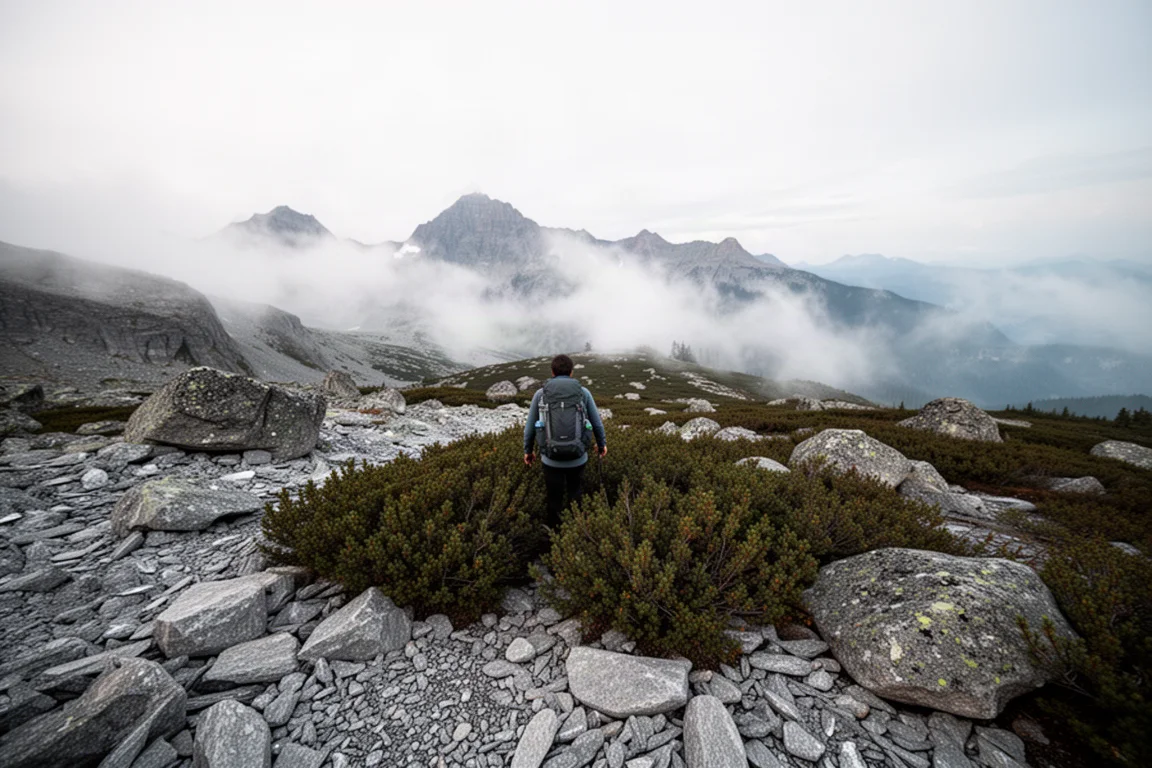
Some routes test a kit far more than others. The Great Divide route, the off-trail extension of the Great Divide Trail along the Continental Divide in the Canadian Rockies, is one of them. Around 80 percent of the route has no trail, there are no established campgrounds, and help can be days away.
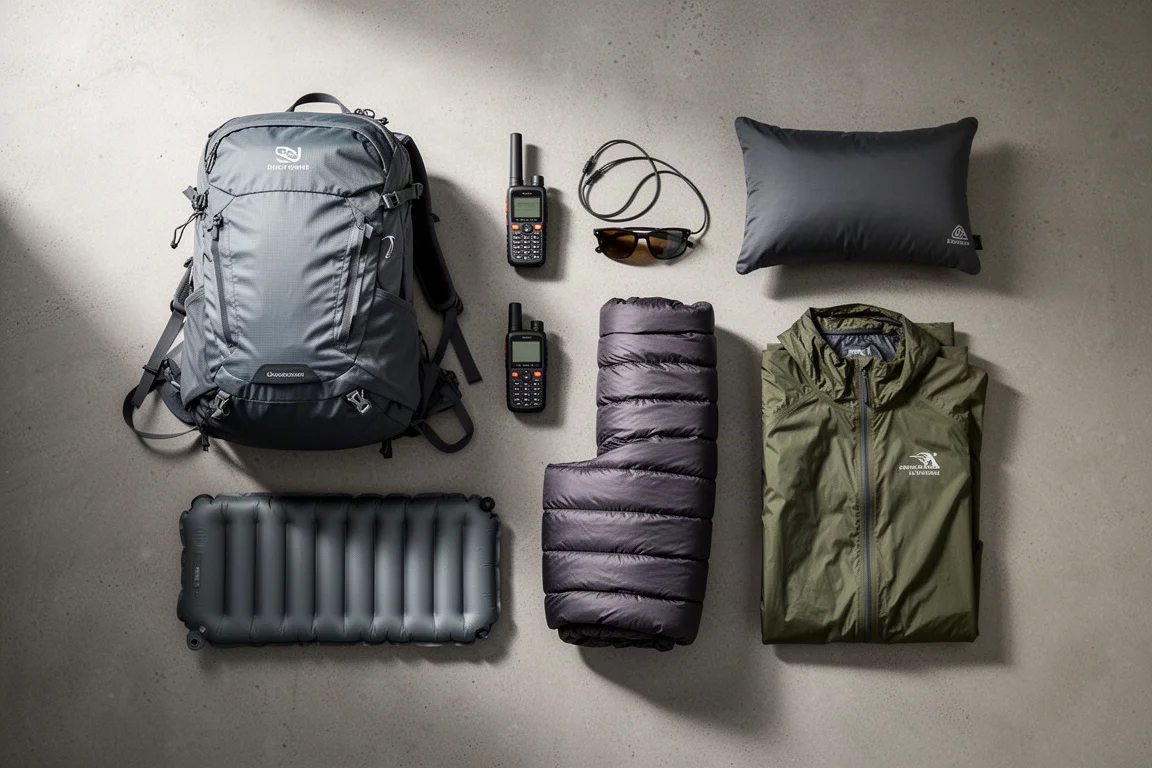
Gear for that kind of terrain has to be reliable and versatile, yet light enough to support up to 10 days of self-sufficient travel. This list covers the items that earned their place across more than 100 miles of off-trail backpacking in wind, rain, and sub-freezing temperatures, along with what did not work and what would change next time.
What This Trip Demanded
Three constraints shaped every choice. First, almost no trail, which means constant bushwhacking and heavy wear on anything carried on the outside of a pack. Second, no established campsites, so shelters and sleep systems had to perform on whatever ground was available. Third, genuine distance from help, which puts a premium on communication gear and on equipment that fails gracefully rather than completely.
Weight mattered, but not at any cost. A long food carry sets a floor on pack weight, and several items were accepted at a small weight penalty because reliability was clearly better. The sections below explain where that trade-off paid off and where it did not.
LiteAF Curve 40: Volume, Carry Comfort, and Smart Pockets
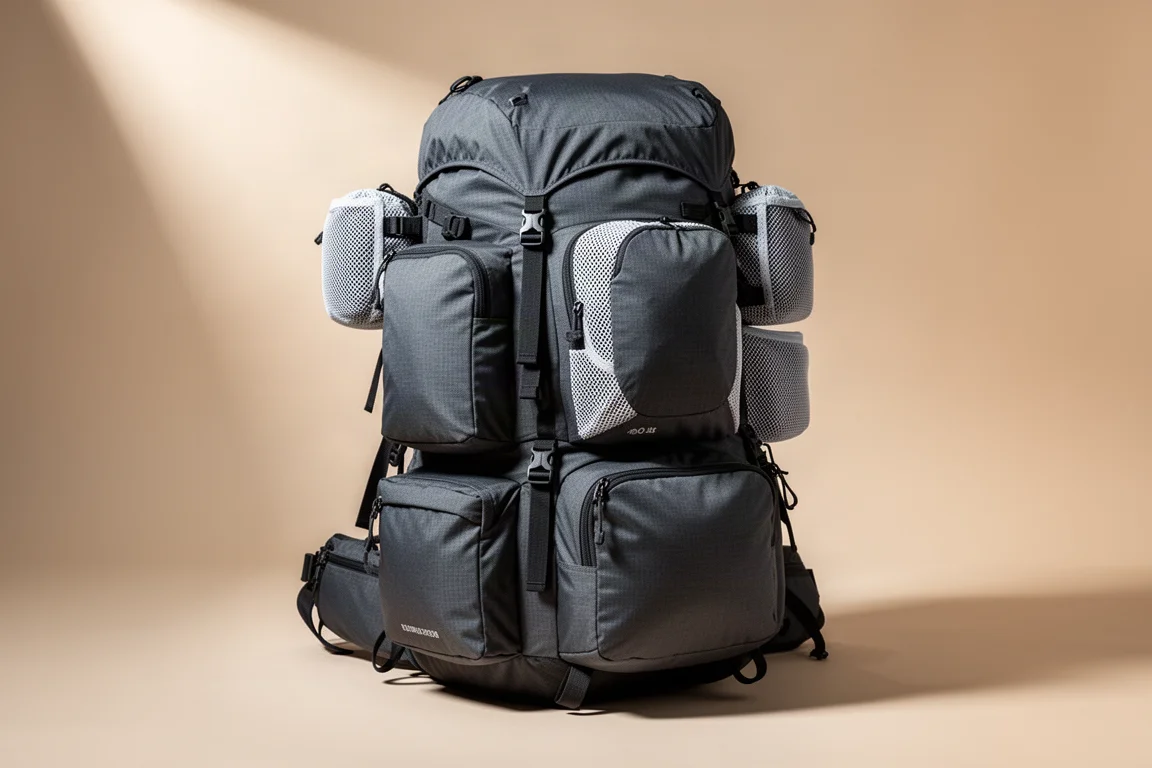
The pack decision came down to robustness versus weight, and the LiteAF Curve 40 landed on the right side of both. Volume was the first thing that stood out: it took the full gear list plus all the food needed for the trip, with room left to organize rather than simply stuff.
The frame was removed for this trip, but the hip belt stayed on so the hip belt pockets could hold camera gear. Even without the frame, the pack carried weight well, helped by thick and genuinely robust shoulder straps. Pocket access is the other strength. The side pockets are reachable for water bottles without stopping, there is a large stretchy front pocket, and the bottom pocket held the day’s food and snacks with a small internal pocket for wrappers. Food comes out of one side, trash goes into the other.
The upper side pockets looked like a gimmick at first and turned out to be consistently useful, keeping frequently needed items exactly where they could be grabbed without digging.
Two details would improve it. Load lifters would help pull weight closer to the body even without a frame, and the hip belt foam is a little weak, deforming when the strap is fully tightened.
Ombraz Sunglasses: Armless Design That Packs Flat
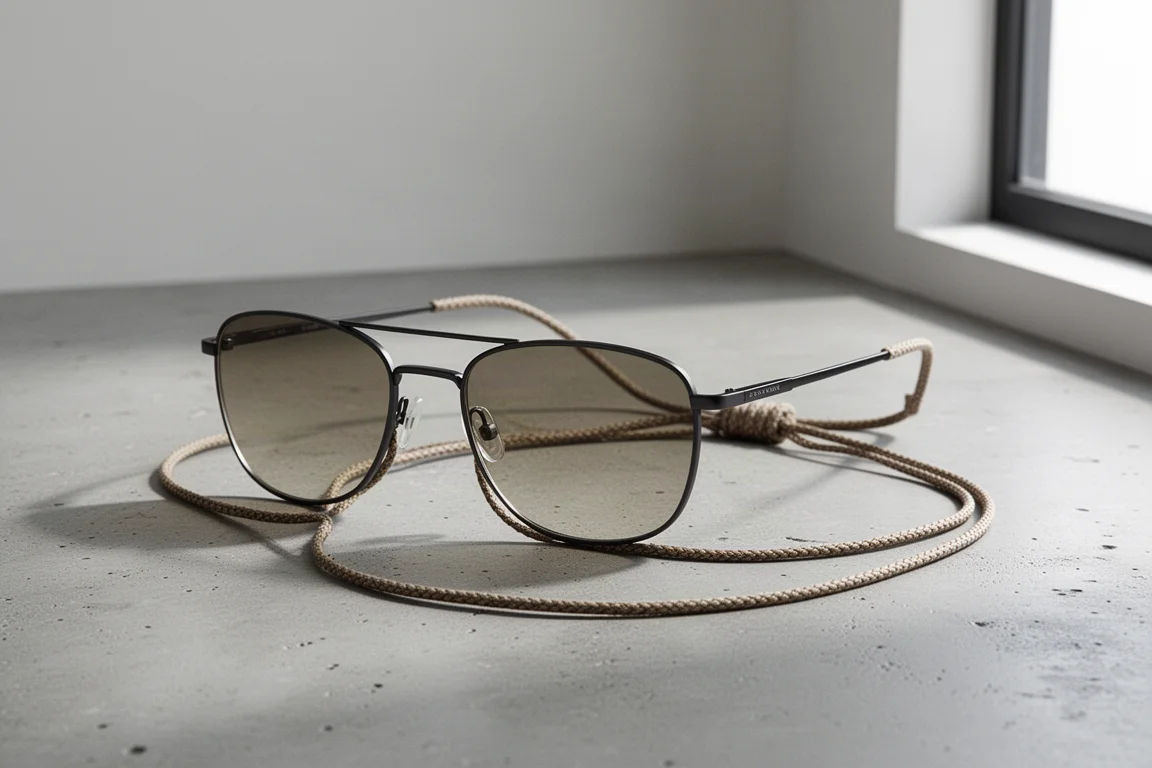
Armless sunglasses sound like a novelty until it is time to pack them. With no arms, the Ombraz sunglasses fold flat and thin enough to disappear into a shoulder strap pocket, and there is nothing to snap when a loaded pack is set down hard. In practice that made them more durable than conventional sunglasses with arms.
The cord strap keeps them on the face, which matters when pushing through branches that would otherwise hook a temple arm and pull the glasses off. When they are not needed, they hang around the neck.
Across several seasons these have become the default pair for backcountry trips, and the armless format is the main reason.
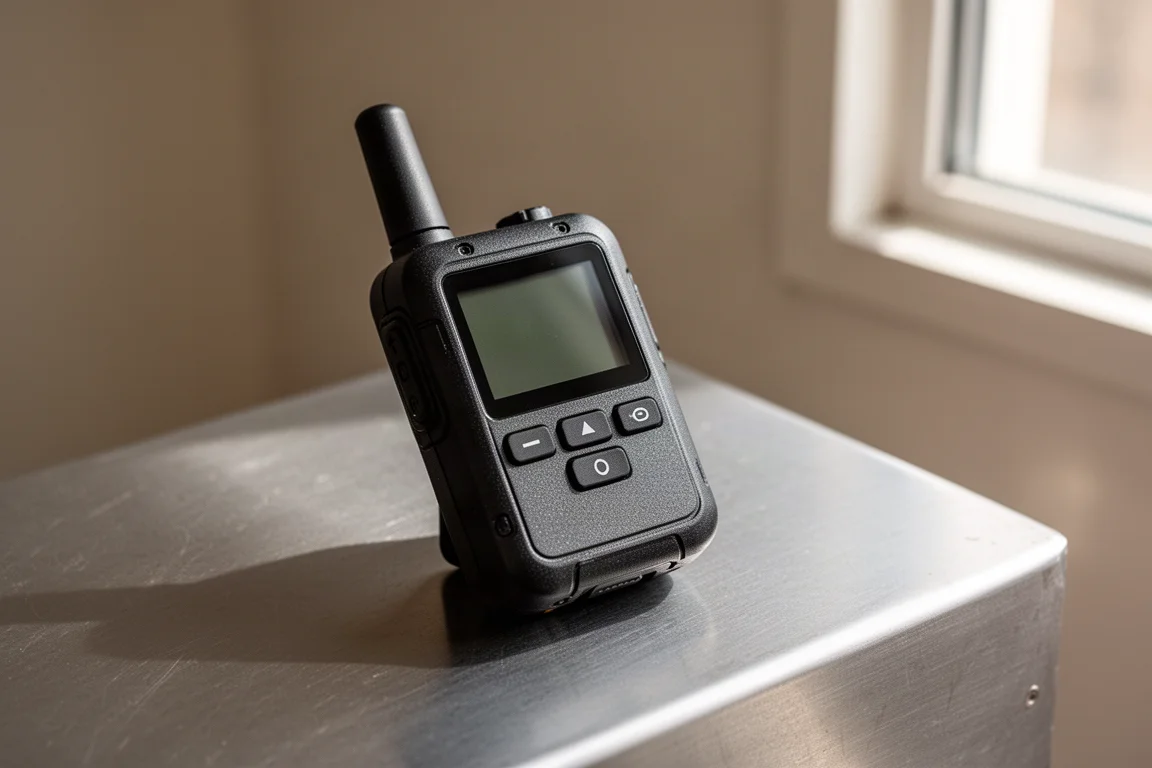
Garmin inReach Messenger Plus: Satellite Messaging With Reverse Charging
Satellite communication was non-negotiable on a route where help can be days away. The Garmin inReach Messenger Plus provides SOS capability and two-way messaging, and the Plus version adds the ability to send and receive photos and voice memos, which makes a real difference on a long trip away from home.
The Messenger Plus was chosen over the inReach Mini 3 Plus because the extra features of the Mini were not needed here. The Messenger is lighter and offers better battery life, which mattered on a trip where power was a genuine constraint. It also supports reverse charging, so a phone can be topped up from the inReach if the phone battery dies while messaging still needs to happen.
Diorite Trekking Poles: Modular, Compact, and Repairable
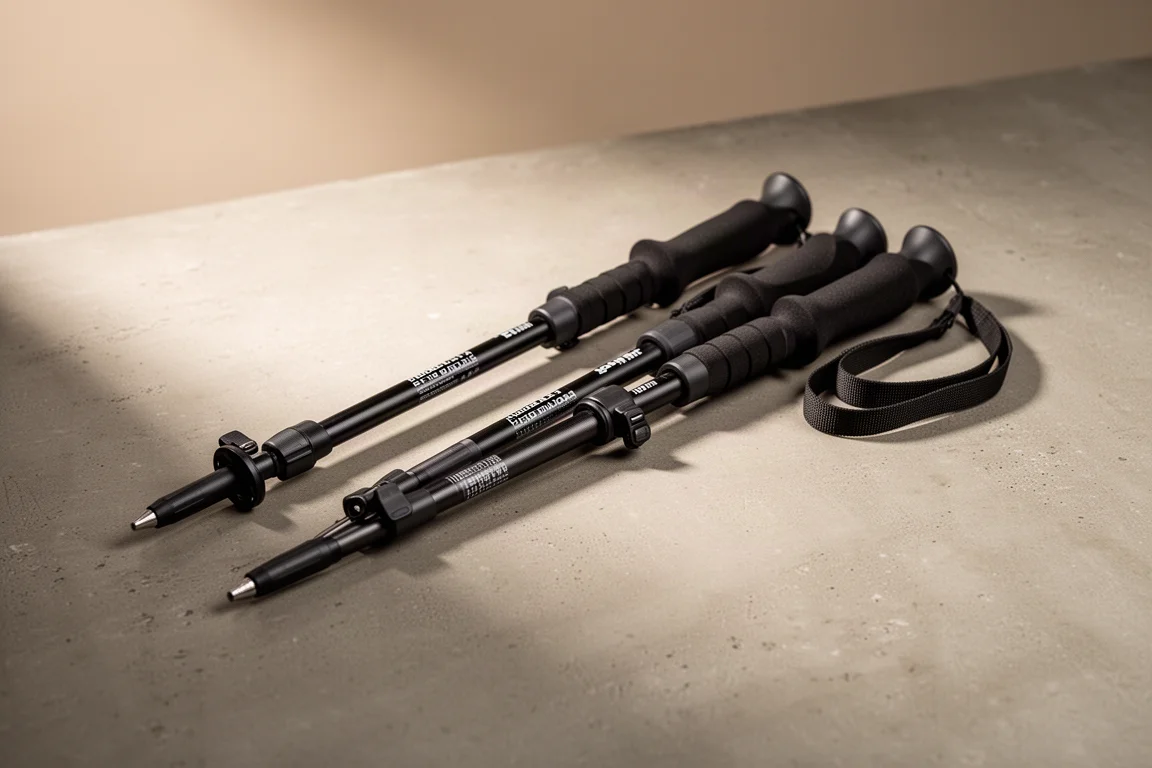
The Diorite poles were chosen for three practical reasons: long, grippy handles, a compact collapsed length, and a modular design with spare parts available. Compactness mattered more than expected. When one pole broke, it strapped to the pack without sticking up and catching on trees and brush.
Modularity is the real long-term advantage. A replacement midsection costs around $40, against roughly $200 for a complete new set of poles, so a single broken section does not retire the whole pair.
One pole did break on this route. Tape from the repair kit held it for about a day before sustained off-trail pressure wore through, which is a reasonable outcome for tape on a heavily loaded pole in rough ground.
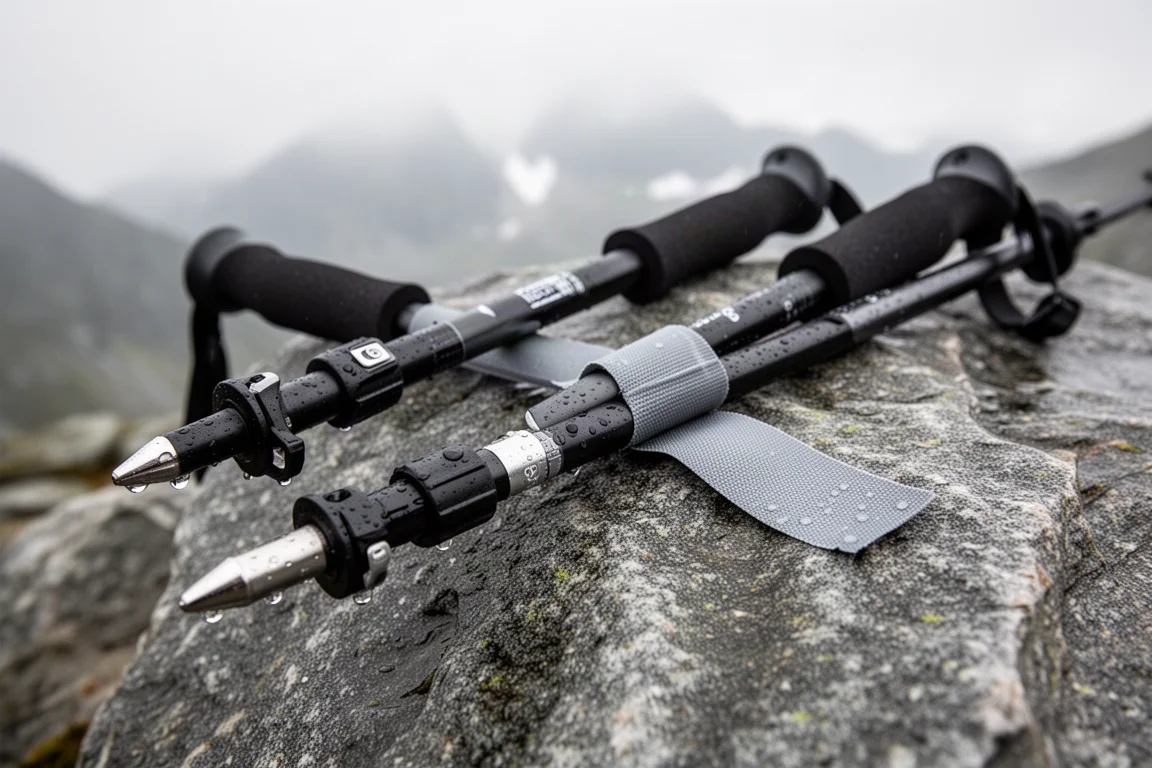
The break stayed manageable because the poles pack down small enough to ride on the pack without snagging, and because replacement parts are available rather than requiring a full replacement set.
Durston X-Dome 1+: A Freestanding Shelter for Exposed Terrain
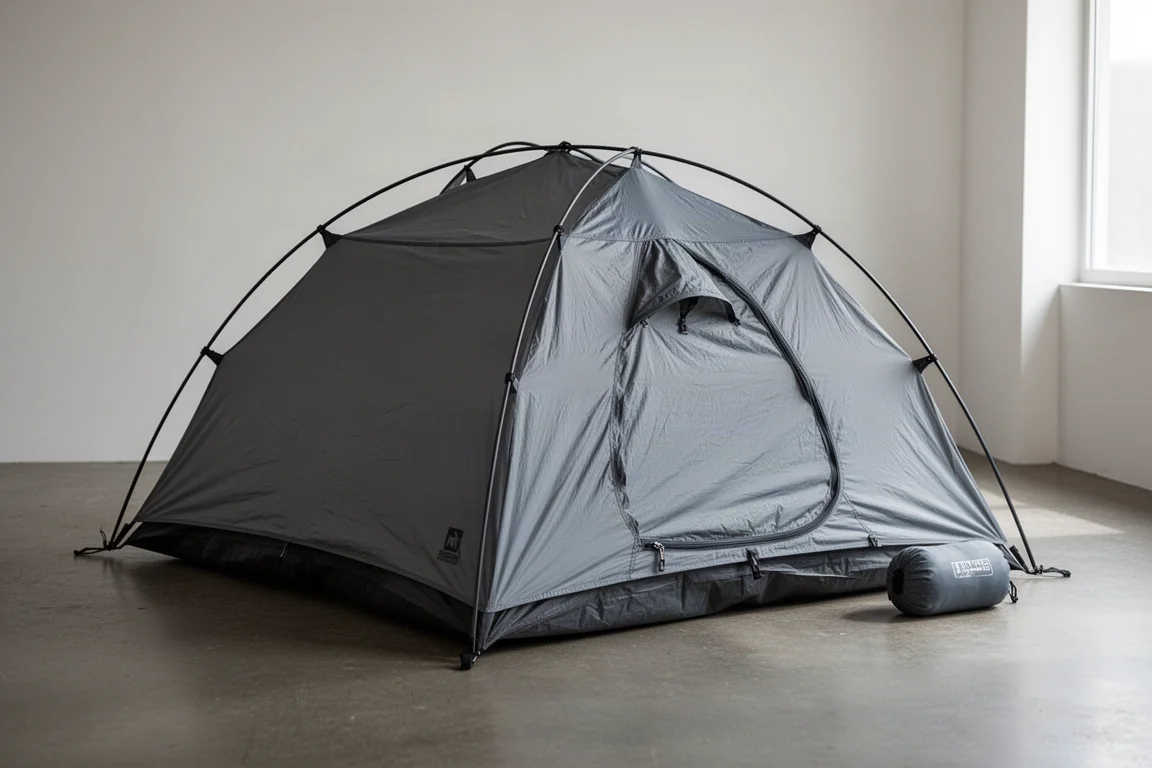
The shelter decision traded weight for room. The Durston X-Dome 1+ is a fully freestanding, double-walled tent built in Dyneema at 700 g, and it is described as the lightest fully freestanding double-walled tent available. A lighter trekking pole shelter was the alternative, roughly half the weight but considerably less roomy.
Room won. The interior is spacious enough to store gear and to stretch inside, which mattered on high-mileage days and on buggy evenings. Getting dressed inside in the morning was far easier without fighting the walls.
Storm performance was the other payoff. In a strong storm the tent was guyed out fully and held up, with both trekking poles installed in the doors for extra structural support. Being freestanding also meant that when a trekking pole broke, camp could still be pitched without hunting for sticks or worrying about a second failure.
The trade-off is condensation. A double-walled design makes wiping the interior harder, since the inner has to come out, be wiped, and go back in. On 12-hour hiking days that is a chore, and on a couple of occasions the tent had to be stopped and dried mid-day to avoid carrying extra water weight.
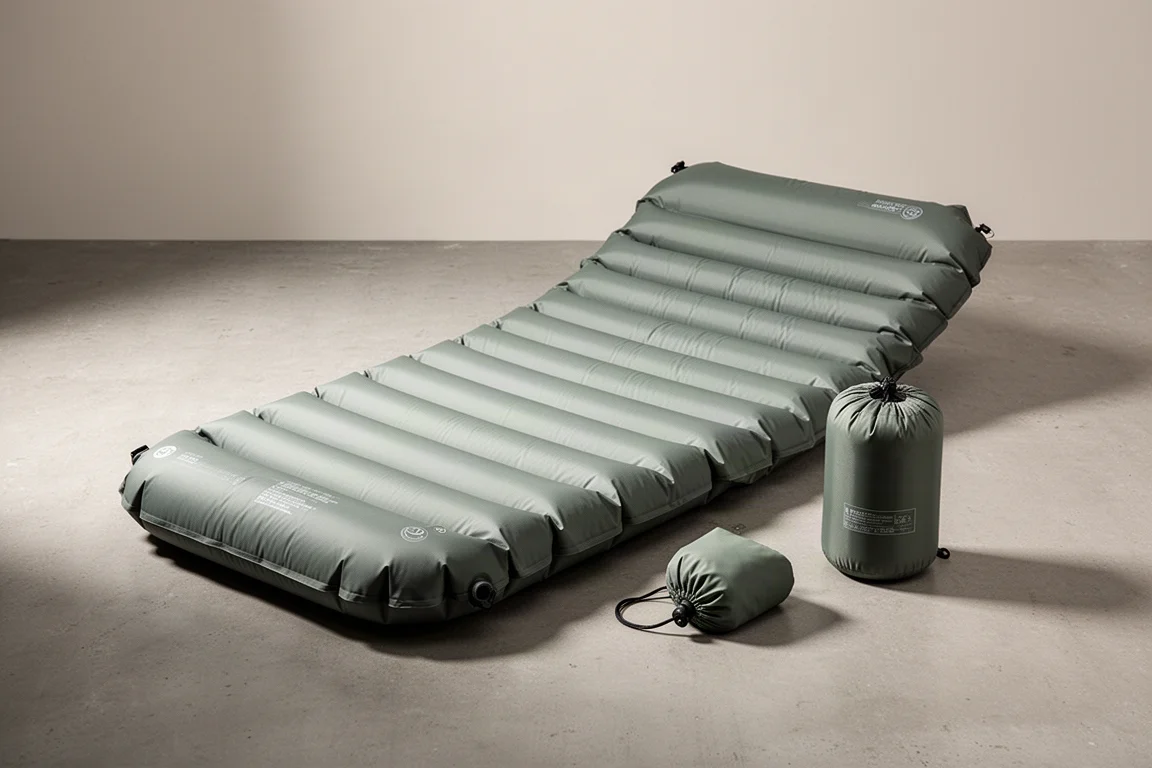
Nemo Tensor All-Season: Warmth With a Valve You Can Reach
The Nemo Tensor All-Season is lightweight and among the warmest pads in its weight class. The feature that decided it, though, was the inflation valve on top, where it is easy to reach and adjust. After a long day of off-trail navigation, not having to think about the pad at camp was worth a great deal.
A slightly more comfortable alternative was passed over because its valve sits elsewhere and is fussier to work with at the end of a long day.
The honest downside is that this is not the most comfortable pad on the market. It is comfortable enough, warm, light, and it would be packed again without hesitation.
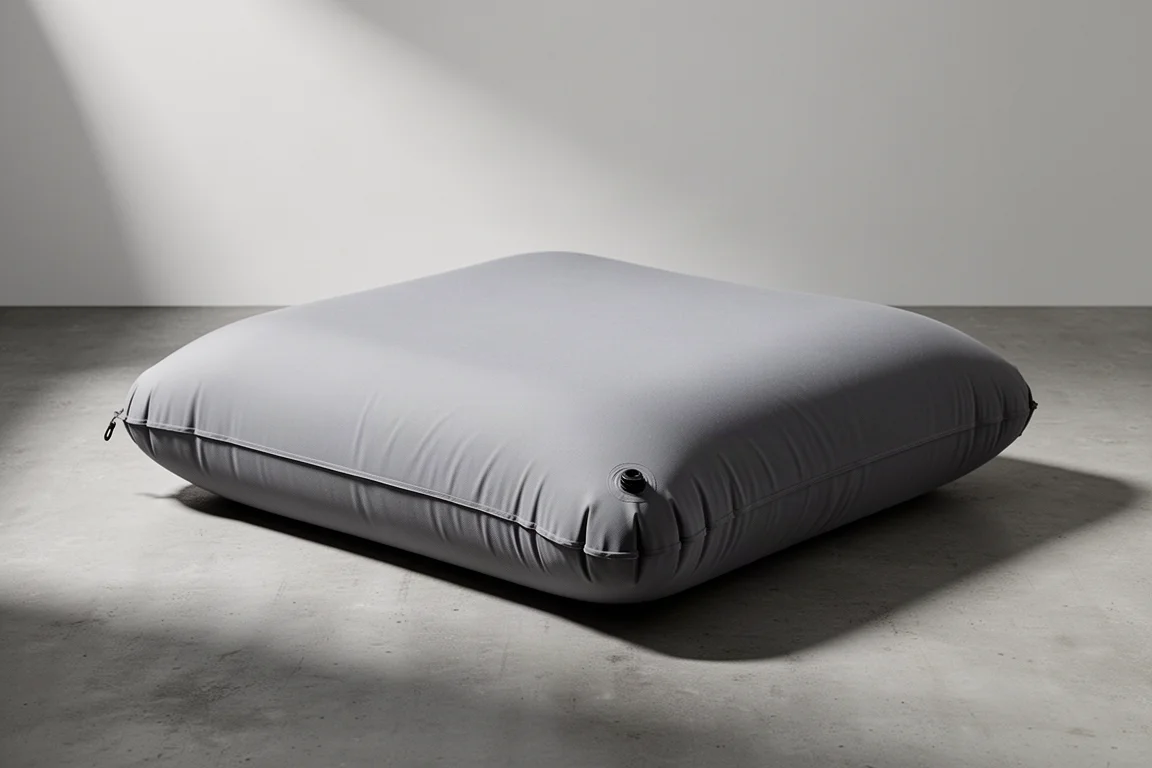
Sea to Summit Aeros Ultralight Pillow: Small Item, Big Sleep Upgrade
The Aeros Ultralight in size large adds surface area and height, which makes a noticeable difference to how well the night goes. The Pillow Lock system uses stickers applied to the sleeping pad so the pillow stays where it is put instead of sliding off in the dark.
At 80 g it has a soft, stretchy top material, good thickness, and a curved bottom that cradles the head. Sleep on this route was excellent, and this pillow is a large part of the reason.
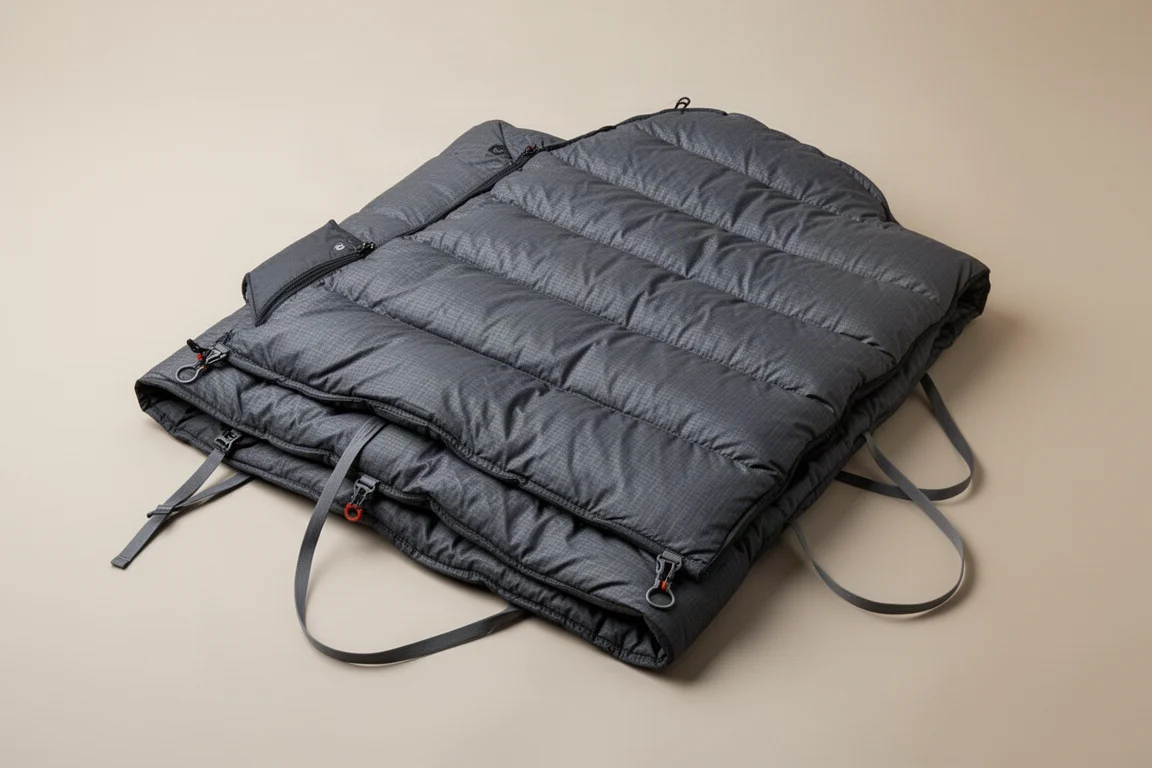
Neve Waratah Quilt: Cold-Weather Comfort With Draft Protection
Sub-freezing nights ruled out the lightest option. A lighter quilt that is roughly half the weight cannot handle those conditions, so the Neve Waratah quilt came instead.
Draft management is its strength. Side draft tubes and a draft collar mean less fussing with edges in the cold, and the quilt stays comfortable down to about -6°C. Sleep was excellent night after night.
The trade-off is weight, where several alternatives come in lighter, and Neve is also bringing out a pro version. Even so, this remains a solid quilt at a fraction of the price of the lightest high-fill-power options, which makes it a sensible choice for anyone who needs dependable cold-weather performance rather than the lowest possible number on a scale.
Outdoor Research Helium Ultralight Rain Jacket: Light Shell, Real Durability
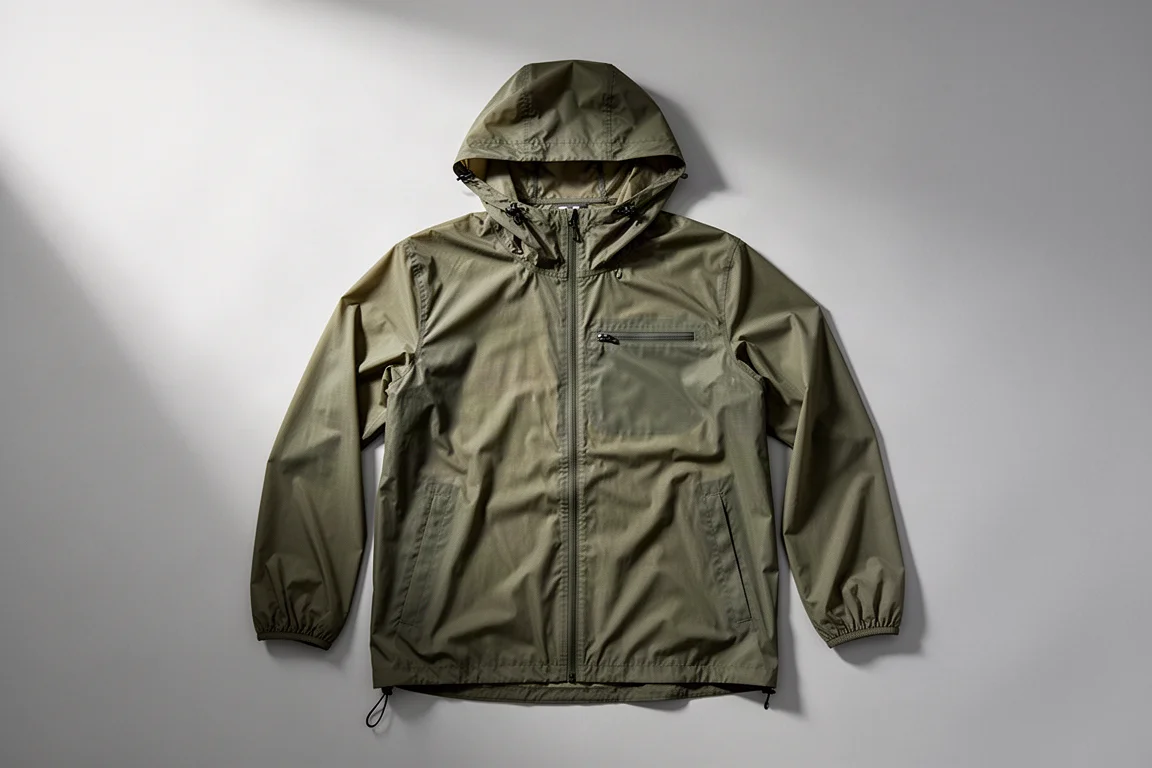
Rain gear was a calculated bet. The forecast before departure was not showing much rain, so the lighter and more compact Outdoor Research Helium Ultralight jacket came instead of a heavier shell.
It performed better than expected. The new face fabric resists wetting out, and the jacket is waterproof, breathable, durable, and compact. It came through a full day of bushwhacking in the rain without tearing.
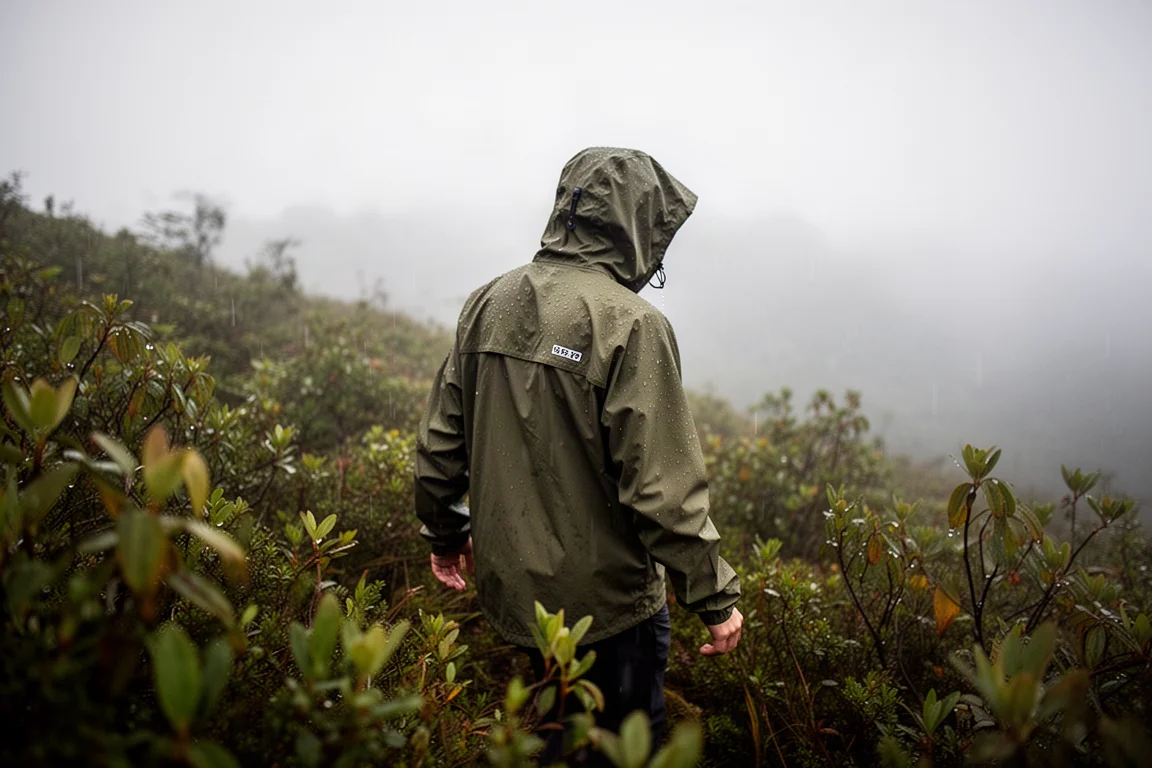
For trips with days of sustained rain and heavy brush, a more robust alpine shell would be the safer pick. For mixed conditions with occasional rain, this is the shell that would be packed again.
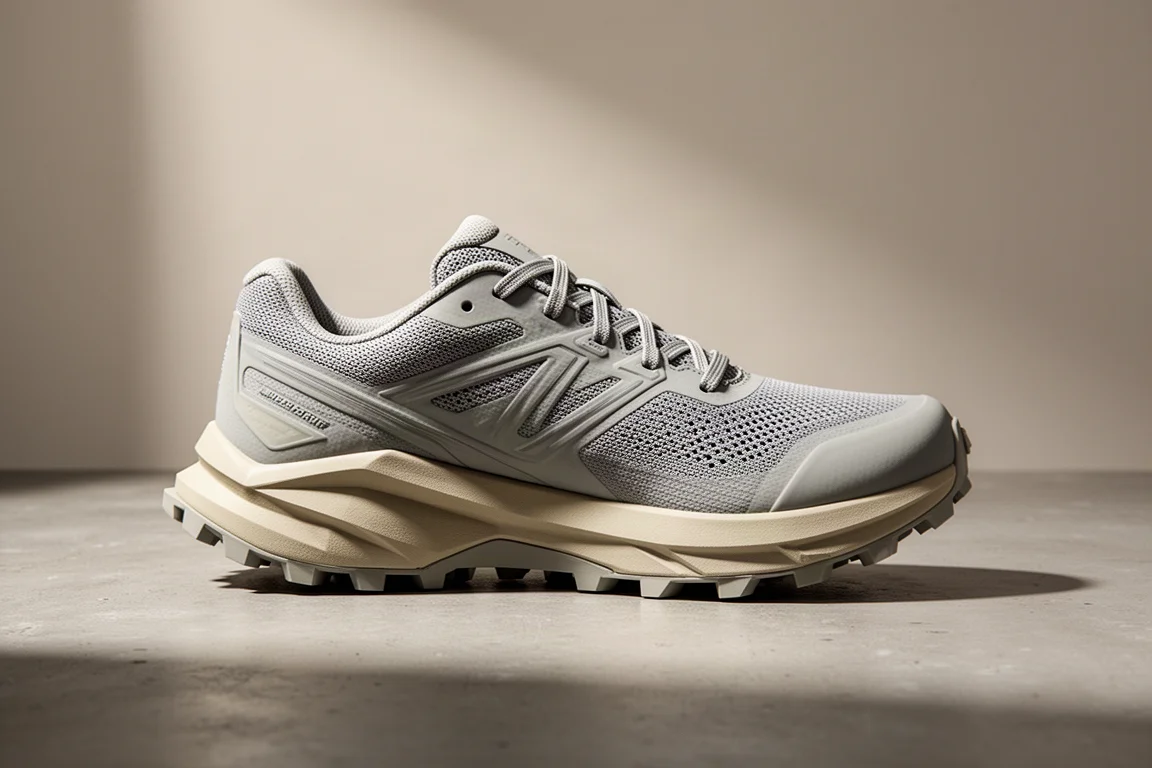
Hoka Speedgoat 7: Grip That Held Up Off Trail
The Speedgoat 7 started the trip essentially new and finished it battered. The upper overlays are separating and there is a small hole. Off-trail bushwhacking is brutal on uppers, and that is the expected cost of this kind of terrain.
What mattered was underfoot. The Mega Grip outsole was very grippy on wet logs, wet rocks, and short climbing sections. The regular width was chosen over the wide width for a snugger, less sloppy fit, which helped on side-sloping ground.
A taller version would be worth considering for ankle protection from sticks and rocks on routes with dense shrub. With supportive insoles underneath, there was no foot pain across the entire trip despite long days on rough ground.
MEC Micah Pants: Leg Protection That Survived Bushwhacking
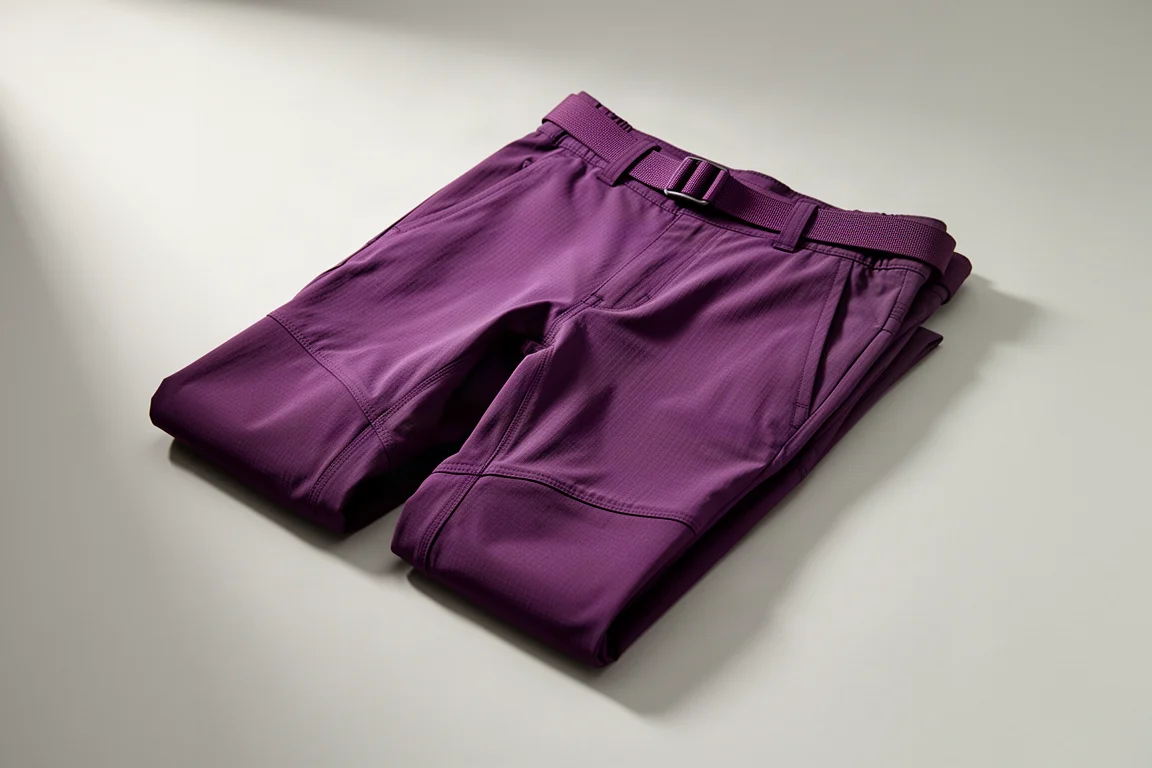
Long pants were essential, both for sun protection and for pushing through brush. The MEC Micah pants are thick, with reinforced knees, and they came through the route without a single hole despite constant snagging.
Mobility is good thanks to a gusseted crotch and a bit of stretch, and the ripstop fabric keeps a tear from spreading. The thicker build prioritizes protection over a minimal fabric weight, which is the right call on a route like this one.
Outdoor Research Astroman Sun Hoodie: Sun and Bug Coverage
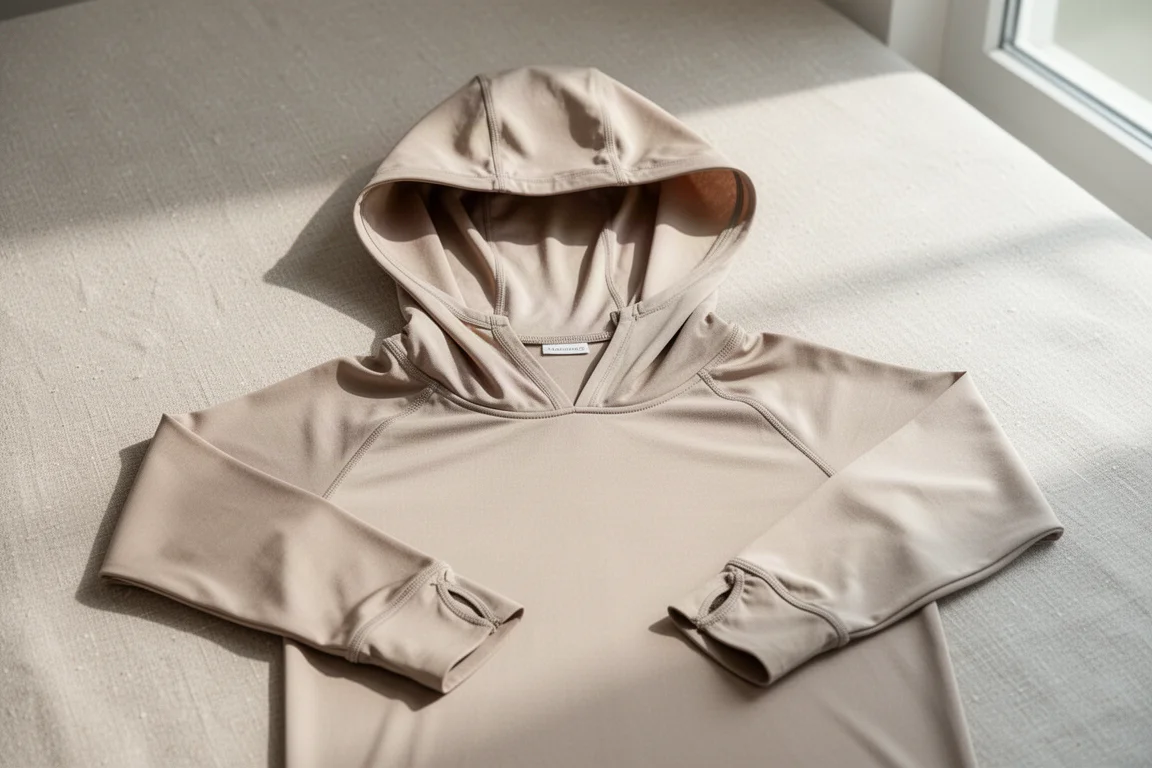
A sun hoodie has to balance two things: cool enough to wear when the sun is out, thick enough to stop mosquitoes from biting through the fabric. The Astroman gets that balance right, and the long sleeves protect against sun and brush alike.
It finished the trip thoroughly dirty and thoroughly smelly, and it still did its job. For routes with heavy brush and strong sun, long sleeves are the simplest protection available, and this hoodie is a good example of the category.
What to Prioritize When Building a Kit Like This
On a remote route, a few principles stand out. Prioritize gear that fails gracefully. A freestanding shelter matters when trekking poles are load-bearing and one of them breaks. A satellite communicator matters when phones are useless. A pack that carries weight comfortably is worth more than one that is merely light on the scale.
Pocket access and organization also matter more than expected over long days, and modular items with spare parts available stretch a budget further than a single sealed unit.
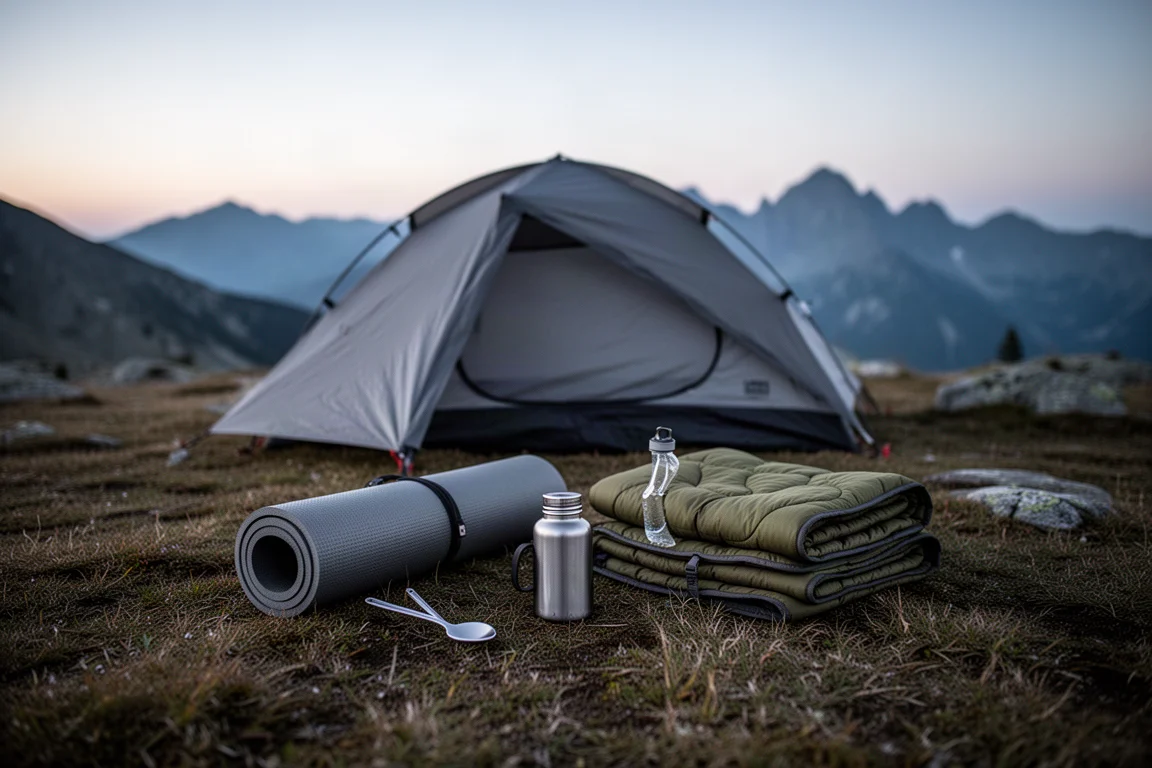
Take weight savings where they do not cost reliability, and refuse them where they cost sleep or shelter performance. In this kit, the sleep system, the shelter, and the communication device were the three places with no compromise, and those are also the three that would be hardest to replace in the field.
Conclusion
Over more than 100 miles of off-trail travel in the Canadian Rockies, this kit held together. The standouts were the pack’s volume and pocket layout, the freestanding Dyneema shelter, the warm sleeping pad with an easy-to-reach valve, the pillow and quilt that produced consistently good sleep, and the lightweight rain shell that survived a full day of bushwhacking.
Two small items, a thin foam mat and a battery inflation pump, turned out to be dead weight for this terrain and would be left at home next time. The hip belt foam on the pack is the one design detail worth watching in future versions.
For anyone planning a similarly remote route, the pattern is clear: spend weight on shelter, sleep, and communication, and save it on the small accessories where a lighter option does the same job.
Further reading
Related Reviews

Backpacking Gear
Building a 10 lb Base Weight: An Ultralight Backpacking Gear List
A practical walkthrough of the ultralight pieces behind a 10 lb base weight, from a 765 g pack and a roomy one-person tent to a full camp chair and a dependable water filter.
Backpacking Gear
A 15-Pound Lightweight Backpacking Gear List for Solo Trips
A beginner-friendly 15-pound backpacking setup built from easy-to-find gear, with notes on what each piece does, how it packs, and where to spend your attention.
Backpacking Gear
8 Ultralight Backpacking Gear Upgrades Worth Carrying
Eight small, affordable backpacking upgrades that solve real trail annoyances, from a pillow that stays put to a fuel valve that rescues leftover canister gas.