Subwoofers
REL Tzero Mk III Review: A Compact Sealed Subwoofer for Small Rooms
A compact sealed subwoofer with a 6.5-inch long-throw driver and 100W of Class D power, built to add musical bass without calling attention to itself.
Introduction
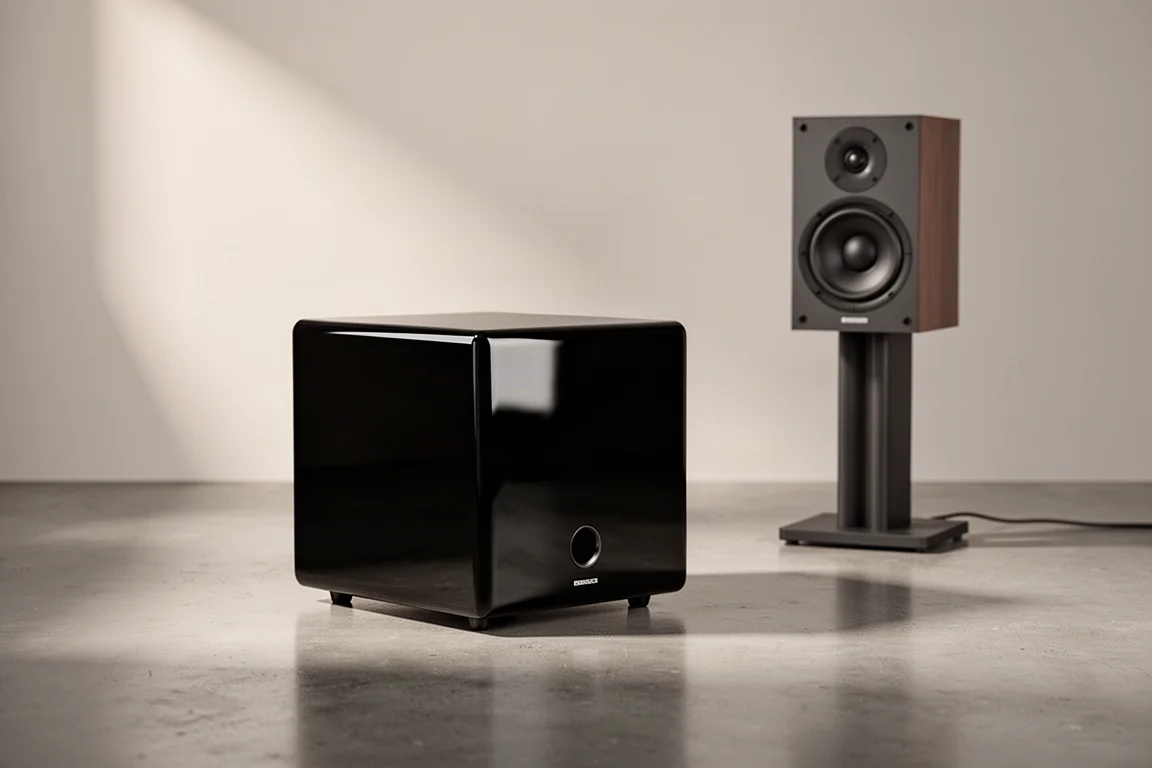
The REL Tzero Mk III is the smallest subwoofer in the company’s line, and it is built around a 6.5-inch long-throw woofer. Its largest dimension is roughly 9.5 inches, so it occupies about as much floor or shelf space as a small desktop speaker. Power comes from a 100W Class D amplifier.
There is no port and no passive radiator. This is a true sealed box, and sealed designs are far less common than ported ones. In general terms, a sealed cabinet tends to deliver better pitch definition and tighter control of deep bass, which matters when the goal is musical accuracy rather than maximum output.

In the US the Tzero Mk III is currently priced at $449, against a normal street price of $499. It carries a three-year warranty, comes in gloss white or gloss black, and the paint is applied in five coats. It is designed in the USA and manufactured in China. What follows is a practical look at where this subwoofer shines, what it cannot do, and who should consider it.
Who This Subwoofer Is For
Start with room size, because that decides most of the answer. A 6.5-inch driver is not built to pressurize a large space. If you have a big room and want to feel pounding bass, a small sub is the wrong tool and a larger one is the obvious choice. The Tzero Mk III is intended for small to mid-size rooms, where a compact cabinet can fill in the bottom end without taking over the room.
The second consideration is the speaker it will partner with. This subwoofer is a particularly good match for small planar magnetic speakers and for compact bookshelf models. Those designs often produce adequate bass, but they roll off early and leave a gap at the very bottom. The Tzero Mk III fills exactly that gap.
It is also worth considering if you are someone who has never liked subwoofers. The design goal here is a sub you notice only by its absence from the sound. Ideally the bass seems to come from the main speakers, and the crossover point is impossible to locate by ear. That is a very different objective from raw output, and it shapes everything about how this subwoofer should be set up.
Main Strengths
The sealed enclosure is the foundation of the character. Bass notes keep their shape, and there is no boom or thickening when the music gets busy. In-room extension reaches down to roughly 40 Hz, which is genuinely low for a cabinet this size, and low-frequency detail holds together instead of blurring into one continuous rumble.
There is a second effect that is harder to measure but easy to hear. Adding a capable subwoofer does not simply add weight at the bottom. The soundstage becomes deeper and more dimensional, and instruments sit in more clearly defined space. That is the kind of improvement the Tzero Mk III brings.
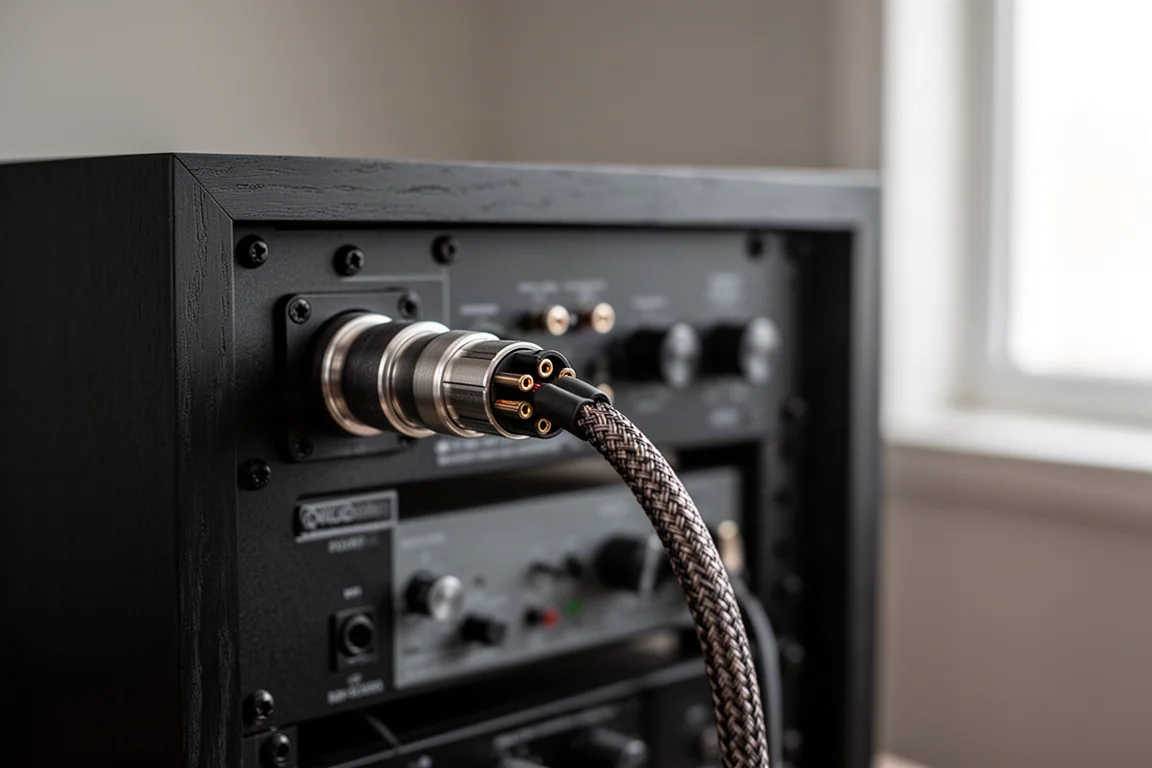
Physical execution supports the musical case. The cabinet is a roughly 9.5-inch cube, and the five-coat gloss finish is essentially flawless. It can be tucked into a corner, behind furniture, or beside a stand without drawing attention. Just as importantly, the speaker-level input on the rear panel, using the multi-pin connector, lets the subwoofer work with amplifiers and receivers that have no subwoofer output at all.
Setup and Connectivity
There are two ways to connect the Tzero Mk III, and both work. The conventional route is a line-level interconnect running from a subwoofer output or line output on a preamplifier or receiver to the RCA input on the sub. It works fine.
The preferred route, and the one REL itself favours, is the speaker-level connection. You take a tap from the receiver or amplifier and run it to the multi-pin connector on the back of the cabinet. It is simple to do and does not require special tools or experience.
The setup approach matters as much as the wiring. In a two-channel stereo system, the main speakers run full range and the subwoofer’s crossover is set just below the point where the speakers begin to roll off. The sub sneaks in underneath rather than replacing the speakers’ own bass. Blending the Tzero Mk III with three very different speakers was straightforward, and the integration took almost no effort.
How It Sounds With Different Speakers
With small planar magnetic speakers, the result was the standout. The sub completed the sound of the speaker, as though it had always been meant to be part of the system. The bass was fast, detailed, and distinct, and each note stayed separate rather than running together.
With compact bookshelf speakers, the effect was different but equally clear. A small speaker started to sound like a larger one, with more depth and more space around the performers. The improvement was not just at the bottom of the frequency range.
With a horn-loaded dynamic speaker, the sub opened the sound up further. That kind of speaker is already lively and exciting, and the extra low-frequency foundation made energetic music more fun. Planar speakers, by contrast, remain relatively polite even with a subwoofer attached. That is a difference in the character of the speakers themselves rather than a limitation of the sub.
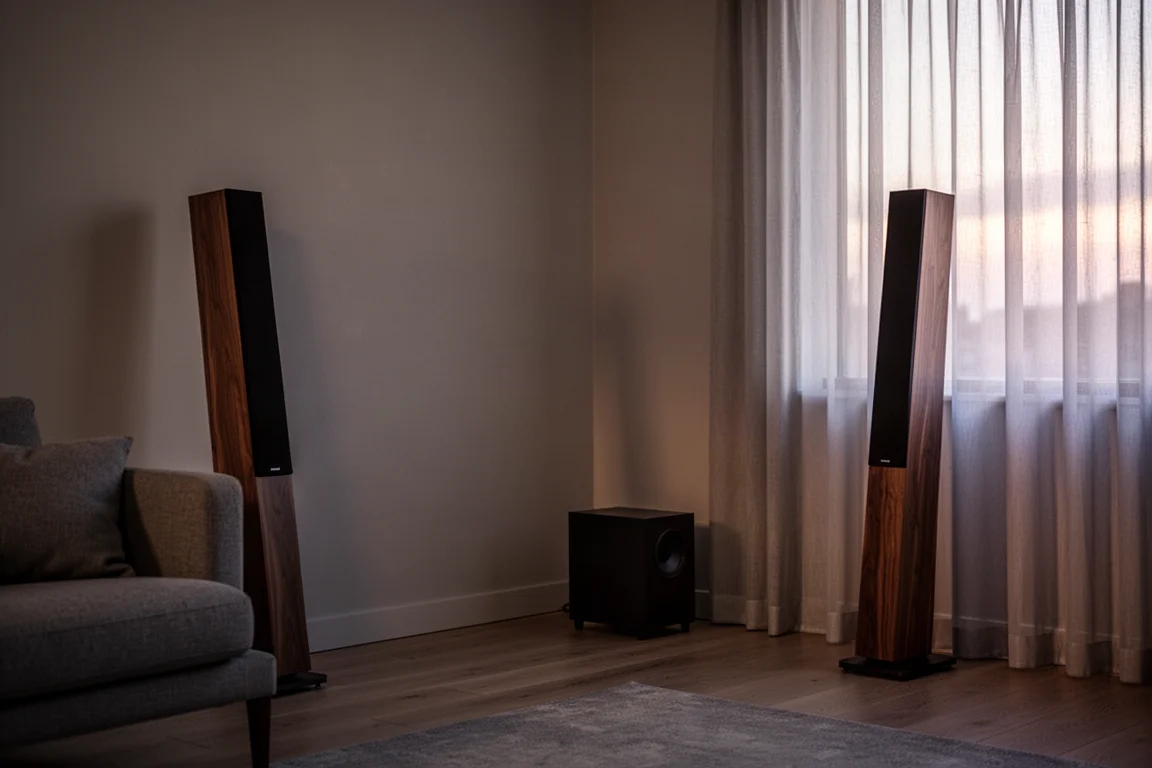
In every pairing, the subwoofer added foundation without announcing itself. Nothing about the sound pointed back at the box on the floor, which is precisely the behaviour this design is aiming for.
Things to Consider Before Buying
Bass extension down to about 40 Hz is impressive for the size, but it is not extraordinary in absolute terms. For the same $449 you can buy a noticeably larger subwoofer, with an 8-inch, 10-inch, or even 12-inch driver. Those will deliver more power, deeper extension, and the physical sensation of moving air. If maximum output per dollar is your priority, buy bigger.
It is also worth being clear about the intended use. This is a subwoofer for two-channel music listening. In a home theater system, where explosions and special effects push a great deal of energy through the speakers, bass management in an AV receiver or processor is the usual approach. The method described above, full-range signal to the speakers with the sub dialed in underneath, is aimed at stereo playback.
Finally, do not expect a small sealed subwoofer to transform restrained speakers into party animals. It will add low-frequency foundation and dimensionality. It will not change the fundamental character of the speakers it supports.
Buying Advice
At $449, with a normal street price of $499, the Tzero Mk III sits in a crowded part of the market. The honest framing is this: if you want the most bass for your money, a larger subwoofer is the more rational purchase. If you want a subwoofer that plays music with pitch definition, disappears into a small or mid-size room, and can be connected to an amplifier that has no subwoofer output, the decision becomes much easier.
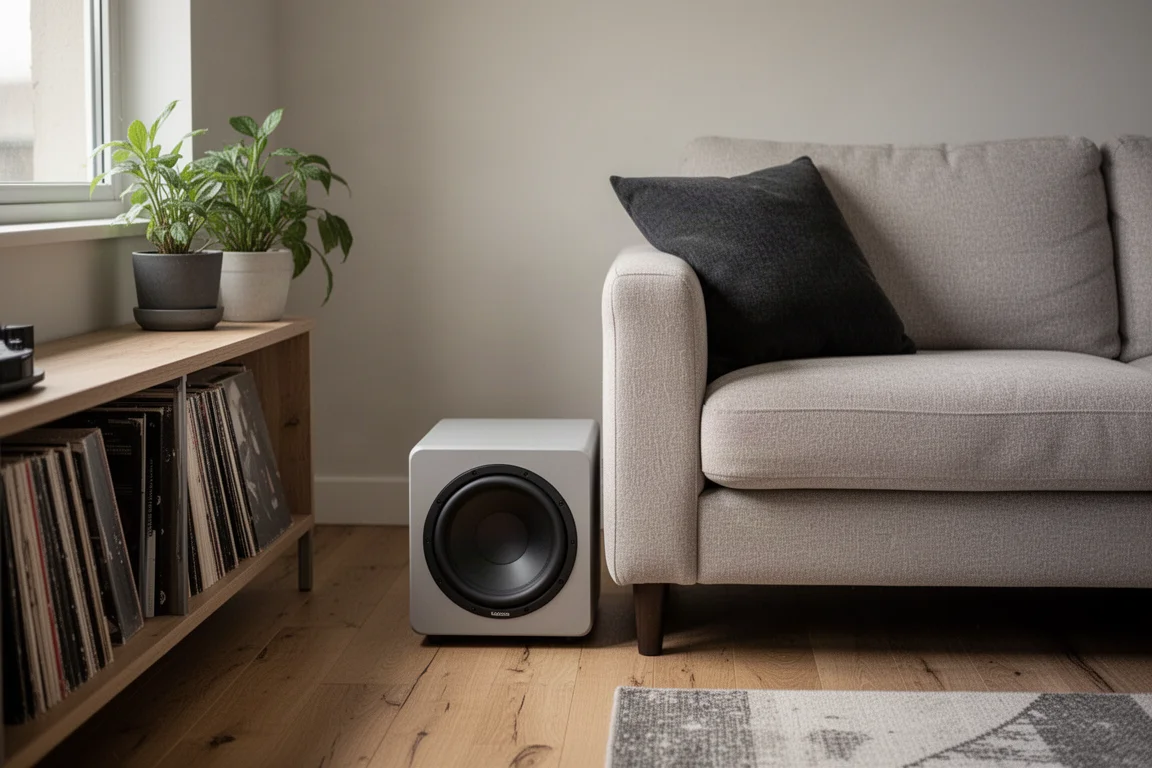
The practical pairing advice is to match it with speakers that roll off early rather than with speakers that already produce strong low bass. Set the crossover just below where those speakers run out of steam, and leave the main speakers running full range. The three-year warranty and the five-coat gloss finish reinforce the sense that this is a component built to stay in a system for a long time.
Conclusion
The REL Tzero Mk III is a genuinely accomplished small subwoofer. It reaches down to roughly 40 Hz in a room, keeps bass notes distinct and well defined, and blends with small speakers so cleanly that it is hard to tell where its contribution begins. The sealed cabinet, the compact 9.5-inch footprint, the speaker-level input, and the meticulous finish all support the same idea: a subwoofer that is felt rather than heard.
It is not the right choice for a large room, for high-output home theater, or for anyone chasing maximum bass per dollar. For a small or mid-size room with planar magnetic or compact bookshelf speakers, it makes a strong and unusually musical case for itself.
Product link
View more details for REL Tzero Mk III
This product is mentioned in the review. Check the specifications, options, and compatibility before buying.
View more details for REL Tzero Mk IIIFurther reading
Related Reviews
Subwoofers
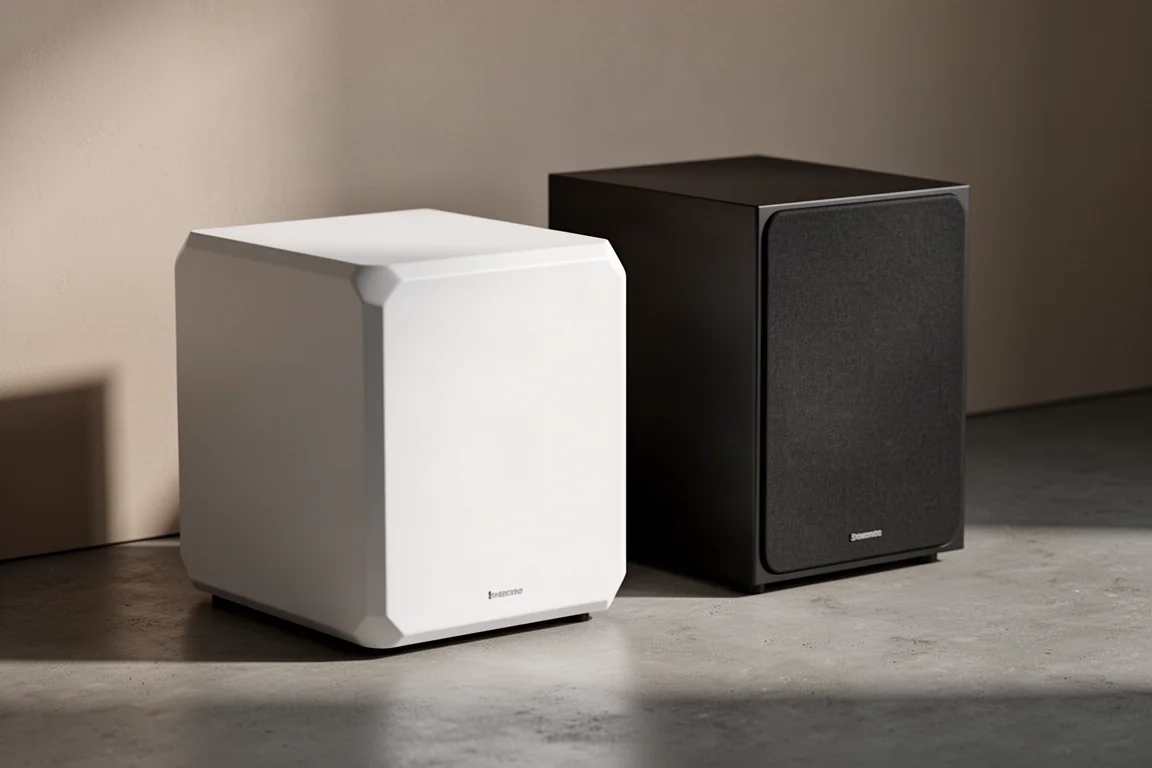
Arendal 1961 Subwoofer 1S Review: Beautiful Build, Modest Punch at $1,000
A sealed $1,000 subwoofer with a gorgeous cabinet, plus three lower-priced alternatives that deliver more impact for movie nights.
Subwoofers
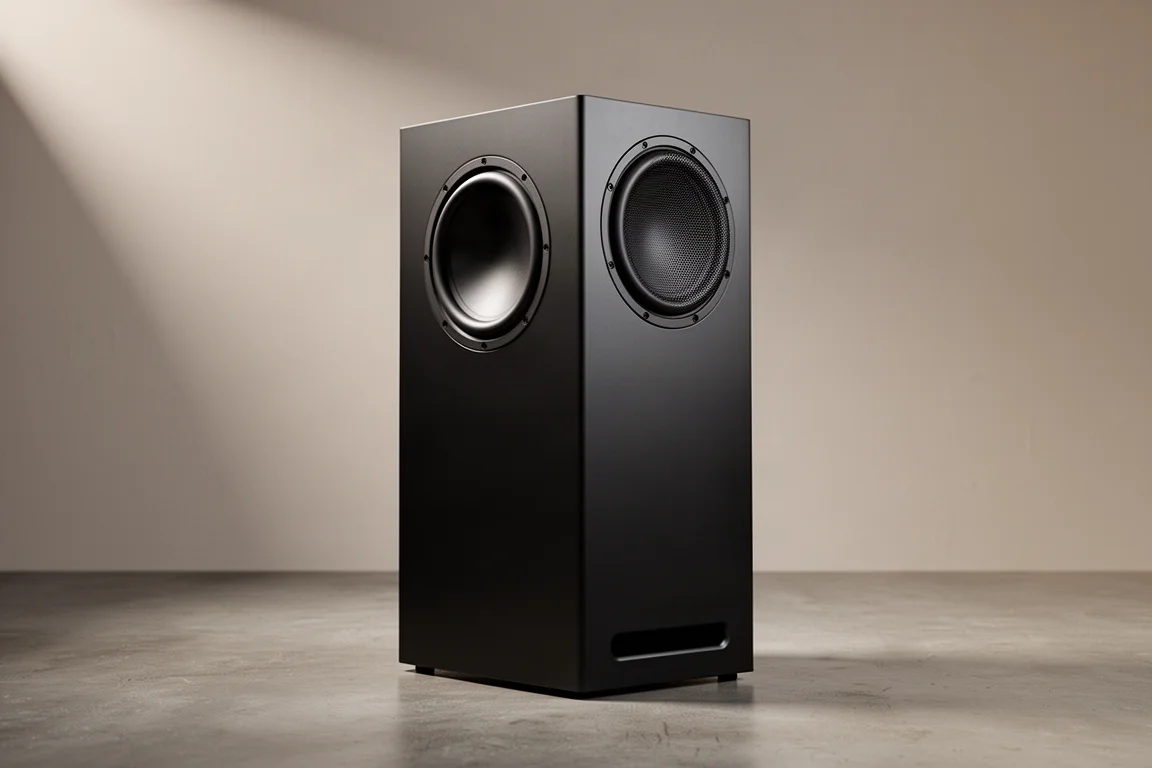
Arendal Sound 1723 2V Subwoofer Review: Dual 13.8-Inch Drivers Under $3,000
A flagship ported subwoofer with dual opposing 13.8-inch drivers, a 1,200W RMS amplifier, app-based DSP, and a 10-year warranty.
Subwoofers
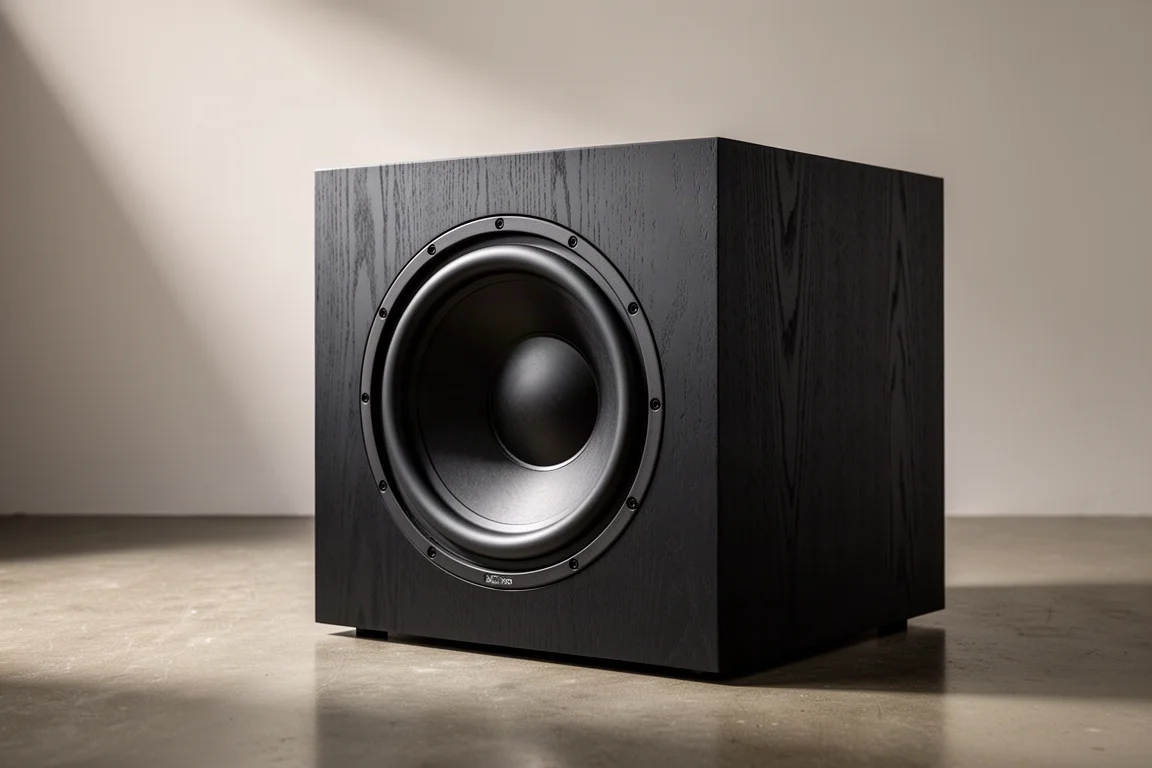
Ascendo 16 Sub Active Sealed Review: Sealed Bass Built on Real Engineering
A close look at the Ascendo 16 Sub Active Sealed, a 16-inch sealed home theater subwoofer with independently verified measurements, a purpose-built driver, and genuinely controlled output.