Subwoofers
REL T5x vs T7x vs T9x: Which Subwoofer Suits Your System?
REL's T5x, T7x and T9x subwoofers differ in speed, output and extension. Here is how to match each one to your speakers and your room.
Introduction
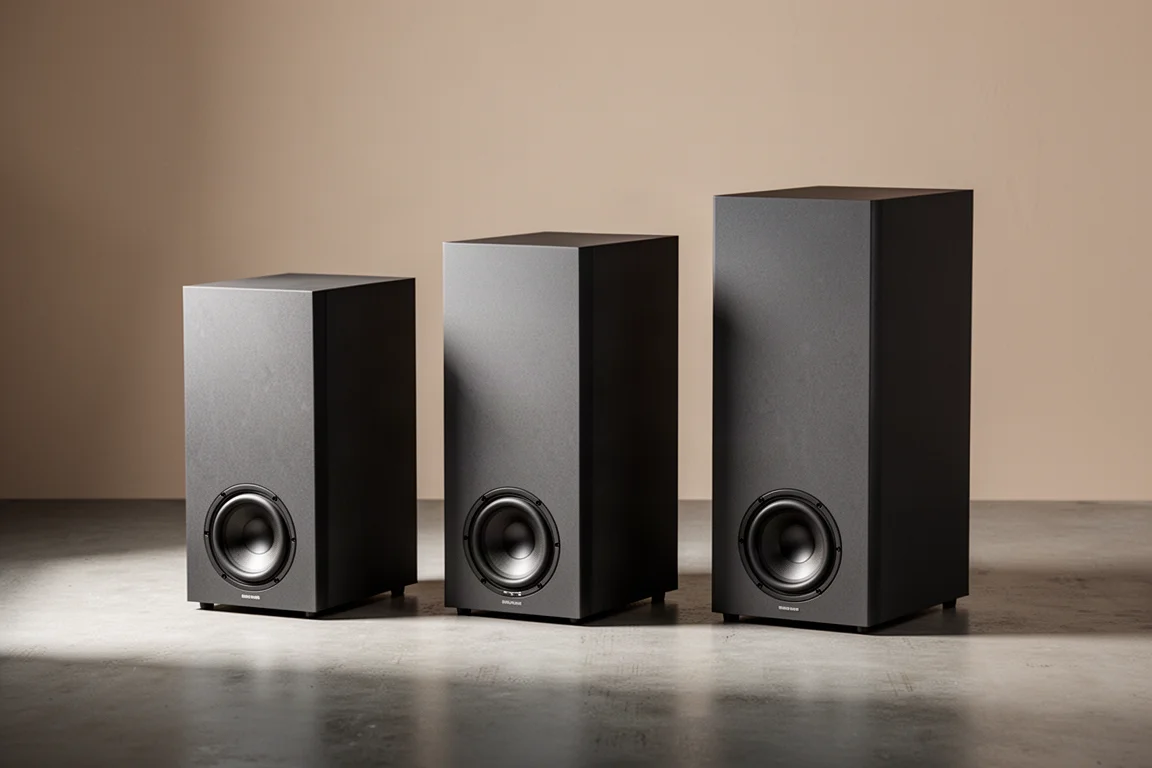
The REL T5x, T7x and T9x belong to the same family and follow the same design thinking. Each is built to extend the low end of a two-channel system without drawing attention to itself. What separates them is size, output and the kind of speakers and room each one is intended to serve.
Choosing between them is not simply a matter of spending more. In some systems the smallest model in the range is the better answer, and in others the largest one is. The notes below explain what each subwoofer is built for and which one is likely to suit your setup.
What Sets the T5x, T7x and T9x Apart
REL concentrates on subwoofers rather than spreading itself across amplifiers, speakers and electronics, and that focus shows in how the TX range is put together. Driver quality, amplification and cabinet construction all shape the way a subwoofer performs, and those differences are audible in the bass region.
All three models use a high-level connection that runs from the speaker binding posts of your amplifier. That single design decision removes a common obstacle, because you do not need a dedicated subwoofer output or a pre-out on your preamplifier or integrated amplifier to add one of these to a system.
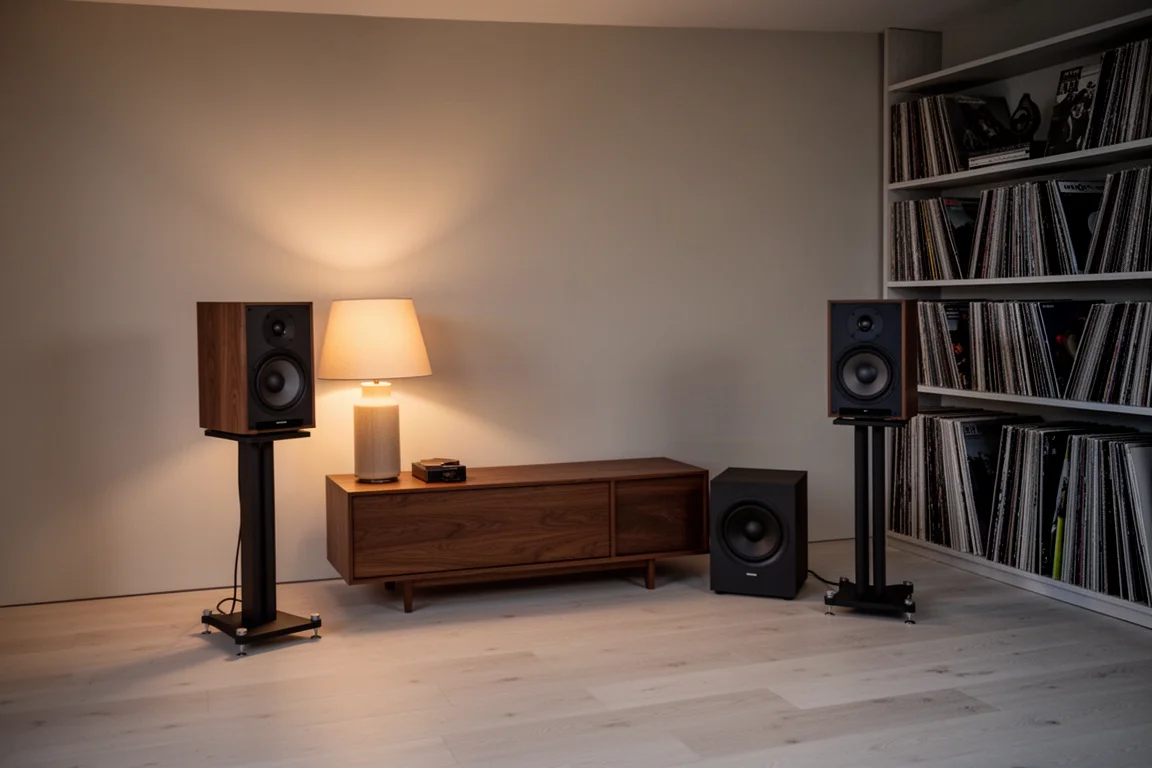
The other benefit of that connection is tonal. Because the subwoofer receives the same signal that drives your speakers, it inherits the character of the rest of the chain, from the source and preamplifier through to the amplifier. The result is a blend that is difficult to pick apart. A well-integrated subwoofer should not announce itself, and you should notice it mainly when it is switched off.
REL models are also relatively forgiving about placement compared with many subwoofers, which makes the first setup far less fiddly.
REL T5x: Speed First for Smaller Systems
The T5x is the smallest and most affordable model in the range, and it is also the fastest. Its bass is tight and quick rather than deep and heavy, and that speed is exactly what makes it the right partner for speakers that stop short in the low frequencies but move quickly everywhere else.
It does not extend as far down as its larger siblings. For most musical material that is a smaller compromise than it first appears, because the instruments in a typical recording sit well within the range the T5x covers. What it gives up in the lowest octaves it returns in grip and timing.
The speed advantage over the T9x is noticeable, while the gap between the T5x and the T7x is smaller. Pair it with bookshelf speakers or fast panel speakers in a small to medium room, and remember that its output is finite, so a very large space will ask more of it than it can give.
REL T7x: The Middle Ground for Growing Systems
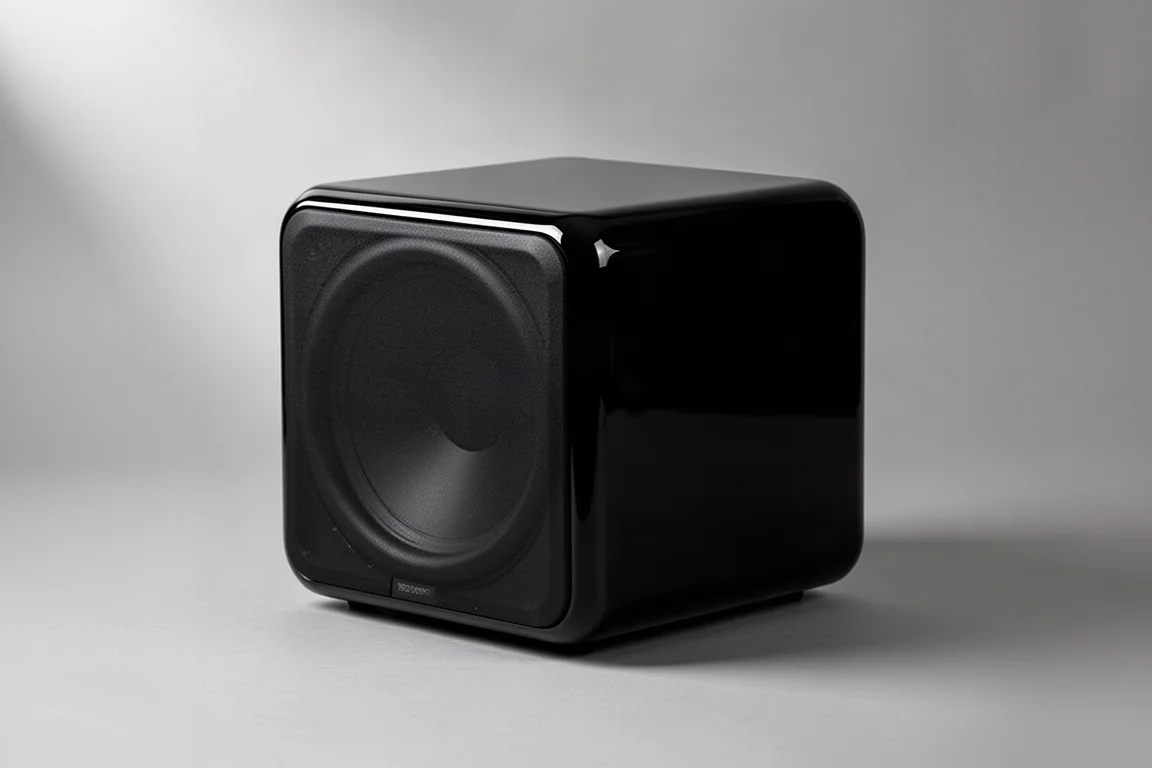
The T7x sits between the other two. It reaches lower than the T5x and produces more output, so it plays louder and fills a bigger space, at the cost of a small amount of the speed that defines the smallest model. In practice it remains a quick subwoofer.
This is the natural match for mid-sized tower speakers that need help in the bottom octaves, and for medium to large rooms where the T5x would run out of headroom before the music does.
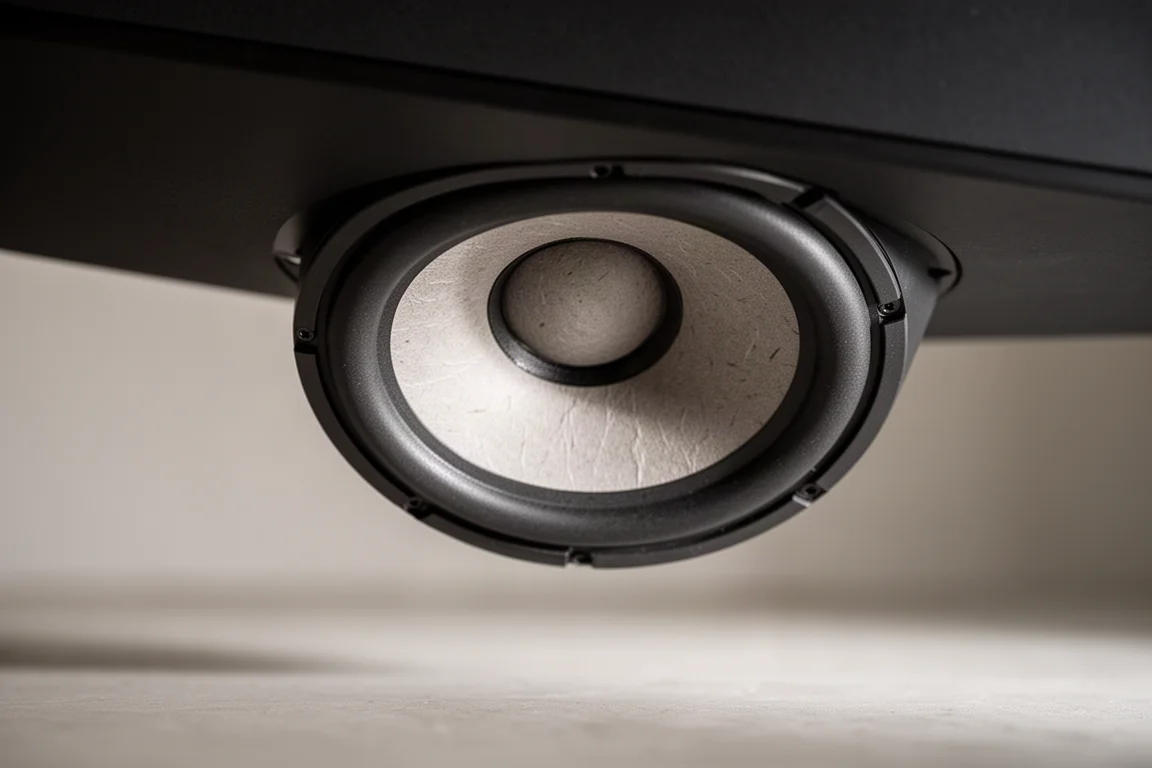
It is also the sensible single-subwoofer choice for a bookshelf system where the room is simply too large for the T5x to pressurise comfortably. You keep most of the speed and gain the output that makes the difference in a bigger space.
If you are weighing one T7x against one T5x for a modest system, the deciding factors are room volume and how low your speakers already go.
REL T9x: Maximum Output for Large Rooms
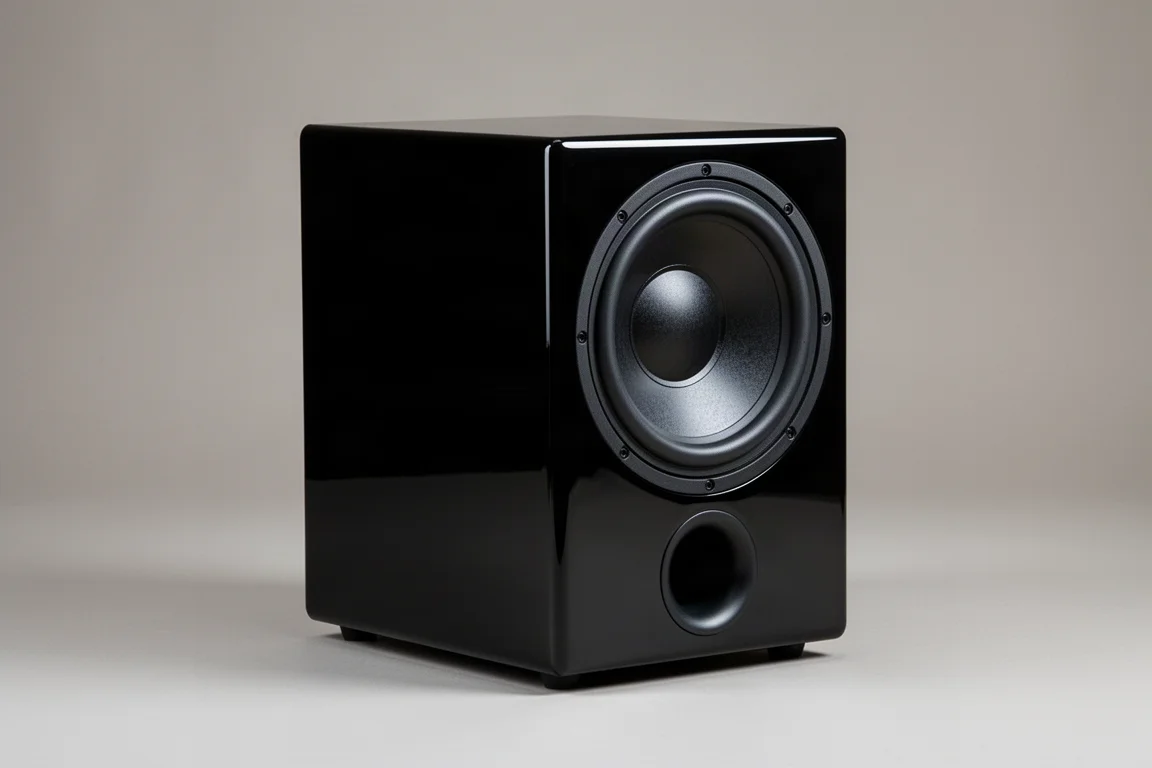
The T9x is the largest model here and the one built for scale. It extends furthest, moves the most air and gives large tower speakers the extra depth and impact they need when a big room refuses to pressurise.
Speed is where it gives ground, and the difference next to the T5x is clear enough to hear. What you gain instead is authority: more extension, more output and a greater sense of room-filling weight.
For a large room with substantial speakers, that trade is usually the right one. For a smaller room with quick, modest speakers, it usually is not.
Matching a Subwoofer to Your Speakers
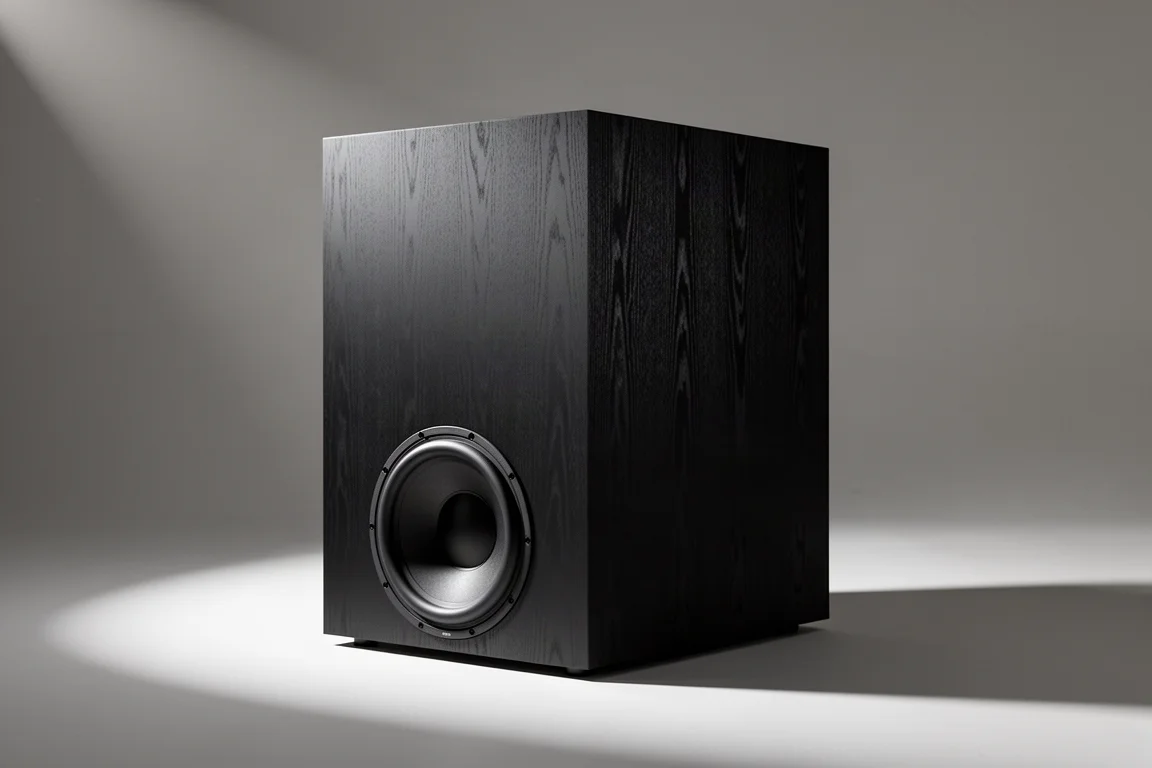
The most useful way to choose is to work outward from your speakers. Fast designs, including panel speakers and compact bookshelf models, benefit most from the T5x because it keeps pace with them. Mid-sized towers that lack the last octave suit the T7x. Large towers that already deliver plenty of bass but could use more extension and pressure in a big room are the T9x’s territory.
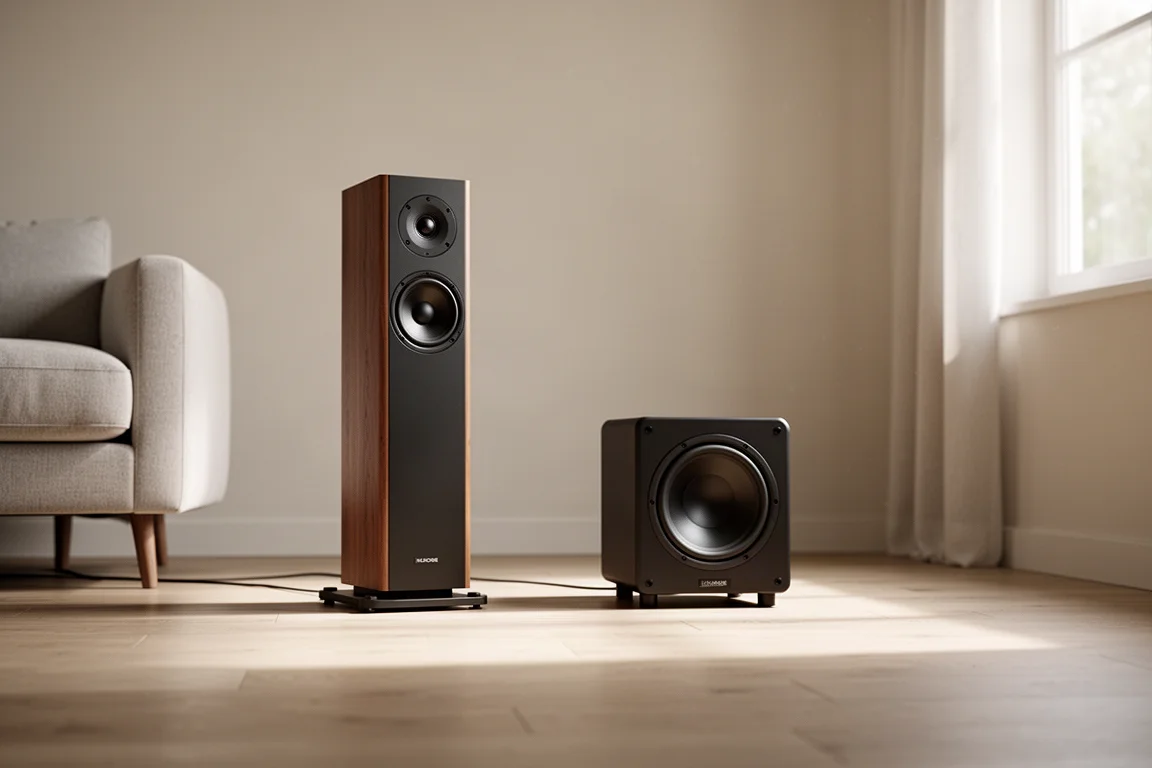
This is why the smallest model is not automatically the compromise option. Speed matters in the bass region, and human hearing is sensitive to timing there. Research from McMaster University suggests listeners can detect very small timing differences at low frequencies, which is one reason a quick, well-integrated subwoofer can sound more musical than a slower one with deeper extension.
Room Size, Output and Subwoofer Count
Room volume decides how much output you need, and output comes first. A bookshelf speaker in a large room is not a case for the T5x, however fast it is. The T7x or T9x will serve that space better, and both remain quick subwoofers, so you satisfy the output requirement first and then consider how well the character matches your speakers.
Running two subwoofers is the better upgrade in most systems. A pair smooths the distribution of bass through the room and adds output, and in many cases two smaller models will outperform a single larger one.
That is why a small to medium room with bookshelf speakers can be better served by two T5x units than by one T9x, even when the budget allows for the larger model. If only one subwoofer is possible, the T7x is a reasonable middle path for a bookshelf system, while a panel speaker owner may still prefer the T5x for its speed.
Buying Advice: Which REL Should You Choose?
Start with the speakers, then the room. Small or fast speakers in a small to medium room point to the T5x. Mid-sized towers in a medium to large room point to the T7x. Large towers in a large room point to the T9x.
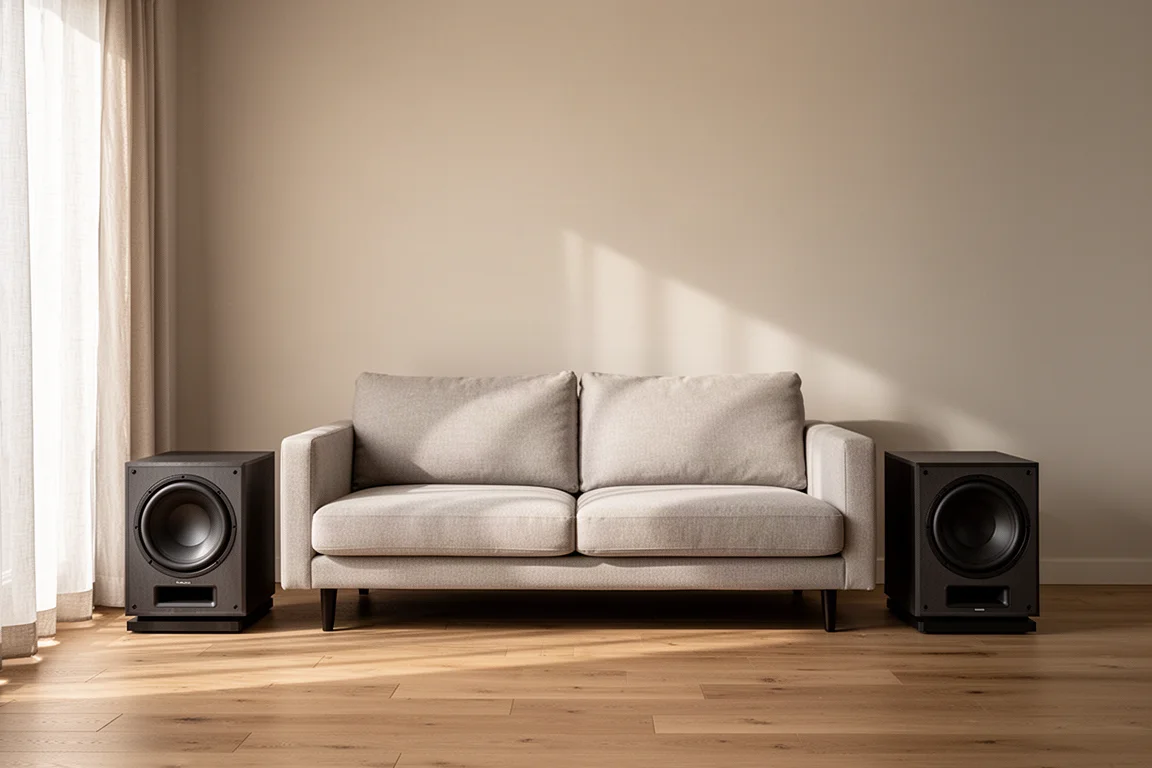
Two smaller subwoofers are generally preferable to one larger one where space and budget allow. If you are unsure, the T7x is the safest single-subwoofer choice for a mixed system, and the T5x remains the pick for anyone who prizes speed above all else.
REL offers a 60-day home trial, which is a practical way to judge a subwoofer in your own room rather than in a showroom. Bass performance depends heavily on the space it is asked to fill, and a home trial removes most of the guesswork.
Conclusion
The T5x, T7x and T9x are three answers to three different questions. The T5x is the fastest and the most affordable, and the right match for quick speakers in smaller rooms. The T7x adds depth and output for mid-sized towers and larger spaces. The T9x delivers the greatest extension and weight for big speakers in big rooms.
Chosen against your speakers and your room rather than against a price list, any of the three will integrate cleanly and disappear into the system, which is exactly what a good subwoofer should do.
Further reading
Related Reviews
Subwoofers
Arendal 1961 Subwoofer 1S Review: Beautiful Build, Modest Punch at $1,000
A sealed $1,000 subwoofer with a gorgeous cabinet, plus three lower-priced alternatives that deliver more impact for movie nights.
Subwoofers
Arendal Sound 1723 2V Subwoofer Review: Dual 13.8-Inch Drivers Under $3,000
A flagship ported subwoofer with dual opposing 13.8-inch drivers, a 1,200W RMS amplifier, app-based DSP, and a 10-year warranty.
Subwoofers
Ascendo 16 Sub Active Sealed Review: Sealed Bass Built on Real Engineering
A close look at the Ascendo 16 Sub Active Sealed, a 16-inch sealed home theater subwoofer with independently verified measurements, a purpose-built driver, and genuinely controlled output.