Subwoofers
REL HT/1510 Predator II Review: A Faster 15-Inch Subwoofer at the Same Price
The REL HT/1510 Predator II pairs a redesigned cabinet and a stiffer 15-inch driver with a more powerful amplifier, and it sells for the same price as the model it replaces.
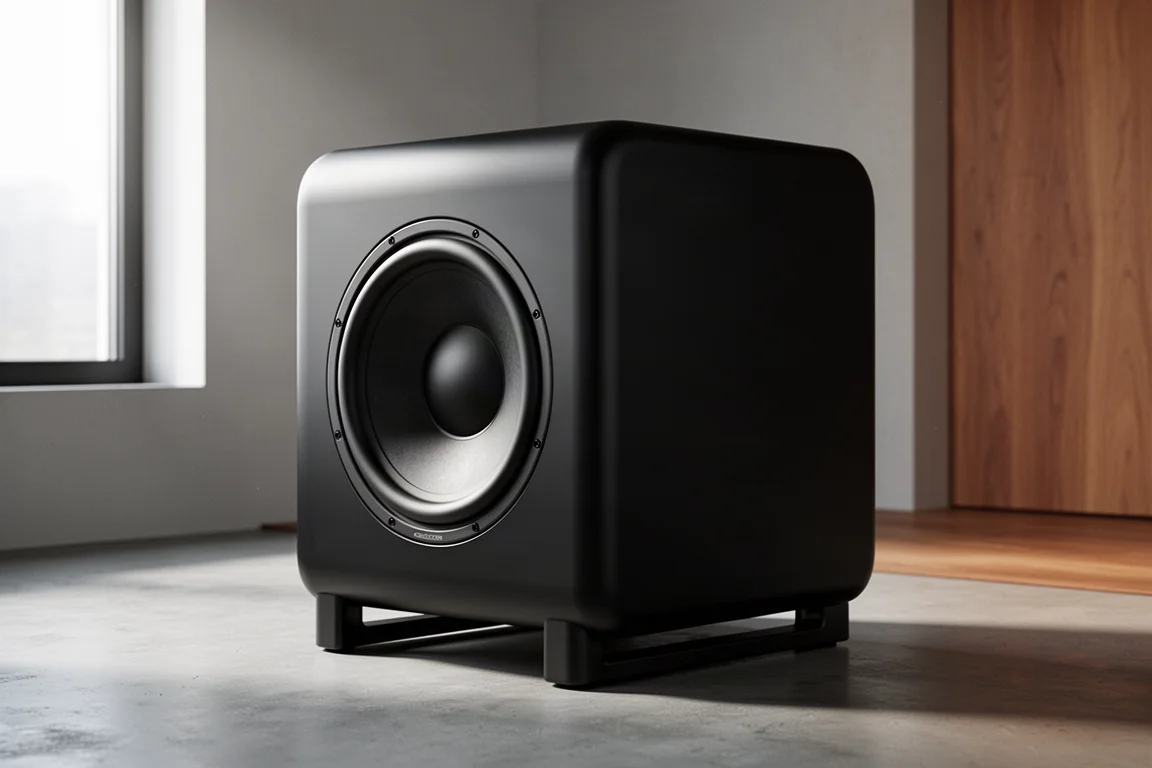
Introduction
REL Acoustics builds one thing: subwoofers. That narrow focus is why the company has earned such a devoted following over the years, and it shows in the HT/1510 Predator II, a full redesign of the 15-inch model in the HT series. The cabinet has been reshaped, the driver and amplifier have been reworked, and the input filtering has been made faster, yet the new model sells for exactly the same price as the subwoofer it replaces. In a market where prices keep climbing, that is the headline.
The case for a subwoofer like this is not simply volume. A well-integrated subwoofer extends the bottom octave and, when set up properly, can lift the entire listening experience, from film soundtracks through to two-channel music.
Who the REL HT/1510 Predator II Is For
This is a subwoofer aimed at larger home theaters where a system needs genuine output in the lowest octave. The 15-inch driver and the substantial amplifier are there to pressurize a big room rather than to sit quietly in a small one.
It also suits listeners who want a single system to cover both movies and music. The design goal here is speed as much as depth, so the subwoofer can track the timing of capable main speakers instead of lagging behind them.
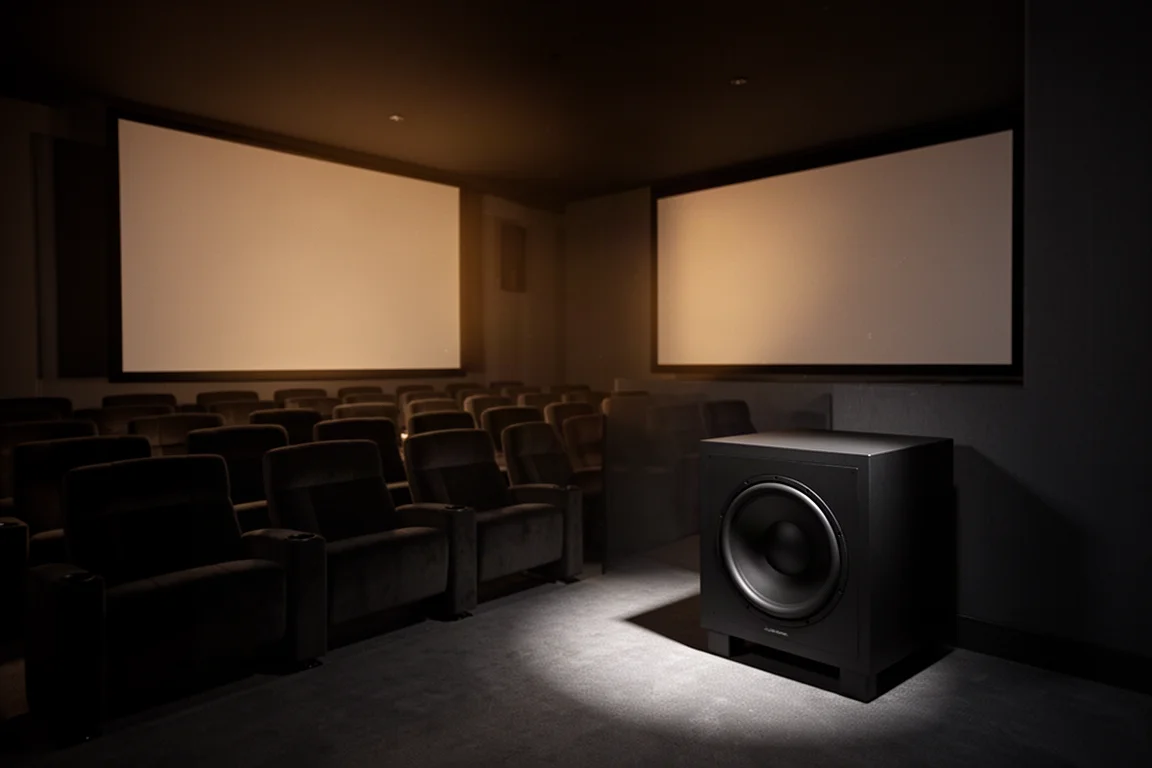
That combination of deep output and quick attack is what separates a subwoofer that disappears into the system from one that draws attention to itself. Buyers building a theater-first system will find the priorities here well chosen, while anyone running a dedicated two-channel setup should read the buying advice below before deciding.
Design and Build Quality
The original Predator was a fairly plain-looking box. The Predator II changes that, with a sleeker cabinet, proportions that line up with the rest of the REL range, and better finishes throughout. It is a direct response to owners who had paired higher-series REL models with their main speakers and wanted the 15-inch model to look like part of the same family.
Connections are generous for the class. Alongside RCA inputs there are balanced inputs, which makes the subwoofer easier to integrate into a system with balanced outputs on the preamplifier.
The cabinet feet have been replaced by solid stacking rails, which makes the enclosure more inert. Those rails also support an unusual feature: the ability to stack up to three units. Solid aluminum couplers join a lower cabinet to the one above, and rails on the underside of each subwoofer carry the load, creating a vertical tower that behaves as one structure.
Driver and Amplifier Upgrades
REL’s Brilliant Brace technology cradles the rear of the woofer and reduces cabinet noise by absorbing energy that would otherwise be trapped in the driver. The redesign goes further: the driver’s back wave now uses the entire depth of the cabinet, which adds output and gives the amplifier better control of the cone by working with the pressure wave.
The 15-inch driver uses a lightweight glass fiber cone, which lets the large 3-inch voice coil move the driver immediately for strong attack. A carbon fiber center cap keeps the shape of the cone intact under heavy bass, rather than continuing the cone material through the center as many subwoofer drivers do, and the updated driver handles more power than before.
Amplification is serious. Four 400-watt MOSFET output devices and a large power supply deliver 1,000 watts to the single 15-inch driver. Deep bass is demanding on current, and the reserve in that supply is what keeps the amplifier in control through long, heavy passages instead of losing its grip on the driver. Input filtering is faster as well, which trims input lag and sharpens the leading edge of bass notes.
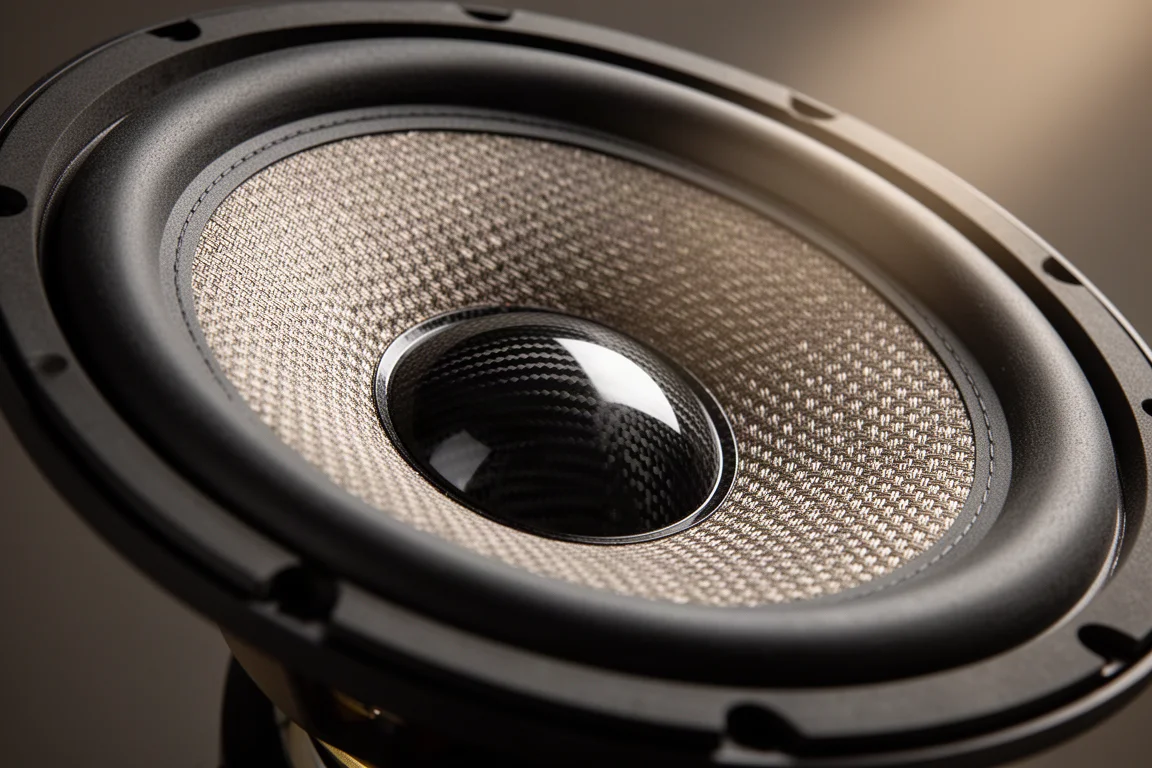
Taken together, the cabinet, driver, amplifier, and rail changes add up to a difference that is easy to hear rather than a set of numbers on a spec sheet.
Listening Impressions
To see whether the Predator II could keep up with quick main speakers, it was run in a two-channel system built around a fast, transparent bookshelf speaker, a stereo receiver, and a streaming source. The subwoofer’s own crossover handled the split, with the main speakers left to roll off naturally, the same approach REL recommends for its more expensive subwoofers.
The pairing worked better than expected for a 15-inch design. On a track built around a repeating kick drum and a strong bass line, the subwoofer added punch to the drum without smearing the midrange, and the blend only needed a lower crossover setting than was first assumed. With electronic material, the system lost the entire bottom octave when the subwoofer was switched off; with it engaged, the room filled with fast, deep bass.
Overhang, the sense of bass notes running on after they should stop, was minimal on quick electronic bass lines. On a dedicated sub-bass test track the Predator II reached respectfully deep, though not as deep as the largest subwoofers. The overall impression is a subwoofer with a great deal of deep bass energy that stays remarkably quick for how low it goes.
Room Fit and Setup Considerations
This is a large subwoofer, close to 100 pounds, and moving it is realistically a two-person job. That matters at the planning stage, because the best position for a subwoofer in a room is rarely the easiest one to reach.
Setup flexibility is a strength. Balanced and RCA inputs cover most systems, the onboard crossover lets main speakers roll off naturally, and the stacking rails mean a second or third unit can be added vertically rather than consuming more floor space. For larger rooms where one subwoofer is not enough, that is a practical route to more output without rearranging the room.
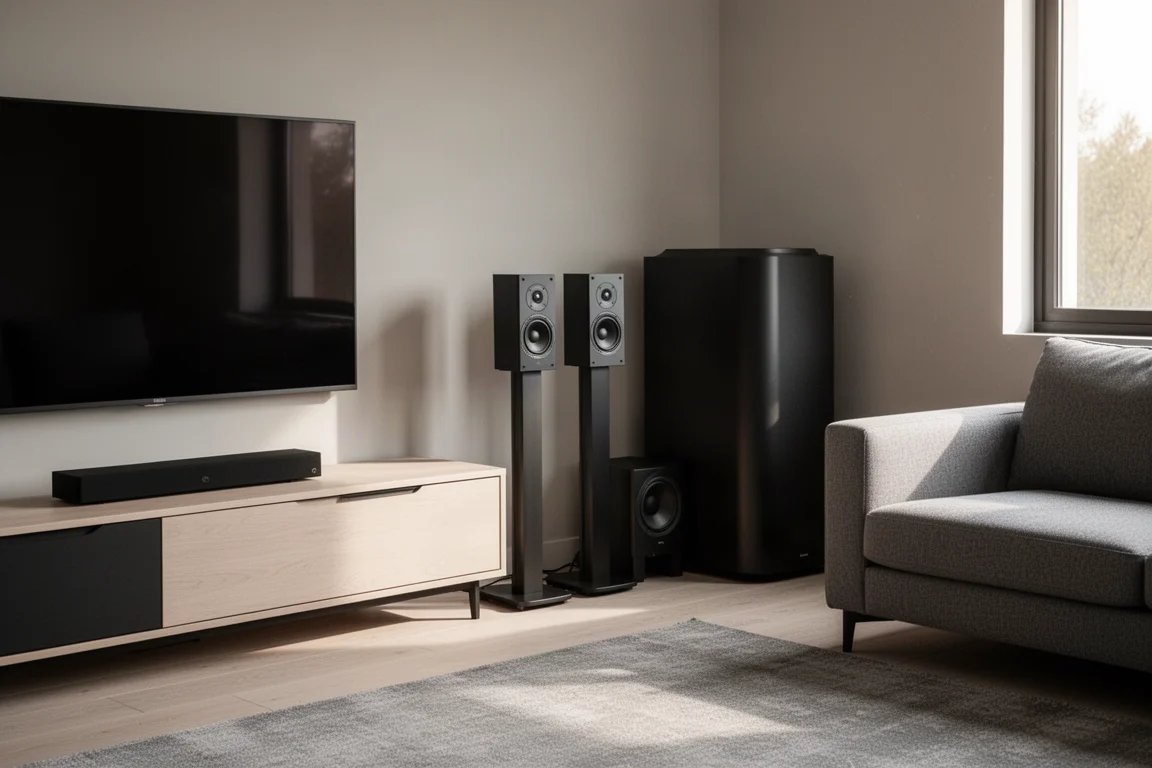
The trade-off is placement discipline. A subwoofer this capable rewards time spent on level and crossover matching, and a poorly integrated 15-inch sub will sound slower and heavier than it actually is.
Things to Consider Before Buying
- Size and weight. Almost 100 pounds in a large cabinet, so measure the space and plan for help on delivery day.
- Depth against the top tier. It reaches low, but not as low as the biggest and most expensive subwoofers.
- Speed against higher REL models. It is quick, but not as quick as the larger, more expensive REL designs.
- Music-first systems. If the system is for two-channel listening only, the faster REL S/510 is worth comparing, at roughly 30% more.
Buying Advice
For most buyers building a home theater around a mid-sized to large room, the HT/1510 Predator II makes a strong case: a full redesign, real amplifier headroom, stacking flexibility, and pricing unchanged from the model it replaces. It delivers the bottom octave with the speed needed to blend with capable main speakers, which is the part many subwoofers at this level get wrong.
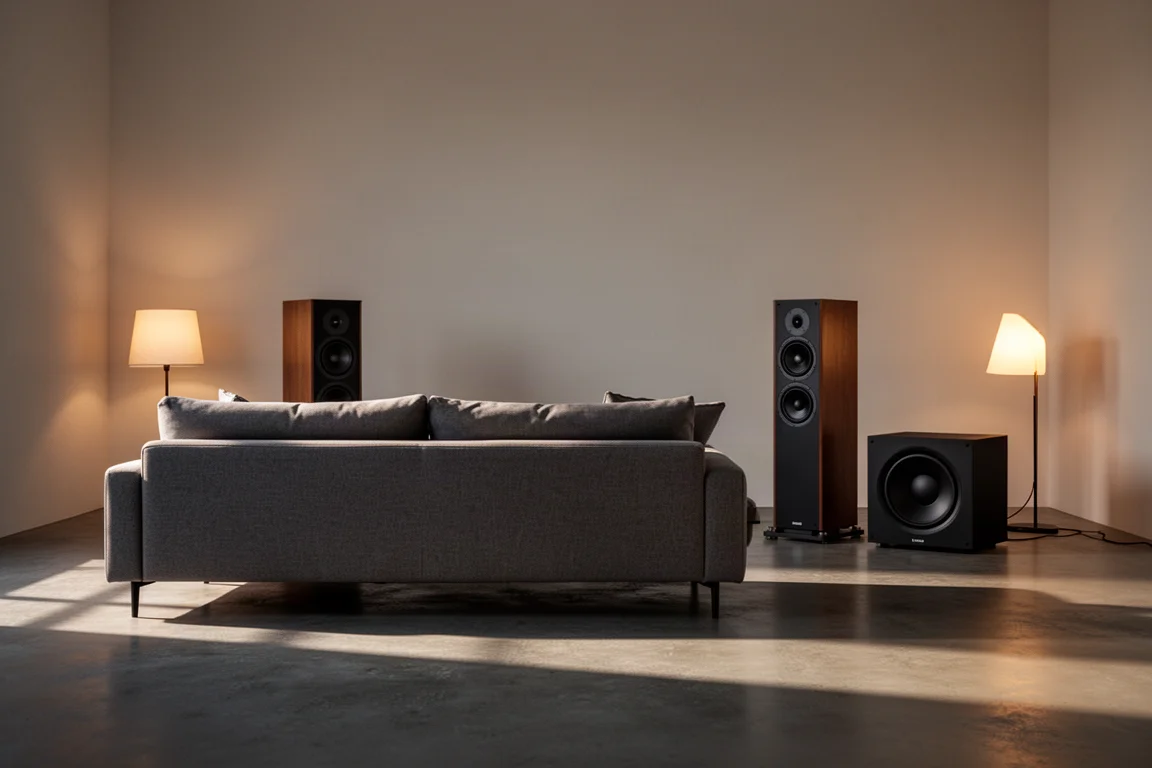
If the system is music-first and the room is not enormous, the REL S/510 costs roughly 30% more and offers an even faster response for better blending with the main speakers. That is a fair upgrade for a dedicated two-channel listener. For a theater that also plays concert films and music, the Predator II’s combination of output and speed is the more balanced choice, and it is the better value of the two.
Conclusion
The REL HT/1510 Predator II is a thorough update rather than a cosmetic one. A redesigned cabinet, a stronger driver, more amplifier power, faster input filtering, and stackable rails all point in the same direction: deep bass that arrives quickly. Holding the price at the level of the original makes that a straightforward recommendation for large home theaters, and a very capable option for systems that serve both movies and music.
Product link
View more details for REL HT/1510 Predator II
This product is mentioned in the review. Check the specifications, options, and compatibility before buying.
View more details for REL HT/1510 Predator IIFurther reading
Related Reviews
Subwoofers
Arendal 1961 Subwoofer 1S Review: Beautiful Build, Modest Punch at $1,000
A sealed $1,000 subwoofer with a gorgeous cabinet, plus three lower-priced alternatives that deliver more impact for movie nights.
Subwoofers
Arendal Sound 1723 2V Subwoofer Review: Dual 13.8-Inch Drivers Under $3,000
A flagship ported subwoofer with dual opposing 13.8-inch drivers, a 1,200W RMS amplifier, app-based DSP, and a 10-year warranty.
Subwoofers
Ascendo 16 Sub Active Sealed Review: Sealed Bass Built on Real Engineering
A close look at the Ascendo 16 Sub Active Sealed, a 16-inch sealed home theater subwoofer with independently verified measurements, a purpose-built driver, and genuinely controlled output.