Subwoofers
REL HT/1003 MKII Review: A Sealed Subwoofer That Makes Speakers Sound Bigger
A sealed 10 inch subwoofer with a 300 watt class D amplifier, RCA line level connections, and a hand polished finish. Here is what to know before buying.
Introduction
A subwoofer is usually pitched as a way to add depth to a system, but the payoff of a well matched one reaches much further. When a subwoofer lines up with the room and the main speakers, the balance of the whole system shifts. The midrange gains body, the treble can seem to change character, and the sound stage grows wider and deeper. That is the case the REL HT/1003 MKII makes, and it is a compelling one.
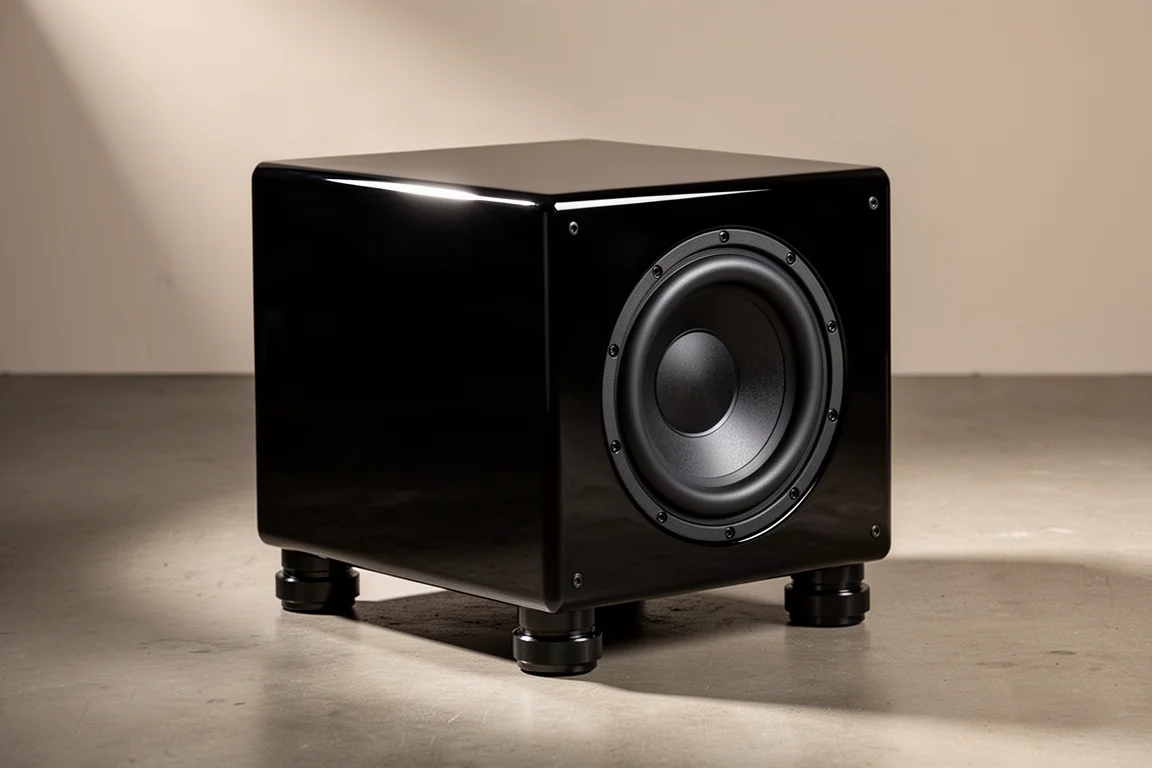
The HT/1003 MKII is a sealed 10 inch subwoofer with a 300 watt class D amplifier. Its name points at home theater duty, but it turns out to be just as comfortable with music, and that flexibility is the most interesting thing about it.
Who This Product Is for
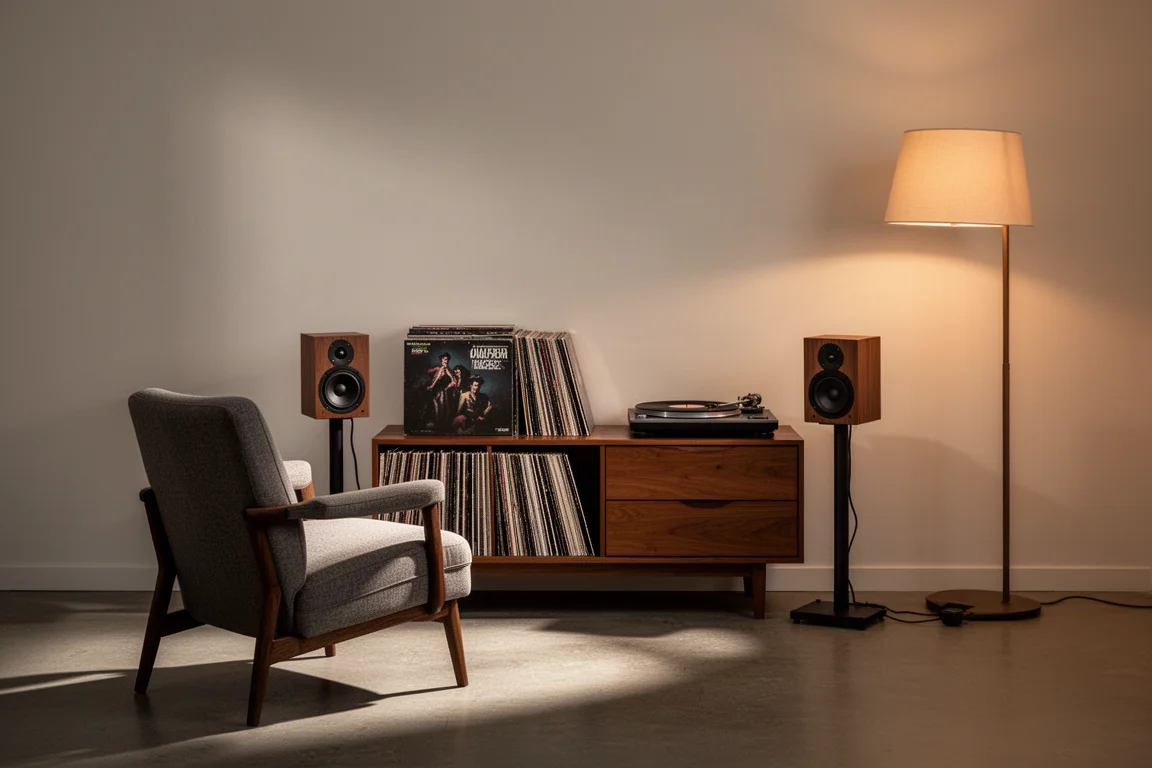
This subwoofer suits listeners whose main speakers are strong through the midrange and treble but limited at the bottom. Small stand mount designs and panel speakers are the natural candidates, and the HT/1003 MKII was paired with both during listening: the Magnepan LRS Plus, the KEF LS50 Meta, the Zu Dirty Weekend Six, and the Pure Audio Project Duet 15 Prelude.
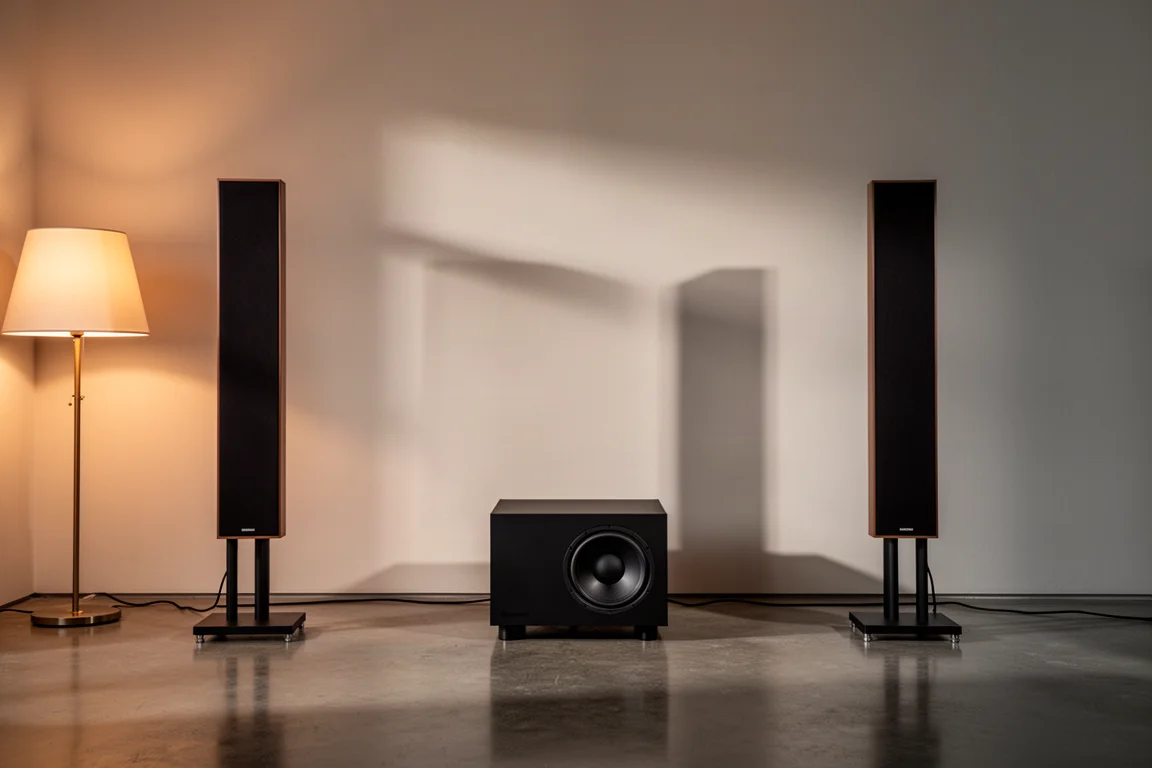
With the Magnepan LRS Plus, a speaker that produces very little bass and not much punch, the subwoofer filled in the low end and shifted the overall tonal balance closer to what a larger Magnepan model delivers. That is the strongest argument for a subwoofer of this type. It does not simply add low notes, it makes a smaller speaker behave like a bigger one, with more impact and more fullness across the whole range.
Main Strengths
The HT/1003 MKII is a sealed cabinet rather than a ported one, and its driver is a 10 inch carbon glass woofer with a larger magnet and a revised suspension compared with the earlier version. It is matched to a 300 watt class D amplifier that also received detail changes throughout, starting with the power supply.
In use the subwoofer is fast and deep, and it does not call attention to itself. Ideally a subwoofer should be felt as an extension of the main speakers rather than heard as a separate box in the corner, and that is what happens here. It also blended easily with every speaker it was paired with, which is not something every subwoofer manages.
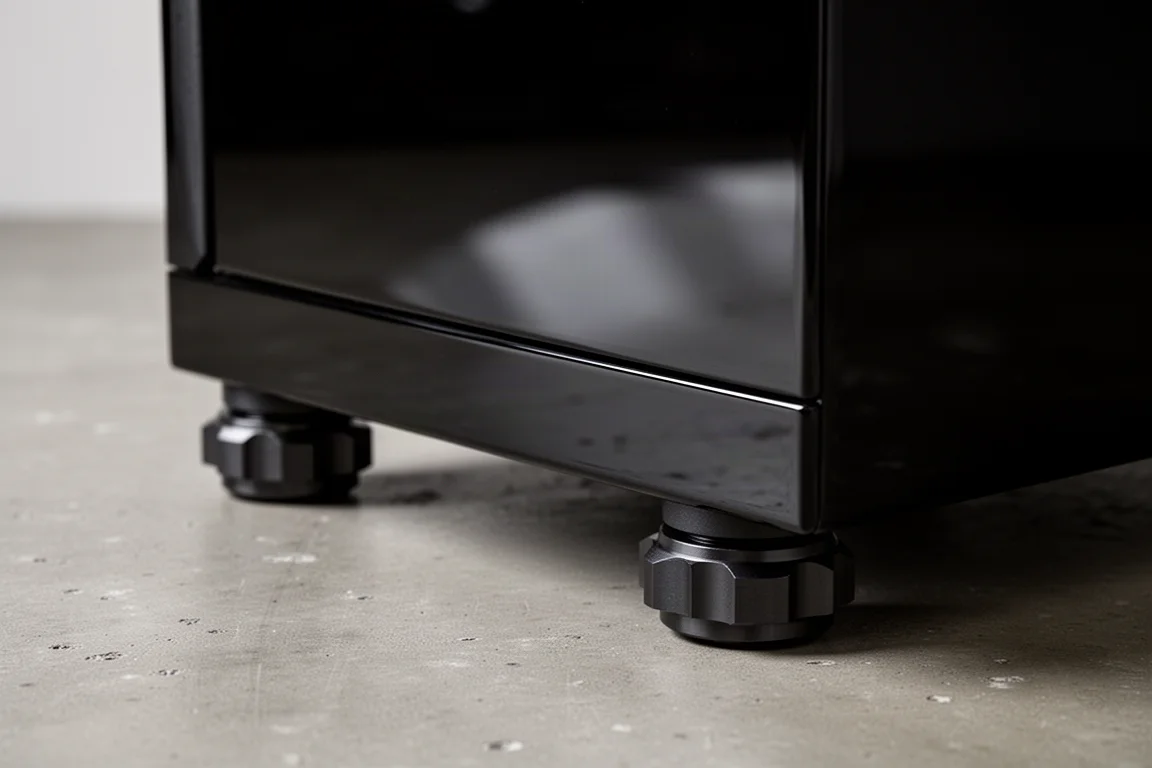
The finish is a clear step up from the original model. The top panel wears five hand polished coats of black lacquer, and the cabinet sits on the chunky feet used across the range, which gives it a more considered look than the plainer earlier version.
Setup and Controls
The back panel keeps things simple. There are RCA line level inputs and matching outputs for daisy chaining a second subwoofer, a low pass filter that sweeps from 30 Hz to 200 Hz, a volume control, and a phase switch that moves between 0 and 180 degrees. Those four controls cover everything most rooms need.
The notable omission for long time owners of the brand is a speaker level input, which this model does not include. There is also no app and no remote control, so every adjustment is made by hand at the cabinet. Buyers who want to avoid a cable run can add the HT Air wireless adapter, which is sold separately.
How It Pairs With Different Speakers
Blending is where a subwoofer earns its keep, and the HT/1003 MKII proved flexible across very different speaker designs. It also works well with the main speakers left running full range rather than high passed, an approach that preserves the character of the main speakers instead of chasing maximum loudness.
With the Zu Dirty Weekend Six, a full and rich sounding speaker built around a 10 inch full range driver, the subwoofer went deeper and moved the room considerably more than the speaker managed on its own. With the Pure Audio Project Duet 15 Prelude, which uses a 15 inch open baffle woofer with excellent pitch definition, the low pass was set just one step above 30 Hz so the subwoofer only handled the very bottom of the range. Even there it added a deeper foundation and more depth and ambience to the stage.
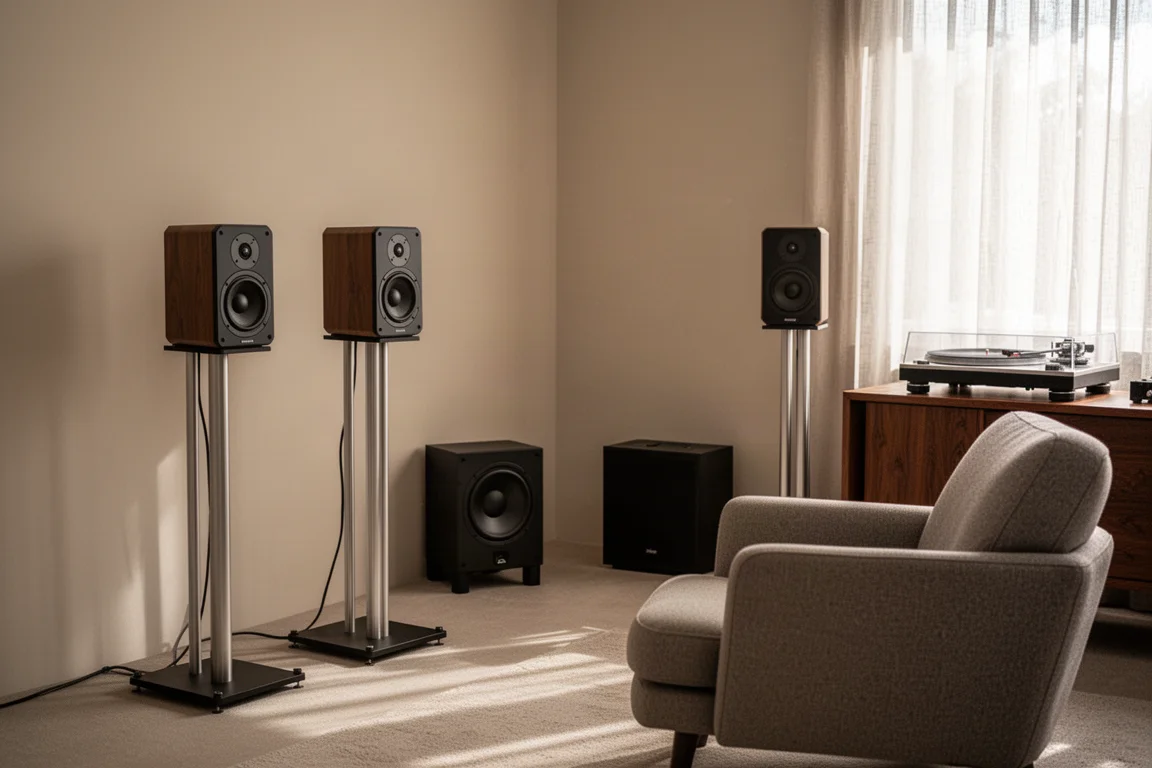
The easiest blend of all came with the KEF LS50 Meta, a small stand mount that benefits from low end support. Crossing over higher, around 80 Hz, kept everything that makes that speaker appealing while making its imaging deeper, bigger, and more spacious. A fast subwoofer is what makes that possible, and the HT/1003 MKII kept pace without smearing the timing.
Things to Consider Before Buying
- There is no speaker level input, only RCA line level connections, which is a departure from the brand’s usual layout.
- There is no app and no remote control, so all tuning happens at the rear panel.
- Listeners with a full sounding speaker such as the Zu Dirty Weekend Six may find the subwoofer optional for music, since that speaker was satisfying on its own. The extra depth and room filling weight matters most with electronic music, dance music, and home theater material.
- Another model in the same range, the REL T/0, is less powerful but may be the better match with the Magnepan LRS Plus on overall character. With the other speakers in this group, the HT/1003 MKII is the stronger partner.
Buying Advice
At $699 with a three year warranty, which is above average for the category, the HT/1003 MKII sits in a sensible spot for a sealed 10 inch subwoofer with this level of build and finish. The cabinet is designed in the United States and manufactured in China, and the optional HT Air wireless adapter adds $119 if a cable run across the room is awkward.
If the goal is a subwoofer that disappears into the system and simply makes the main speakers sound larger, this one is easy to recommend. It rewards careful setup rather than brute output, so it fits best in rooms where quality of blend matters more than sheer volume. If you specifically need a speaker level input, or you are working with a very large space, it is worth looking carefully at the rest of the range before deciding.
Conclusion
The REL HT/1003 MKII shows that a subwoofer’s job is broader than adding bass. It is fast, deep, and unobtrusive, it blends without fuss across small stand mounts, full range designs, and open baffle speakers, and it looks considerably better than the model it replaces. For listeners who want their existing speakers to sound bigger and more complete, it is a straightforward upgrade to consider.
Product link
View more details for REL HT/1003 MKII
This product is mentioned in the review. Check the specifications, options, and compatibility before buying.
View more details for REL HT/1003 MKIIFurther reading
Related Reviews
Subwoofers
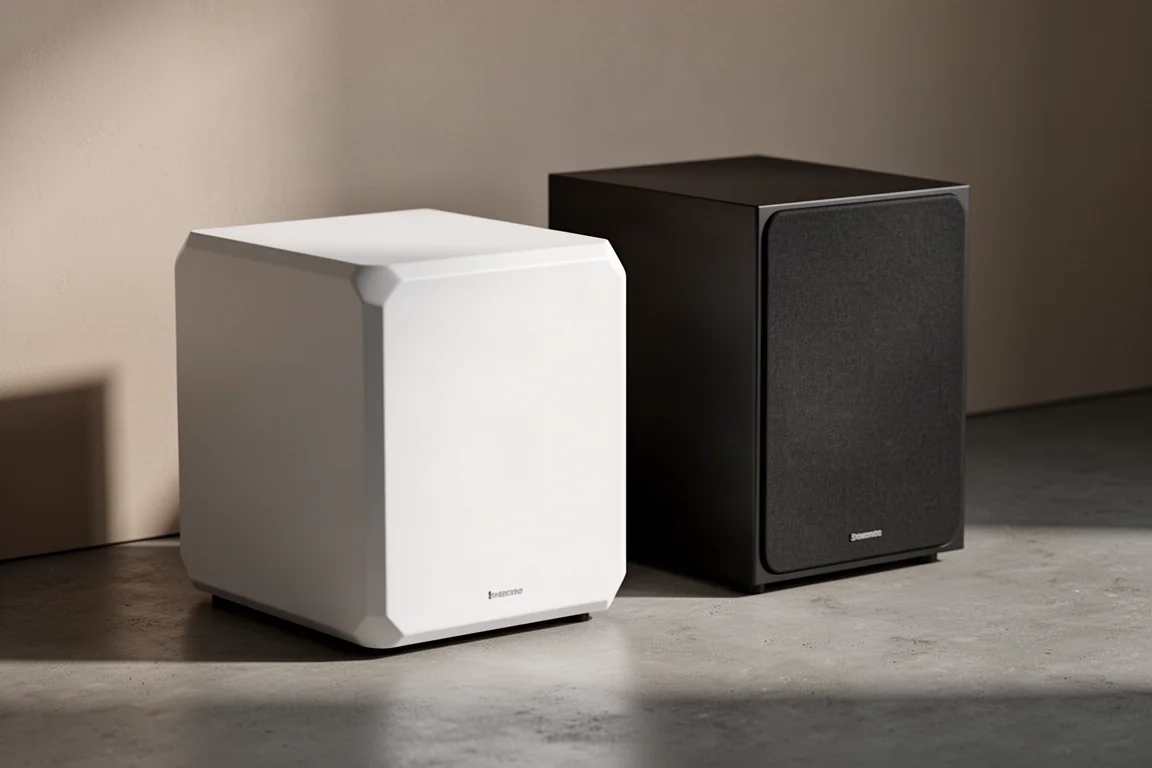
Arendal 1961 Subwoofer 1S Review: Beautiful Build, Modest Punch at $1,000
A sealed $1,000 subwoofer with a gorgeous cabinet, plus three lower-priced alternatives that deliver more impact for movie nights.
Subwoofers
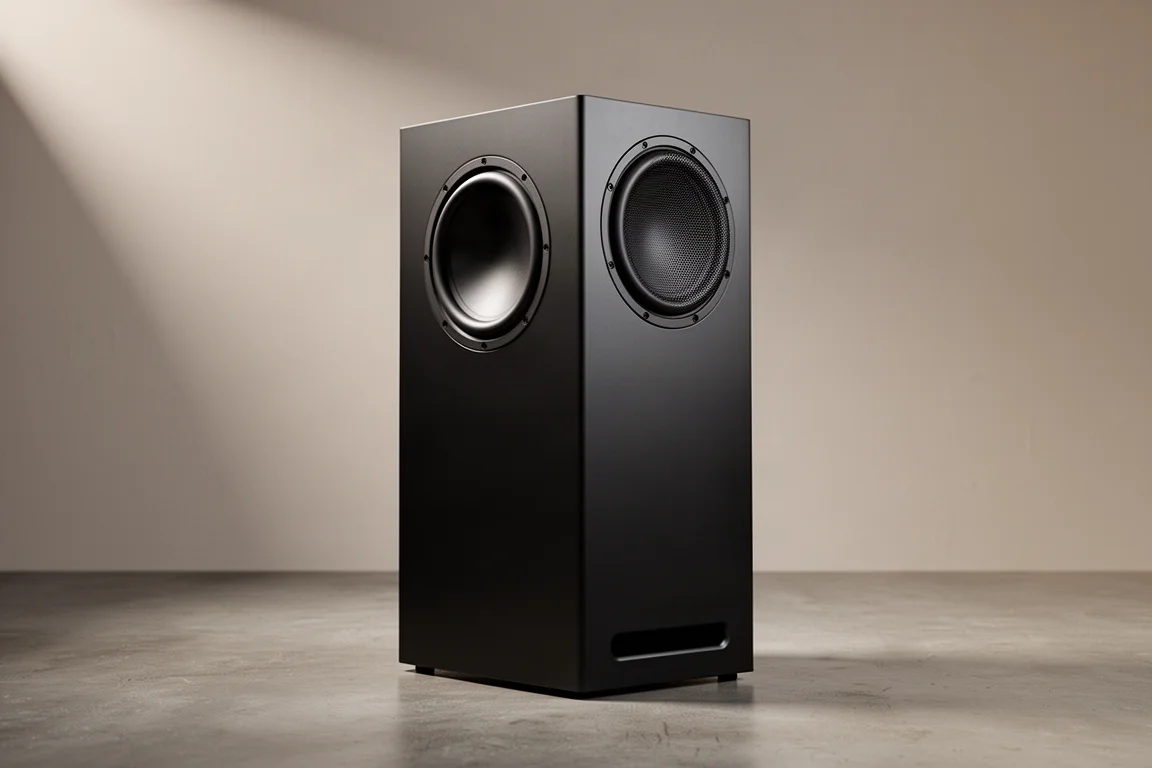
Arendal Sound 1723 2V Subwoofer Review: Dual 13.8-Inch Drivers Under $3,000
A flagship ported subwoofer with dual opposing 13.8-inch drivers, a 1,200W RMS amplifier, app-based DSP, and a 10-year warranty.
Subwoofers
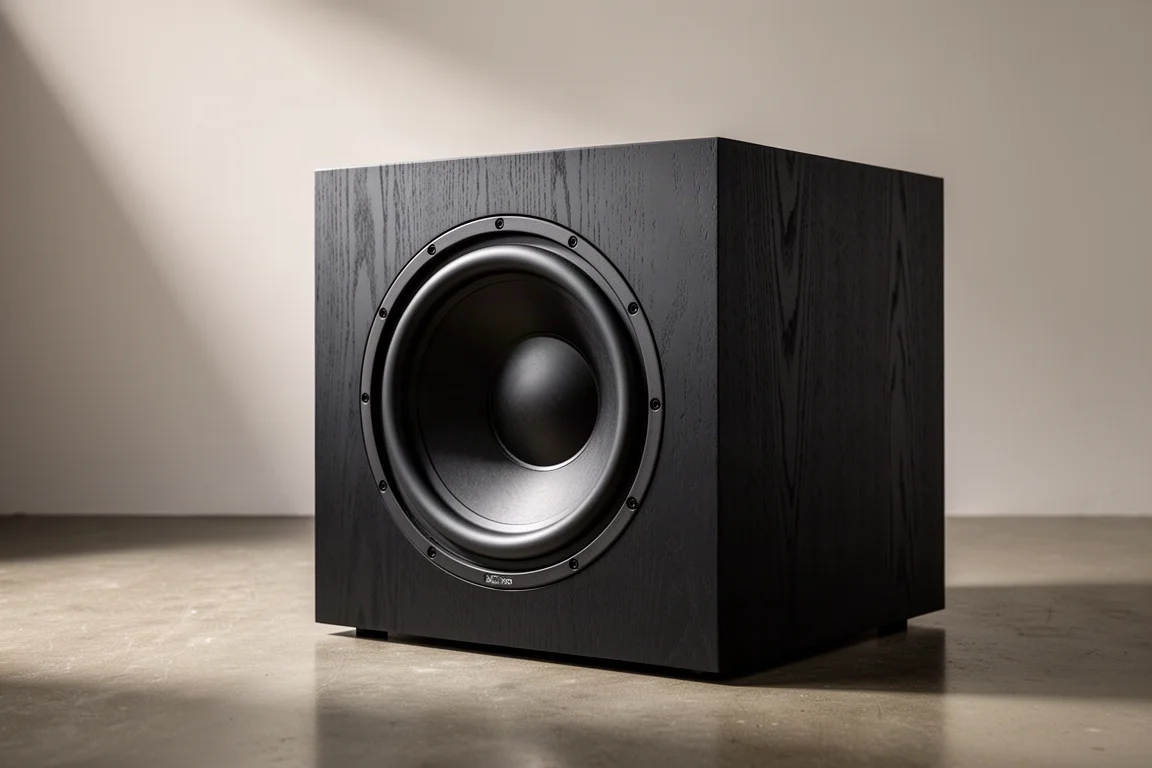
Ascendo 16 Sub Active Sealed Review: Sealed Bass Built on Real Engineering
A close look at the Ascendo 16 Sub Active Sealed, a 16-inch sealed home theater subwoofer with independently verified measurements, a purpose-built driver, and genuinely controlled output.