Subwoofers
REL Classic 99 Review: A Musical, Room-Filling Subwoofer With a Vintage Soul
A close look at the REL Classic 99, a 12-inch down-firing subwoofer built for warmth, texture, and room-filling presence, and the systems it suits best.
Introduction
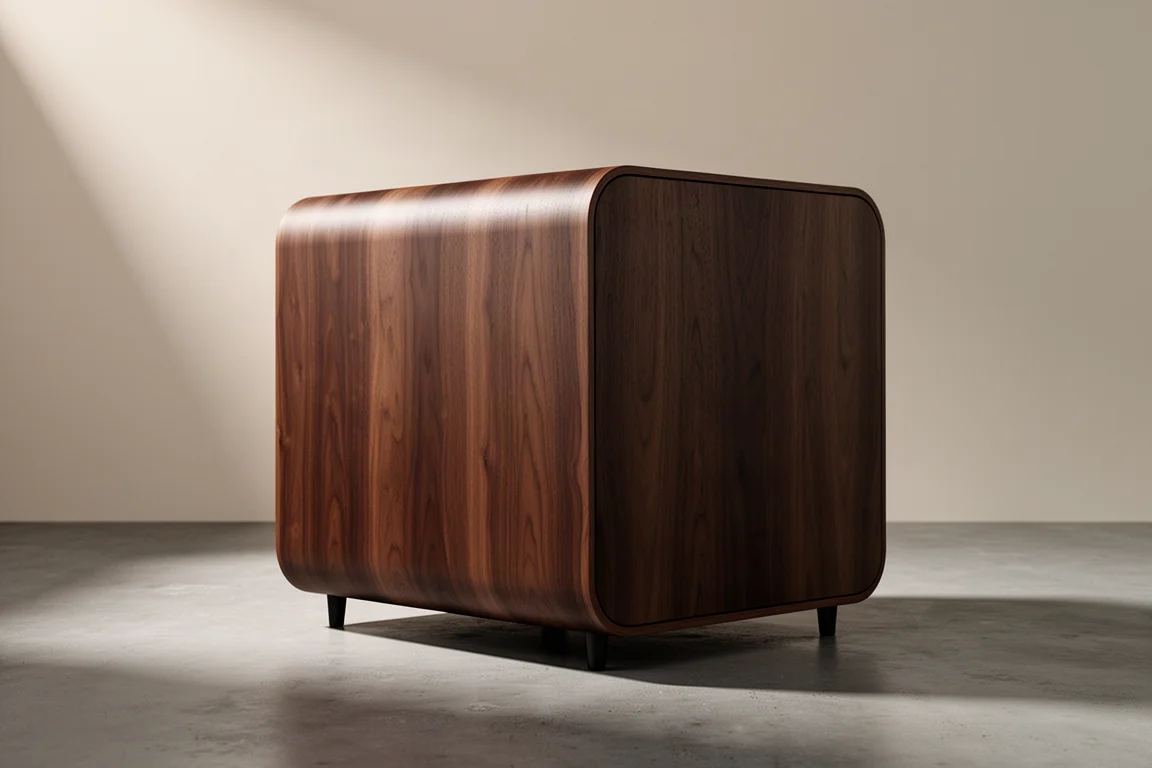
REL’s Classic series takes a deliberate step away from the direction most subwoofer brands have followed. The Classic 99 is the larger of the two models in that series: a 12-inch down-firing paper woofer with very thick surrounds, driven by a Class D amplifier, and housed in a walnut veneer cabinet finished well enough to be mistaken for solid walnut at a glance.
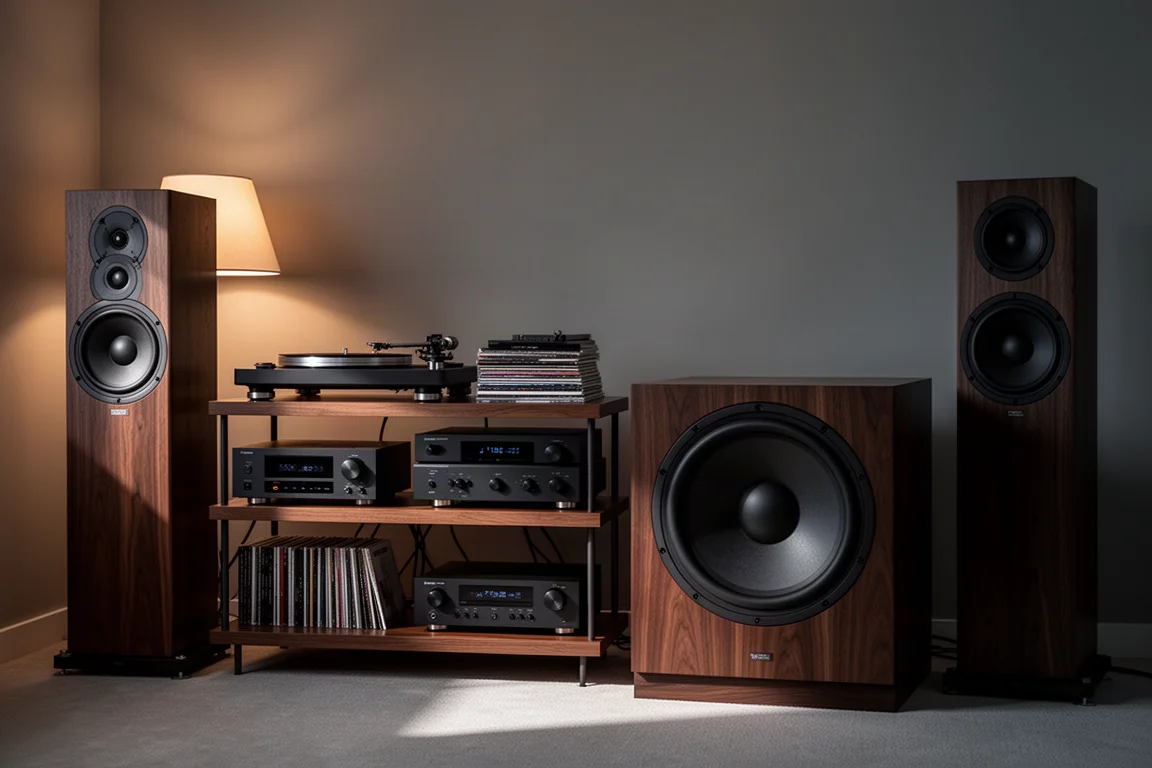
The result is a subwoofer that behaves differently from REL’s current TX Series and from most app-controlled competitors. It is not the tightest or the fastest design on the market, and it does not try to be. What it offers instead is weight, texture, and a sense of room pressurization that many listeners describe as musical rather than forceful.
That distinction shapes everything else about the product, from the way it is set up to the systems it suits best.
Who the REL Classic 99 Is For
The Classic 99 makes the most sense in a system that already sounds slightly lean. Its strength is filling in the lower octaves with richness and body, so speakers that are detailed but a little thin on the bottom end benefit most. It also adds warmth across the mid-range, which is unusual for a subwoofer and part of what separates it from a straightforward low-frequency effect unit.
Listeners who chase speed above all else are a different case. If your priority is tight, punchy, fast attack and decay, particularly with quick-sounding speakers, a forward-firing design tuned for speed will usually be the better match. The Classic 99 is built around rumble, texture, and a room-filling bodily sensation rather than snap.
It is also worth thinking about how warm your system already is. Adding the Classic 99 to an already rich-sounding setup pushes things further in that direction, which is either exactly what you want or more than you want, depending on taste.
Main Strengths: Warmth, Texture, and Room-Filling Presence
The first thing that stands out is how much the Classic 99 changes the character of a system rather than simply adding bass. In a setup built around detailed speakers, a preamplifier, monoblock amplifiers, and a turntable, it made everything sound warmer, richer, and more textured, and the effect carried into the mid-range as well as the bottom end. Switching it off left an obvious gap.
Part of that comes down to the down-firing driver. Because the woofer fires into the floor, the subwoofer uses the room boundary to pressurize the space, and its dispersion behaves differently from a forward-firing design. The result sits closer to an open-baffle presentation than to a conventional box subwoofer, but with more pressurization behind it and a grippier, richer low end.
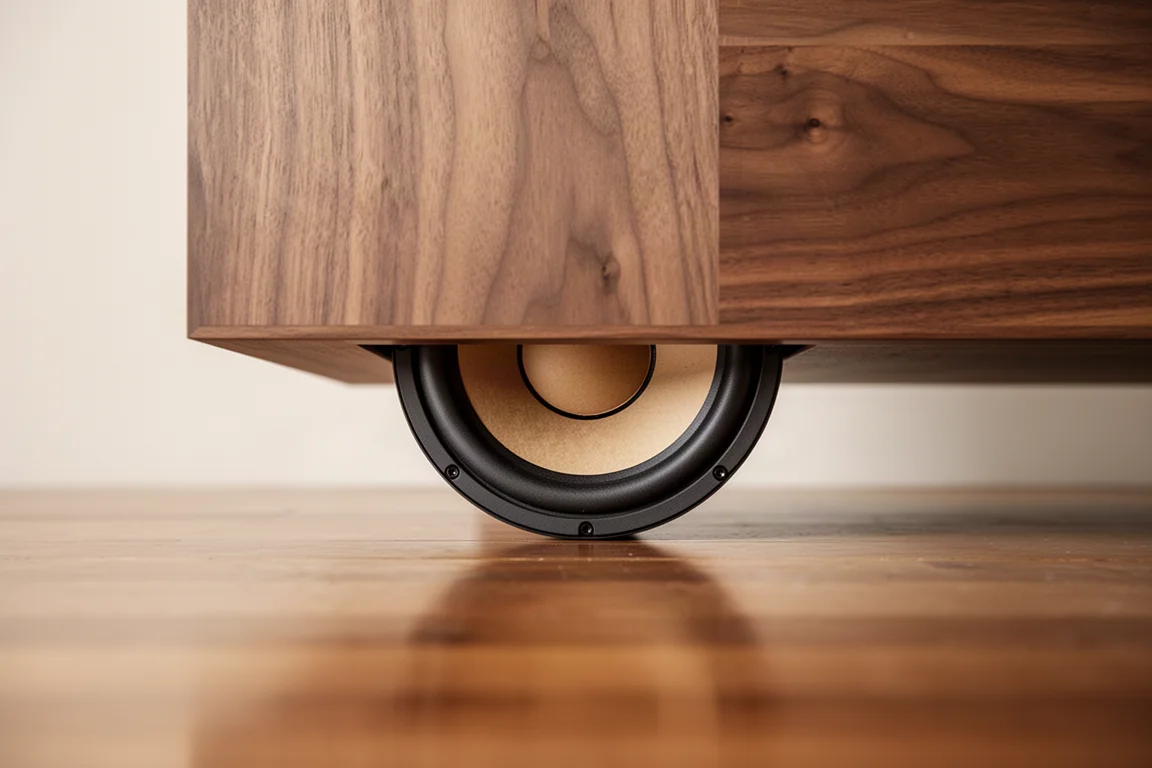
Output and extension are where this model clearly moves ahead of the older vintage REL designs it evokes. REL rates the Classic 99 at -6 dB at 24 Hz, and the company also states that it plays roughly 30 percent louder than the smaller Classic 98, which uses a 10-inch down-firing driver. In practice, a single Classic 99 filled the room in a way that felt comparable to running more than one subwoofer, and it reached lower than the TX Series.
The character is best described as vintage REL. It is thunderous when the material calls for it, but it stays nuanced and musical rather than one-note, which is the quality that has always defined the brand’s better subwoofers.
Build Quality and the Walnut Veneer Cabinet
The cabinet is a genuine highlight. The walnut veneer is executed so well that it reads as solid walnut at first glance, and the overall build quality matches what REL is known for. This is a subwoofer that looks like furniture rather than equipment, which matters in a living space.
The logo treatment is another improvement. REL has a reputation for putting its branding on almost every surface, from the feet to the drivers to the top panel. On the Classic 99, the top badge remains, but the logos on the legs are so subdued that they read as plain black feet. The overall aesthetic is cleaner and more restrained than the TX Series, and it is a large part of why the Classic series looks more appealing than REL’s current lineup.
Things to Consider Before Buying: Setup, Controls, and Placement
Setup is the area where the Classic 99 asks the most from its owner. There is no app, unlike SVS or Arendal models, so every adjustment happens by hand on the rear panel. REL recommends starting in a corner and then pulling the subwoofer out while listening, and that approach works well, but it means a cycle of walking to the back of the unit, adjusting the SPL and crossover, returning to the listening position, and repeating. Dialing the Classic 99 into a room can easily take a dozen or more trips.
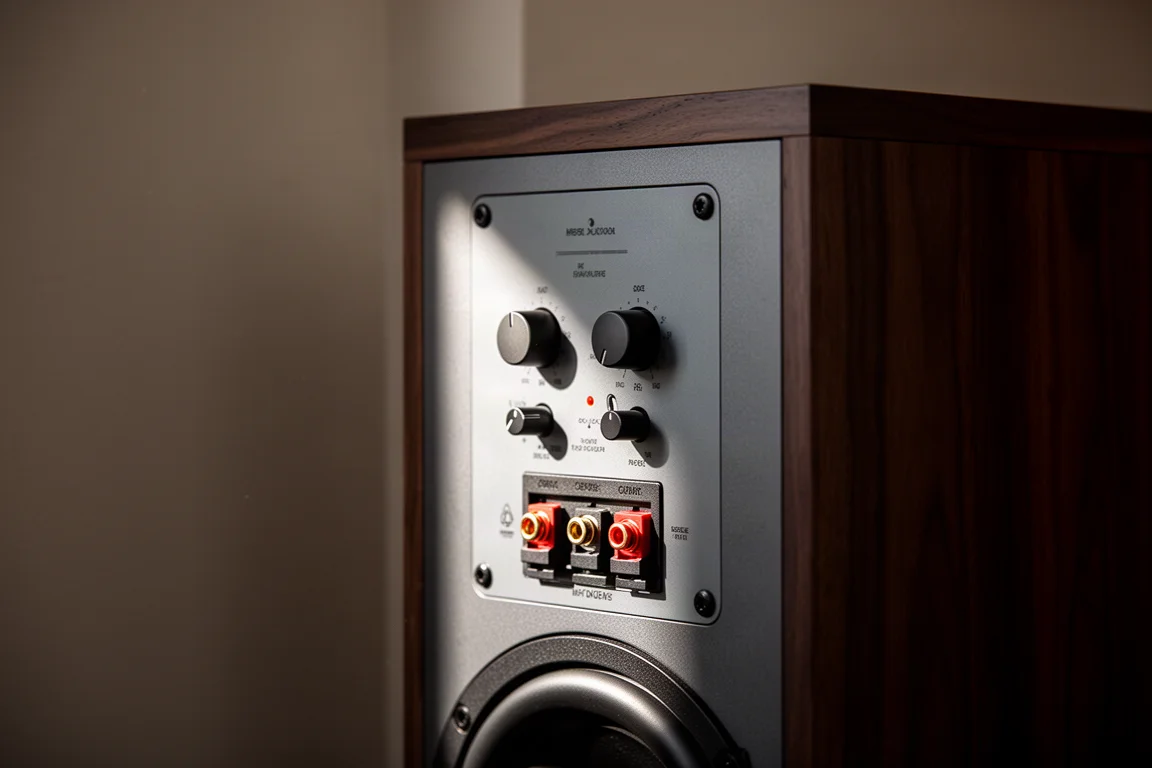
The controls themselves are well made and pleasant to turn, but the markings are sparse. The crossover dial is labeled only at 30 Hz and 120 Hz, so the midpoint has to be assumed to be 60 Hz and everything in between is guesswork. The indicator dot is small and hard to read, which is a real problem given that REL recommends corner placement where the rear panel is difficult to see. Phase adjustment is limited to 0 and 180 degrees, with no 90-degree option, so phase cannot be used as a fine integration tool the way it can on subwoofers with continuous adjustment.
The connectivity, on the other hand, is a genuine strength. The rear panel offers high-level inputs, high-level adjustment, a crossover range from 30 Hz to 120 Hz, an LFE input for home theater use, and an RCA input for a preamplifier or subwoofer output. The high-level input is the standout: it connects like a speaker cable, so no subwoofer output or spare pre-out is required, which makes it far easier to add the Classic 99 to an integrated amplifier that has neither. REL also claims that a high-level connection lets the subwoofer take on the tonality of the rest of the system for more seamless integration, and in practice that connection was the preferred one.
One caution: high-level wiring varies between amplifier types. The manual covers the different cases, and it is worth confirming the correct method with the amplifier manufacturer before connecting anything, to avoid damage.
How the Classic 99 Compares With Other REL Subwoofers
Within REL’s own range, the Classic 99 occupies a specific spot. The TX Series is the faster, tighter, more punchy option, and it is the better match for quick-sounding speakers where attack and decay matter most. The Classic 99 trades some of that snap for rumble, texture, and a fuller, more enveloping low end that extends deeper than the TX Series.
Against the older vintage REL models that the Classic series references, the Classic 99 is a clear modernization. Those older designs were musical and still worth hearing, but they were not especially tight, did not extend as low, and had limited output. The Classic 99 keeps the musical character while adding far more output, deeper extension, and a tighter overall response, even if it still does not match the TX Series for tightness.
For anyone considering an open-baffle subwoofer for its natural, unboxy presentation, the Classic 99 is worth a look as an alternative: it delivers a similar sense of space with more pressurization, warmth, and texture.
Buying Advice
The decision comes down to the character you want. If your system is slightly lean, if you listen to a lot of vinyl, or if older and imperfectly recorded material makes up a good share of your library, the Classic 99 is an easy recommendation. Its warmth and richness smooth over rough recordings and make long listening sessions more enjoyable, and the extra body it adds to the mid-range is a meaningful upgrade rather than a subtle one.
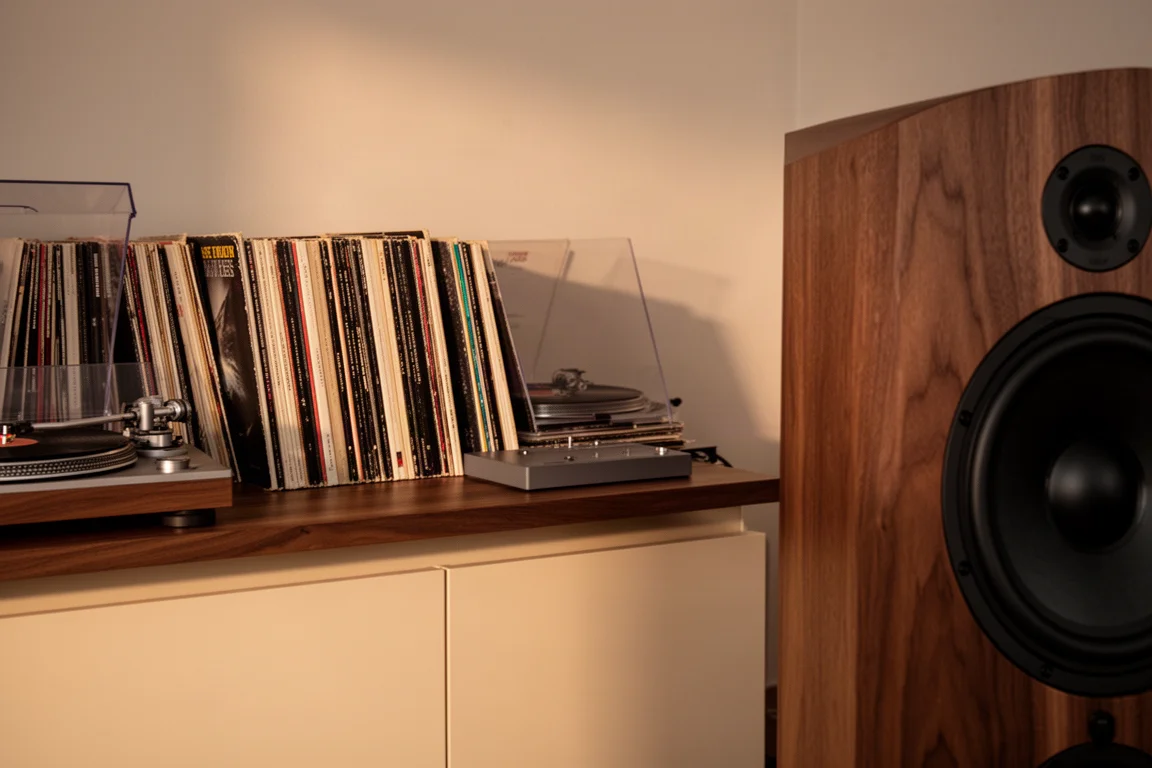
If instead you run fast, analytical speakers and value punch, speed, and a tight grip on the low end above all else, the Classic 99 is probably the wrong tool. A forward-firing design built for speed, whether from REL or another brand, will serve that system better. Similarly, if your system is already very warm and rich, the Classic 99 will push it further in that direction, which is a matter of taste rather than a flaw.
It is also worth weighing how much you value the cabinet finish and the tonal character on offer, because those are the two areas where the Classic 99 stands apart from a conventional alternative. If both matter to you, it delivers on them.
Conclusion
The REL Classic 99 is not a subwoofer for every system, and REL has not tried to make it one. It is a deliberately warm, textured, room-filling design that prioritizes musicality and a vintage-inspired character over speed and app-based convenience.
For the right listener, that trade is straightforward. In a system that benefits from extra body in the lower octaves and a richer mid-range, the Classic 99 makes a substantial difference, one that becomes obvious the moment it is switched off. Its high-level input makes it easy to integrate into amplifiers that lack a subwoofer output, and its cabinet is finished to a standard few subwoofers can match.
Buyers who want tighter, faster bass, continuous phase adjustment, or app control should look elsewhere. Buyers who want their system to sound richer and more inviting, especially with analog sources, will find the Classic 99 does exactly what it promises.
Product link
View more details for REL Classic 99
This product is mentioned in the review. Check the specifications, options, and compatibility before buying.
View more details for REL Classic 99Further reading
Related Reviews
Subwoofers
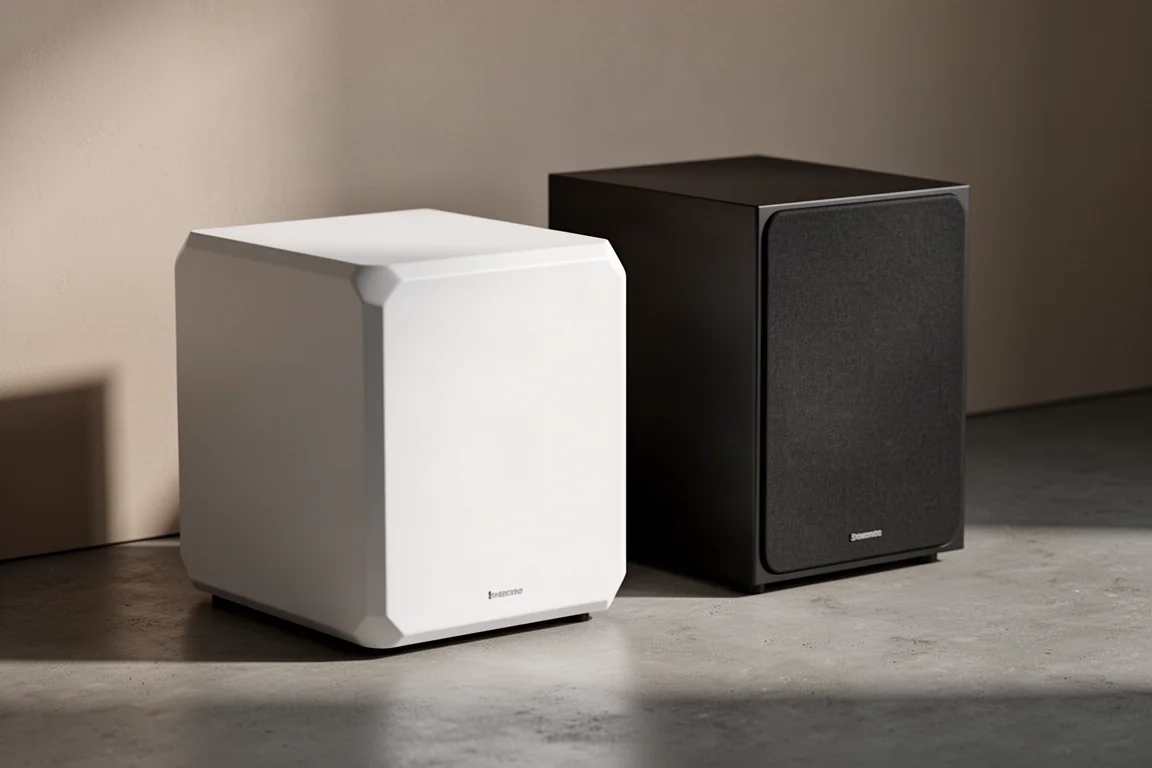
Arendal 1961 Subwoofer 1S Review: Beautiful Build, Modest Punch at $1,000
A sealed $1,000 subwoofer with a gorgeous cabinet, plus three lower-priced alternatives that deliver more impact for movie nights.
Subwoofers
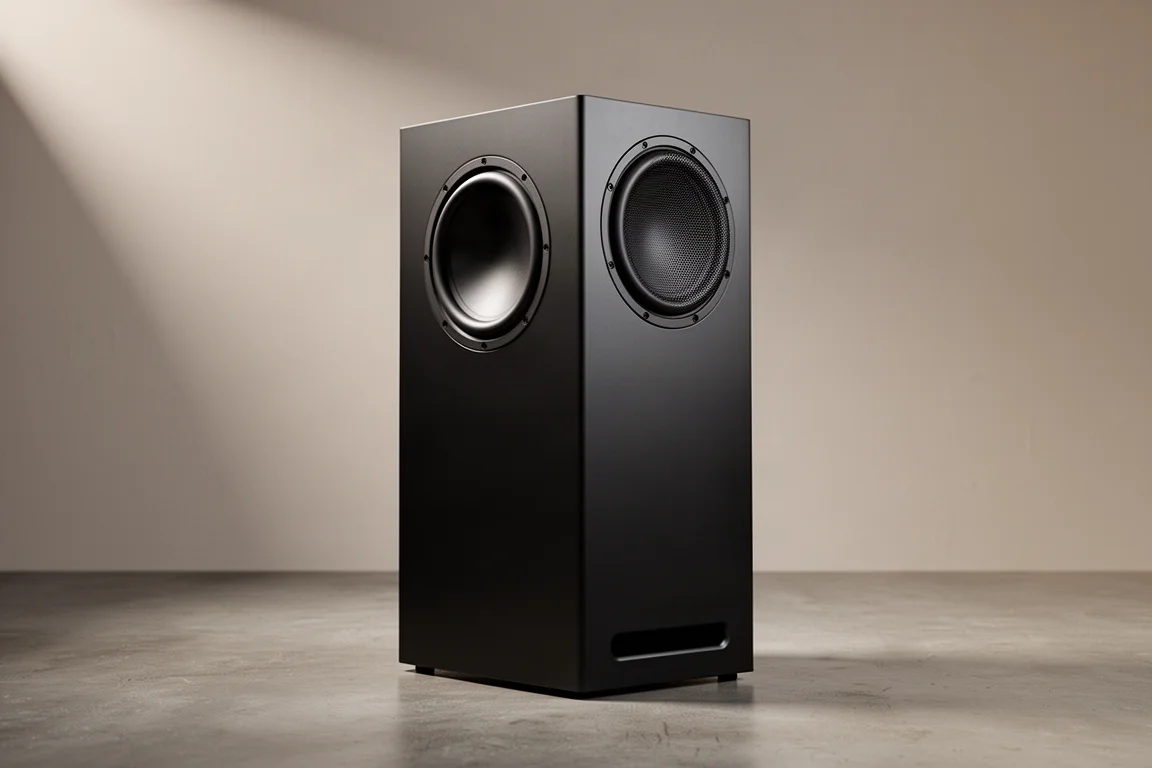
Arendal Sound 1723 2V Subwoofer Review: Dual 13.8-Inch Drivers Under $3,000
A flagship ported subwoofer with dual opposing 13.8-inch drivers, a 1,200W RMS amplifier, app-based DSP, and a 10-year warranty.
Subwoofers
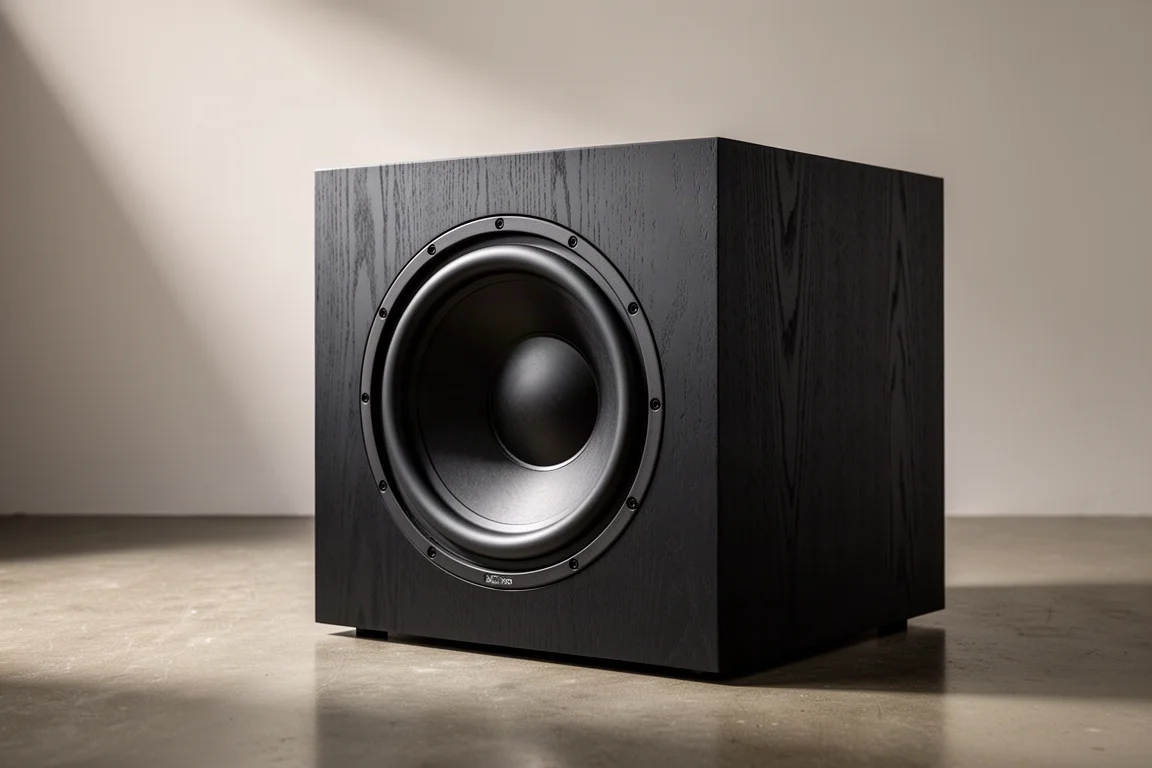
Ascendo 16 Sub Active Sealed Review: Sealed Bass Built on Real Engineering
A close look at the Ascendo 16 Sub Active Sealed, a 16-inch sealed home theater subwoofer with independently verified measurements, a purpose-built driver, and genuinely controlled output.