Home Audio
REL Classic 98 Review: A Walnut Subwoofer Built for Vintage Stereo Systems
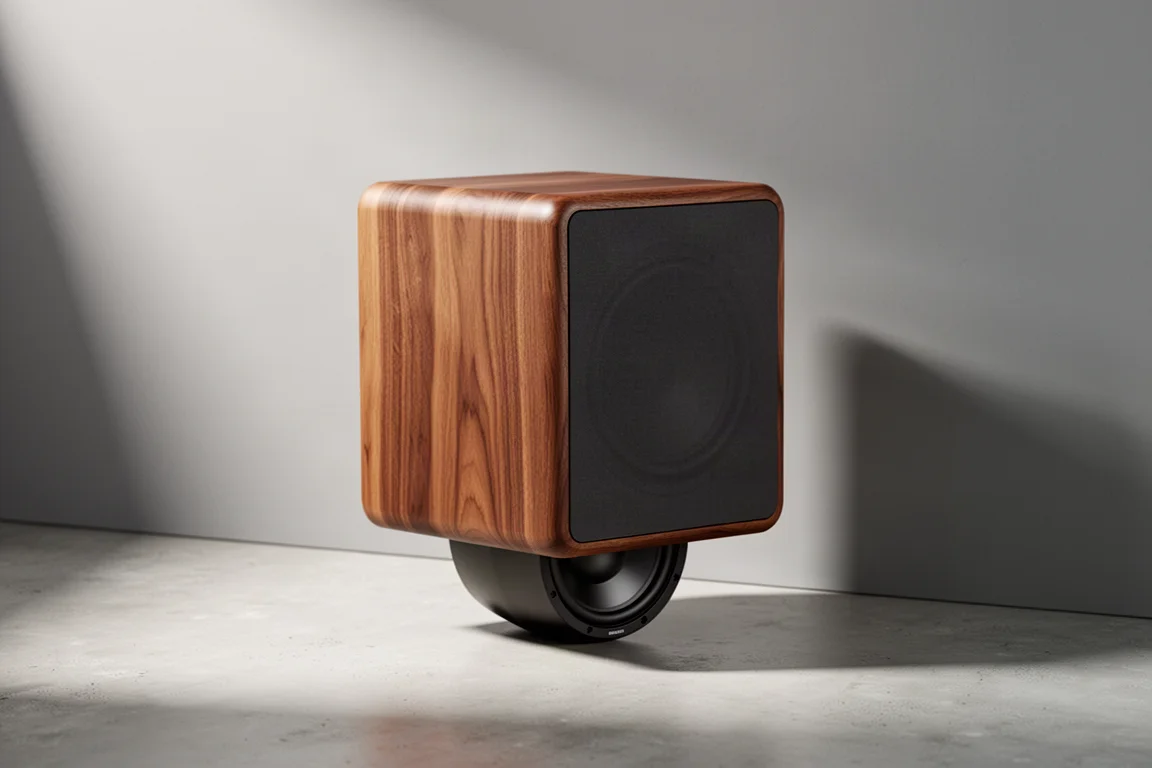
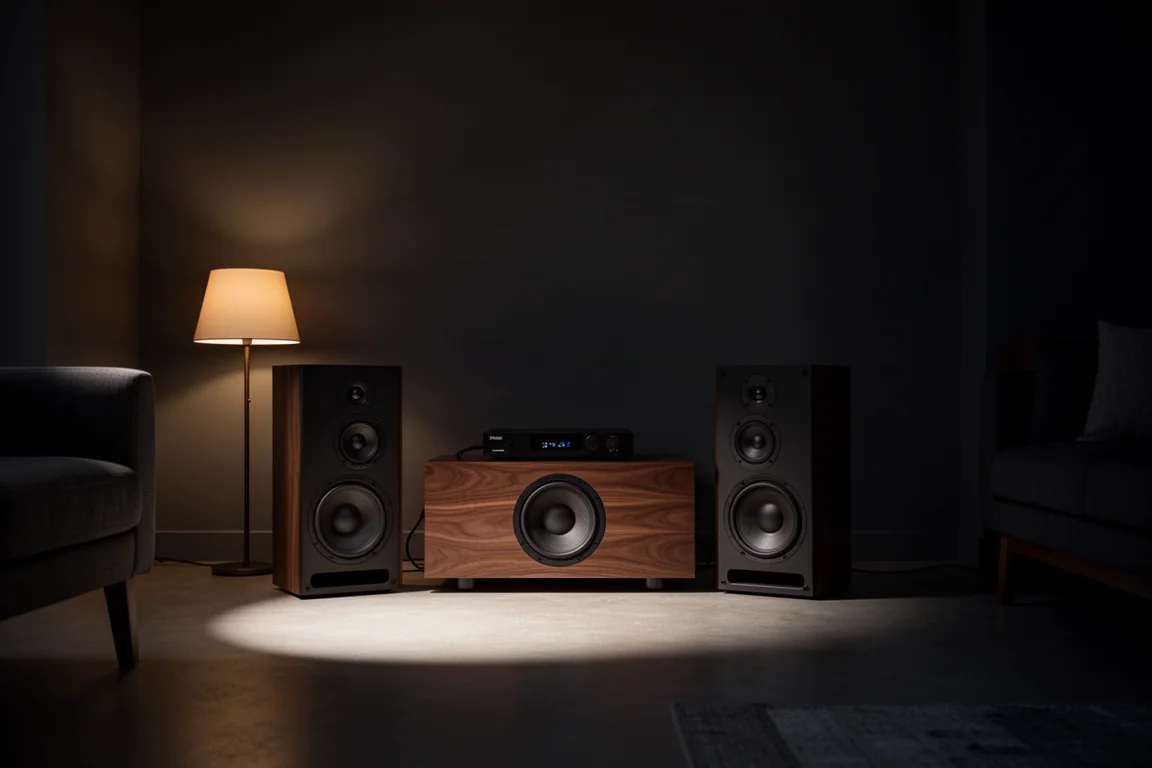
The REL Classic 98 pairs a sealed walnut cabinet and a 10-inch downward-firing paper cone driver with a 300-watt Class D amplifier and REL's speaker-level connection system.
Introduction
REL has been building subwoofers since 1990, and the Classic 98 takes a different route from the matte black and high gloss boxes that dominate the category today. Its design is drawn from the wooden, furniture-grade subwoofers REL built decades ago, while the driver, amplifier, and filtering come from the company’s current generation of technology.
That combination is aimed at a specific listener. As vinyl has resurged and interest in classic audio gear has grown, more people are assembling vintage stereo systems rather than home theaters, and those systems often sit in plain view as the focal point of a room. A subwoofer in that setting has to look like a piece of furniture and blend with the main speakers rather than disappear into a dedicated theater space.
The Classic 98 arrives in a sealed walnut cabinet with a 10-inch downward-firing woofer, a 300-watt Class D amplifier, and REL’s high-level connection cable included in the box.
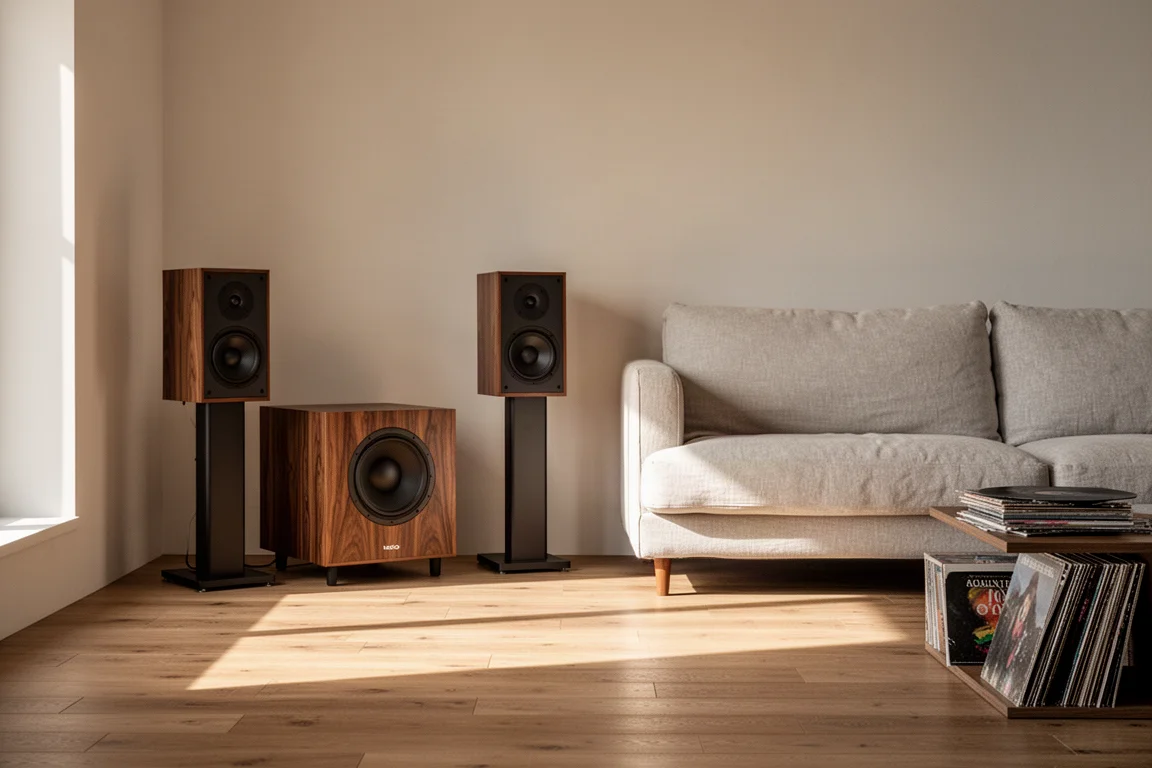
It is, in other words, a two-channel music subwoofer first. Home theater is handled through a separate LFE input with its own level control, so the same sub can serve a vinyl rig and a movie system without forcing one compromise on the other.
Who the REL Classic 98 Is For
The clearest use case is a two-channel system built around speakers that run out of steam in the low end. REL positions the Classic 98 for speakers with limited bass response from roughly 50 Hz and down, which covers a large share of vintage designs and many smaller speakers built in a vintage style today.
It is also a practical answer for anyone running a vintage receiver or integrated amplifier that has no subwoofer output at all. Because the Classic 98 can be fed from the speaker-level connections, an older amplifier does not need a dedicated sub output to gain real low-frequency extension.
The other side of that recommendation matters just as much. If your speakers already deliver serious bass capability and speed, REL itself points buyers toward its T9x, which it describes as faster, deeper, and more detailed at roughly the same price.
Main Strengths
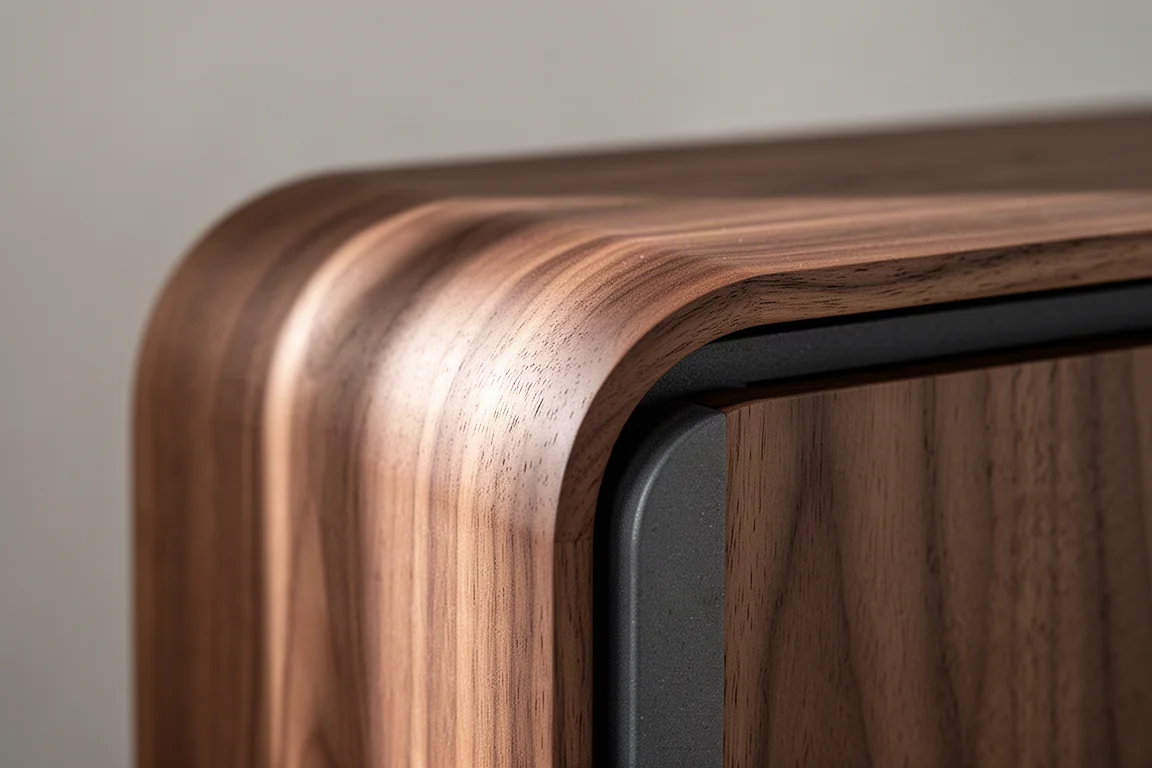
The cabinet is the first thing that sets the Classic 98 apart. A sealed walnut enclosure with a downward-firing driver is a deliberate throwback, and it is the reason this sub can sit in a living room beside wooden speakers without looking out of place.
The driver is a modern take on an old formula. REL went back to a paper cone, as most vintage subwoofers of that era used, but built it with current techniques: the outer two thirds of the cone use a hot-pressed lightweight paper material, with an inner cap of premium air-dried paper. REL says the combination is stiffer than anything from its past, and the driver uses a natural surround.
Power comes from a 300-watt Class D amplifier that REL describes as fast and dynamic, paired with the company’s latest filter technology to help the sub blend with the main speakers. In testing with a pair of JBL Classic L82 speakers, an 8-inch two-way design, the Classic 98 added at least an extra octave of bottom end and blended well with that speaker’s presentation. The midrange even seemed to improve slightly once the extra low-frequency extension was in place.
With the smaller JBL L52, a 5.25-inch two-way, the gains were more obvious still, which is what you would expect when a subwoofer is added to a small bookshelf speaker.
Things to Consider Before Buying
Setup is more hands-on than with many modern subwoofers. After finding the best physical location for bass performance, you tune two knobs on the back of the sub: the crossover point where the subwoofer needs to start doing its job, and the level. REL’s approach works best when you sit in the listening chair and have someone else make the adjustments, so a helper saves a lot of time.
The payoff is a blend tight enough that you only notice the subwoofer when it is switched off and something feels missing. That is a real result, but it is not an instant one.
Room and speaker matching deserve attention too. With a very large, fast studio monitor, the Classic 98 did not blend properly and the system sounded better without it, while the T9x had previously worked well in the same role. A downward-firing driver also makes the phase switch worth experimenting with: in one room, the 180 degree position produced a better blend and more output than the alternative, so both settings are worth trying before settling in.
The High-Level Connection Difference
Most subwoofers connect through a subwoofer output using an RCA or balanced cable, and the Classic 98 supports that as well. REL, however, recommends its high-level connection and includes a long high-level cable with the sub.
High level means the sub is wired in parallel with your speaker cables at the back of the power amp, integrated amp, or receiver. Small speaker leads attach to the same terminals your speakers use, and a single connector at the other end plugs into the rear of the subwoofer. The subwoofer is not powered by your amplifier; it simply takes its signal feed that way.
That approach has two practical advantages. First, the signal reaches the sub after passing through your power amplifier, so the sub inherits the sonic character of that amp rather than receiving a feed that never went through it. Second, the signal going to your left and right speakers is not filtered at all: it stays true to the source and never passes through a crossover. REL’s view is that letting the main speakers roll off naturally and tuning the subwoofer to take over where they drop off is more musical than splitting the signal with an electronic crossover, which in most modern implementations has to digitize it.
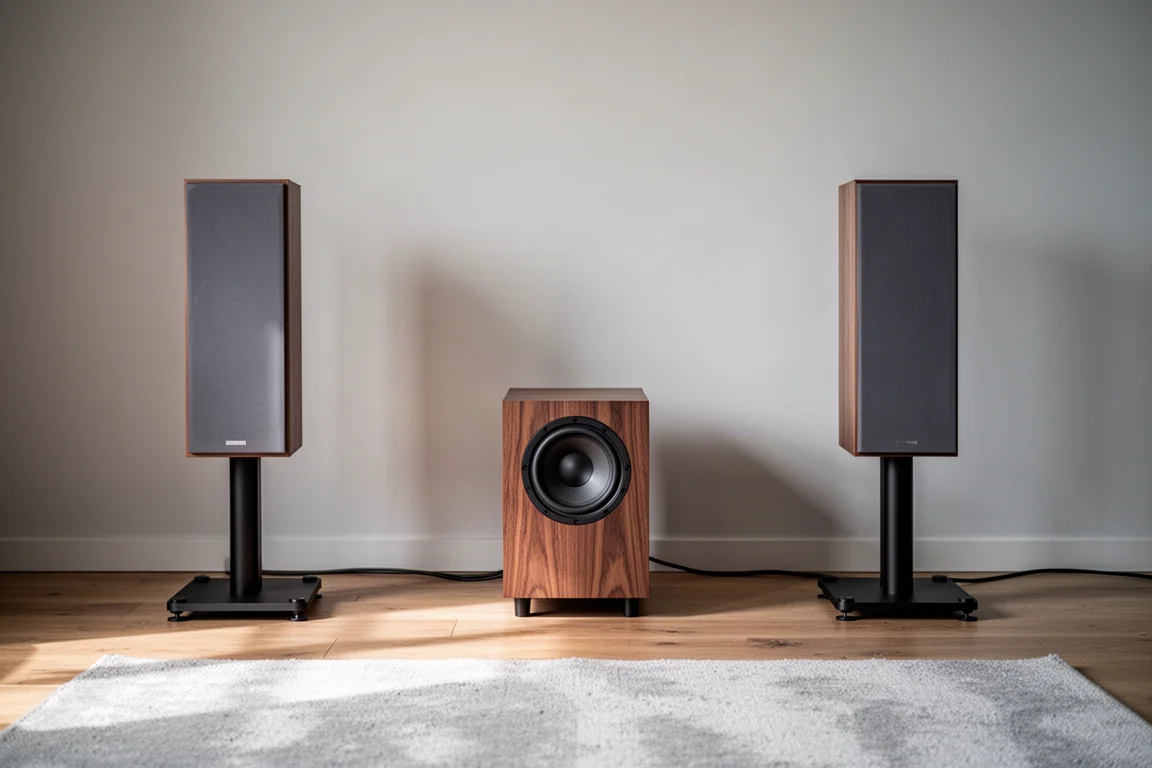
The third benefit is compatibility. Plenty of high-performance and vintage gear, especially equipment built around vacuum tubes, has no subwoofer output at all, and the high-level connection is what makes the Classic 98 usable in those systems.
Pairing Notes and Setup
The Classic 98 was tested with three very different speakers, and the results line up closely with how REL describes the sub.
With the JBL Classic L82, an 8-inch two-way, the match was strong: an extra octave of low end, a clean blend, and a small lift in perceived midrange quality. Moving to the smaller JBL L52, a 5.25-inch two-way, the improvement was even more pronounced, as you would expect when a subwoofer is added to a compact bookshelf design.
Going the other direction, with a very large JBL 4367 studio monitor, the Classic 98 could not be blended properly and the system sounded better without it. REL’s guidance had predicted exactly that outcome, and the T9x had previously paired successfully with the same speaker.
The pattern is consistent: the Classic 98 rewards speakers that need help below roughly 50 Hz, and it is less suited to large speakers that already deliver fast, deep bass on their own. For home theater use in the same system, the LFE input and its separate level control let you set a different subwoofer level for movies than for music, so big effects and vinyl playback do not have to share one compromise setting.
Buying Advice
If you are running a vintage or reissue vintage two-channel system, the Classic 98 is one of the few subwoofers designed with that setup in mind rather than adapted to it. The sealed walnut cabinet matches wooden speakers, the paper cone driver is a modern interpretation of a classic design, and the high-level connection means you do not need a subwoofer output to add one.
Before buying, check your main speakers. If they taper off around 50 Hz and down, or if they are compact designs that could use another octave, the Classic 98 is the version of this subwoofer to choose. If your speakers already produce fast, deep bass, REL’s own recommendation points to the T9x instead, and that guidance matched what happened in testing with a large studio monitor.
Also budget some time for setup. Finding the right location, dialing in the crossover and level with a helper, and trying both positions of the phase switch are what turn a good subwoofer into one you stop noticing. That work is part of the deal with this design.
Conclusion
The REL Classic 98 is a subwoofer for a particular kind of system, and it is unusually clear about that. It brings a furniture-grade walnut cabinet, a 10-inch downward-firing paper cone driver, a 300-watt Class D amplifier, and REL’s high-level connection system together in a package aimed at vintage and reissue vintage speakers that need more bottom end.
Match it with the right speakers and it blends cleanly, adding extension and a touch more midrange presence without drawing attention to itself. Pair it with speakers that already handle deep, fast bass and you will likely be better served by the T9x. For two-channel listeners with a vintage system, a limited set of connection options, or both, the Classic 98 is a coherent answer.
Product link
View more details for REL Classic 98
This product is mentioned in the review. Check the specifications, options, and compatibility before buying.
View more details for REL Classic 98Further reading
Related Reviews
Home Audio
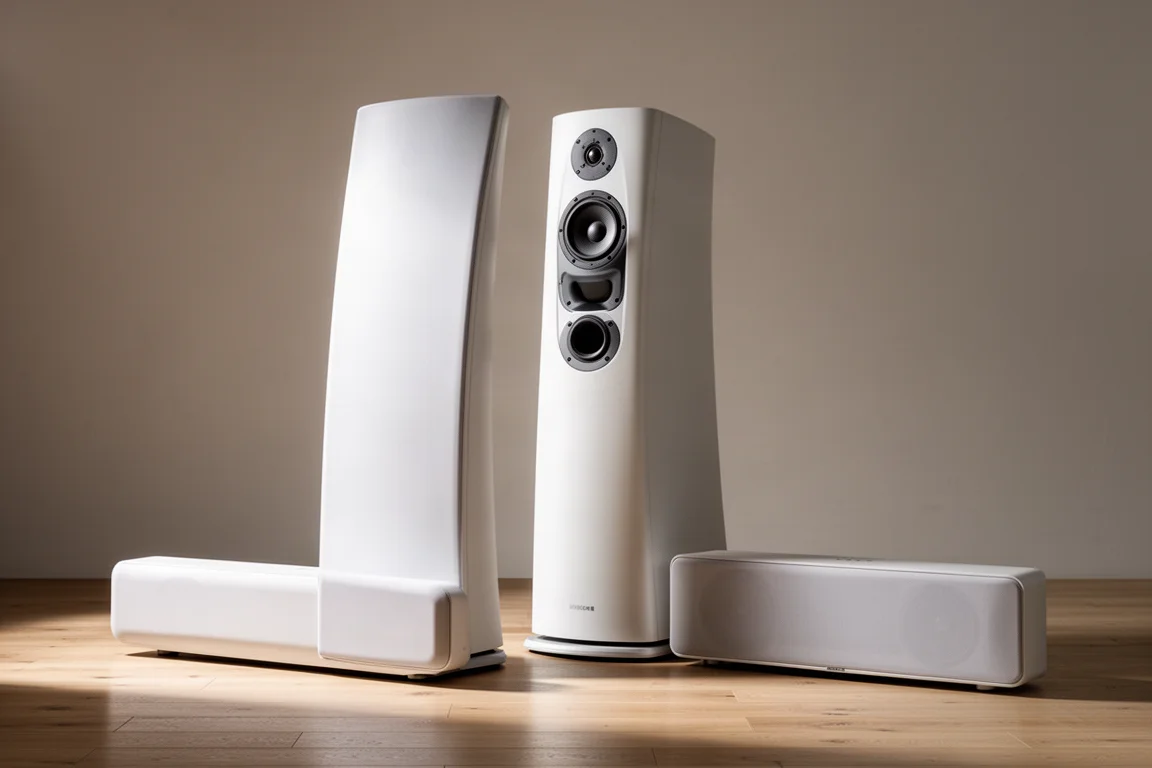
Aperion Novus Tower and Center Review: Punchy Home Theater Sound With Real Refinement
A close look at the Aperion Novus tower and center speakers, from their layered paint finish and punchy bass to the 4-ohm load and what the price actually buys.
Home Audio
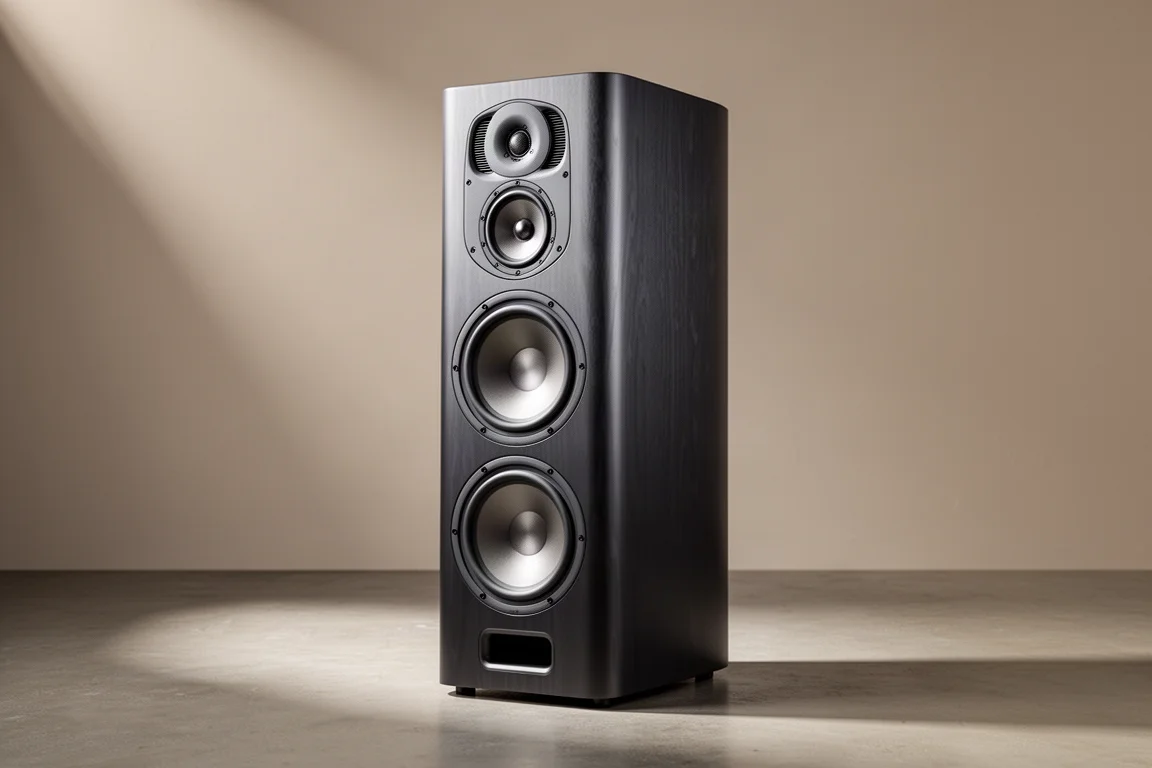
Arendal 1610 Tower Review: Flagship Dynamics in a Room-Friendly Tower
A compact floorstanding tower with three 8-inch aluminium woofers, a 5-inch carbon midrange, and the kind of bass heft usually reserved for much larger speakers.
Home Audio
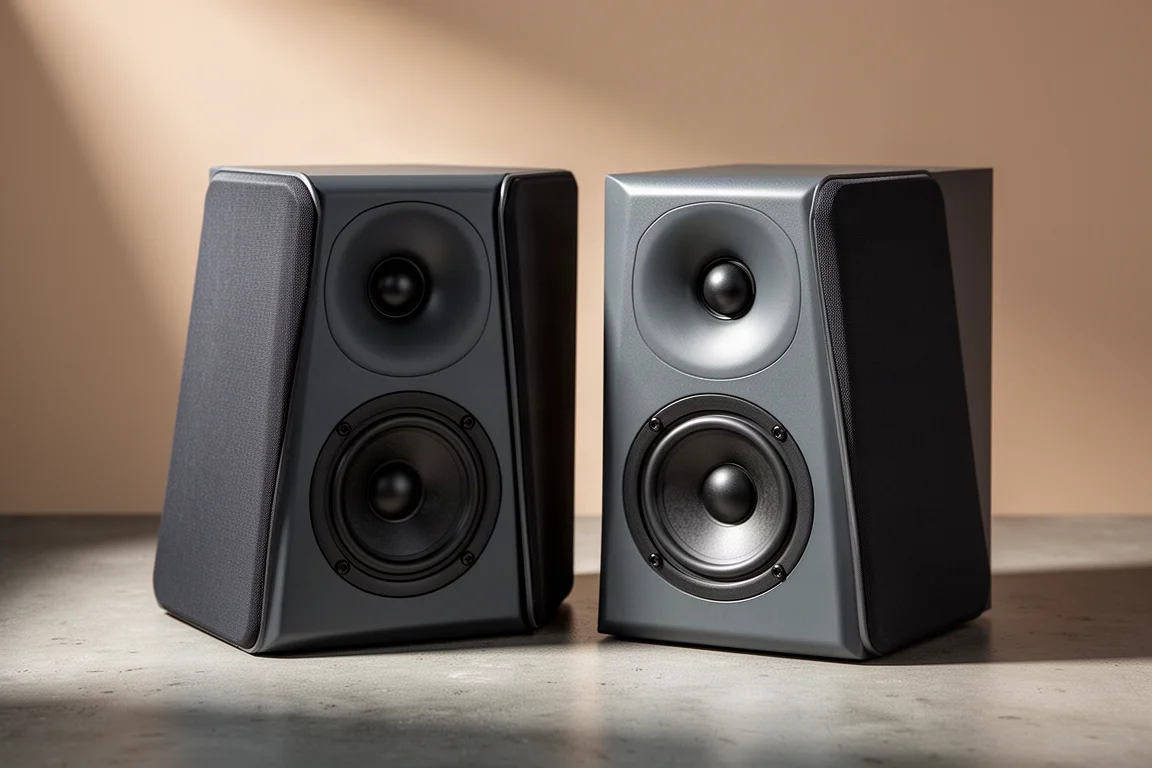
Arendal 1723 S THX Review: A Reference Speaker Built Like a Tank
A practical look at the Arendal 1723 S THX, a sealed, THX-certified speaker with exceptional build quality, a very flat top end, and a midrange that responds beautifully to EQ.