Camping Tents
REI Wonderland 6 vs The North Face Wawona 6: Two Summer Family Tents Compared
A practical comparison of two six-person summer camping tents, one built for interior livability and one built for weather protection.
Introduction
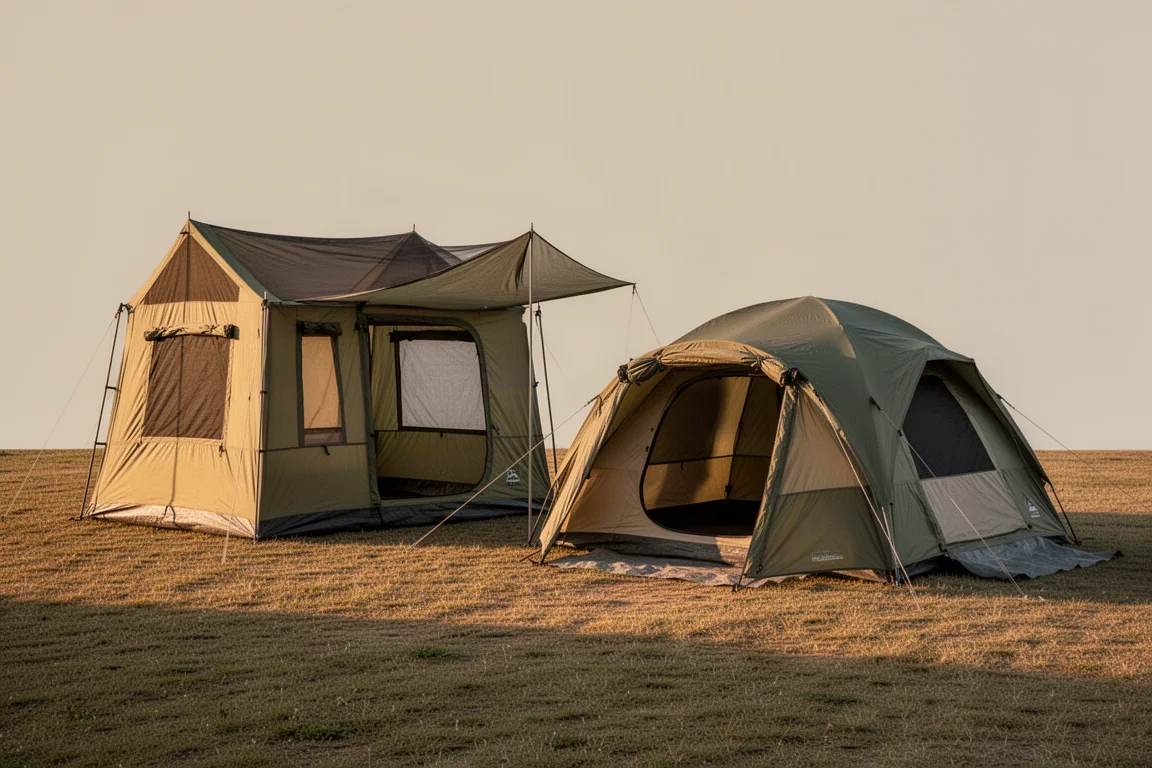
Choosing a six-person tent usually comes down to one question: do you want maximum room to live in, or maximum protection when the weather turns? These two summer camping tents answer that question in opposite ways.
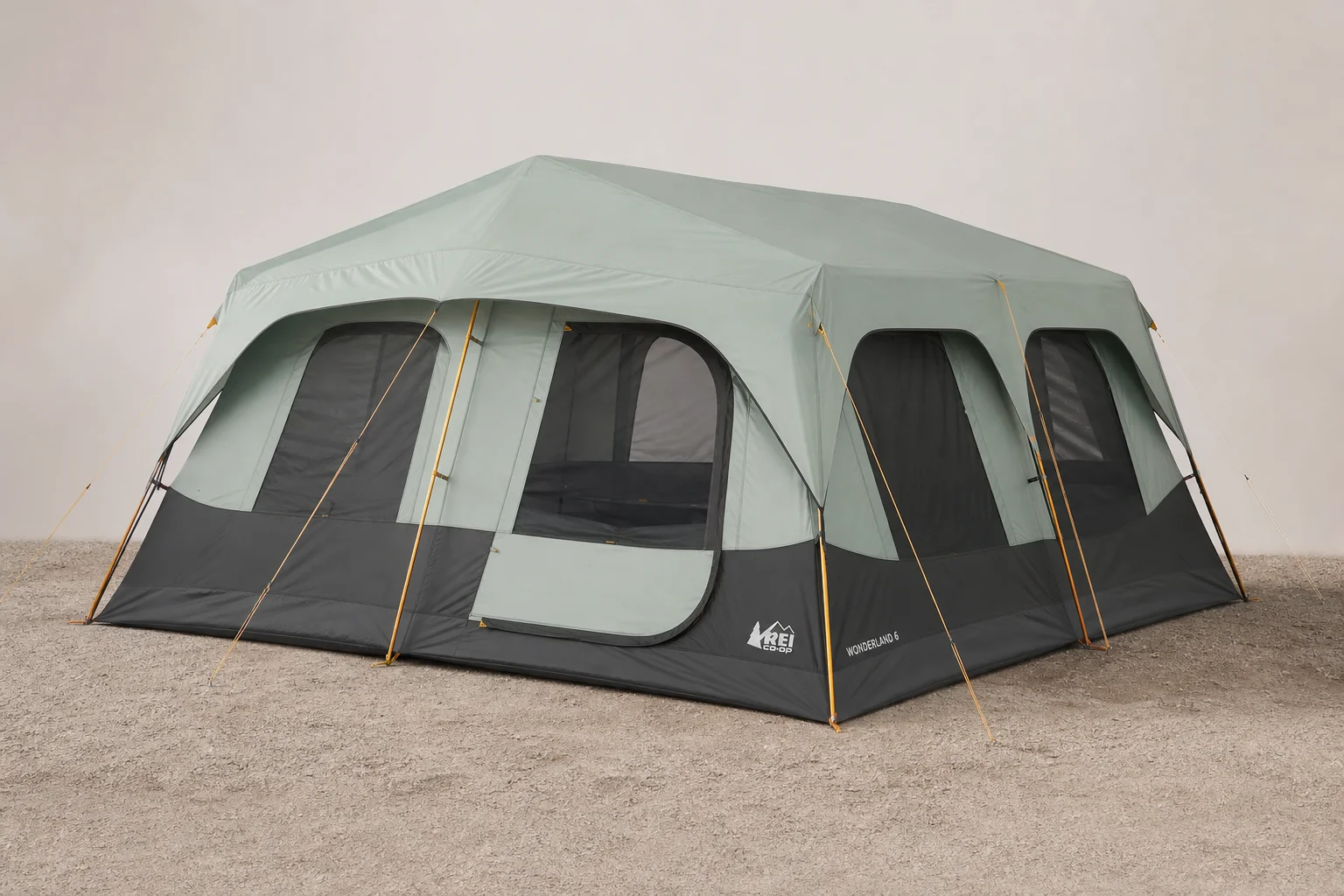
The REI Wonderland 6 is the roomier option. Its cabin-style shape delivers near-vertical walls, tall peak height across almost the entire length of the tent, and a large amount of mesh for warm-weather ventilation.
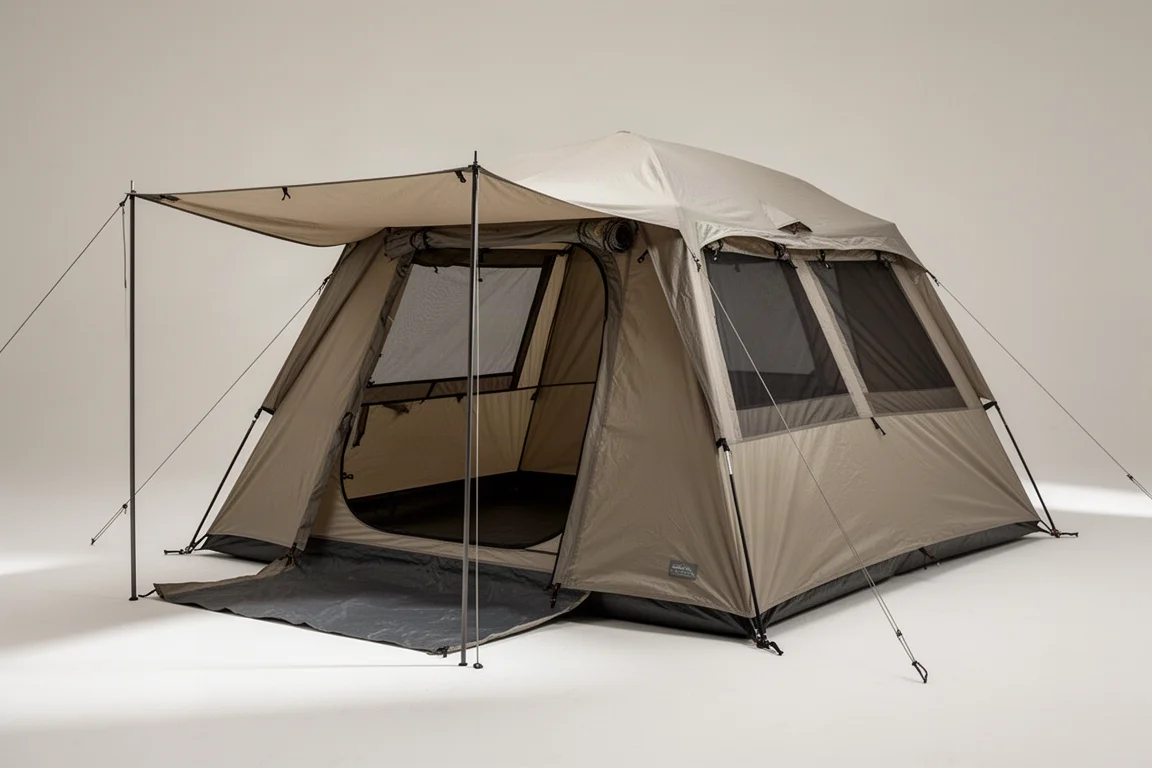
The North Face Wawona 6 takes the other approach. It is a mostly dome-shaped tent with a genuinely enormous vestibule, stronger pole construction, and the kind of rain performance that stands up to days of heavy storms.
This comparison walks through measured interior space, door design, ventilation, weather protection, pole quality, and packed weight so you can pick the tent that matches how you actually camp.
Interior Space and Livability: REI Wonderland 6
The Wonderland 6 has a peak height of roughly 81 inches, about four inches taller than the Wawona’s 77 inches. More importantly, that height is not limited to a single point. Measured across the tent, the height at the far left was around 77 inches and at the right around 76 inches, so standing room carries along nearly the whole length.
That difference matters in daily use. In a dome tent, peak height sits only at the centre, and stepping just a couple of paces away brings your head into contact with the sloping ceiling. In the Wonderland 6, you can walk the length of the tent with an arm stretched upward, and even stretch both arms out horizontally while moving through the space.
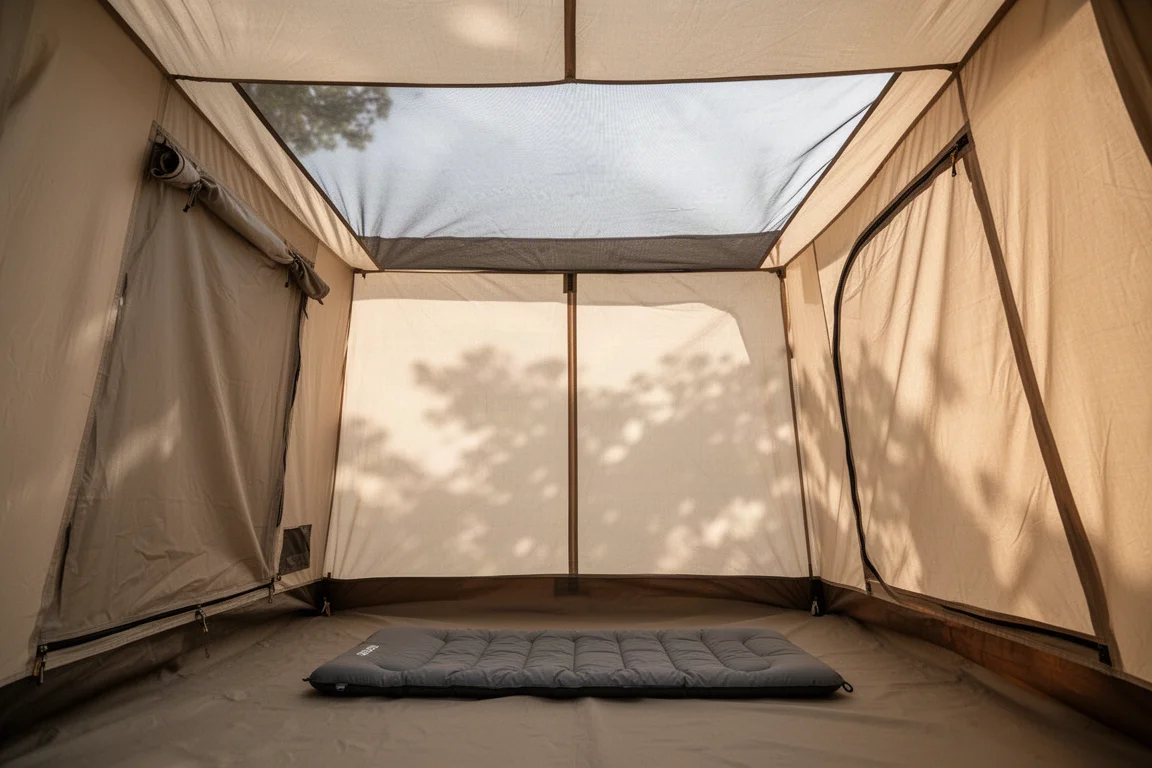
The side walls are the other half of the story. The Wonderland 6 uses inverted U-shaped poles that produce unusually vertical walls at the far left and right. You can press your body against the side wall and stand fully upright against it, and sitting up from a sleeping pad still leaves roughly 10 inches of clearance to the wall. Sleeping at the edges does not feel pinched or claustrophobic.
Measured base area came in at about 120 inches by 99 inches, close to the marketed 120 by 100 inches, for roughly 82.5 square feet. The tent also includes one room divider, which zips down the middle so you can move between the two halves without removing it. The divider fabric is not overly see-through, and the gaps around it stay small.
Doors, Windows, and Ventilation: REI Wonderland 6
The Wonderland 6 has two identical doors, one on each side, each measuring about 66 inches by 64 inches and occupying nearly the full wall. Unzipping takes about three seconds and can be done one-handed without snagging. Tucking the door fabric into the pocket beside the door takes another four seconds.
Each door uses two YKK zippers. Ventilation is where the tent separates itself further. With the rainfly removed, which is recommended for sunny days, mesh covers well over half the tent: not just the roof but a long way down the sides as well. Combined with cross-ventilation from two large doors, summer airflow is excellent.
The window arrangement adds to the experience. Two half-door windows plus two lower windows give a wide outward view, so you can sit or lie down and look out at the same time.
Weather Protection and Vestibule Space: The North Face Wawona 6
The Wawona 6 wins clearly on covered outdoor storage. Its vestibule measures a claimed 51 square feet, enough to hold two full-size camping chairs side by side with substantial room left over for a camping table. Rearranging the chairs still leaves plenty of flexibility for storing gear, which is especially useful for wet equipment on rainy days.
The tent has two doors, one at the front and one at the back. The front door is large and shares the same snag-free, one-handed, three-second zipping feel as the Wonderland’s doors, but keeping it open requires rolling the fabric and tying it with two toggles, which takes roughly 15 seconds. The rear door is smaller and less convenient: it requires unzipping both the door fabric and the inner window fabric, then tying the window up before the door.
Each Wawona door uses two SBS zippers rather than YKK. For hot-weather ventilation, the tent has a mesh front wall and a mesh roof panel, plus a rear window, though the mesh does not extend as far down the sides as on the Wonderland 6.
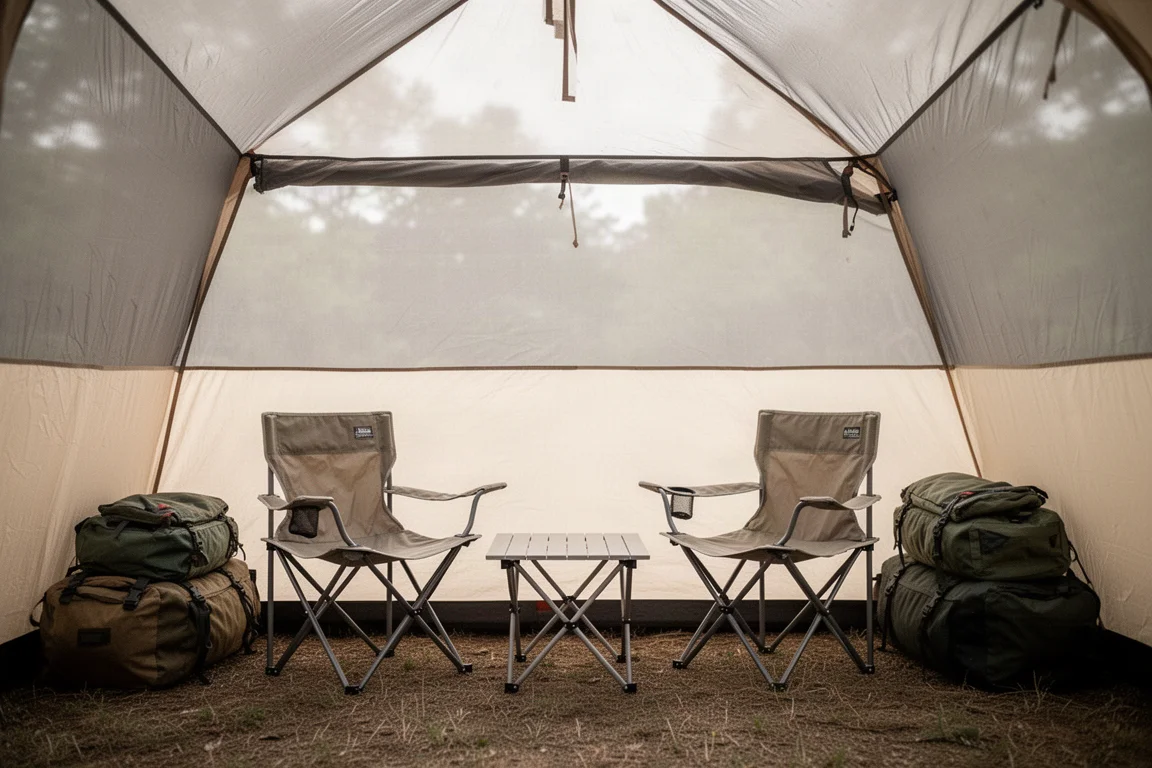
Inside, the Wawona 6 is a tighter proposition. Measured length was about 116 inches and width about 94 inches, for a total base area of roughly 76 square feet. Even with two near queen-sized beds and four people, the sides felt cramped: raising an arm grazes the wall, and the tent is realistically suited to at most three or four adults rather than six.
Rain and Wind Performance
Rain protection is the Wawona 6’s strongest card. It was tested through days of thunderstorms and the heaviest rain of the season, with the entire yard flooding and the bottom of the tent sitting in inches of water. It came through without issue, making it one of the most rainproof family camping tents available for summer use.
The Wonderland 6 handled about an hour of heavy rain followed by a few hours of light rain, and by morning the divider loops at the bottom of the tent had begun leaking water inside. Those loops sit right at the base, in a spot the rainfly does not cover, making them the most exposed seam in heavy rain.
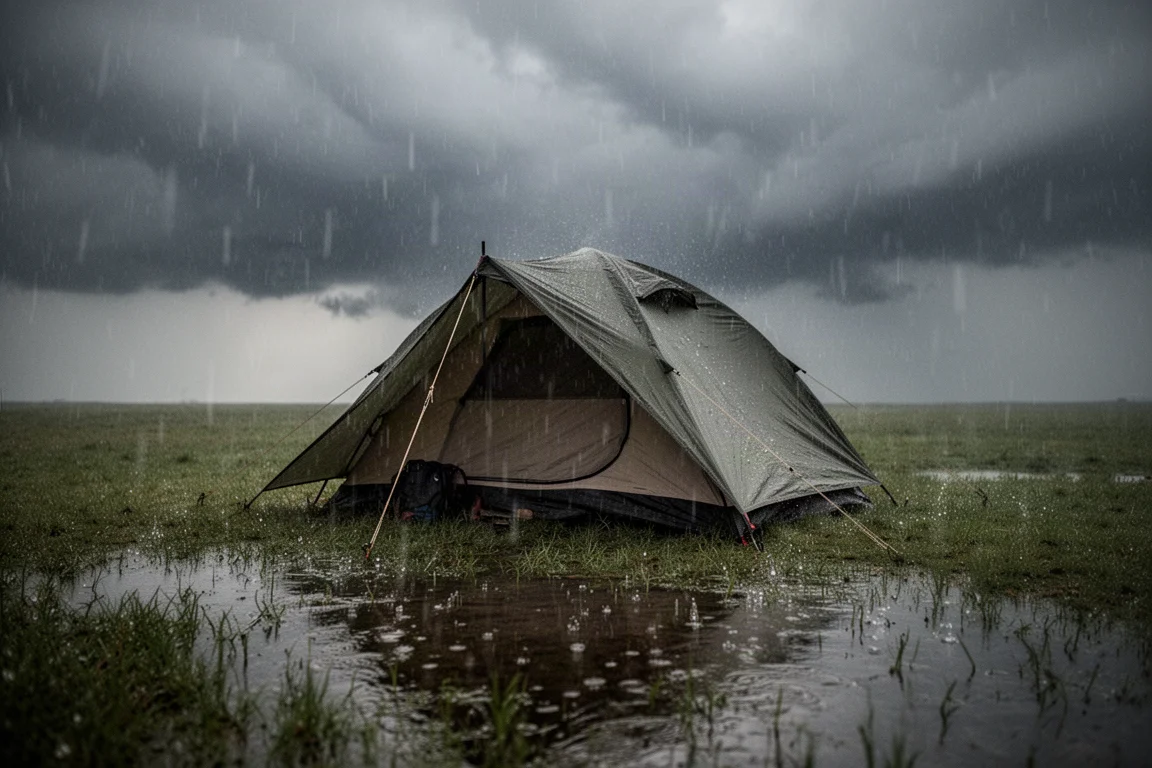
Rainy-day ventilation also favours the Wawona 6, which has two window vents plus two smaller vents for four in total. The Wonderland 6 offers only two vents above the doors, and they are very small and provide little measurable benefit.
In wind, the Wawona 6 held up well in roughly 10 to 20 mph winds with nearly the whole tent guyed out. It can take five guylines along each length plus one at the vestibule, for 11 in total, and its dome shape sheds wind effectively. The Wonderland 6 is a cabin tent, and vertical side walls do not shed wind as easily, though it does offer 14 guy-out points, which is more than most cabin tents.
Packing, Weight, and Pole Quality
Pole construction differs meaningfully. The Wawona 6 uses DAC MX aluminium poles, which snap together easily and are notably stronger than standard aluminium. Across weeks of testing in heavy rain and wind, none of its poles bent at all. The Wonderland 6 uses regular aluminium poles that are softer and more prone to bending, and two of its five poles bent noticeably during testing, including one side pole and the Y-shaped pole.
The carry bags follow the same pattern. The Wawona 6 uses a top-loading bag with a very large opening that makes repacking easy, and it packed away in about 14 minutes. The Wonderland 6 uses a side-loading bag with a smaller opening and took about 16 and a half minutes to pack away.
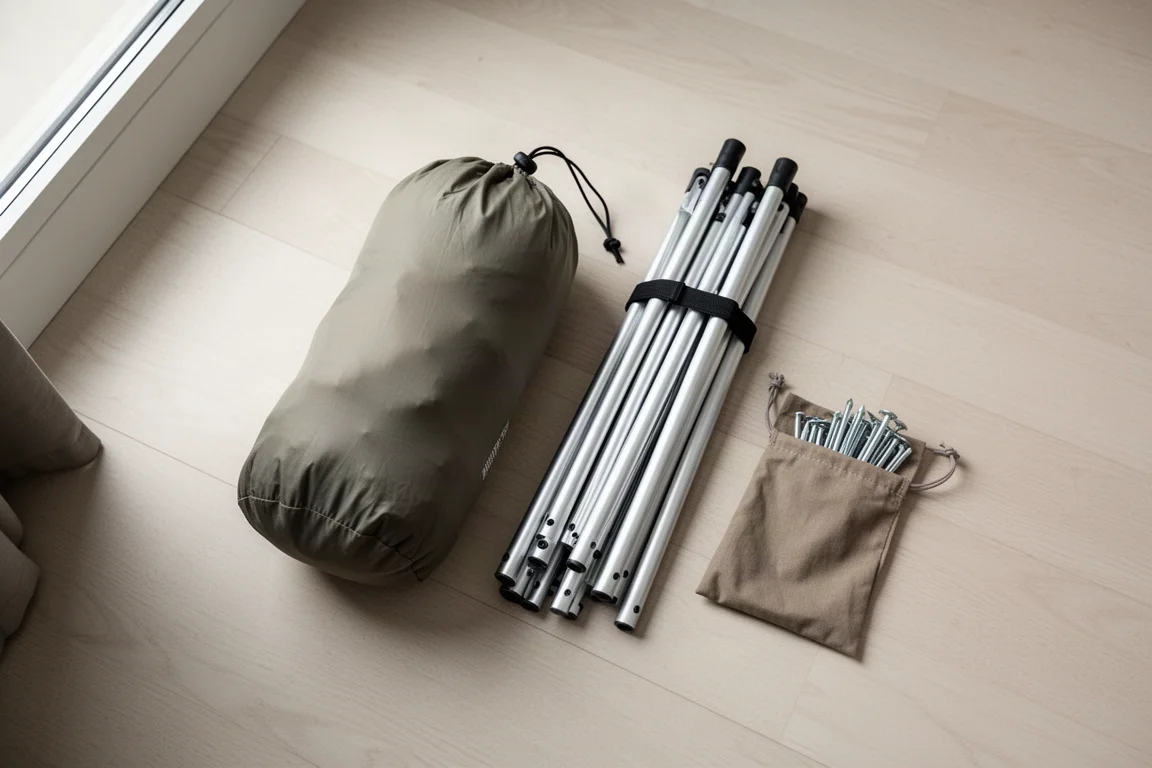
Weight favours the Wawona 6 as well: 19.4 pounds against 23.6 pounds for the Wonderland 6, a difference of more than four pounds, likely helped by the lighter DAC MX poles.
Buying Advice
Choose the REI Wonderland 6 if interior livability is the priority. It suits summer camping in fair weather, delivers standing height and near-vertical walls along the full length of the tent, and provides outstanding ventilation and outward views. It is not built for heavy rain or strong wind, and the softer aluminium poles are a real limitation in exposed conditions.
Choose The North Face Wawona 6 if weather protection and gear storage matter more. It handles sustained rain and moderate wind, offers a very large vestibule for wet gear and seating, packs faster, and weighs less. The trade-off is interior space: it is realistically a tent for three or four adults rather than six, and side sleeping space is limited.
Both are summer tents. If your trips are warm, dry, and centred on comfort inside the tent, the Wonderland 6 is the stronger fit. If your trips involve unpredictable weather and you want a dependable shelter with room to store gear outside the sleeping area, the Wawona 6 is the safer choice.
Conclusion
These two six-person tents are built around different priorities rather than one being simply better. The REI Wonderland 6 wins on interior height, vertical walls, door convenience, and warm-weather ventilation. The North Face Wawona 6 wins on rain and wind performance, vestibule space, pole strength, packed weight, and repacking speed. Match the tent to the conditions you actually camp in, and either one will serve you well.
Further reading
Related Reviews
Camping Tents
3F UL Gear Taiji Two-Person Tent Review: Field Waterproofing Results and Buying Advice
The Taiji pairs an attached fly with a removable inner, but sustained rain exposed untaped vent seams that need sealing before this shelter can be trusted.
Camping Tents
3FUL Gear Lanshan 2 Pro 4-Season Review: A Sub-$200 Single-Wall Trekking Pole Tent
An early look at the 3FUL Gear Lanshan 2 Pro 4-Season, covering its straightforward pitch, generous interior space, and the condensation and seam-sealing questions that come with any single-wall shelter.
Camping Tents
Alps Mountaineering Lynx 1-Person Tent Review: Big Value in a Small Budget Tent
A close look at the Alps Mountaineering Lynx 1-Person Tent, covering real interior dimensions, materials, setup time, ventilation limits, and who should buy it.