Camping Tents
REI Wonderland 6 Rain Test Review: How It Handles Heavy Rain
A close look at how the REI Wonderland 6 performs in heavy rain, from taped seams and rainfly coverage to a small leak at the base divider loops.
Introduction
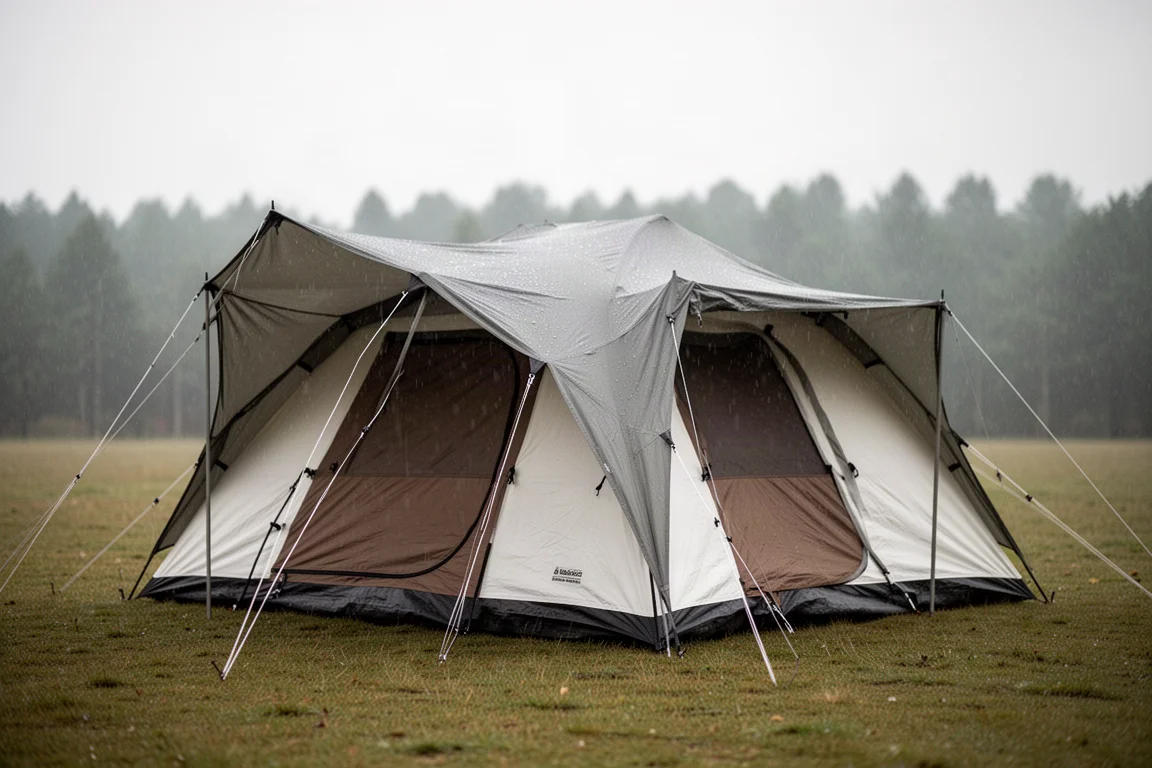
The REI Wonderland 6 is a large camping tent aimed at family trips and car camping, and rain performance is one of the first things buyers want to understand before spending on a tent this size. In a heavy rain test, the tent sat through roughly an hour of steady, heavy rain that tapered into light rain by morning.
The results were mostly reassuring. The interior stayed dry apart from one small leak at the divider loops along the base, and every panel of fabric not covered by the rainfly was still dry the following morning.
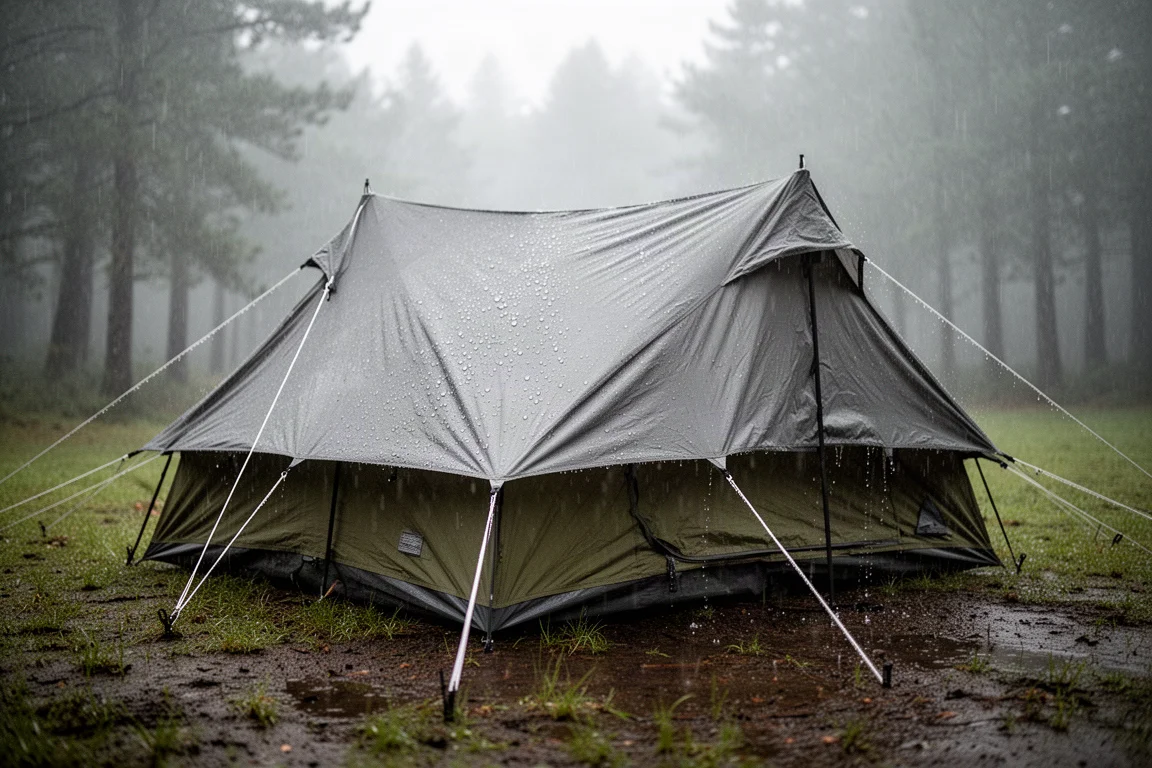
This review walks through how the Wonderland 6 is built for wet weather, how the seam taping is distributed across the tent, how the windows behave in the rain, and the one weak point worth knowing about before you buy.
Who This Tent Is For
This is a tent for campers who want space and are willing to accept a large footprint in exchange. Families, car campers, and anyone who pitches a base camp for a weekend will get the most from it, particularly if trips often fall on wet weekends.
It also suits campers who care about ventilation during rain. The Wonderland 6 uses awnings over the doors, which lets the window mesh stay dry enough to keep some airflow going even when the weather turns.
It is a less natural fit for anyone who wants a floor built as a single seamless bathtub. The Wonderland 6 does not use a tub floor, and that design choice shows up in how the base is assembled.
Main Strengths
The strongest part of the Wonderland 6 is how deliberately the rain protection is laid out. The rainfly seams are fully taped on the outside, and the taping continues across the areas most likely to sit in standing water or take direct rain.
Rain Protection and Seam Taping
The floor is where the taping work is most visible. Every floor seam is thoroughly taped, including the corner seams and the long seams running the length of the tent. The same applies to the bottom half of the tent’s width seams: the floor seams, the lower half of the door, and the transition between the white and brown fabric are all taped.
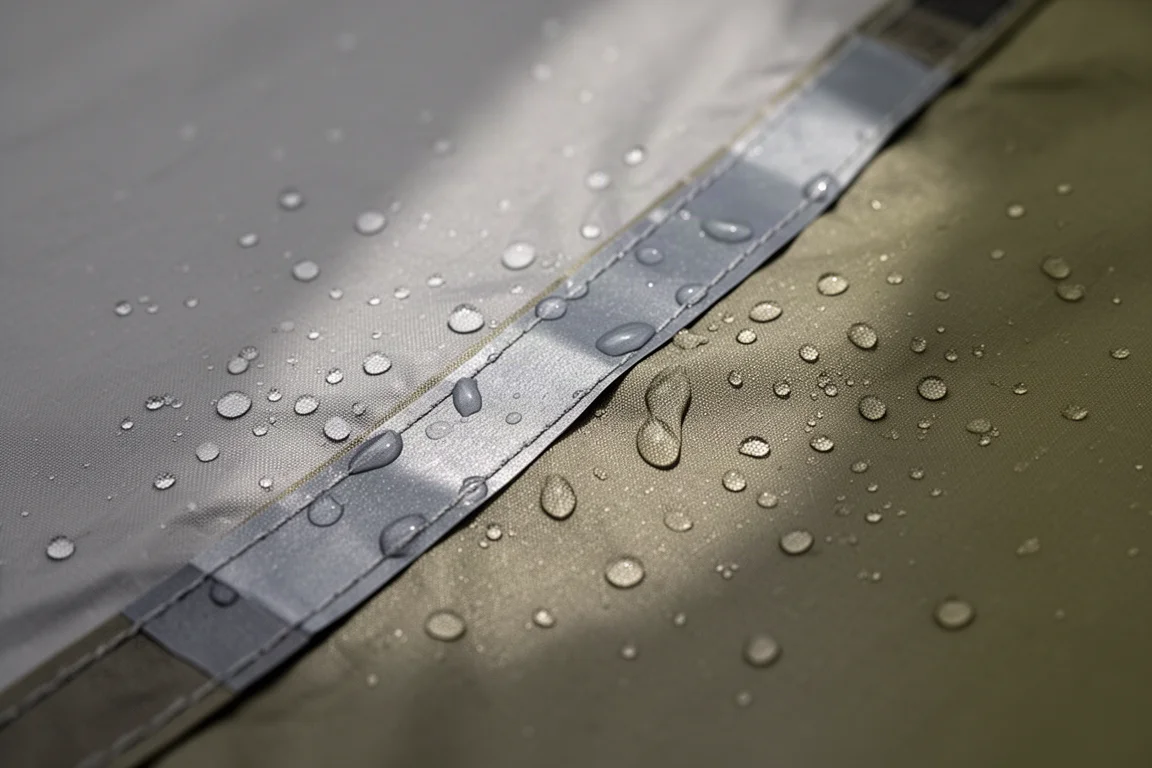
Above the midpoint, the taping stops. The main untaped seam is the one running along the top half of the door. The awnings on the outside of the tent provide a good amount of rain protection over that side, which is likely why the upper seams were left as they are.
Along the length of the tent, the pattern is consistent: everything sitting directly under the rainfly, including the mesh seams and the pocket seams, is left untaped, while everything the rainfly does not cover, such as the floor seams and the window seams, is taped.
Ventilation in Wet Weather
Inside the Wonderland 6 there are two triangle mesh panels that act as windows when opened, and each has a black toggle for tying the window fabric up. Under relatively heavy rain, the awnings over the doors kept the window mesh completely dry.
The lower part of the door, the white fabric section, does get wet in those conditions. It is worth noting that the test took place without much wind, which allowed the windows to be cracked open slightly. In stronger winds, that may not be an option.
The small triangle window near the bottom of the tent behaves very differently. It is fully soaked through in rain because the rainfly does not cover it at all. Guying out the rainfly slightly above that window did not help, and it is not a window that can realistically be opened in any rain.
Things to Consider Before Buying
The one failure point to know about is the divider loops at the very bottom of the tent. After an hour of heavy rain overnight, those loops began leaking water into the tent on both lengths of the tent, even though the surrounding seams are taped.
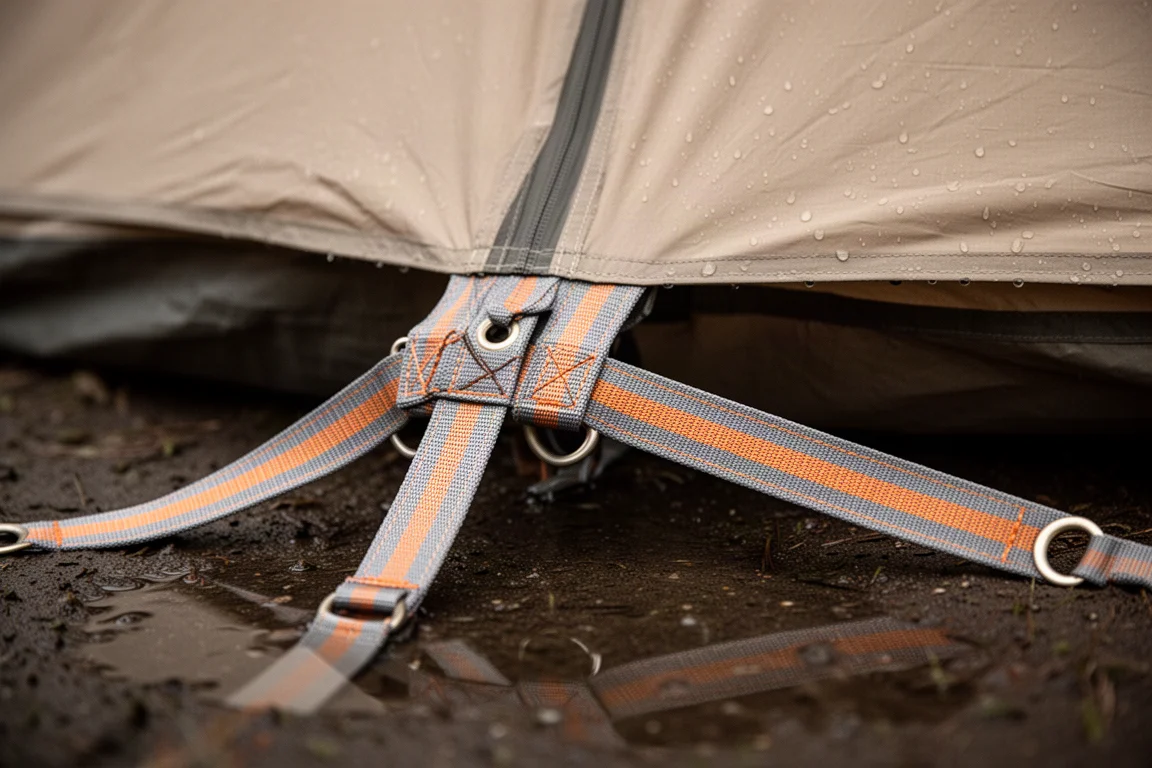
Two factors explain it. First, those loops sit right at the base, in the one area the rainfly does not cover, which makes them the most exposed seam in heavy rain. Second, water appears to drip through a small gap on the outside, and the loop attachment on the inside is not taped or sealed, so moisture seeps into the fabric and eventually makes its way inside as rain continues.
That was the only leak. Every other seam held up well, and the flooring and walls that sit outside the rainfly coverage were still completely dry afterwards, as were the rainfly itself and all the fabric beneath it.
There is one more detail worth watching over time. The black toggles used to tie up the triangle mesh windows look almost identical to the divider loops, though they sit slightly higher on the tent and did not leak in this test. Under many hours of sustained heavy rain, they could become a similar weak point.
Buying Advice
Taken as a whole, the Wonderland 6 handled heavy rain reasonably well for a tent of this type. After an hour of heavy rain it did not flood, and only a few drops of water ended up inside, which is far from the worst outcome in this category.
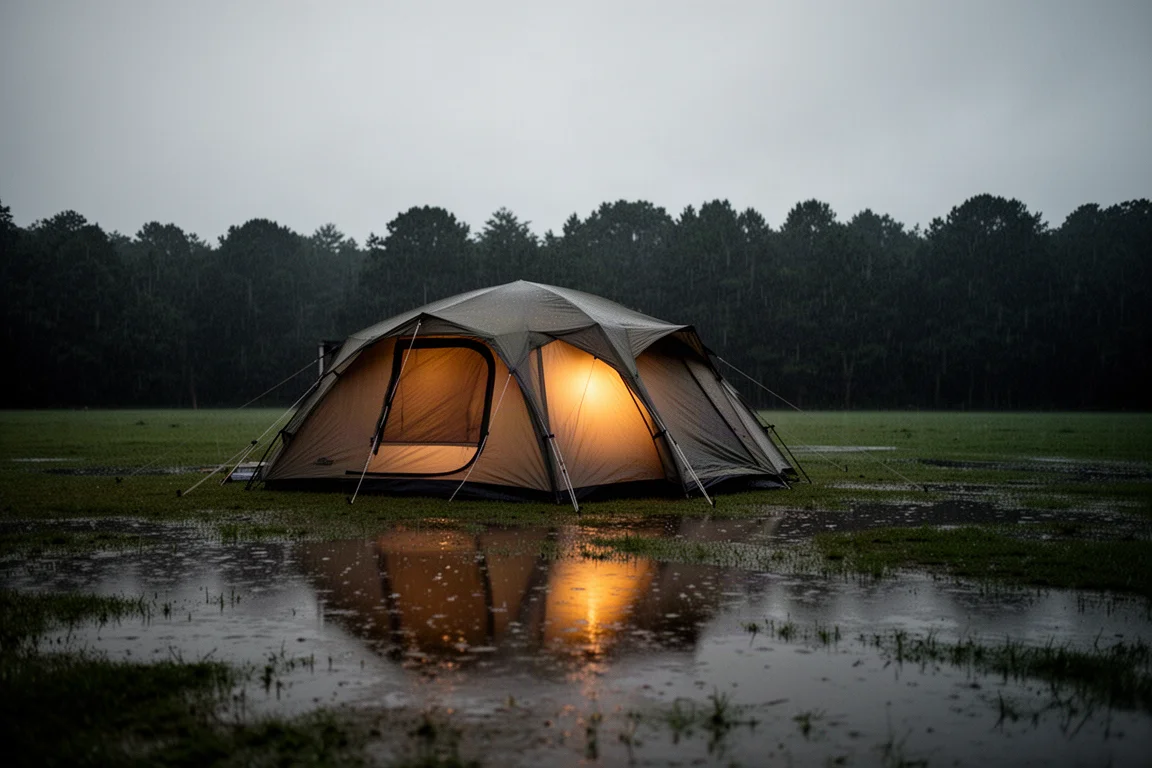
The practical takeaway is that a small amount of seam sealant applied to the slightly exposed seams would likely let this tent stand up to several hours of heavy rain without leaking. If you camp in regions where long, sustained rain is common, budget for that extra step, and keep an eye on the base loops and the window toggles.
If your trips are mostly dry and you want a roomy tent with thorough seam taping out of the box, the Wonderland 6 is an easy tent to feel good about. If you expect to camp through multi-hour downpours and want a floor without seams at the base, weigh that against what this tent offers.
Conclusion
The REI Wonderland 6 gets the fundamentals right: extensive seam taping, a rainfly that keeps most of the tent dry, and door awnings that protect the window mesh in rain. Its weak spot is narrow and specific, limited to the divider loops at the base where the rainfly does not reach.
For family and car campers who occasionally get caught in wet weather, that is a manageable trade-off, especially with a little seam sealant applied before the season starts. For campers chasing heavy, prolonged rain, it is the detail to plan around.
Product link
View more details for REI Wonderland 6
This product is mentioned in the review. Check the specifications, options, and compatibility before buying.
View more details for REI Wonderland 6Further reading
Related Reviews
Camping Tents
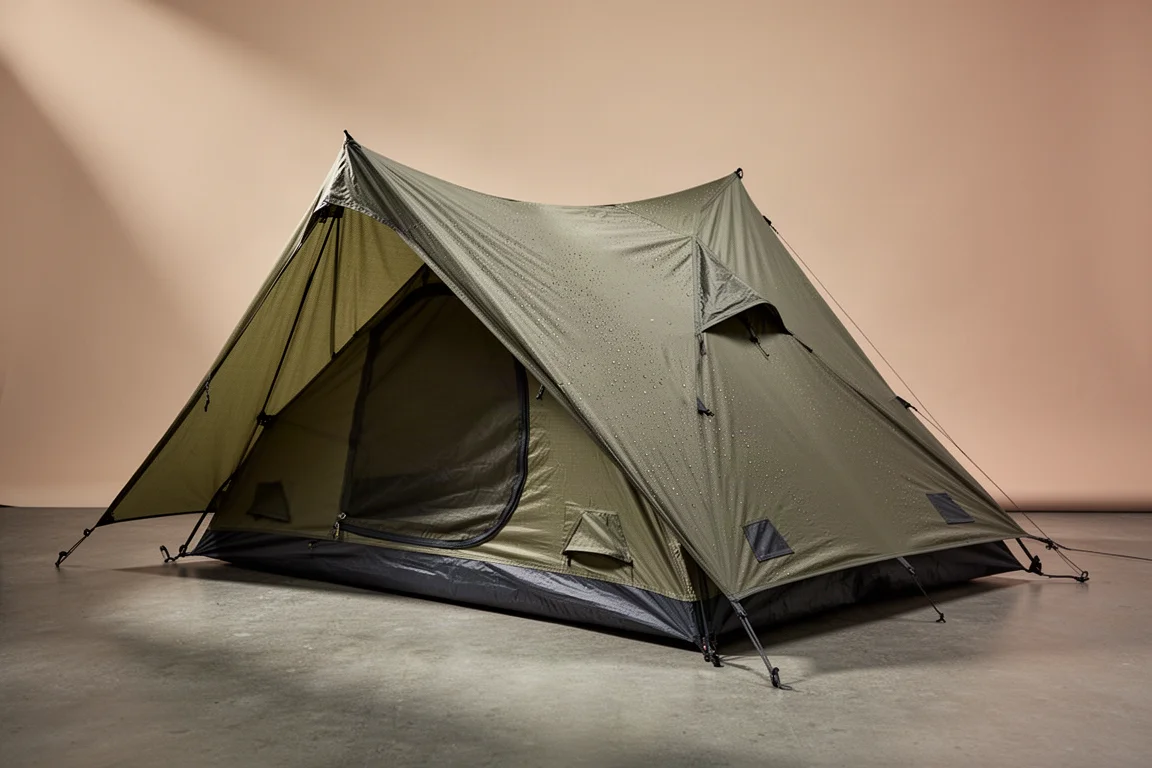
3F UL Gear Taiji Two-Person Tent Review: Field Waterproofing Results and Buying Advice
The Taiji pairs an attached fly with a removable inner, but sustained rain exposed untaped vent seams that need sealing before this shelter can be trusted.
Camping Tents
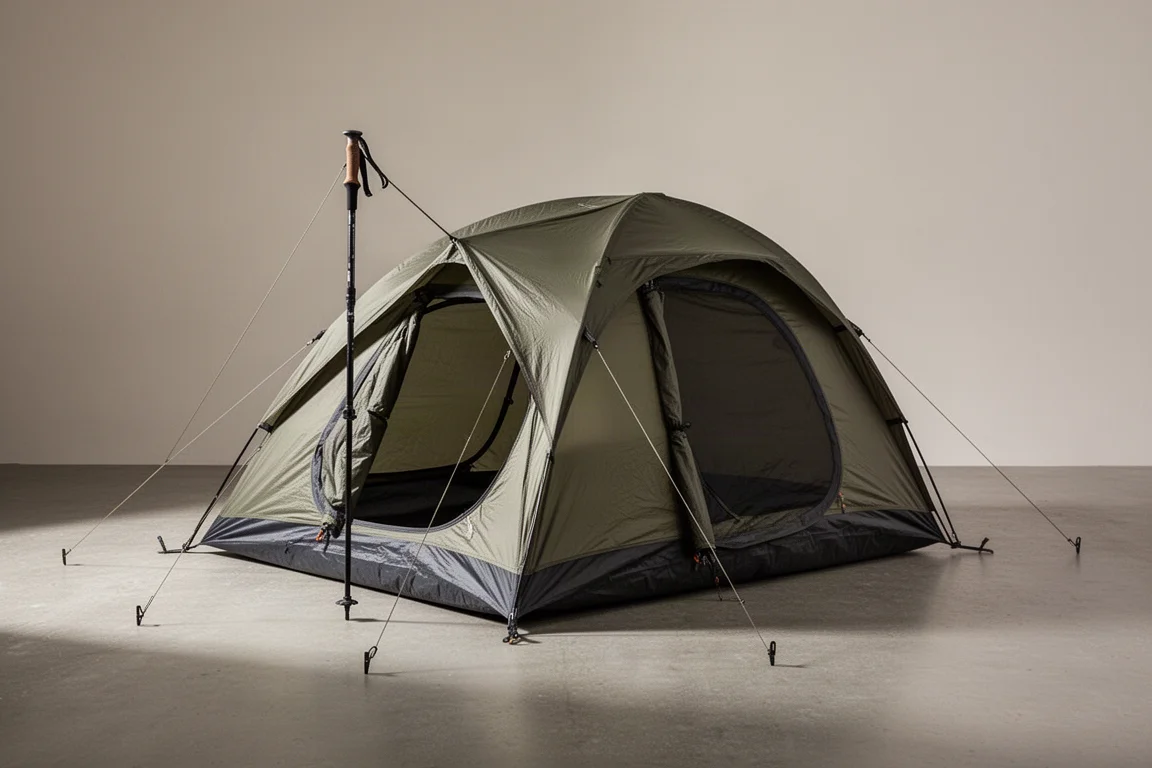
3FUL Gear Lanshan 2 Pro 4-Season Review: A Sub-$200 Single-Wall Trekking Pole Tent
An early look at the 3FUL Gear Lanshan 2 Pro 4-Season, covering its straightforward pitch, generous interior space, and the condensation and seam-sealing questions that come with any single-wall shelter.
Camping Tents
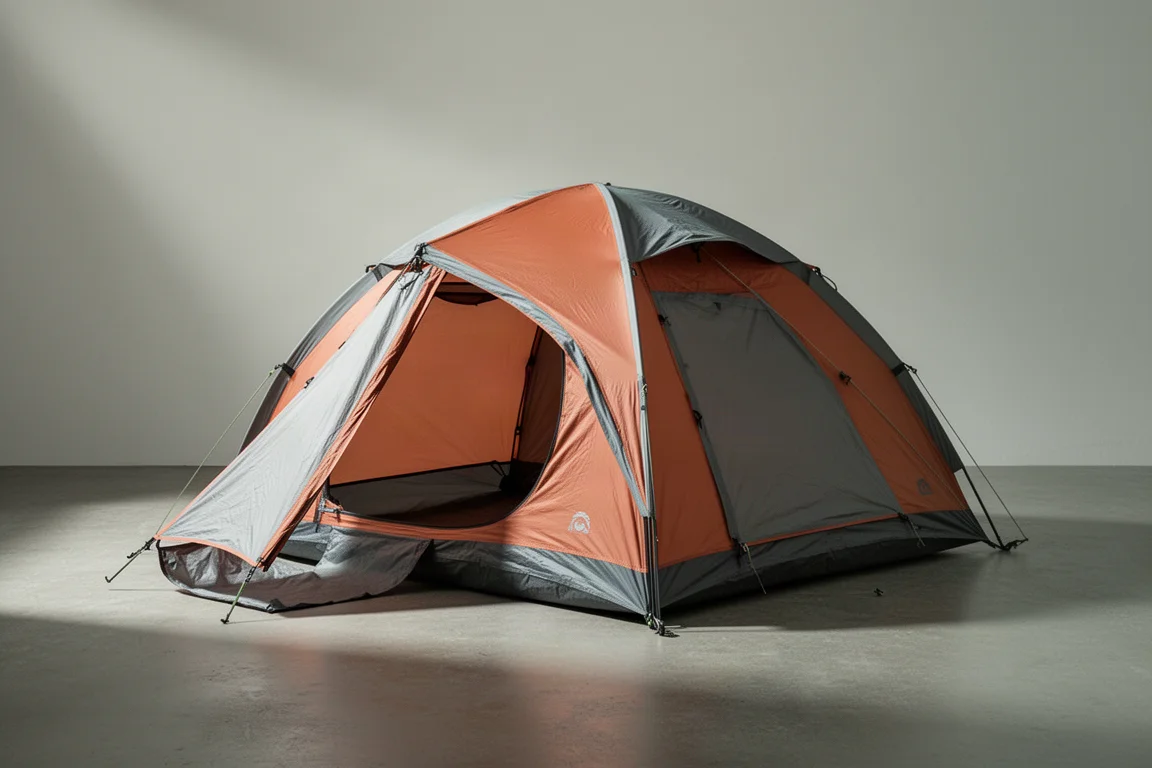
Alps Mountaineering Lynx 1-Person Tent Review: Big Value in a Small Budget Tent
A close look at the Alps Mountaineering Lynx 1-Person Tent, covering real interior dimensions, materials, setup time, ventilation limits, and who should buy it.