Camping Tents
REI Trail Hut 2 Review: Rain Protection That Holds Up in Heavy Weather
A practical look at the REI Trail Hut 2 and its waterproofing: taped seams, a tub floor, closable rainfly vents, and how it performed in sustained rain.
Introduction
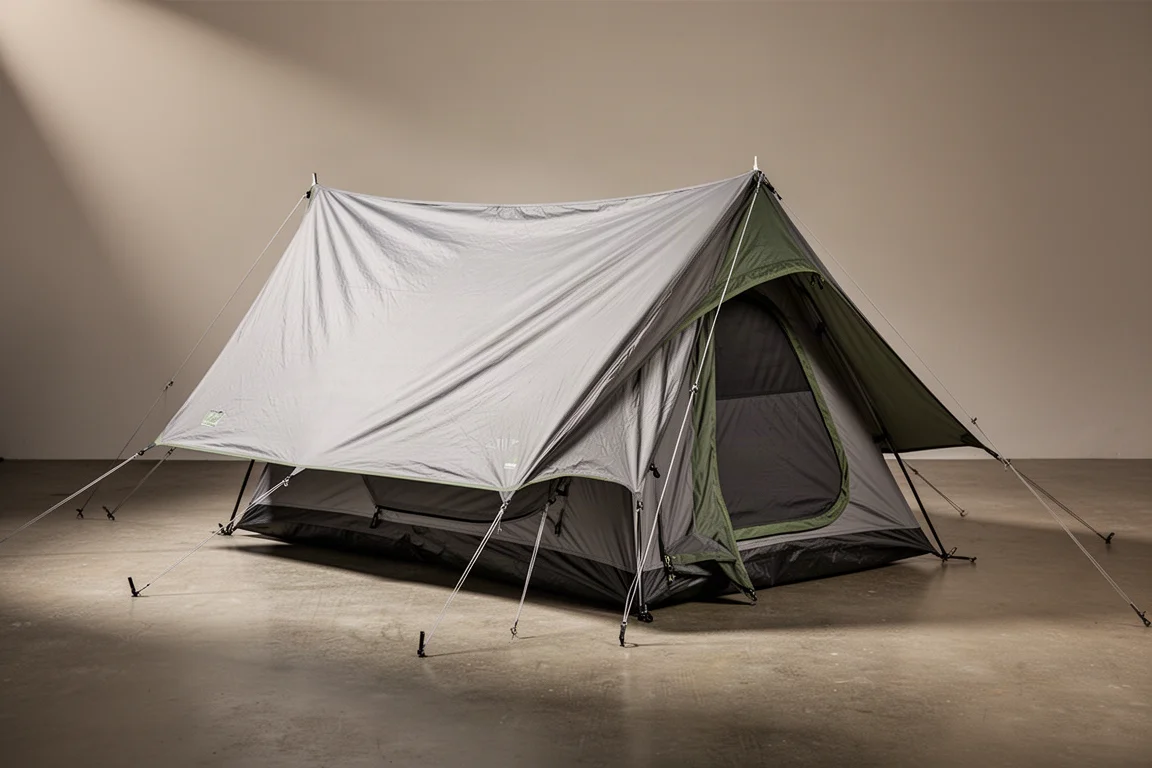
The REI Trail Hut 2 approaches weather protection with a handful of deliberate details rather than a long feature list. Water has three realistic ways into any tent: through the seams, up and over the floor edge, and in through the vents. The Trail Hut 2 addresses each of those in a way that is easy to see and easy to verify.

What follows is a practical breakdown of how this tent handles rain, based on its construction and on sustained rain testing, plus the one vent scenario worth understanding before you buy.
Who the REI Trail Hut 2 Is For
This tent suits campers who expect to spend time in wet weather and would rather not gamble on it. If your trips regularly involve drizzle that turns into downpours, the waterproofing details here are the reason to pay attention: taped seams where water collects, a floor that contains runoff, and vents you can close without stepping outside.
It also makes sense for campers who pitch on compacted ground at established sites, where rain tends to pool rather than drain away. In that setting, a floor that holds water at its edges is doing meaningful work.
Waterproofing Strengths: Seam Taping and the Tub Floor
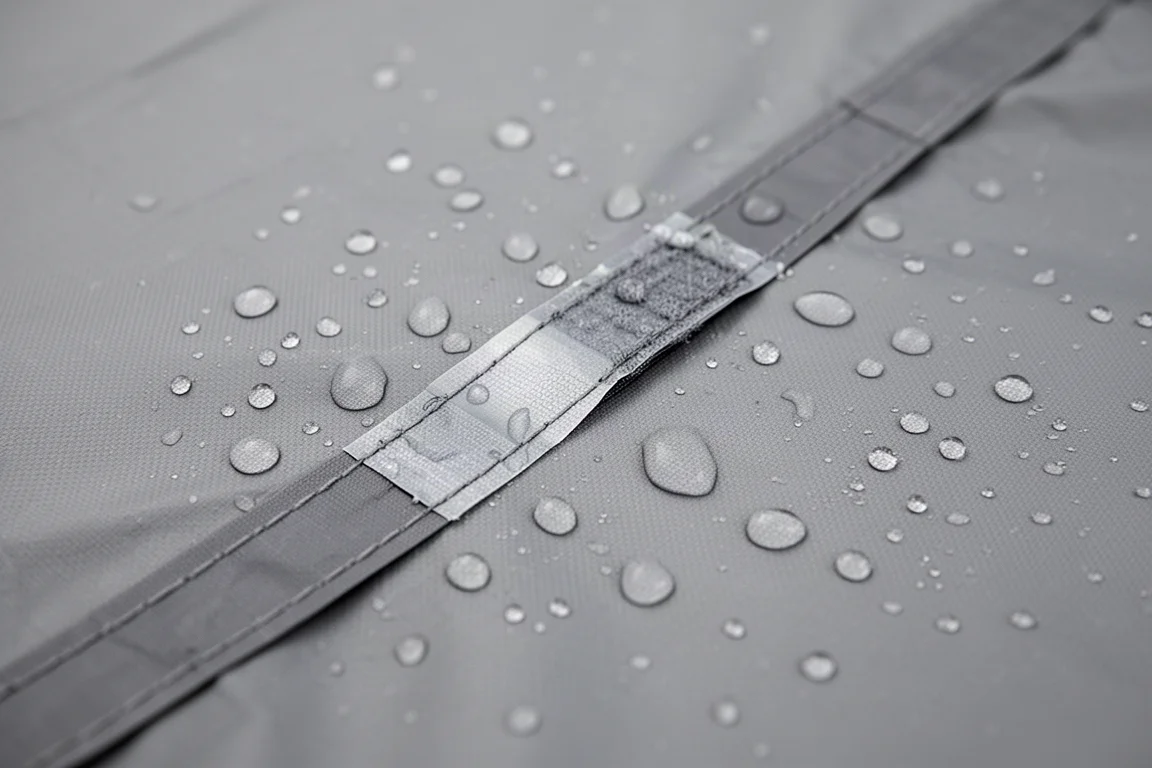
Seam taping is the first thing to notice. The corner seams are taped, and the vertical seam running up from the floor is taped for part of its length. A seam running across the floor is taped as well. In practice, every seam on the gray floor fabric is taped, while the fabric above it is not. The rainfly takes a different approach: all of its seams are taped.
The tub floor wraps around the entire tent with as few seams as possible. The only interruptions are the corners and a single seam down the middle. It rises about seven inches along the widths of the tent and about six inches along its length. That difference is deliberate. The vestibules at both ends pull the rainfly away from the tent body, so less splash protection is needed there. Along the widths, the rainfly cannot be pulled away in the same way, so the floor sits higher where the exposure is greater.
In testing, the tub floor did its job. After heavy rain, water had not traveled beyond the tub floor edge, which is exactly the behavior you want from a bathtub-style design.
Rainfly Vents and Heavy Rain Performance
The rainfly includes two vents, one on each side, positioned to let humid air escape while keeping rain out. Both can be opened and closed from inside the tent, which matters more than it first sounds.
The tent went through roughly two hours of light to moderate rain with no leaks at all. It was then put through an hour of heavy rain. Afterward, there was not a single drop of water inside, and the seams, particularly the corners, stayed dry throughout. One vent was left open during the heavy rain and did not leak.
The opposite vent tells the more useful story. At the right angle during horizontal rain, water can find its way in through an open vent. Because both vents close from inside, that is a manageable situation rather than a flaw: close them when the rain turns sideways and the interior stays dry.
Things to Consider Before Buying
The vertical seam that runs up from the floor is only taped for part of its length, and the fabric above the floor is not taped at all. That is a normal trade-off for this kind of tent, and the rainfly covers those areas, but it is worth knowing that the fully taped protection lives on the floor fabric and the rainfly rather than on the tent body itself.
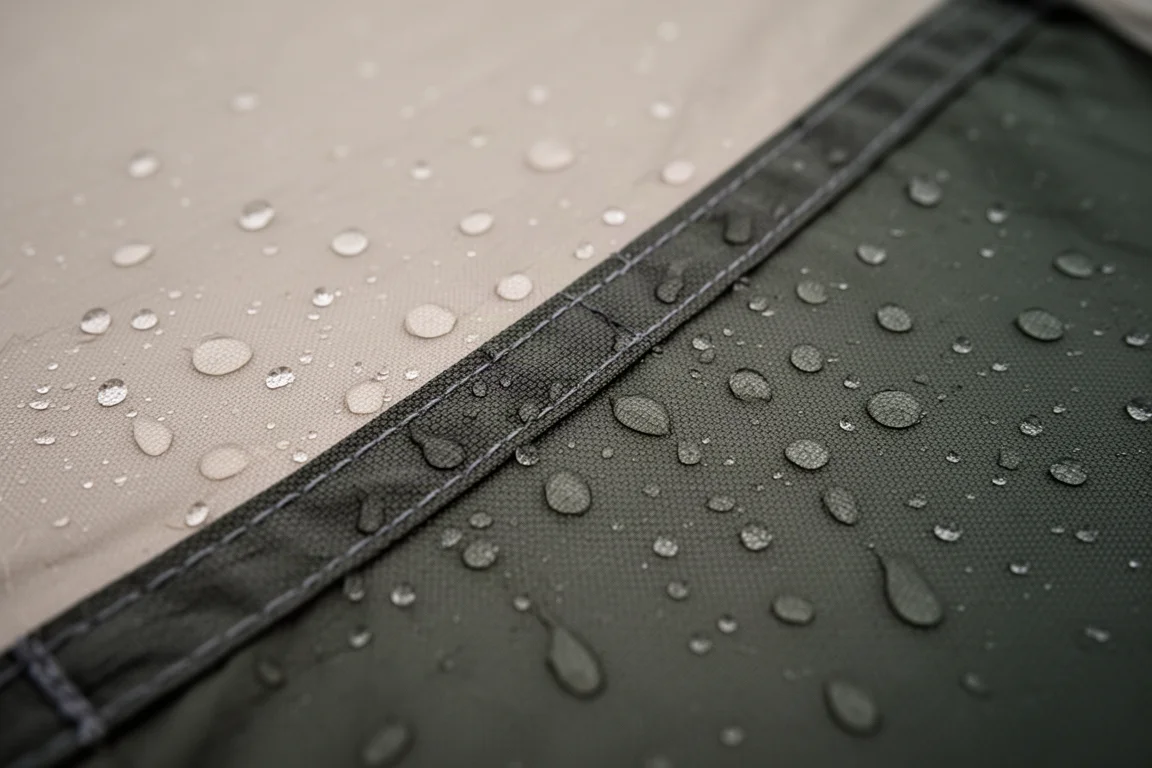
Vent management asks for a little attention. In ordinary rain, leaving a vent open helps with airflow and causes no problems. In driving, horizontal rain, an open vent can let water in, so you will want to close it from the inside. That is a small habit rather than a burden, but it is a habit worth building before your first stormy night.
Buying Advice
If dependable rain protection is your priority, the Trail Hut 2 earns a place on a shortlist. The taped floor seams, the fully taped rainfly, and the elevated tub floor all point to the same conclusion: this is a tent built by people who expect bad weather.
Think about how you camp. If you often pitch in exposed spots where rain arrives sideways, the closable vents make the tent easy to adapt on the fly. If most of your trips involve moderate rain and sheltered sites, the tent simply works without much thought. Either way, waterproofing is the reason to choose it, and it is the part of the tent that holds up best under close inspection.
Conclusion
The REI Trail Hut 2 handles rain the way you hope a tent will: taped seams that do not leak, a tub floor that keeps water where it belongs, and vents you can close from the inside when the weather turns. The one scenario to plan for, horizontal rain entering an open vent, has a straightforward fix built in. For campers who expect wet weather, that combination is genuinely reassuring.
Product link
View more details for REI Trail Hut 2
This product is mentioned in the review. Check the specifications, options, and compatibility before buying.
View more details for REI Trail Hut 2Further reading
Related Reviews
Camping Tents
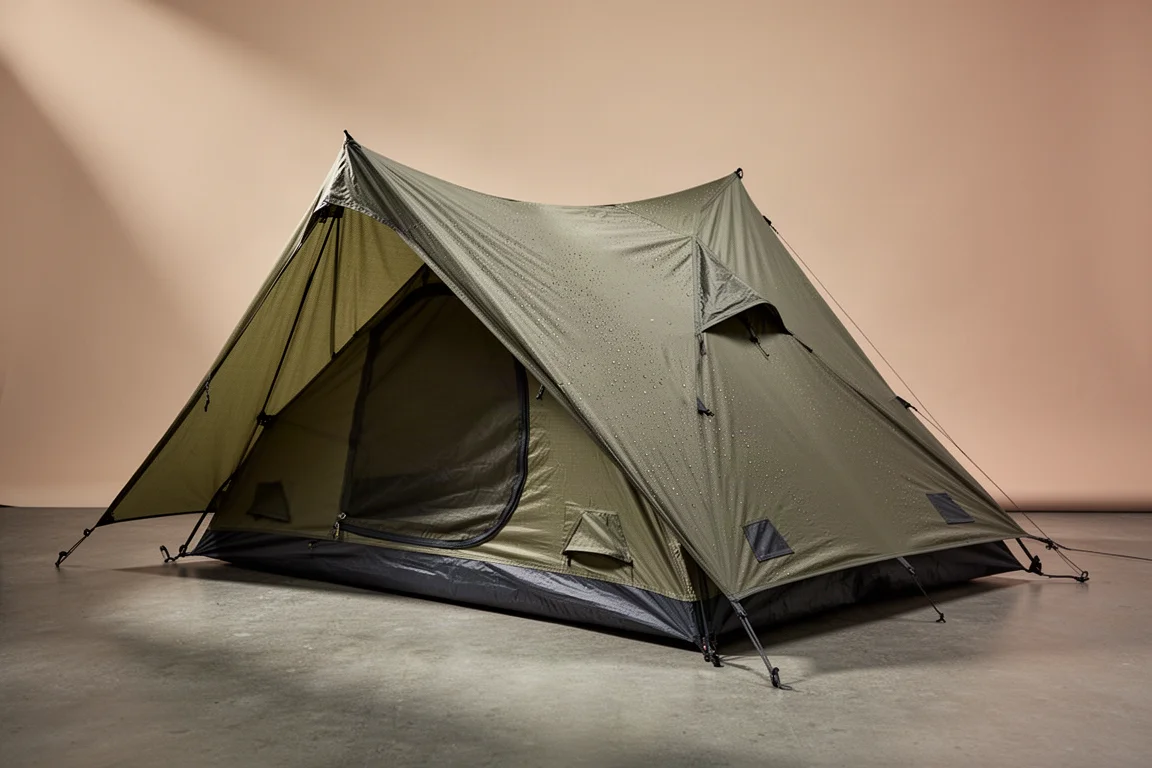
3F UL Gear Taiji Two-Person Tent Review: Field Waterproofing Results and Buying Advice
The Taiji pairs an attached fly with a removable inner, but sustained rain exposed untaped vent seams that need sealing before this shelter can be trusted.
Camping Tents
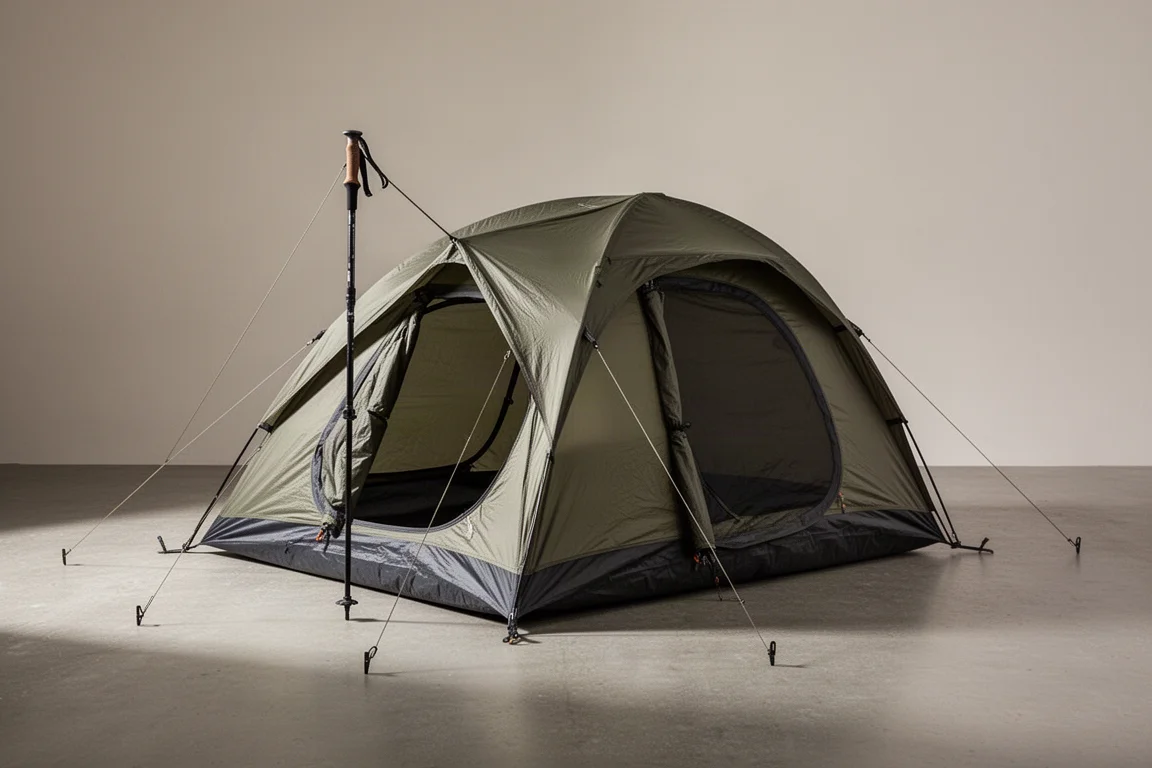
3FUL Gear Lanshan 2 Pro 4-Season Review: A Sub-$200 Single-Wall Trekking Pole Tent
An early look at the 3FUL Gear Lanshan 2 Pro 4-Season, covering its straightforward pitch, generous interior space, and the condensation and seam-sealing questions that come with any single-wall shelter.
Camping Tents
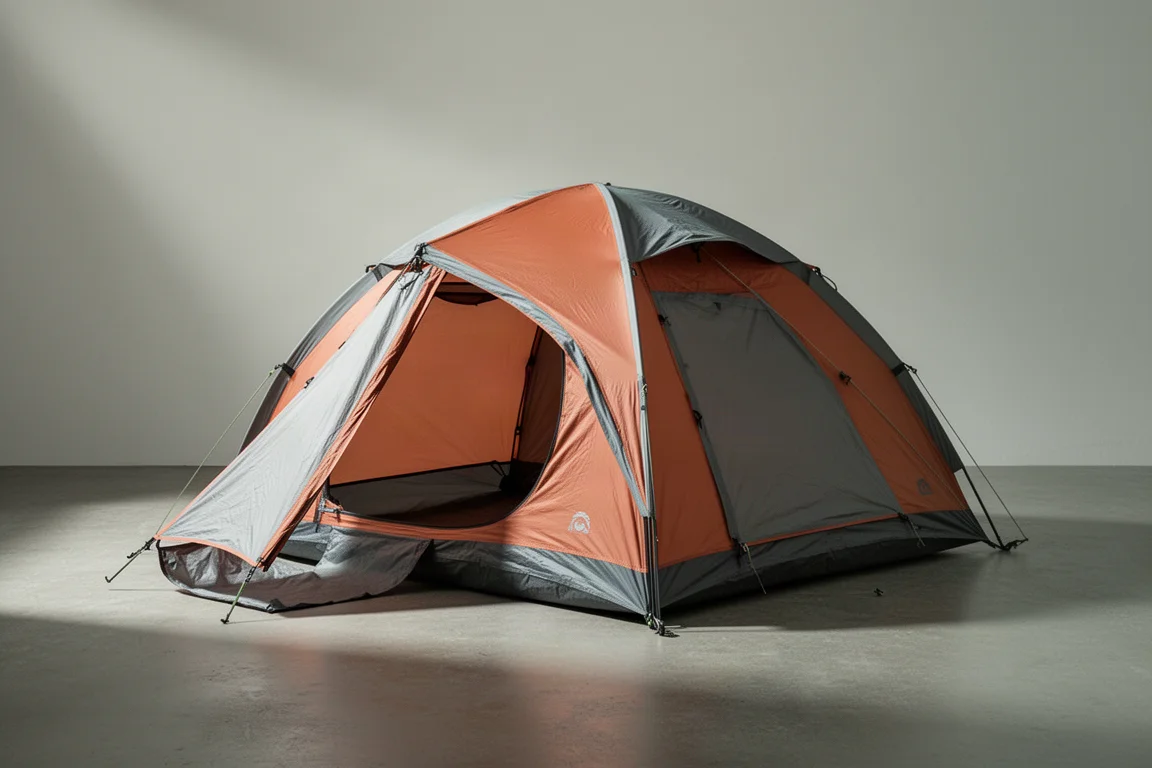
Alps Mountaineering Lynx 1-Person Tent Review: Big Value in a Small Budget Tent
A close look at the Alps Mountaineering Lynx 1-Person Tent, covering real interior dimensions, materials, setup time, ventilation limits, and who should buy it.