Camping Tents
REI Skyward 4 Review: A Four-Person Cabin Tent With a Convertible Vestibule
A roomy four-person cabin tent with standing height, a vestibule that becomes a wide awning, and a rainfly worth understanding before you buy.
Introduction
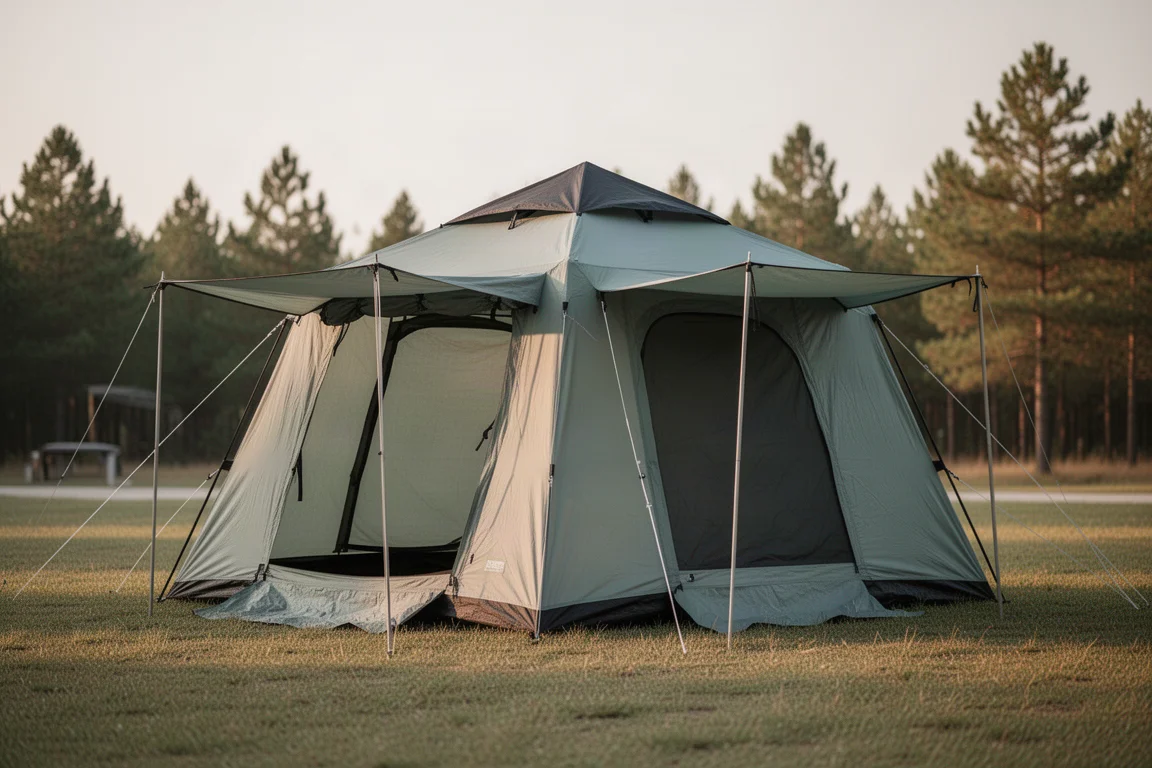
The REI Skyward 4 is a four-person cabin tent built around standing room and straight walls rather than a compact backpacking footprint. It arrives as a complete kit: the tent body, the rainfly, a black outer carry bag with the instructions sewn directly into it, separate bags for poles and stakes, 10 stakes, six orange guylines, seven aluminium poles, and a pole repair splint. It is sold through REI.
The appeal is straightforward. This is a three-season shelter for summer camping, with a front vestibule that can be flipped into a wide awning when the sun turns out to be a bigger problem than the rain.
Who the REI Skyward 4 Is For
This tent suits campers who drive to a site and want to live comfortably once they arrive. The near-vertical side walls and a peak height of about 78 inches make it possible to stand and walk around the interior, and the base area fits four single sleeping pads, two double pads, or one queen mattress with gear space left over.
It also suits summer campers who care about shade. The vestibule can be converted into an extended awning that covers a large part of the tent, which matters more on hot afternoons than on cool ones.
It is not a backpacking tent. At about 14 pounds packed, it belongs in a car, and cabin tents of this shape are not built for strong, exposed wind.
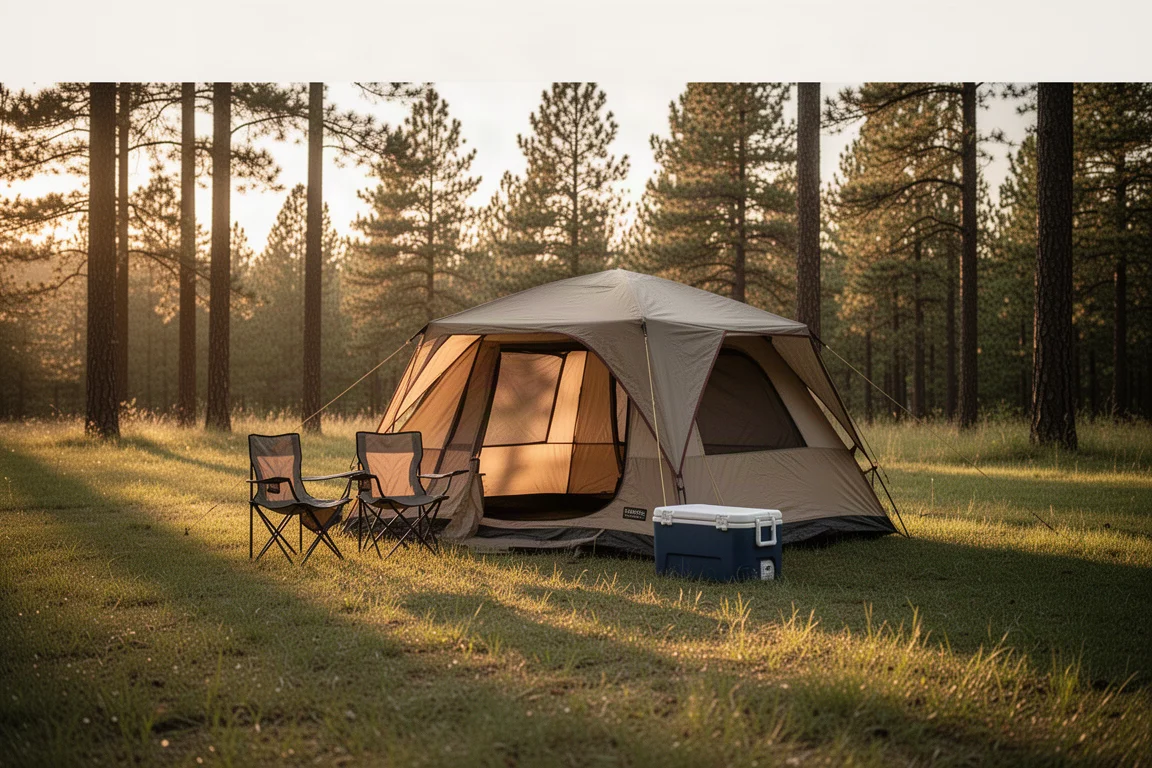
For anyone who stays in one spot for a weekend and wants a tent that feels closer to a small room than a sleeping pod, the priorities here line up well.
Space, Height, and Livability
Measured base dimensions come in at about 98.5 inches long by 85.5 inches wide, for a total base area of roughly 58.5 square feet. That is close to the marketed figures, which matters to anyone tired of tents that arrive smaller than advertised.
Sleeping capacity is genuinely flexible. Four single pads fit, or two double pads, and even slightly wider pads leave a little clearance at both the length and the width. A single queen mattress fits across either the width or the length of the tent, and either orientation leaves plenty of room for gear.
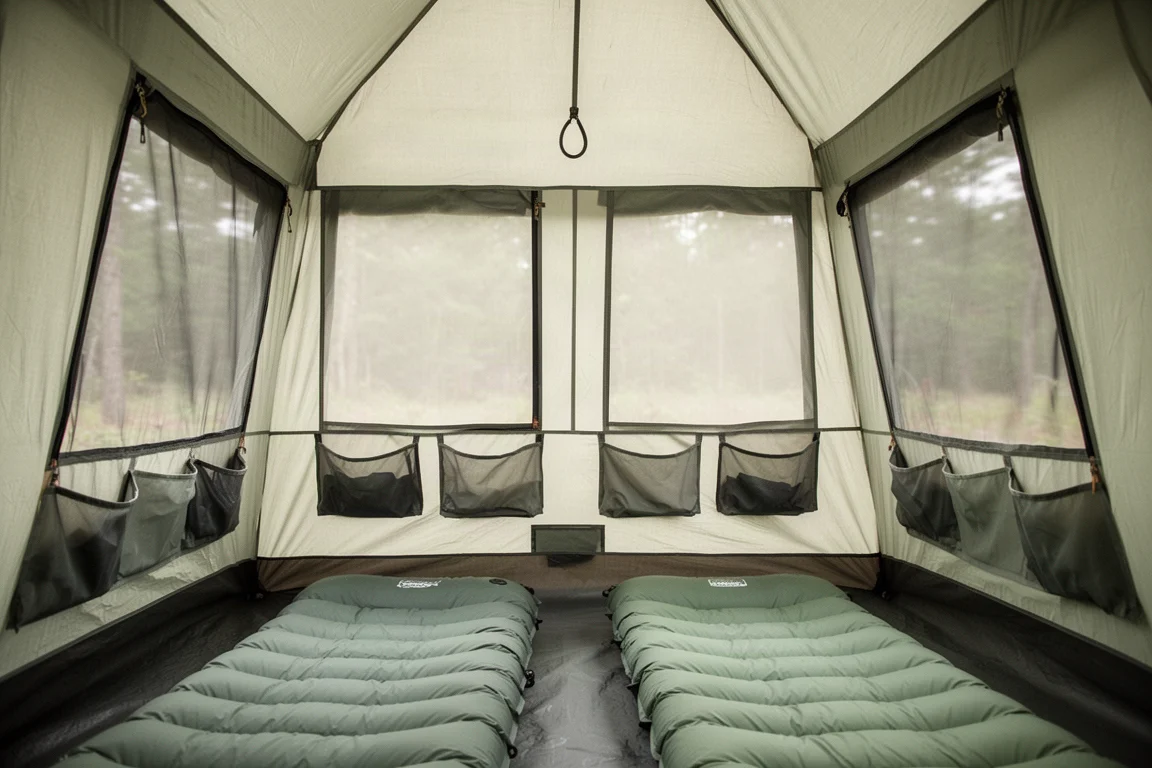
Peak height at the centre is about 78 inches. The lowest point, in each corner, is about 61 inches. The side walls are almost vertical, which creates a cabin shape and a noticeable amount of usable volume. Sleeping at the edge does not feel cramped, and there is no sense of the walls pressing in when four people are inside.
The single door measures about 59 inches long, 50 inches wide, and 60 inches from the ground to the top. That is slightly shorter than standing height for many adults, so a small duck is needed on the way in and out. There are two windows: one at the back at about 48.5 by 21.5 inches, and one at the front at about 58 by 21.5 inches.
Setup, Build Quality, and Materials
A full setup, including staking and guying out, took about 12 minutes solo. The instructions are clear enough to work from without help, and the colour coding does a lot of the explaining: blue webbing loops at the front, brown at the back, and red and black toggle webbing on the rainfly. Velcro straps under the rainfly lock onto matching Velcro on the tent body and hold very securely.
Two setup friction points are worth knowing about. The last leg pole is awkward the first time, and the awning pole is harder still, taking roughly 15 minutes to seat on the initial attempt. Pitching the tent in a yard to break it in makes a real difference; it took about three days of repeated setups to loosen the process up.
Packing away takes about 12 minutes, which is long for a four-person tent. The carry bag has a side-loading opening that is not especially large, and the bag itself is fairly tight, so getting everything back inside takes patience. Packed size is about 25 by 10 by 9.5 inches, and the bag has a shoulder strap plus a small hand strap at one end.
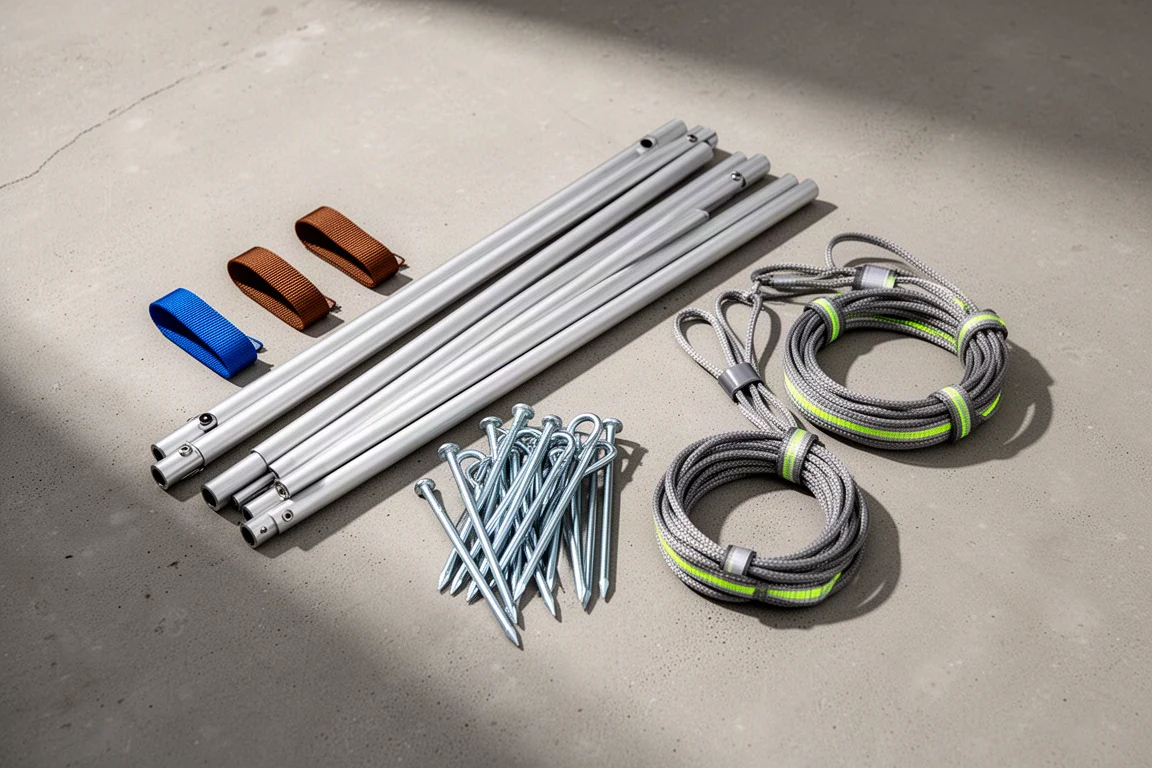
The materials are a strong point. The floor is 150-denier polyester, the rainfly is 75-denier polyester, and the canopy is nylon with micro-mesh panels that feel soft and fine. All seven poles are aluminium, and none bent or broke. Seams are mostly double-stitched and consistent, with no loose threads, and every seam is taped cleanly enough that no extra waterproofing prep is needed. Door and vestibule zippers are YKK, while the window zippers are unbranded.
Rain Protection and Ventilation
One hour of simulated heavy rain produced a completely dry interior. Two things made that possible: thorough seam taping, including around the lower corners, and the fact that the water fell vertically with no wind.
Angle the water even slightly and the picture changes. After five to ten minutes of spray at a shallow angle, drops appeared on the side taking the most water. They came in through the ceiling mesh, which had soaked through. The cause is the rainfly, which covers only the very top of the tent and extends just a few inches past the mesh. Most cabin tents run their fly several inches further down the sides. The gap between fly and body is large, and that is where the water finds its way in. The rainfly is marketed as a waterproof cap-style design, and a larger fly would be the more reassuring choice when wind drives rain sideways.
Ventilation is the other compromise. There are no roof vents and no floor vents. In rain, the front window gets drenched and cannot be opened, so airflow is limited to the gap at the bottom of the vestibule. On hot, dry days the rainfly comes off entirely, which opens up the ceiling mesh for airflow and makes for good stargazing at night. That mesh is a decent size, though not the most generous available.
Wind behaviour follows the category. The tent handled light wind well when fully guyed out, and the six guylines attach to the tent body rather than the fly, so they stay useful with the rainfly removed. Every guyline carries a small reflective strip, as do the awning straps. A cabin tent of this shape is still not something to pitch on an exposed ridge in a storm.
Storage and Everyday Details
Four pockets sit on the front wall of the inner tent, which is a smart placement: the vestibule shields the seams from rain, and the pockets can be reached without climbing inside. The bottom pockets are reachable while seated. The top pockets measure about 11 by 10 inches, and the bottom pockets about 17 by 9 inches. Slightly larger pockets would be welcome.
Five loops round out the interior storage. One sits at the top centre, the natural spot for a lantern, with four more at the corners. There is no power port.
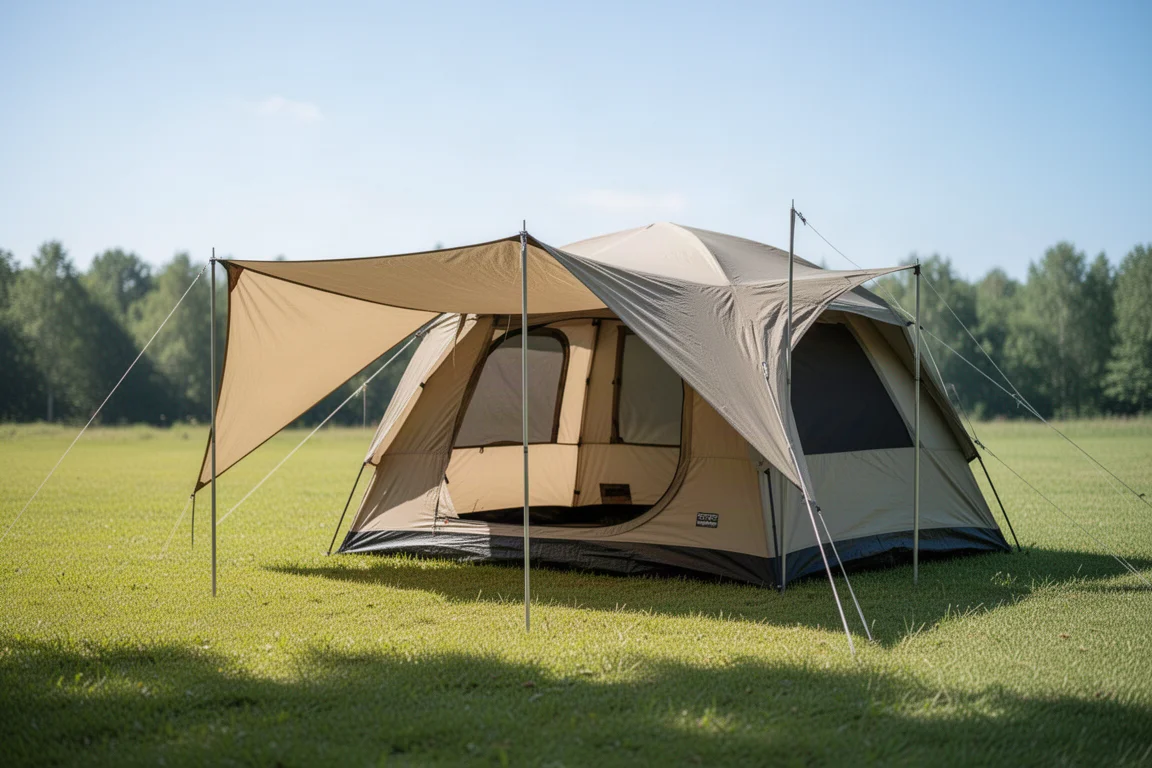
The vestibule is the tent’s most distinctive feature. It sits at the front, with a longest length of about 99 inches matching the inner tent, a shortest length of about 59 inches, and a width of about 43 inches, for roughly 23.5 square feet of covered space. A large camp chair does not fit well; its armrest and one corner press into the fabric. A compact chair fits more comfortably, though knees come close to the door. The vestibule works best as gear storage, and it is excellent for wet gear on rainy days.
Zipping the vestibule door is the weak point. The storm flap interferes, producing about three snags when closing from the outside and about the same from the inside. Unzipping is mostly smooth. Staking the vestibule only after both sides of the door are zipped makes the process easier and evens out tension. Both vestibule zippers are YKK.
Leaving the vestibule tied open creates a small awning that protrudes about 15 inches past the door, with almost 71 inches of clearance underneath. The more interesting trick is taking the vestibule out of the equation entirely: grommets in the vestibule corners accept the tips of two poles, which are not included with the tent, and guylines pulled at roughly 90 degrees hold them steady. The result is a large extended awning over the tent with far more shade, and it is the single best argument for this design.
Things to Consider Before Buying
The rainfly is the biggest caveat. It is unusually small, and in angled rain it lets water reach the ceiling mesh. An extra tarp pitched over the tent addresses that directly.
Ventilation is limited. With no roof or floor vents and only two windows, two full walls of fabric have no mesh at all. The front window has no flap, so its full mesh panel becomes a privacy question whenever the vestibule is open.
The kit runs short on stakes if the whole tent is guyed out, by two stakes. First-time setup is tight, particularly the awning pole, and packing away takes longer than expected because of the side-loading bag. There is one door rather than two, and the interior door requires a slight duck. As with any cabin tent, strong wind is not this design’s environment.
Buying Advice
Most of the drawbacks here are manageable. Pitching the tent at home several times before the first trip breaks in the tight poles and removes the setup frustration. A tarp over the top handles the small rainfly in wind-driven rain. Extra stakes solve the guying shortfall.
The value proposition is strong. This tent was bought at roughly 30 percent off and delivered excellent value at that price, and the materials, seam taping, and YKK zippers on the doors and vestibule support the sense that it is built to last. For three-season summer camping, rain or shine, it is a solid cabin tent. Campers who expect serious wind or heavy driving rain should weigh the rainfly carefully before committing.
Conclusion
The REI Skyward 4 gets the fundamentals right. It is quick to pitch for a tent this size, tall enough to stand in, wide enough to sleep four adults without elbows colliding, and flexible enough to take a queen mattress plus gear. The vestibule earns its place twice over, as wet-gear storage in bad weather and as a broad shaded awning in good weather.
Its compromises are specific rather than structural. A very small rainfly, limited ventilation, and a tight pack-away are the things to accept going in, and each has a practical workaround. Buyers who want a comfortable summer basecamp and are willing to break the tent in and carry a few extra stakes will find a lot to like here.
Product link
View more details for REI Skyward 4
This product is mentioned in the review. Check the specifications, options, and compatibility before buying.
View more details for REI Skyward 4Further reading
Related Reviews
Camping Tents
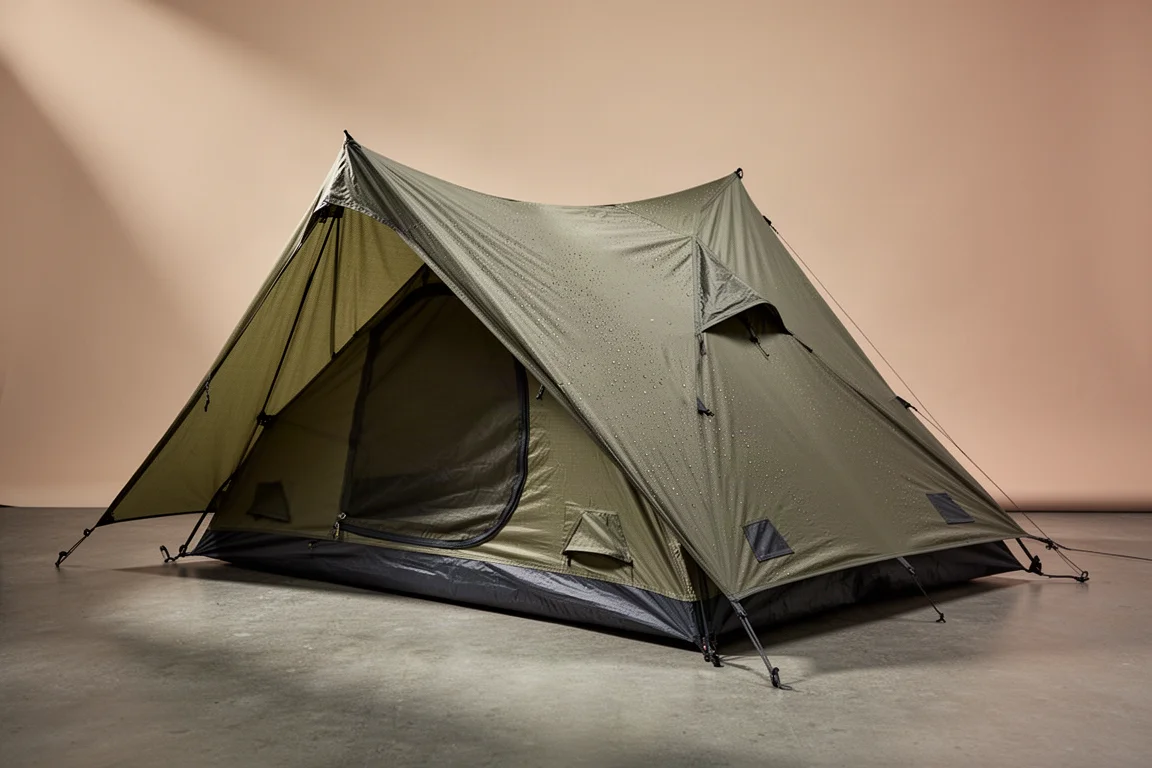
3F UL Gear Taiji Two-Person Tent Review: Field Waterproofing Results and Buying Advice
The Taiji pairs an attached fly with a removable inner, but sustained rain exposed untaped vent seams that need sealing before this shelter can be trusted.
Camping Tents
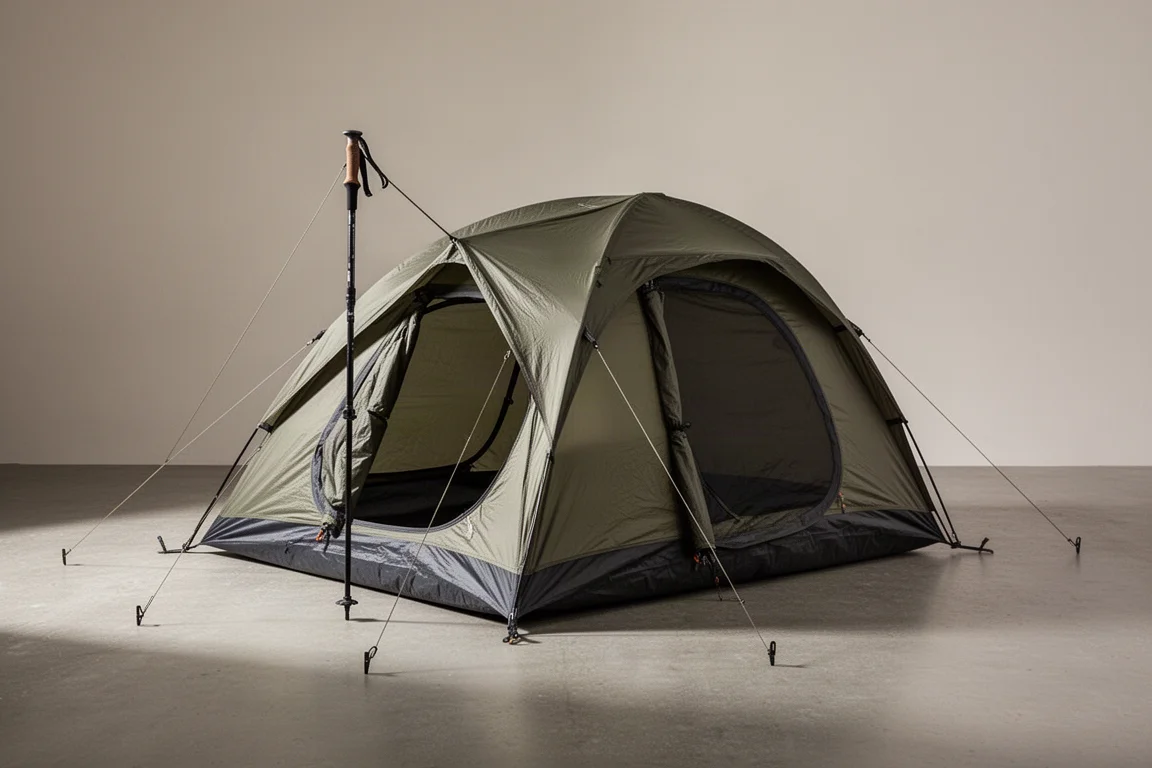
3FUL Gear Lanshan 2 Pro 4-Season Review: A Sub-$200 Single-Wall Trekking Pole Tent
An early look at the 3FUL Gear Lanshan 2 Pro 4-Season, covering its straightforward pitch, generous interior space, and the condensation and seam-sealing questions that come with any single-wall shelter.
Camping Tents
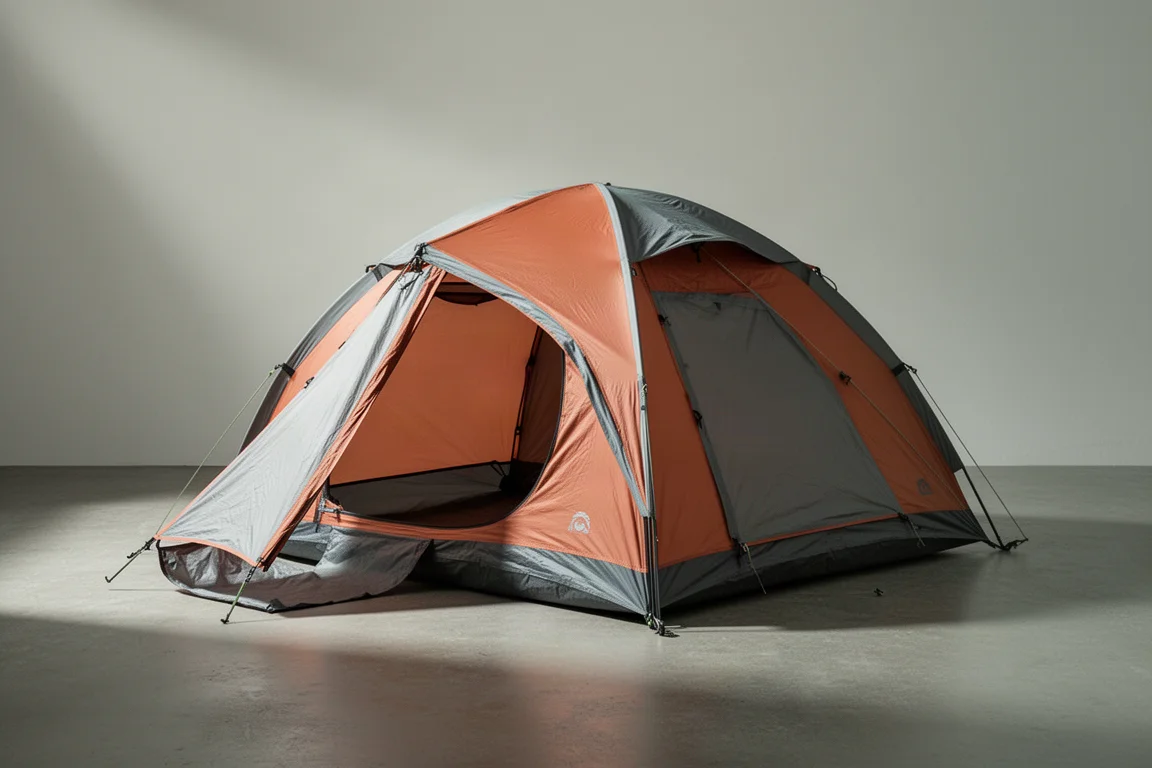
Alps Mountaineering Lynx 1-Person Tent Review: Big Value in a Small Budget Tent
A close look at the Alps Mountaineering Lynx 1-Person Tent, covering real interior dimensions, materials, setup time, ventilation limits, and who should buy it.