Camping Tents
REI Half Dome Rain Test: How It Held Up in an Hour of Heavy Rain
A close look at the REI Half Dome's waterproofing, from its bathtub floor and taped seams to its full-coverage rainfly, plus how the tent performed through an hour of sustained heavy rain.
Introduction
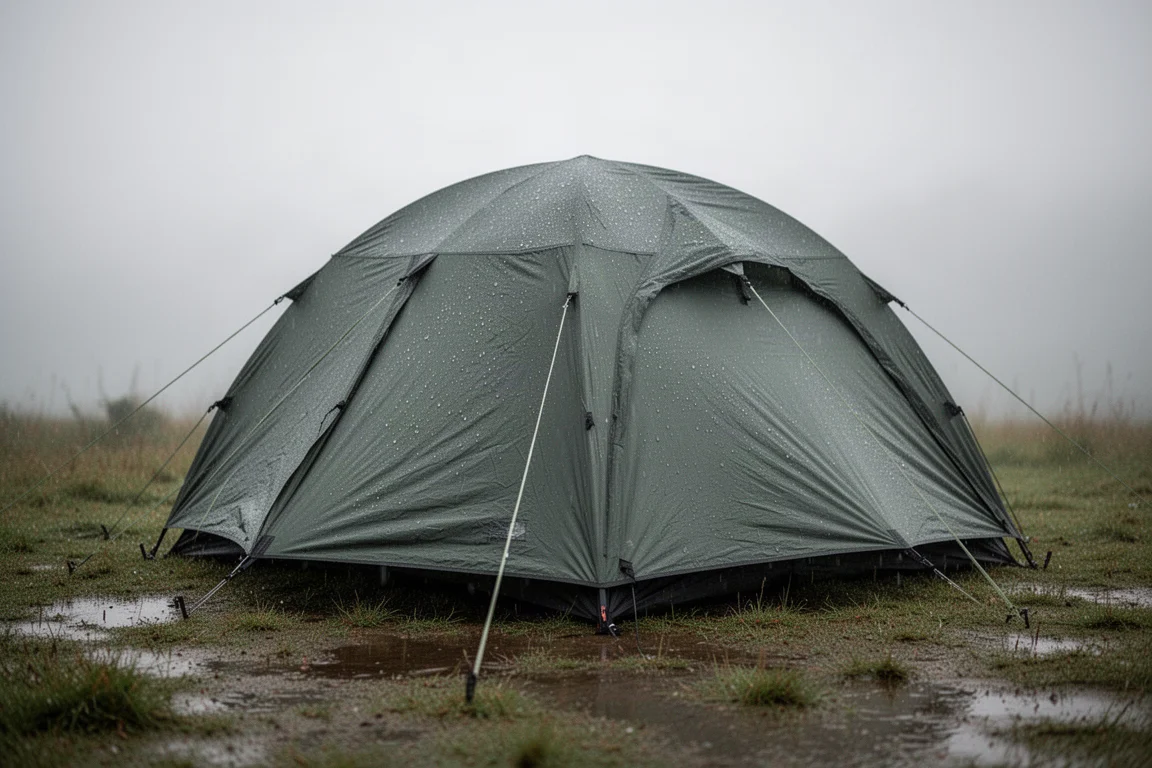
Waterproofing is the part of a tent’s specification that matters most when the weather turns, and it is also the hardest thing to judge from a product page. The REI Half Dome makes its case through construction: a bathtub floor that wraps the entire base, taped seams in the places that count, and a full-coverage rainfly with enough anchor points to tension it away from the body.
The real question is whether those details hold up once water is actually falling on them. This tent was put through close to an hour of heavy rain to find out. What follows is a walkthrough of the waterproofing features, how they behaved under sustained rain, and what is worth weighing before buying.
Who This Tent Is For
This is a tent for campers who expect to be caught out in genuine weather rather than fair-weather weekenders. The priorities behind the design are clear: keep the sleeping area dry, keep the floor dry, and give the fly enough anchor points to stay clear of the inner body when everything is wet and loaded.
That combination suits three-season camping, trips where weather protection matters more than shaving grams, and anyone who has been rained on in a cheaper tent and wants a body that does not soak through.
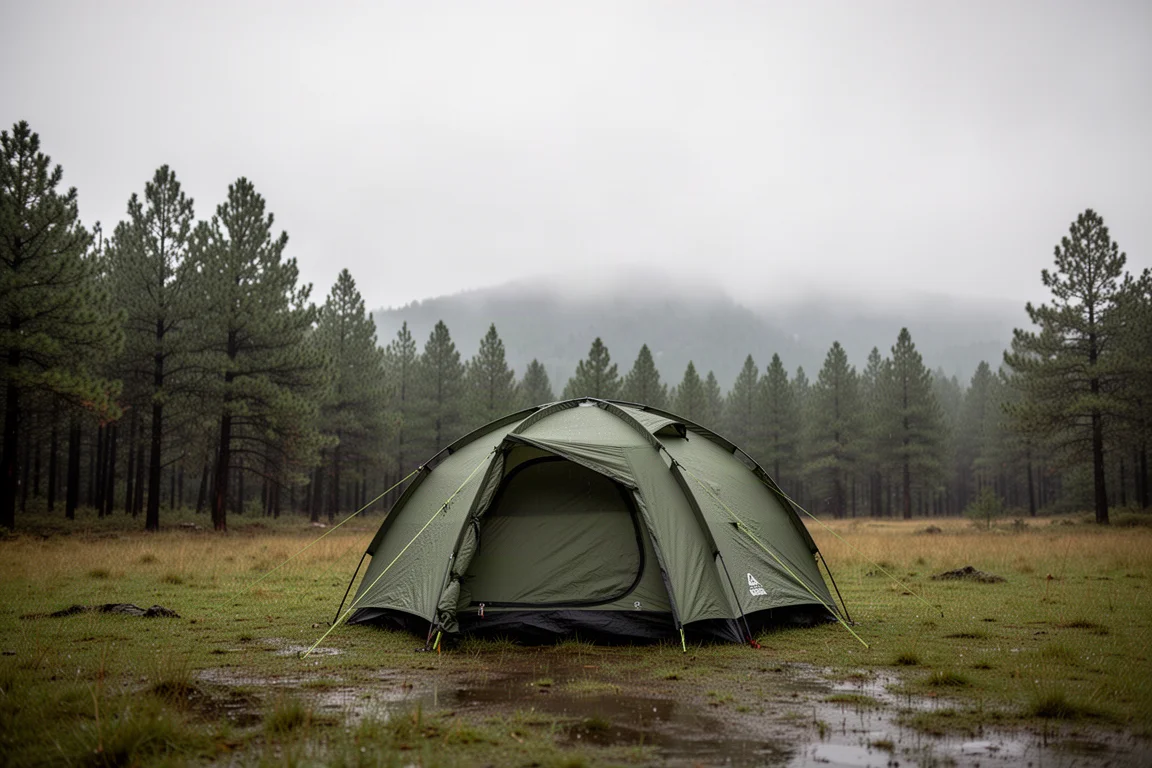
It also makes sense for campers who pitch in exposed spots. Because the fly can be tensioned at several points, there is room to adjust the shape of the tent once it is standing rather than accepting whatever shape the fabric settles into.
Tub Floor and Seam Taping
The bathtub floor runs all the way around the perimeter, and it is not a token lip. Measured along the lengths, the tub floor stands roughly seven and a half inches high. Along the widths it rises to about twelve inches, which is noticeably taller. That difference is deliberate, and it ties directly into how the fly is anchored.
Seam taping follows a similar logic. A seam runs down the entire length of the floor, and it is taped. The corner seams are taped as well, and that taping continues cleanly up to the top of the tub floor. Above the tub floor, the remaining seams are not taped.
Rainfly Coverage and Stakeout Points
The rainfly is a full-coverage design that extends almost all the way to the ground. On a nylon tent, that coverage matters, because nylon tends to take on water in a way that polyester does not, and a fly that stops short leaves more of the body exposed.
Every seam on the fly is taped, which is the detail most likely to decide whether a long, wet night stays comfortable. The fly also offers a generous number of stakeout points. The vestibules can be pulled well away from the body along the lengths, and the widths have an extra guy-out point as well.
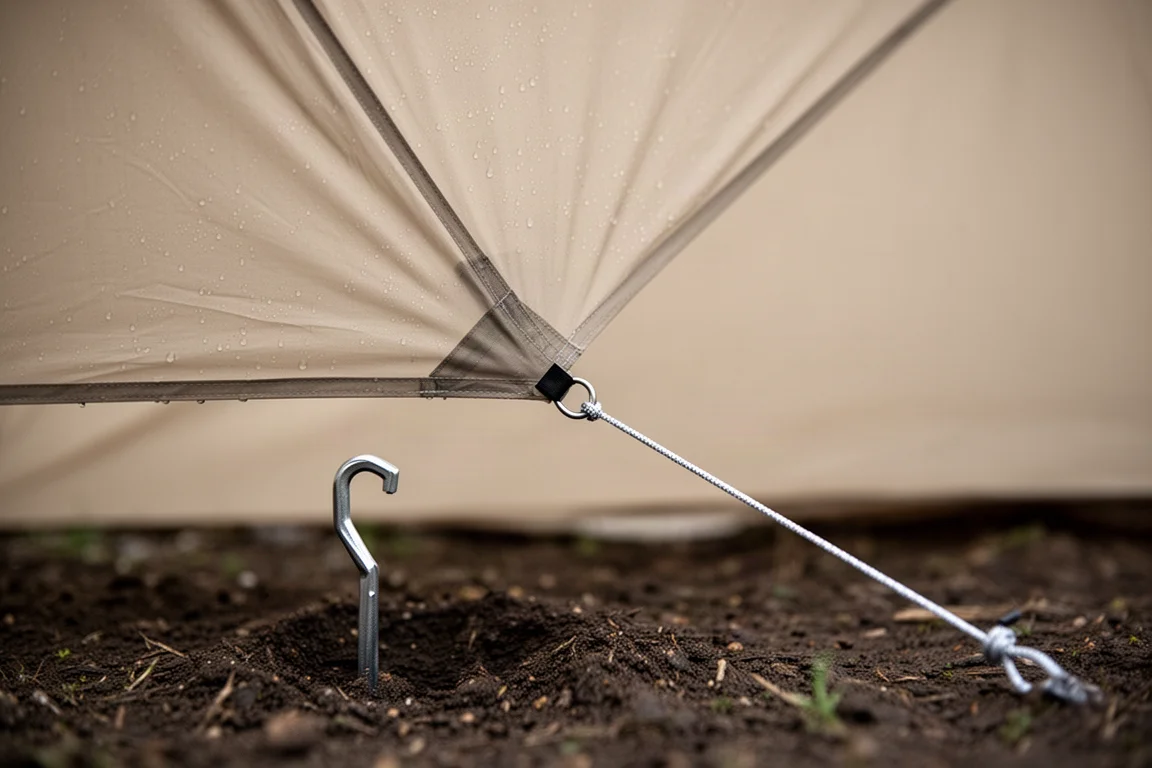
The widths cannot be pulled away as far as the vestibules can, which is precisely why the tub floor sits slightly higher along those sides. It is a sensible trade: more floor protection where the fly coverage is tighter.
Rainfly Vents and Ventilation
There are two rainfly vents, one above each door. Both can be closed from the inside, which is the detail that turns ventilation from a fair-weather convenience into something usable in a downpour.
How the Half Dome Performed in Heavy Rain
After close to an hour of heavy rain, the fly around the vestibule doors began to soak through in places, and it looked a little saggier with more creases than before the rain started.
The interior told a better story. The tent stayed almost completely dry, with only a few drops appearing in the middle. Those drops came in through the mesh at the top after one vent was left open, and once that vent was closed the leak stopped. The second vent faced away from the direction the rain was falling and stayed dry throughout. Since both vents close from the inside, that reads as a pass.
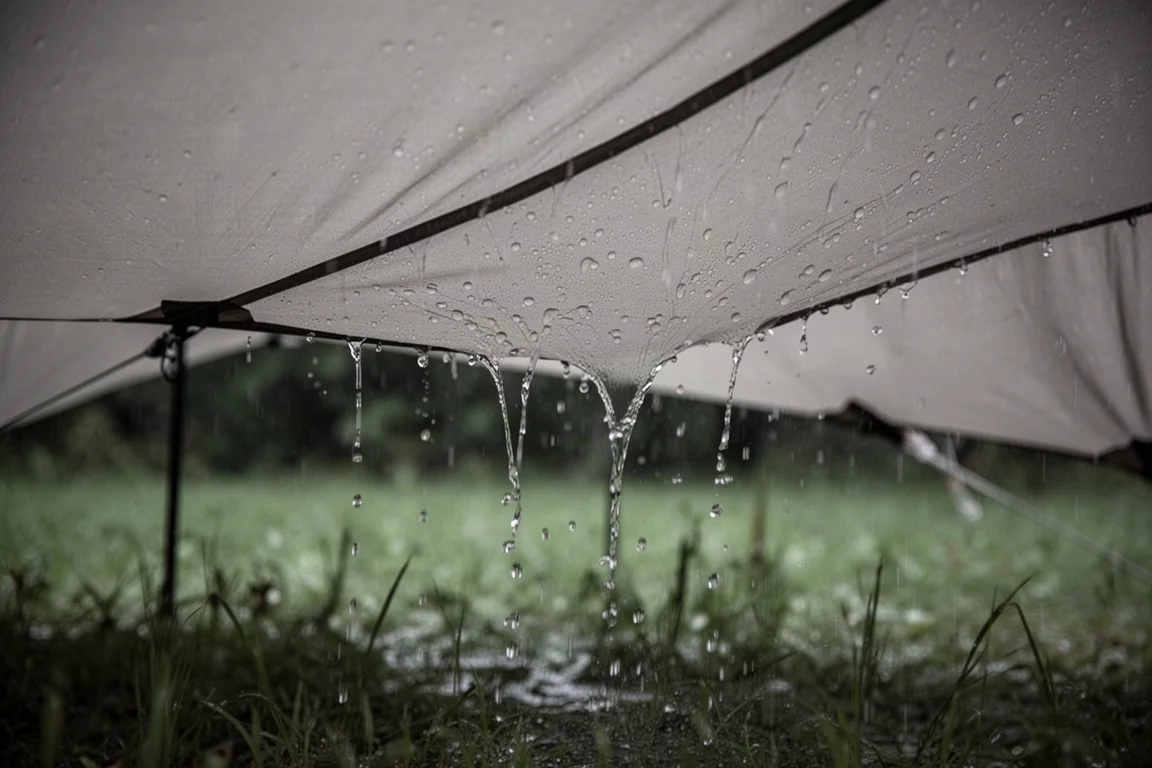
The corner seams, usually the first place heavy rain finds a way in, did not leak, and neither did any of the other seams. The tub floor stayed completely dry on the inside, and seen from outside it sat high enough to keep water from working over the top. The underside of the fly was very slightly damp around the vestibules, far less than might be expected after that much rain.
Things to Consider Before Buying
The nylon construction is the main trade-off to understand going in. Nylon absorbs water more readily than polyester, and that tendency shows up as a fly that sags a little and feels slightly wetter during sustained rain. The fly around the vestibule doors did soak through slightly after an hour of heavy rain, and above the tub floor the seams are not taped.
Even so, there was no need to readjust the fly to keep it off the tent body, and the number of stakeout points proved sufficient to keep everything tensioned. Campers who want a fly that stays taut and dry-looking through prolonged rain may want to compare polyester options, while those who value the coverage and floor protection here will find the behavior manageable.
Buying Advice
If staying dry is the priority, the waterproofing package here deserves attention: a high bathtub floor, taped floor and corner seams, a fully taped fly, and full coverage with enough stakeout points to tension it properly. It is a strong fit for exposed pitches and trips where rain is likely rather than theoretical. In consistently mild, dry conditions, that level of protection is more headroom than most campers need.

Two habits are worth carrying over from this test. Close the rainfly vents when rain is driving in, since the only moisture that reached the interior came through an open vent. And give the nylon fly a little slack in your expectations during long, wet spells: it will look slightly saggier and feel slightly damp, without letting water into the sleeping area. Pack a couple of spare stakes so the guy-out points can always be used to full effect.
Conclusion
The REI Half Dome handled an hour of heavy rain well. The interior stayed almost completely dry, the tub floor kept water out from below and from the sides, no seam leaked, and the fully taped fly with its multiple stakeout points held the tent body clear without any readjustment. The open-vent leak and the slightly damp fly around the vestibules are worth knowing about, but both are easy to manage. For campers who want dependable rain protection from a nylon tent, this one earns its place on the shortlist.
Product link
View more details for REI Half Dome
This product is mentioned in the review. Check the specifications, options, and compatibility before buying.
View more details for REI Half DomeFurther reading
Related Reviews
Camping Tents
3F UL Gear Taiji Two-Person Tent Review: Field Waterproofing Results and Buying Advice
The Taiji pairs an attached fly with a removable inner, but sustained rain exposed untaped vent seams that need sealing before this shelter can be trusted.
Camping Tents
3FUL Gear Lanshan 2 Pro 4-Season Review: A Sub-$200 Single-Wall Trekking Pole Tent
An early look at the 3FUL Gear Lanshan 2 Pro 4-Season, covering its straightforward pitch, generous interior space, and the condensation and seam-sealing questions that come with any single-wall shelter.
Camping Tents
Alps Mountaineering Lynx 1-Person Tent Review: Big Value in a Small Budget Tent
A close look at the Alps Mountaineering Lynx 1-Person Tent, covering real interior dimensions, materials, setup time, ventilation limits, and who should buy it.