Camping Tents
REI Half Dome 2 Plus Review: A Feature-Rich Three-Season Tent
A close look at the REI Half Dome 2 Plus, covering setup time, interior space, rain performance, materials, and the trade-offs worth knowing before you buy.
Introduction
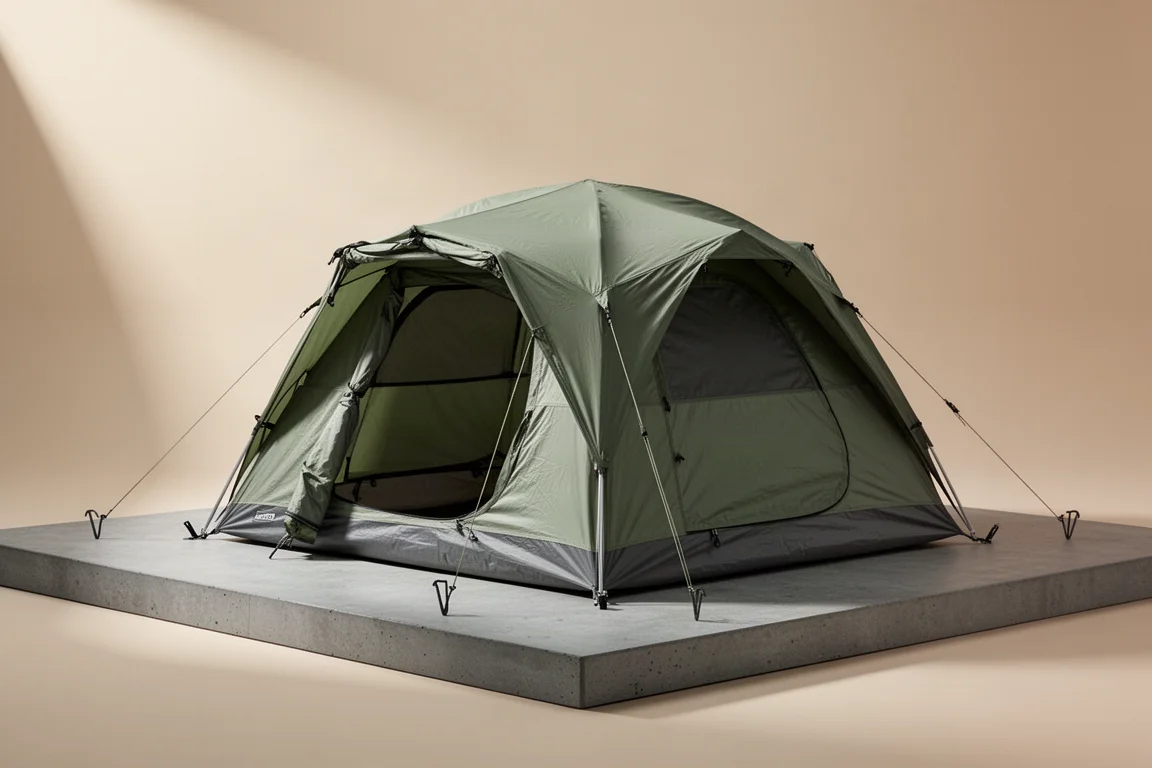
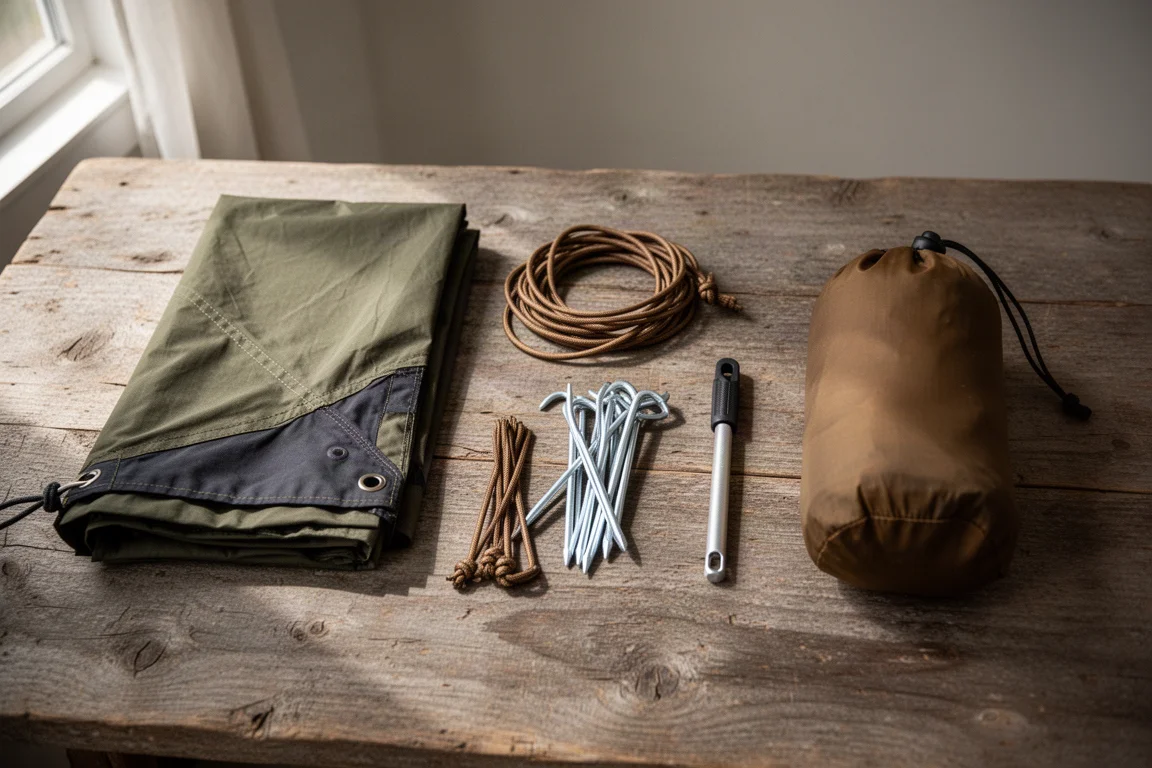
The REI Half Dome 2 Plus is a three-season dome tent built for two campers who want a roomy, well-equipped shelter without stepping up to a heavy base-camp design. Out of the carry bag you get the tent body with a pre-attached footprint, a full-coverage rainfly, one hubbed pole, four guylines, eight stakes, a pole repair splint, and separate bags for the stakes and the pole.
Setup is straightforward once the hubbed pole is assembled. The four long pole ends drop into the corner grommets, the color-coded clips snap onto the poles, and the short top pole locks into the grommets above each door. From there the rainfly goes on, the buckles clip down at the four corners, and the vestibules and guylines get staked out. The full process runs a little over seven minutes, and packing it away takes roughly the same amount of time.
This review covers how the tent sets up, how much livable space it offers, how it handles rain, and where it makes trade-offs worth knowing about before you buy.
Who the Half Dome 2 Plus Is For
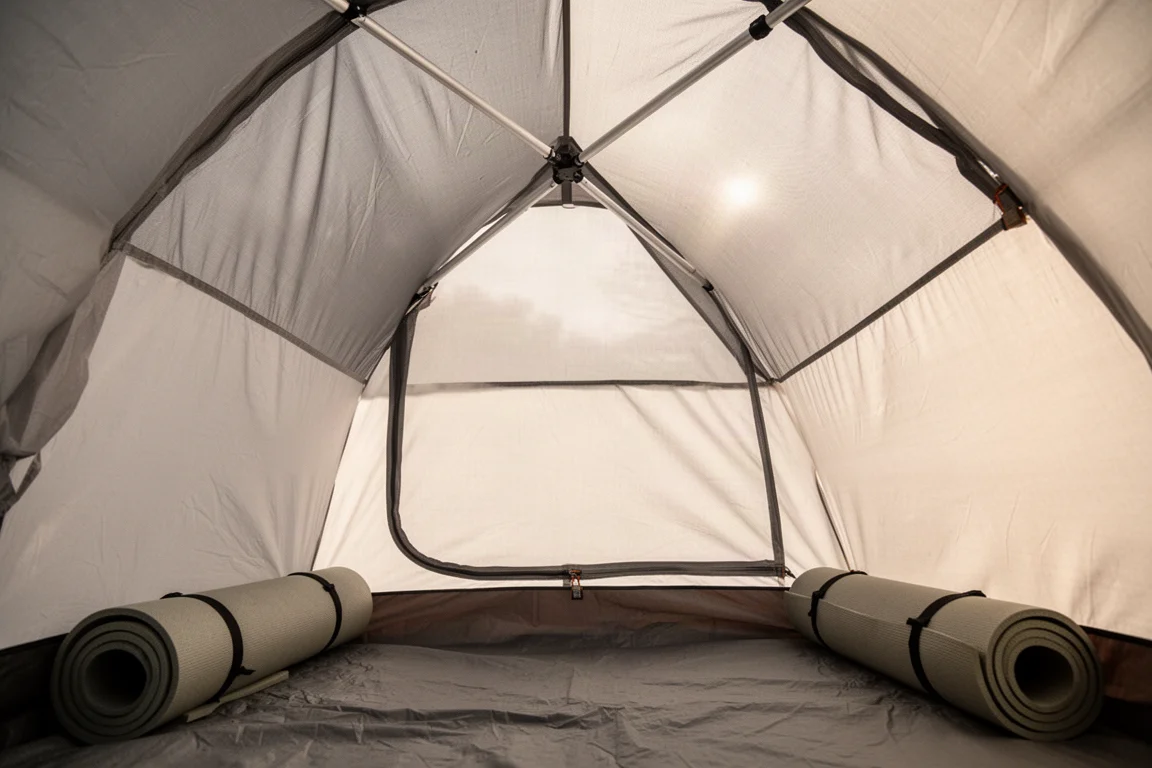
This is a tent for two people who want generous interior volume rather than the lightest possible pack weight. The peak height measures about 42 inches, and the front and back measure about 39 inches each. A short pole at the top of the tent lifts the body so the peak height carries across the entire width, producing vertical side walls along both lengths instead of steeply sloping ones. That makes a noticeable difference when you are sitting up, changing clothes, or reading at night.
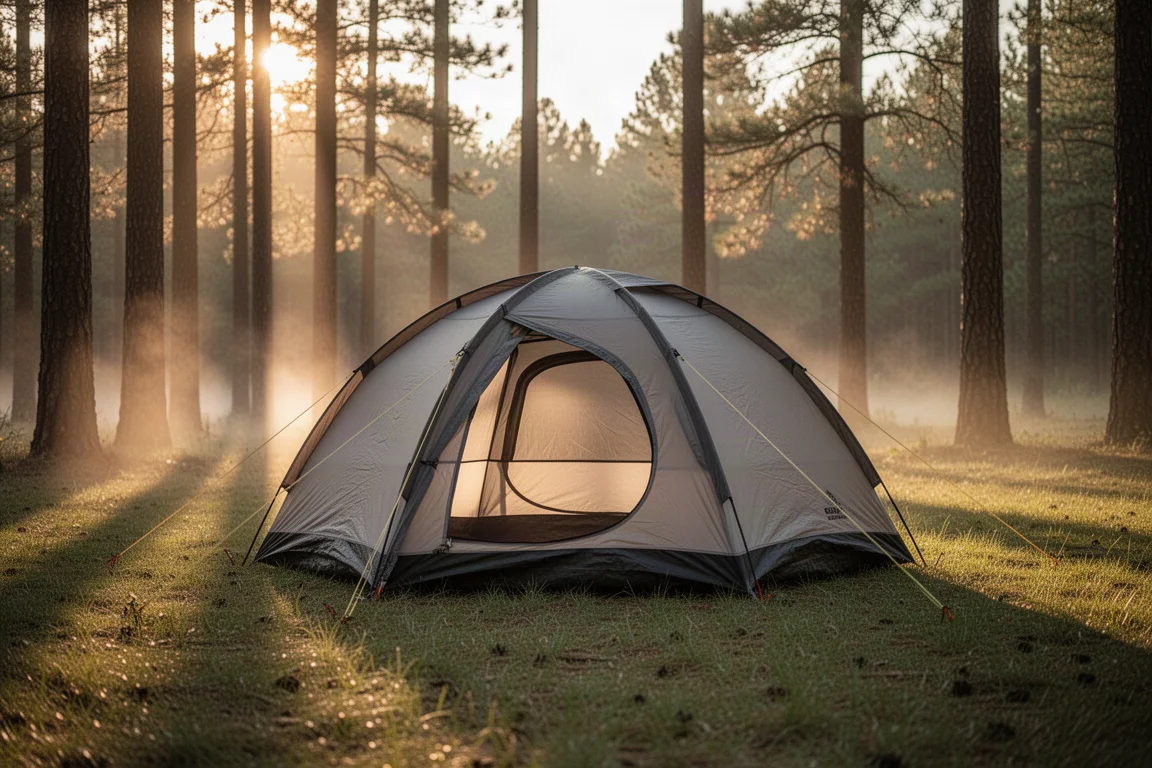
Sleeping pads tell a similar story. Two regular pads fit side by side with roughly eight inches of width left over. Wider 25-inch pads will fill the floor from edge to edge, and anything larger simply will not fit. A queen-sized air bed had ample room lengthwise and plenty of headroom, but it was too wide, bulging against the front and back walls and pressing on the fabric. For two adults on standard pads, the floor plan works comfortably.
Setup, Size, and Interior Space
The floor measures about 90 inches long by 51 inches wide, giving roughly 32 square feet of base area. Two doors, one under each vestibule, measure about 38 by 29 inches, and both use two-way YKK zippers with pulls at the top and the bottom. Zipping a door closed is smooth and can be done one-handed. Unzipping is a different story: because of the curve in the door, getting the slider past the bend takes two hands. The vestibule zippers can occasionally snag on the rainfly from the outside, though it is rare and never happens from the inside.
Storage is unusually generous for a tent this size. There are six pockets in total: two at the foot, two at the head, and two higher up. The lower pockets measure about 11 by 10 inches and have a somewhat awkward triangular shape, while the upper pockets are larger at about 13 by 15 inches and far more useful. Five felt loops run along the ceiling for hanging a lantern, and no gear loft is included with the tent.
Each vestibule measures about 28 inches wide, adding roughly 8.75 square feet per side, or about 17.5 square feet combined. The vestibule door can be gathered to the side with a toggle, and pulling a stake and using a second toggle opens the vestibule further for more airflow.
Weather Protection and Ventilation
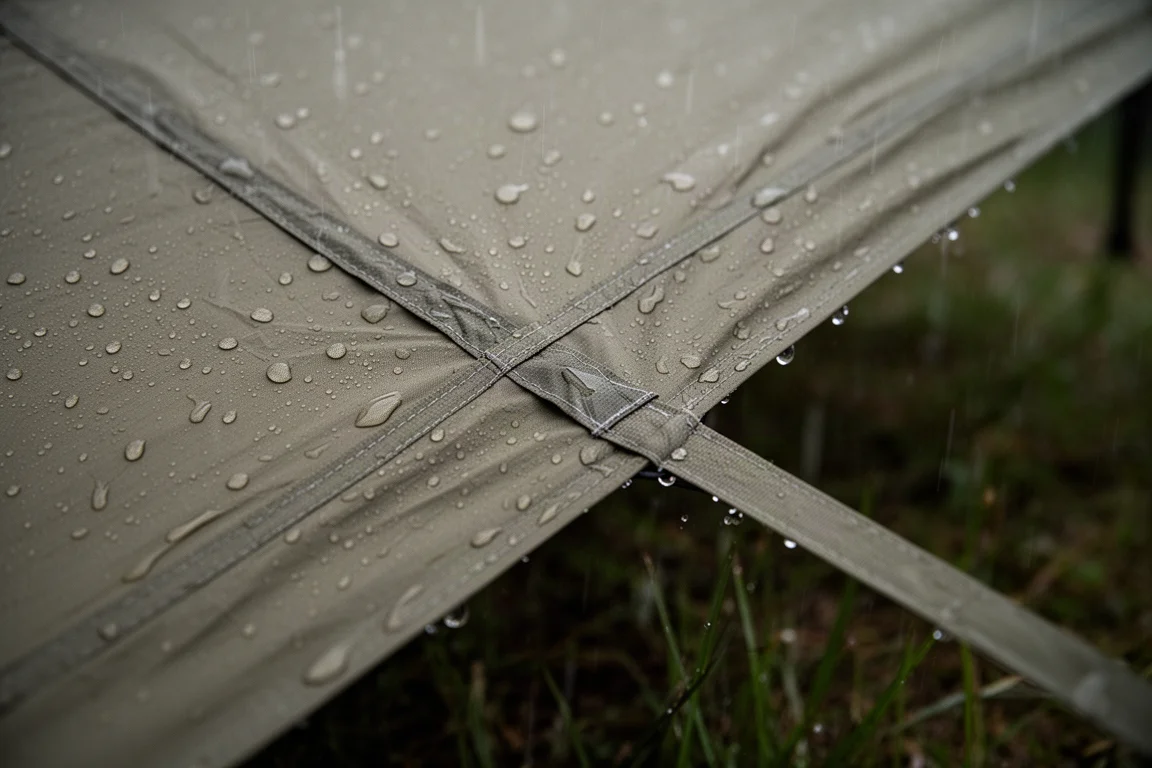
Waterproofing starts with the tub floor, which rises about seven and a half inches along the lengths and about 12 inches along the widths. The floor’s center seam is taped, and the corner seams are taped up to the top of the tub floor. Above that line the tent body is not seam taped, but the rainfly is taped along every seam.
The rainfly offers full coverage and reaches almost to the ground. Stake-out points let the vestibules pull away from the tent body at the lengths, and the widths have an additional guy-out point, so air can move around the shelter rather than being trapped against it. Vents sit above each door and can be opened for airflow in wet weather or closed from inside the tent without stepping out.
In an hour of light rain the tent stayed completely dry. In an hour of heavy rain, the picture was more nuanced. The rainfly around the vestibule doors began to soak through slightly, and the fly looked saggier with more creases than before. A few drops reached the middle of the interior through the mesh at the top because a vent had been left open. The corner seams did not leak, the tub floor stayed dry from both inside and out, and the underside of the fly was only very slightly damp near the vestibules. Closing the vents before heavy weather is the practical takeaway.
Warm-weather performance is a strong point. The tent body is roughly 60 percent mesh and 40 percent fabric, which suits three-season summer use and makes for clear views of the night sky. If you would rather not remove the rainfly entirely, half of it can be rolled up and secured with a toggle at the top of the tent, which keeps the view open while leaving a fast path back to full coverage. Rolling the fly back down and re-securing the buckles and guylines takes under a minute when you move quickly, and either half can be opened depending on which direction you want to look.
Storage, Materials, and Packability
The floor and the footprint are both 75D polyester taffeta, and the tent body uses the same fabric. The rainfly is 40D ripstop nylon, the poles are 7000 series aluminum, and the mesh is 20D nylon micromesh, fine enough to keep out mosquitoes and smaller insects. Guy-out points carry reflective strips, the guylines use shock cord with a simple tensioner, and the included stakes are lightweight V-stakes. The tent meets flammability requirements, is a product of Taiwan, and is sewn in China.
Packed down, the tent measures about 22.5 by 9 by 6.5 inches, and the poles pack to roughly 19 inches when stored separately. Total package weight is almost exactly 5 pounds. Leaving the bags, stakes, and footprint behind drops the minimum trail weight by about 14 ounces, though that figure is slightly heavier than the marketed minimum trail weight. The carry bag has a handle at the bottom and is noticeably roomier than the packed tent requires.
The pre-attached footprint connects with toggles that thread through the tent body openings, and it can be removed or reattached in seconds at each of the four corners. One limitation: the footprint has no grommets, so this tent cannot be pitched as a ground sheet and rainfly-only shelter.
Main Strengths
The pre-attached footprint is one of the most practical touches here. It adds no setup time and saves the 30 to 60 seconds that attaching a separate footprint would cost on every pitch and pack-up. Combined with the toggle attachment, keeping it on or taking it off is a quick decision rather than a chore.
Interior volume is the second clear win. A peak height of about 42 inches carried across the full width, plus vertical walls along both lengths, makes the tent feel larger than its 32 square feet of floor area suggests.
The feature set is richer than this size class usually offers: two vestibules, two doors, strong cross ventilation, six pockets, and a half-rainfly mode that turns out to be genuinely useful in changeable weather. Materials are solid as well, with polyester taffeta for the inner tent, a nylon fly, and YKK zippers throughout. Waterproofing holds up in practice, and the tent came through an hour of heavy rain essentially dry.
Things to Consider Before Buying
Stake count deserves attention. Only eight stakes are included, while staking the tent fully, including both vestibules and the guylines, called for 14. Budget for a few extra stakes or plan to improvise.
The rainfly is nylon, which tends to absorb water and sag more than polyester in prolonged rain. The stake-out points work, but more adjustability would help take up that slack without re-pitching. Expect the fly to look a little softer after a long soaking.
The 2024 version of this tent is roughly a pound lighter than the current model, because the fabrics changed. The current build uses heavier, thicker fabrics that many campers prefer for durability, so the extra weight is a deliberate trade rather than a step backward.
Smaller points: the lower pockets have an awkward triangular shape, the door zipper needs two hands to clear the bend when opening, and the vestibule zipper can occasionally catch on the fly from outside. Vestibule hardware also differs between versions. The 2024 version has two webbing loops per vestibule, while the refreshed version uses a standard zip-down center vestibule with a single loop.
Buying Advice
The 2 Plus sits between the standard two-person Half Dome and the three-person version. Compared with the two-person model, the Plus adds about 10 percent more base area and 5 percent more peak height for roughly three ounces of extra weight, which is a favorable trade for two campers who spend any time sitting up inside. At full price it is a reasonable buy, and when it goes on sale the value becomes hard to beat.
If pack weight is the priority, the removable footprint and the option to leave the bags and stakes at home bring the minimum trail weight down by about 14 ounces. If durability and a roomier interior matter more, the current heavier fabric build is the version to choose. Either way, pack a handful of extra stakes so you can stake out the vestibules and guylines properly.
Conclusion
The REI Half Dome 2 Plus gets the fundamentals right: a fast, clip-based pitch, a genuinely livable interior with headroom carried across the full width, two vestibules and two doors, and waterproofing that holds up in real rain. Its compromises are modest and mostly about weight and hardware details rather than shelter performance. For two campers who want space, ventilation, and a dependable three-season shelter, it is an easy tent to recommend, particularly at a discounted price.
Product link
View more details for REI Half Dome 2 Plus
This product is mentioned in the review. Check the specifications, options, and compatibility before buying.
View more details for REI Half Dome 2 PlusFurther reading
Related Reviews
Camping Tents
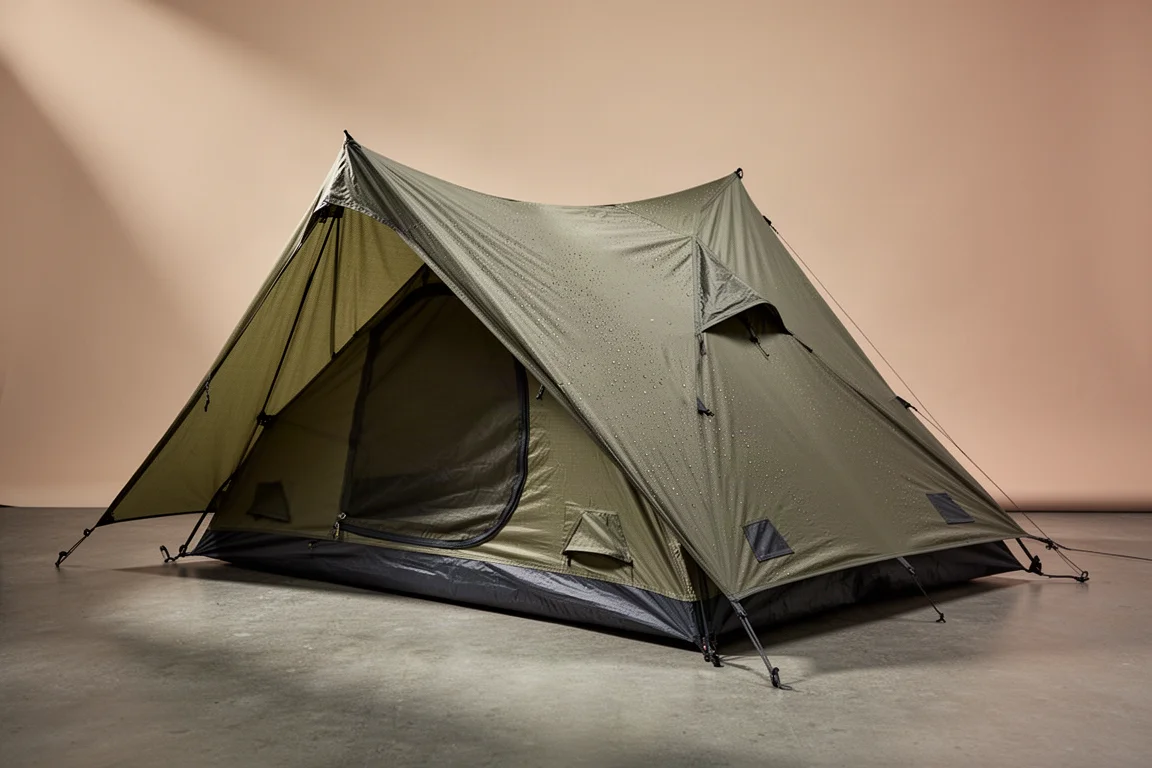
3F UL Gear Taiji Two-Person Tent Review: Field Waterproofing Results and Buying Advice
The Taiji pairs an attached fly with a removable inner, but sustained rain exposed untaped vent seams that need sealing before this shelter can be trusted.
Camping Tents
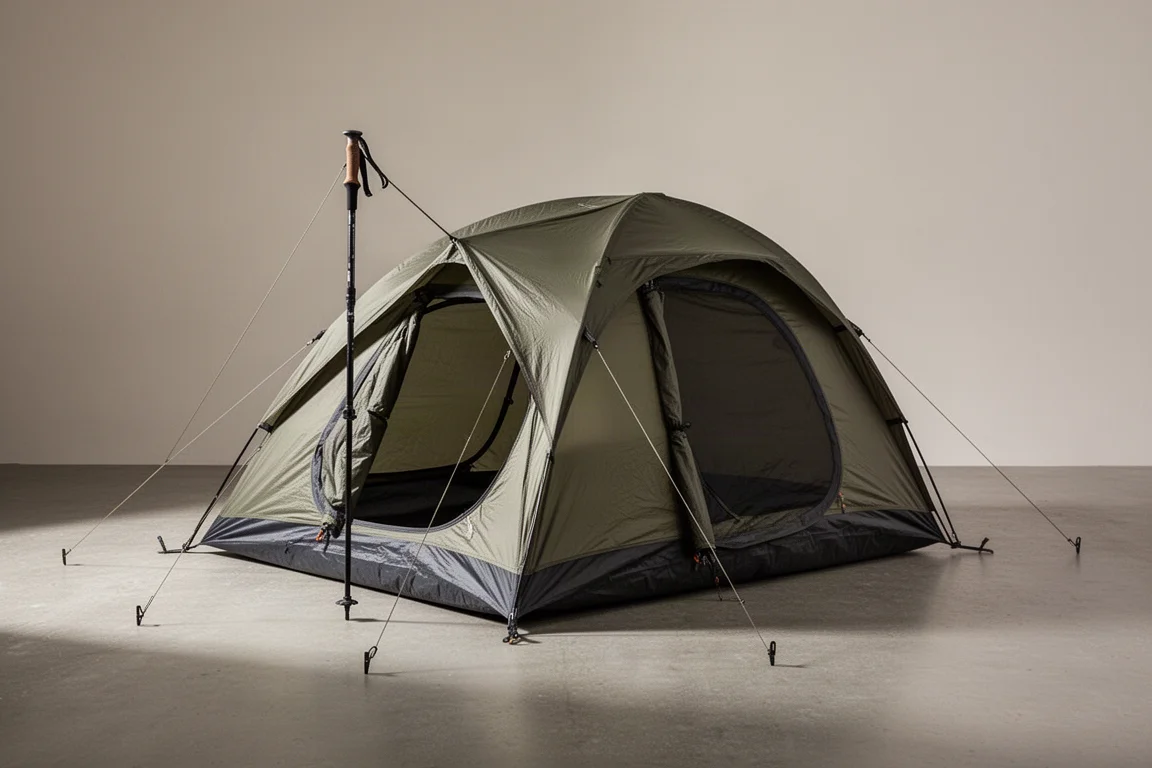
3FUL Gear Lanshan 2 Pro 4-Season Review: A Sub-$200 Single-Wall Trekking Pole Tent
An early look at the 3FUL Gear Lanshan 2 Pro 4-Season, covering its straightforward pitch, generous interior space, and the condensation and seam-sealing questions that come with any single-wall shelter.
Camping Tents
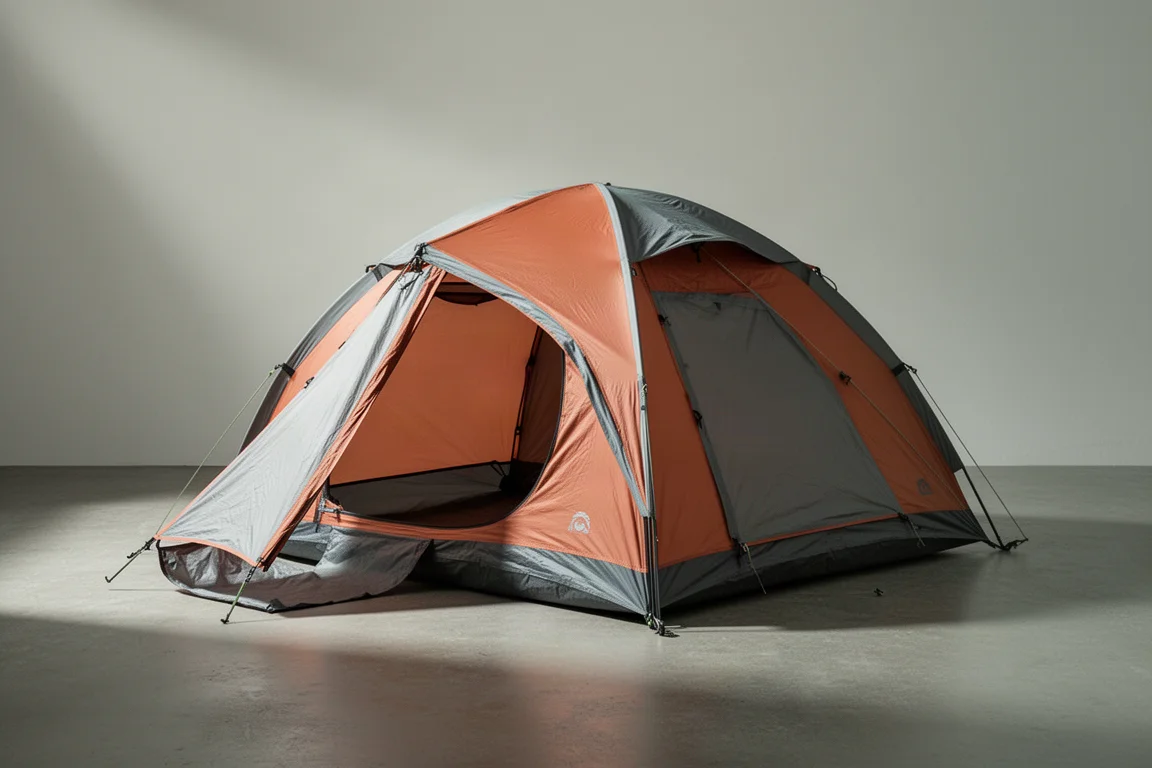
Alps Mountaineering Lynx 1-Person Tent Review: Big Value in a Small Budget Tent
A close look at the Alps Mountaineering Lynx 1-Person Tent, covering real interior dimensions, materials, setup time, ventilation limits, and who should buy it.