Camping Tents
REI Base Camp 6 Review: Rain Performance and What to Check Before Buying
A practical look at how the REI Base Camp 6 handles sustained heavy rain, where its protection comes from, and the seams worth sealing before your trip.
Introduction
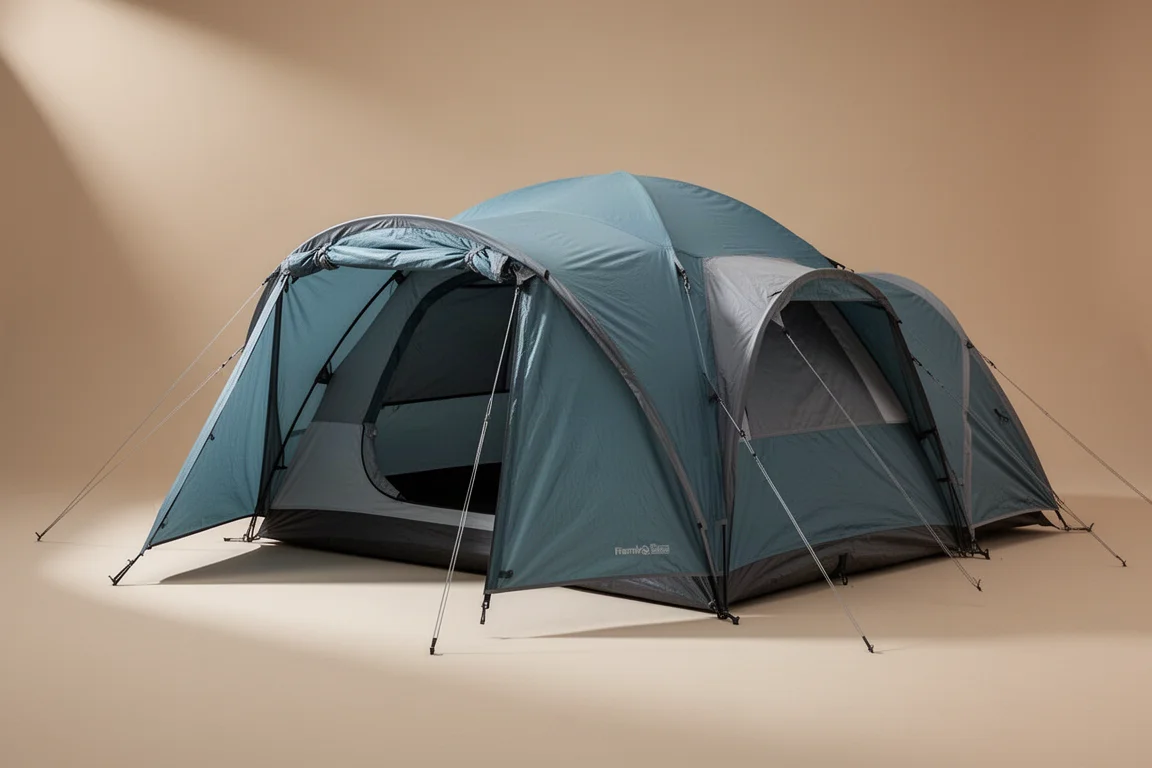
The REI Base Camp 6 is built around a full-length rainfly, and that single design decision shapes how it behaves when the weather turns. In sustained heavy rain testing, the tent stayed completely dry inside, with no water reaching the inner body, the mesh, the seams, or the rainfly itself. That result comes from coverage rather than clever extras, and it is worth understanding exactly where that protection starts and where it stops.
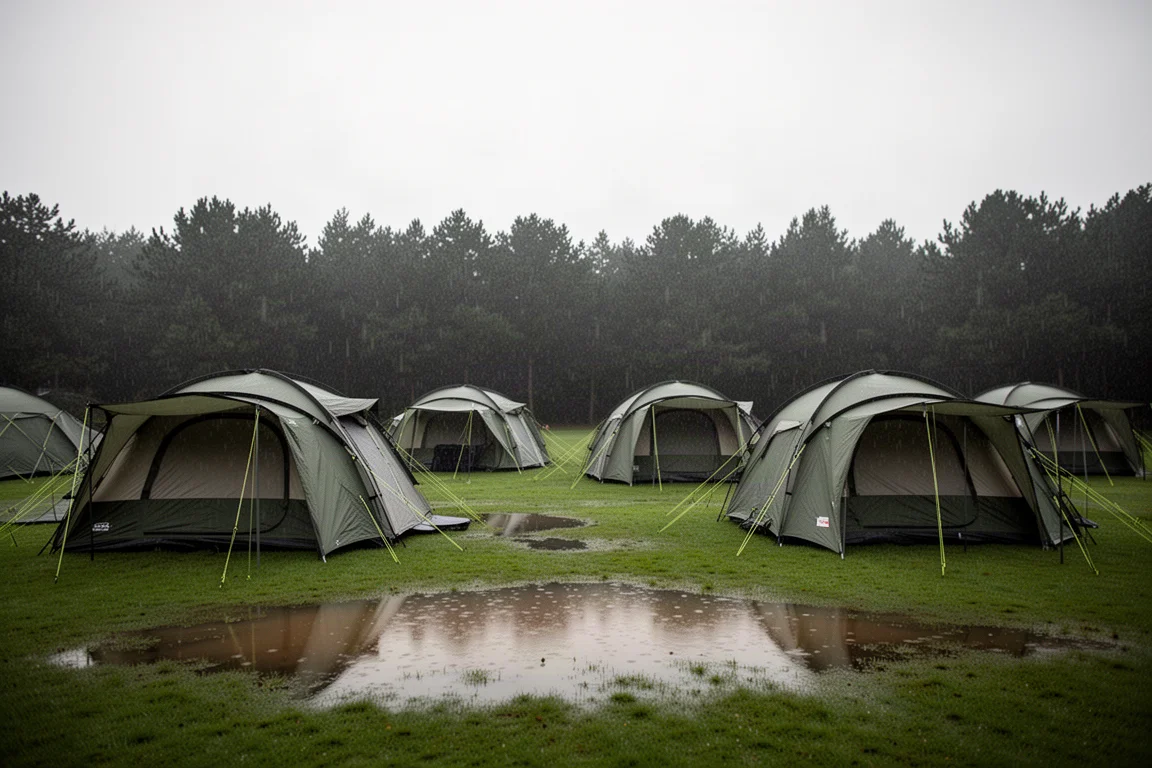
What follows is a practical look at the rain performance, the ventilation design, and the handful of details worth checking before you commit to this tent.
Who the REI Base Camp 6 Is For
This is a family camping tent for people who camp where rain is a real possibility rather than a hypothetical one. If you are packing for a weekend with a forecast that keeps shifting, or you camp in a region where multi-hour downpours are normal, the Base Camp 6 is aimed squarely at that scenario. It also suits campers who value being able to adjust ventilation without stepping outside in the rain, since both top vents can be opened and closed from inside the tent.
Rain Protection: Rainfly Coverage and Seam Taping
Two things drive rain protection in any tent: how far the rainfly extends and how the seams are finished. The Base Camp 6 performs strongly on the first. Its rainfly is long enough to provide almost full coverage of the inner tent, and in testing the water ran off the fly and straight to the ground without passing over the inner body. The rainfly seams are taped, and the floor seams that run the length of the tent are taped as well, along with the corner seams of the flooring.
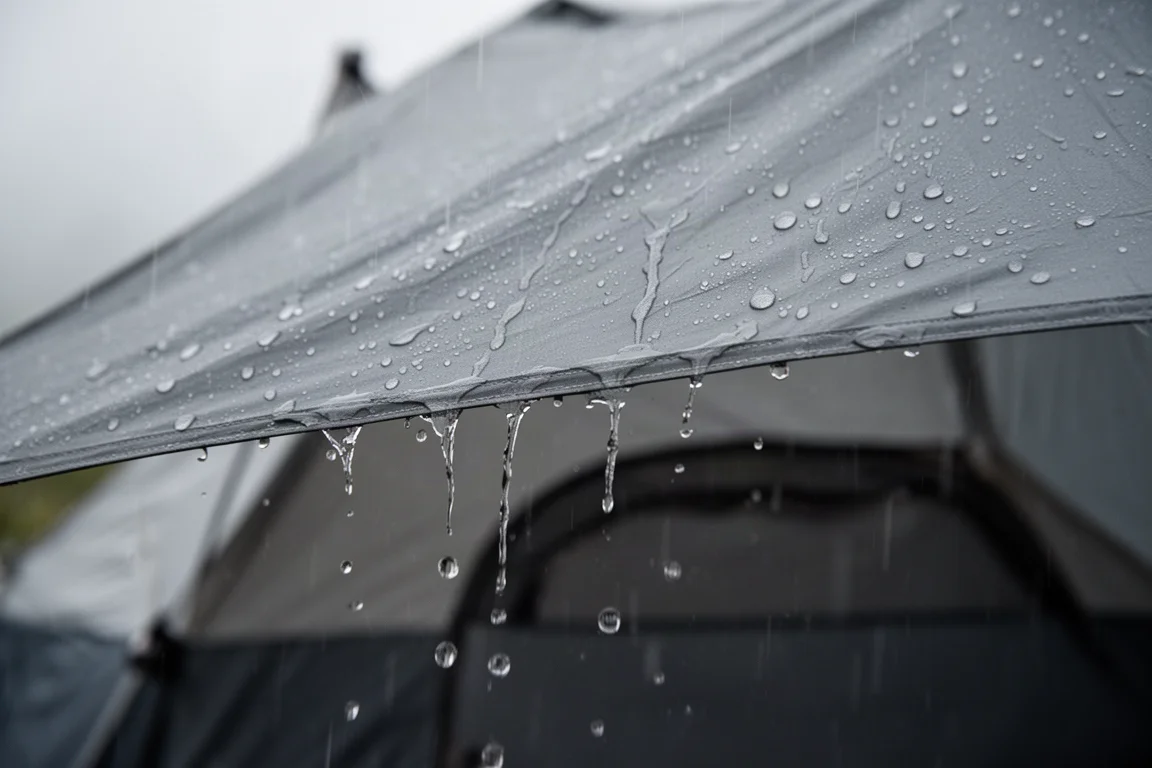
After an hour of continuous heavy spray, every part of the tent was still dry. The ground beneath began to flood slightly while the interior stayed dry, which says a great deal about how much work the full-coverage rainfly does on its own.
Ventilation and Vestibule Design in Wet Weather
Ventilation in heavy rain depends on wind direction. During near-horizontal rain, the vent closest to the weather had to be closed to keep water out, while the opposite vent could stay open. The useful part is that both vents are adjustable from inside the tent, which is a genuinely uncommon feature in this class. Even with both vents shut, the gap between the rainfly and the ground still allows some airflow, so the tent does not become completely sealed.
The two vestibules behave differently in the rain. The front vestibule has a pole that pulls the rainfly out over the door, creating an overhang that stops water from dripping off the roof and into the tent when the door is open. The rear vestibule is smaller and has no such pole, so an open door there lets roof runoff fall inside. Entering through the front vestibule is the better habit on wet days.
Floor Seams and Standing Water
Most of the floor is well protected, but not all of it. The lower section of the blue floor fabric uses inverted seams that are not taped, and the white corner seams running down to the base of the tent are also inverted only, without taping. When water was sprayed directly onto the tent body rather than the rainfly, those seams leaked after roughly 30 to 45 minutes at the corners.
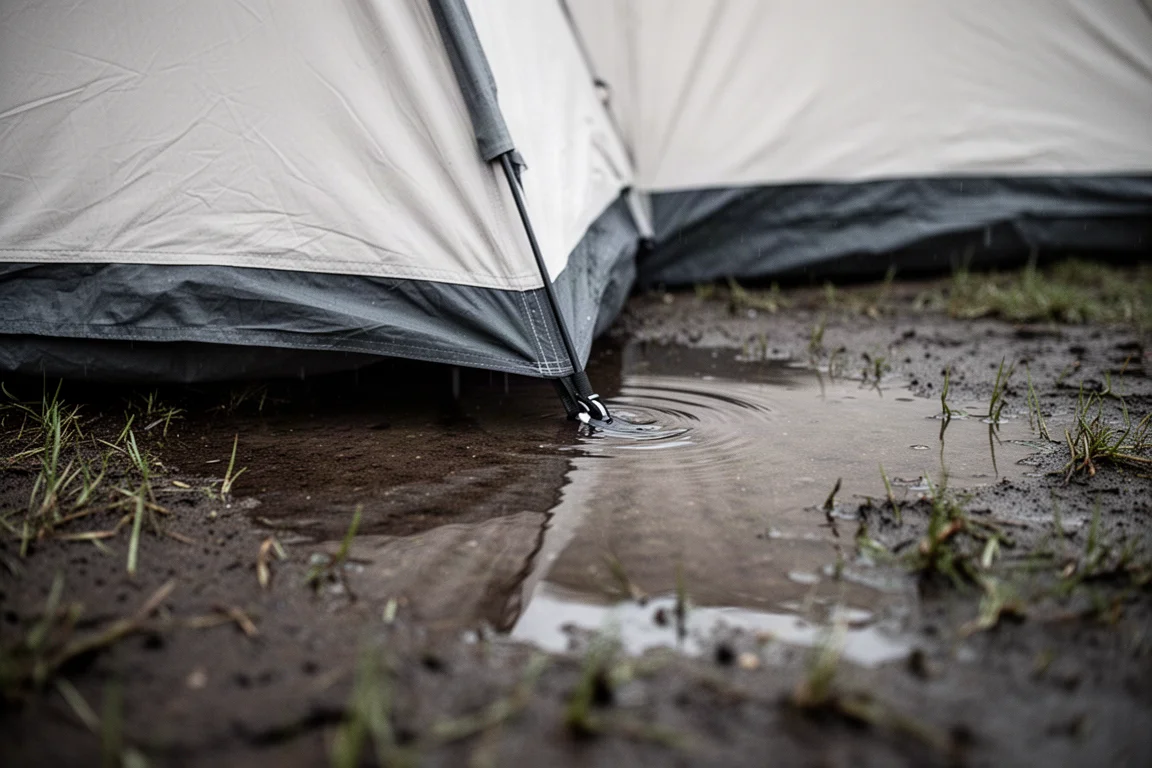
In ordinary rain this is not an issue, because the rainfly keeps water off the tent body entirely. It only becomes relevant if your campsite floods and standing water reaches those seams.
Things to Consider Before Buying
Not every seam on this tent is taped. The door seam and the mesh seam at the top of the tent are not taped, although some untaped seams across the tent are inverted, which offers a degree of protection on its own. The rainfly length compensates for much of this, and in testing no water reached those areas.
Vent placement is the other point to weigh. In near-horizontal rain, the position of the vents can let water in if they are left open, so ventilation becomes a judgment call based on the direction of the wind and rain rather than something you can set and forget.
Buying Advice
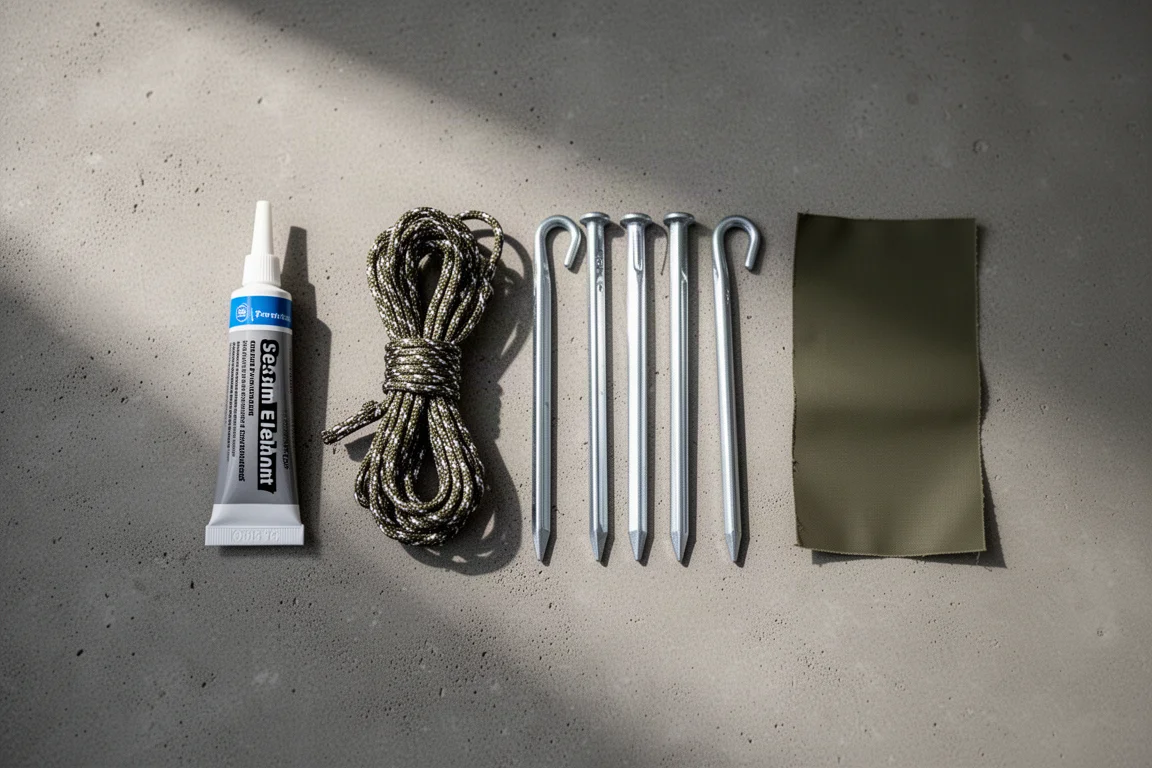
The Base Camp 6 is a strong choice when heavy rain is your main concern. Two habits make it work even better. First, if you expect flooding or you camp on low ground, seal the untaped floor and corner seams before your trip. Second, treat the front vestibule as the main entrance in wet weather and keep the rear door closed while it is raining.
Beyond that, the tent asks very little of you. The rainfly does the heavy lifting, and the interior stays dry through long, hard rain without intervention.
Conclusion
The REI Base Camp 6 handles sustained heavy rain exceptionally well, thanks to a full-length rainfly and taped seams where they matter most. Its interior-adjustable vents and the front vestibule overhang add real convenience on wet trips. The one caveat is the untaped floor and corner seams, which are worth sealing if standing water is a possibility. For family camping in wet conditions, this tent keeps the interior dry and the setup predictable.
Product link
View more details for REI Base Camp 6
This product is mentioned in the review. Check the specifications, options, and compatibility before buying.
View more details for REI Base Camp 6Further reading
Related Reviews
Camping Tents
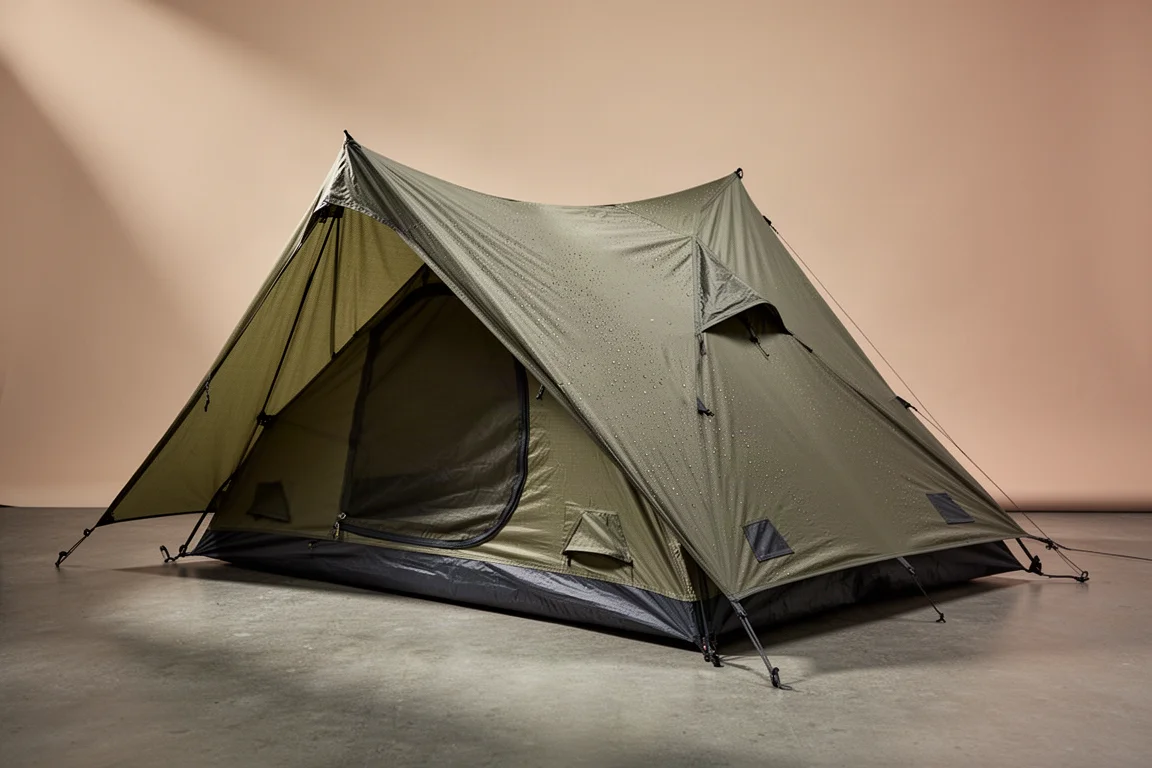
3F UL Gear Taiji Two-Person Tent Review: Field Waterproofing Results and Buying Advice
The Taiji pairs an attached fly with a removable inner, but sustained rain exposed untaped vent seams that need sealing before this shelter can be trusted.
Camping Tents
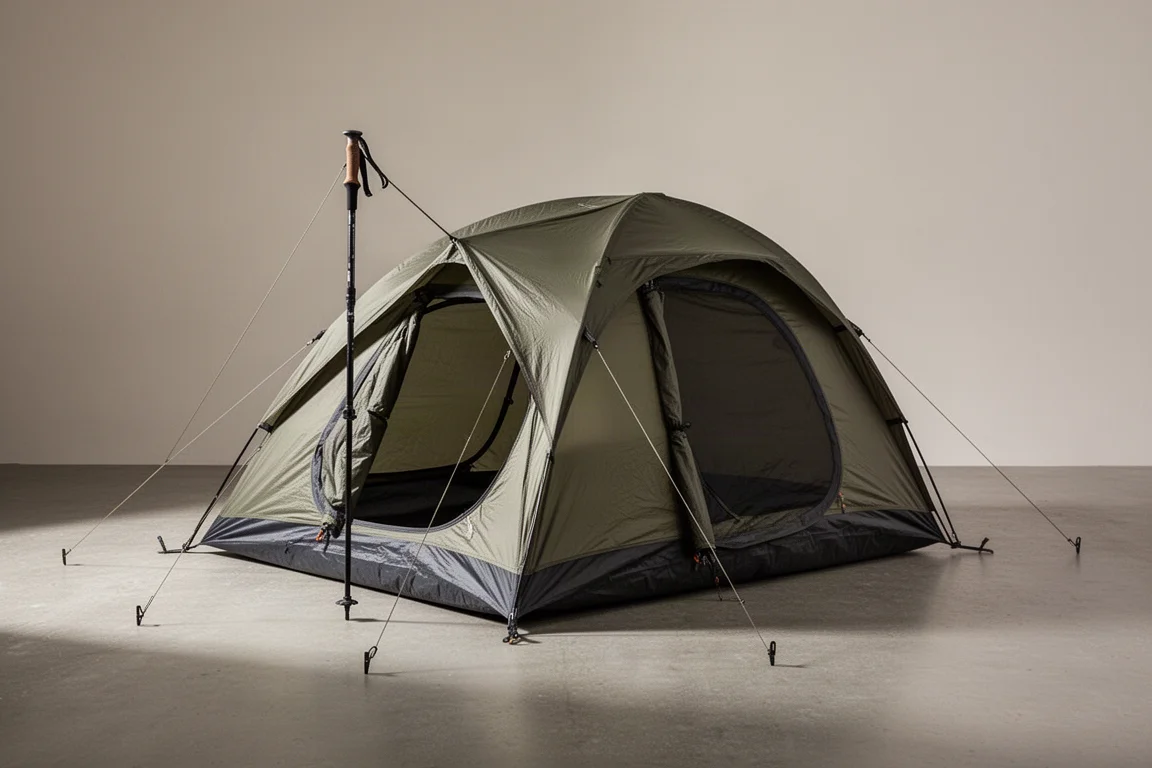
3FUL Gear Lanshan 2 Pro 4-Season Review: A Sub-$200 Single-Wall Trekking Pole Tent
An early look at the 3FUL Gear Lanshan 2 Pro 4-Season, covering its straightforward pitch, generous interior space, and the condensation and seam-sealing questions that come with any single-wall shelter.
Camping Tents
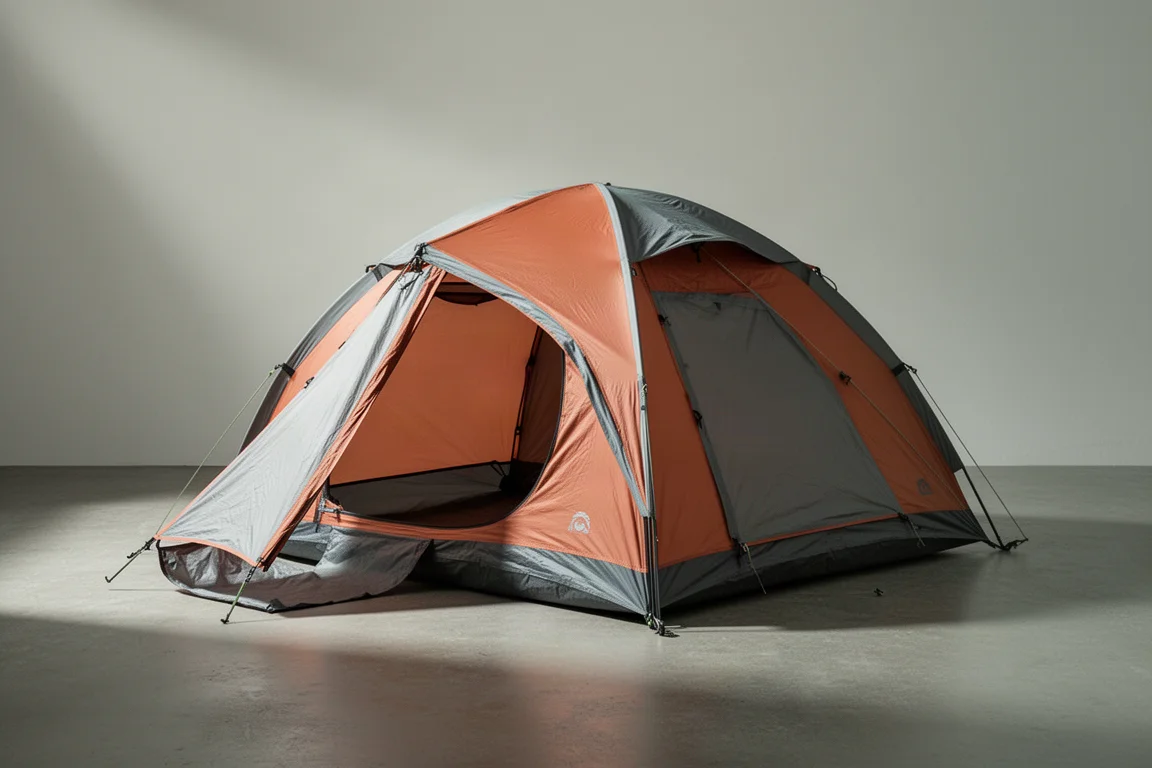
Alps Mountaineering Lynx 1-Person Tent Review: Big Value in a Small Budget Tent
A close look at the Alps Mountaineering Lynx 1-Person Tent, covering real interior dimensions, materials, setup time, ventilation limits, and who should buy it.