Backpacking Gear
REI Backpacking Gear Worth Buying: Six Pieces Compared
A practical look at six REI-branded backpacking pieces, from the standout Helix sleeping pad to the Trail Hut 2 tent and Air Rail pad that are easy to skip.
Introduction
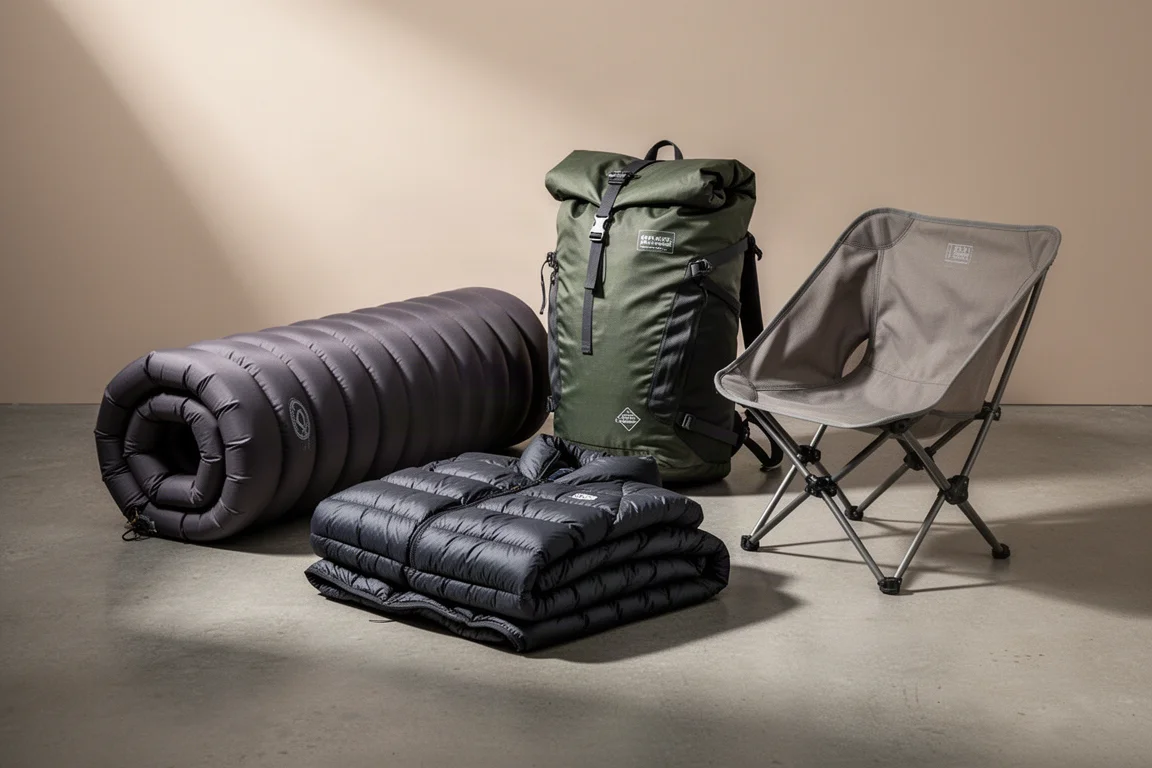
REI’s own-brand gear sits below much of what the co-op sells from other labels, which makes it an obvious place to look when you are building a backpacking kit on a budget. The lineup, however, is uneven. A handful of pieces deliver genuine value, particularly when they land in one of REI’s seasonal sales, while others lean on the brand name more than on the product itself.
This guide covers six REI-branded pieces for backpacking: a sleeping pad, a down jacket, an ultralight pack, a camp chair, a two-person tent, and a self-inflating pad. Each entry explains what the product actually offers, where it falls short, and who it suits.
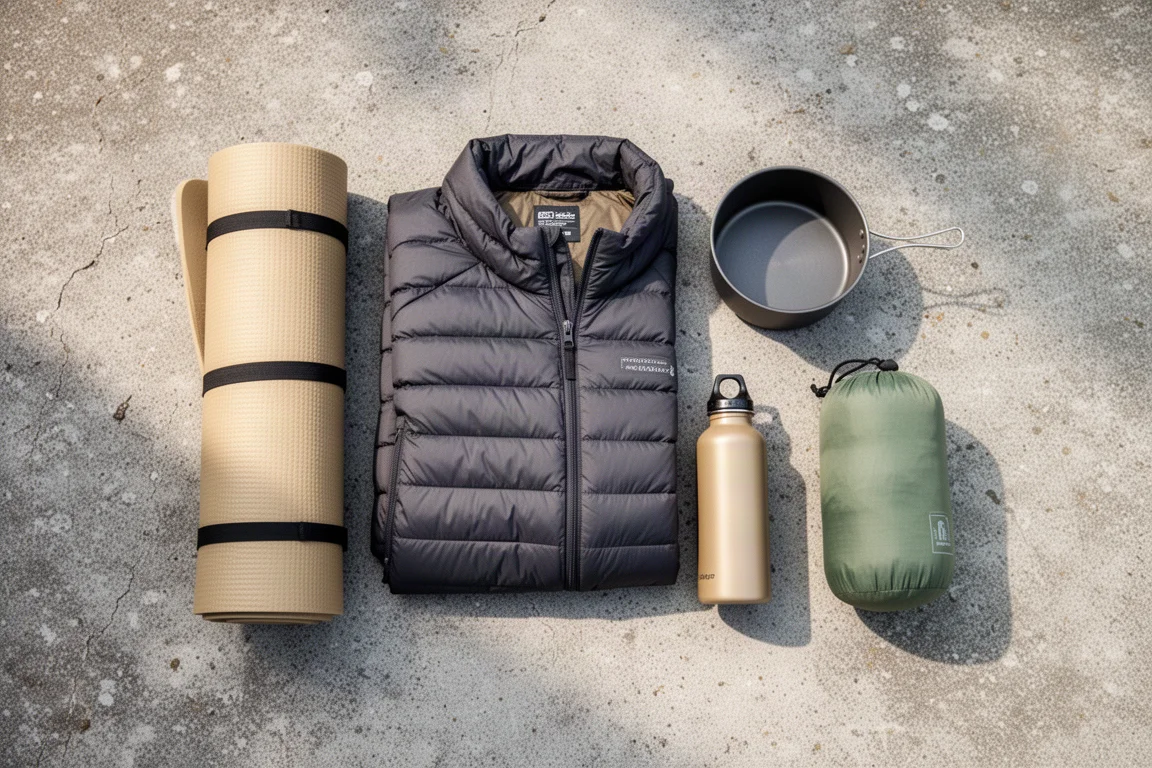
A note on pricing: REI runs frequent promotions on its own gear, often around 30 percent off, with the deepest discounts landing around Black Friday, Memorial Day, and Labor Day. Several of the items below are worth buying at full price, but most of them become considerably more attractive on sale.
That pricing pattern shapes the advice throughout this guide, so it is worth deciding early whether you can wait for a sale or need gear right away.
What Separates Good REI Gear From the Rest
Four things separate the strong pieces in this lineup from the weak ones: packed weight, comfort and warmth relative to the conditions you expect, the quality of the small details such as zippers, stakes, and hardware, and the gap between full price and sale price. A store-brand product can be heavier or simpler than a premium equivalent and still be excellent value. It becomes a problem when the build quality feels a step below the price tag.
Weight is the clearest dividing line. A backpacking tent around 4 lb is already on the heavy side, and anything approaching 6 lb is a hard sell for anyone carrying the shelter themselves. Sleeping pads and packs are judged the same way, against the weight you carry on every step.
REI Helix Sleeping Pad: The Best Value in the Lineup
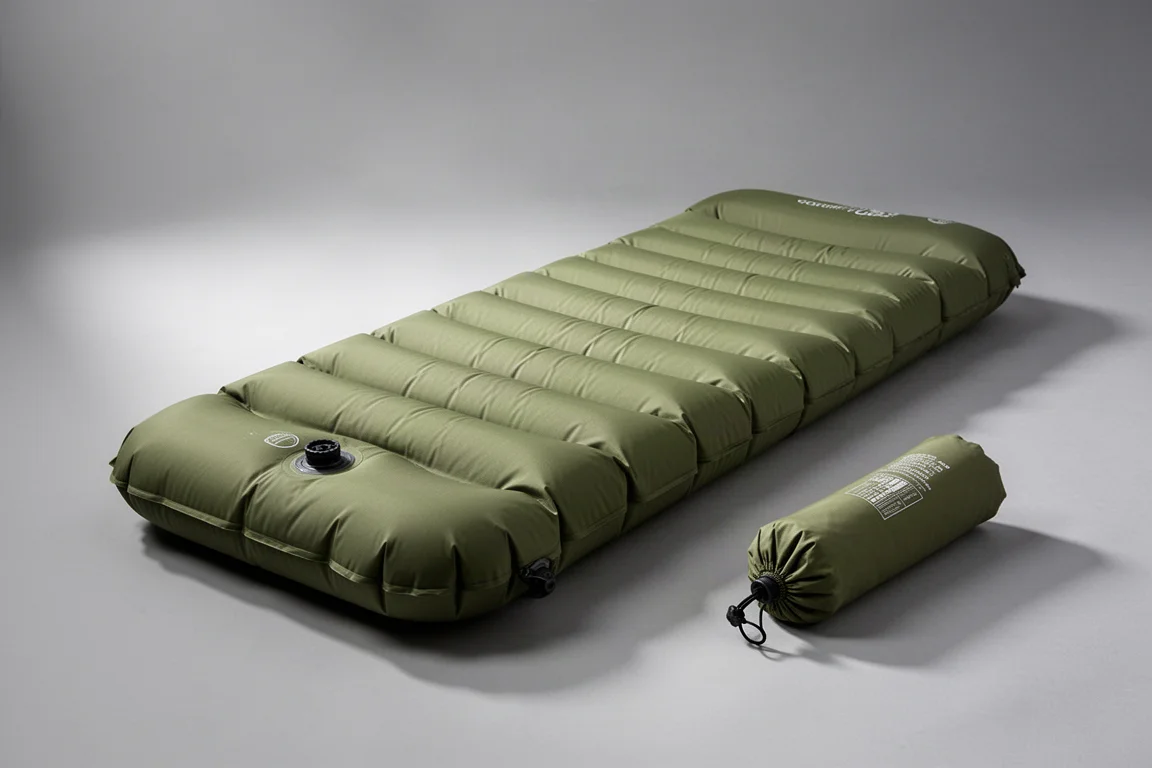
The Helix is the most convincing piece of REI gear here. It is about 3 in thick with deep quilted baffles, and those baffles give the pad more give under pressure points, which is the main reason it feels as comfortable as it does across a full night. For a three-season pad, the balance of thickness, comfort, and weight is hard to argue with.
The numbers back that up. A 25-inch wide version weighs roughly 1 lb 10 oz and carries an R-value of 4.9, which is warm enough for all but the coldest conditions. A pump sack is included, so inflation does not require lung power or a separate accessory.
Pricing is where the Helix gets interesting. Full price is around $170, which is already competitive for a pad of this type, and REI regularly discounts it to roughly $118. At the sale price, it is one of the strongest sleeping pad deals on the market.
REI Magma 850 Down Jacket: Capable, but Not the Only Option
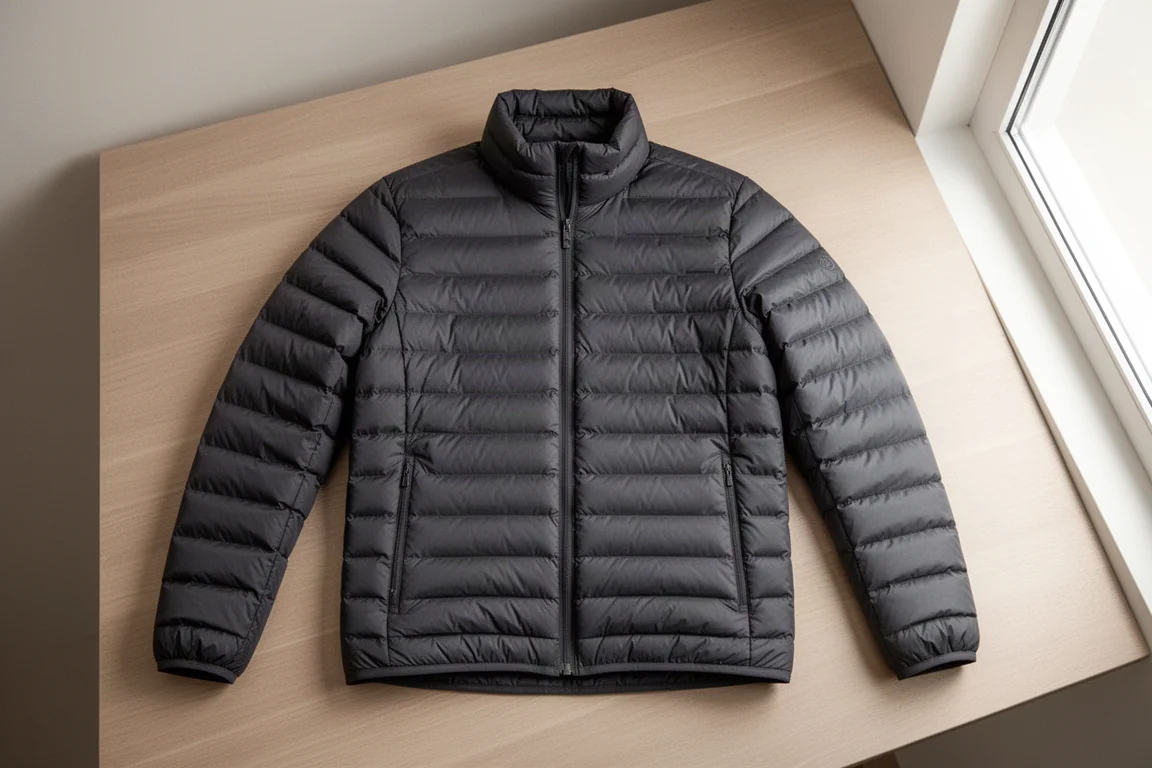
The Magma 850 is exactly what its name suggests: a standard puffy jacket with 850 fill power down and a price around $250. It is not the lightest jacket in its class and it is not the cheapest, but it is also not the most expensive. Sizing runs generous, which makes it easier to layer over a fleece or a light midlayer.
That middle-of-the-road position is the whole story. Comparable jackets with similar insulation and build quality sell for less, in some cases for well under half the price. The Magma’s advantage is fit: if the cheaper alternatives do not sit well on your frame, this one may be the more comfortable choice.
At full price the jacket is a reasonable purchase rather than a standout one. On sale, with prices dropping to around $174, it becomes a much easier recommendation for anyone who wants a roomy down layer for cold mornings at camp.

Worth weighing before you buy: a down jacket is one of the easiest pieces of gear to overpay for, because the differences between a good one and a great one are subtle. Fit and warmth matter more than the label on the chest.
REI Flash 50 Backpack: The One Pack Worth Buying
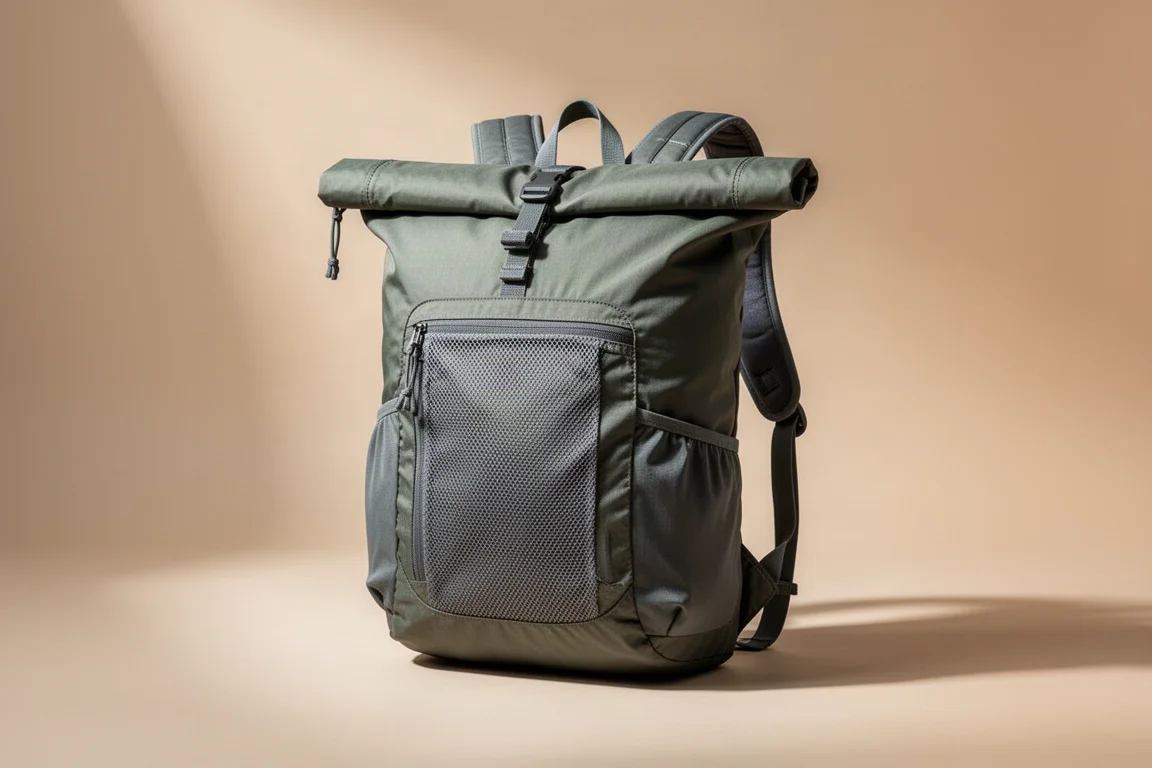
The Flash 50 is the REI pack most backpackers should consider. It follows the template of a modern ultralight pack: roll-top closure, two side pockets, and a center mesh pocket, all in a package that weighs under 2 lb.
What sets it apart from stripped-down rivals is the harness. The shoulder straps, hip belt, and back panel carry generous padding, and the back panel adds a measure of ventilation that most ultralight packs skip entirely. That combination matters on hot, humid days and on long carries with a full load.
At $299 full price it is fairly priced for the category, and at around $209 on sale it is a genuinely good deal. Backpackers looking for their first lightweight pack will find the Flash 50 easier to live with than a more minimal design.
REI Flexlite Air Backpacking Chair: A Middling Compromise
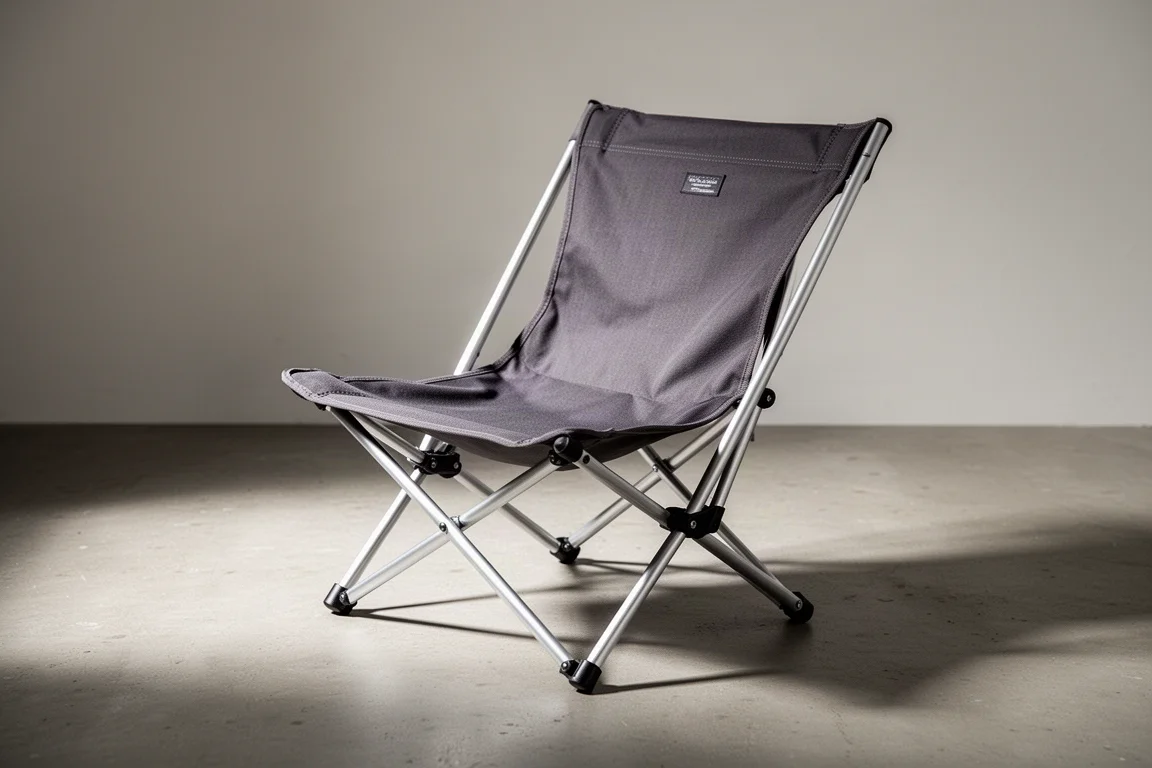
The Flexlite Air is a one-pound camp chair, which is the main reason it exists. It packs small and weighs little, and for backpackers who want a proper seat at the end of the day, that is a real convenience.
The compromise is in the frame. To avoid stepping on an existing patent, the poles run from front to back rather than side to side, which produces a V shape that makes the seat feel a little like sitting in a taco shell. It is a minor annoyance rather than a deal breaker, especially compared with other lightweight chairs that dig into your legs, but it is the first thing you notice when you sit down.
Value depends almost entirely on timing. At around $70 on sale, a one-pound chair is a sensible purchase. At full price, the appeal is thinner.
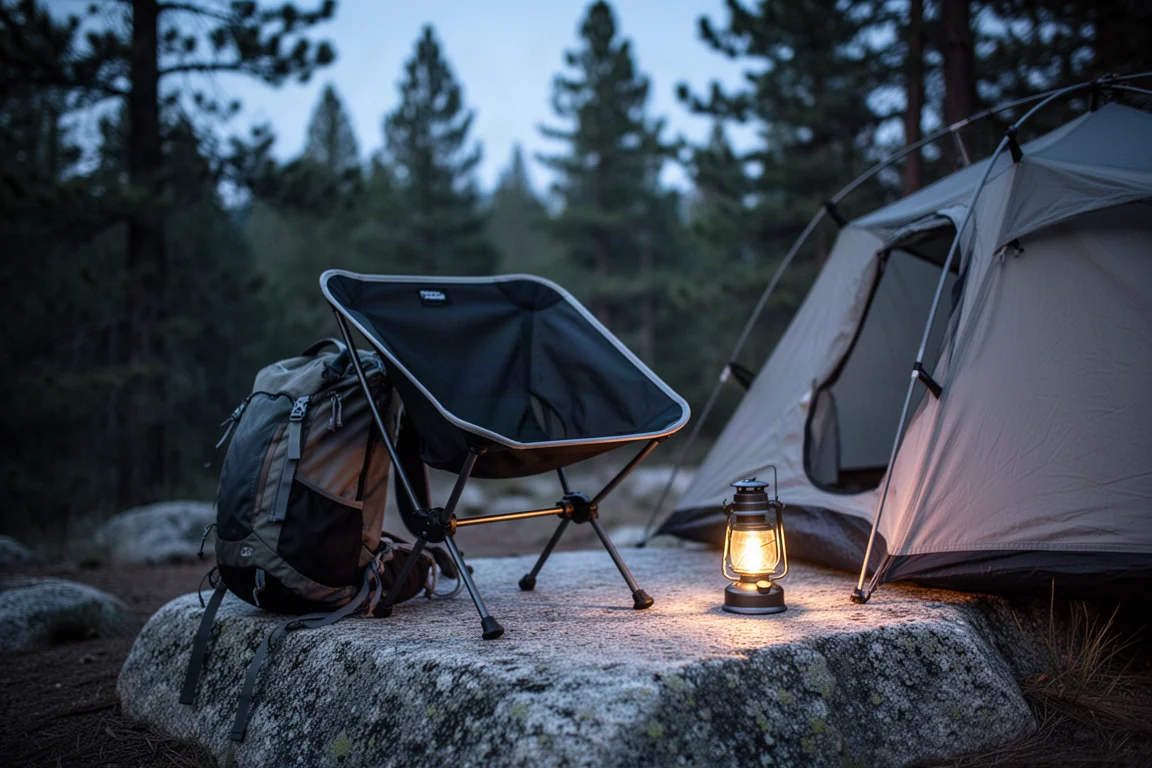
If you mainly want a comfortable seat at a drive-in campsite, a larger chair will serve you better. The Flexlite Air makes sense specifically for trips where every ounce counts.
REI Trail Hut 2 Tent: Hard to Recommend
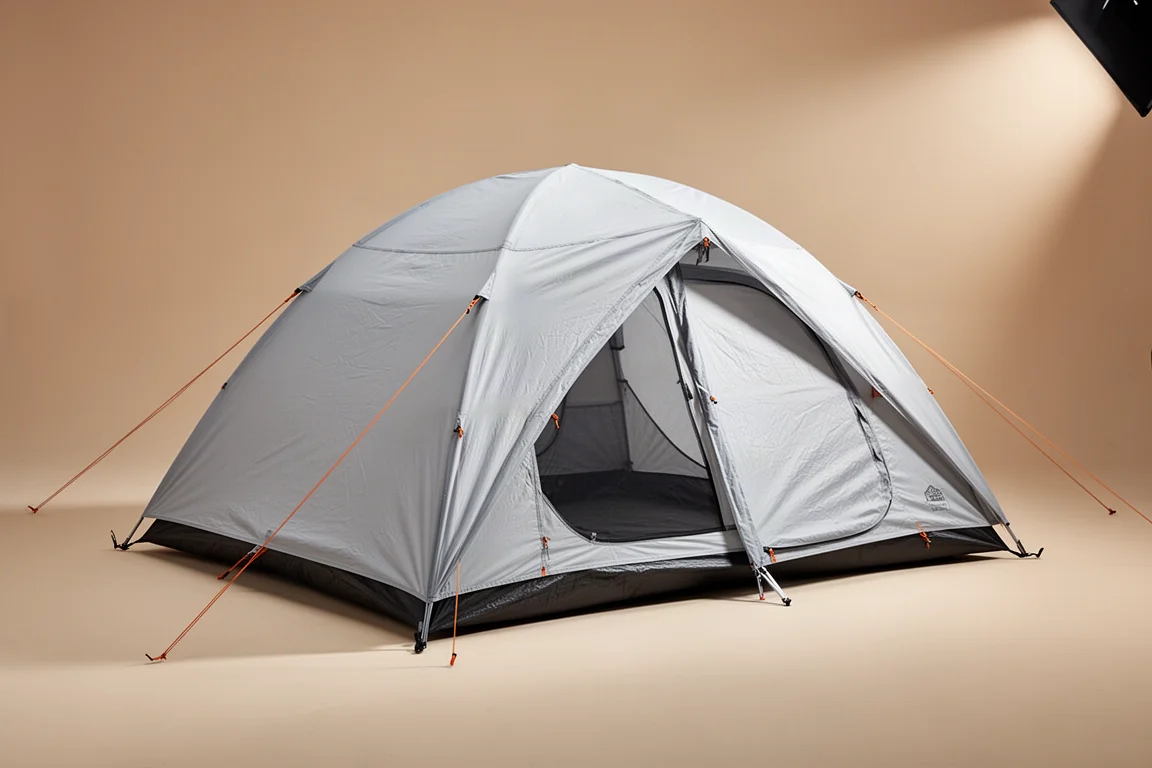
The Trail Hut 2 is not a dangerous tent, and it will keep you dry in ordinary conditions. The problem is value. Fully packed as it comes from the store, it weighs close to 6 lb. Even after removing the footprint that ships attached to the tent, it still comes in at 5 lb 9 oz. For context, a 4-lb tent is already considered heavy for backpacking.
The small details reinforce that impression. The pole bag has no drawstring, the stakes are basic J-hooks, and the first pitch revealed fly door zippers that were misaligned from the factory. They worked once moved to the correct position, but the fact that the tent arrived that way says something about quality control.
At $229 it is positioned as REI’s budget two-person tent, and the included footprint is a genuine convenience for anyone who wants one. Even so, tents of comparable quality are available for less, and the weight penalty is difficult to justify on any trip where you carry the shelter yourself.
REI Air Rail Sleeping Pad: An Easy Skip
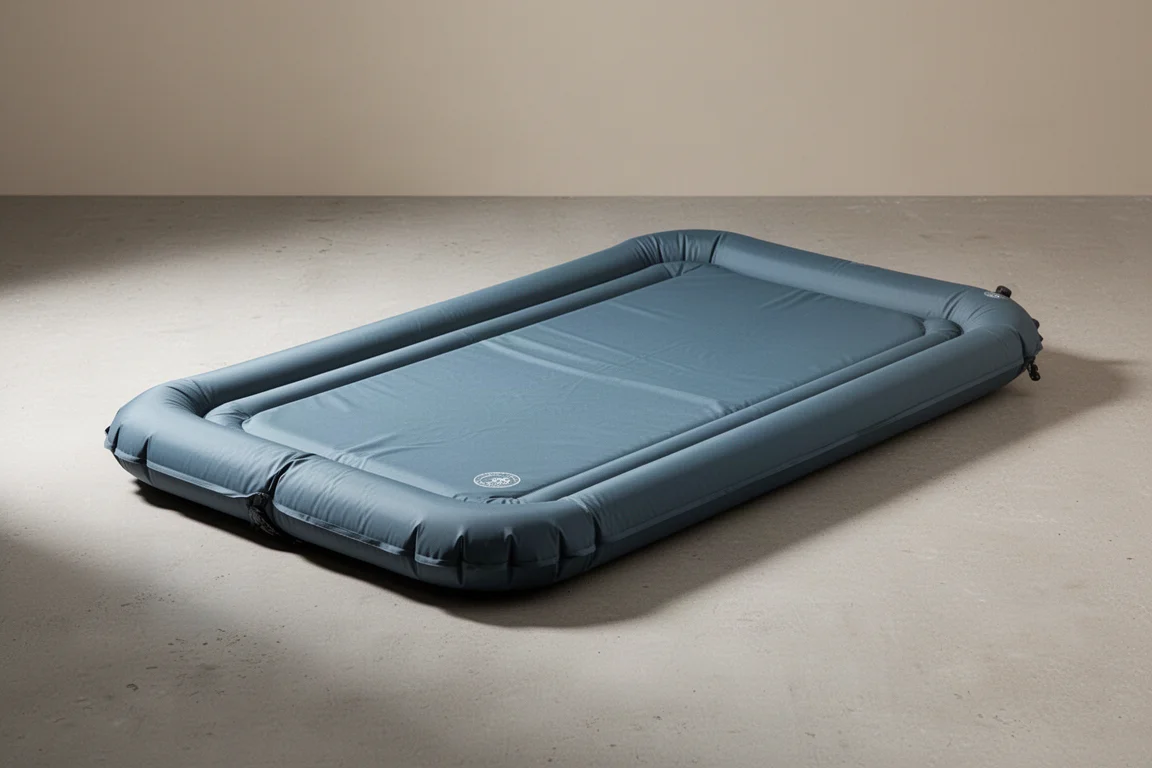
The Air Rail is a self-inflating pad that struggles to self-inflate. Left out for an hour, and even after being stored inflated for a full day beforehand, it never filled properly on its own. Because the design assumes self-inflation, no pump sack is included, so you are left bringing a pump or blowing it up by mouth.
Once inflated, the pad is thin, measuring barely 1.5 in at the center, which is not much cushioning for backpacking. The side rails are meant to keep you centered, and on some pads that design works well, but here they are too thick and press you into a narrower strip of usable surface.
At $115 it is the cheapest pad in REI’s range, and that is the only argument in its favor. Anyone shopping in this price bracket is better off waiting for the Helix to go on sale.
Overall Buying Advice
If you are assembling an REI-branded kit, start with the Helix sleeping pad and the Flash 50 backpack. Those two are the clearest wins: comfortable, sensibly built, and priced well below comparable gear even before a sale. The Magma 850 down jacket is a solid pick for anyone who values a roomy fit, though it is worth comparing against cheaper options first.
The chair is a conditional buy. At around $70 on sale, the Flexlite Air earns its place in a pack for trips where comfort at camp matters. The Trail Hut 2 tent and the Air Rail sleeping pad are the two pieces to leave on the shelf: both are budget-priced but feel it, and the money is better spent elsewhere in the lineup.
One smaller note for anyone browsing the accessories: REI does sell a low-cost pillow made from leftover padding scraps. A stuff sack filled with a spare jacket does the same job with no extra weight and no extra cost.
Timing matters as much as the product. REI’s own-brand gear is discounted regularly, so if you can wait for a seasonal sale, most of these items become considerably better value. If you need gear immediately, focus on the Helix and the Flash 50, which hold up well at full price.
Conclusion
REI’s in-house lineup is not uniformly good, but it is not uniformly bad either. The Helix sleeping pad and the Flash 50 backpack are genuinely competitive products that stand on their own merits, and the Magma 850 down jacket is a reasonable choice when the fit suits you and the price is right. The Flexlite Air chair is worth a look at sale pricing, while the Trail Hut 2 tent and the Air Rail sleeping pad are best avoided.
Buy the good ones on sale when you can, skip the ones that only carry the logo, and the REI brand can be a genuinely useful part of a backpacking kit.
Further reading
Related Reviews

Backpacking Gear
Building a 10 lb Base Weight: An Ultralight Backpacking Gear List
A practical walkthrough of the ultralight pieces behind a 10 lb base weight, from a 765 g pack and a roomy one-person tent to a full camp chair and a dependable water filter.

Backpacking Gear
A 15-Pound Lightweight Backpacking Gear List for Solo Trips
A beginner-friendly 15-pound backpacking setup built from easy-to-find gear, with notes on what each piece does, how it packs, and where to spend your attention.

Backpacking Gear
8 Ultralight Backpacking Gear Upgrades Worth Carrying
Eight small, affordable backpacking upgrades that solve real trail annoyances, from a pillow that stays put to a fuel valve that rescues leftover canister gas.