Camping Tents
REI Arete ASL 2 Review: An All-Season Two-Person Tent Tested in Relentless Rain
A close look at the REI Arete ASL 2, its seam taping, vent design and full coverage rainfly, plus how it held up in two hours of heavy rain and 48 hours of nonstop rain.
Introduction
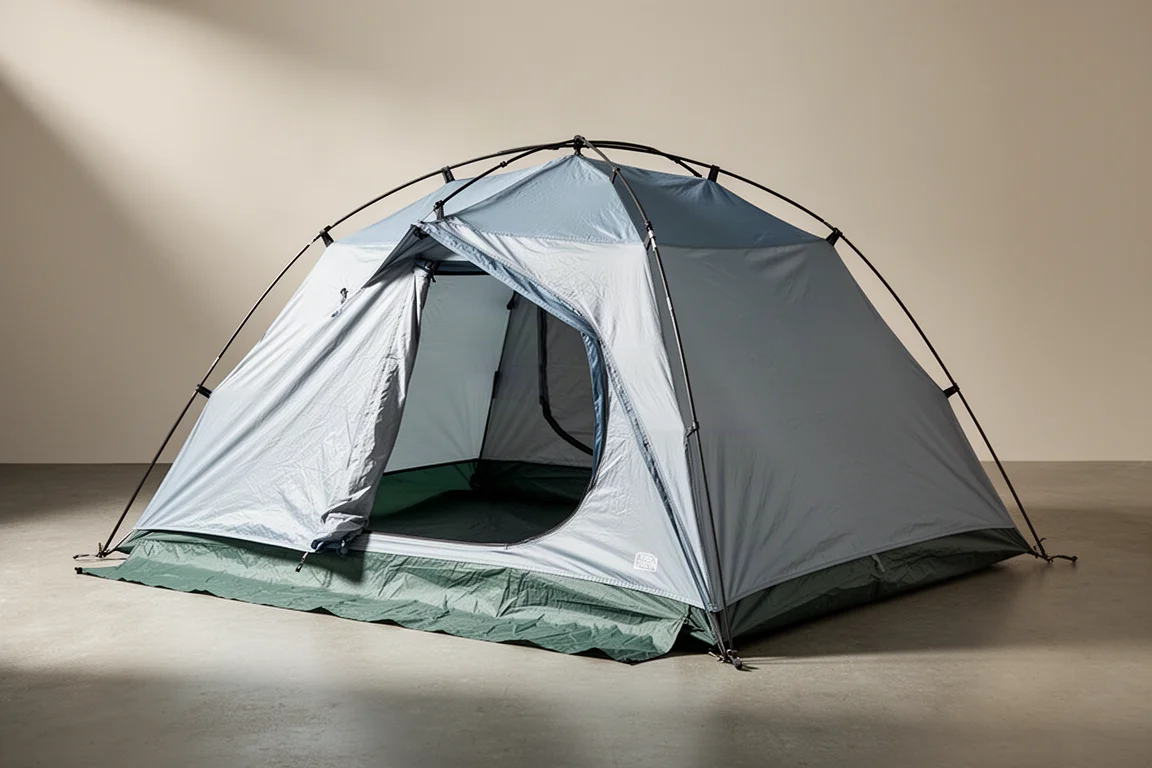
The REI Arete ASL 2 is REI’s most expensive two-person tent, and it is built for all-season use, which means it is meant to handle both rain and snow. Waterproofing is where an all-season shelter either earns its price or falls short. The details that matter are seam taping, the type of floor, the vent design, and how much of the tent the rainfly actually covers. This overview walks through those construction choices and then through how the tent performed in two hours of heavy rain and a 48-hour stretch of nonstop rain.
Waterproofing Features: Seam Taping and the Rainfly
The first layer of protection is seam taping. Every corner of the tent is taped, and the webbing near the corners is taped as well. The taping runs about eight inches up the walls and then stops, so everything above that point is untaped. A seam also runs across the floor, and that seam is taped too.
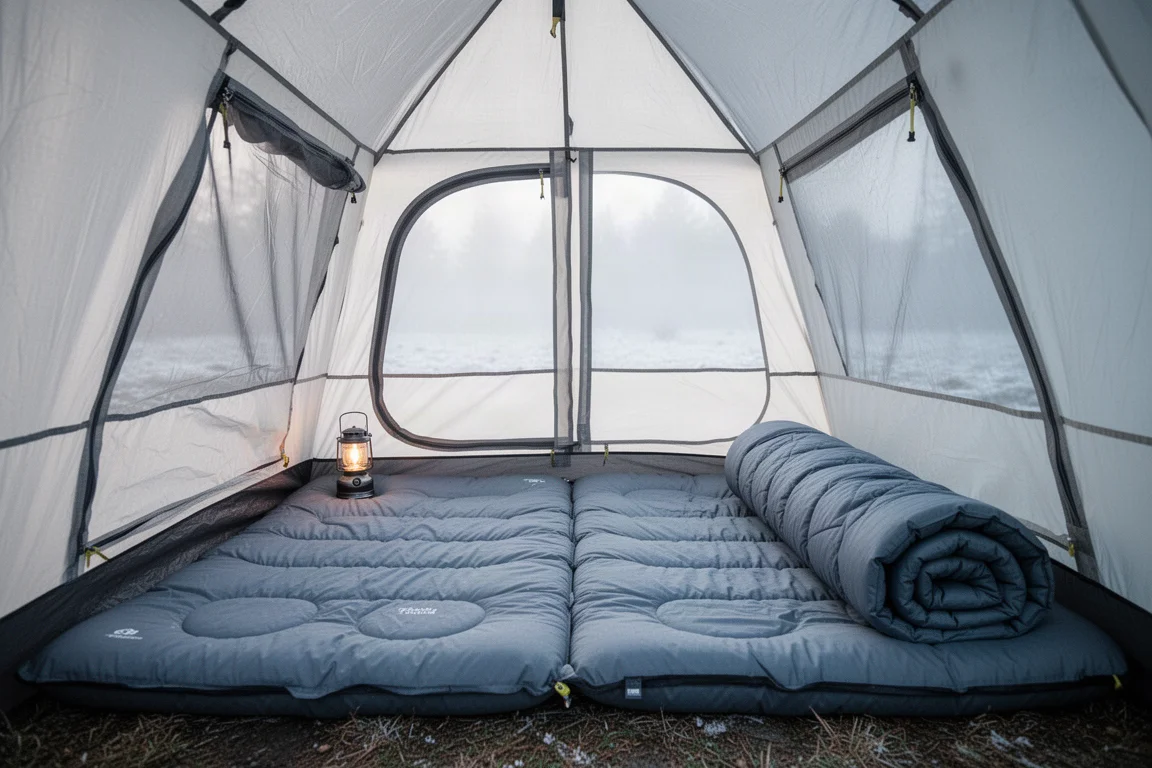
The floor itself is not a tub floor. It is a flat floor with a number of seams across it, which makes the taping quality especially important. On the rainfly, every single seam is taped, and the outline of the taping is visible along each one.
Ventilation comes from three vents: one at the back and two top vents positioned nearer the front. These vents cannot be opened or closed from inside the tent, and a layer of mesh sits between the interior and the vents, so reaching them from the sleeping area is not practical. In heavy rain the vents stayed dry. The caveat is horizontal rain, where the vent angle runs sideways rather than downward, which makes closing the top vents the safer choice.
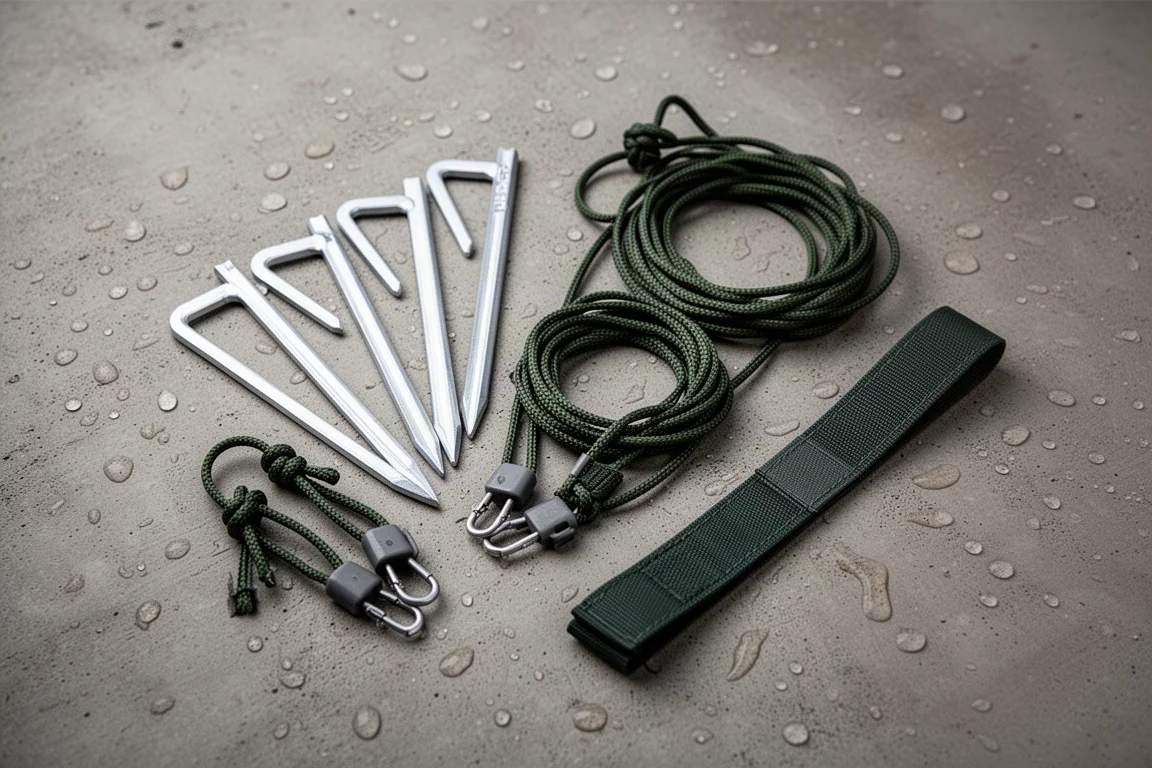
Coverage comes from a full rainfly that extends almost to the ground and leaves only a small gap at the bottom. The rainfly also has a generous number of extra stake-out points along its lower edge, so every side can be guyed out.
How the Tent Handled Two Hours of Heavy Rain
Roughly an hour into heavy rain, the weather eased and the interior was still completely dry, with no water inside at all. At around the one and a half hour mark, parts of the rainfly began to look damp and water started soaking through, including the vent fabric and the vestibule rain flap. After two hours the rain stopped and the whole rainfly was drenched. Some minor pooling formed at the top, and once the rainfly was saturated, water dripped through it onto the top fabric panel, so opening the tent let that water fall inside. The leakage was limited rather than dramatic. The vents did not leak, the seams did not leak, and the floor stayed dry.
How the Tent Handled 48 Hours of Nonstop Rain
The second round of weather ran for 48 hours without stopping. The rain began light, stayed moderate for most of the period, and turned very heavy at points. At the end, there was not a single drop of water inside the tent. A closer look revealed the trade-offs. The entire rainfly was soaked. The bottom of the inner tent, where the rainfly does not cover the body, was very damp, so anything pressed against those walls would get wet. The seams felt dry to the touch, but pressing on them caused water to seep through. The vents were the only element that stayed fully dry.
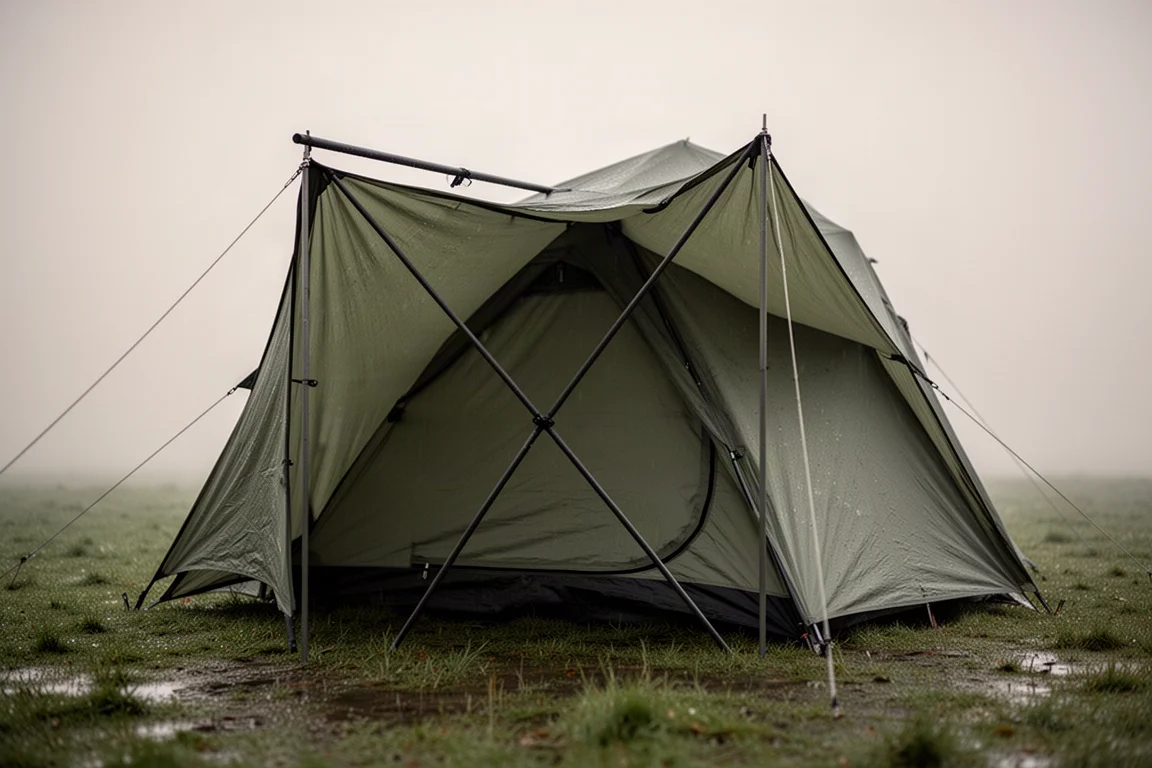
Even so, 48 hours of nonstop rain with no water reaching the sleeping area is a strong result for a tent in this class.
Who This Tent Is For
This is a shelter for campers who expect sustained wet weather and want a two-person tent with a full coverage fly rather than a minimal one. The extensive guy-out points make it well suited to people who are willing to properly stake and tension the fly, because that is what keeps the saturated outer layer from resting against the inner tent. It also suits campers who value ventilation that keeps working while it rains.
Main Strengths
The strongest feature is the guy-out system on the rainfly. With everything tensioned, the wet fly stayed away from the tent body at all times, and even though the nylon fly was saturated after two hours of heavy rain, nothing leaked into the tent. Skip that step and the soggy fly presses against the body, which makes everything inside wetter. The second clear strength is the vent design: none of the three vents leaked at any point, including throughout the 48-hour stretch.
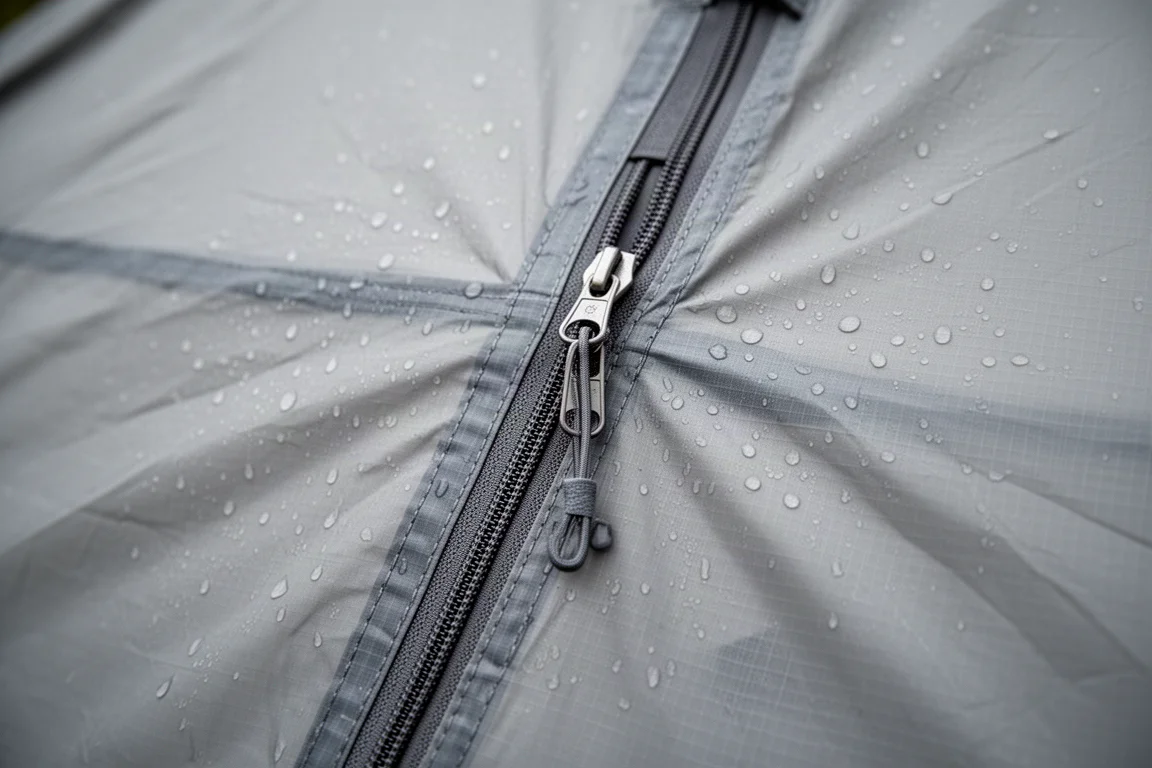
Those two strengths are what carried the tent through the wettest conditions it faced, and they are the reasons the interior stayed usable when the weather did not let up.
Things to Consider Before Buying
Two improvements would make a meaningful difference. The rainfly could come down lower, which would reduce exposure at the bottom of the inner tent where the body became damp. The floor material is the other consideration, since nylon is not the most hydrophobic option in nonstop rain. The floor is also seamed rather than a tub design, and the vents cannot be adjusted from inside, so anyone who wants to fine-tune airflow without stepping outside should weigh that. Finally, the rainfly needs to be guyed out to perform at its best, so this tent rewards campers who do not mind the extra setup time.
Buying Advice
Consider the Arete ASL 2 if you camp in wet conditions, want an all-season two-person tent, and are prepared to stake the fly out fully every time. The waterproofing held up well over an extended soaking, with the notable exceptions of a damp inner tent base and seams that seep when pressed.
Campers who prioritize a lighter, faster pitch for fair-weather trips will find simpler shelters easier to live with. For sustained rain, the full coverage fly and the extensive staking options are the reasons to choose this tent over a three-season alternative.
Conclusion
The REI Arete ASL 2 is a well-sealed all-season two-person tent whose real strength is a rainfly that can be fully guyed out, keeping the wet outer layer off the inner body. The vents stay dry in heavy rain, the seams hold, and the floor keeps water out. The trade-offs are a rainfly that saturates, a damp lower inner wall where the fly does not reach, and a seamed nylon floor. For campers who expect rain and will set the tent up properly, those are manageable compromises.
Product link
View more details for REI Arete ASL 2
This product is mentioned in the review. Check the specifications, options, and compatibility before buying.
View more details for REI Arete ASL 2Further reading
Related Reviews
Camping Tents
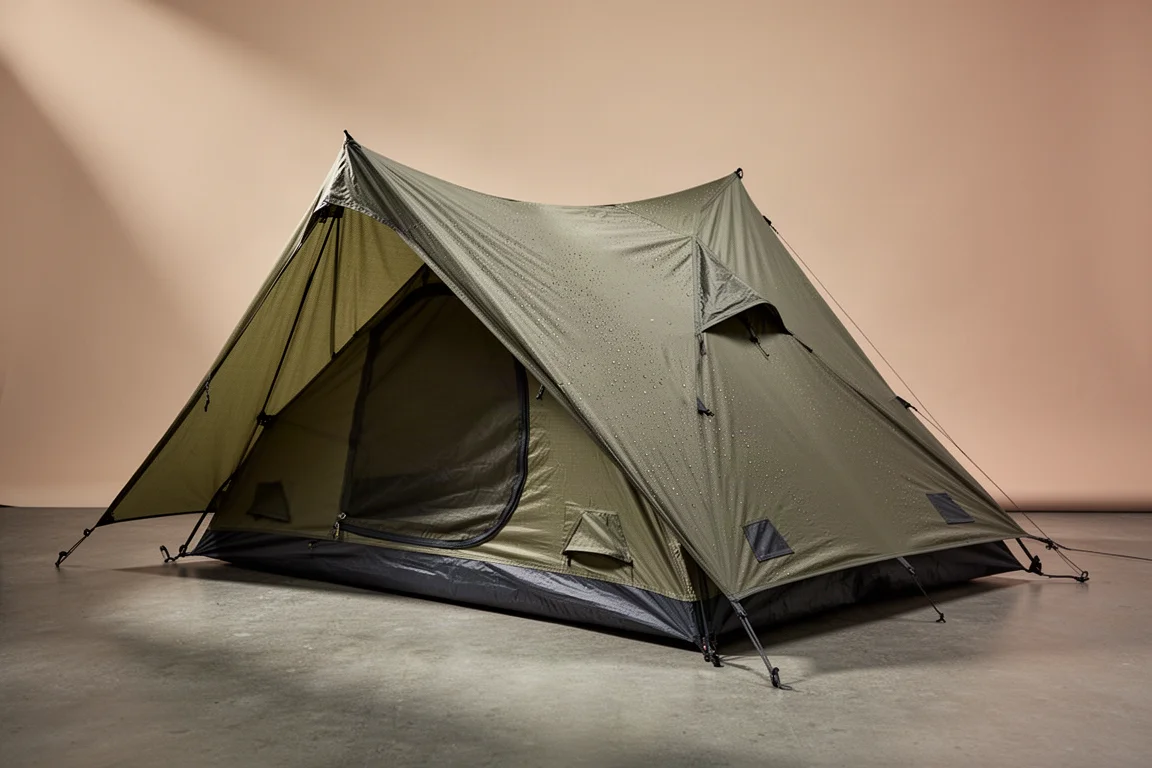
3F UL Gear Taiji Two-Person Tent Review: Field Waterproofing Results and Buying Advice
The Taiji pairs an attached fly with a removable inner, but sustained rain exposed untaped vent seams that need sealing before this shelter can be trusted.
Camping Tents
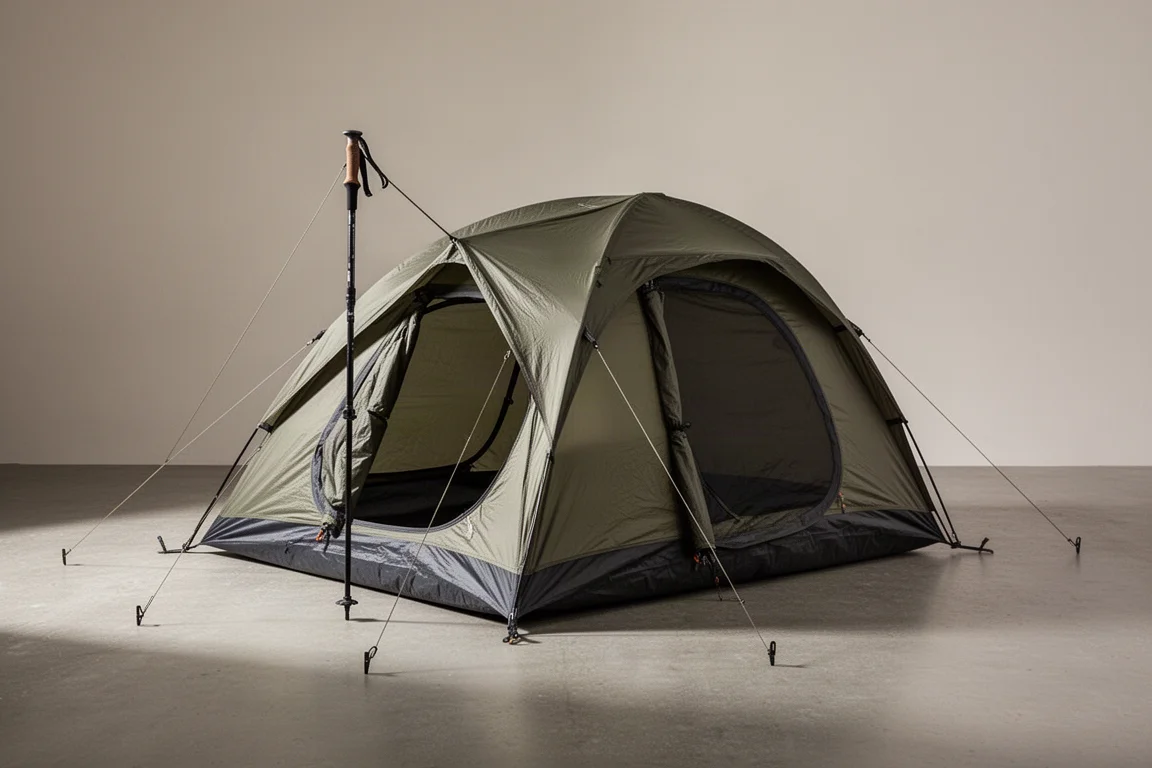
3FUL Gear Lanshan 2 Pro 4-Season Review: A Sub-$200 Single-Wall Trekking Pole Tent
An early look at the 3FUL Gear Lanshan 2 Pro 4-Season, covering its straightforward pitch, generous interior space, and the condensation and seam-sealing questions that come with any single-wall shelter.

Camping Tents
Alps Mountaineering Lynx 1-Person Tent Review: Big Value in a Small Budget Tent
A close look at the Alps Mountaineering Lynx 1-Person Tent, covering real interior dimensions, materials, setup time, ventilation limits, and who should buy it.