CD Players
Rega Saturn Mark III Review: A Toploading CD Player With a Built-In DAC
A dual-purpose CD player and DAC with a fluid, forgiving character, solid full-width construction and a few control quirks worth knowing before you buy.
Introduction
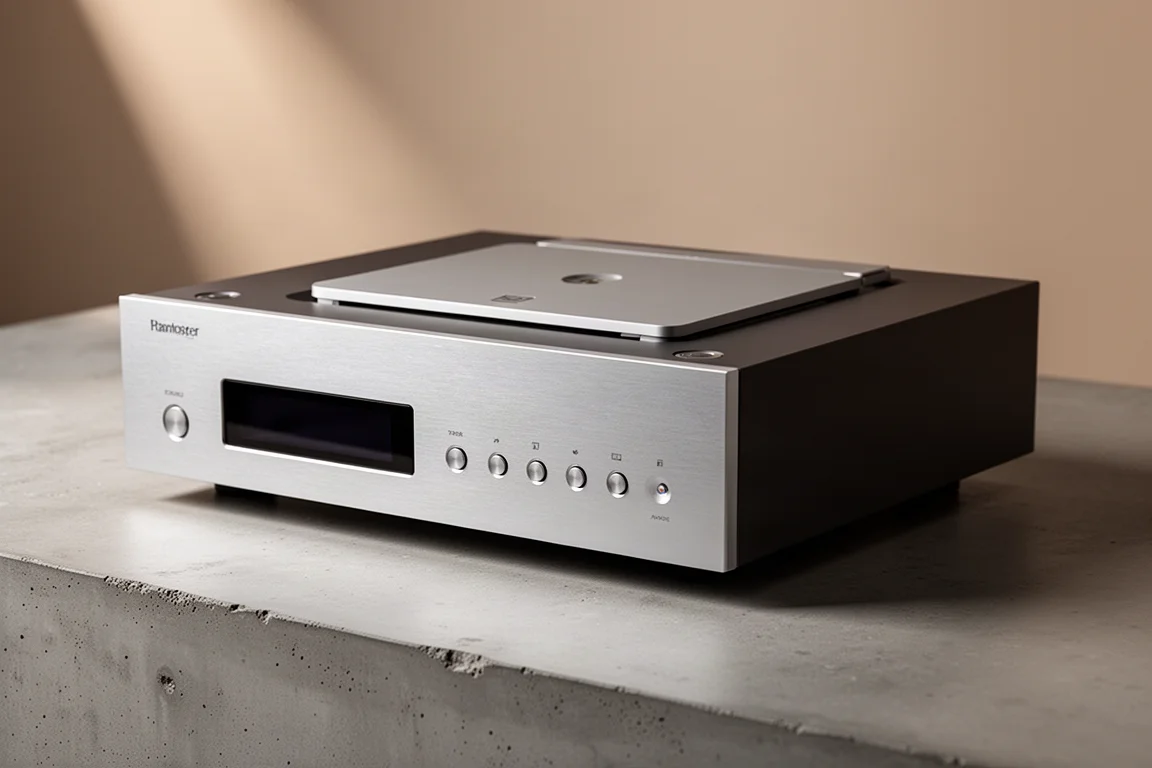
The Rega Saturn Mark III is a full-width CD player with a built-in digital-to-analog converter, priced at £2,000 in the UK. It is a genuinely dual-purpose component: a toploading CD transport on one side and a standalone DAC on the other, with the two sections fed by dedicated power supplies from a single transformer.
Unusually, the Saturn was developed as a DAC first and the CD transport was added afterwards, rather than the other way around. In practice, most buyers will treat it as a disc player that also accepts digital sources such as a streamer, a computer or a television, and that is where the design makes the most sense.
Who the Rega Saturn Mark III Is For
The Saturn Mark III suits listeners who value a fluid, forgiving presentation over forensic detail. Its bass has weight, the mid-range is full, and the upper registers are refined without being ultra-detailed, which makes it a comfortable partner for recordings that were never captured particularly well.
It is also a sensible choice for anyone running a mixed system. A CD collection, a streamer and a computer can all feed the same box, and the DAC section is good enough to justify the space it takes up. Buyers who want the last word in resolution, or who plan to use the unit purely as a transport with an external converter, will find more focused options elsewhere.
Main Strengths
As a disc spinner, the Saturn Mark III leans towards a musical, easy-on-the-ear character rather than an analytical one. Bass is weighty, the mid-range is full with a slight softening to the leading edge of notes, and the top end is refined. It is not slow or ponderous either, and it handles percussive rhythm sections with a good sense of drive and timing.

The sound stage is wide with a modest amount of depth, and the placement of performers comes across as natural rather than pin-sharp. That combination of full tone, drive and dynamics is what makes the player easy to live with, and it takes some of the rough edges off lesser recordings.
Next to the cheaper CD players in the sub-£1,000 bracket, the Rega is the more resolving and more substantial machine. It is less neutral in tone than the Marantz CD60 and a touch less crisp than the SMSL PL200, but it answers with a wider sound stage, better instrument separation and more acoustic mass in the bass and mid-range. The Arcam CD5 offers a broadly similar character at around a third of the price, although the Rega’s built-in DAC and heavier construction explain part of the difference.
Design, Controls, and Connectivity
The chassis measures 432 x 82 x 322 mm and weighs 10 kg, so it is a proper full-width component rather than a compact add-on. The styling sits comfortably alongside Rega’s amplifiers, and the manually operated toploading mechanism gives the player more visual and tactile interest than a slot drive or a flimsy tray. The plastic cover over the mechanism is a matter of taste, but the action itself is far more satisfying to use.
A single power button sits to the left of the display, with play, pause, stop and track skip controls on the right. Everything relating to the DAC, including input selection, is handled through the supplied multi-function remote control. There are no dedicated buttons on the unit for switching between CD and DAC mode or stepping through inputs, which feels like a missed opportunity given the space available.
Around the back, the asynchronous USB input is galvanically isolated and limited to 192 kHz and 24-bit resolution. Two optical and two coaxial inputs are provided, along with optical and coaxial digital outputs, plus digital outputs from the CD transport for feeding an external converter. Analog output is single-ended RCA only, so there is no balanced XLR option, and there is no AES/EBU or I2S input. Conversion is handled by two DAC chips running in dual mono, which allows the channels on each chip to be summed and averaged to reduce noise.
Things to Consider Before Buying
The reliance on the remote for DAC input switching is the most obvious annoyance. Basic input selection on the front panel would make the player easier to live with day to day.
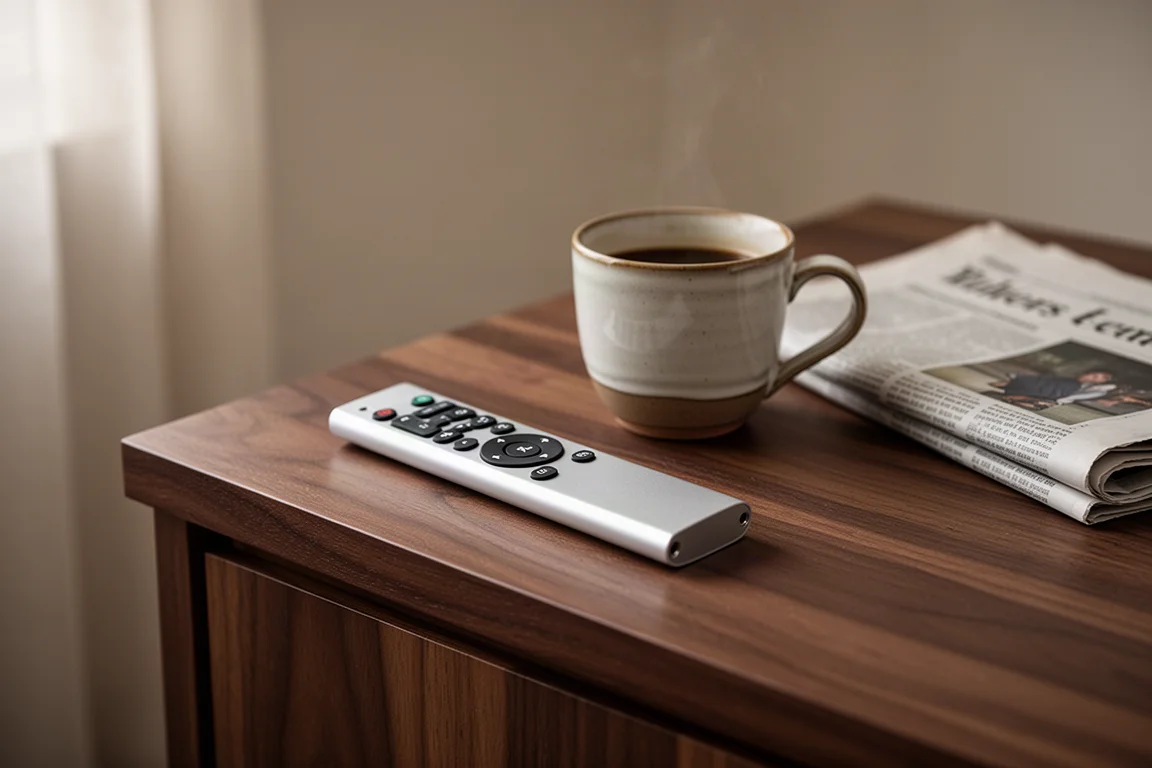
In DAC mode, five digital filters are available from the remote, covering linear phase, minimum phase and apodising options. Repeated listening tests failed to reveal a meaningful difference between them, so it is worth treating the filters as a feature to explore rather than a reason to buy.
Two further points are worth weighing. The first is resolution: this is not the most revealing digital source at its price, and listeners who prioritise hearing every last detail may prefer a more neutral alternative. The second is intended use. The CD transport and DAC sections complement each other closely, with neither holding the other back, so buying the Saturn Mark III purely as a transport and adding an expensive external converter delivers only a modest gain for a significant extra outlay. The internal conversion is roughly comparable to very good external converters in the £500 range, and it gives away some information retrieval, coloration and spatiality to a dedicated converter such as the Denafrips Ares 12th-1.
System Matching and Setup
The Saturn Mark III performs consistently across its inputs and outputs, whether it is used as a CD player, a CD transport or a DAC. Optical and coaxial inputs sound very similar, with USB coming across as just slightly cleaner, so there is little need to agonise over cable choice.
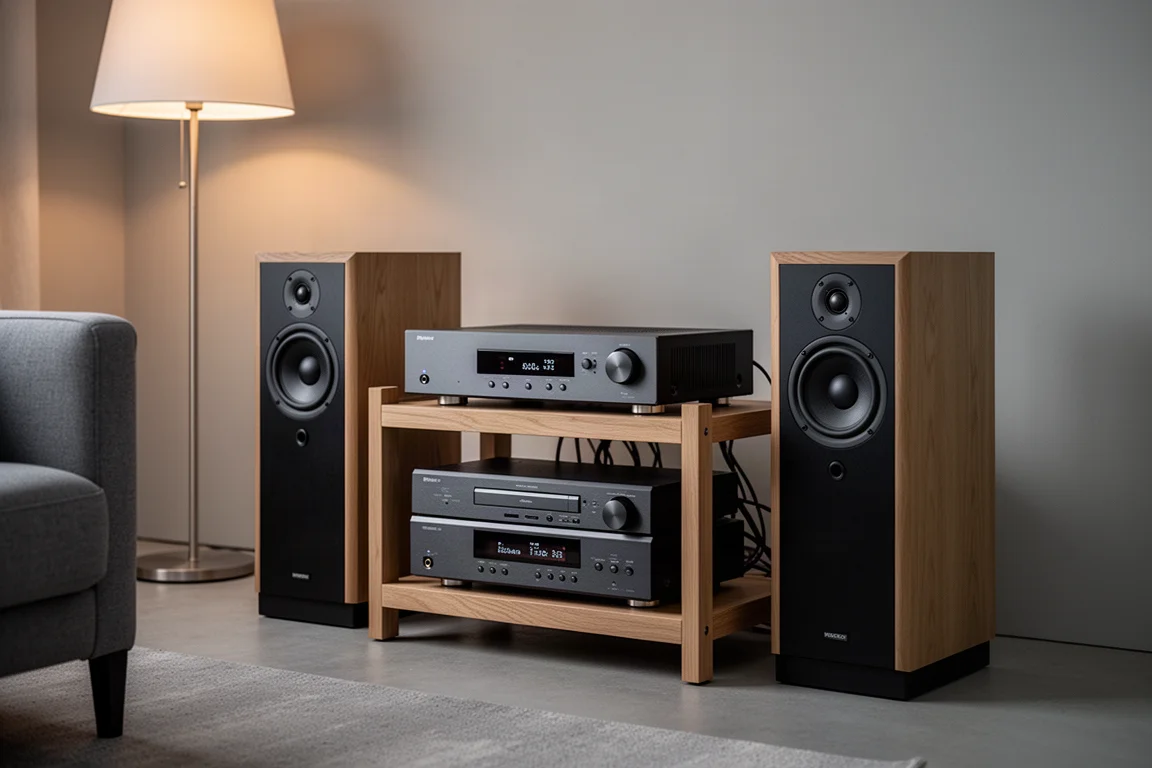
Its character is likely to suit Rega’s own amplifiers, both visually and sonically, and it should also work well in systems built around warmer, more forgiving speakers. A compact streamer such as the Bluesound Node Nano can sound slightly more resolving through its optical and coaxial outputs, though the Rega counters with greater saturation in the bass and mid-range and a slightly wider sound stage. Anyone with a large ripped library or a streaming subscription can feed the DAC section directly and keep the CD transport for physical discs, which is where the dual-purpose design earns its keep.
Buying Advice
At £2,000 in the UK, the Saturn Mark III is a step up in both build and sound quality over the CD players below £1,000 that compete for the same shelf space. The DAC section adds real value on top of that, and the two halves are designed to be used together rather than separately.
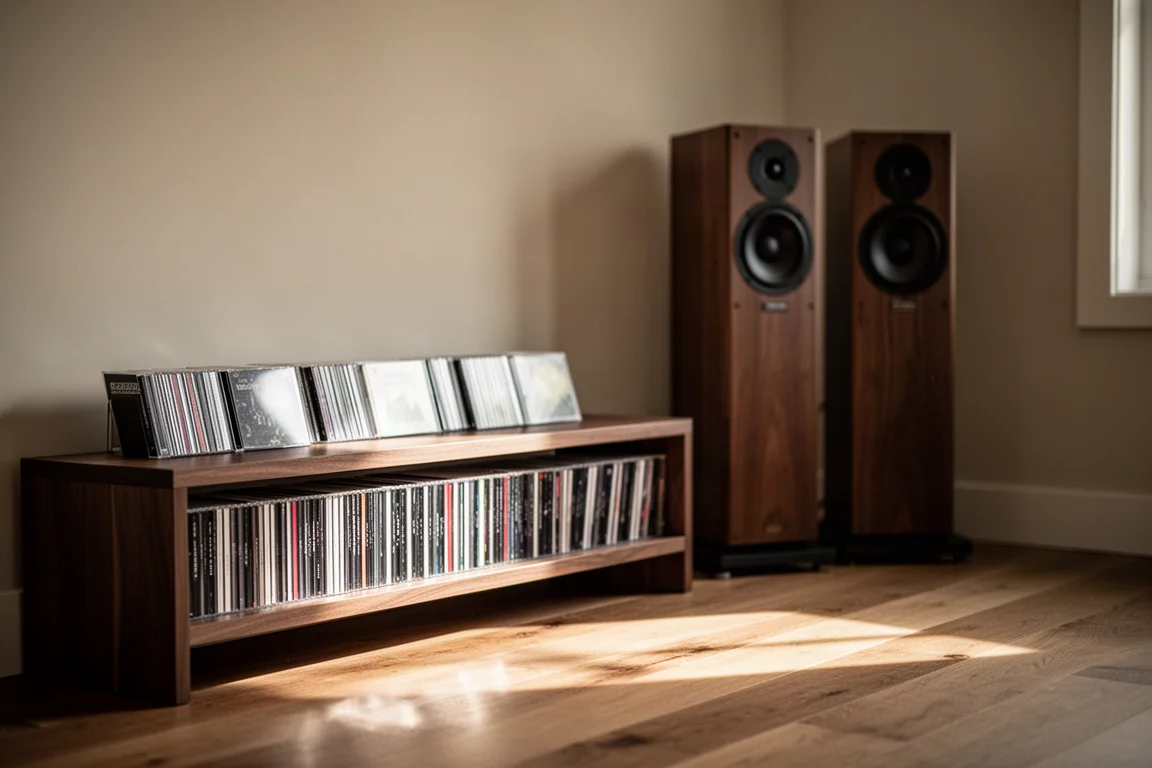
That makes it a straightforward proposition for anyone who wants a single box to handle discs and digital sources without compromising on either. With so many affordable secondhand CDs around, a player like this also makes it easy to build a physical collection alongside a streaming library. Buyers who already own a high-quality external DAC, or who mainly want a transport, should think carefully before spending the money here.
Conclusion
The Rega Saturn Mark III is a well-built, dual-purpose digital source with a fluid, forgiving sound and a toploading mechanism that is genuinely pleasant to use. Its DAC section is good enough to justify the price, its rhythmic drive keeps it engaging, and it delivers a clear step up over cheaper CD players. The remote-only input switching and the modest resolution ceiling are the main compromises, and neither is likely to bother listeners who value musicality over analysis.
Product link
View more details for Rega Saturn Mark III
This product is mentioned in the review. Check the specifications, options, and compatibility before buying.
View more details for Rega Saturn Mark IIIFurther reading
Related Reviews
CD Players
Advance Paris X-CD9 Review: A Tube CD Player That Also Works as a Transport
A close look at the Advance Paris X-CD9, a tube CD player that doubles as a CD transport, with listening notes, handling details, and a comparison against an external DAC.
CD Players
Best CD Players and DACs in 2026: Five Ways to Get Great CD Sound
Five CD player and converter options from roughly $80 to $600, plus what actually matters for sound quality and how buying discs supports the artists you love.
CD Players
Best CD Players Compared: Budget, Mid-Range, and High-End Picks
A practical comparison of four CD players across price points, from an entry-level deck to a reference-grade player that doubles as a DAC and headphone amplifier.