Turntables
Rega Planar 3 with ND5 Cartridge Review: Refined Vinyl Performance Under £1,000
A close look at the Rega Planar 3 with the ND5 moving magnet cartridge, covering its engineering, sound, setup, and the trade-offs worth weighing before buying.
Introduction
Rega is a British hi-fi company founded by Roy Gandy in 1973. What began with a turntable salvaged from a rubbish dump has grown into one of the most respected names in the industry. The company makes electronics, but it is primarily associated with turntables, and its ethos rests on sound engineering principles rather than marketing hype. Wherever possible, products are built at the Southend-on-Sea facility from sustainable, locally sourced parts, and prices are kept as low as the company can manage. In 2024, Roy Gandy gifted 100% of the shares to his employees, creating an employee ownership trust that secured jobs and kept the business out of the hands of venture capital.
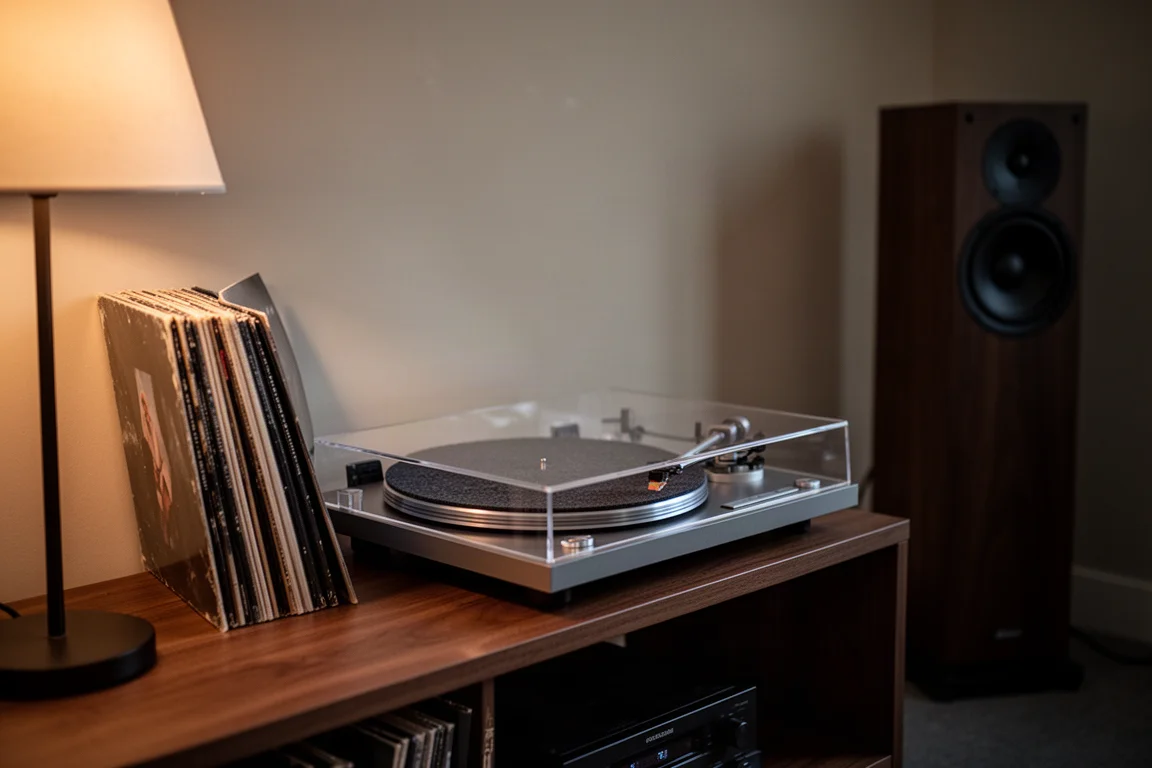
The Planar 3 sits just below the middle of Rega’s turntable range. Below it are the various guises of the P1 and P2, while the P6, P8 and Naiad sit above. An RS version adds a brushed aluminium plate laminated to the plinth for rigidity, the Neo Mark 2 power supply upgrade, an individually tuned motor, and the ND5 moving magnet cartridge as standard, at £1,100.
This article concentrates on the standard Planar 3 fitted with the ND5 cartridge, which sells for £940. The same deck is available at £695 without a cartridge and at £840 with the ND3 moving magnet cartridge, and it uses a wall wart power supply rather than the upgraded supply found on the RS version.
Who the Rega Planar 3 with ND5 Is For
The Planar 3 has a distinctly different personality from Rega’s IO and Brio Mark 7 amplifiers. Both of those amplifiers push the upper mid-range forward and trade soundstage width and depth for an up-close listening experience, without tipping into harshness. The Planar 3 goes the other way: its musical delivery is far more laid-back. Listeners who want long, relaxed sessions rather than a spotlight on the leading edge of every note will find that character appealing.
At £940 with the ND5 cartridge, the deck sits at the top of the sub-£1,000 bracket. It makes most sense for listeners who already own, or plan to build, a system that can reveal what the turntable is doing. With an external phono stage in the chain, the combination justifies spending more on amplification and speakers rather than less.
Design and Engineering
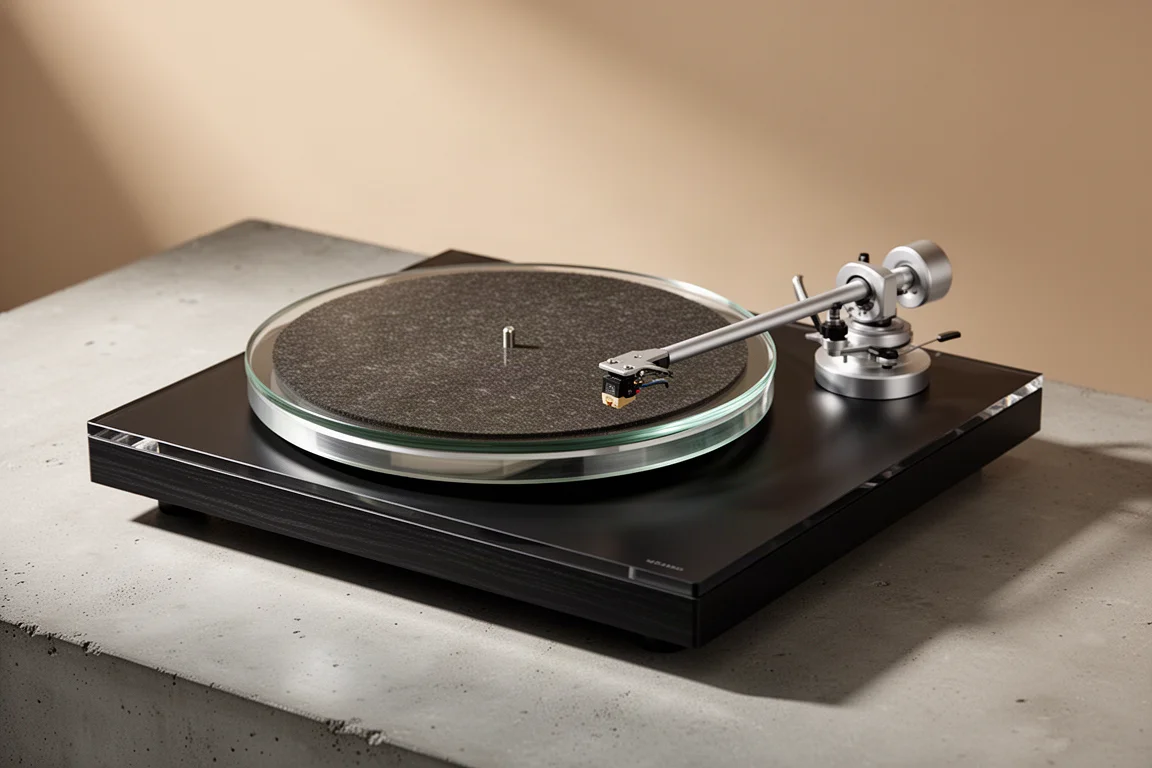
The whole unit weighs 6 kg (13.2 lb). A 20 mm (0.8 in) thick laminated acrylic plinth sits on three Santoprene rubber feet, which keep the deck stable and provide some damping of vibrations. A polycarbonate sub-platter is tightly press-fitted at the factory to a stainless steel spindle, and the spindle sits in a brass bearing. Rega’s proprietary ethylene polymer belt runs between the aluminium pulley on the motor and the bearing assembly, with drive provided by a 24 V low-noise AC asynchronous motor.
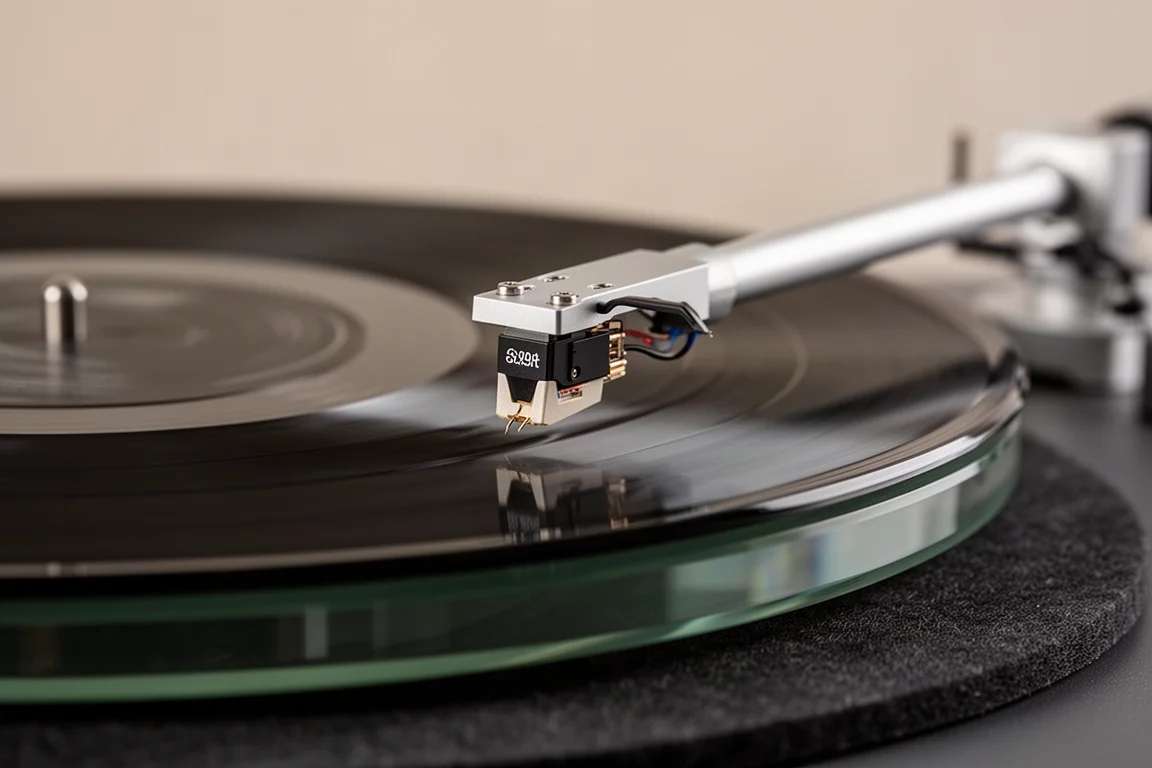
A 12 mm (0.5 in) thick glass platter carries a felt mat, which gives a non-abrasive surface and adds vibration damping. Top and bottom braces connect the main platter bearing to the tonearm, forming a stress beam that improves stiffness. The RB330 tonearm is constructed from a single piece of aluminium to reduce resonances, and it is balanced using precise vertical and horizontal ball bearings in a gimbal design. The ND5 moving magnet cartridge uses a powerful neodymium magnet, which allows fewer turns of the coil and reduces inductance. The cheaper ND3 uses an elliptical stylus glued to a titanium post and then bonded to the cantilever, while the ND5 uses a single piece of diamond forced through the hole of the cantilever, saving mass.
The mains lead is captive, with no separate earth connection. The tonearm’s chassis ground is wired to the shield of the left RCA plug, so the deck links to the amplifier’s signal ground. That arrangement effectively eliminates ground loops from forming and simplifies setup, though it leaves no flexibility to upgrade the leads.
How It Sounds
The Planar 3 delivers a laid-back, unhurried presentation. Bass is rounded but carries a good sense of weight, and there is some softening to the leading edge of notes in the mid-range, while detail remains very good. Vocals and lead instruments sit further back than they do on the other turntables in this comparison group, which gives the deck a relaxed, spacious feel rather than an upfront one.
Compared with the Dual CS 518, the German deck is warmer, partly through extra bass weight and partly because noticeably more of its bass bleeds into the lower mids. The Planar 3 extracts greater tonal texture and nuance, but that is not the biggest difference. The most noticeable improvement is better separation between performers, with more tangible placement, plus superior upper mid-range and treble refinement. The ND5 cartridge, at £295, costs more than three times the £90 Ortofon 2M Red fitted as standard to the Dual CS 518, and the money shows: a step up in fidelity and a leap forward in refinement, with much less grain in the upper mid-range and better sibilance control.
The deck is also resolving enough to make pressing differences obvious. Modern remasters come across as punchier and more dynamic with a wider soundstage, while original pressings sound lighter and narrower but convey a greater sense of space and grace between performers.
Things to Consider Before Buying
Changing between 33 and 45 rpm means removing the 12 mm (0.5 in) glass platter and moving the belt to the wider groove on the pulley for 45 rpm or the narrower groove for 33 rpm. It is relatively straightforward, but it is a faff, and how much it matters depends on how many 45 rpm records are in the collection.
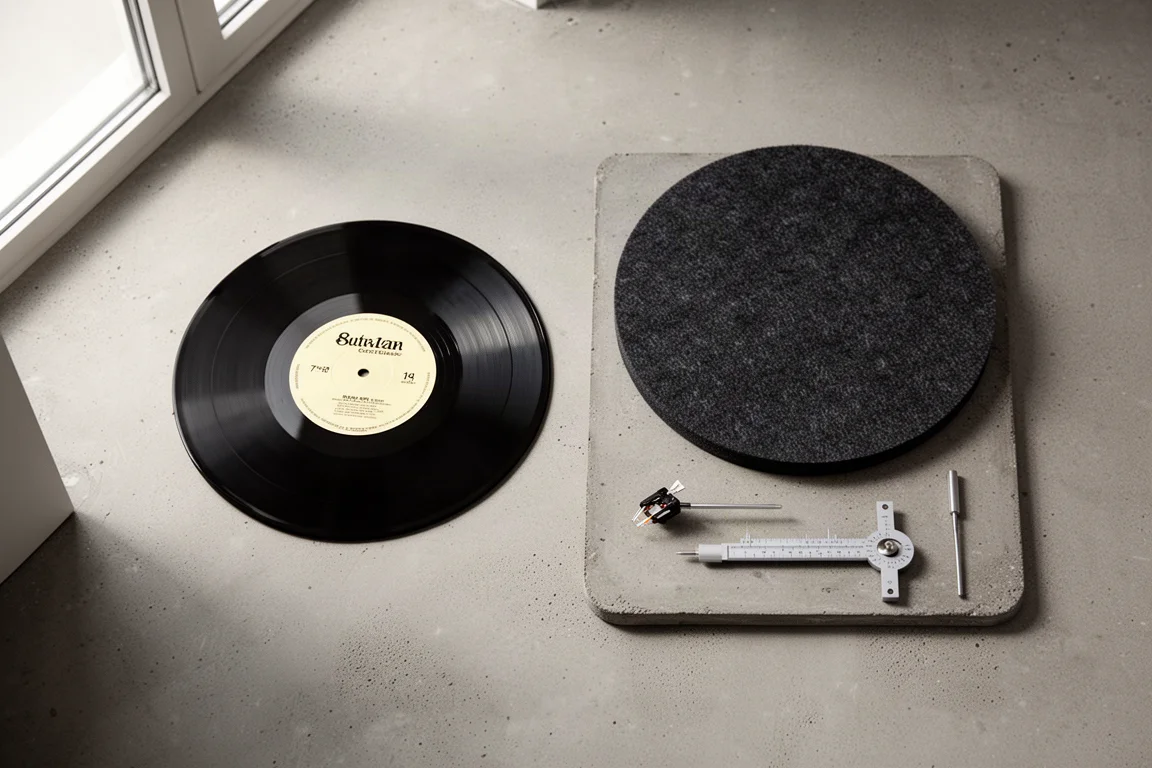
The anti-skate, or side bias, adjustment could do with a longer slider, because it is a little fiddly to set. Rega advises setting anti-skate to the same value as the tracking force, though fine-tuning by ear with a familiar test track is a practical alternative. Two other points are worth weighing. The bass could be tighter and the mid-range transients a little crisper, and the captive mains lead means there is no option to experiment with alternative cables.
Setup and System Matching
Key alignment parameters such as overhang, zenith and azimuth are set at the factory, so the main adjustment is tracking force. Move the adjustment dial to zero and balance the tonearm until it floats horizontally, then set the dial to 1.7 g for the ND5 cartridge. Checking that figure with a calibrated stylus gauge is always sensible. Rega’s own gauge costs a couple of hundred pounds, while Project offers inexpensive alternatives from as little as £18.
The Planar 3 with the ND5 cartridge and an external Rothwell Rialto phono stage forms a vinyl front end that still costs less than £1,500, and it offers more resolution, a considerably larger soundscape and greater refinement than a Dual CS 518 running its internal phono stage. With the Rialto in the mix, the combination justifies spending more on amplification and speakers. An Exposure 2510 at £2,100 and Dali Menuet SE speakers at £1,500 reveal greater fine detail and more spatial information, and a further step up to a Hegel H190 and Quadral Vela One speakers improves dynamics and authority again. Value for money is not solely the preserve of digital audio.
Buying Advice
At £940 with the ND5 cartridge, the Planar 3 is the most expensive configuration of the standard deck, and the £840 version with the ND3 is the obvious alternative for buyers who want to spend a little less. The £695 version without a cartridge leaves the choice of cartridge entirely open.
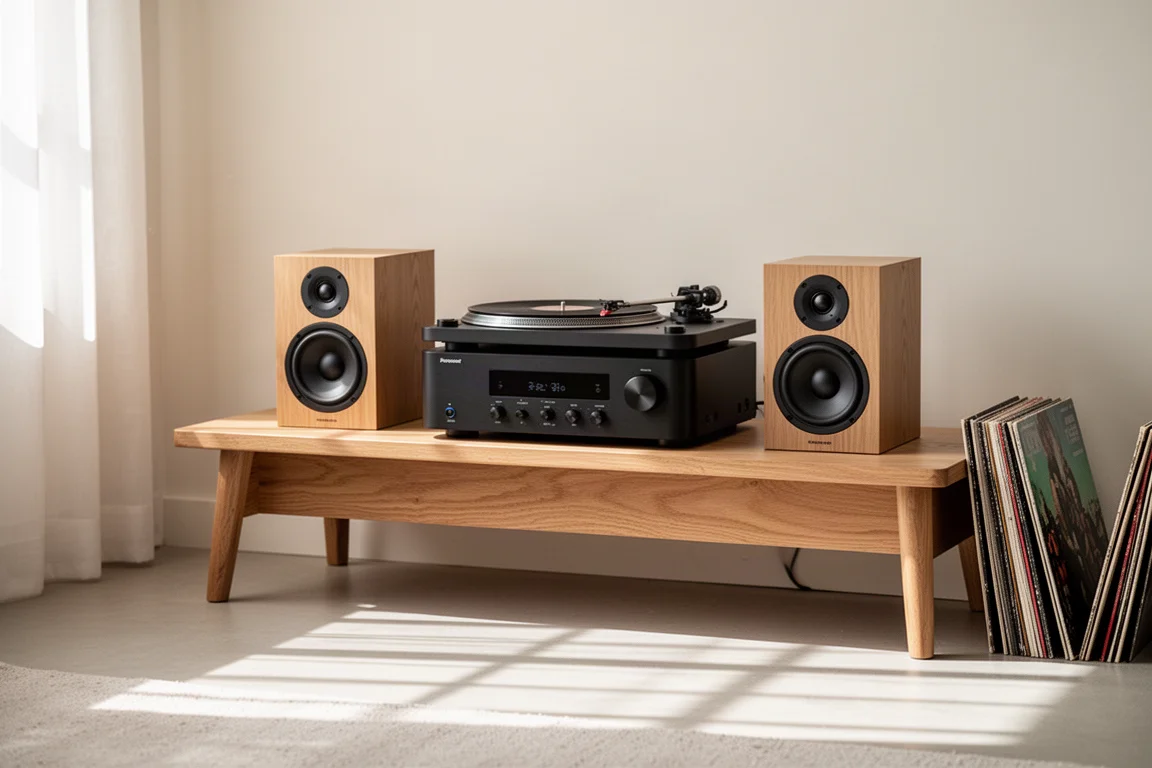
It is worth noting that anyone spending £940 on a Planar 3 with the ND5 is likely to consider stepping up to the £1,100 RS version, which brings heavier bracing, a more finely tuned motor and an upgraded power supply. For buyers who want to stay strictly below £1,000, though, the standard deck is the one to look at.
Judged on its own merits, the Planar 3 with the ND5 cartridge is very well engineered, nicely balanced and great sounding, and it earns a strong recommendation at this price.
Conclusion
The Rega Planar 3 with the ND5 cartridge is a refined, well-built turntable that trades a forward, spotlighted presentation for something more relaxed and spacious. Its strengths are clear: excellent separation between performers, a polished upper mid-range and treble, and enough resolution to reveal what different pressings are doing. Its compromises are equally clear: manual speed changes, a fiddly anti-skate slider, and a captive mains lead.
For listeners building a vinyl front end under £1,000 who value refinement and long-term listening comfort, it is an easy deck to recommend.
Product link
View more details for Rega Planar 3 with ND5 Cartridge
This product is mentioned in the review. Check the specifications, options, and compatibility before buying.
View more details for Rega Planar 3 with ND5 CartridgeFurther reading
Related Reviews
Turntables
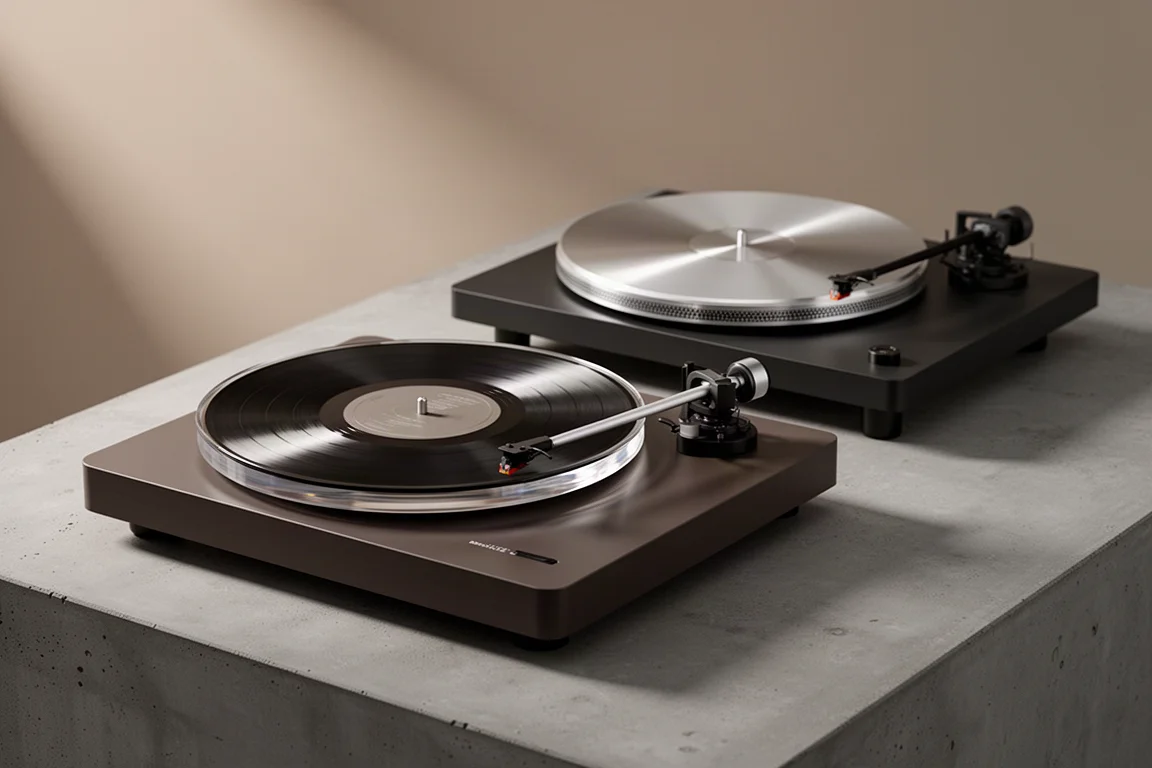
Best Turntables 2026: Seven Standout Picks From Entry Level to Premium
A practical roundup of seven turntables worth considering, from a US-made budget deck to small-batch premium models with a clear upgrade path.
Turntables
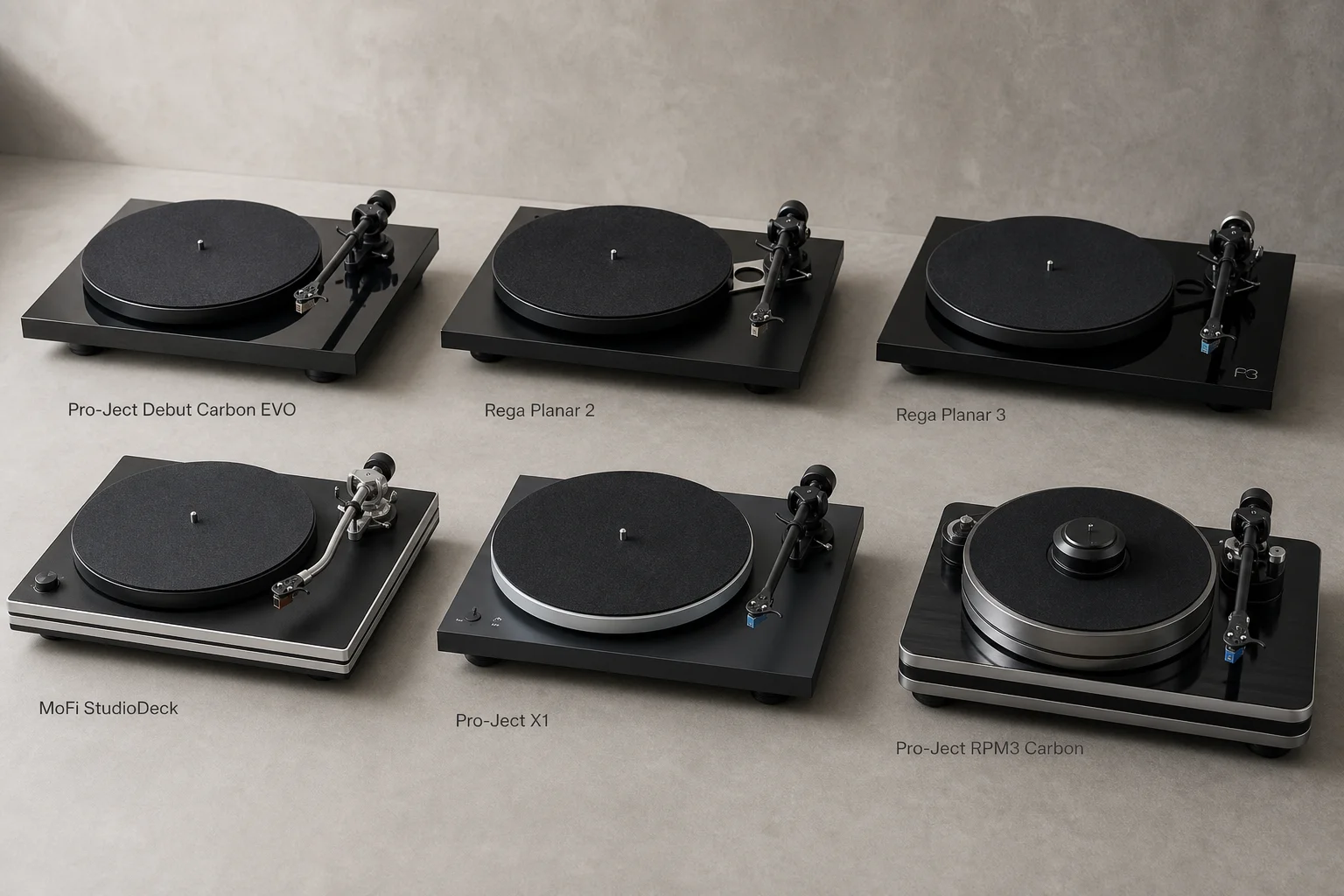
Best Turntables Under $1,000: Five Fully Manual Picks Worth Considering
Five fully manual turntables under $1,000, compared on build quality, cartridges, upgrade potential, and the character of sound each one brings to a system.
Turntables
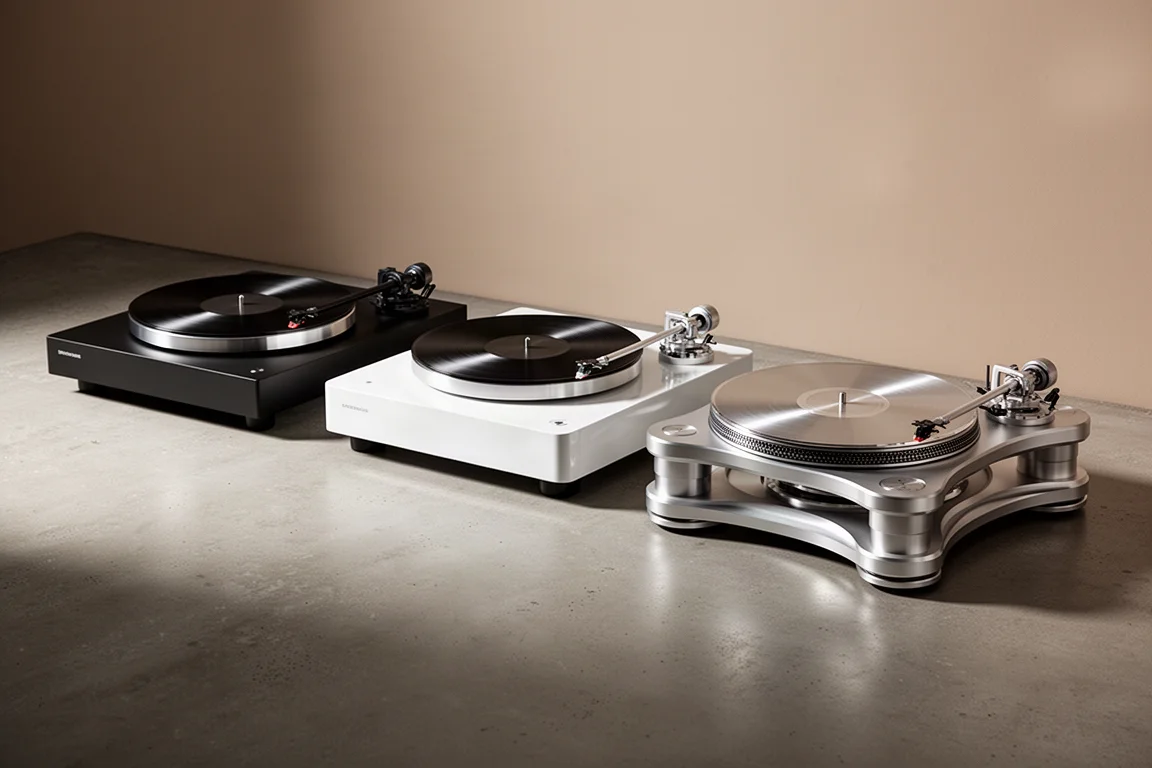
Best Turntables Under $2,000: Six Vinyl Decks Worth Building a System Around
Six turntables under $2,000, from a value-focused belt-drive deck to a fully balanced design, with the strengths and trade-offs that matter before you buy.