Home Theater
Reference Home Theater Components: Inside a 7.3.4 Build
A component-by-component look at the speakers, subwoofers, screen, and processing behind a purpose-built 7.3.4 reference home theater.
Introduction
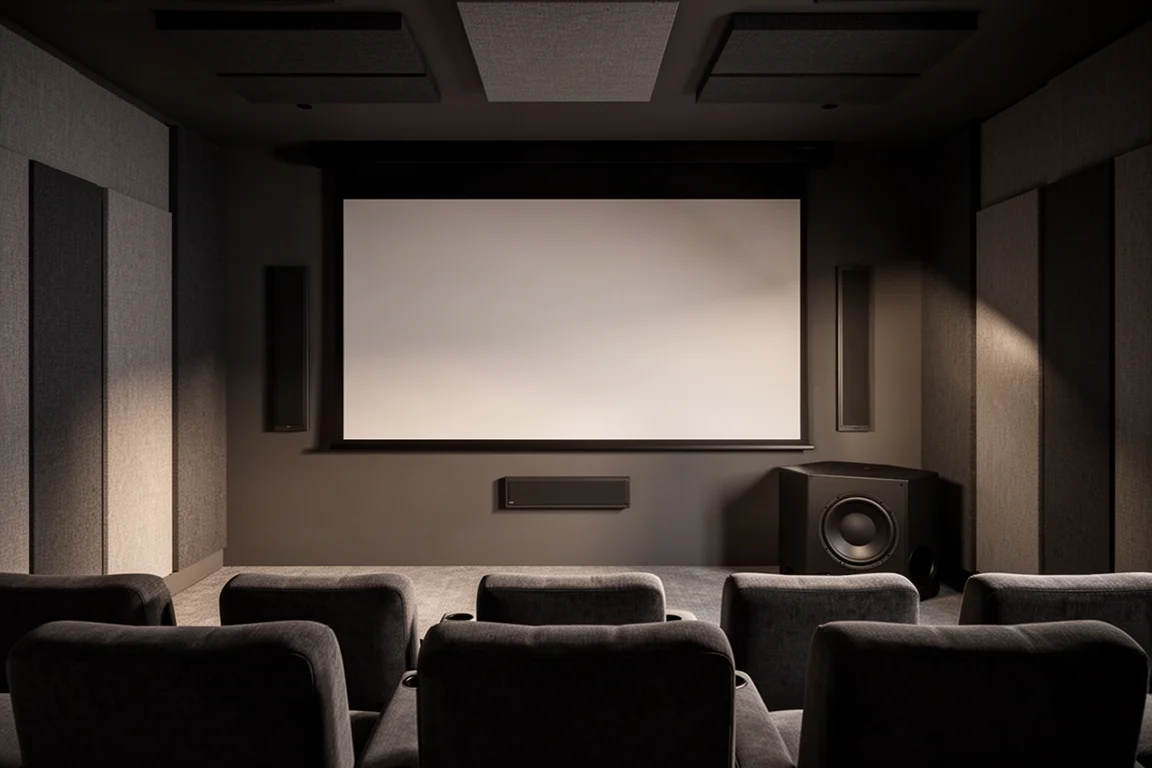
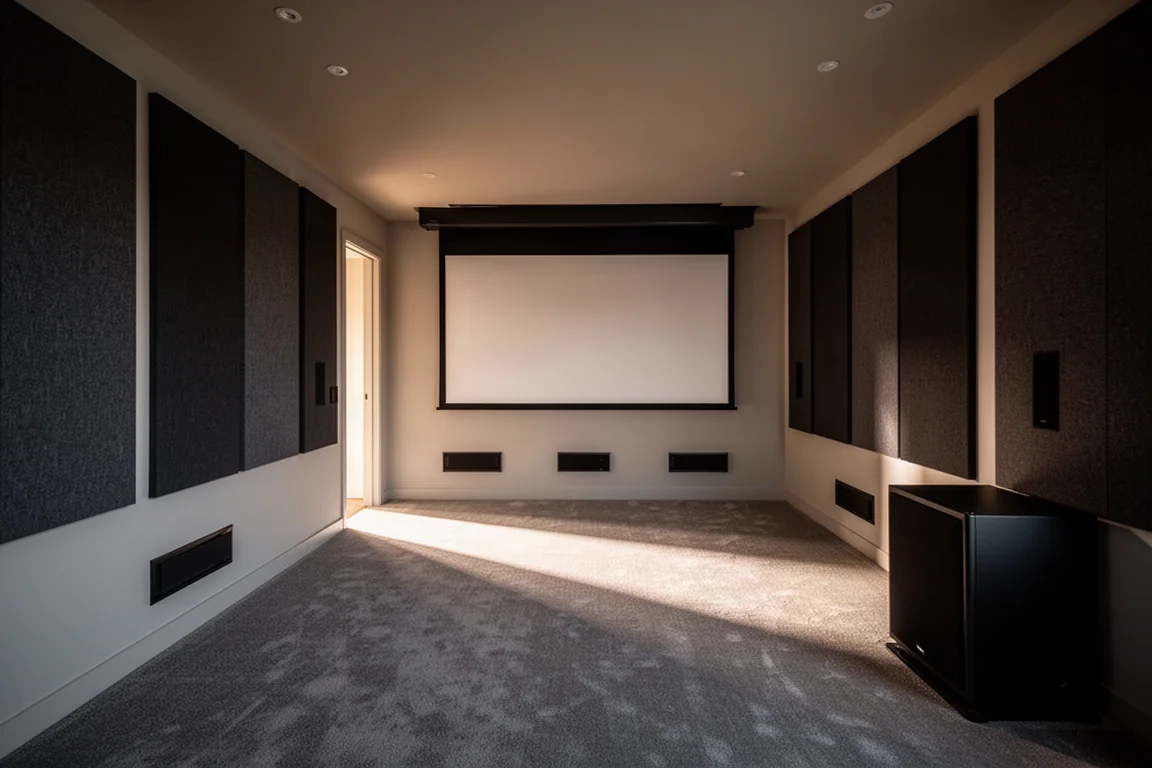
A reference home theater is not one purchase. It is a chain of decisions about speakers, subwoofers, screens, and processing that all have to work in the same room. This 7.3.4 build was assembled around Focal’s flagship architectural speakers, RBH subwoofers, and a Stewart Filmscreen projection screen, with acoustic modelling and treatment completed before the electronics went in. Two sets of side surrounds are in place, and wide channels are planned for a later stage.
The goal was full-range dynamics, steerable bass, and a screen that stays out of the way of the sound.
The sections below walk through each component, what it contributes, and where a buyer with a different room or budget might reasonably spend differently.
What Separates a Reference Build From a Good One
Three decisions shape a build like this. The first is acoustics: the room was modelled and treated with absorption panels before any speaker was positioned, which sets the ceiling on what every other component can achieve.
The second is the subwoofer architecture. Instead of powered boxes, this system uses passive subwoofers fed by external amplification over 12-gauge speaker cable. That approach keeps the low-frequency channels under central control, so bass can be distributed and shaped by the processor rather than by each box independently.
The third is modularity. The main in-wall speakers accept additional subwoofer modules, so the front stage can be scaled up without replacing the speaker itself. Together, those three choices explain most of the performance described below.
Focal 1000 Utopia In-Wall Speakers
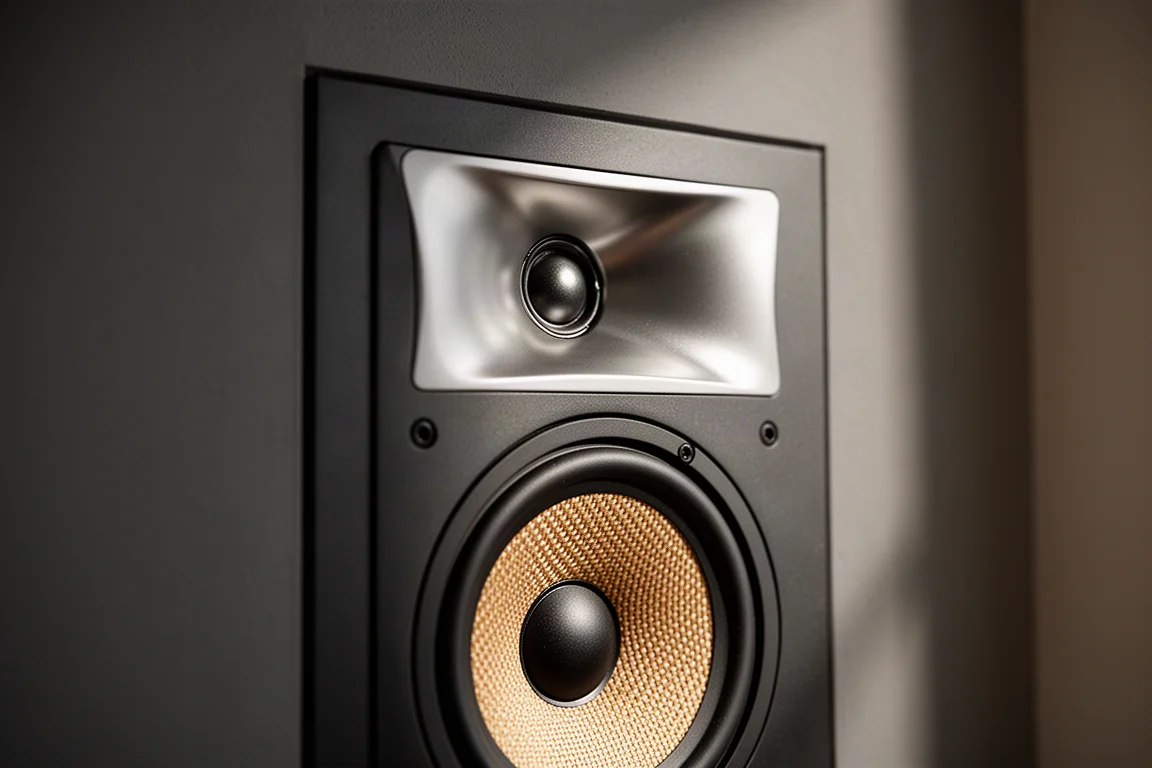
The 1000 Utopia is the flagship of the in-wall range, and its most interesting quality is that it is modular. Each module works on its own, and a Speakon connector on the speaker lets additional subwoofer modules be daisy-chained to it. In this room the right channel runs with two subwoofer modules attached and behaves as a single logical speaker, with in-room output reaching roughly 24 Hz.
The line uses a beryllium tweeter with a motor structure specific to the Utopia range. On the baffle there are jumper settings for the tweeter, the midrange, and the bass, each adjustable at 0 dB, minus 3 dB, and plus 3 dB. They ship in the neutral position; here they are set to maximum so that all correction is handled by the processor. That matters most with an acoustically transparent screen, where high frequencies are attenuated as they pass through the screen material.
Because low-frequency information can be sent to the mains on a per-channel basis, bass can be steered directionally without an additional software licence or module. In practice that means the subwoofer modules are rarely obvious in the mix, which is exactly the point.
For buyers, the appeal is a full-range front stage that disappears into the wall. The trade-off is that this is a flagship architectural product, and it rewards careful calibration.
Focal 1000 Series Architectural Speakers
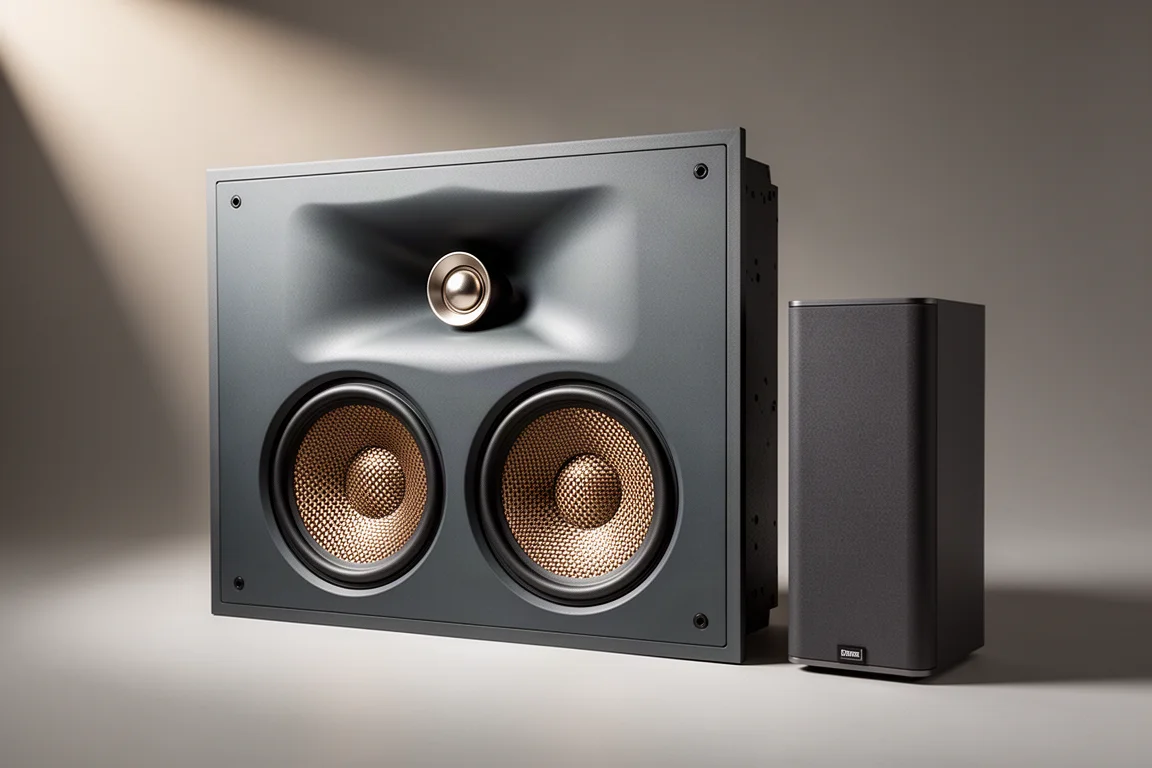
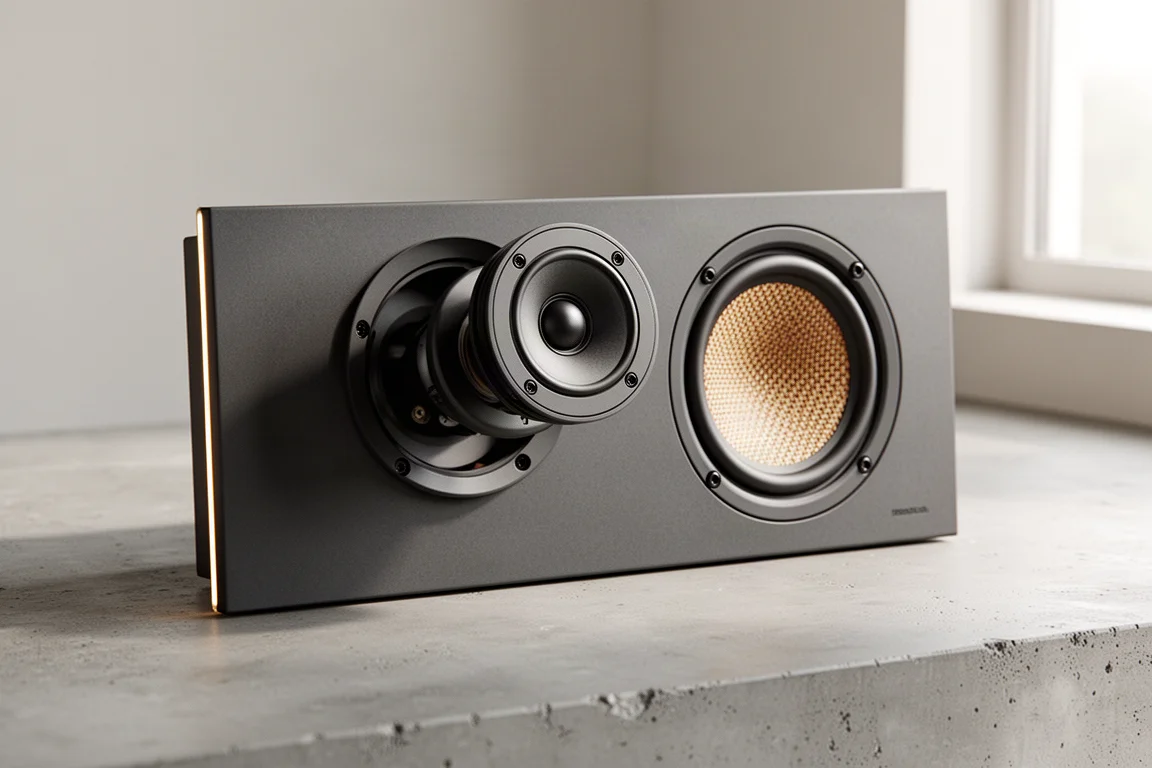
Below the flagship, the 1000 Series handles surrounds, rears, and heights in this build. These speakers use a beryllium tweeter and the company’s W cone driver material, and the midrange assembly is unusually flexible: it pivots toward the listening position and also rotates. That means a single speaker can be mounted horizontally and rotated so the drivers form a proper midrange-tweeter-midrange layout for a centre channel, or kept vertical for surround duty.
For a room like this one, that flexibility is what makes the range practical. The same speaker type covers the side surrounds, the rear channels, and the overhead positions without compromise, and the horizontal mounting option removes the usual awkwardness of fitting a centre channel into an architectural system.
RBH Unrivaled 21 Infrasonic Subwoofer
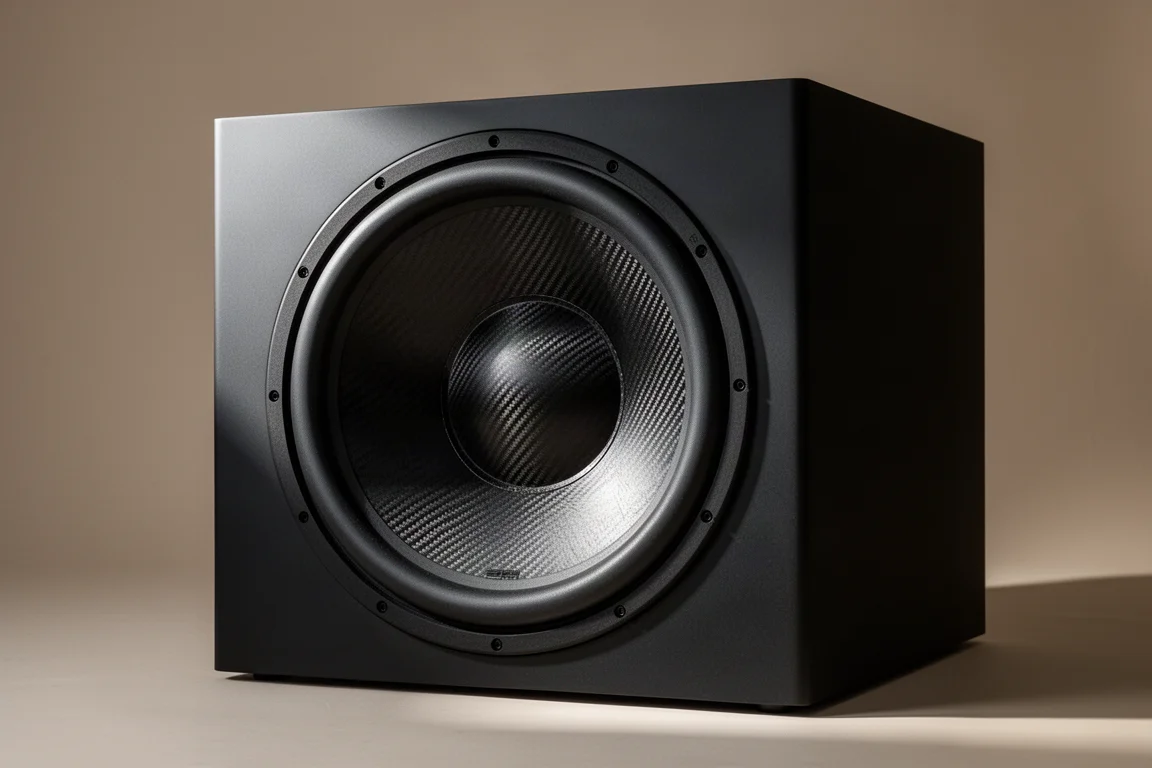
The Unrivaled 21 is the flagship of the low-frequency system: a passive subwoofer built around a 21-inch carbon fibre driver and designed for infrasonic output. Measured in this room, the system holds within plus or minus 3 dB from 8 Hz to roughly 40 Hz and stays within 5 dB up to about 80 Hz, all before any equalisation is applied. In-room output extends below 8 Hz.
Because it is passive, it is wired with 12-gauge speaker cable to an external amplifier rather than plugged into a wall socket. That is a deliberate approach for a reference system: the amplifier and the processor stay in control of how the low end is shaped and distributed across the room.
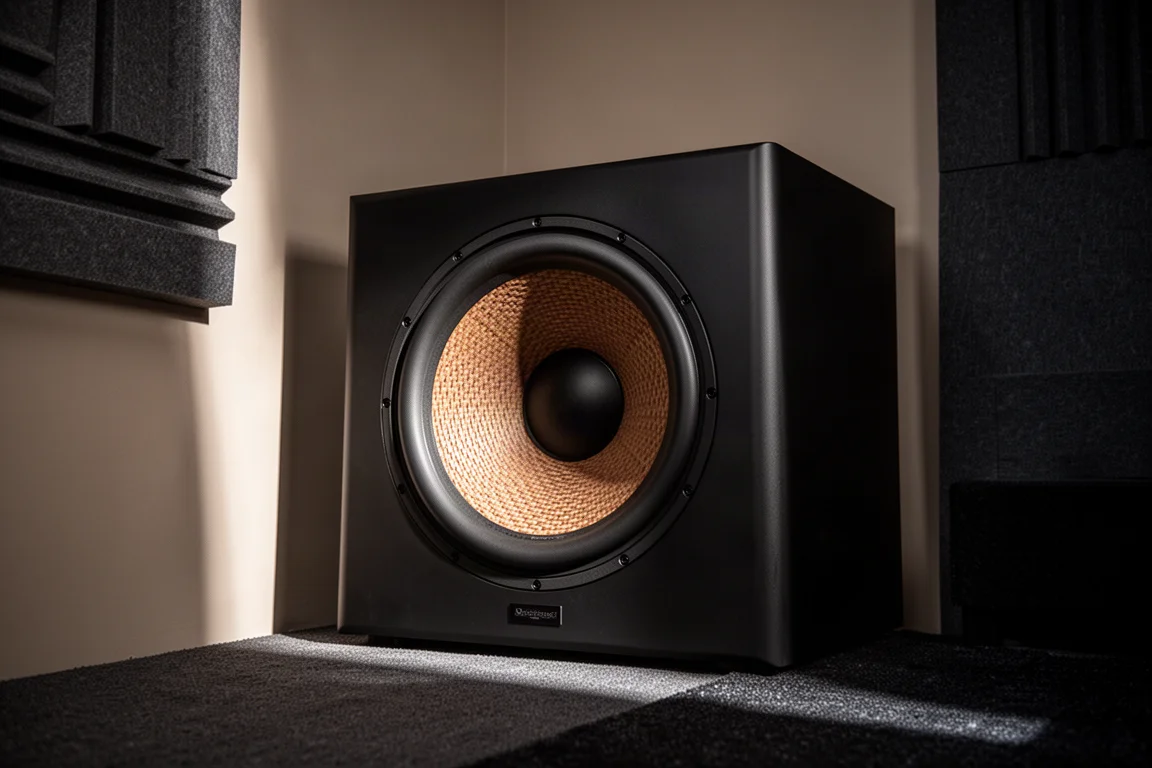
The scale of the driver is what sets this apart from conventional subwoofers. It is not a component chosen for subtlety, but for the last octave that most systems simply do not reproduce at all.
RBH 1212 SWS On-Wall Subwoofer
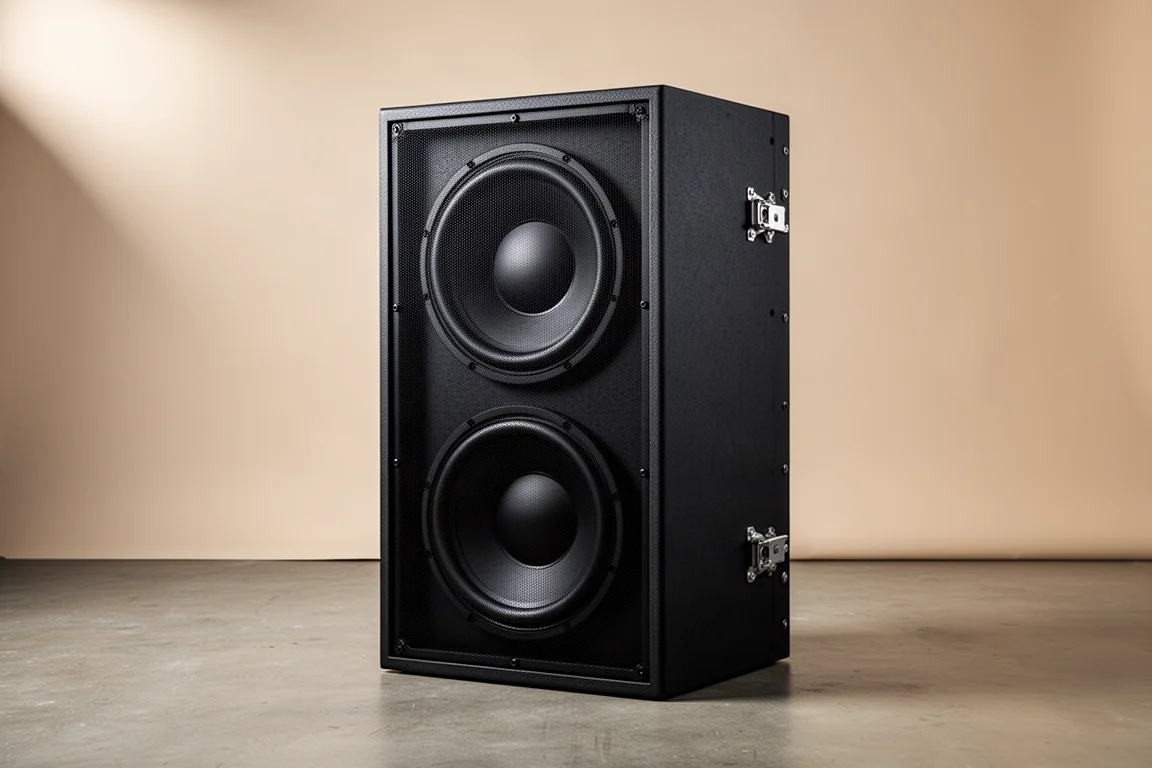
The 1212 SWS is a passive on-wall subwoofer with a 5-inch depth profile, and it belongs to the Signature Series, which uses polycarbonate drivers rather than the aluminium drivers of the Reference Series. Each cabinet carries two 12-inch drivers and plays down to about 20 Hz on its own.
Getting that performance out of a shallow cabinet comes down to the drivers and the box. The drivers use a long voice coil for long excursion, and the enclosure is built from heavily braced HDF with acoustic wool damping inside, tuned for an ideal system Q so transient response stays tight rather than bloated or loose.
Aesthetics are part of the brief. The subwoofers ship in black or white, and custom colour matching is available for a fee if a room calls for something specific. Because the profile is so shallow, they can go in places that would never accept a conventional box, including under a sofa, without giving up low-frequency output.
Stewart Filmscreen 130 G4
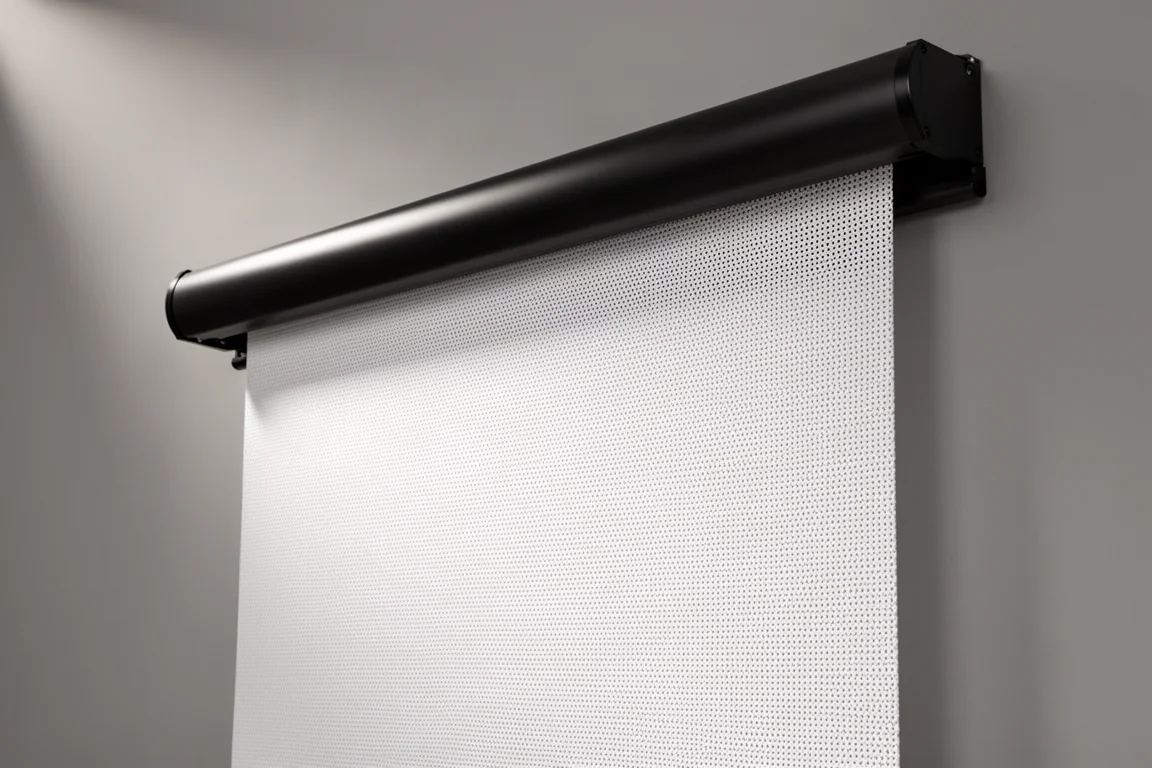
When speakers sit behind the screen, the screen becomes an audio component. The 130 G4 is a retractable acoustically transparent screen rated at 1.3 gain, using an Ultra Perf perforation pattern; with the perforation in place, measured gain is about 1.1. Top-end loss is limited to a few dB, and the perforations are not visible from a normal viewing distance, even with 8K upscaled detail on screen. Colour fidelity and uniformity hold up across the surface.
Retractability was a requirement here, both to free the wall and to make it easy to move equipment in and out. The screen runs on a motorised system, and the matte black casing was supplemented with velvet along the top edge to control reflections. Masking is adjustable by about 3 inches in either direction, and buyers who install the screen in the ceiling can specify a custom masking system that automatically matches the aspect ratio of the material being watched.
Focal Astral 16 AV Processor
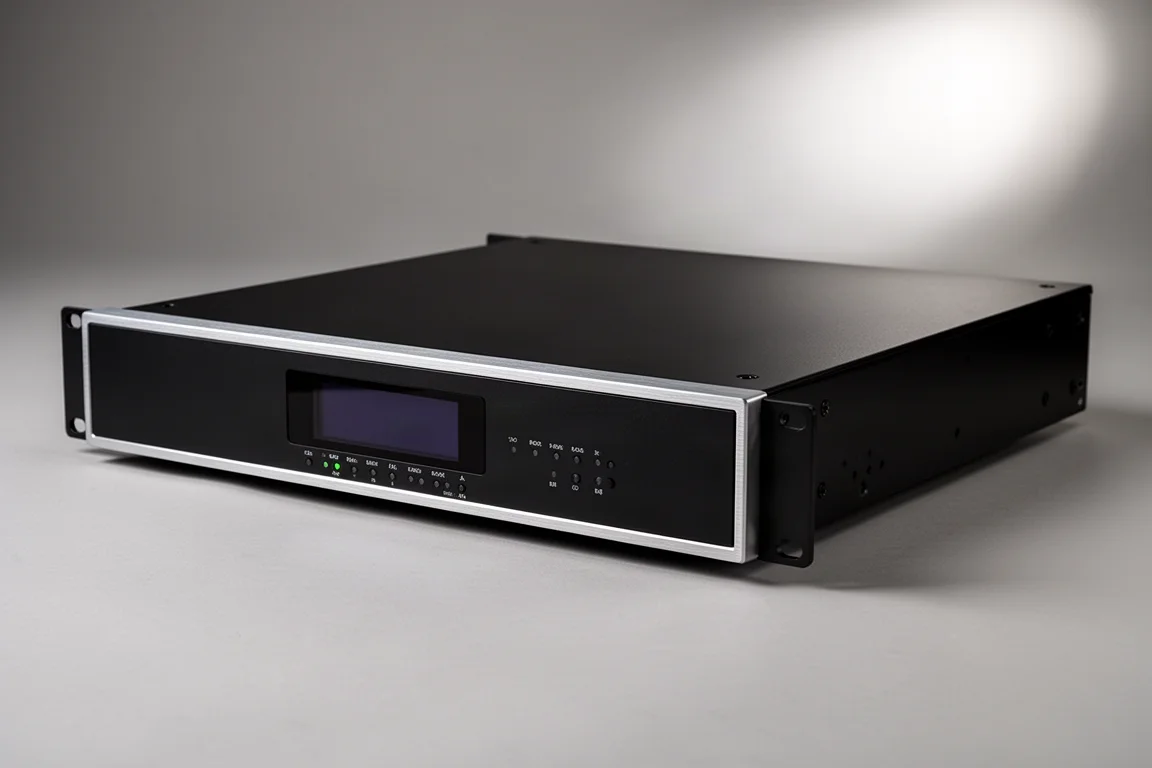
The Astral 16 is the control centre of the system. It provides 12 onboard channels of amplification at 250 watts per channel with all channels driven, drawing on three separate power supplies. Because there are three supplies, channels can be staggered across them; in this build the left, centre, and right speakers each sit on a different supply, and the remaining channels are distributed the same way.
Four assignable XLR outputs handle the subwoofers, with three in use for the low-frequency channels and the fourth assigned to a height channel. The platform is built on the Storm Audio architecture, and it handles channel-specific bass steering, which allows low-frequency information to be sent to the mains and directed per channel without an additional software licence.
RBH DA-26 Amplifier
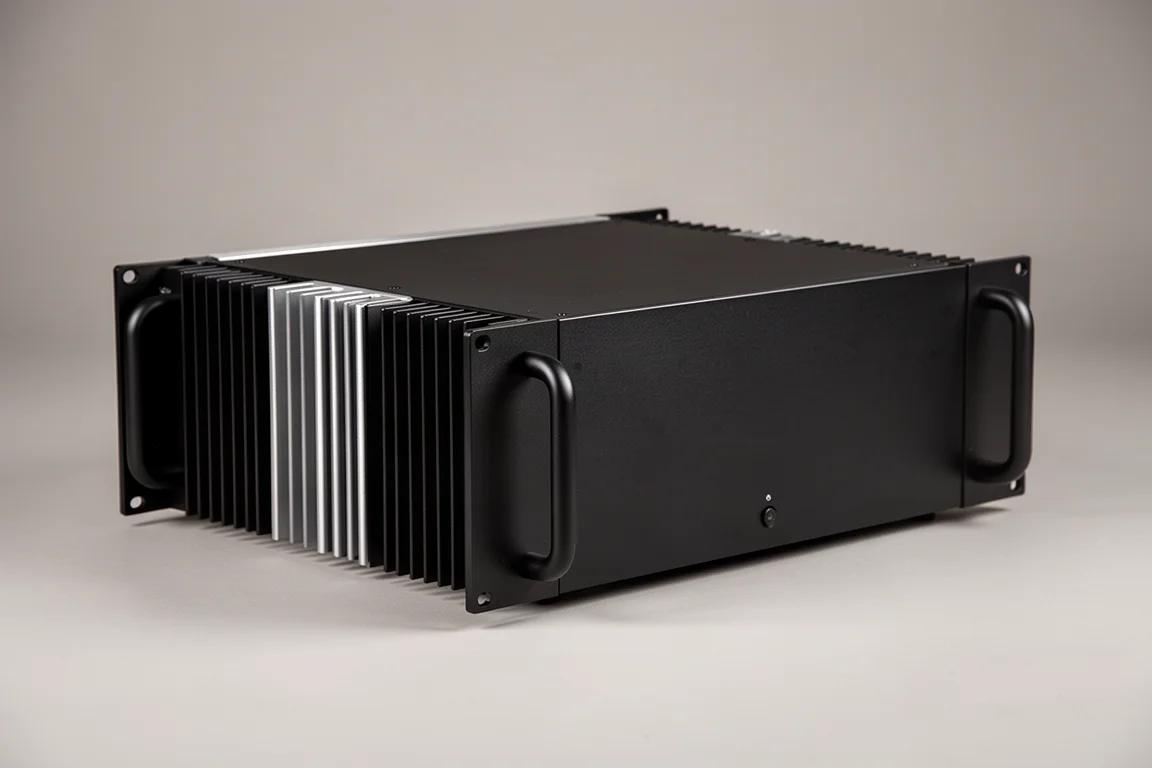
The DA-26 is a DSP-based amplifier that drives the passive subwoofers. Running bridged, it delivers 4,000 watts into the Unrivaled 21. Running in stereo, it delivers 2,000 watts per channel to each of the 1212 SWS subwoofers. The subwoofers use standard binding posts, so the connection is a straightforward run of 12-gauge speaker cable.
The amplifier carries its own DSP feature set, though in this system the bass management is handled by the processor instead. That is worth knowing when planning a similar build: the amplifier supplies the power, and the processing platform supplies the shaping.
Monoprice Monolith Amplifier
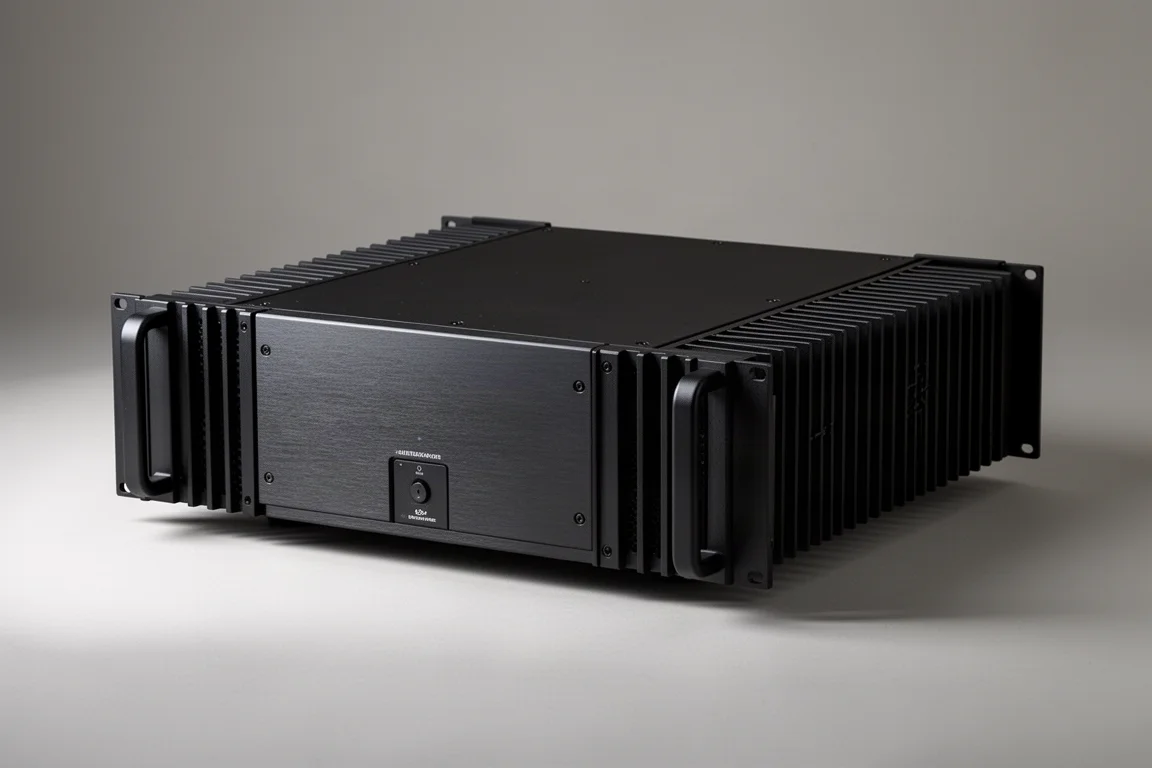
One channel of the system is powered by a Monoprice Monolith amplifier rated at 200 watts per channel. It is a straightforward way to cover an extra channel once the processor’s onboard amplification has already been allocated to the main speakers and the subwoofers.
System Integration and Buying Advice
The most useful lesson from this build is that the low-frequency system does not have to match the speakers. The mains and surrounds here come from one manufacturer and the subwoofers from another, and the two work together because the processor can steer and distribute bass on a per-channel basis. If you are planning a reference system, that flexibility is worth more than brand consistency.
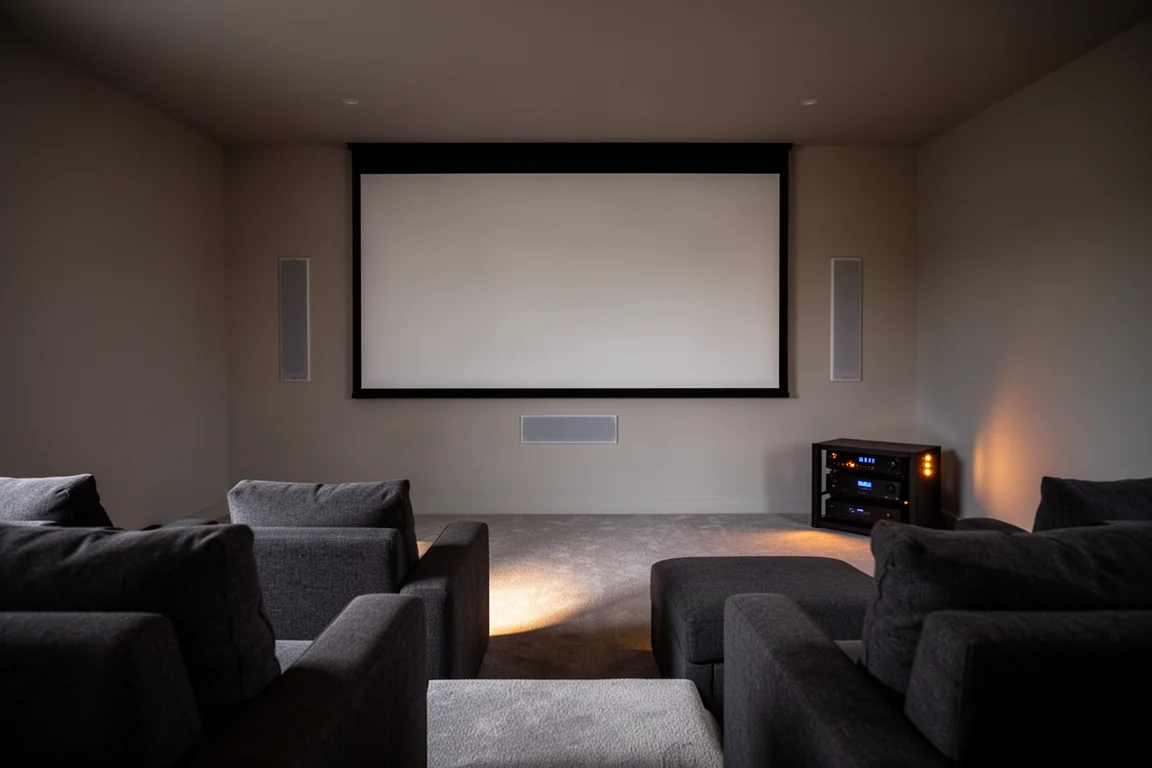
Placement and measurement matter as much as hardware. The 21-inch subwoofer ended up in the position that measured best in the room, the on-wall subwoofers performed well in the corners, and the final response curve was achieved before any equalisation was applied. Buyers should budget time for that work, or budget for someone to do it properly.
On the screen side, the decision comes down to whether speakers will sit behind the screen. If they will, an acoustically transparent surface with low signal loss is not optional, and a retractable design adds flexibility for equipment changes. If they will not, the money is better spent elsewhere in the chain.
Where should the budget go first? Subwoofers and room treatment tend to deliver the largest audible change per dollar in a room like this, followed by the processor that ties the low end together. The flagship in-wall speakers are the most specialised purchase here, and they make the most sense when the room, the screen, and the calibration are already in place.
Conclusion
This build works because each piece has a defined job. The Focal architectural speakers cover the bed and height channels with a modular front stage, the RBH subwoofers handle everything from infrasonic output to quiet corner placement, the Stewart screen keeps the front wall acoustically transparent, and the processor and amplifier keep the low end steerable and under control. For buyers, the takeaway is not that a reference system requires one brand, but that it requires components chosen to work together in a room that has been measured.
Further reading
Related Reviews
Home Theater
Anthem AVM 90 Review: A 15.4-Channel Flagship Preamp Processor
A close look at Anthem's flagship preamp processor, covering its dual ESS DAC architecture, 15.4-channel layout, ARC Genesis calibration and four independent subwoofer outputs.
Home Theater
Apple TV 4K With AirPods: A Best-Value Home Theater Setup
An Apple TV 4K paired with AirPods over Bluetooth makes a compact home theater setup for movies, spatial music and late-night viewing, and it can be assembled for as little as $300.
Home Theater
Arcam AVR15, AVR25, AVR35, and AVP45 Compared: Which AV Amplifier Fits Your System?
Four new Arcam home theater components share nine-channel amplification and Dirac Live, but differ in power, processing ceiling, and channel flexibility.