Aquarium Rock
Reef Tank Rock Buyer's Guide: Choosing the Right Rock for Your Aquarium
A practical guide to the most popular reef tank rocks, from budget dry rock to pre-made arches and shelf pieces, plus guidance on how much rock to buy.
Introduction
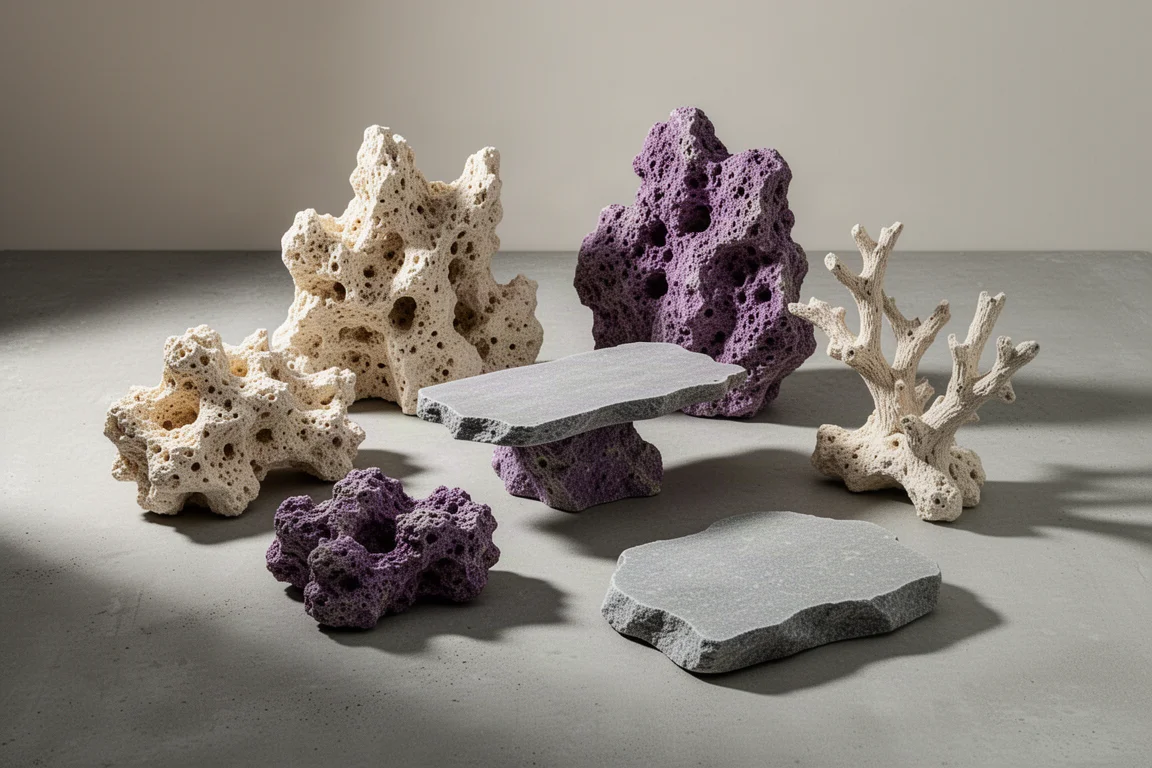
Choosing rock is one of the first real decisions in a reef tank build, and it shapes almost everything that follows: how the tank cycles, how the aquascape looks, and how much work the first year takes. The options available today span a wide range, from mined dry rock sold by the pound to pre-formed arches and shelf plates that arrive purple and ready to place.
There is no single best rock. What matters is matching the rock to your priorities, whether that is keeping costs down, getting the smoothest possible start to a new tank, or building something that reads as a piece of sculpture in the room.
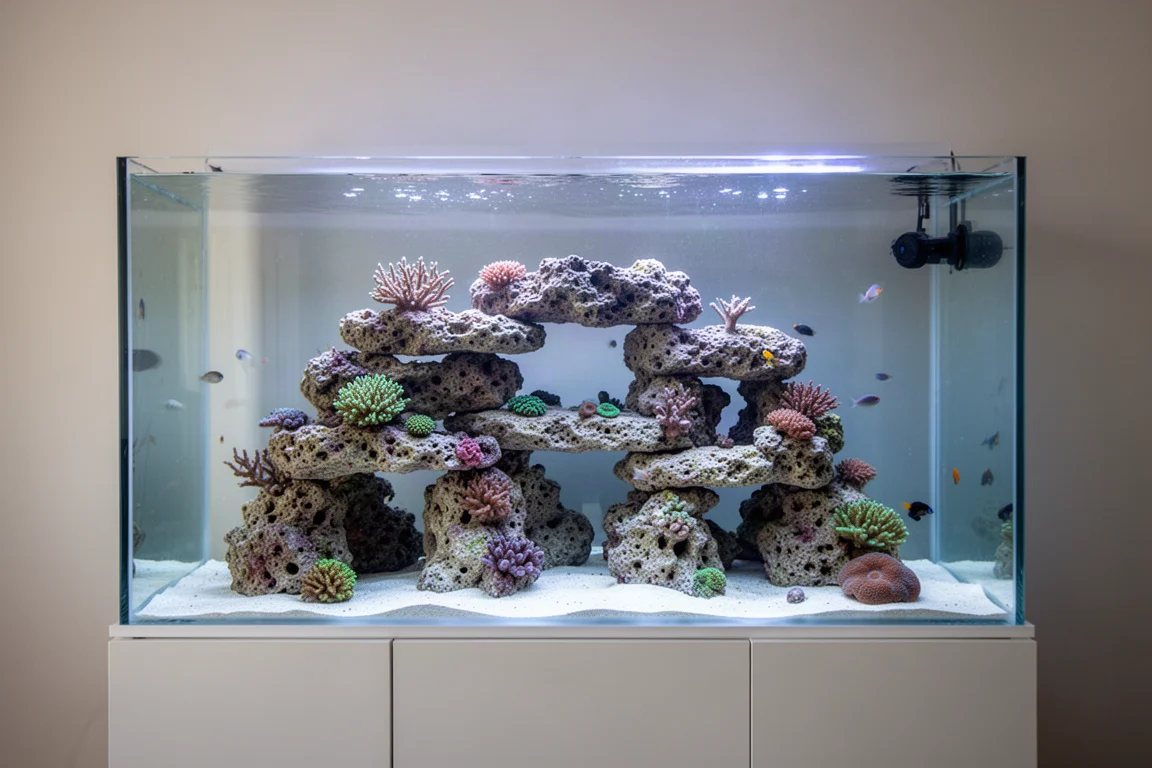
The rocks below cover the most popular choices: the best-selling value option, the easiest route to a fast cycle, the pre-made shapes that suit first-time aquascapers, and two specialist pieces that solve specific problems.
What to Consider Before You Buy
Three things tend to decide the answer: budget, how easy you want the first year to be, and how much the aquascape itself matters to you.
It also helps to know that true ocean live rock, the kind kept submerged in bins at a fish store and covered in coralline and bacteria, is now rare. Where it is available it is typically priced from about $13 per pound and can run to $30 or more per pound, and it often brings pests such as Aiptasia and bubble algae along with it. Most rock sold today is either mined or artificial, cured in different ways to give it a cleaner start.
Quantity is the other thing worth planning before you order. As a rule of thumb, roughly one pound of rock per gallon of water is a reasonable baseline, while one and a half pounds per gallon gives you far more options when you are trying to build something that actually looks good.
Marco Rock: The Best Value All-Rounder
Marco Rock is the best-selling reef rock by pounds and dollars, and the reason is straightforward: at roughly $3 per pound it is the least expensive option that still works well. It is mined rock with no organics on it, so you start clean, and its jagged edges, holes and small crevices interlock when stacked. That makes it unusually easy to aquascape with, whether you are building caves, shaping negative space or simply stacking pieces into a stable structure.
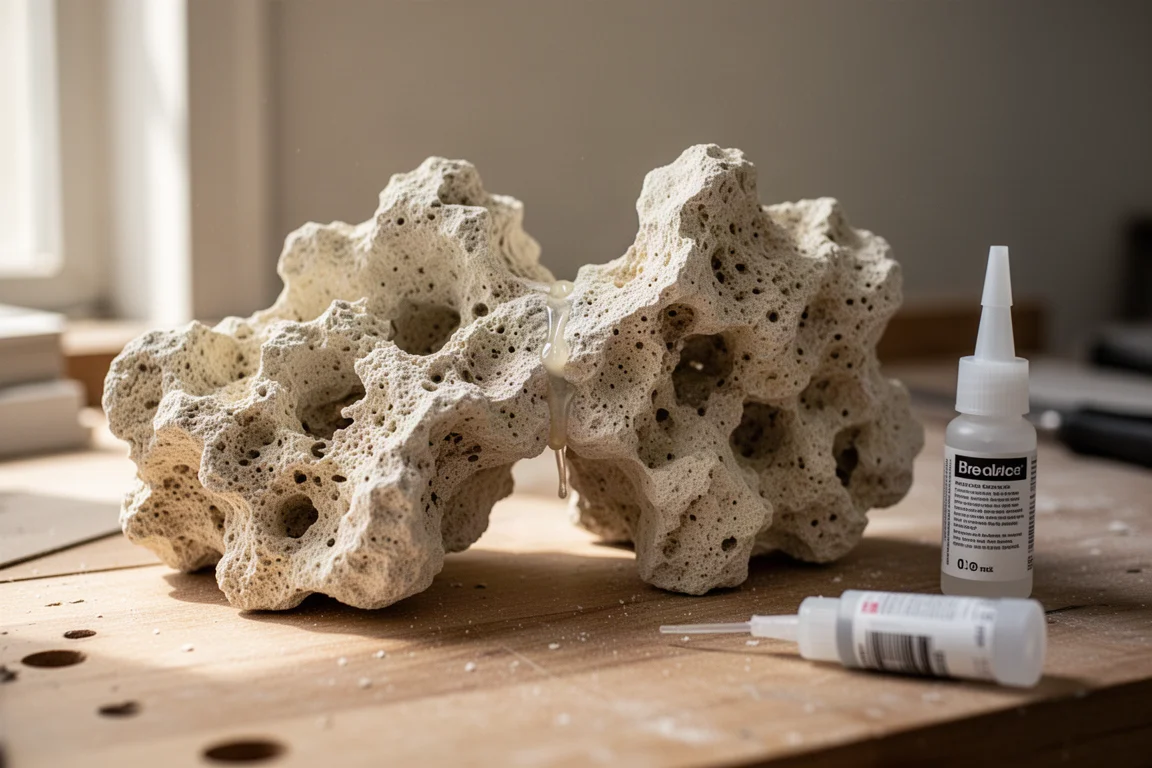
Bonding pieces is simple. A little superglue and an accelerator will hold two pieces together in about a second, which keeps a build moving instead of stalling.
For anyone planning a negative space aquascape, Marco Rock is also the natural starting material, since that whole approach involves breaking pieces down and reassembling them into something more sculptural.
Real Reef Rock: The Easiest Start to a New Tank
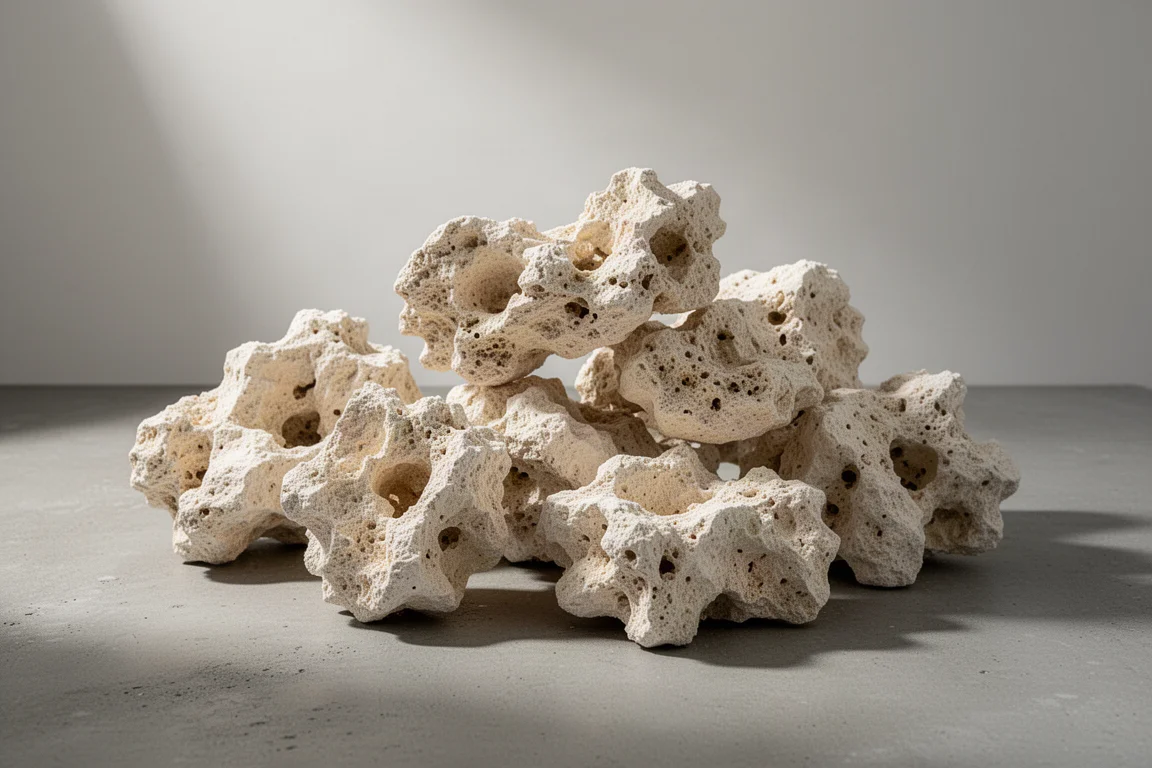
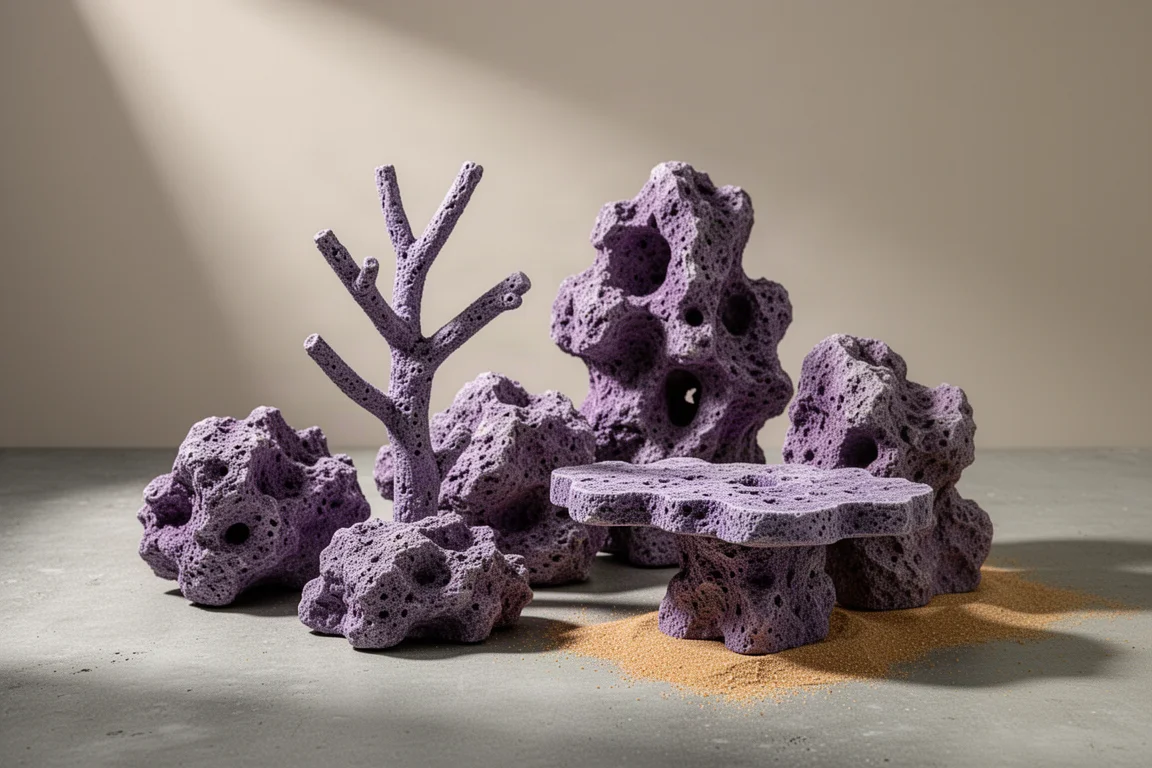
Real Reef Rock is artificial rock that has been soaked in salt water for months before it ships. It arrives damp, wrapped in wet paper, carrying beneficial bacteria and a purple colour that dry rock simply cannot match on day one. The result is a smoother first year: the tank cycles more easily and the rock looks presentable while you wait for corals to fill in.
Just as importantly, it is pest-free. Unlike ocean live rock, it does not introduce Aiptasia, bubble algae and similar organisms into the tank. The trade-off is cost, at roughly double the price of dry rock, around $6 per pound.
One practical note: the standard pieces ship moist, but not every item in the range does. Because the rock dries out fairly quickly once the paper comes off, it is worth getting it into water soon after it arrives so you keep the benefits you paid for.
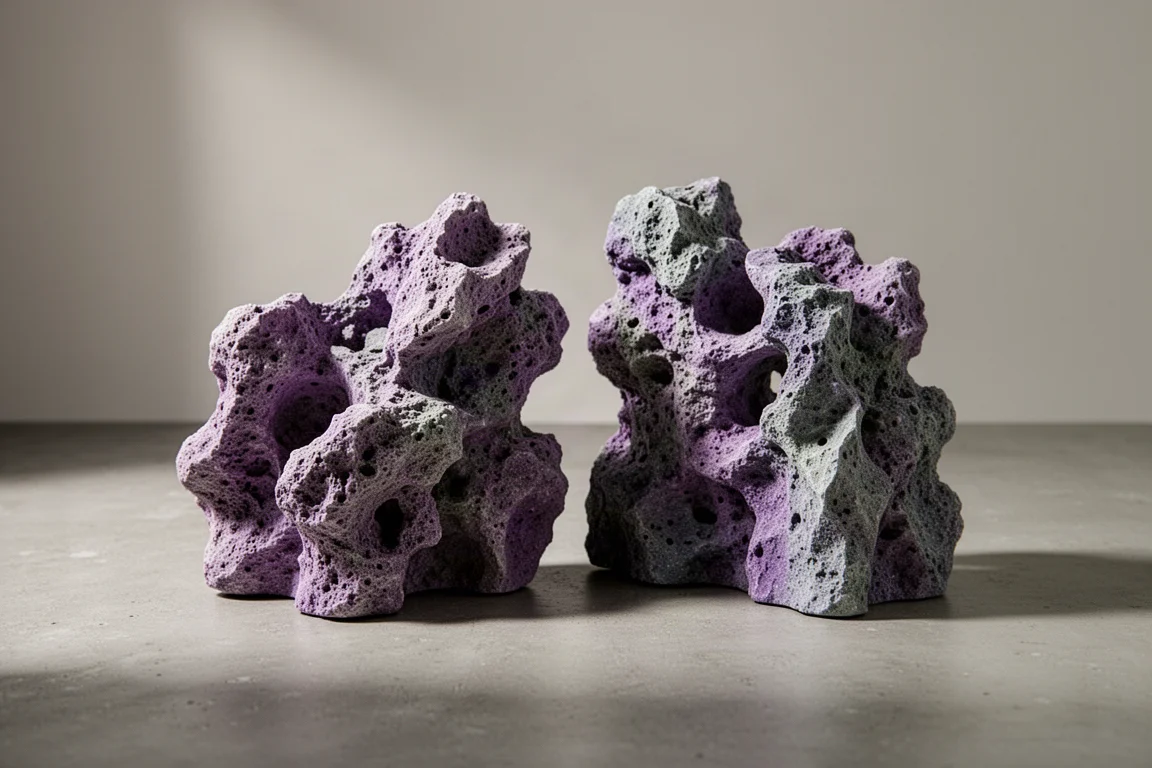
CaribSea LifeRock: Pre-Made Shapes for First-Time Aquascapers
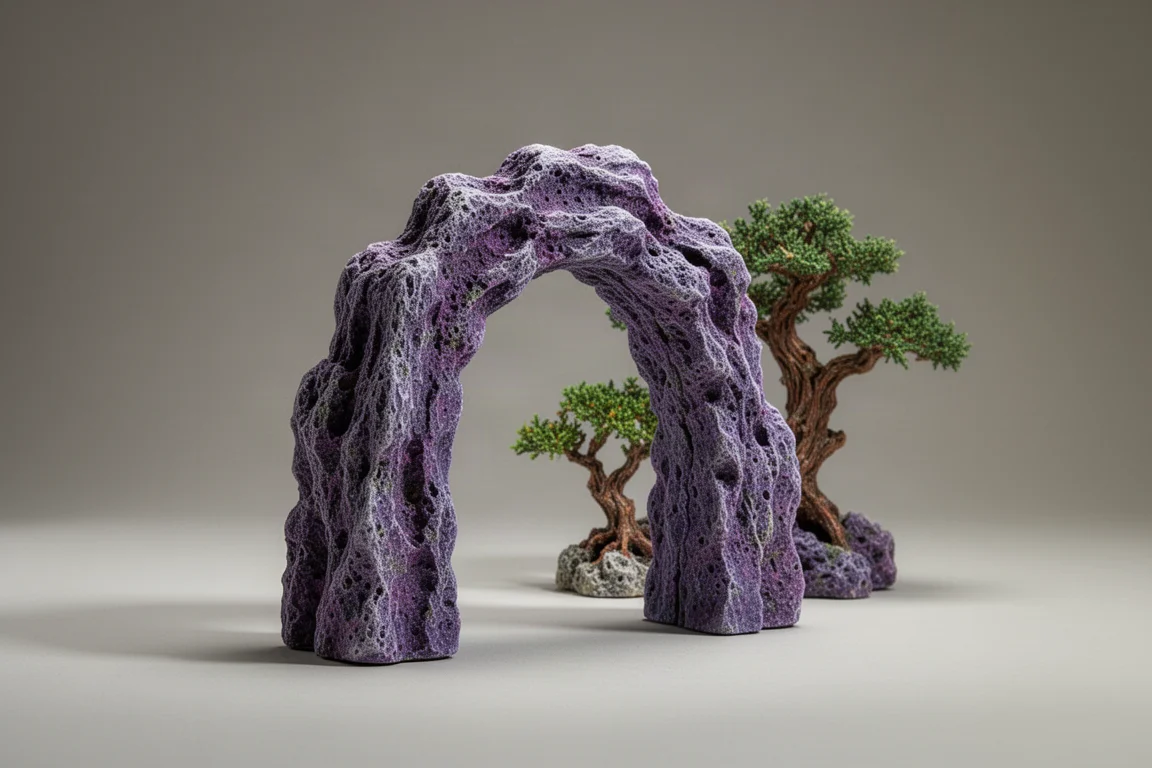
Some of the most striking aquascapes rely on shapes that do not exist in nature as collectible pieces. Arches, trees and similar structures have to be built, either by you or by someone who has already done the work. CaribSea LifeRock takes the second route and supplies those shapes ready-made.
That matters most if you are drawn to caves and arches but cannot quite picture how to build them yourself, or if you would rather not spend weekends cutting and mortaring rock into place. The pieces arrive with a purple finish that helps the tank look established immediately and, as a bonus, hides algae far better than bare white rock.
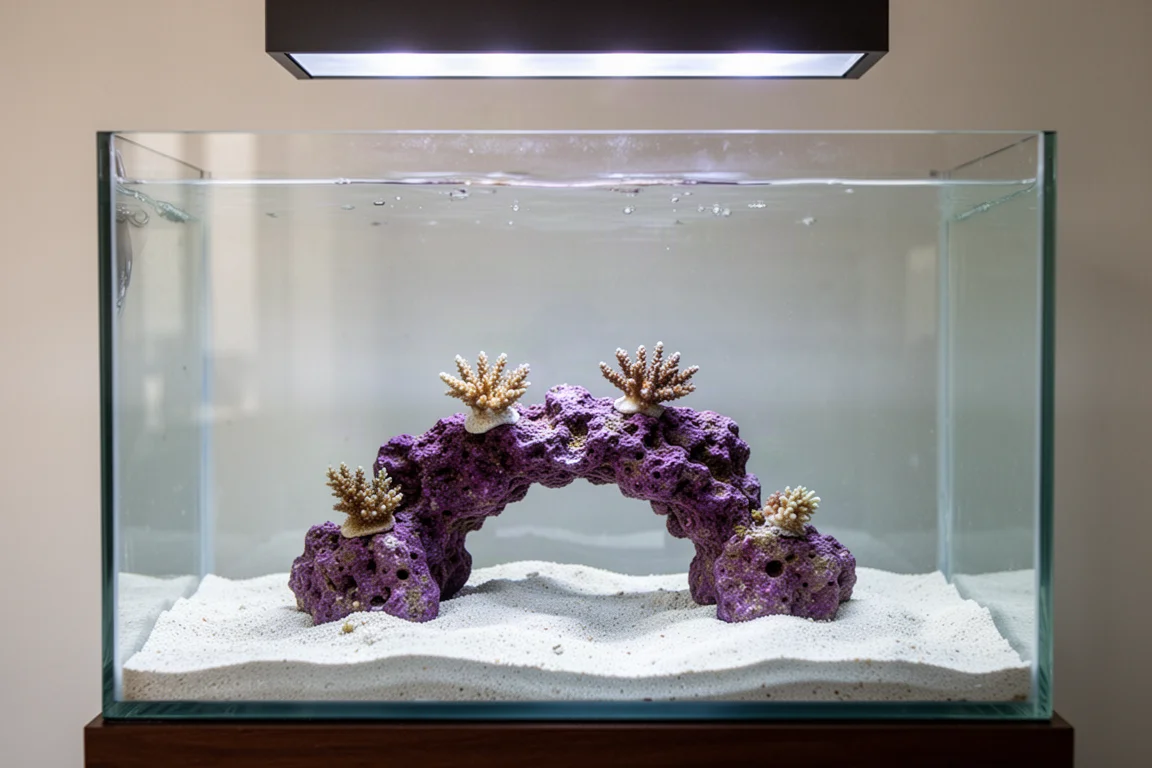
If you want a distinctive aquascape on your first attempt, this is the most forgiving way to get there. What you give up is some freedom, since you are working with shapes that already exist rather than designing a structure from scratch.
Marco Shelf: A Distinctive Look With Extra Surface Area
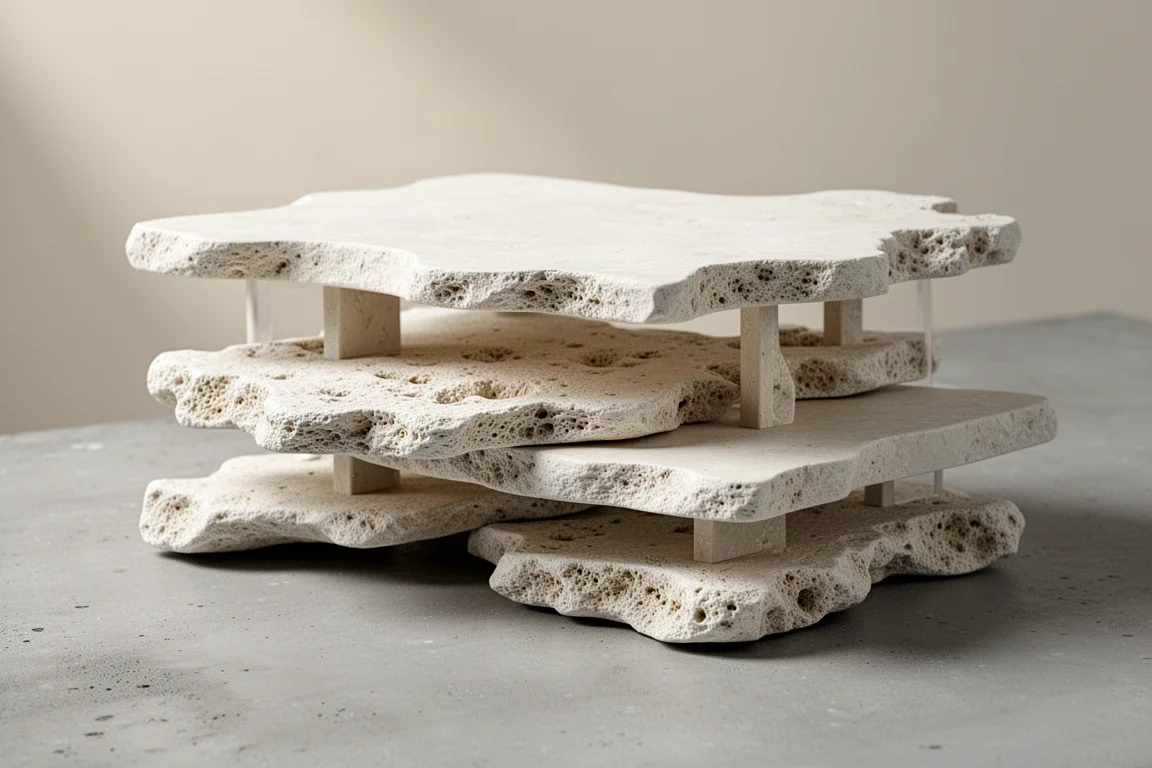
Shelf rock is a specialist choice, and it is one of the few that looks natural when stacked almost entirely on itself. Layered plates create cave effects and a lot of open air in the tank, which makes shelf-heavy builds a natural fit for SPS corals that want room to grow out and branch.
Marco Shelf stands out because the plates lock together easily, so the structure stays stable without a great deal of fuss. It is also machined from larger blocks rather than collected, which is why it costs more than standard Marco rock. Other shelf material is often plating coral skeleton or artificial, and tends to be much harder to incorporate convincingly.
Mixing rock types is worth approaching carefully. Combining shelf or branch pieces with boulder rock can look mismatched unless it is done well. A branch-only tank, for example, can look excellent and adds useful surface area, but a single branch jutting out of rounded rock often looks out of place.
Marco Foundation Rock: The Base Layer Worth Adding
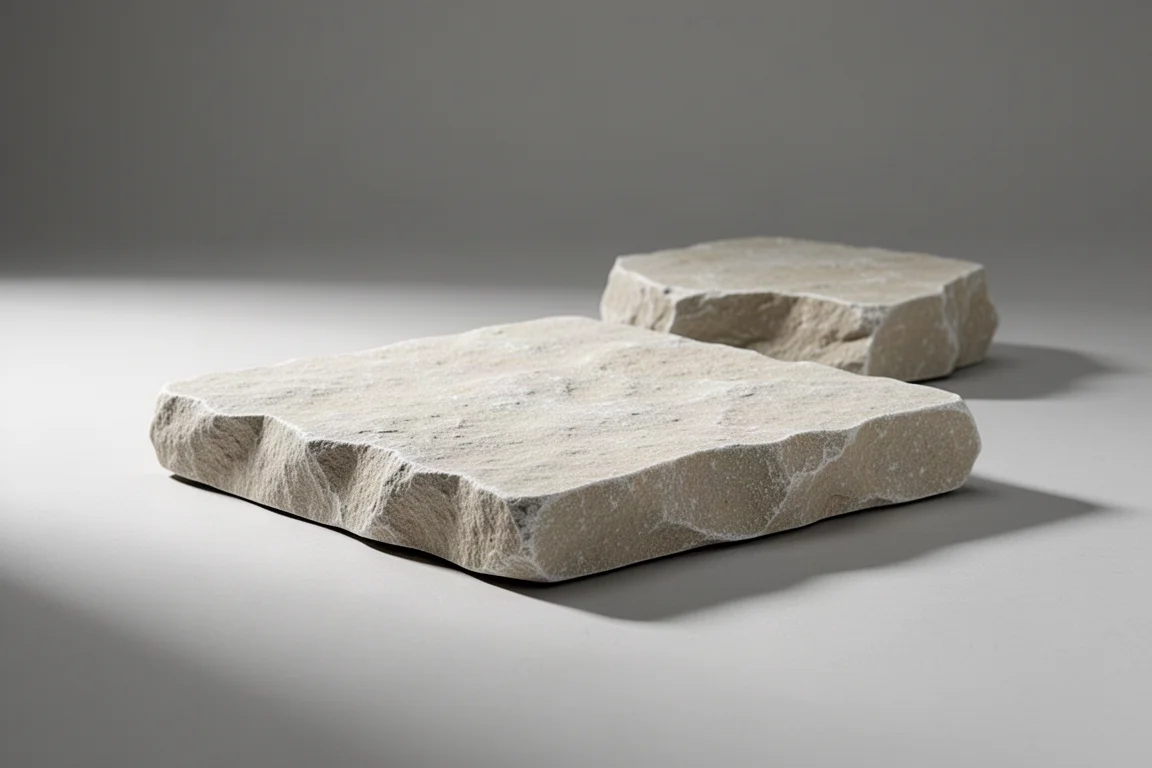
Foundation rock is the piece most builds overlook and most builds benefit from. It is smooth, flat and structurally sound, designed to sit on the bottom of the tank, where sand eventually covers it and the rock appears to rise naturally out of the substrate.
The practical benefit is stability. Boulders with awkward edges rarely sit well directly on glass or on the sand, and gluing to the tank floor is not an option. A flat base plate gives you more contact points to glue against and a secure footing for everything above it. Small foundation pieces are also useful in shallower areas, where sand would otherwise bury corals such as brain corals, keeping them visible as little islands.
Very few aquascapes would suffer from having a couple of foundation pieces in the mix, and most will be noticeably more secure because of them.
Buying Advice: How Much Rock Do You Need?
This is the question that comes up most often before an order, and the answer depends on what you are trying to achieve.
If the goal is simply to fill the tank as cheaply as possible, roughly one pound per gallon of water will do. If the goal is to make the aquascape look as good as it can, plan on closer to one and a half pounds per gallon. Working from a larger pile lets you pick the pieces that fit together properly rather than forcing the few you have into place.
Negative space aquascapes need a little more again, generally around one and a half to two pounds per gallon, because breaking rock apart produces some rubble and waste along the way. SPS tanks go in the opposite direction. Because corals grow upward and can reach the surface if the structure is too tall, an SPS aquascape is usually built only about halfway up the tank, which means around three quarters of a pound per gallon is enough. It will look sparse on day one, and that is expected.
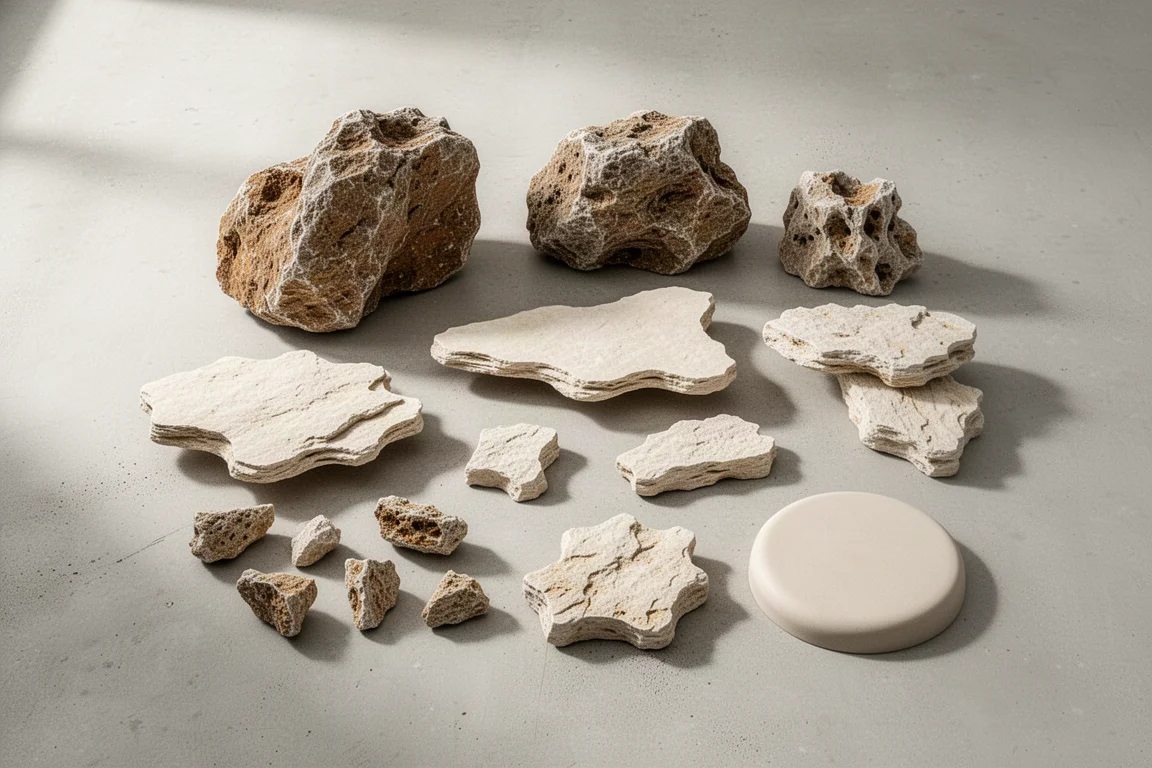
Leftover pieces are rarely wasted. Spare rock can be broken into frag mounts, placed in the sump, or kept for future filtration changes, so ordering slightly more than you think you need is usually the better decision.
Conclusion
The best-selling rock is not automatically the right rock. Marco Rock wins on price and on how easily the pieces interlock, which makes it the default choice for budget-minded builders. Real Reef Rock costs about twice as much but delivers a damp, bacteria-carrying, purple rock that makes the first year noticeably easier and keeps pests out. CaribSea LifeRock is the shortcut to arches and other shapes that are hard to build by hand.
For anyone chasing a specific look, Marco Shelf offers open, layered structures with plenty of room for SPS corals, and Marco Foundation Rock quietly improves the stability of almost any build. Decide which of those priorities sounds most like you, buy a little more rock than the minimum, and the aquascape will be easier to live with from the first week onward.
Further reading
Related Reviews
Aquarium Rock
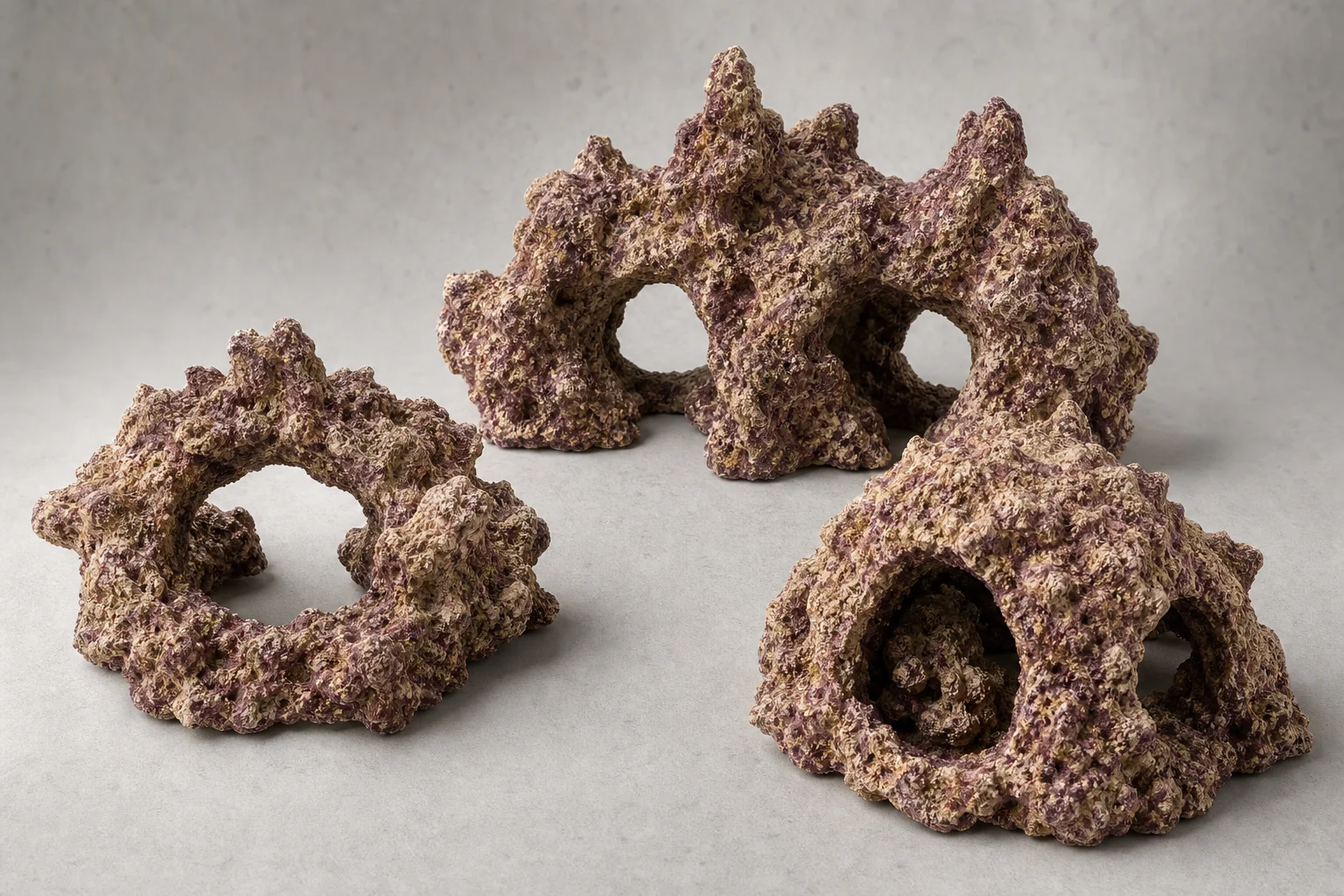
CaribSea LifeRock Shapes Review: Ready-Made Arches, Caves and Tunnels for Reef Aquascaping
A 20-pound box of hand-crafted aquarium rock that arrives as arches, tunnels and caves, so you can place the structures instead of building them.
Aquarium Rock
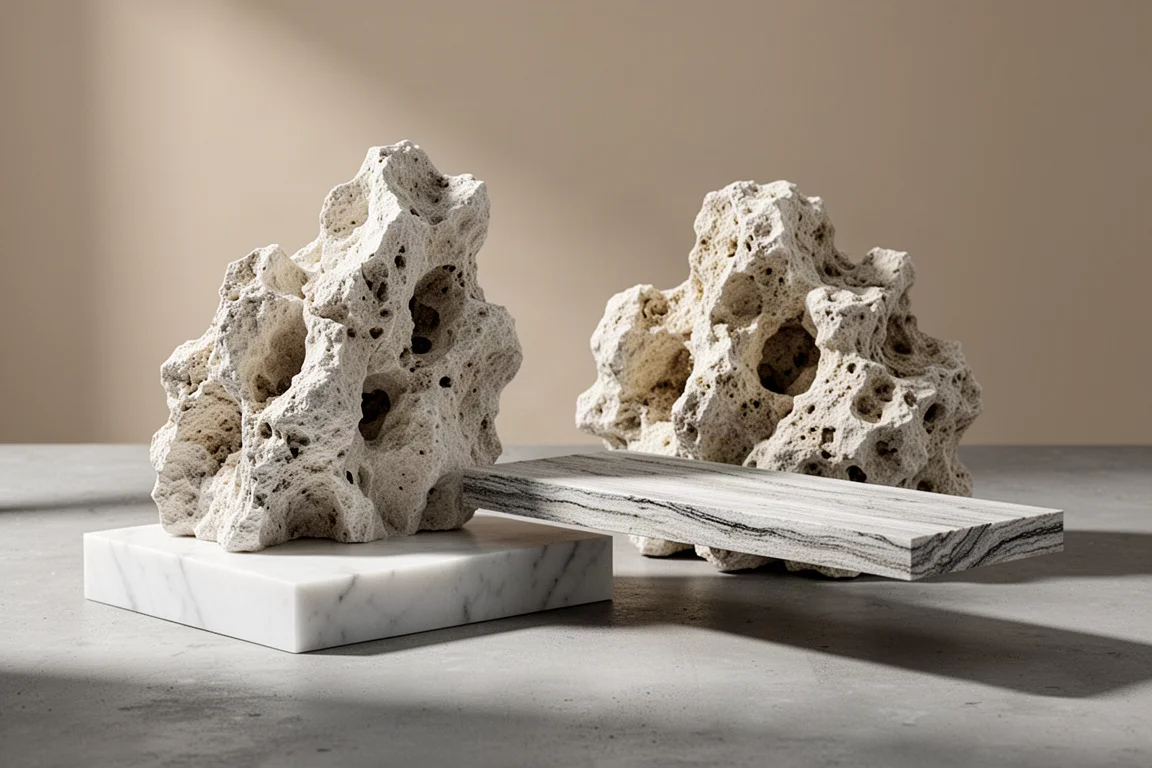
Marco Rock and Marco Shelf Rock: A Practical Aquascaping Guide for Reef Tanks
How to get more from Marco Rock and Marco Shelf Rock, from stability and layered structure to mortar, accelerated glue, and dry rock cycling timelines.
Aquarium Rock
Real Reef Rock Review: A Faster, Better-Looking Start for New Reef Tanks
Real Reef Rock arrives wet with bacteria already on it, cycles faster than dry rock, and gives a new tank a natural look from day one. Here is what it does well and what to plan for.