Aquarium Rock
Marco Rock and Marco Shelf Rock: A Practical Aquascaping Guide for Reef Tanks
How to get more from Marco Rock and Marco Shelf Rock, from stability and layered structure to mortar, accelerated glue, and dry rock cycling timelines.
Introduction
Marco Rock is mined dry rock rather than live rock collected from the ocean, and that single fact shapes almost everything about how it behaves in a new build. It arrives clean, it can sit in storage for months, and it gives you time to plan a structure instead of rushing one.
The trade-off is that dry rock cycles more slowly, and the way you assemble it decides how stable and how natural the finished aquascape looks. This guide covers the mistakes that cost the most time and money, and where Marco Shelf Rock earns its place in a tank.
What Makes Marco Rock Different
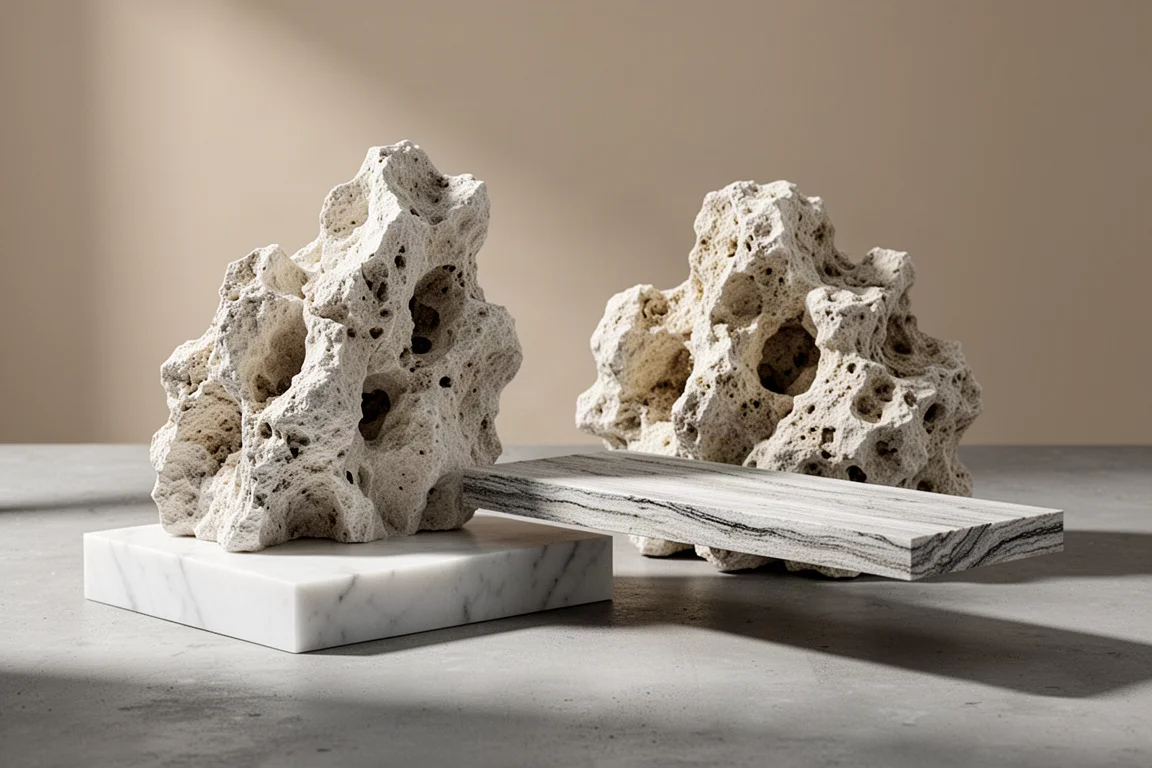
The defining feature of Marco Rock is its machined flat surfaces. Those flat faces are not cosmetic. They let a piece sit flush on the bottom of the tank, which means the structure rests on the glass rather than balancing on a rounded edge.
That matters most in a bare bottom tank, where a flat base lets rock appear to rise out of the floor instead of looking like a boulder perched on top of it. Add a shallow sand bed and the same flat base reads as a small island breaking the surface of the sand.
A flat bottom stays useful even if the rest of the aquascape uses a different rock type. A stable foundation piece underneath live rock, or rock in another colour, gives the whole structure a solid footing and keeps the visual weight of the tank low where it belongs.
Because Marco Rock is dry and mined rather than harvested live, it carries a longer cycle than live rock. That is a scheduling issue rather than a flaw, and it is one you can plan around from the day you decide a tank is coming.
Marco Rock: Stability and a Solid Foundation
For a straightforward build, Marco Rock works as the base layer of the aquascape. Flat edges let you place pieces precisely, and the stability they provide means less time wedging rock into position and more time shaping the structure.
The mistake to avoid is treating the rock as a set of finished boulders. Large chunks stacked on one another produce a wall or a pile, which is workable for a first tank but rarely looks like a deliberate design. The rock becomes far more useful when you break it into smaller pieces and rebuild it into the shape you actually want.
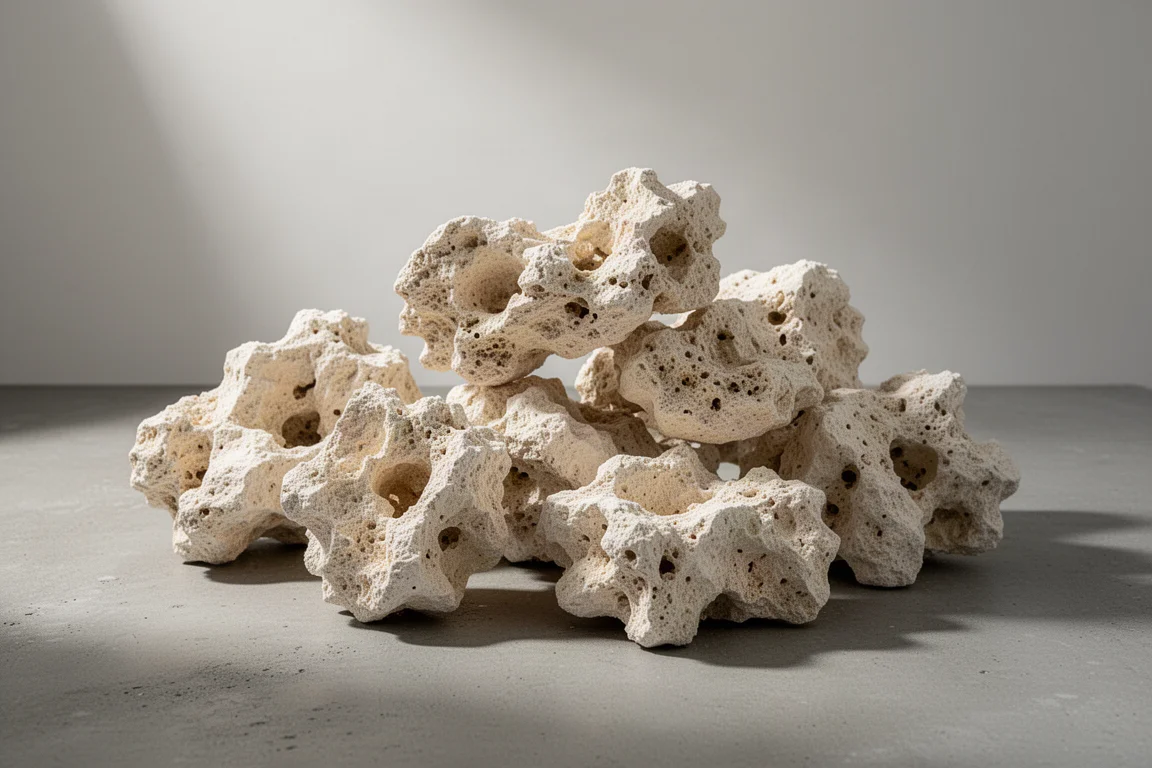
That approach, breaking rock down and reassembling it, is what opens up airy structures with genuine negative space. It takes longer, and the result is a rockwork layout that does not look like anyone else’s tank.
Marco Shelf Rock: Layered Structure for SPS-Dominated Tanks
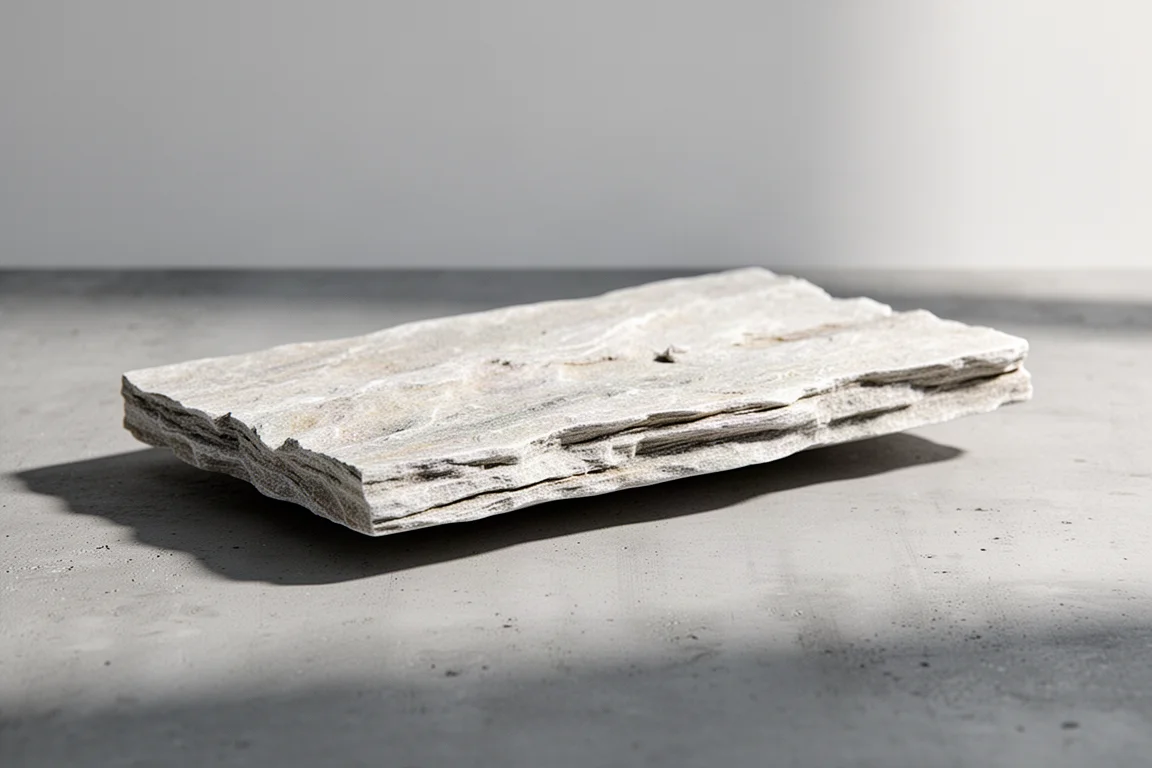
Marco Shelf Rock is the plate-shaped option, and it produces some of the most striking aquascapes in the hobby. The pieces have a lateral grain and stack into horizontal layers, which reads as natural terracing rather than a heap of stones.
The practical appeal is surface area. Flat plates create wide, well-lit shelves for branching stony corals, so a tank built around shelf rock can carry a large coral population without the rockwork feeling crowded.
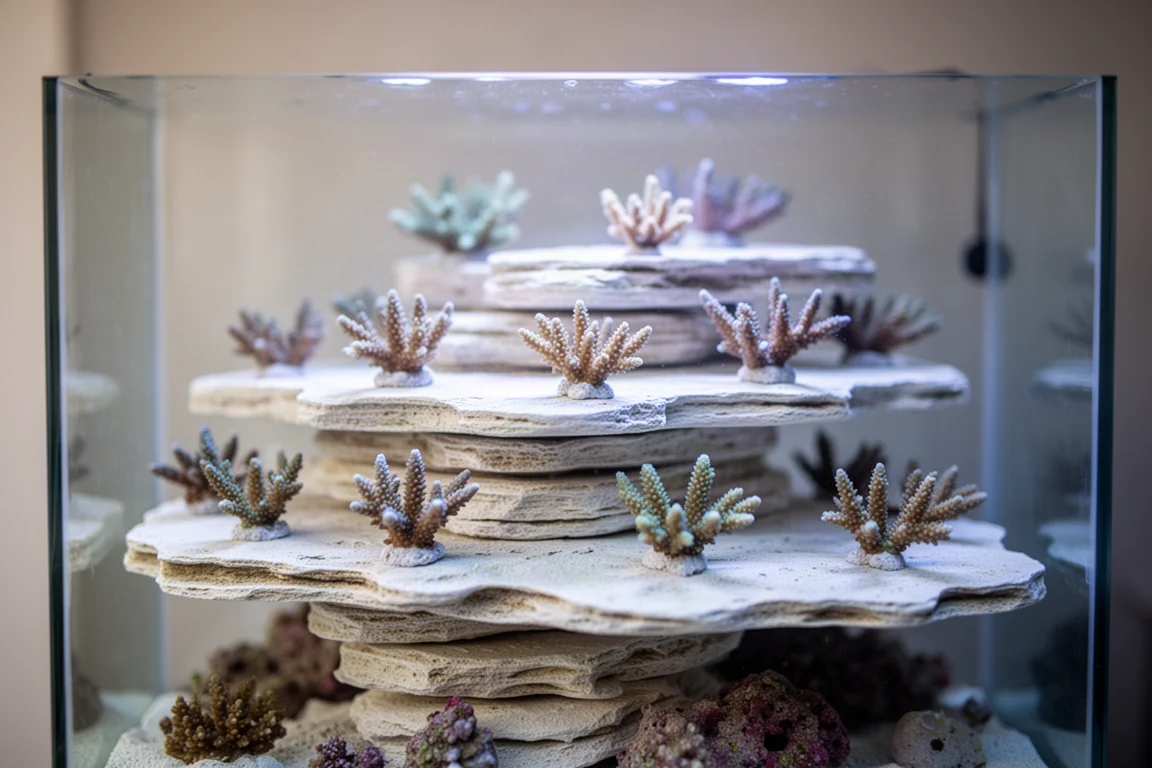
Shelf rock is machined flat like the rest of the range, and it costs a little more than standard rock because of that processing. For a tank where the rockwork is the centrepiece, the layered look and the planting area it provides are usually worth the premium.
Aquascaping Techniques That Hold a Structure Together
Two materials do most of the heavy lifting in a modern aquascape, and both are easy to underestimate.
Mortar is the first. Choose a mortar designed to cure underwater, ideally one with a polymer additive that gives the joint a little flex and makes it stronger. Mortar does more than hold pieces together. It blends separate rocks into a single continuous shape, which is what makes a built structure look seamless instead of assembled.
Super glue and accelerator are the second. A thick super glue will bond rock, and it builds a crust as it cures, but the accelerator is what makes the technique practical. A generous bead of glue plus accelerator can hold a joint in around 30 seconds, which is long enough to apply mortar over it and lock the shape in permanently.
One expectation worth setting: you will use far more accelerator than you expect. The technique is fast enough that it encourages experimentation, and because accelerated joints can be broken apart and rebuilt, you can keep refining a structure until the shape is right.
Planning Before You Place a Single Rock
Two inexpensive props prevent most aquascaping regrets, and neither takes more than an afternoon.
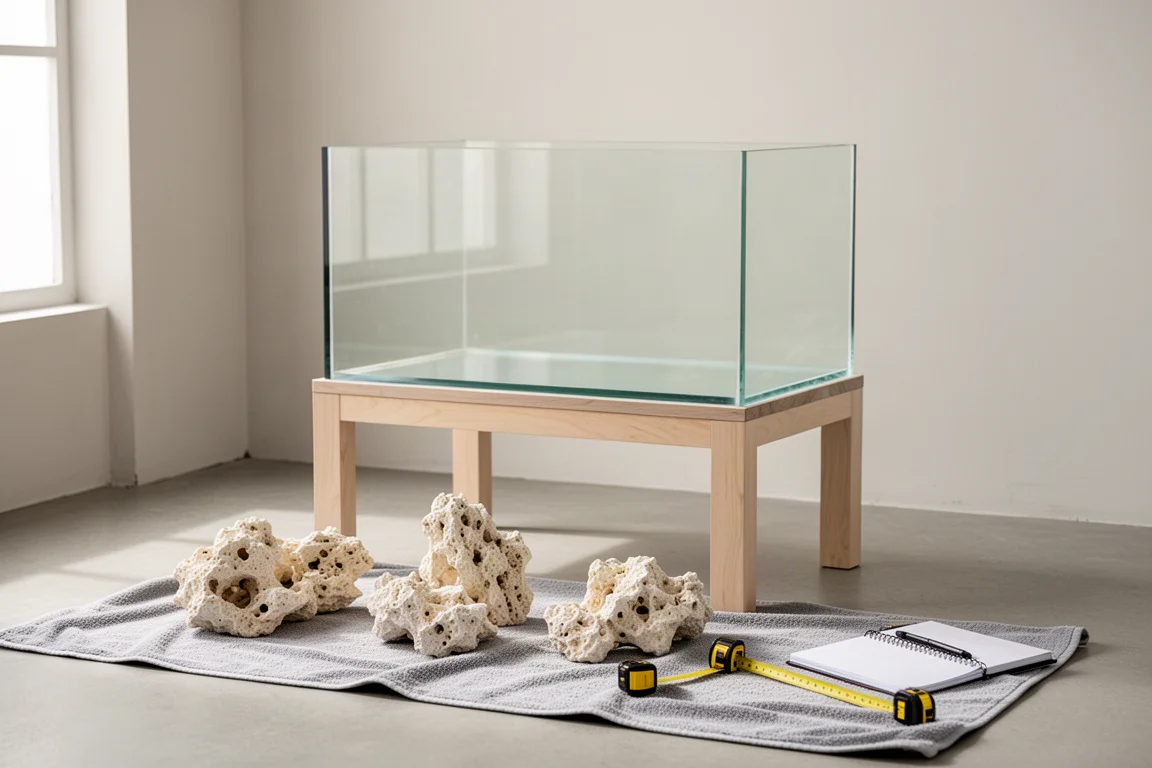
The first is cardboard. Build a frame or a box that matches the footprint and height of your tank, then lay your rock inside it. The outline keeps rock a couple of inches away from the glass, which preserves room for flow and for cleaning, and it gives you an honest sense of how tall the structure can be before it crowds the water line.
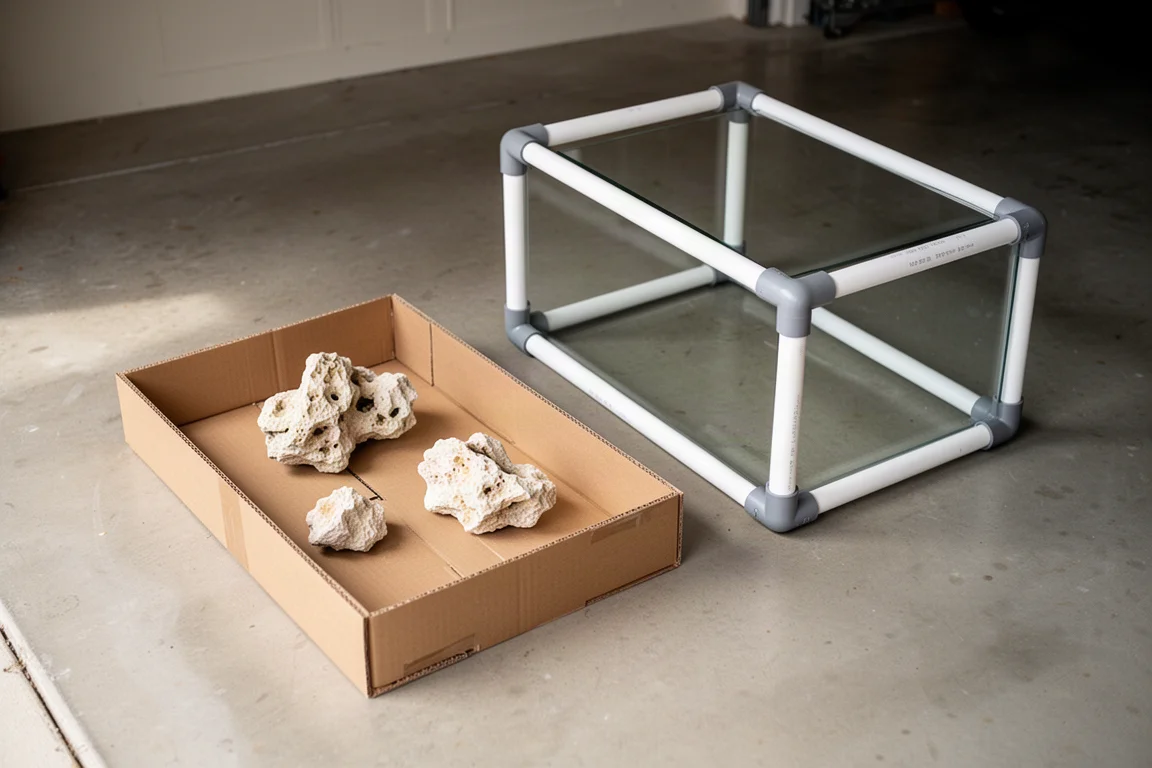
The second is a PVC frame. Standard PVC pipe plus three-way and four-way fittings let you build a three-dimensional mock-up of the tank, and you can aquascape inside it from every angle. Skip the expensive coloured pipe and use the plain stock, but the furniture-grade fittings are worth tracking down, since they are not the kind of part a general hardware store typically carries. The whole frame usually costs somewhere around fifteen to twenty dollars, which is modest for a tool you will use across a decade of builds.
Cycling and Timing Your Dry Rock
The longer cycle on dry, mined rock is the most common surprise for new reef keepers, and it is also the easiest problem to remove from your schedule.
Start soaking the rock as soon as you know a tank is coming. While you plan the equipment, the lighting, and the stocking list, the rock can be cycling in a bin in the garage. Adding a little food, or even a fish to the tub, keeps the biological process moving so the rock is ready when the tank is.
There is one condition to keep in mind. If you plan to break the rock apart and build an advanced aquascape, and you let the pieces dry out afterwards, the cycling work is wasted. Soak first if you intend to stack the rock largely as it arrives. If you are building a custom structure, do the building first and then cycle.
Buying Advice: Matching Rock Type and Quantity to Your Tank
The most persistent mistake in the hobby is trying to buy exactly the amount of rock a tank needs. A rule of thumb of roughly one pound per gallon circulates widely, and it is a reasonable starting point, but it is a poor target if the goal is a distinctive aquascape.
Building something genuinely unique requires more shapes than a bare-minimum order provides. If a tank calls for about 100 pounds, ordering closer to 130 or 140 pounds leaves you with the variety of pieces needed to solve problems as they appear. Anyone who has built with stone, in a garden or in a tank, knows that the exact quantity rarely covers the design.
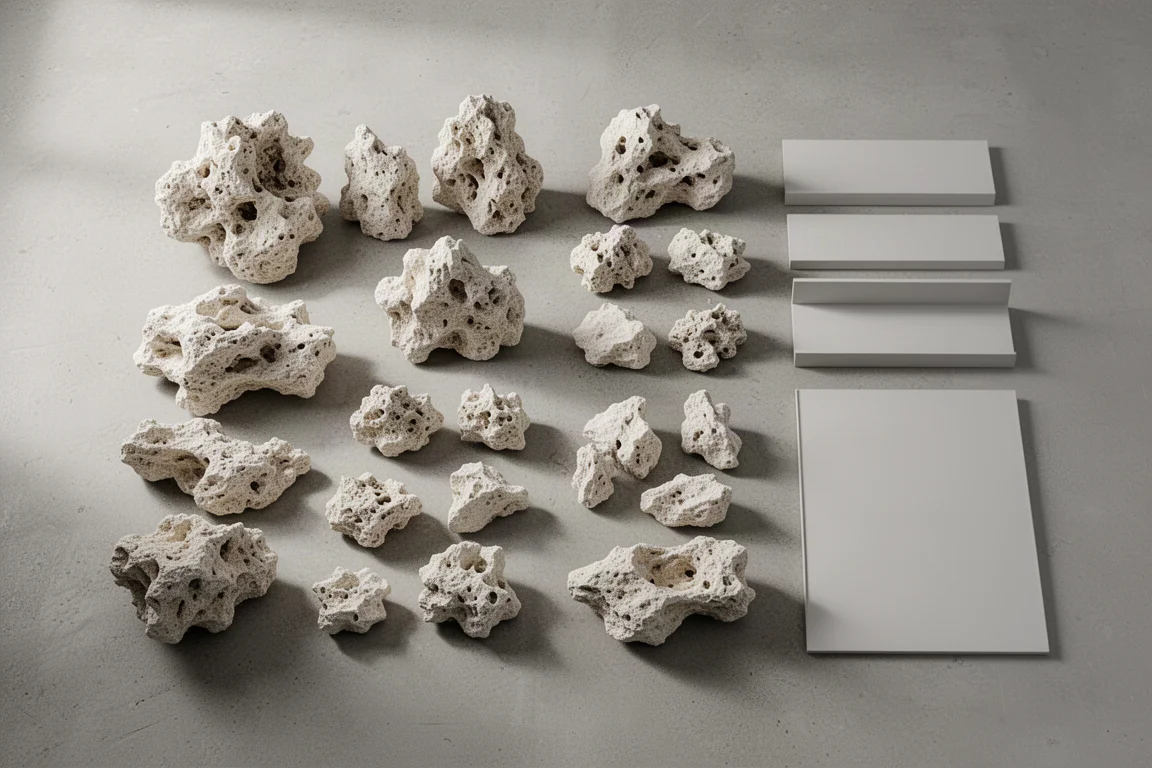
Budget is the honest constraint here, and it is worth being clear about the trade-off. A tight budget points toward buying close to the calculated amount and stacking the rock simply. A larger budget buys flexibility, and flexibility is what turns a pile of rock into an aquascape with overhangs, open space, and a shape that looks intentional.
On rock type, the decision is straightforward. Standard Marco Rock suits most builds and gives the most material per dollar. Marco Shelf Rock costs a little more, and it makes sense when you want layered structure and maximum surface area for branching stony corals.
It is also worth starting earlier than feels necessary. A large, detailed aquascape is a serious time commitment, and building one can consume a full weekend or more before any coral goes in. Buying the rock first means you can begin the hobby while the rest of the equipment list is still being decided, and a structure you built yourself carries a different kind of satisfaction once the tank is running.
Conclusion
Marco Rock and Marco Shelf Rock reward planning more than they reward speed. Flat machined bases give you stability, mortar and accelerated super glue let you build shapes that would otherwise be impossible, and a cardboard or PVC mock-up keeps the structure inside the dimensions of the tank.
Buy the rock early, buy a little more than the minimum, and treat the aquascape as a project rather than a step. That is what separates a tank that looks assembled from one that looks designed.
Further reading
Related Reviews
Aquarium Rock
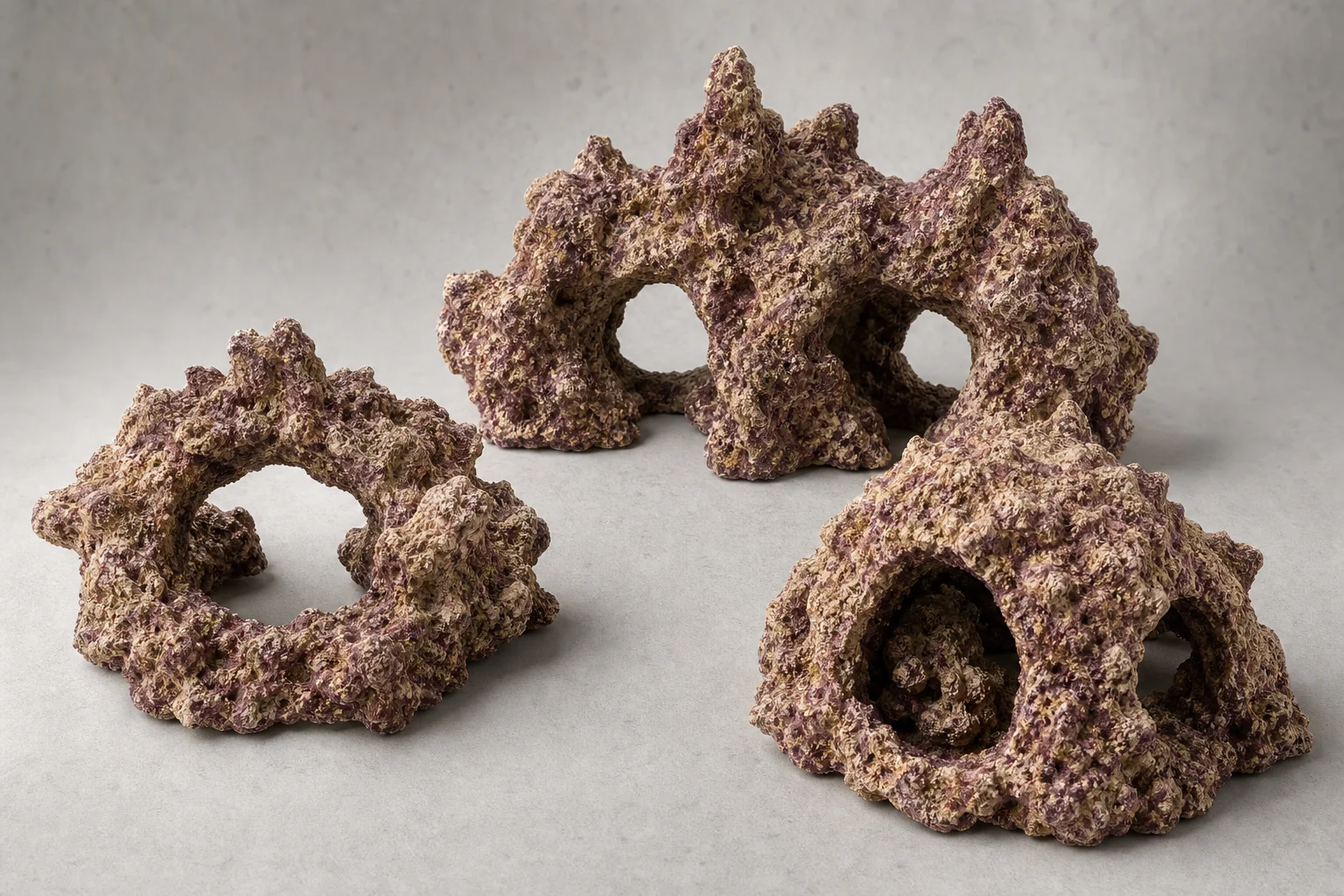
CaribSea LifeRock Shapes Review: Ready-Made Arches, Caves and Tunnels for Reef Aquascaping
A 20-pound box of hand-crafted aquarium rock that arrives as arches, tunnels and caves, so you can place the structures instead of building them.
Aquarium Rock
Real Reef Rock Review: A Faster, Better-Looking Start for New Reef Tanks
Real Reef Rock arrives wet with bacteria already on it, cycles faster than dry rock, and gives a new tank a natural look from day one. Here is what it does well and what to plan for.
Aquarium Rock
Reef Tank Rock Buyer's Guide: Choosing the Right Rock for Your Aquarium
A practical guide to the most popular reef tank rocks, from budget dry rock to pre-made arches and shelf pieces, plus guidance on how much rock to buy.