Aquarium Rock
Real Reef Rock Review: A Faster, Better-Looking Start for New Reef Tanks
Real Reef Rock arrives wet with bacteria already on it, cycles faster than dry rock, and gives a new tank a natural look from day one. Here is what it does well and what to plan for.
Introduction
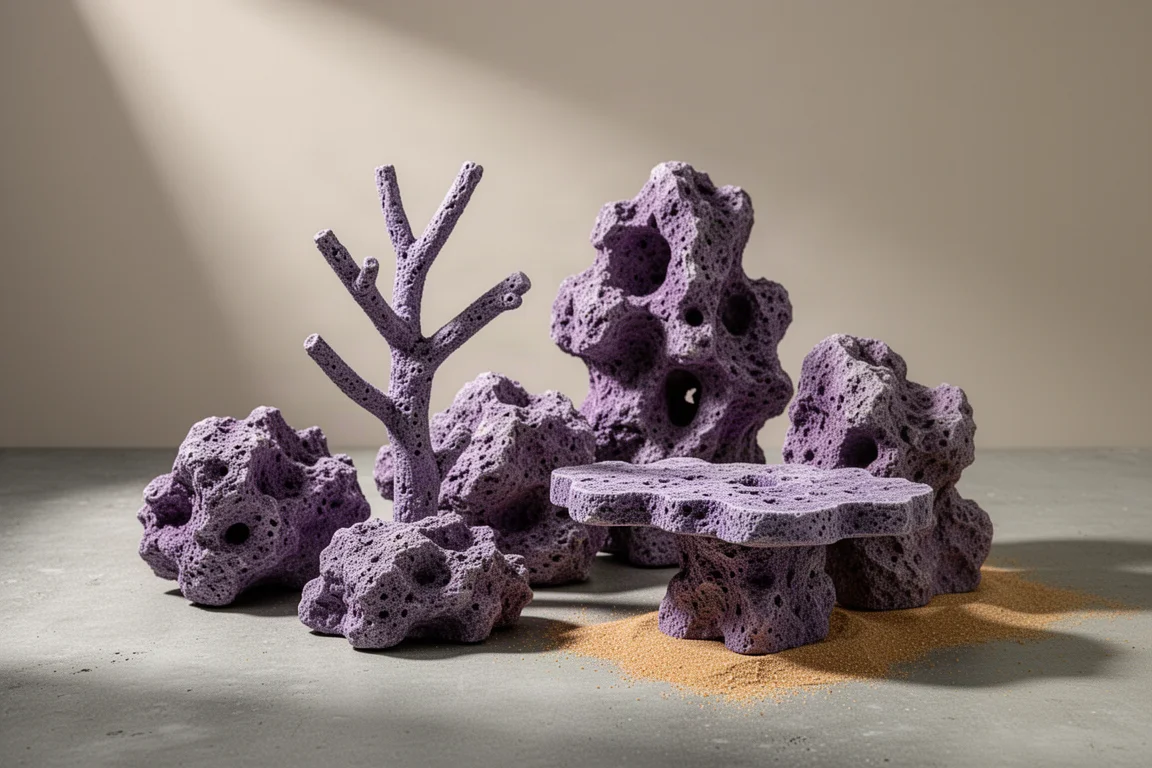
Real Reef Rock is a man-made reef rock built to sit as close to live rock as most hobbyists can get today. It arrives wet, wrapped in moist paper, carrying bacteria and visible algae on its surface. That single detail changes how a new tank looks and behaves from the first day, because the rock is not bone white and it does not start from zero.
It is also more expensive than dry rock, and it can dry out faster than most people expect if it is left sitting during a build. Both points matter, but neither cancels the main advantage: a tank that looks established almost immediately, plus a cycle that tends to move faster with less of the brown, ugly phase.
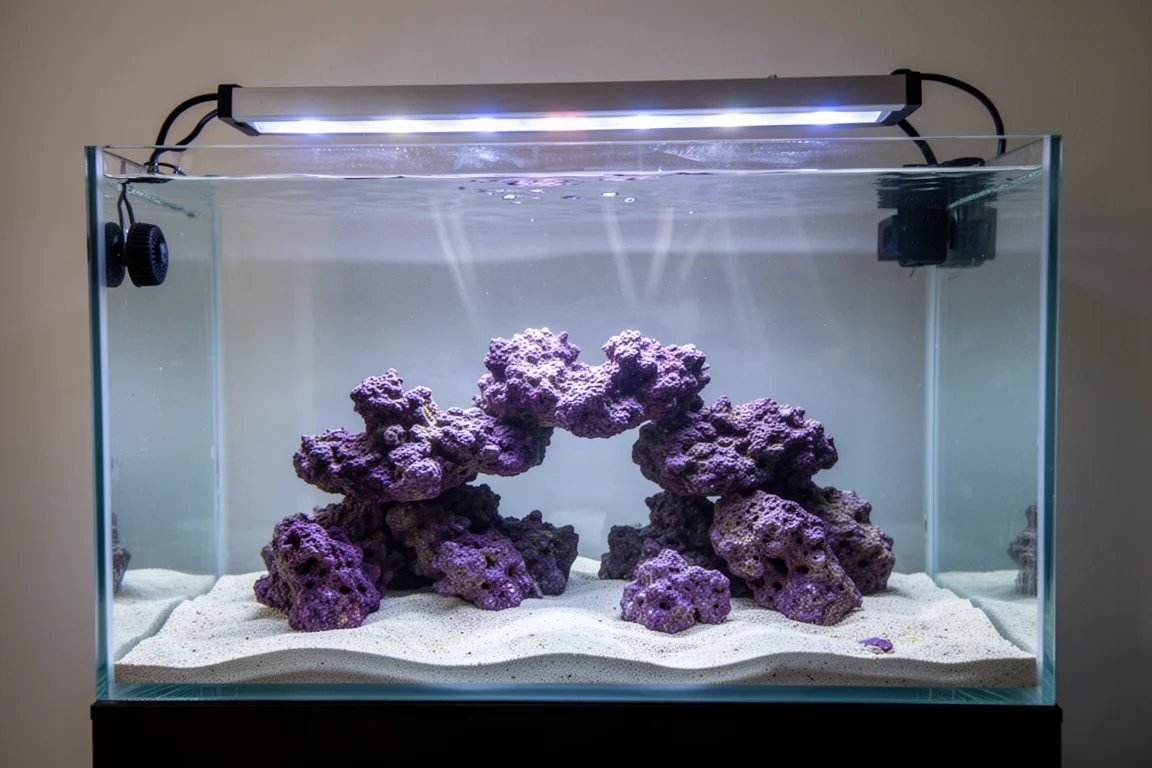
For anyone weighing a first reef tank against a long list of early setbacks, that trade is the whole story. This review covers what the rock does well, what it asks of you, and how to choose the right pieces before you order.
Who This Product Is For
New reefers are the clearest fit. Patience is naturally thin in the first months, and the usual early experience involves watching a tank drift through a brown phase while wondering whether something has gone wrong. Real Reef Rock shortens that arc. It carries bacteria, it cycles faster than dry rock, and it tends not to build up the ugly stage as easily. The goal for a beginner is simple: a tank they are proud of, reached with as few hurdles as possible across the first twelve months.
It also fills a gap in the market. True live rock has become difficult to source, and this is the closest practical substitute for hobbyists who want living surfaces rather than sterile, bone-white stone.
Experienced aquascapers get something different from it. Because the rock is already coloured, new pieces can be added to an established tank without leaving a bright white patch on mature rockwork. That makes it far easier to extend a structure later rather than rebuilding around it.
Main Strengths
The most immediate benefit is appearance. The rock has a purple tone from day one, so a brand new aquarium reads as a reef tank almost straight away instead of a bare glass box with white stone in it. Combine that with the bacteria already present and the faster cycle, and the early months are noticeably smoother.
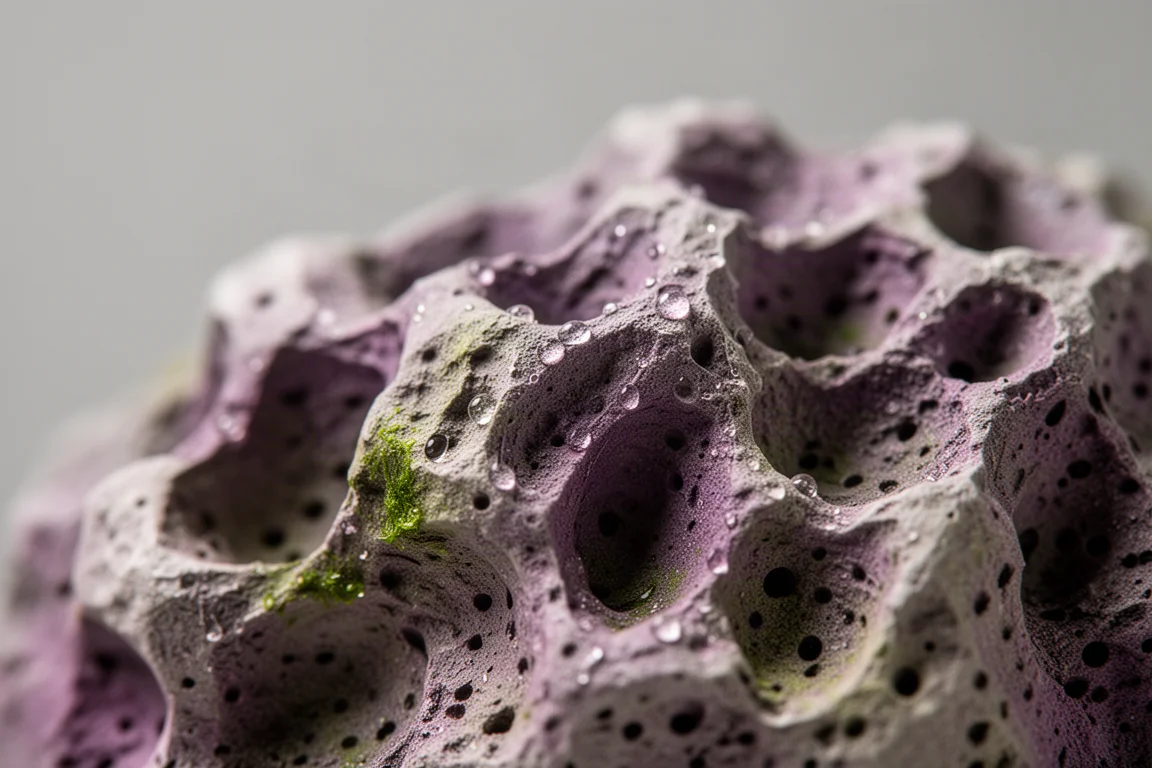
Branches are the next thing worth understanding. They glue and mortar together well for aquascaping methods that build open, branchy structures rather than stacked boulders. A branch can also be added later, once a tank is full of coral, to create new mounting points in places where a boulder simply would not fit. Because it arrives coloured, that addition blends into the existing aquascape instead of standing out.
Shelf pieces are equally useful in the right tank. Their flat surfaces suit reefers who want to mount a large number of corals across one area, and they work best when combined with other shapes rather than used on their own. A mix of boulders, branches and shelves generally produces a more convincing structure than any single form.
Branch and Shelf Pieces Expand What You Can Build
An aquascape built entirely from branches is a real option, and it produces a very open look. The alternative is to start with a foundation rock and build branch structures on top of it. Both approaches work, and both depend on having the right shapes on hand rather than ordering a uniform pile of boulders.
Things to Consider Before Buying
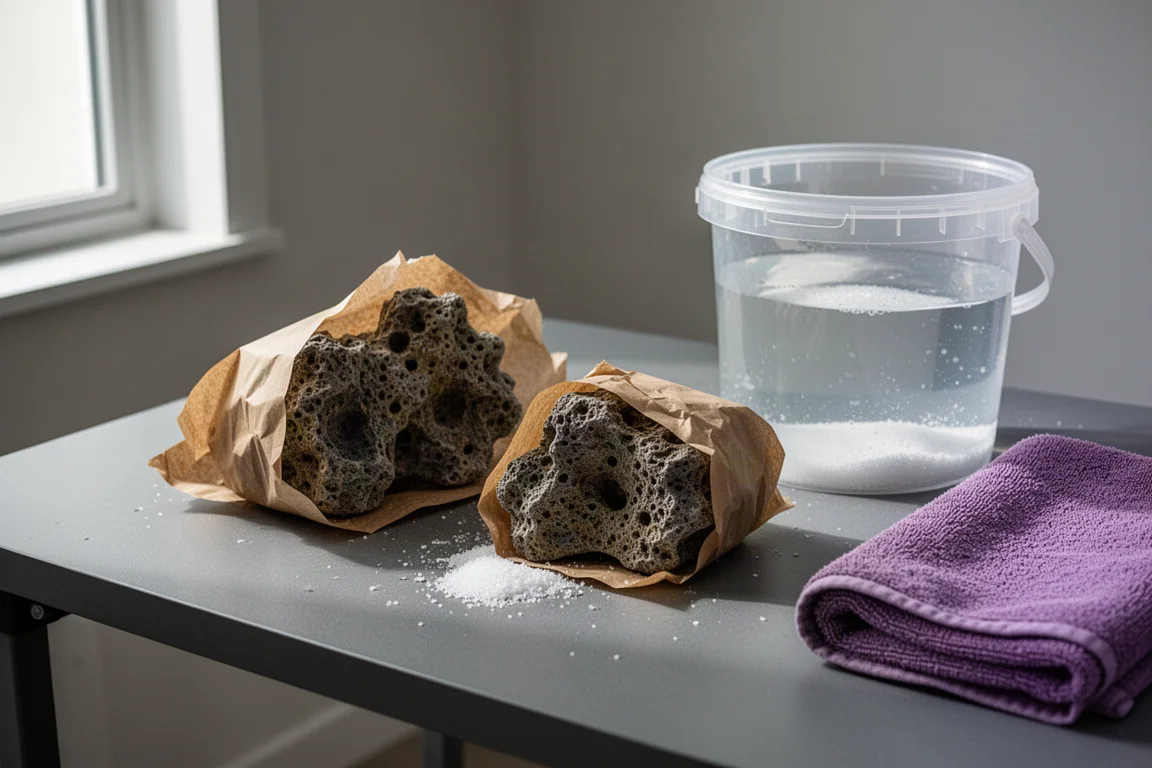
The first thing to plan for is moisture. This rock ships wet, wrapped in moist paper, and that paper is there to keep the bacteria and other life on the surface alive. Left unwrapped, it can dry out in well under an hour, which reduces much of what you paid for. The practical routine is straightforward: keep it wrapped until the moment you are ready, then place it directly into the water.
Cost is the second consideration. This is not the cheapest rock available, and it is more expensive than dry alternatives. The question worth asking is what the extra spend buys: a faster cycle, a reduced ugly phase, and a tank that looks settled on day one. For a lot of buyers, particularly those starting a first reef tank, that is a reasonable trade.
Sizing and Handling Take Some Planning
Real Reef Rock comes in small, medium and large boulders, along with branches and shelves, and individual pieces vary from one to the next. Ordering the wrong size is common enough that returns happen regularly. Checking the available options against the footprint of your tank before ordering is worth the extra few minutes, and sizing questions are easy to resolve with customer service.
Buying Advice
Order more rock than you think you need. Not every piece will match the shape you had in mind, and an aquascape is a visual composition as much as it is a structure for coral. Buying exactly the amount you calculated leaves you short of the variety needed to build a convincing three-dimensional form, and the result is often disappointing.
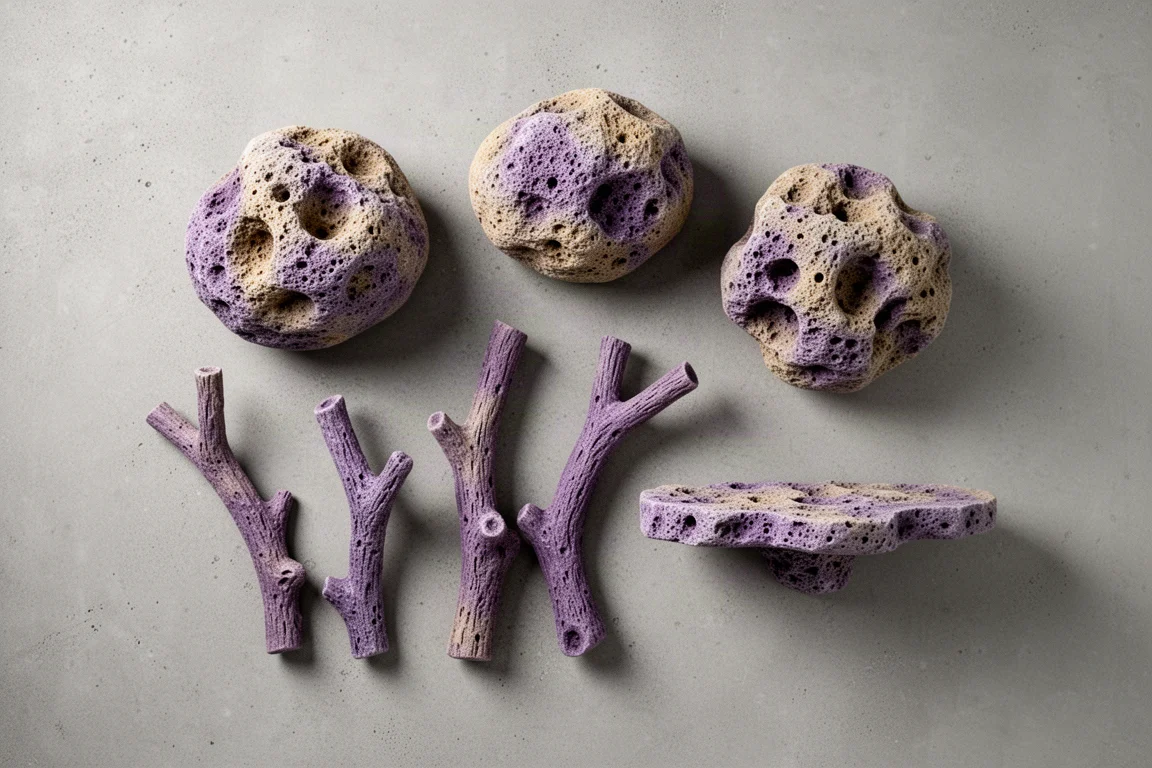
Think in shapes rather than volume alone. A combination of boulders, a branch or two and a shelf gives you far more options when you start arranging pieces inside the tank. If you are extending an existing aquascape, a single branch or shelf can solve a placement problem that another boulder cannot.
Finally, treat moisture as part of the setup process rather than an afterthought. Have the tank ready, keep the paper on until you are working, and move each piece into the water promptly. That one habit preserves most of the benefit you paid for, and it is the mistake most often made with this rock.
Conclusion
Real Reef Rock costs more than dry rock and asks for care during handling, but it delivers something dry rock cannot: a natural, coloured aquascape from day one, bacteria already in place, and a cycle that tends to move faster with a less severe ugly phase. For a new reefer with a little extra budget, it is a noticeably easier path to a tank worth showing off. For anyone building or extending a reef aquascape, the branches and shelves add a level of flexibility that plain boulders cannot match. Choose the right sizes up front, buy a little more than you need, and get it into the water without delay.
Product link
View more details for Real Reef Rock
This product is mentioned in the review. Check the specifications, options, and compatibility before buying.
View more details for Real Reef RockFurther reading
Related Reviews
Aquarium Rock
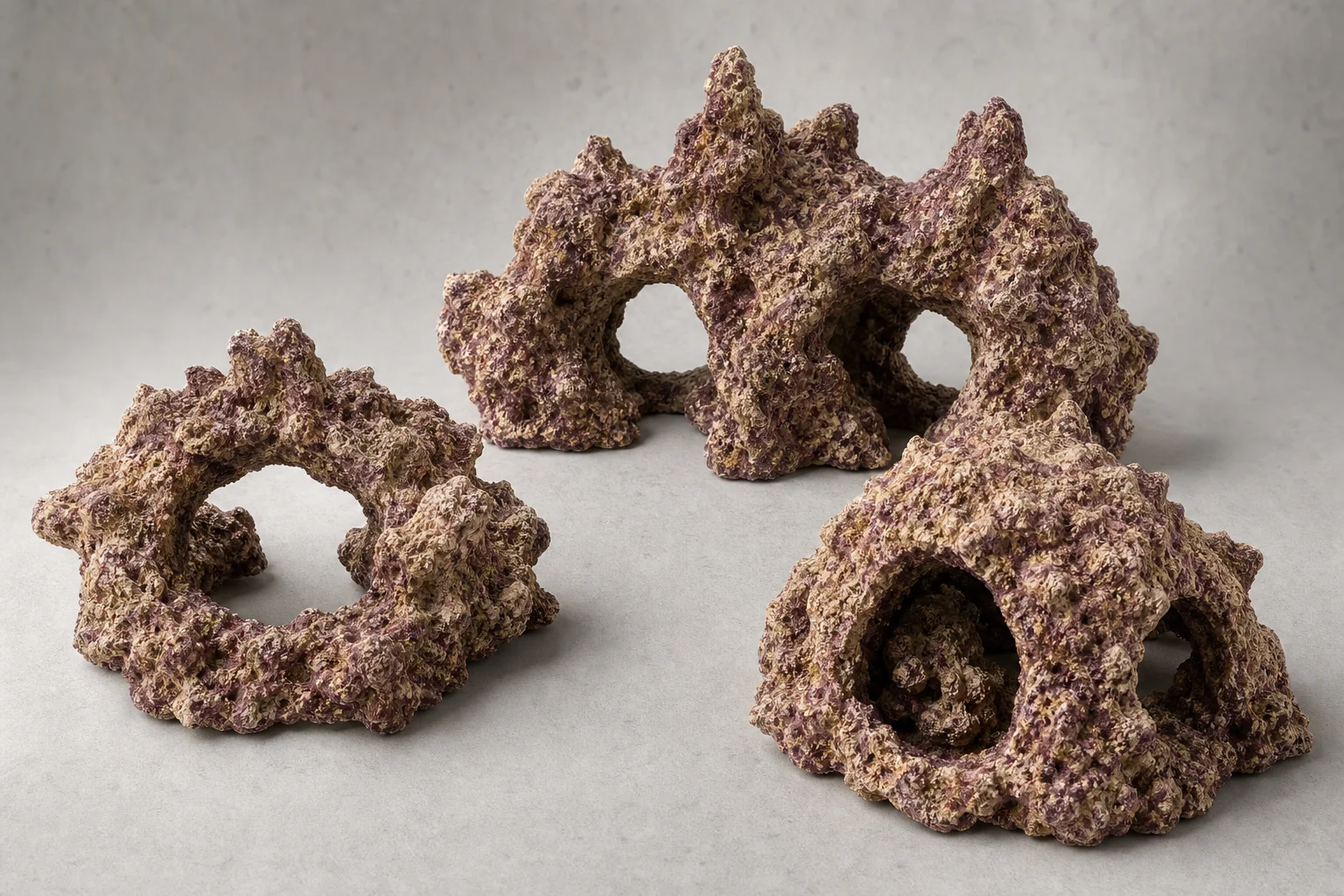
CaribSea LifeRock Shapes Review: Ready-Made Arches, Caves and Tunnels for Reef Aquascaping
A 20-pound box of hand-crafted aquarium rock that arrives as arches, tunnels and caves, so you can place the structures instead of building them.
Aquarium Rock
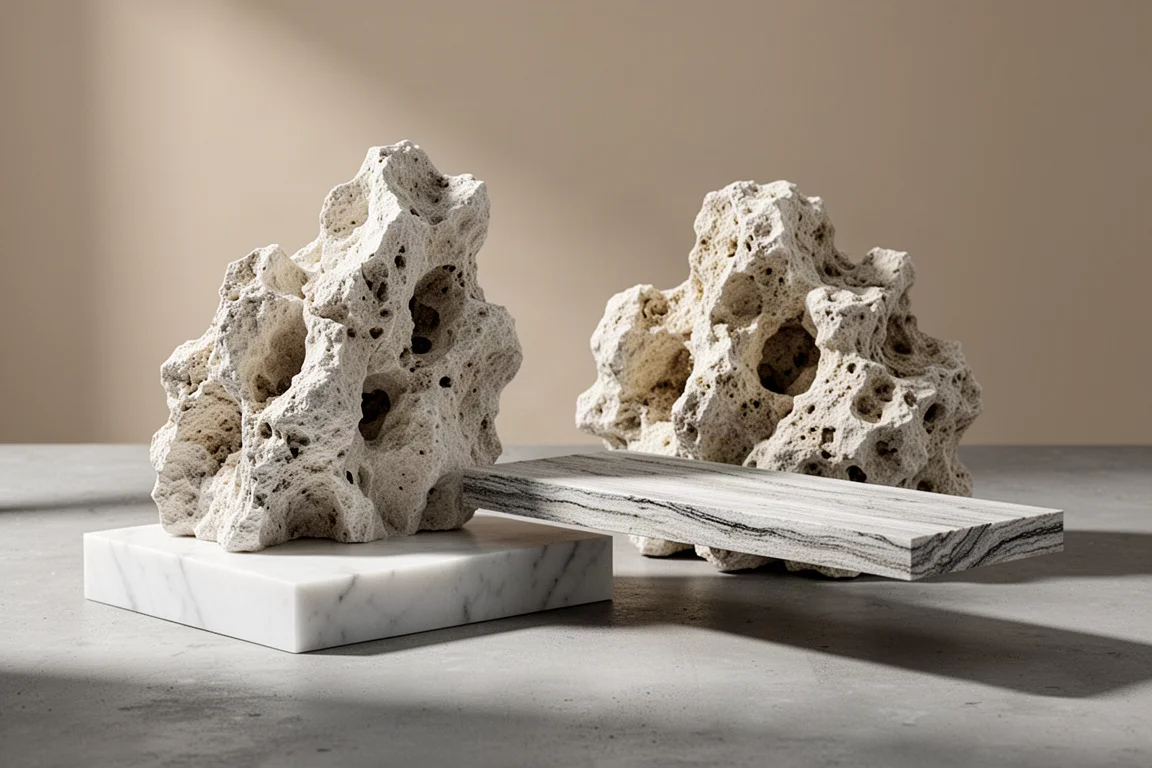
Marco Rock and Marco Shelf Rock: A Practical Aquascaping Guide for Reef Tanks
How to get more from Marco Rock and Marco Shelf Rock, from stability and layered structure to mortar, accelerated glue, and dry rock cycling timelines.
Aquarium Rock
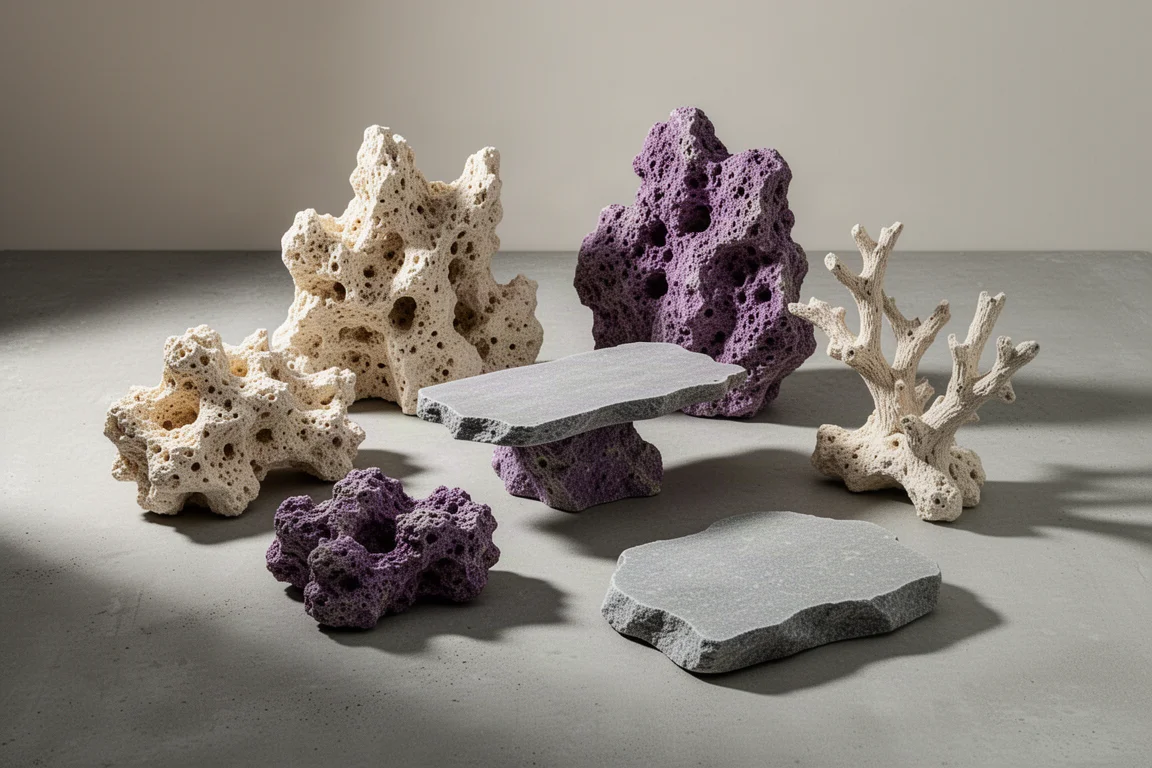
Reef Tank Rock Buyer's Guide: Choosing the Right Rock for Your Aquarium
A practical guide to the most popular reef tank rocks, from budget dry rock to pre-made arches and shelf pieces, plus guidance on how much rock to buy.