Reef Tank Additives
Reef Brite Reef Enhance vs Live Rock Enhance: Which Live Microplankton Jar Does Your Reef Tank Need?
A practical comparison of two live microplankton products for reef tanks, covering how each jar works, how to dose it, and which one matches your goals.
Introduction
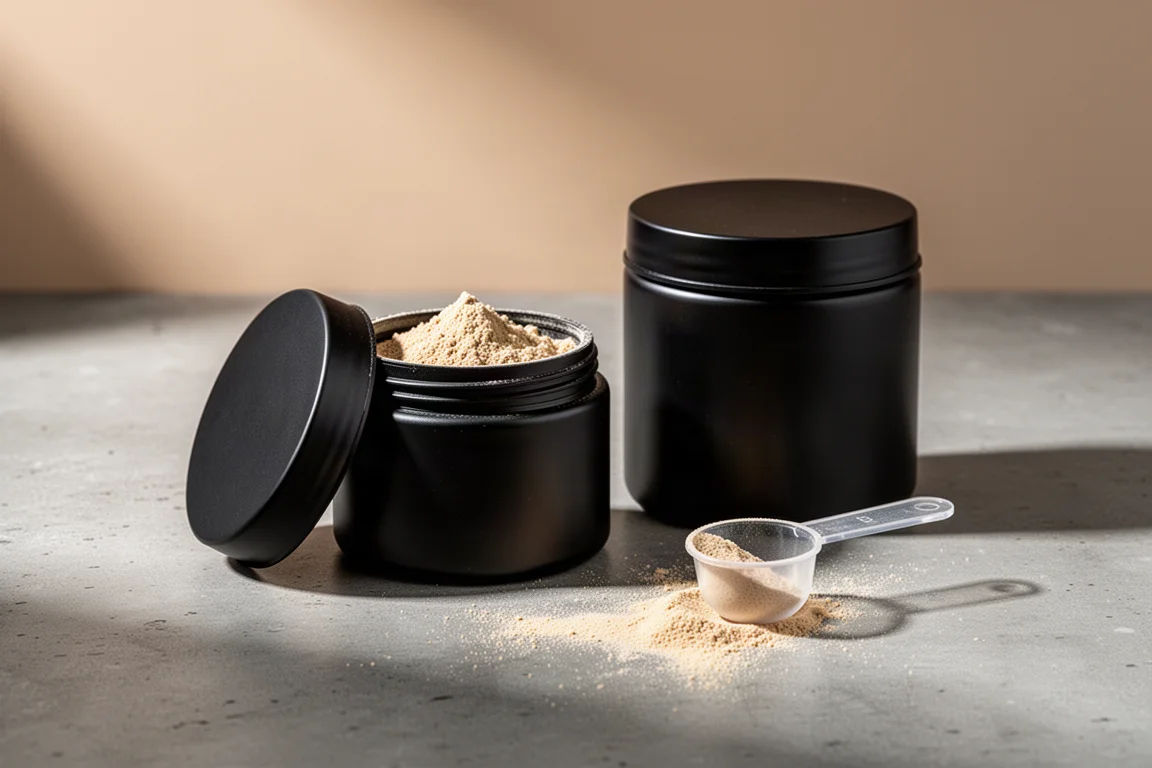
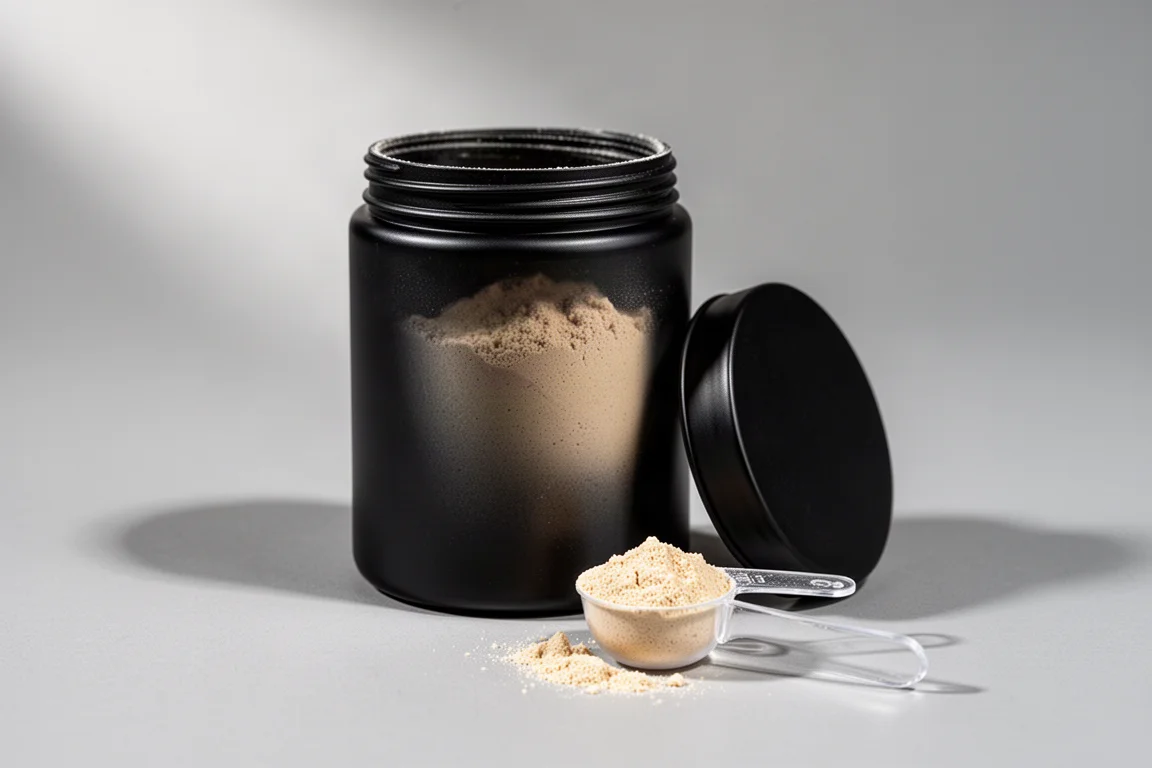
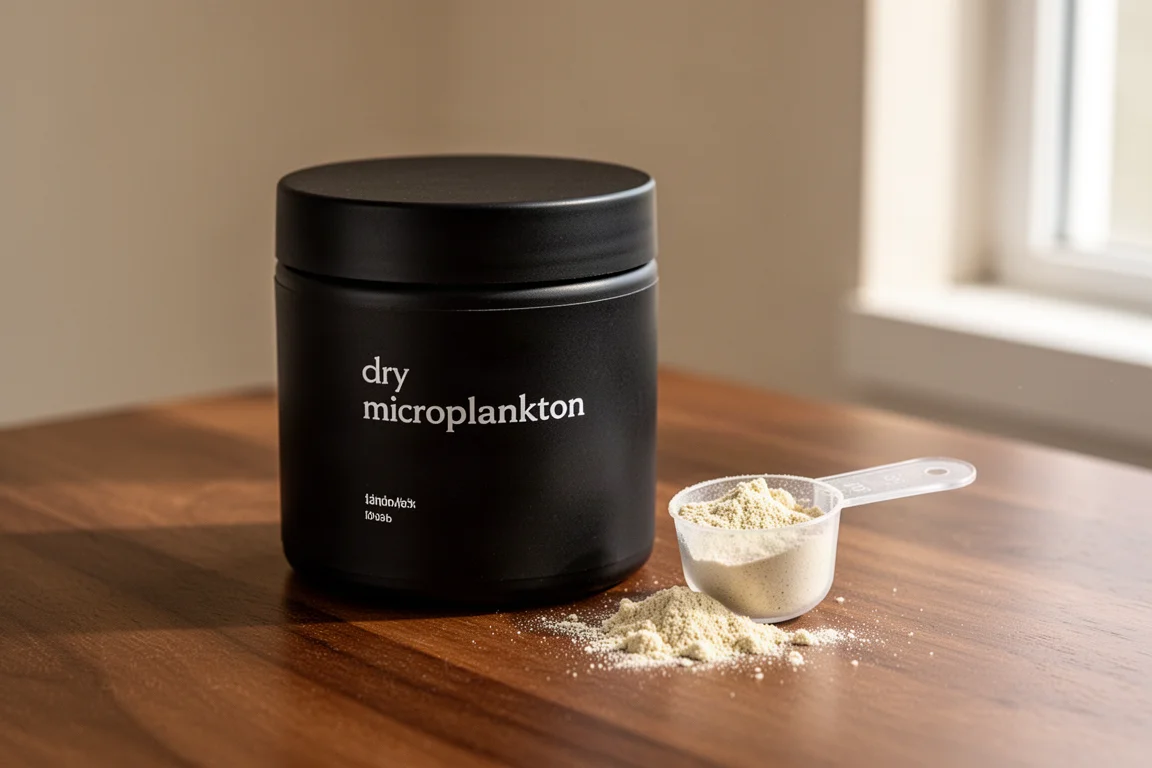
Reef Brite is best known for reef lighting, so a pair of black jars containing live microplankton is an unusual addition to the lineup. Reef Enhance and Live Rock Enhance are the company’s only non-lighting products, and at first glance they look almost identical: a very dry powder, a measuring scoop, and a set of detailed instructions inside each jar.
The similarities run deeper than the packaging. Both products are built on the same living ingredient and the same enzyme blend, and both are dosed the same way. One key difference decides whether the microplankton feed your corals in the water column or get to work cleaning the pores of your rock and substrate. This guide breaks down how each jar works, what to expect when you dose it, and how to choose between them.
How Reef Brite Reef Enhance and Live Rock Enhance Work
The powder in these jars is not freeze dried, and it is not a powder made from plankton. It is microplankton held in a state of suspended animation, similar to the way cysts can sit dormant until conditions change. Once the powder reaches salt water, the various species spring quickly back to life and become available as food not only to corals, but also to filter feeders, copepods, amphipods and other larger planktonic organisms in the tank.
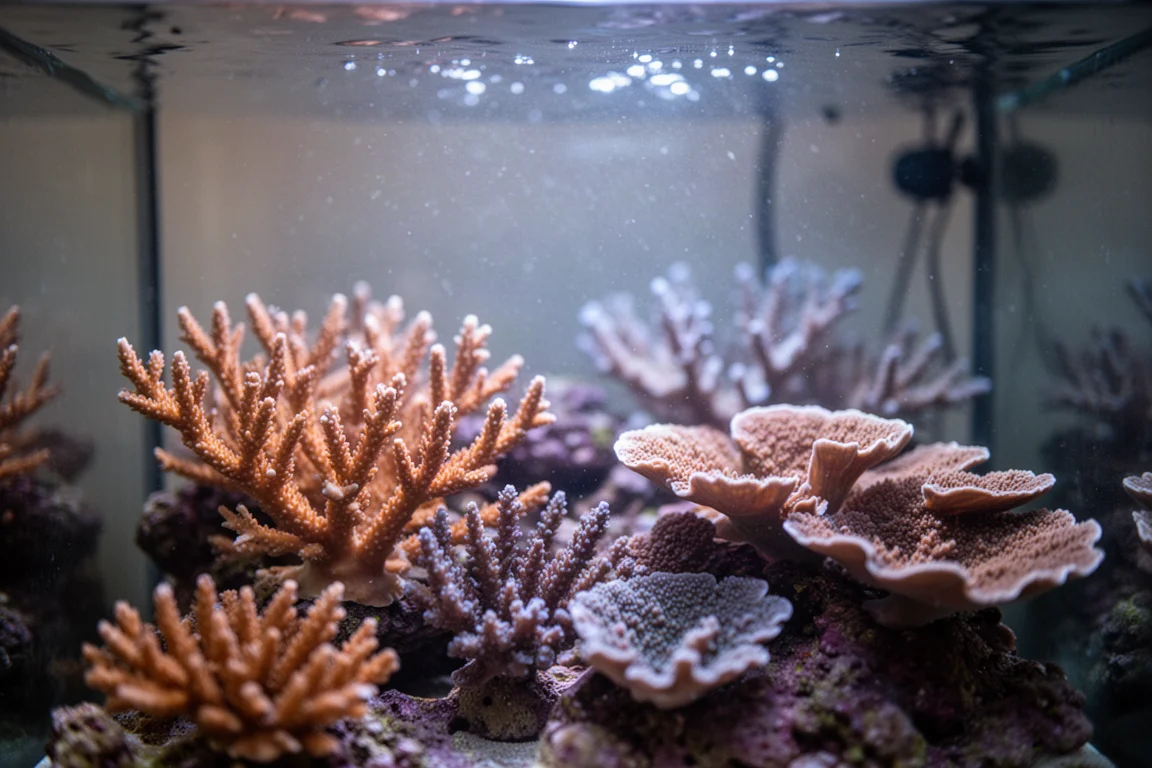
After waking up, the microplankton begin searching for their own food. They consume protein chains and other organic waste in the water that a protein skimmer would otherwise remove, taking in the beneficial nutrients that would normally end up as skimmate. Corals and other organisms then absorb those nutrients indirectly by consuming the microplankton that have just fed on them.
The jars also contain specific enzymes that break down organic waste that tends to build up in the pores of rock work and substrate, converting that material into food the microplankton will readily consume. Together, these two mechanisms support a long list of claims: improved pore structure in live rock and sand, a healthier biological filtration cycle, support for curing live rock, better growth and coloration in corals and filter feeders, increased nutrient utilization and intake, and higher pod diversity and population counts.
Reef Brite Reef Enhance: Feeding Corals and Filter Feeders
Reef Enhance takes the same microplankton and adds one extra component: a food source that keeps the plankton suspended in the water column for longer. That matters because corals and filter feeders can only prey on what drifts past them. With food available the moment they revive, the microplankton stay busy and floating where they are easiest to catch, rather than settling straight onto the rock.
If your main goal is feeding the tank, this is the jar to reach for. The suspended microplankton are intended to support better growth and coloration in corals and filter feeders, while copepods and larger planktonic organisms also get a share of the food. It is the option that keeps the action in the water column, where the widest range of organisms can take advantage of it.
Reef Brite Live Rock Enhance: Cleaning Live Rock and Substrate
Live Rock Enhance leaves out that added food source, and that is exactly the point. Without food waiting for them in the water, the microplankton settle much more quickly on rock work and substrate and start hunting for something to break down. There they consume excess organics that have collected in the pores of the rock and sand, which helps maintain biological filtration in the reef system.
In a new tank, the same activity can help establish healthy populations of microbes that out-compete nuisance organisms such as bacterial slimes and algae. In an established system, the focus is maintenance: keeping rock and substrate from clogging with organic build-up so the filtration cycle keeps performing the way it should.
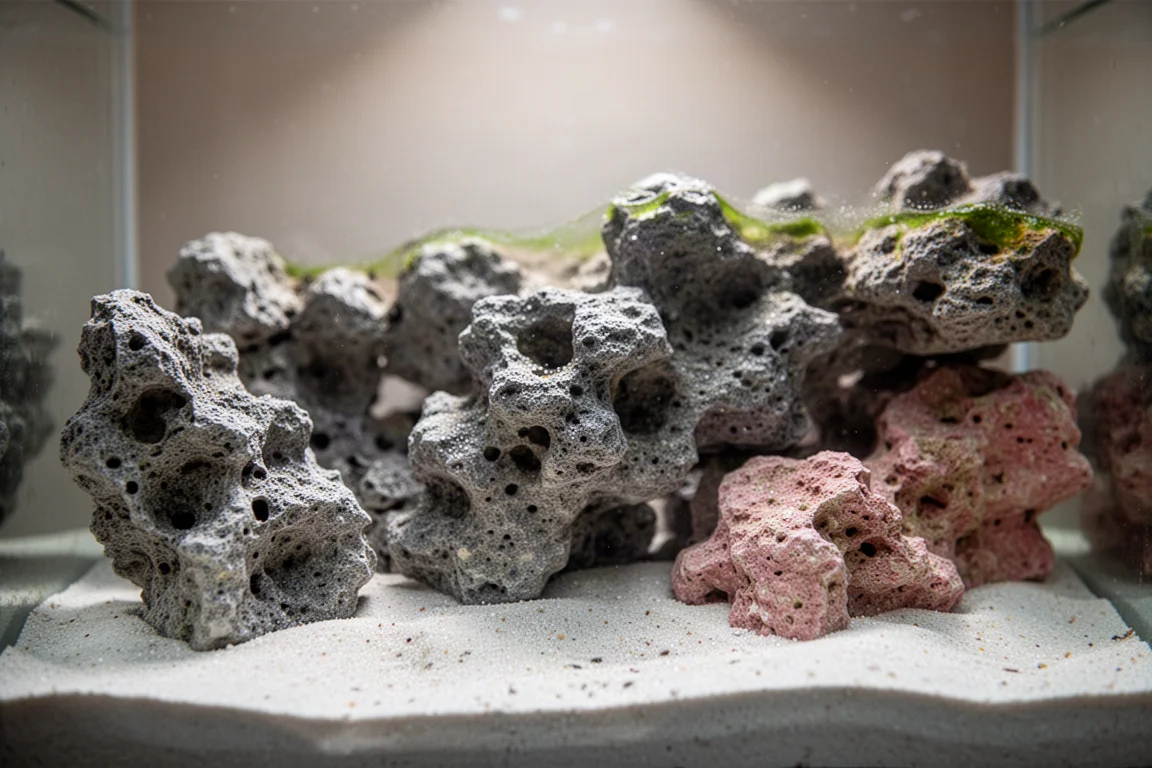
If the cleaning side of the equation is your priority, Live Rock Enhance is the one to choose. The microplankton and enzymes work on waste that is already trapped in the rock, and the pods and other organisms that feed on the resulting activity benefit along the way. It is the jar for reef keepers who think of rock and sand as part of the filtration system rather than just decoration.
Dosing Either Product: One Scoop Per Week
Dosing is identical for both jars, and it is deliberately simple. Start with one dose per week, adding one scoop per 25 gallons of system volume, or half a scoop per 10 to 15 gallons, into a high flow area of the tank.
For a more thorough mix, you can add a few ounces of aquarium water to a small container, stir in the powder, and keep stirring every 10 minutes for 30 minutes before pouring the solution into a high flow area. Either method works, and the measured scoop included in each jar makes the weekly routine easy to repeat.
One caution is worth repeating: more is not better here. The product is described as very safe, so an accidental overdose will not harm anything, but it will cloud the tank for no benefit. Clarity returns on its own within a matter of hours, so there is no need to panic or intervene.
Skimmer Behavior, Water Clarity, and Storage
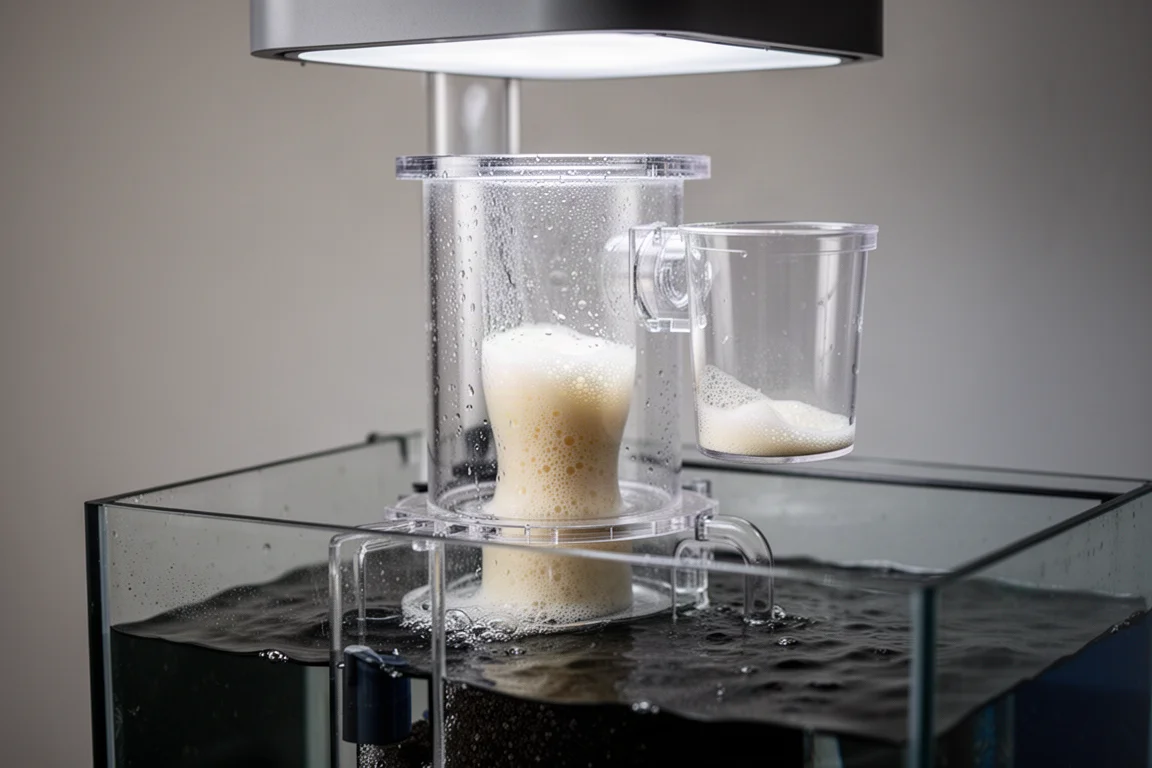
Two things surprise most people the first time they dose either jar. The first is the protein skimmer. Because the microplankton consume the same material the skimmer is trying to pull out, the foam inside the skimmer neck collapses and the unit stops producing skimmate for a while. This is temporary, and there is no need to touch the settings. The skimmer returns to normal production on its own.
The second is water clarity. A dose can leave the tank looking cloudy, but the effect fades and the water returns to its usual clarity within hours rather than days.
Because this is a live culture despite being a very dry powder, storage matters. A cool, dry location is the right call, and a spot in the refrigerator is a good option if you have the space for it.
How the Two Products Differ in Practice
Strip away the packaging and the two jars share microplankton species and enzymes. The one difference is the added food source in Reef Enhance, and it changes where the plankton spend their time. Reef Enhance keeps them suspended in the water column, where corals and filter feeders can reach them. Live Rock Enhance lets them settle onto rock and substrate, where they break down trapped organics.
That means neither jar has to be an exclusive choice. You can use either one on its own, and you can also use both, alternating them week by week so the same weekly routine delivers feeding and cleaning.
Buying Advice: Choosing One Jar or Both
Match the jar to your main goal and the decision becomes straightforward. If feeding the tank is the priority, whether that means corals, filter feeders, or a growing pod population, Reef Enhance is the right starting point. If you want the most cleaning action possible from the microplankton, Live Rock Enhance is the one to pick.
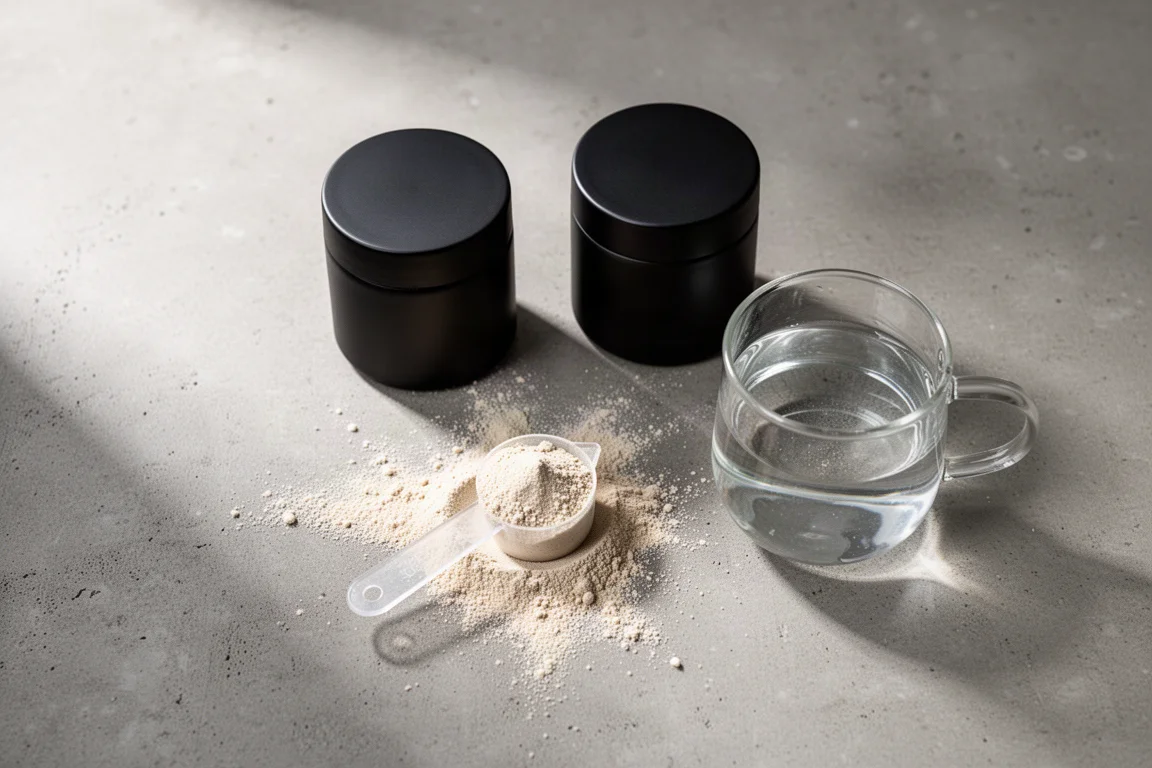
If you want both outcomes, keep a jar of each and alternate them. Both products are dosed weekly at the same rate, both are forgiving enough that a heavy scoop is not a problem, and both are built on the same science-based approach Reef Brite applies to its lighting. For reef keepers who like to understand what is happening inside the tank, they are a simple and low-risk addition to the maintenance schedule.
Conclusion
Reef Enhance and Live Rock Enhance look nearly identical and share the same living core. The only real decision is whether you want microplankton feeding in the water column, working inside the rock and substrate, or both at once. Once that goal is clear, both jars are easy to dose, forgiving of mistakes, and simple to fit into a weekly routine.
Further reading
Related Reviews
Reef Tank Additives
KZ Flatworm Stop and Coral Booster Review: A Reef-Safe Combo Against Acro-Eating Flatworms
How the KZ Flatworm Stop and Coral Booster combo is used against acro-eating flatworms, including dosing guidance and three practical habits that support recovery.

Reef Tank Additives
KZ Pohl's Coral Vitalizer Review: Closing the 10% Energy Gap in Reef Tanks
A practical look at KZ Pohl's Coral Vitalizer, a liquid and solid coral food concentrate that adds amino acids, bacteria and carbohydrates without pushing nitrate or phosphate up.
Reef Tank Additives
Tropic Marin All For Reef DIY Kit Review: Mix Your Own Single-Liquid Dosing Solution
A bulk kit that lets reef keepers mix their own single-liquid additive for calcium, alkalinity, magnesium and trace elements, cutting dosing costs by more than 60 percent.