Reef Tank Additives
KZ Pohl's Coral Vitalizer Review: Closing the 10% Energy Gap in Reef Tanks
A practical look at KZ Pohl's Coral Vitalizer, a liquid and solid coral food concentrate that adds amino acids, bacteria and carbohydrates without pushing nitrate or phosphate up.

Introduction
Most reef keepers know that the bulk of a coral’s energy comes from photosynthesis. That still leaves roughly a 10 percent gap that corals are left to find and capture on their own, which is why so many tanks show feeding behaviour once the lights go out: sweeper tentacles on LPS colonies, extended polyps on Acropora, and other signs that the animals are actively hunting for an additional energy source.
In the ocean, that gap is closed by amino acids and minerals captured from prey such as zooplankton, from dissolved organic matter, and from bacteria suspended in the surrounding water. In a glass box at home the same process is much harder to replicate, particularly in mixed reef systems where different corals place different demands on the water. KZ Pohl’s Coral Vitalizer is a coral food concentrate designed to address exactly that shortfall.
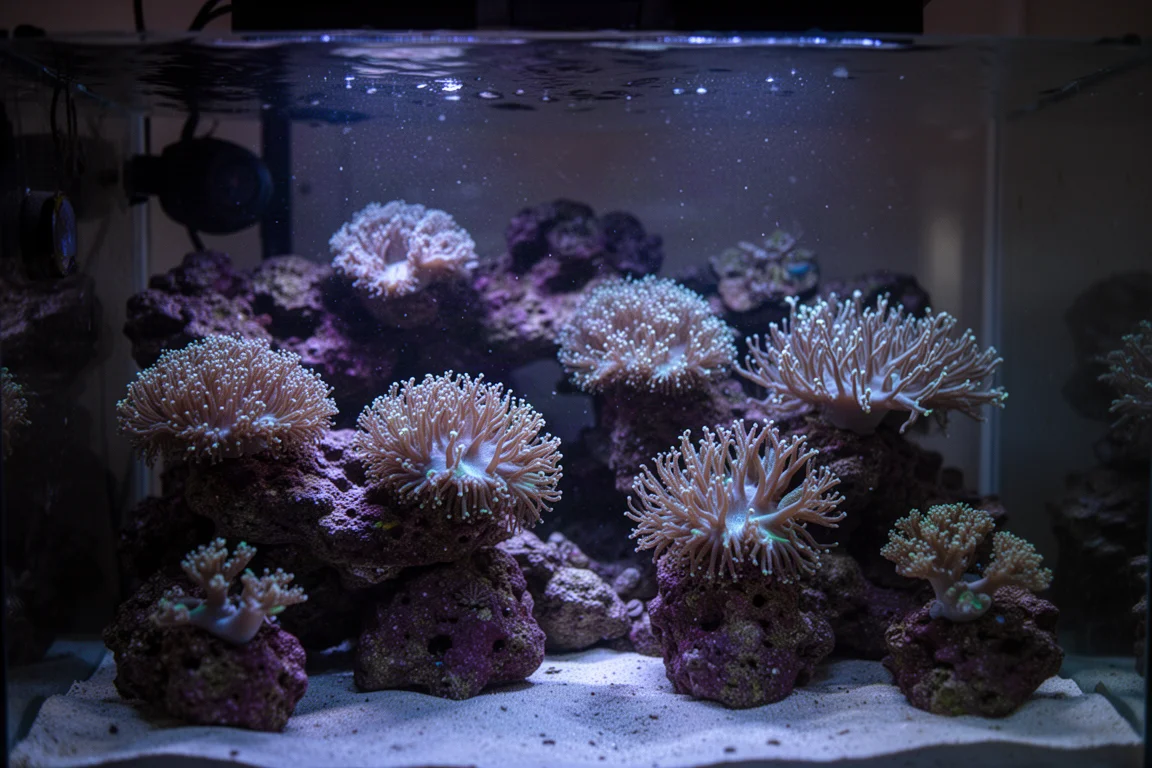
The formula combines liquid and solid elements in a single bottle and is intended for SPS, LPS and soft corals alike. It is a concentrated product, so the dosing volumes are small, and it is positioned as a way to complete coral nutrition rather than replace the fundamentals of good reef keeping. Below is a closer look at what it contains, how it is used week to week, and what is worth weighing up before you buy.
Who This Product Is For
Coral Vitalizer suits reefers running mixed systems that hold SPS, LPS and soft corals in the same tank. Because it is formulated for all three groups, it removes some of the guesswork for anyone who does not want a shelf of separate foods for each coral type.
It is particularly relevant for keepers of demanding, highly coloured corals that some reefers find difficult to maintain long term without careful, consistent feeding. Those are the animals that tend to show the clearest response to an additional energy source, and they are also the ones most sensitive to lapses in routine.
It is also a sensible fit for anyone who wants to feed corals without disturbing nutrient levels. Many coral foods add to the load on a system, which means more testing, more export, and more time spent on maintenance. A food that delivers energy without raising nitrate or phosphate keeps the focus on the corals themselves.
Finally, it works well for reefers who prefer a simple, low-fuss dosing method. There are no pumps to switch off and no complicated mixing steps, so feeding becomes a short task you can fold into an existing maintenance schedule.
Main Strengths
The core proposition is straightforward: provide the amino acids, bacteria and carbohydrates that corals would otherwise gather from their environment, so the nutritional picture is more complete. The blend targets that missing portion of daily energy rather than trying to replace photosynthesis.
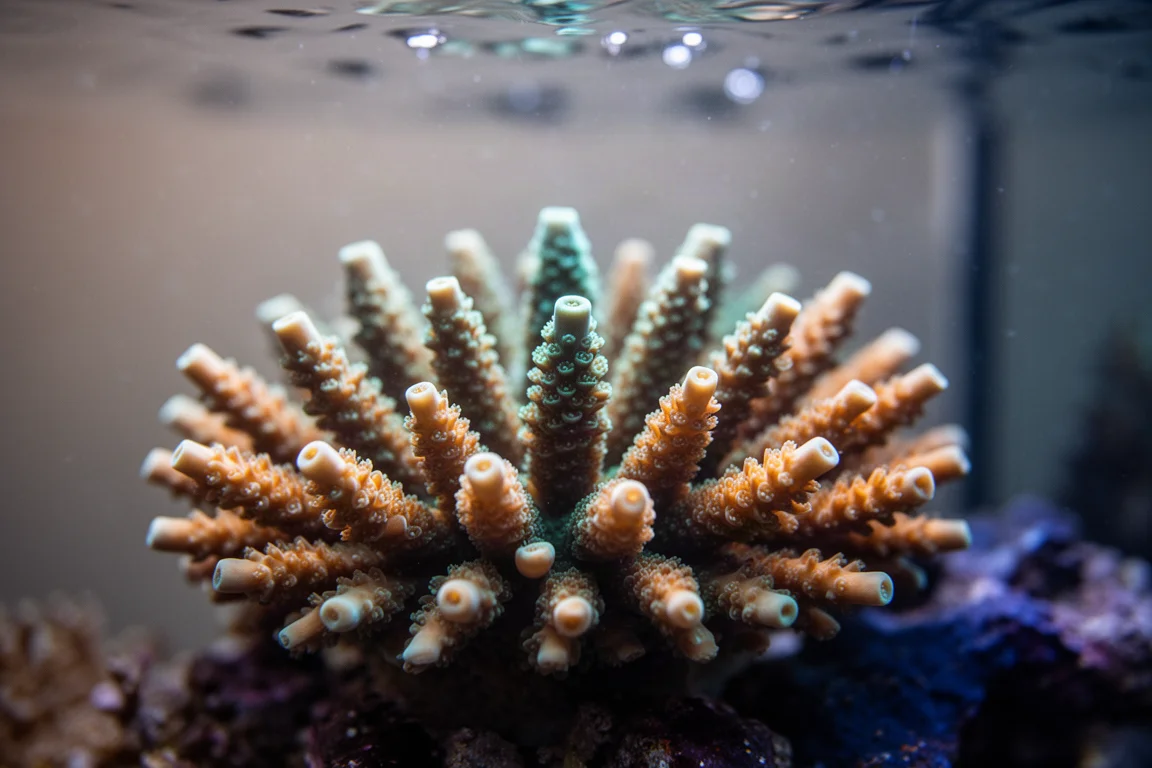
Three aspects stand out in day-to-day use.
A Blend of Amino Acids, Bacteria and Carbohydrates
These are the three components that matter most for filling the energy gap. Amino acids supply building blocks, bacteria contribute to the microbial side of coral nutrition, and carbohydrates provide a readily usable energy source. Together they cover a broader spread of requirements than a single-ingredient additive, which is useful when a tank holds several coral types with different needs.
No Rise in Nitrate or Phosphate
This is the detail that separates Coral Vitalizer from a large share of the coral foods on the market. Feeding normally means accepting some rise in nitrate and phosphate, which then has to be managed through water changes, filtration or carbon dosing. Delivering extra energy while keeping those two parameters steady means water quality, which is just as important to coral health and growth as feeding, does not have to be traded away for nutrition.
For most reefers, that combination of better-fed corals and less algae-fighting is the most attractive part of the product. Less maintenance, healthier corals, and time spent watching growth instead of scrubbing rock.
Visible Changes Within About a Week
Within roughly a week of feeding, brighter coloration and increased polyp extension show up in both SPS and LPS colonies. The extension also appears during the day, which is not typical for many corals and is an easy change to spot. It is not a dramatic overnight transformation, but it is the kind of steady, visible improvement that tells you the animals are getting something they were short of.
What to Expect in the First Few Weeks
The early signs are gradual rather than instant. Colours deepen and polyp extension becomes more pronounced over the course of a week or so of regular feeding, with both stony and large-polyp corals responding. Daytime extension is the clearest signal, because it is unusual enough to notice without close inspection.
Beyond that first week, the expectation is cumulative. Corals that were previously reliant only on photosynthesis and whatever they could capture from the water have a steadier supply of the amino acids, bacteria and carbohydrates they need. That tends to show up as general condition rather than a single dramatic event, so it helps to judge results over a few weeks with consistent dosing rather than a single feed.
It is also worth remembering that response varies between systems. A tank with stable parameters and good lighting has more room to benefit than one still finding its balance, which is why the product makes most sense as part of an established routine.
Things to Consider Before Buying
Coral Vitalizer is a supplement, not a substitute for stable water chemistry. Water quality remains just as important to coral health and growth as feeding, so the product works best in a tank where salinity, alkalinity, calcium and nutrient levels are already under control. If something is off in those areas, feeding is unlikely to compensate.

The dosing routine asks for consistency rather than effort. Three feeds a week is not demanding, but it does need to fit the way you already look after the tank. If your maintenance happens in irregular bursts, the schedule is easier to keep if you anchor it to days you are already working on the system.
There is also a small habit worth building: shake the bottle before every feed. The formula contains both liquid and solid elements, so mixing it evenly keeps each dose representative of the whole.
Finally, keep expectations realistic. The product is aimed at completing nutrition, so it will not fix a coral that is struggling for other reasons, and it will not replace the value of good flow, lighting and husbandry. Treat it as one part of a solid approach.
How to Dose It in a Mixed Reef
The routine is simple. Dose one to three drops per 25 gallons, three days a week. Monday, Wednesday and Friday is the pattern that fits most schedules, but any three days that suit you will work as long as they are spread through the week.
Dose directly into the flow of the main display and leave all pumps and powerheads running. Keeping the water moving helps distribute the food through the tank so it reaches every coral rather than settling in one area. Shake the bottle first, then dose.
Because the volumes are tiny and dosing is measured in drops, a single bottle goes a long way in a typical home system. That makes the routine easy to sustain and keeps the cost per feed low relative to the benefit.
Buying Advice
Coral Vitalizer is worth considering if you already keep stable water parameters and want to add an energy source without disturbing nitrate or phosphate. That combination is rare enough among coral foods that it does most of the work in the buying decision, and the simple three-day-a-week routine makes it easy to actually use.
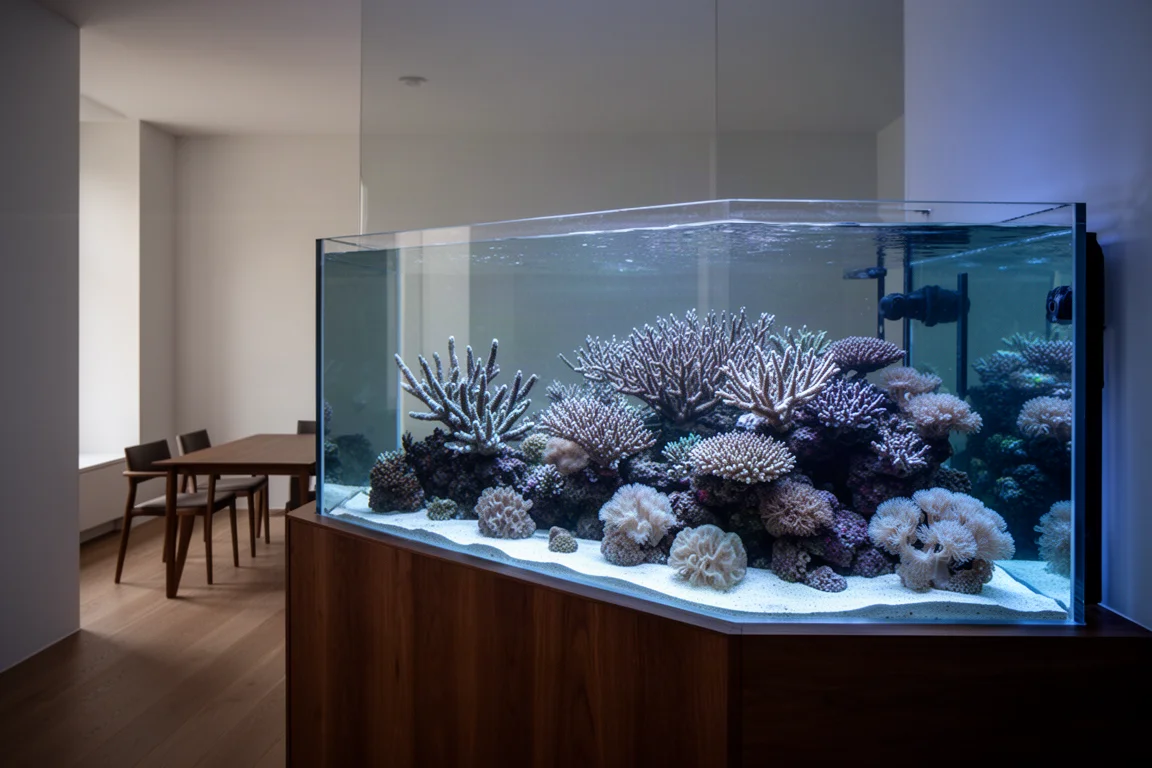
Reefers who keep demanding, highly coloured corals will get the most from it, since those are the animals that respond most visibly to a consistent supply of amino acids, bacteria and carbohydrates. Mixed systems benefit too, because one bottle covers SPS, LPS and soft corals without extra equipment or a complicated feeding schedule.
If you are still stabilising a new tank, sorting out the fundamentals first will give the product a better chance of showing results. Once the basics are in place, this is a low-effort addition that supports colour, polyp extension and growth over time.
Conclusion
Corals rely on photosynthesis for the majority of their energy, and the remaining share has to come from somewhere. In the ocean that gap is filled by amino acids, minerals and bacteria from the surrounding water and from prey. In a home aquarium, KZ Pohl’s Coral Vitalizer is a concentrated way to supply the same kind of nutrition, with a liquid and solid formula built for SPS, LPS and soft corals.
Its strongest argument is that it delivers that extra energy without driving nitrate or phosphate upward, which keeps water quality and feeding from working against each other. The dosing is simple and forgiving, requiring no changes to pump settings and nothing more than a shake before each feed.
For established mixed reefs and for keepers of finicky, richly coloured corals, it is an easy addition to a weekly routine. For tanks that are still finding their footing, stabilise the fundamentals first, then let the feeding do its job.
Product link
View more details for KZ Pohl's Coral Vitalizer
This product is mentioned in the review. Check the specifications, options, and compatibility before buying.
View more details for KZ Pohl's Coral VitalizerFurther reading
Related Reviews

Reef Tank Additives
KZ Flatworm Stop and Coral Booster Review: A Reef-Safe Combo Against Acro-Eating Flatworms
How the KZ Flatworm Stop and Coral Booster combo is used against acro-eating flatworms, including dosing guidance and three practical habits that support recovery.

Reef Tank Additives
Reef Brite Reef Enhance vs Live Rock Enhance: Which Live Microplankton Jar Does Your Reef Tank Need?
A practical comparison of two live microplankton products for reef tanks, covering how each jar works, how to dose it, and which one matches your goals.
Reef Tank Additives
Tropic Marin All For Reef DIY Kit Review: Mix Your Own Single-Liquid Dosing Solution
A bulk kit that lets reef keepers mix their own single-liquid additive for calcium, alkalinity, magnesium and trace elements, cutting dosing costs by more than 60 percent.