Cycling Components
Redshift Suspension Seat Post and Stem Review: Comfort Upgrades for Road Bikes
A practical look at two Redshift suspension upgrades for road and touring bikes, covering travel, adjustment, sag, bike fit, and the differences between the standard and Pro versions.
Introduction
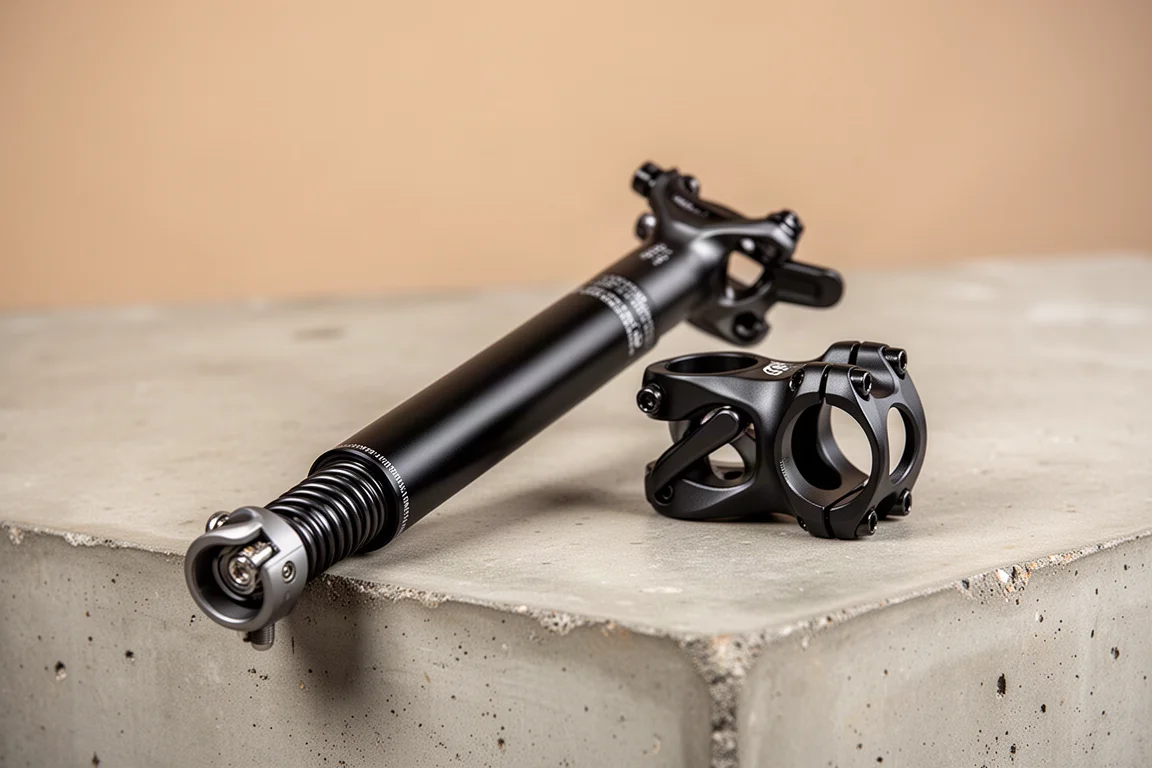
Suspension has been standard on mountain bikes for decades and is now common on gravel bikes, but it remains unusual on a traditional road bike. The Redshift suspension seat post and suspension stem take a different approach. Instead of adding suspension to the frame, they add it at the two points where a rider feels the road most: the saddle and the handlebar.
That makes them relevant to riders who want more comfort from the bike they already own, particularly those covering long distances on rough surfaces.
What These Upgrades Actually Do
Both parts add suspension in places where a traditional bike has none, and both are easy to fit. They are fairly universal and suit a wide range of bikes on the market. The seat posts ship with different shims, so a 27.2 mm post can be installed in a frame with a larger seat tube diameter.
Parts like these have been especially popular in touring, where rides can be extremely long and multi-day and comfort matters as much as speed. They deliver that comfort without the complexity of a frame with suspension built in. Several companies make similar products, and prices vary widely, from very cheap options to the premium end of the market.

Redshift sits at the premium end of that range, and both parts come in a standard version and a Pro version. The Pro versions cost roughly £60 more per product. On the stem, weight is the main difference. On the seat post, the Pro version is a little lighter but also offers less travel.
Redshift Suspension Seat Post
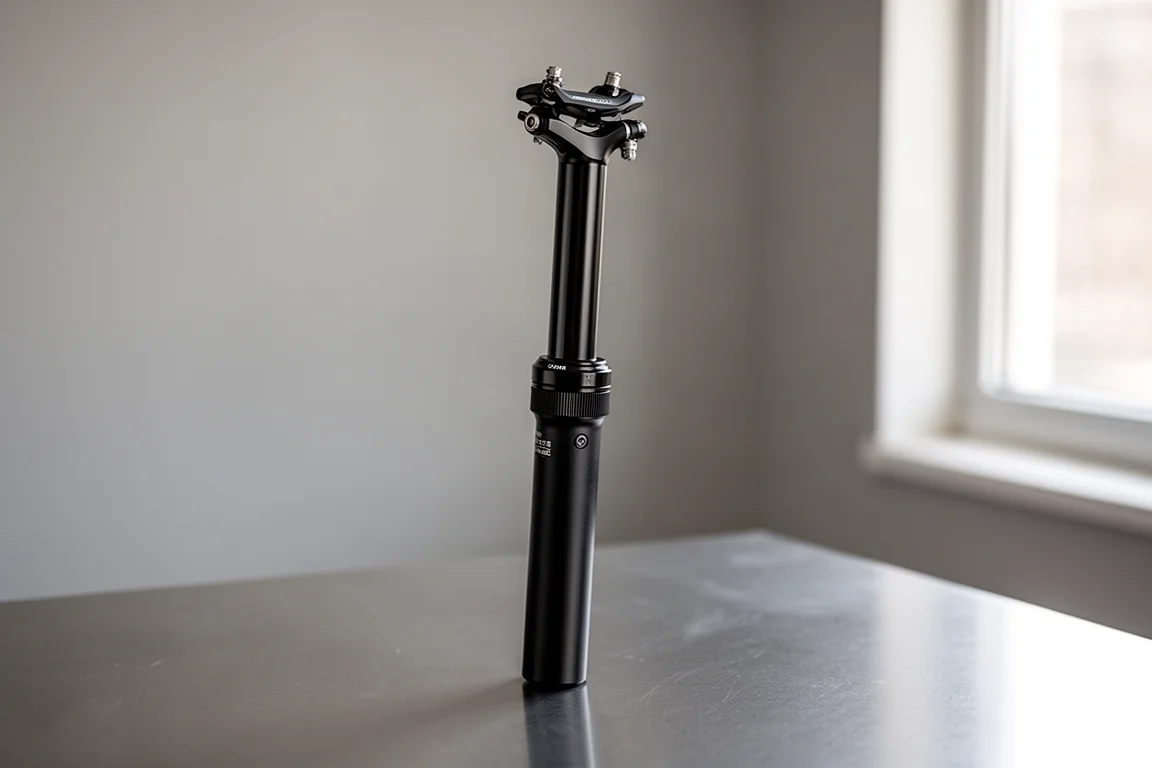
The standard seat post provides 3.5 cm of travel. Setup is handled in two ways. A preload adjuster at the base of the post changes how tight the internal spring is, which allows fine adjustment on the bike. The manual also lists settings based on rider weight, and heavier riders can fit an additional spring inside the main spring to make the system noticeably firmer. The kit includes a computer mount and small plastic components that form part of the spring assembly.
Once fitted, the post has sag: the saddle sits lower when you are on the bike than it does when the bike is unloaded. With the post fully compressed, that difference measured around one centimetre at the saddle. On cobbles and broken tarmac, that movement removes a surprising amount of chatter, and it is the kind of upgrade that makes sense for long sportive-style rides.
Redshift Suspension Stem
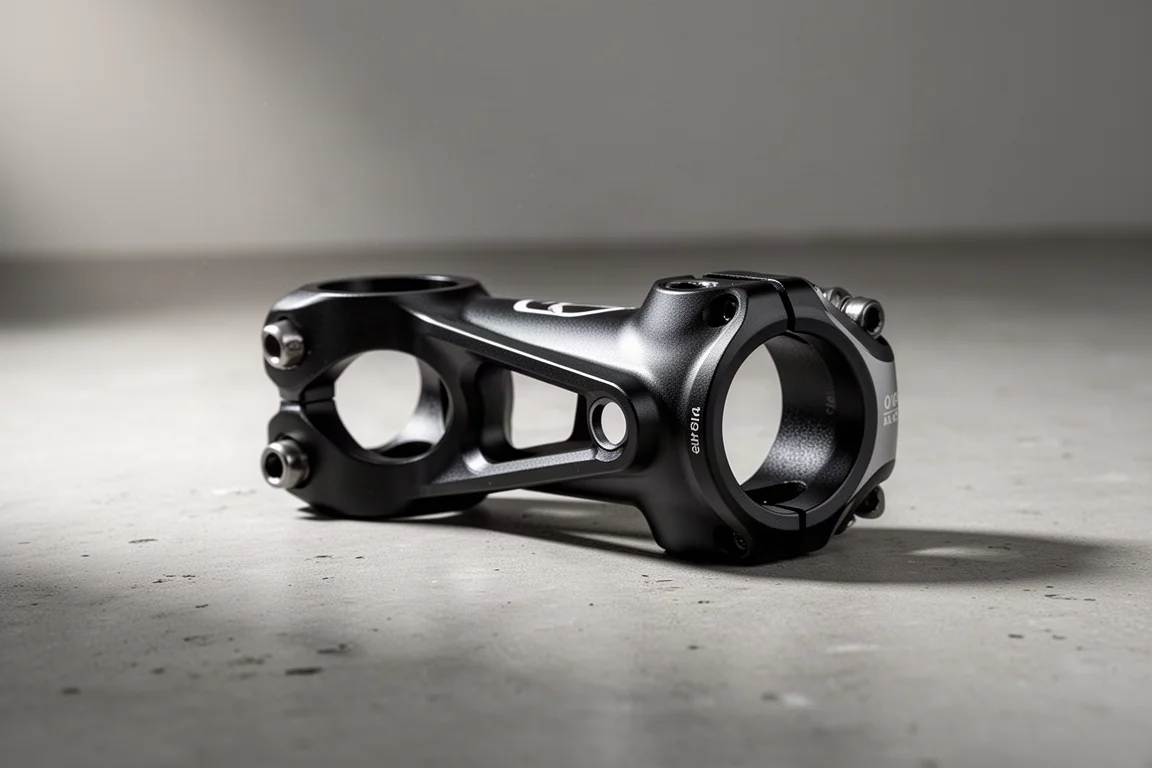
The stem is the subtler of the two upgrades. It is less noticeable in normal riding, but when the suspension does move, the pivot point makes the shifters feel as though they are tipping far forward. That sensation does not suit every rider, and it is the main reason the seat post tends to make the stronger impression of the two.
Between the standard and Pro stems, weight is the primary difference. If you are weighing up the two, the standard version is the more straightforward starting point.
Adjustment and Sag: How Setup Works
The seat post can be tuned in two stages. The preload adjuster at the bottom of the post sets how firm the spring feels, and small turns are enough to change the character of the ride. The instruction manual then provides settings based on rider weight, which gives a sensible baseline before any fine tuning. For heavier riders, a second spring can be fitted inside the main spring to firm up the system considerably.
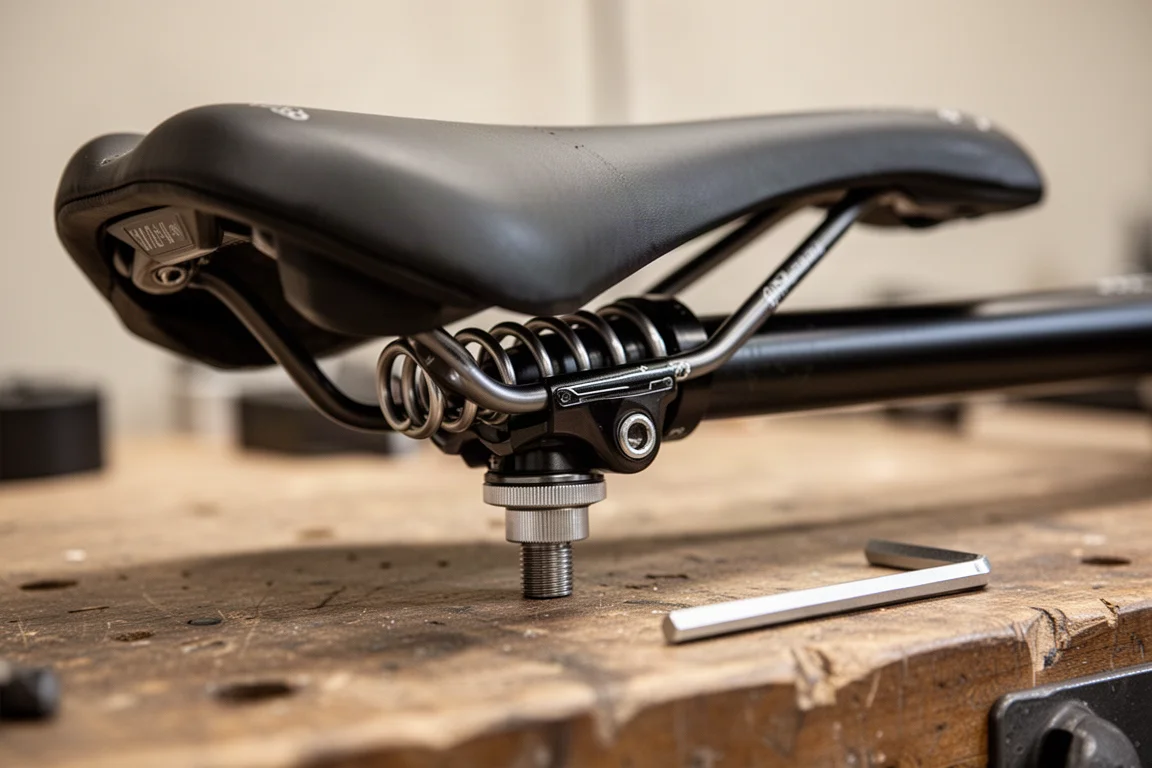
Sag is the part that takes some getting used to. Because the spring compresses under your weight, the saddle sits lower than the height you set when the bike was unloaded, and you stay somewhere within that range for the whole ride rather than returning to a fixed position.
Bike Fit Considerations
The obvious question with any suspension seat post is what it does to bike fit. Measuring from the saddle to the pedals showed roughly a centimetre of difference with the post fully compressed, which is a significant amount when saddle height is normally set to within a few millimetres.
Whether that matters depends on how you ride. A bike fitter’s view was that it comes down to ride length. For a ten-mile commute or short local loops, the change is unlikely to cause problems. For rides of 200 km, the honest answer is that more testing would be needed before making a firm claim either way. Riders who are sensitive to saddle height may prefer the Pro seat post, which has less travel and therefore changes position less.
How They Feel on Rough Roads and Gravel
On a muddy gravel track with roots and steps, a road bike fitted with the suspension post handled terrain that would normally feel harsh. Grip was not the limiting factor, and the difference came down to comfort rather than tread. It is a useful reminder that a bike can feel capable off-road because it is comfortable, not only because its tyres have more grip.

On the road, the seat post is the more convincing of the two upgrades. Where surfaces are broken or cobbled, the reduction in vibration through the saddle is immediately apparent, and it stays comfortable over longer distances.
Standard vs Pro: Which Version Fits Your Riding
The Pro seat post has 2 cm of travel compared with 3.5 cm on the standard version, and it is described as race tuned and slightly lighter. Less travel means less change in saddle position, which may make the Pro a safer option for riders who are concerned about fit, although 2 cm is still a meaningful amount of movement. For most riders, the standard seat post looks like the more versatile choice, since the extra travel is what delivers the comfort on rough surfaces.
For the stem, the choice is simpler: weight is the main difference between the standard and Pro versions, and the riding feel is largely the same.
Overall Buying Advice
If you are adding suspension to a road bike for the first time, the seat post is the place to start. It produces the larger comfort gain, it is the easier part to live with, and it is the one that makes the biggest difference on cobbles and long days on poor tarmac.

The stem is worth considering if you want to take the edge off rough surfaces at the front of the bike, but be prepared for the forward tipping sensation at the shifters. Riders who dislike it will notice it every time the suspension engages, so it is worth thinking about how much you value front-end comfort against that feeling.
Budget suspension seat posts are available from other brands at much lower prices, and the price range across the category is wide. That makes it worth deciding what you actually need: if you want the most travel and the most comfort, the standard Redshift seat post is the version to look at, and if you want less movement and a lighter part, the Pro version is the alternative. Whichever way you go, it is worth rechecking your saddle height after fitting, since sag changes your position from the moment you sit down.
Conclusion
The Redshift suspension seat post and stem both do something useful, and both are easy to fit on a wide range of bikes. The seat post is the more persuasive upgrade, with 3.5 cm of travel on the standard version, straightforward adjustment, and a real reduction in vibration on rough surfaces. The stem is subtler and more divisive, with a pivot feel that will not suit everyone. For riders who want more comfort from a road or touring bike without changing frames, the seat post is the natural first step.
Further reading
Related Reviews
Cycling Components
A 20,000-Mile Budget Race Bike Build: Five Parts Worth Knowing
A rim brake race bike assembled from low-cost components and ridden for 20,000 miles. Here is what delivered real speed, what caused problems, and what to weigh before copying the formula.
Cycling Components
7 Bike Fit Products Fitters Avoid: What to Check Before You Buy
Seven bike components that regularly cause knee, foot and saddle problems, with the specific concerns behind each one and what to look for instead.
Cycling Components
Four Affordable Bike Upgrades That Improve Ride Feel
Four low-cost cycling products that make a real difference to ride feel, plus the free setup changes worth trying first.