Cycling Components
Redshift Cycling Products: Seven Unusual Upgrades That Earn Their Place
A practical look at the full Redshift range, from the dual-position seatpost to the Kitchen Sink handlebar, with prices, trade-offs and the riders each part suits.
Introduction
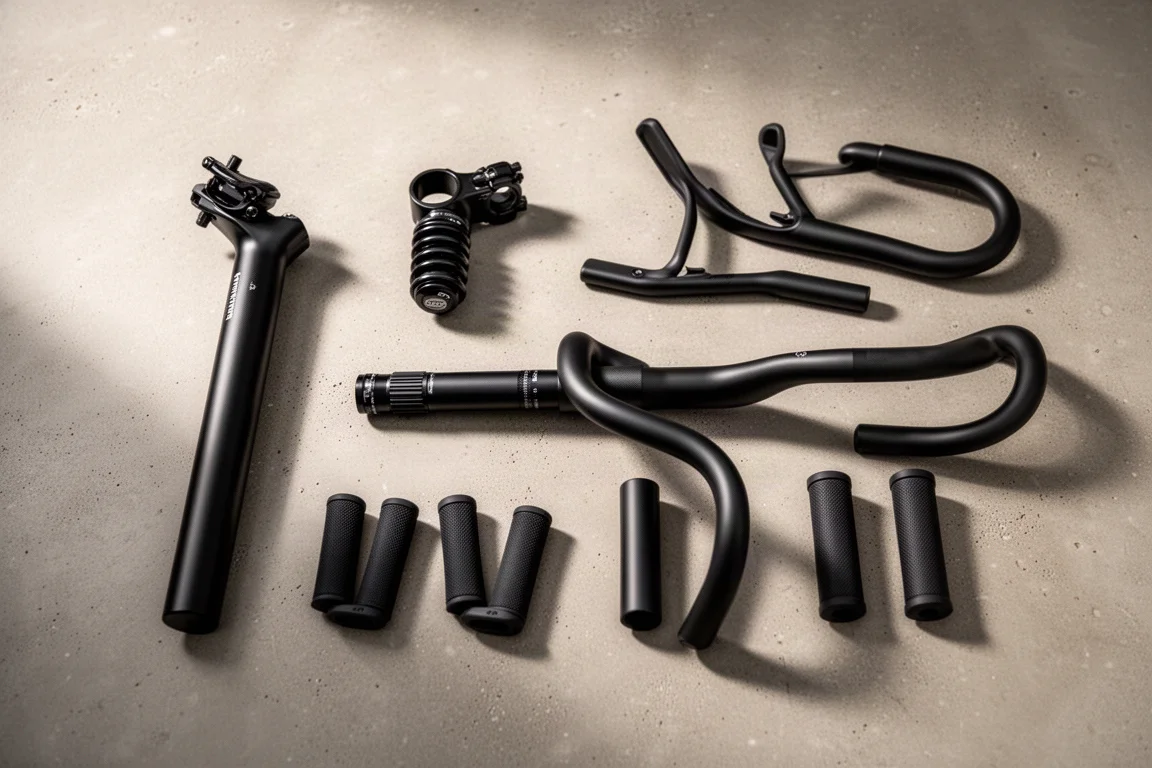
Redshift makes cycling components that look wrong on paper. A seatpost with two positions. A stem that moves. Aerobars that come off in seconds. A handlebar named after a kitchen sink. None of it follows the usual upgrade path, and the prices sit at the higher end of the market, from £40 grips to a £300 suspension seatpost.
That is the point. Each part solves a specific problem most components ignore: changing body position on the fly, softening rough surfaces, or opening up more places to put your hands on a long ride. This guide runs through the range, what each part actually does, and who it suits.
What Makes Redshift Different
The thread running through the whole range is a willingness to build something that has no obvious equivalent. The designs are unusual, the manufacturing quality is high, and the parts are made to last a long time. That is also the honest answer to the price question. These are expensive components, and the cost reflects design work rather than production volume.
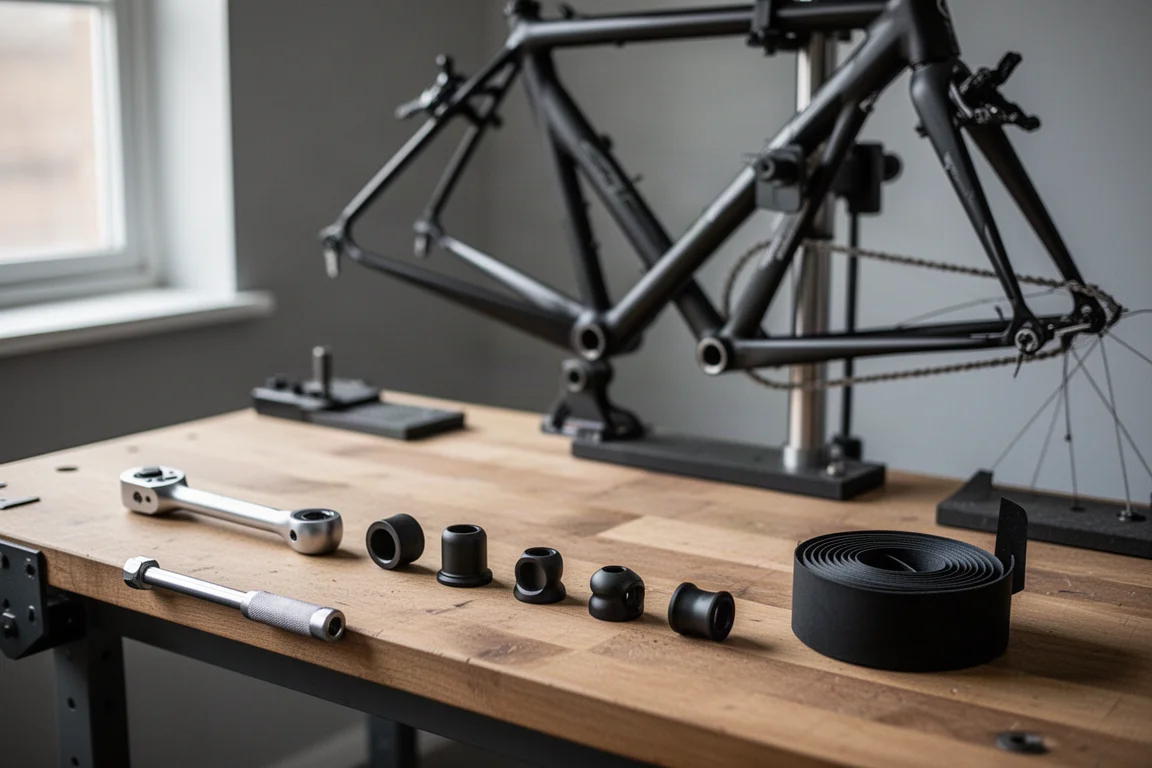
The trade-off is that these parts are aimed at a very small slice of riders. Most cyclists will look at a two-position seatpost or a set of grips that sit under bar tape and see no reason for them to exist. Riders who do have the specific problem each part solves tend to find them genuinely useful.
Redshift Dual-Position Seatpost
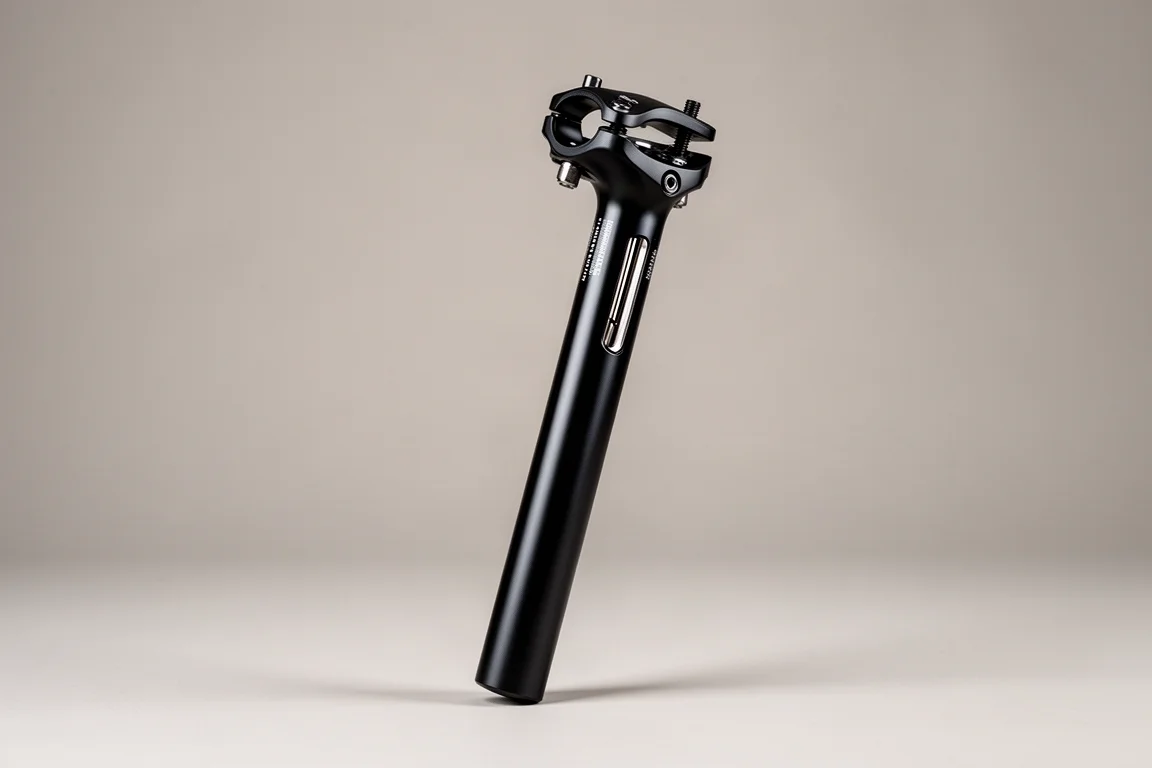
£199.99 buys a seatpost with two saddle positions and no tools required to switch between them. The mechanism holds the saddle in place magnetically, and you can move between positions while riding.
The numbers matter here. In the rear position, reach to the handlebars measures 66cm. Slide it forward and reach drops to 61cm, a 5cm change. A parallelogram linkage keeps the saddle on the same plane as it moves, so the angle does not shift, and saddle height rises slightly from 69cm to around 70cm. That rise keeps leg extension consistent in both positions.
For anyone who has ridden a time trial bike, the forward position reproduces that over-the-front, aggressive feel on a standard frame. The post feels as though it should move under load, and it does not.
Redshift ShockStop Suspension Stem
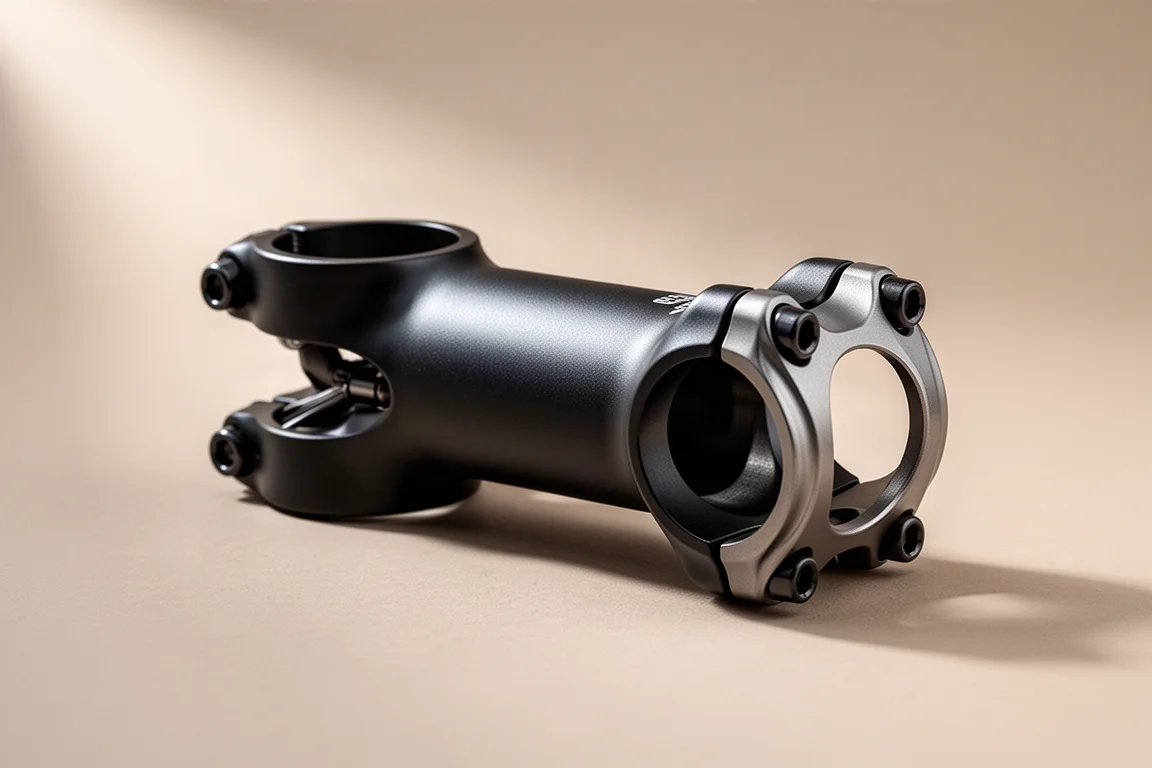
The suspension stem comes in two versions. The lighter one costs £250, and the standard version runs around £180 to £189.99. Both mount like a conventional stem on road and gravel bikes, but they add suspension travel at the handlebars, which is where rough surfaces are felt most.
Lengths and angles vary across the range, the stem can be flipped, and interchangeable elastomers let you set the amount of suspension to suit your weight. There is a single pivot point, so the bars can tilt forward slightly as you ride over bumps. A two-pivot alternative exists on the market at a considerably higher price.
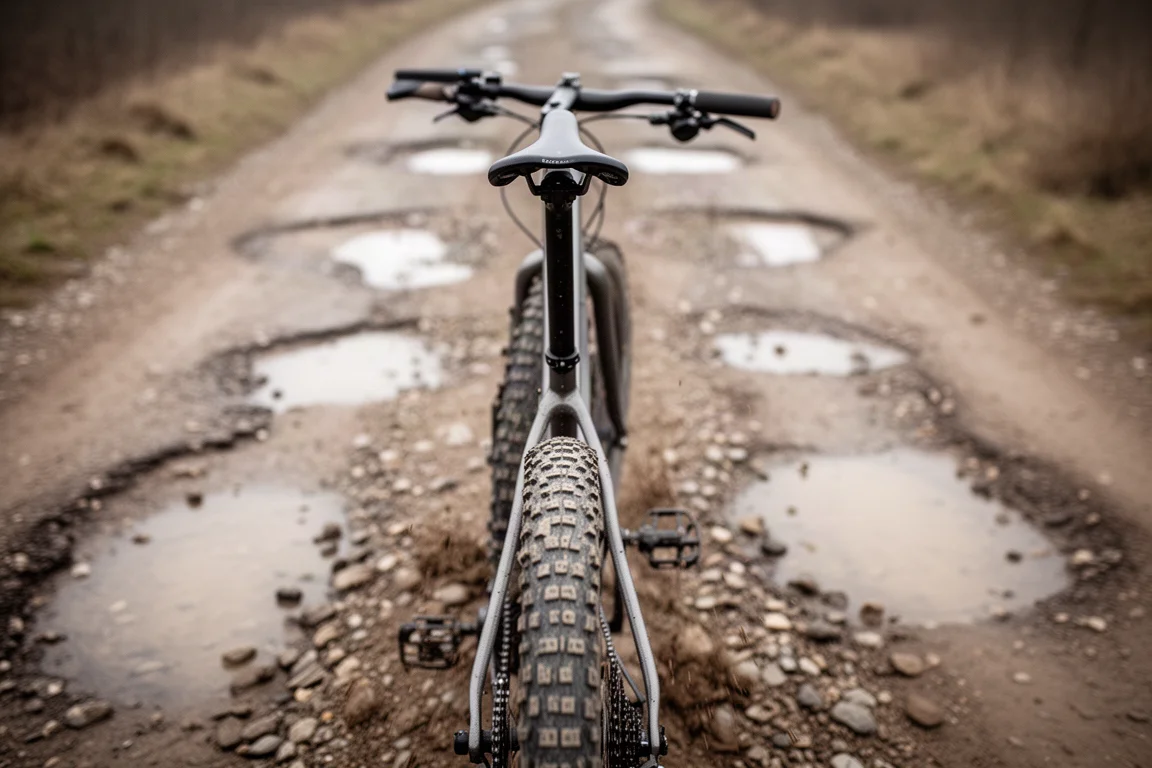
The benefit shows up on broken surfaces. On potholed roads and gravel, the stem evens out the chatter that normally travels straight into your hands, and that is most noticeable when riding on the extensions.
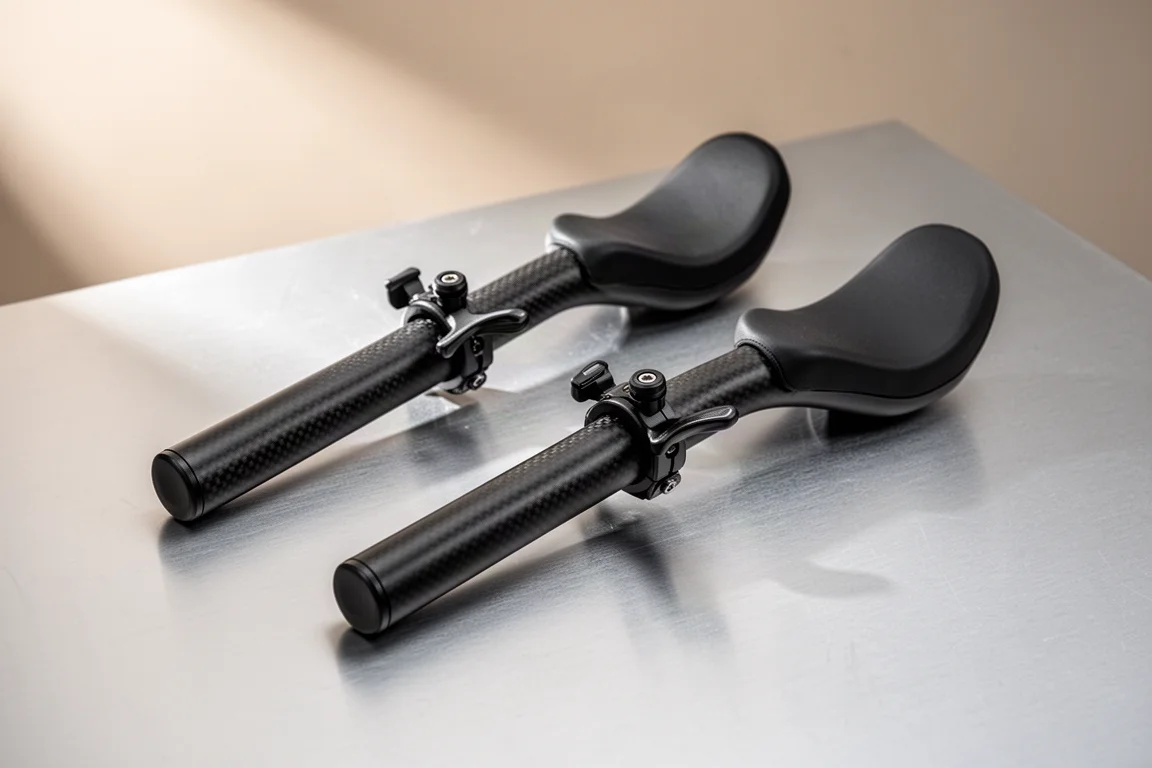
Redshift Quick-Release Clip-On Aerobars
These clip-on aerobars are built around quick-release levers. Pull the levers and the extensions come away from the bars in roughly four seconds, which means you can run them for the flat sections of a long ride and stow them in a bag for everything else.
The aerobars cost £199.99. Paired with the dual-position seatpost, the total comes to around £400, and that combination turns almost any bike into a usable time trial setup. It will not match a dedicated time trial bike for speed, but it lands roughly £2,000 cheaper.

For adventure riders who cover long distances, the appeal is flexibility: extensions for the stretches where they help, and a normal cockpit for everything else. It is a setup that rewards riders who want options rather than a second bike.
Redshift Kitchen Sink Handlebar
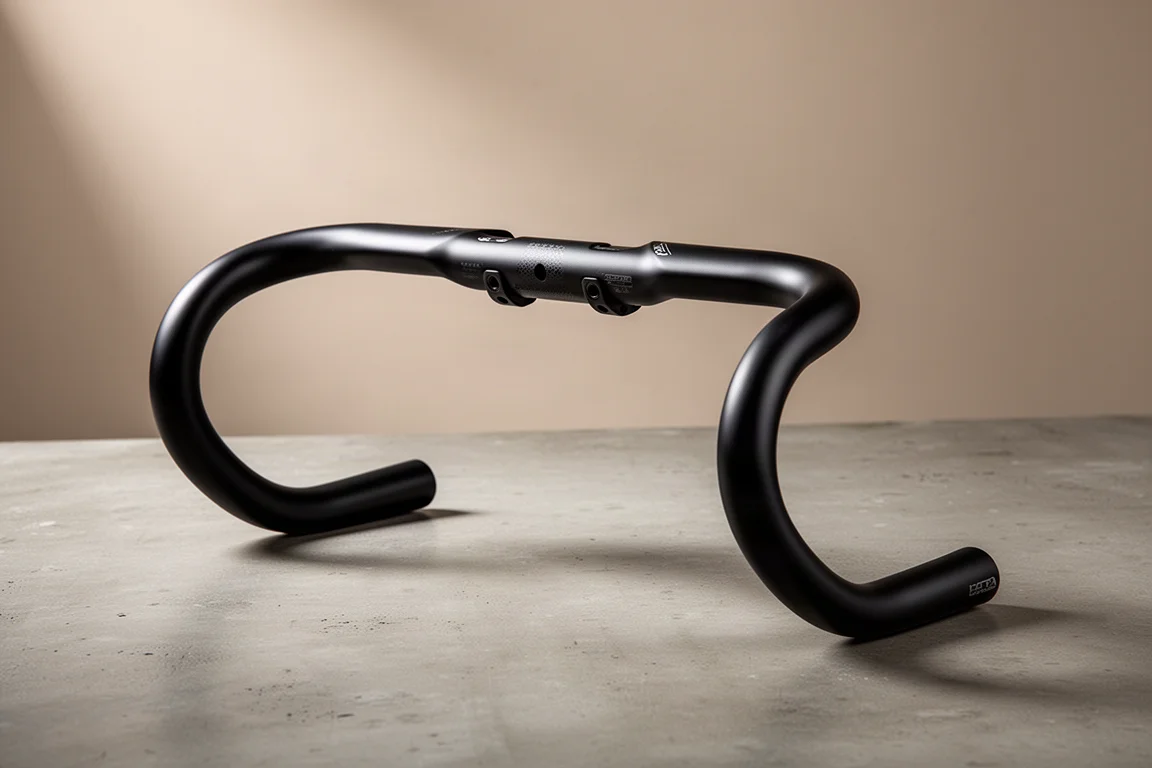
The Kitchen Sink is a heavily flared drop bar aimed at gravel and adventure riding. Two versions exist: £100 for the standard bar, and a version with a loop at the front for £40 more. The bar bag that fits that loop is a further £40.
The flare is the defining feature. It opens up a wide spread of hand positions, from the narrower tops to the wider drops, and there is enough room between the drops for a bar bag. Widths vary across the range. The smallest version measures around 40cm, though once shifters are fitted the effective width is noticeably narrower because of the flare, so it is worth measuring rather than matching an existing bar.
The front loop and bag combination is the standout detail. Having food and small items within reach at the front of the bike is a real advantage on long rides, and it works better than strapping a pouch to the side of a standard handlebar.
Redshift ShockStop Suspension Seatpost Pro
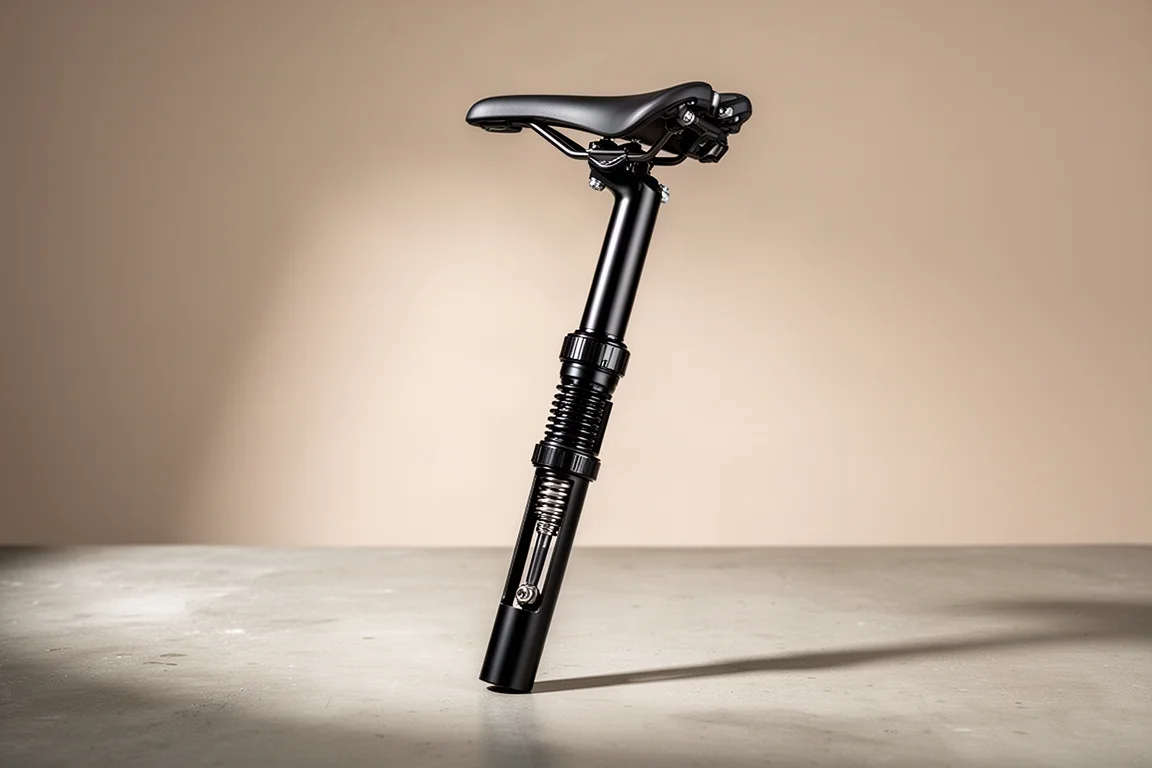
The Pro version of the suspension seatpost costs £300, with a non-Pro version available for around £230. Both put suspension inside the seatpost, and both fit most standard frames. This one is 27.2mm and ships with shims to cover other sizes.
Springs and a preload adjuster at the base let you tune how much the post compresses for your weight. The Pro version is lighter, and it springs less than the standard version, which makes its movement less noticeable in normal riding. On gravel and on potholed roads, the difference in comfort is substantial.
Weight is unlikely to be the deciding factor for anyone shopping in this category, so the non-Pro version remains a sensible option. The Pro simply offers a slightly more refined feel.
Redshift Cruise Control Top Grips
The Cruise Control Top Grips are small rubberised pieces that sit underneath your bar tape on the tops of the drop bars. They create a larger platform under the hand, which makes the tops noticeably more comfortable, and they shorten reach considerably.
That shortening will not suit everyone. If your reach is already correct, the change is significant, and the gap between the shifters and the tops becomes larger, leaving you more upright when holding them. Redshift also makes extra-long bar tape so the grips can be covered properly.
At £40 they are the cheapest items in the range, and they are still priced above typical grips. The comfort gain is real rather than theoretical.
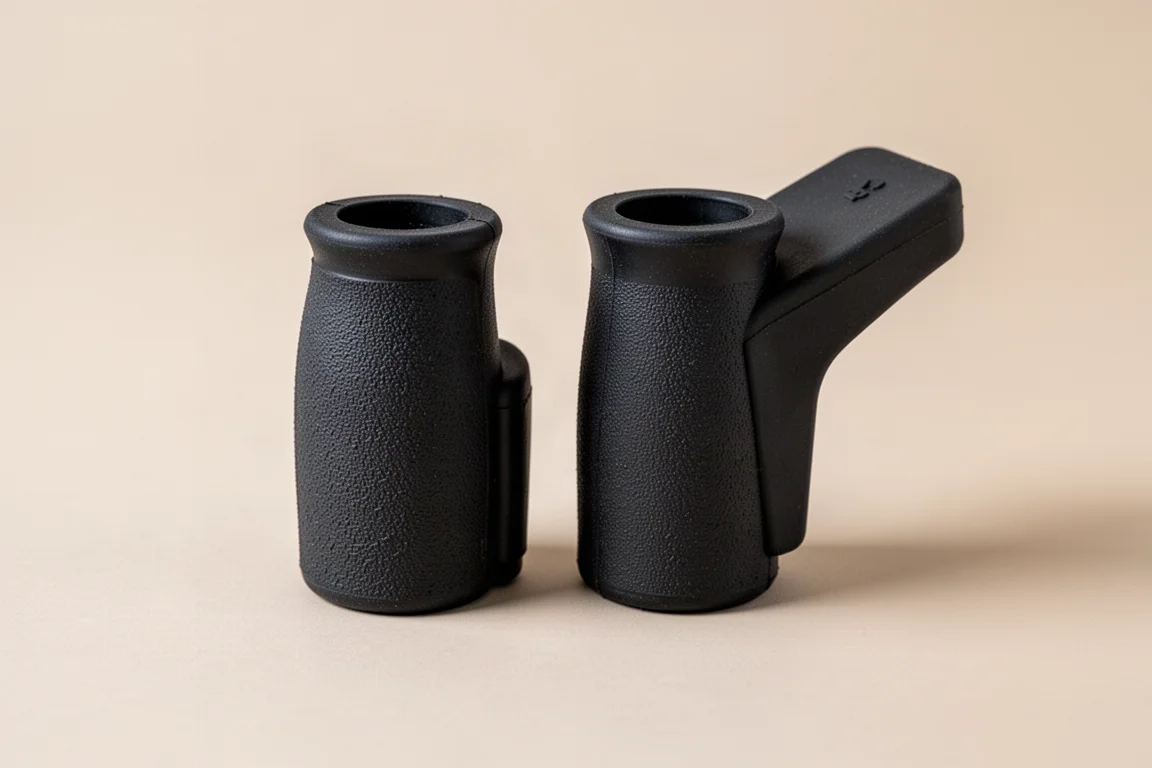
Redshift Cruise Control Drop Grips
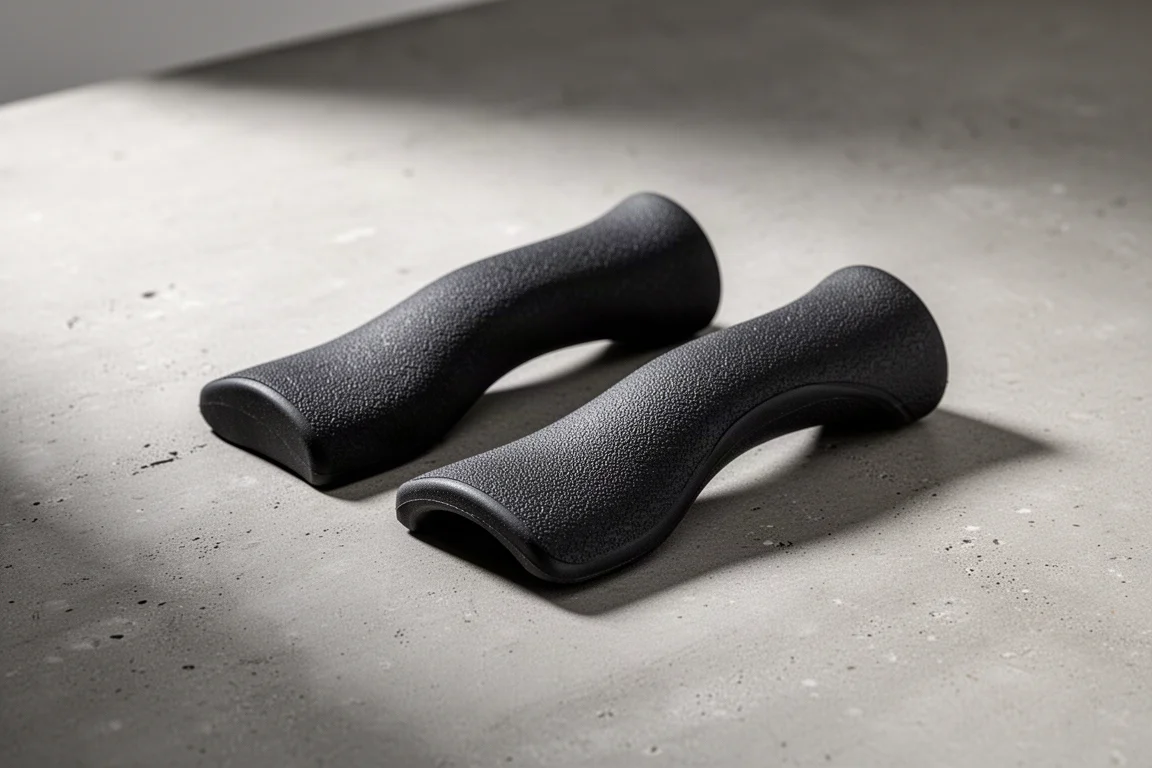
The Drop Grips apply the same idea to the drops. They create a larger platform for the hands and, unlike the top grips, they are not wrapped in bar tape. You start the tape where the grips end. They fit all types of drop handlebars and have a grippy feel.
For riders who spend long stretches in the drops, the wider platform spreads pressure across the hand rather than concentrating it in one spot. Like the top grips, they cost £40.
Buying Advice: Which Redshift Upgrades Make Sense
Start with the problem you actually have. Riders who want time trial speed without a second bike should look at the dual-position seatpost and the quick-release aerobars together, since the two work as a pair. Riders bothered by surface buzz on gravel or broken tarmac will get the most from the suspension stem and the suspension seatpost, in either the standard or Pro version.
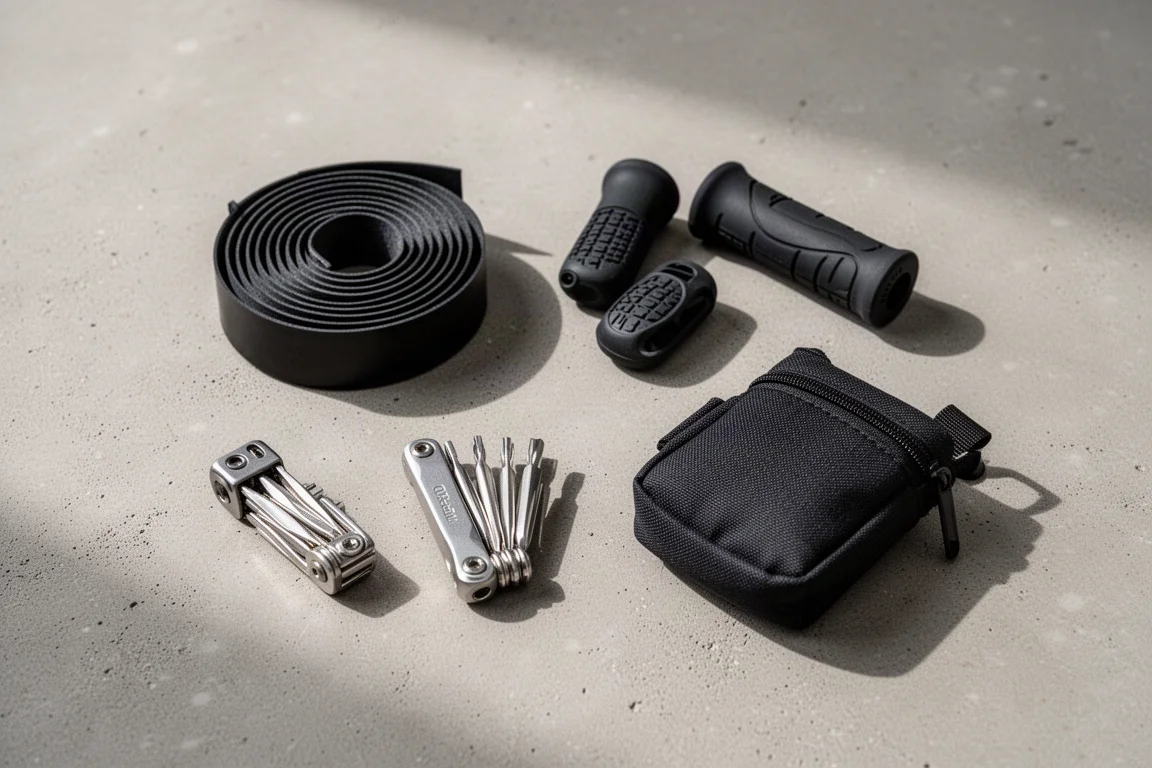
Comfort upgrades are the easiest place to start. The two grip sets are the least expensive items in the range and they change hand comfort immediately, though the shortened reach on the top grips is worth checking against your current setup. The Kitchen Sink handlebar is the most involved purchase, and it rewards riders who already know they want more hand positions and front-mounted storage.
Budget is the honest constraint across the range. Every part here costs more than a conventional equivalent, and the value comes from design work and durability rather than from price.
Conclusion
Redshift occupies a narrow corner of cycling. The products look strange, the prices are high, and most riders will never need them. For the riders who do, the dual-position seatpost, the suspension components and the flared handlebar solve problems that mainstream parts tend to ignore, and they solve them well.
Further reading
Related Reviews
Cycling Components
A 20,000-Mile Budget Race Bike Build: Five Parts Worth Knowing
A rim brake race bike assembled from low-cost components and ridden for 20,000 miles. Here is what delivered real speed, what caused problems, and what to weigh before copying the formula.
Cycling Components
7 Bike Fit Products Fitters Avoid: What to Check Before You Buy
Seven bike components that regularly cause knee, foot and saddle problems, with the specific concerns behind each one and what to look for instead.
Cycling Components
Four Affordable Bike Upgrades That Improve Ride Feel
Four low-cost cycling products that make a real difference to ride feel, plus the free setup changes worth trying first.