Cycling Components
Redshift Cycling Products: 7 Unusual Upgrades for Road, Gravel, and Adventure Riders
A practical look at seven Redshift components, from a two-position seatpost to suspension stems and comfort grips, with the strengths and trade-offs to weigh before buying.
Introduction
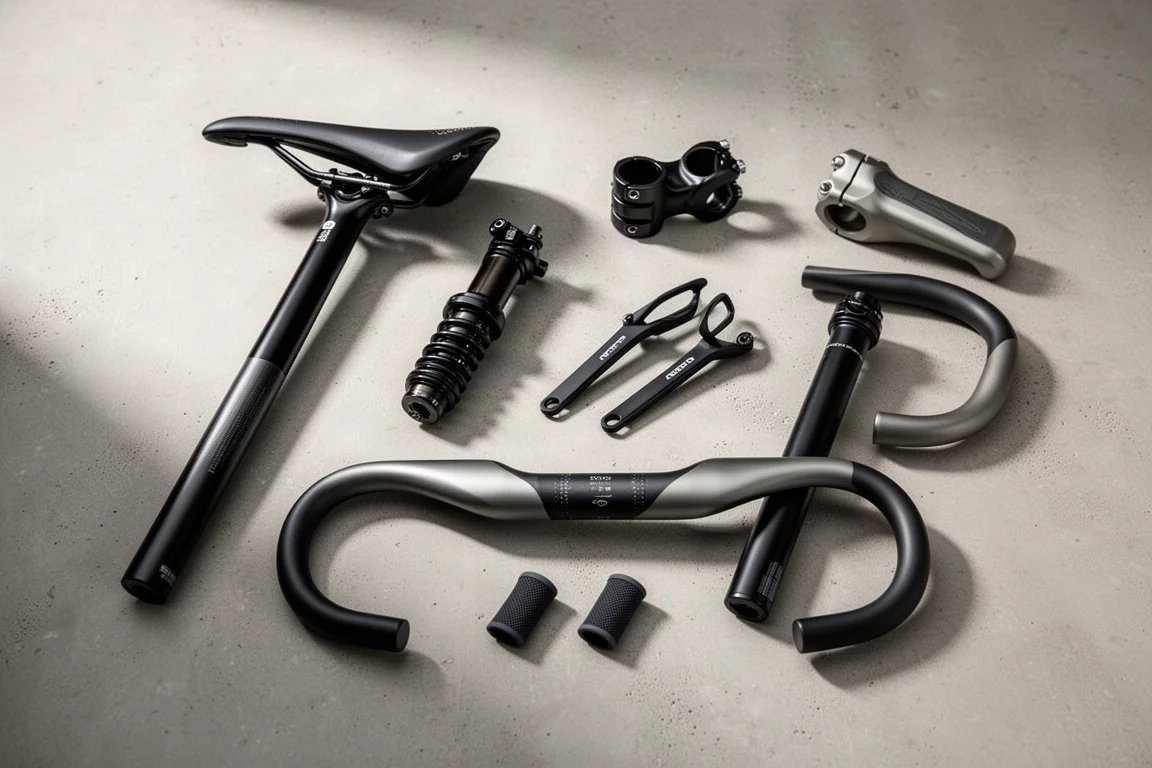
Redshift builds components that look strange on paper and make far more sense once you ride them. The range circles a single idea: letting one bike cover much more ground, from fast time trial style efforts to long, loaded adventure rides.
This guide covers the seven products in the line, what each one actually does on the road, and where the money is best spent. Every item here sits at the premium end of the accessory market, so the useful question is not whether the engineering is good, but which of these solves a problem you already have on your rides.
Why These Redshift Upgrades Stand Out
Two themes run through the whole range. The first is adjustability: several products let you change your riding position while you are moving, instead of stopping to swap parts. The second is comfort on rough surfaces, whether that is a potholed lane or a long gravel descent.
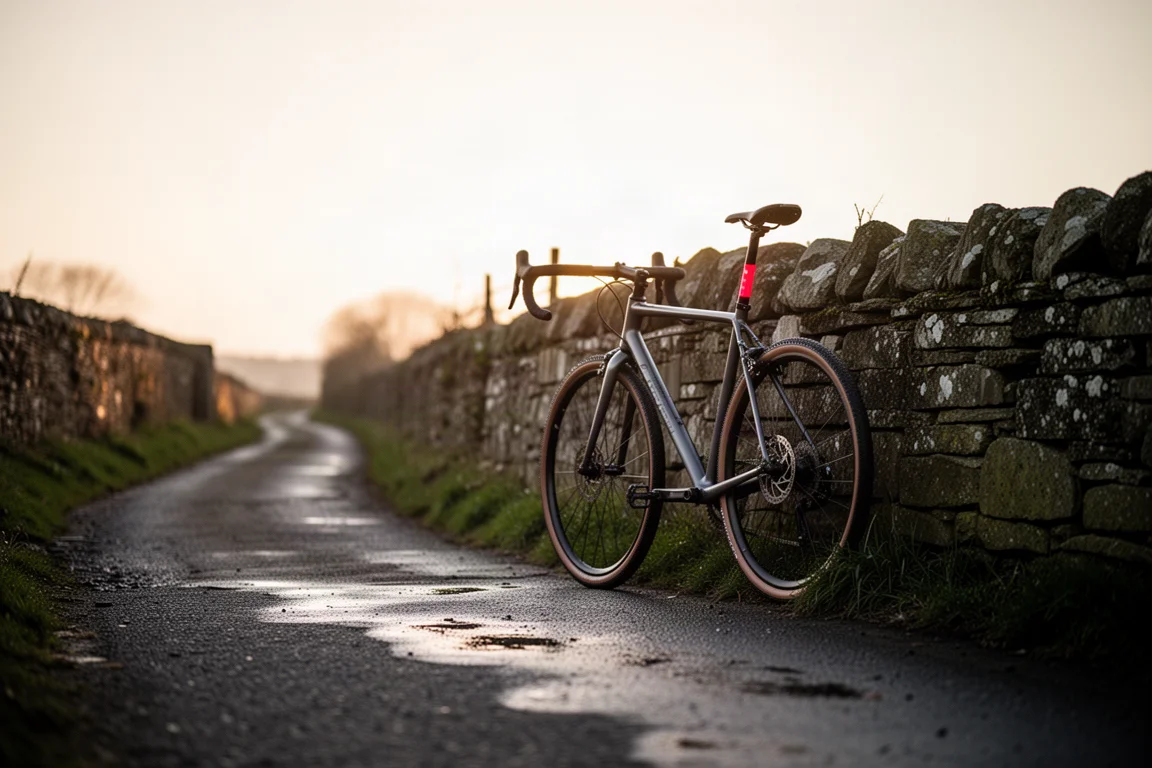
That combination is what makes the line unusual. The parts are designed to work together as a system, and the biggest gains come from pairing them: a forward seatpost with clip-on extensions, or a suspension stem with a suspension seatpost. Individual pieces still stand on their own merits, but the system approach explains the shared design language.
Redshift Dual-Position Seatpost
The Dual-Position Seatpost does exactly what the name suggests: it offers two saddle positions and can be switched while you are riding. In the rear position, reach to the handlebars measured around 66 cm on our setup. Moved forward, it drops to roughly 61 cm. That 5 cm shift is a substantial change in posture, and it is the difference between a relaxed road position and the aggressive, over-the-front feel of a time trial bike.
A parallelogram linkage keeps the saddle angle consistent as it travels, and the saddle rises slightly, from about 69 cm to around 70 cm. That means leg extension stays close to identical in both positions, which is a thoughtful piece of design. The mechanism holds firm once engaged, with none of the flex the moving parts might suggest.
Redshift ShockStop Suspension Stem
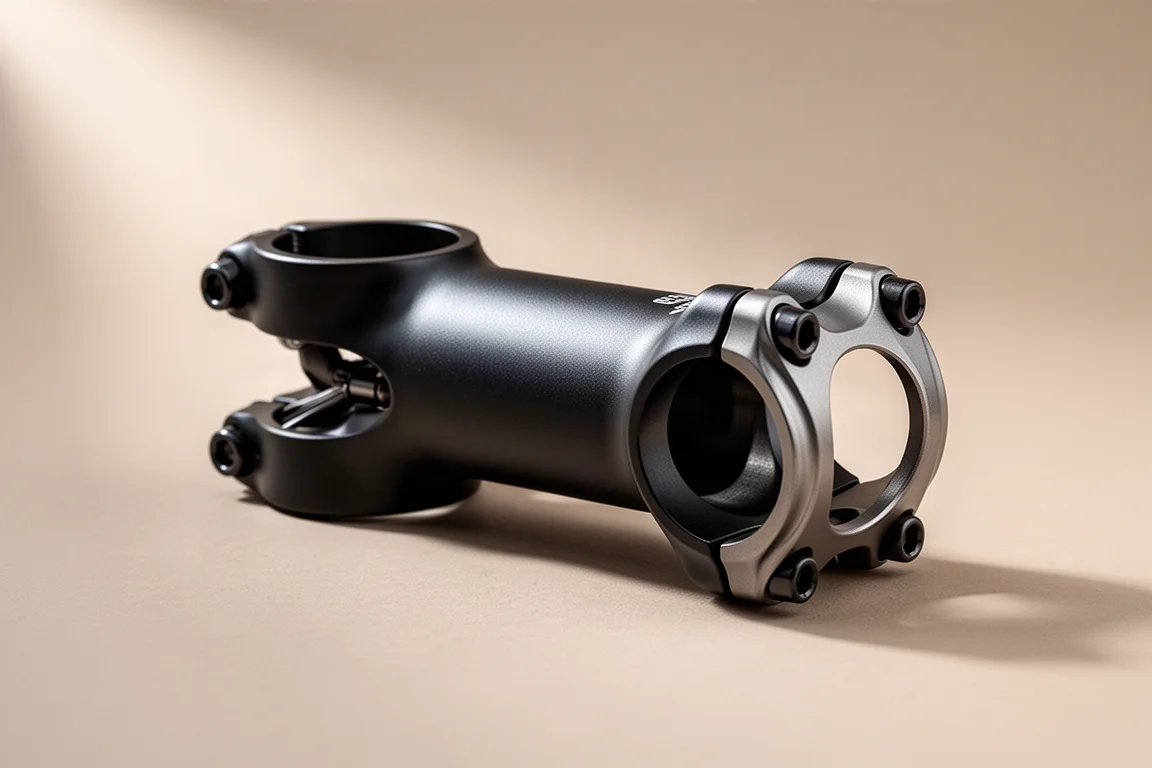
The ShockStop Suspension Stem comes in two versions. The lighter, more expensive one costs £250, while the other sits at around £189.99. It fits like a regular stem on road and gravel bikes, but adds shock absorption right where your hands take the punishment.
It is available in a range of lengths and angles, can be flipped, and uses interchangeable elastomers so you can tune the amount of suspension travel to your body weight. There is a single pivot point, which means the bars tilt slightly forward as you ride over bumps.
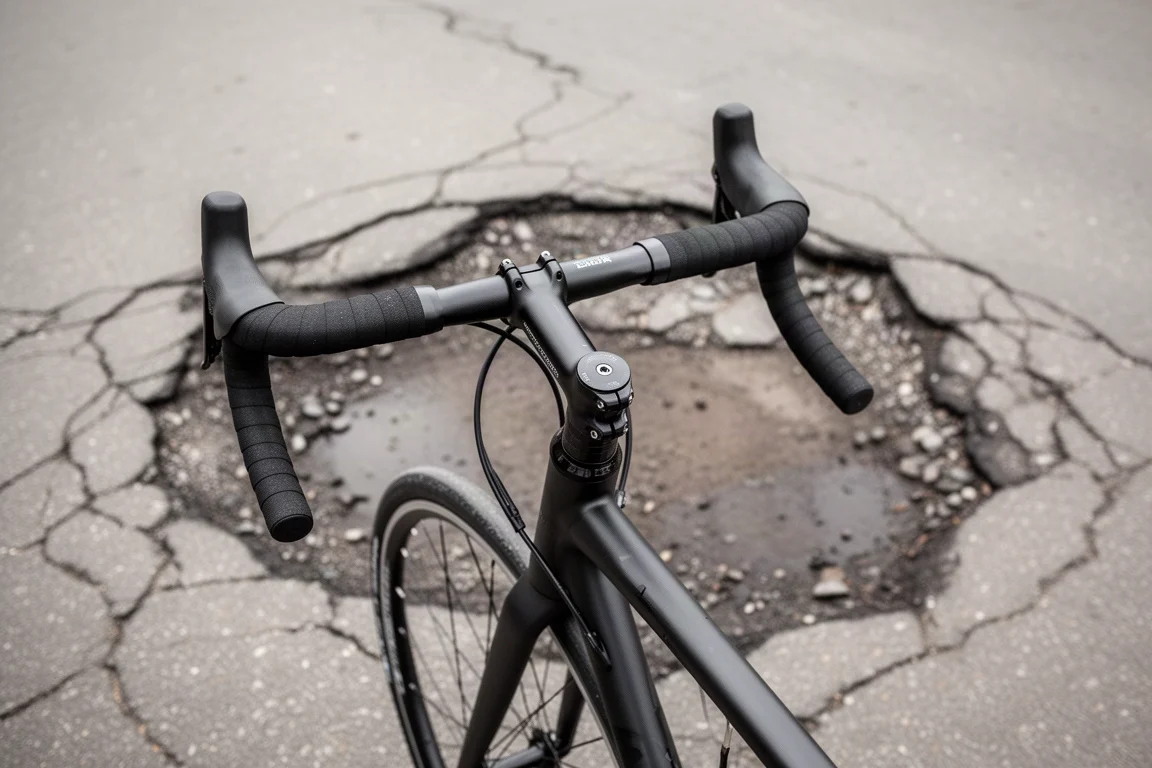
In practice the stem evens out rough surfaces very effectively. It has been used in a time trial position on gravel with road tyres, and the bumpy sections simply stop registering. The single pivot is the main compromise, since a two-pivot alternative exists on the market, though at a considerably higher price. For most riders the difference will be small next to the comfort gained.
Redshift Quick-Release Clip-On Aerobars
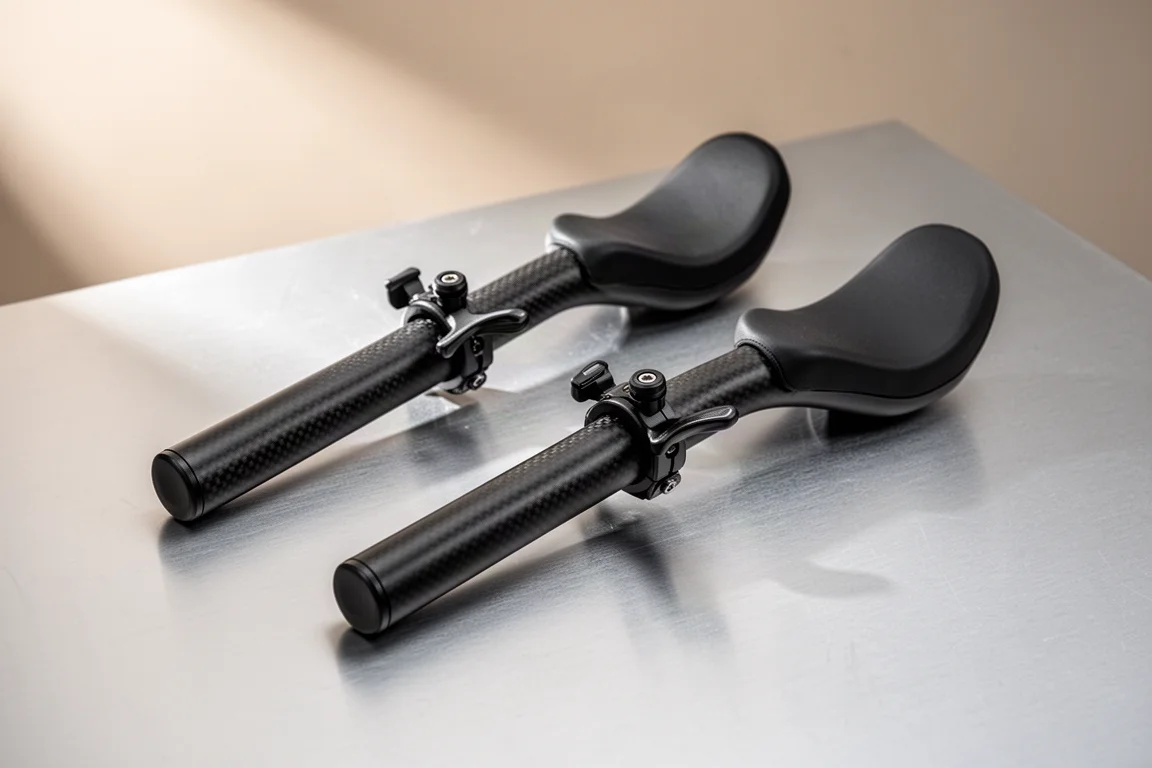
These clip-on aerobars are well made, with quick-release levers that let you fit or remove the extensions in about four seconds. That speed is the whole point: if you do not want the extensions, they come off and go straight into a bag.
Combined with the dual-position seatpost, the two parts cost around £400 together and give any bike a genuine time trial style setup. It will not be as quick as a dedicated time trial machine, but it lands roughly £2,000 cheaper. For long-distance and adventure riders, the extensions also add another hand position for hours in the saddle.
Redshift Kitchen Sink Handlebar
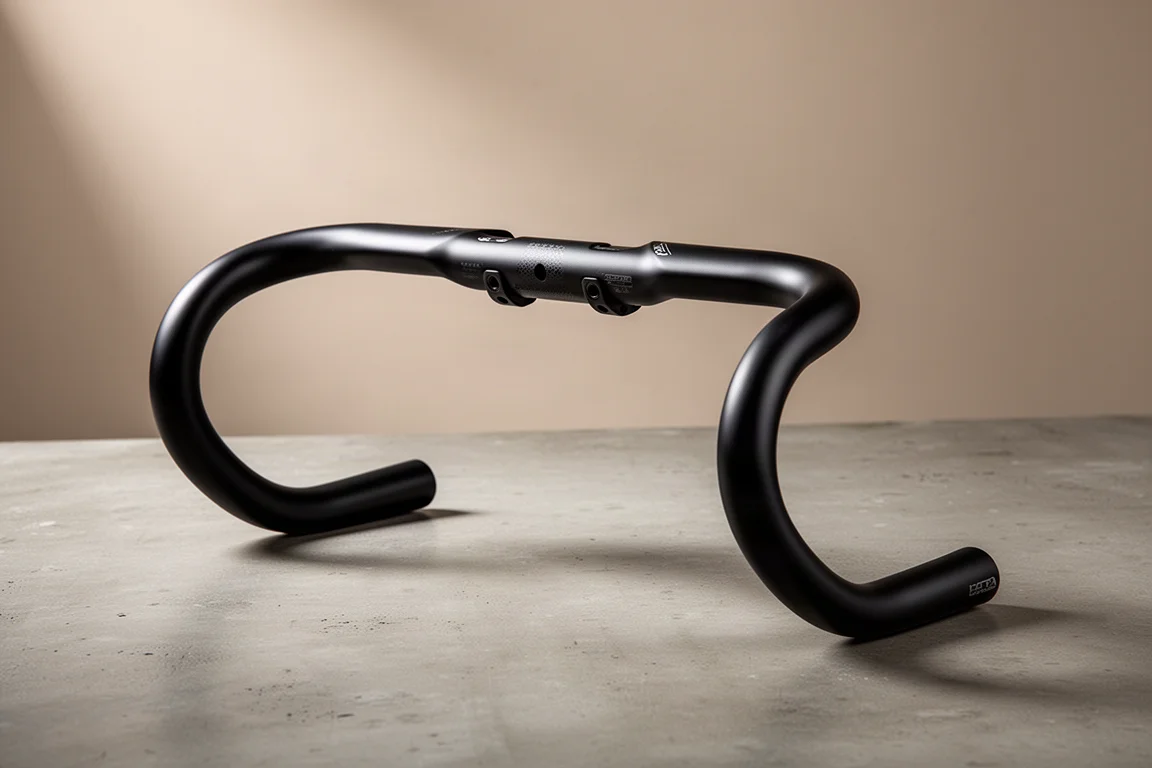
The Kitchen Sink Handlebar is a heavily flared drop bar aimed at gravel and adventure riding. The standard version is £100, the version with a front loop is £140, and the matching front bag is £40. That loop and bag combination is genuinely convenient, giving you somewhere to keep food and small items within easy reach.
Widths vary across the range. The smallest version measures around 40 cm, but because of the aggressive flare the effective width at the shifters narrows to roughly 34 cm, so it is worth thinking carefully before matching it to your usual bar width. Hand position sits closer to 40 cm, which means the bar offers a wide spread of options.

That spread of positions is where the bar earns its place. You can sit back slightly for a wider grip, move up top for a narrower one, and shift your weight around on long rides instead of loading the same patch of hand for hours. It is comfortable, the flare feels natural, and the front bag mount solves a problem most bikepackers know well.
Redshift ShockStop Pro Suspension Seatpost
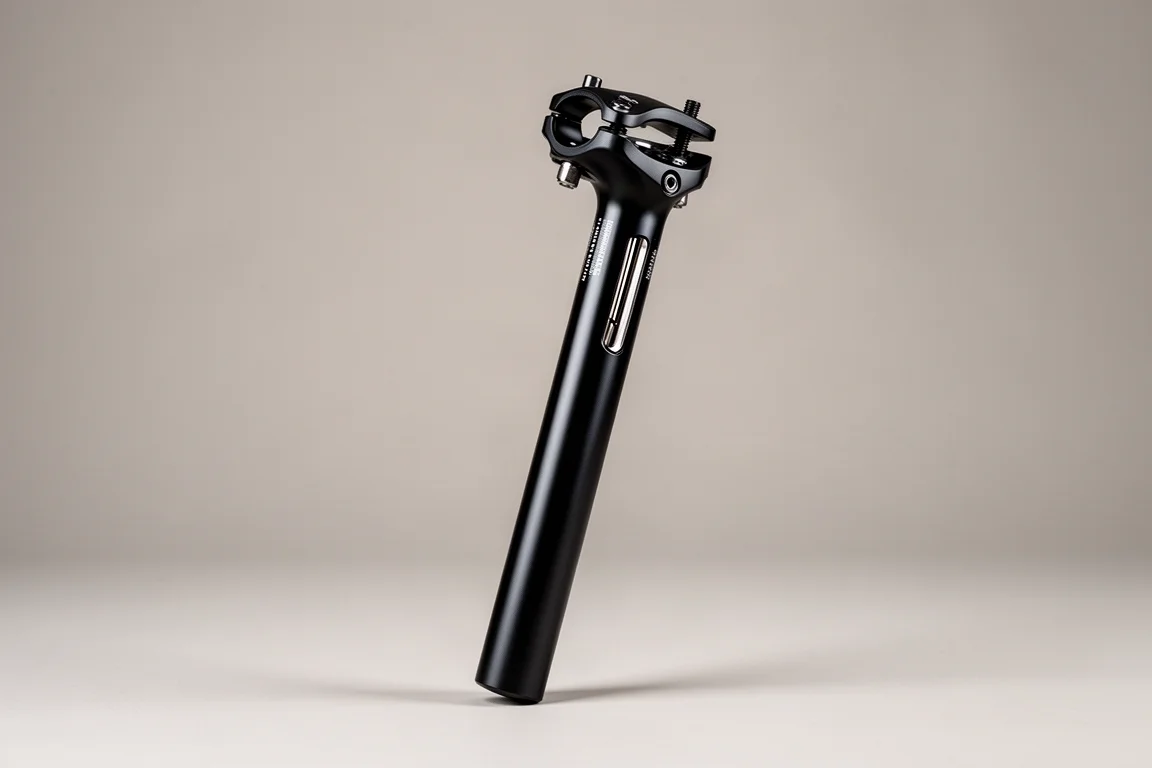
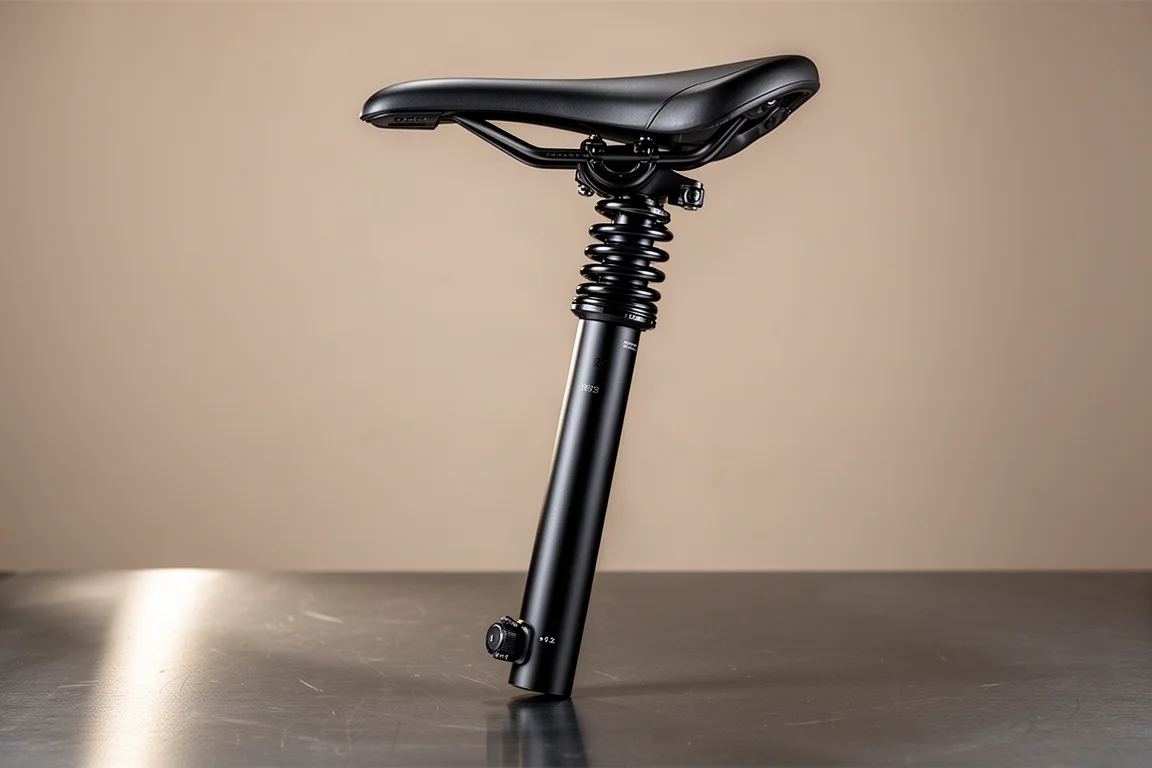
The ShockStop Pro Suspension Seatpost costs £300, with a non-Pro version at around £230. It puts suspension travel inside the seatpost, fits most normal bike frames, and ships as a 27.2 mm post with shims so it can be installed on a wide range of bikes.
Springs and a preload adjuster at the base let you set the amount of give to suit your weight. The Pro version is lighter and springs less noticeably than the standard model, which some riders will prefer and others will not. On gravel and on potholed roads, the difference in comfort is considerable. There is nothing wrong with the non-Pro version either, and it remains a strong option for riders who are not chasing the last few grams.
Redshift Cruise Control Top Grips
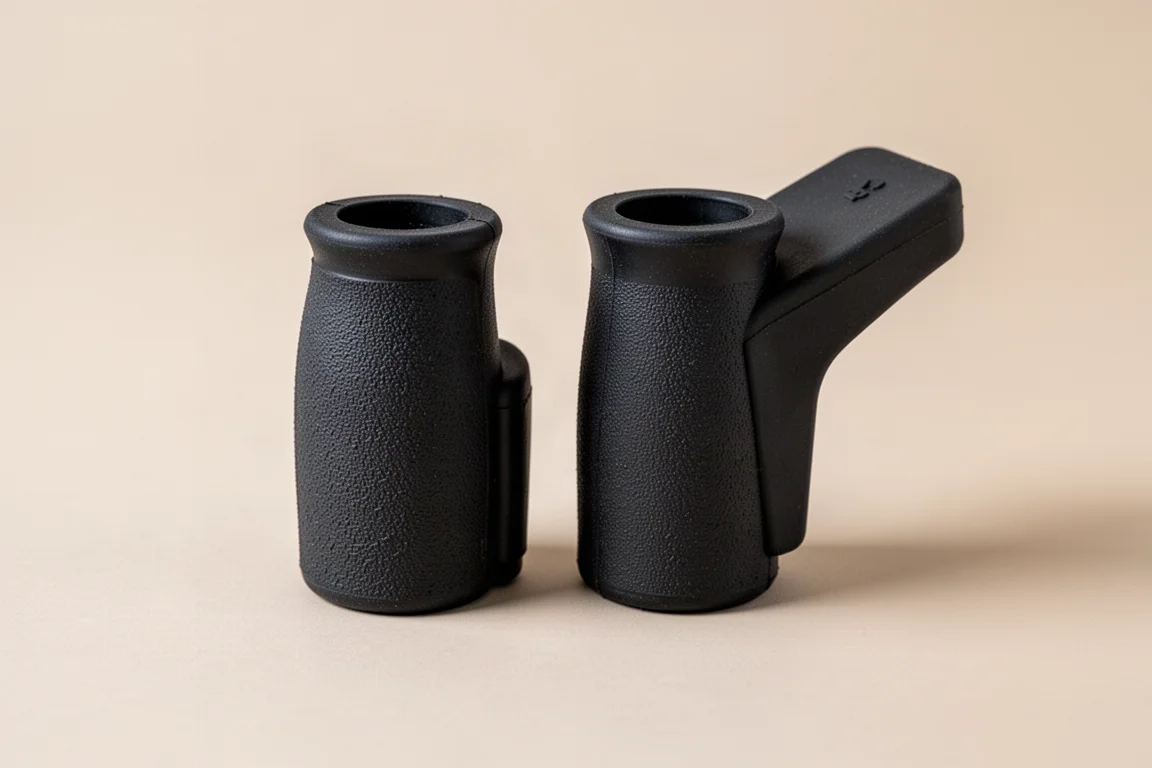
The Cruise Control Top Grips are small rubbery pads that sit under your bar tape on the tops of a drop handlebar. They create a wider, softer platform for your hands, and they noticeably shorten your reach.
That shorter reach is worth checking before you buy. If your position is already dialled in, the change may not suit you, and the tops will feel further from the shifters than before, leaving you more upright when you hold them. Once fitted, though, the grips are simply more comfortable than bare bar tape. Redshift also makes long bar tape, so the wrap still covers the full bar.
Redshift Cruise Control Drop Grips
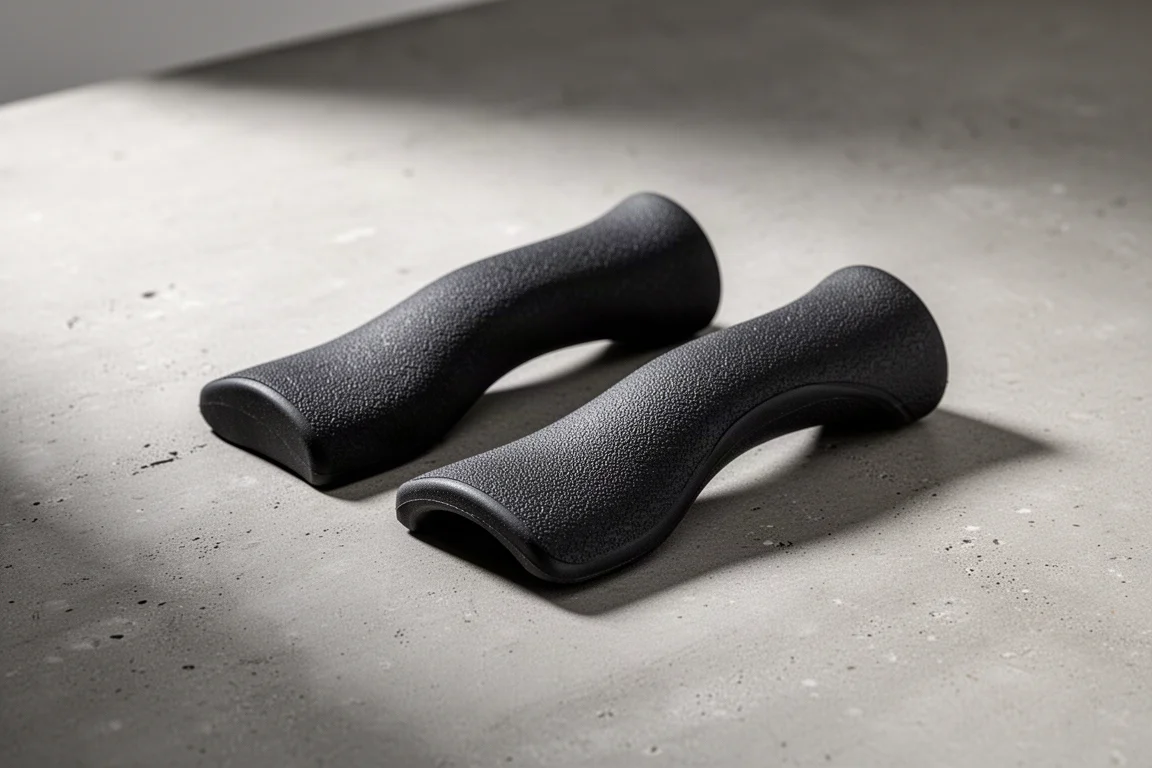
The Cruise Control Drop Grips apply the same idea to the drops. They build up a larger platform for your hands and have a nicely grippy feel. Unlike the top version, you do not wrap bar tape over them: you start your tape where the grips end.
They fit all types of drop handlebars, and at £40 they are among the cheaper items in the range, though still a considered purchase for a small accessory. If you spend long stretches in the drops, they change the feel of that position more than you might expect.
Overall Buying Advice
Price is the one consistent drawback across this range. Every product here is expensive relative to a generic equivalent, and the £40 grips are the cheapest of the group. What you are paying for is careful design and components built to last a long time, which is a reasonable trade if you will actually use them.
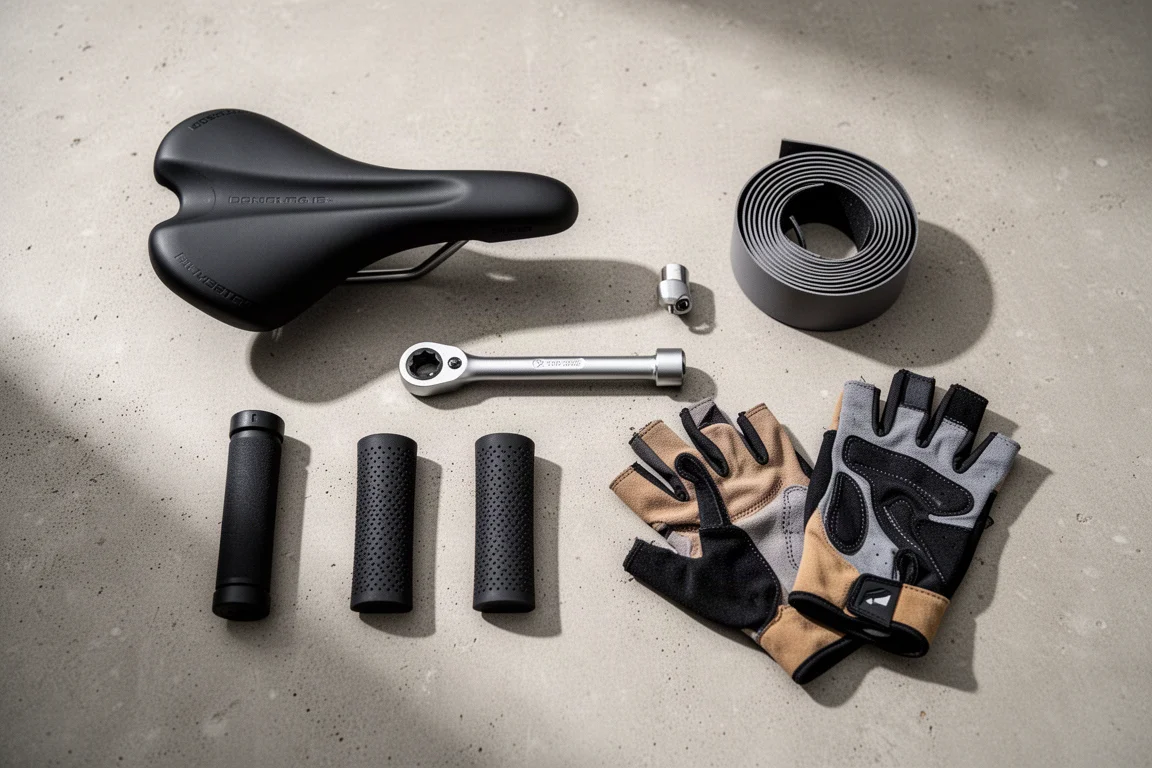
The most sensible way to approach the range is to buy for a problem you already have. Riders who want a time trial position without a second bike should look at the dual-position seatpost and the clip-on aerobars as a pair. Anyone riding rough tarmac or gravel will get more from the suspension stem and the suspension seatpost. The Kitchen Sink Handlebar suits loaded adventure riding and long days where hand comfort matters most, while the two grip sets are the lowest-cost way to test whether the Redshift approach works for you.
A note on naming: the Pro label appears on several products and mostly signals a lighter build rather than a dramatically different design. The standard versions remain perfectly capable.
These are niche components, and most riders will look at them and wonder who they are for. That is a fair reaction. The people who seek out this kind of engineering tend to find that the products exceed expectations, and that the small positional and comfort changes add up over a long season.
Conclusion
Redshift has built a coherent range around adjustability and comfort, and the individual parts are strongest when used together. Start with the problem you want solved, accept that the pricing is premium, and these upgrades can change how a single bike feels across very different kinds of riding.
Further reading
Related Reviews
Cycling Components
A 20,000-Mile Budget Race Bike Build: Five Parts Worth Knowing
A rim brake race bike assembled from low-cost components and ridden for 20,000 miles. Here is what delivered real speed, what caused problems, and what to weigh before copying the formula.
Cycling Components
7 Bike Fit Products Fitters Avoid: What to Check Before You Buy
Seven bike components that regularly cause knee, foot and saddle problems, with the specific concerns behind each one and what to look for instead.
Cycling Components
Four Affordable Bike Upgrades That Improve Ride Feel
Four low-cost cycling products that make a real difference to ride feel, plus the free setup changes worth trying first.