Aquarium Salt
Red Sea Coral Pro Salt Mix Review: Elevated Reef Parameters for Same-Day Water Changes
A detailed look at Red Sea Coral Pro Salt Mix, a naturally sourced reef salt built for elevated alkalinity, calcium and magnesium and for mix-it-and-use-it water changes.

Introduction
Red Sea Coral Pro is a naturally sourced reef salt drawn from the Red Sea, and it has been a popular choice among reef keepers for years. Its appeal is specific rather than universal: it is built for aquarists who want to run elevated levels of the three major elements, alkalinity, calcium and magnesium, and who prefer to mix a fresh batch of saltwater and use it right away rather than storing it.
That combination of traits is what separates it from a general-purpose salt. Two salts can share similar quality markers, such as how quickly they dissolve, how long they can be kept, what parameters they deliver and what they cost, yet still suit very different routines. Coral Pro leans clearly toward the fast, same-day water change.
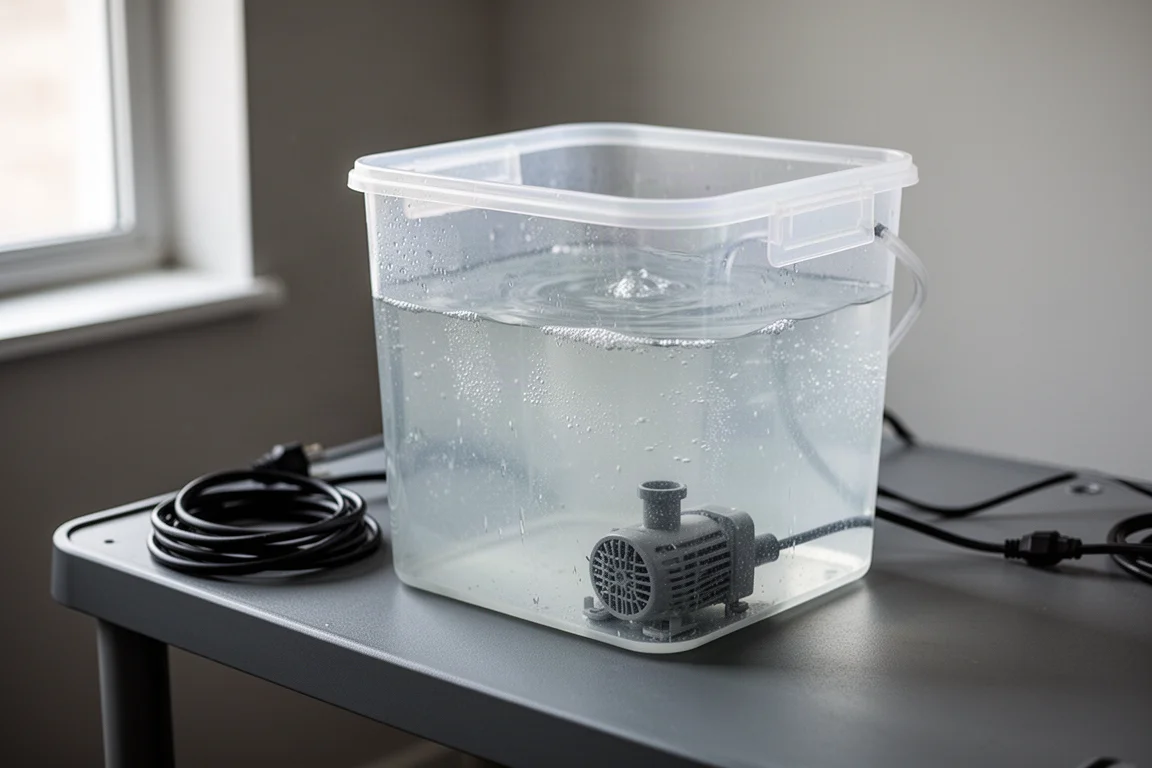
The salt is available in four formats: a 55 gallon bucket, a 175 gallon bucket, a 160 gallon box and a 200 gallon sack. Red Sea prints its recommended mixing salinity, and the parameter targets that go with it, directly on the front of the bucket, so a mixed reef and an SPS frag grow-out tank each have a stated starting point.
Who This Salt Mix Is For
Coral Pro makes the most sense for reefers who deliberately maintain raised alkalinity, calcium and magnesium, and who treat a water change as a mix-it-now, swap-it-now task rather than a batch process.
It also suits aquarists who want documented batch chemistry. Every bucket and bag is covered by the My Batch guarantee, which gives quick access to the actual chemical analysis of the exact batch the salt came from. For anyone who logs parameters or troubleshoots an unexpected swing, that is a genuinely useful free feature.
It is a weaker fit for anyone planning to mix large vats of saltwater well in advance, or to feed an automated water-change system. This salt is designed around short turnaround, and the rest of this review explains why.
Main Strengths
When Coral Pro is mixed to 35 parts per thousand, or a specific gravity of 1.026, the expected levels are an alkalinity of 11.5 to 12 dKH, calcium of 450 to 465 ppm, magnesium of 1,350 to 1,390 ppm, along with a range of trace elements. Those are elevated targets by design, and they are the reason the salt holds its niche.
Because the average reefer aims for that same 35 ppt regardless of tank type, a 175 gallon bucket will realistically mix closer to 150 gallons of saltwater. Even at that reduced yield, the cost works out to just under 50 cents per gallon, which keeps the running cost of water changes on an average hundred-gallon system at a little under $20 a month.
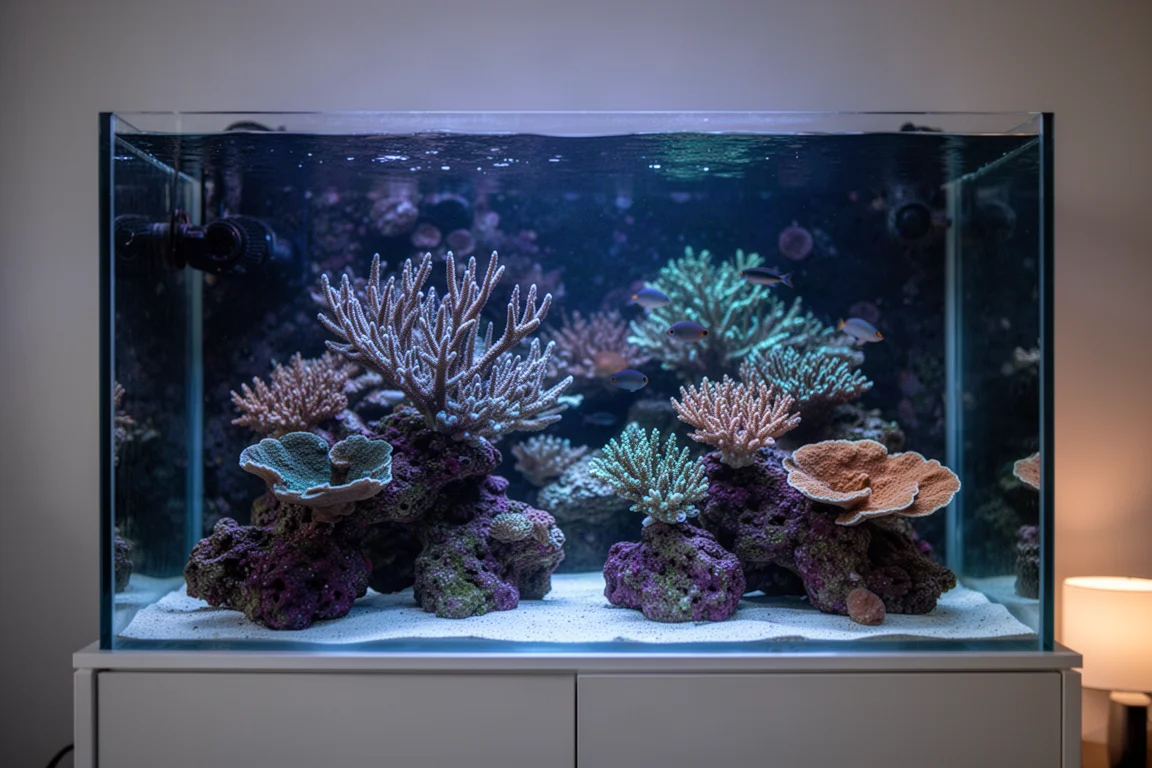
Consistency is the other headline. According to stratification testing, the delivered levels are near identical from the very first scoop of a new bucket to the very last scoop. Shaking the bag or bucket thoroughly before opening it for the first time is still sensible practice, and it costs nothing.
The salt has also performed well in extensive testing, spanning everything from stratification through to affordability when measured at real-world salinity of 35 parts per thousand.
Things to Consider Before Buying
The single most important consideration is timing. Coral Pro is meant to be mixed and used relatively quickly, which is ideal if you make up fresh saltwater shortly before a water change.
Red Sea’s guidance is specific. Mix for between 30 minutes and two hours, and never longer than four hours. Keep the water at roughly 68 degrees Fahrenheit, or room temperature, during mixing to prevent the elevated elements from precipitating, then bring it up to your tank temperature just before the water change.
Expect the mix to look cloudy. This salt does not mix clear, and it should be used while it is still hazy. That cloudiness is a normal result of the raised alkalinity, calcium and magnesium, and the tank itself will clear within an hour or two after the change.
Storage is where the trade-off shows. In testing, alkalinity fell significantly after 48 hours, dropping from 11 dKH to 8.8 dKH. That remains a usable alkalinity level for most reefers, but the stored water will leave precipitate buildup inside the mixing container and on the pumps and heater, and anyone chasing the raised targets will end up short of them. Used as intended on the same day, the salt reaches its stated elevated levels and avoids that cleanup entirely, which is what makes it a genuinely low-maintenance mix.
Mixing Guidelines and Best Practices
Treat the mixing container as a short-term vessel, not a reservoir. When the change is done, empty it and rinse the pump and heater rather than leaving a batch standing.
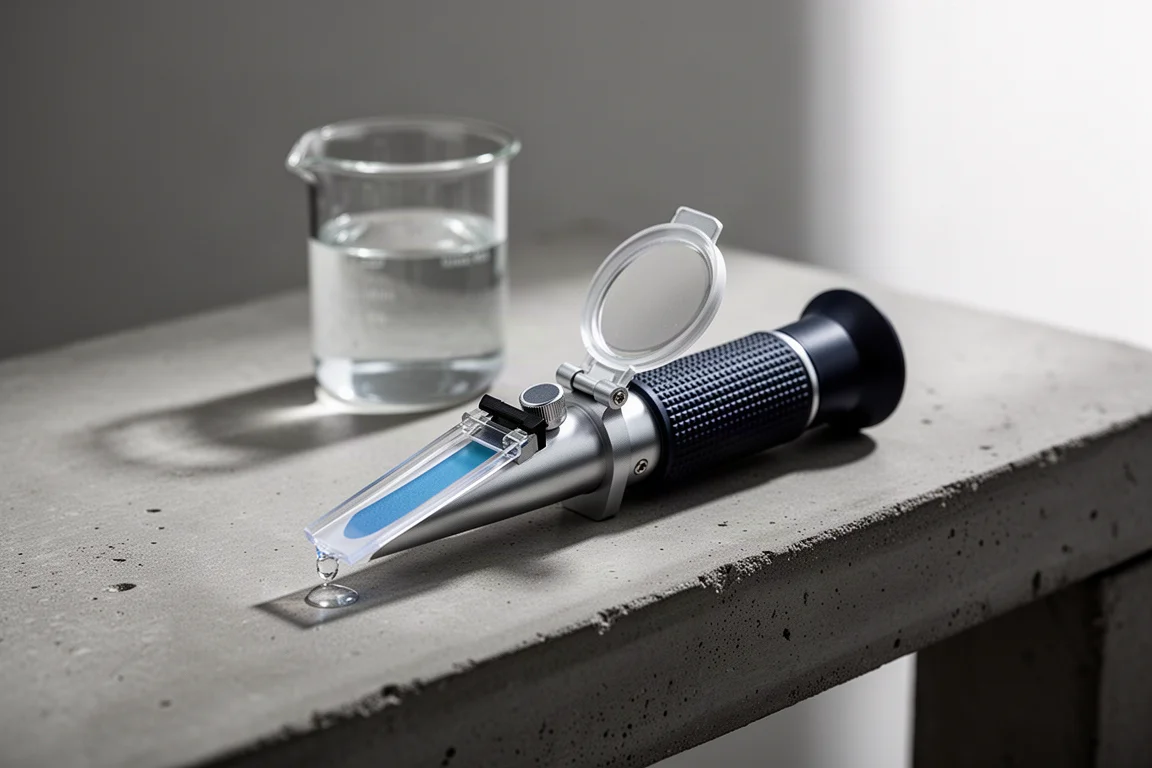
Measure salinity rather than assuming it. Red Sea publishes recommended salinities on the bucket for different tank styles, and aiming for the 35 ppt figure that most reefers use will give you the alkalinity, calcium and magnesium numbers above, with a realistic yield of about 150 gallons from the 175 gallon bucket.
Set the mixing temperature first, then heat the finished water just before use. This order matters more than it might seem, because warmer mixing water encourages the elevated elements to fall out of solution before they ever reach the tank.
Finally, shake the bag or bucket well before the first scoop. It is a small habit that protects the consistency the salt is known for across the life of the container.
Buying Advice
Choose Coral Pro if you want elevated alkalinity, calcium and magnesium, you mix fresh saltwater the same day you use it, and you value being able to pull the chemical analysis for your exact batch. It is a strong match for manual water changes on a fixed weekly or fortnightly rhythm, and the per-gallon cost keeps that routine affordable.
Skip it, or look at Red Sea’s original blue bucket instead, if your routine involves storing mixed saltwater for days, running large vats, or supplying an automated water-change system. If you are unsure which of the two fits your tank, Red Sea’s My Recipe Wizard asks a few simple questions about your setup and recommends both a salt and supporting products for your style of reefing.
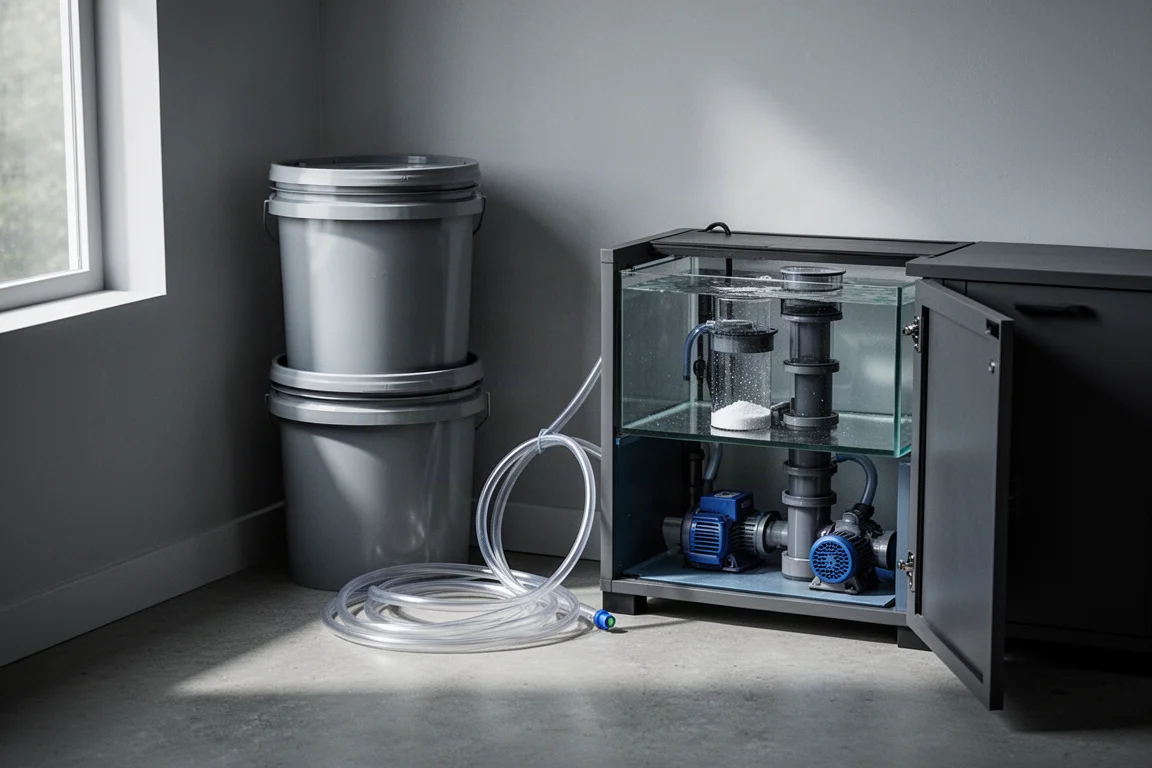
On sizing, match the container to your real consumption. The 175 gallon bucket is the convenient middle ground for a hundred-gallon system once the realistic 150 gallon yield at 35 ppt is taken into account, while the larger sack and box formats suit keepers running several tanks or heavier change schedules.
Conclusion
Red Sea Coral Pro is a focused product rather than a universal one, and that focus is its strength. It delivers consistent elevated parameters, it is priced competitively per gallon, and it is backed by batch-level chemistry you can actually look up.
In return, it asks you to mix and use it promptly, to work with cloudy water rather than against it, and to keep your mixing container clean between changes. Reefers whose routine already looks like that will find it does exactly what it promises.
Product link
View more details for Red Sea Coral Pro Salt Mix
This product is mentioned in the review. Check the specifications, options, and compatibility before buying.
View more details for Red Sea Coral Pro Salt MixFurther reading
Related Reviews

Backpacking Gear
Building a 10 lb Base Weight: An Ultralight Backpacking Gear List
A practical walkthrough of the ultralight pieces behind a 10 lb base weight, from a 765 g pack and a roomy one-person tent to a full camp chair and a dependable water filter.

Road Bikes
10 New Road Bikes Worth Watching: Aero, Titanium, Steel and Endurance Standouts
A practical roundup of 10 new road bikes, from aero flagships chasing single-watt gains to titanium, steel and endurance platforms built for real roads.

Bikepacking Gear
11 Bikepacking Essentials for Long-Distance Cycling
Eleven bikepacking essentials for long-distance cycling, from a steel gravel frame and a two-person tent to helmet lights, packable gloves, and a frame bag that puts weight in the right place.