Backcountry Nutrition
RecPack Review: A Powdered Meal Pouch for Long Days Outdoors
A nutritionally complete powdered meal in a flexible pouch, built for multi-day trips and long days where stopping to cook is not an option.
Introduction
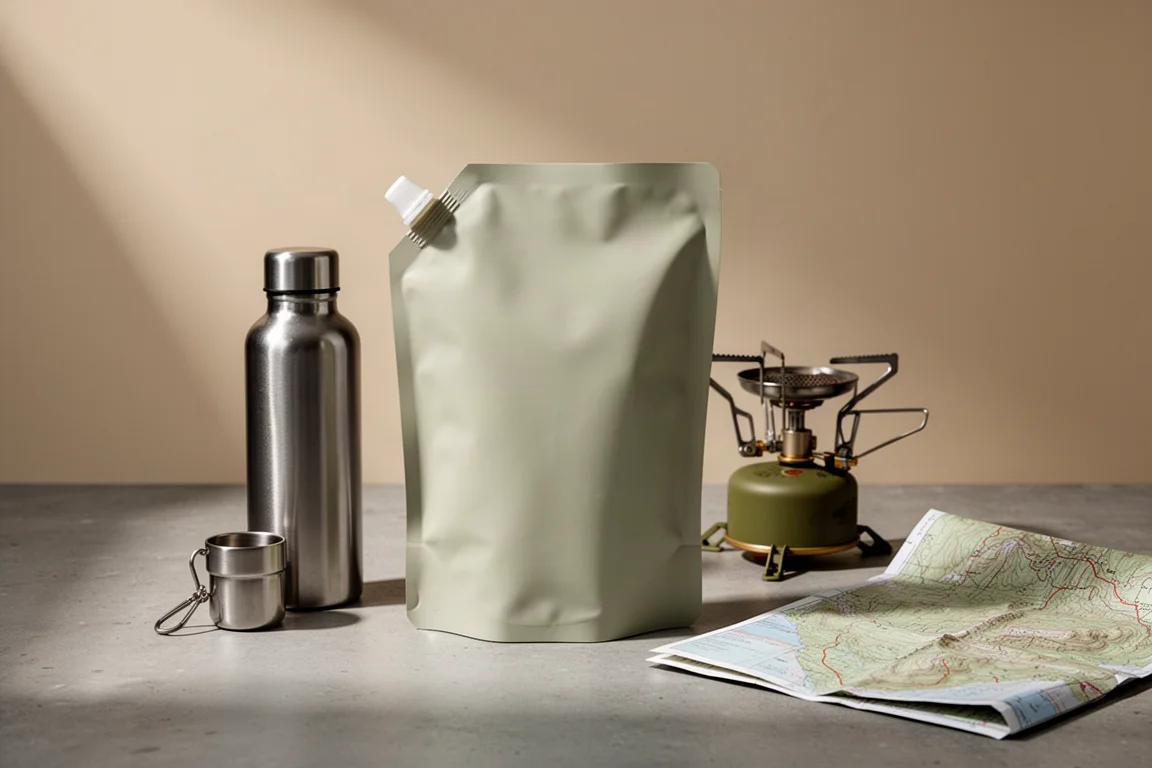
RecPack is a nutritionally complete powdered meal that comes in a flexible pouch. The idea is deliberately simple: add water through the spout at the top, shake, and drink. The brand was started by a former Marine Corps officer who served a little over six years, including leading a sniper platoon, and who wanted a meal that could be carried in a pack and consumed without stopping. Every pouch delivers 700 calories, and the whole format is built around saving space, weight, and time in remote and backcountry environments.
That places it between two familiar options. Snacks such as bars, jerky, trail mix, and gels are convenient and pocketable, but they are generally single-macro foods; a handful of bars is not a meal. Freeze-dried camp meals are higher in calories and far more complete, but they take time to prepare, usually require a stove, and are eaten when you are stationary. RecPack aims at the gap in between: something you can drink on the move that still carries real calories and a fuller nutritional profile.
Who This Product Is For
The clearest fit is multi-day backcountry travel, where every ounce matters and stopping to cook is the constraint rather than the appetite. Mountaineering, thru-hiking, long alpine days, search and rescue work, wildland firefighting, and military use all sit squarely in that territory. The brand also counts kayakers and ultra runners among its users.
Weekend backpackers are a natural audience too. On a 15 to 40 mile trip, a pouch makes sense for a long day when you would rather keep moving than break out a stove, or for the morning when you want calories before your appetite has caught up with the effort. Where it is less compelling is on shorter outings, where carrying your own food is easy and weight is not the deciding factor.

It is worth being clear about what it is not. RecPack is not intended to replace a hot meal at camp or by a fire, and it is not positioned as a quick carbohydrate hit for the middle of a race. It occupies the space where you want something higher in calories and more complete than a snack, but you do not want to sit down.
Main Strengths
The most obvious advantage is the calorie density in a format that packs flat. At 700 calories per pouch, with 42 grams of protein, 91 grams of carbohydrates, and 590 milligrams of sodium, a single serving covers a substantial part of a hard day’s needs without adding a bulky item to the pack.
Because the meal is a liquid, fueling and hydration happen at the same time, and the brand notes that nutrients are absorbed more quickly in that form. Just as importantly, you avoid the heavy, slow feeling of a large solid meal settling in the stomach on a long climb.
Consumption is the other strength. You can sip from the pouch while walking, put it back in a pocket or pack, and take another sip fifteen minutes later. On days when chewing sounds unappealing, that matters more than any specification.
What Is Inside a RecPack Pouch
The formulation was developed with two endurance sports nutritionists. One worked with professional football athletes and had experience with endurance athletes and special operations personnel; the other was based in a university nutrition department. The brand has been open that this expertise was borrowed rather than in-house, which is a sensible approach for a small team.
Each pouch carries 700 calories on a roughly 2:1:1 ratio of carbohydrates, fats, and proteins, alongside a custom vitamin and mineral blend that provides about 25 percent of daily micronutrient requirements. Sodium sits at 590 milligrams, which the brand describes as close to 25 percent of what is useful and may raise toward 30 percent. The flavor profile was deliberately tuned to be sweet enough to feel like a treat, with care taken to avoid the artificial taste that protein shakes often carry, and no emulsifiers are used.
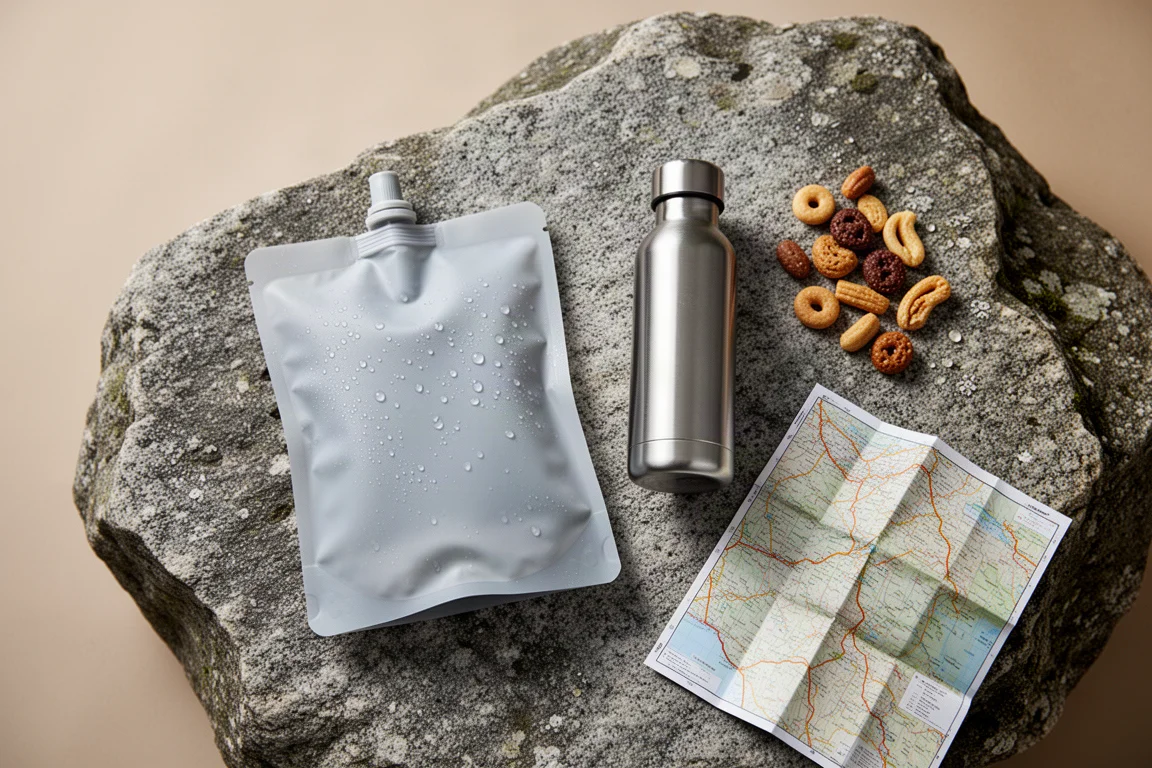
There is a real logic to the sweetness. Studies of mountaineering and high altitude activity have pointed to an increased craving for sugary foods in those conditions, so a pouch that reads as a treat is easier to finish when appetite is suppressed. The trade-off is that this is a generalist product rather than a finely tuned race formula, and the brand does not suggest replacing a carefully planned electrolyte drink mix with it.
Things to Consider Before Buying
The pouch is flat and wide rather than narrow and tall. That shape packs well in a backpack, but it will not suit every pocket on a running vest, and the brand is actively looking at reducing the size and adding a stick pack or bulk option. Some users already buy the pouches and decant the powder into resealable bags for minimalist trips.
Mixing straight into a hydration bladder works, but only if you can clean the bladder out the same day. With a straw or a narrow bite valve, it is worth testing a smaller amount first, since consistency and straw diameter both affect how easily it flows.
Once water has been added, the guidance is a few hours in hot weather, up to two days in moderate conditions, and up to four days in cold weather. The brand frames this as a recommendation rather than a hard deadline, useful if you mix in the morning and want to know how long it will keep. Because there are no emulsifiers, the drink also benefits from a few minutes of settling after shaking if you want a smooth, fully liquid texture rather than soft clumping. Flavors currently run to three: chocolate, vanilla chai, and coffee.
Using RecPack in the Field
The most practical routine is to mix it before you need it. If water access later in the day is uncertain, adding roughly 12 ounces in the morning gives you a ready meal that does not depend on finding a source when you are running low. Sip it over a stretch of trail rather than all at once.
The powder is flexible enough to use beyond the pouch. Users have stirred it into coffee and milk, and there is no reason it could not go into oatmeal. On ultralight trips, several pouches can be consolidated into a single bag to cut packaging weight, which is a common workaround among the brand’s more minimalist customers. The coffee flavor contains 150 milligrams of caffeine, so combining it with actual coffee stacks two sources of stimulation.
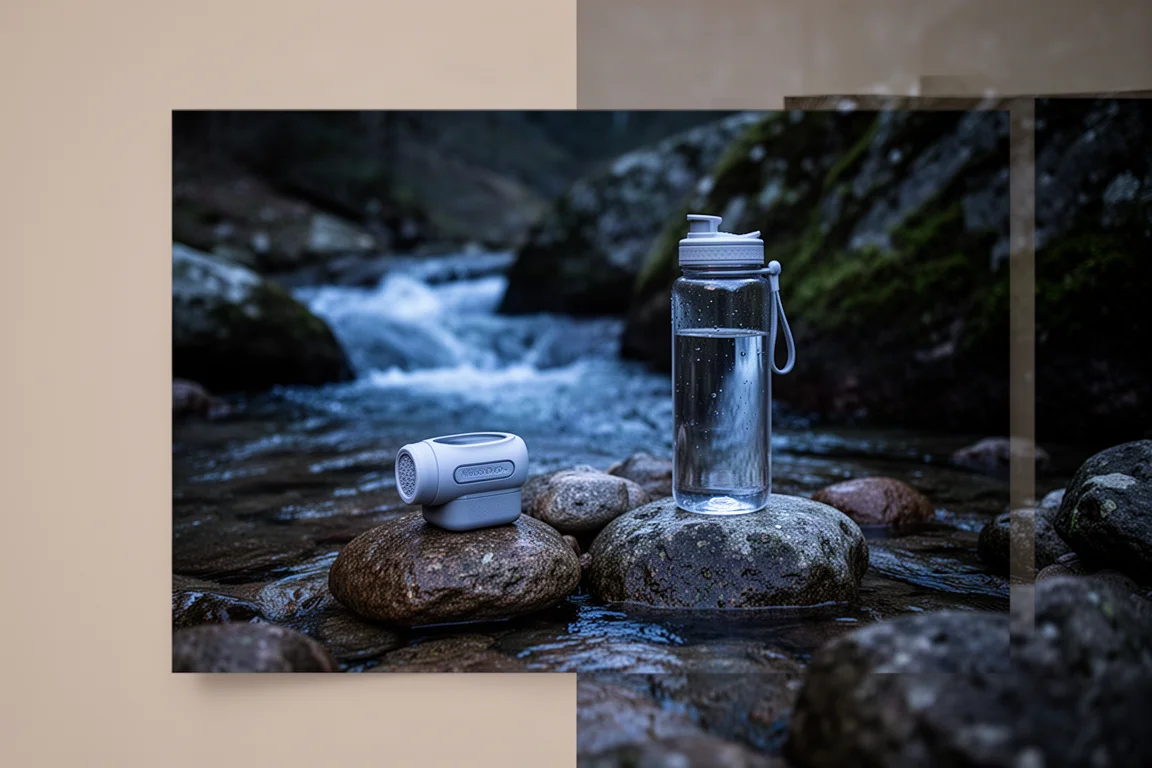
For very long days, the value is less about a single pouch and more about pacing. Using one early means you are not arriving at lunch already behind on calories and spending the afternoon catching up.
Flavor, Texture, and Mixing Notes
Chocolate, vanilla chai, and coffee are the three current options, and all three come in at 700 calories, so the choice is purely about taste. The profile leans sweet by design, which makes it easier to consume when hard effort has flattened your appetite.
Texture is the one variable you control. Shake thoroughly, then let the pouch rest a few minutes for the smoothest result. If you prefer a slightly thicker drink, drinking it sooner is perfectly fine. Cold water tends to give a cleaner result, and keeping the pouch out of direct sun before mixing helps if you are carrying it for a while before use.
Buying Advice
RecPack is sold through the brand’s own website, on Amazon, and in roughly 30 independent climbing, hiking, and hunting shops across six states. If your local shop does not stock it, asking them is a realistic way to get it on a shelf, and the company has said it is open to those requests. This is a small operation of about three people, so availability is growing rather than universal.
The company is a member of 1% for the Planet and partners with the Conservation Alliance and the Access Fund, and it is a member of the AAC and AMGA. It also supports outdoor veteran and youth organizations with product on an ad hoc basis. For buyers who care about where a small brand directs its support, that is a meaningful part of the picture.
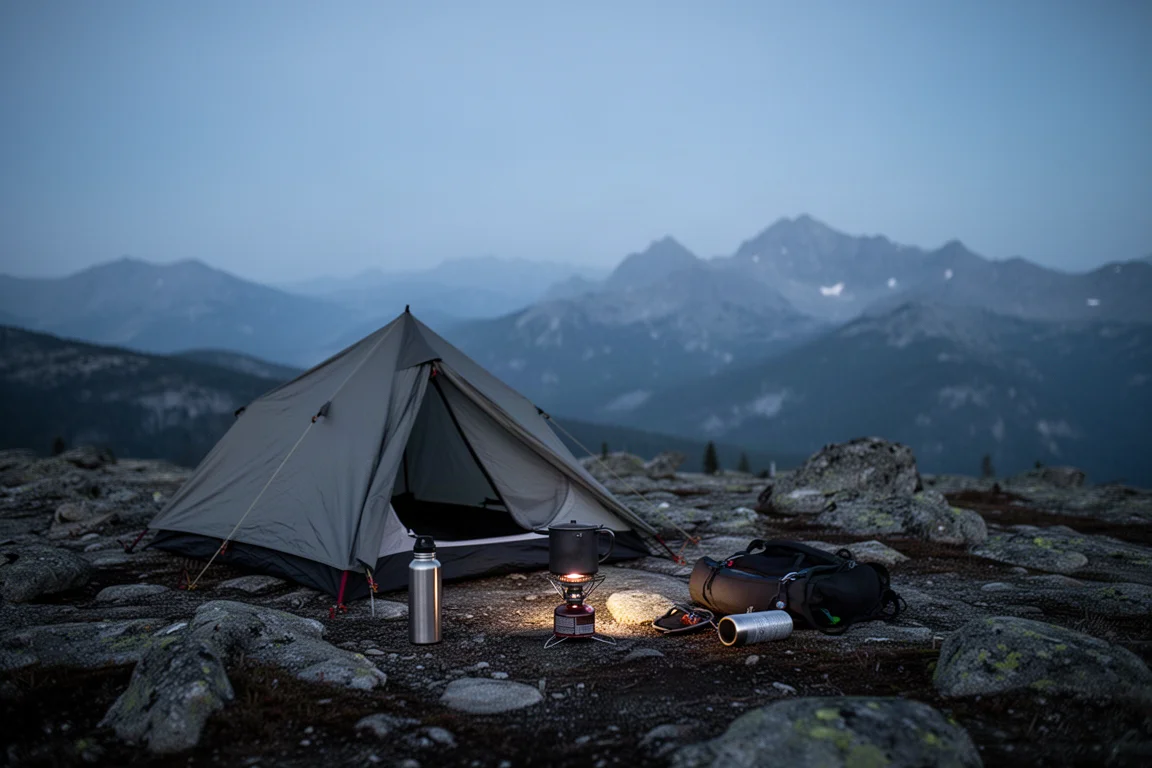
The decision comes down to your itinerary. If your trips involve multiple days, long mileage, or environments where stopping to prepare food is genuinely difficult, a drinkable 700 calorie meal earns its place in the pack. If your outings are short and you are happy to cook, this is a convenience rather than a necessity.
Conclusion
RecPack solves a specific problem well. It puts 700 calories, 42 grams of protein, and a broad micronutrient blend into a flat pouch that you can drink on the move, without a stove, without stopping, and without the heavy feeling of a large solid meal. The formulation was built with experienced sports nutritionists, and the sweet, emulsifier-free profile was designed around digestive tolerance and real backcountry appetite.
The caveats are honest ones. The pouch shape will not suit every pocket or hydration setup, mixed shelf life is measured in hours to days rather than weeks, and there are only three flavors. None of that undermines the core use case. For multi-day travel and long days where every stop costs you, it is a practical addition to the food you already carry.
Product link
View more details for RecPack
This product is mentioned in the review. Check the specifications, options, and compatibility before buying.
View more details for RecPackFurther reading
Related Reviews
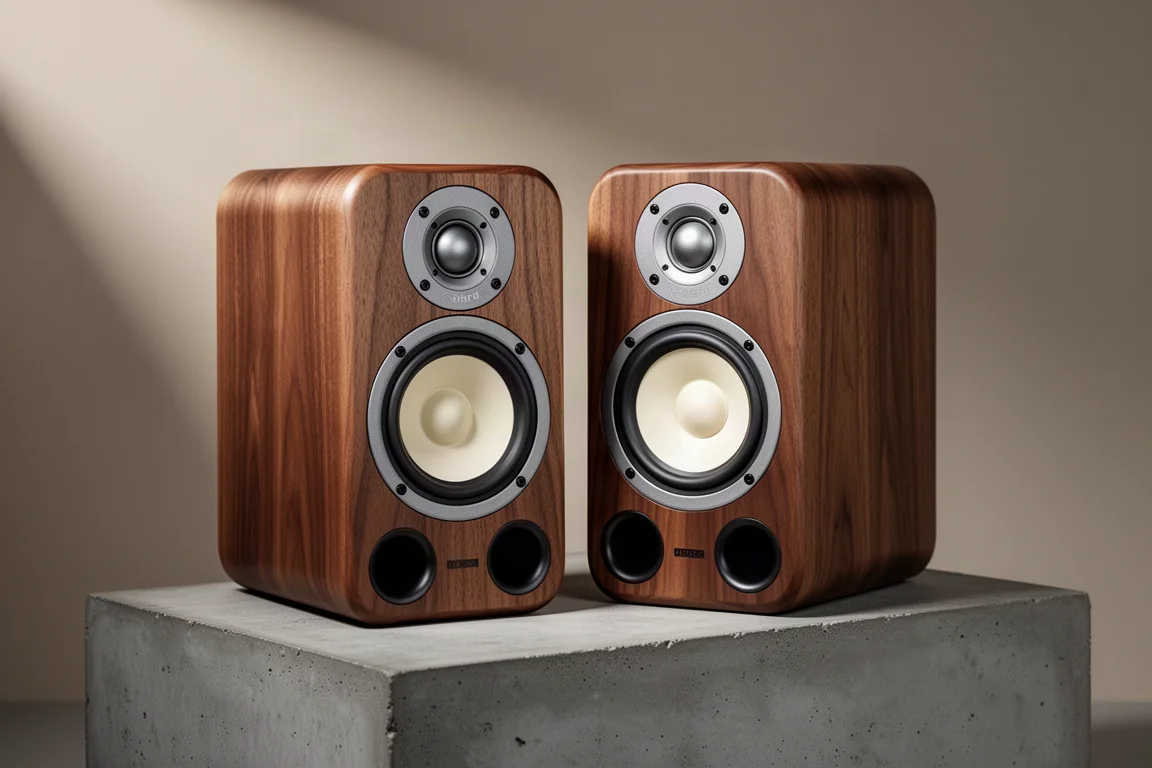
Hi-Fi Speakers
Acoustic Energy AE1 40th Anniversary Review: A Modern Take on a British Classic
A compact standmount that revives a 1980s favorite with all-new parts, a warm mid-centric balance, and a price of £1,499 per pair.
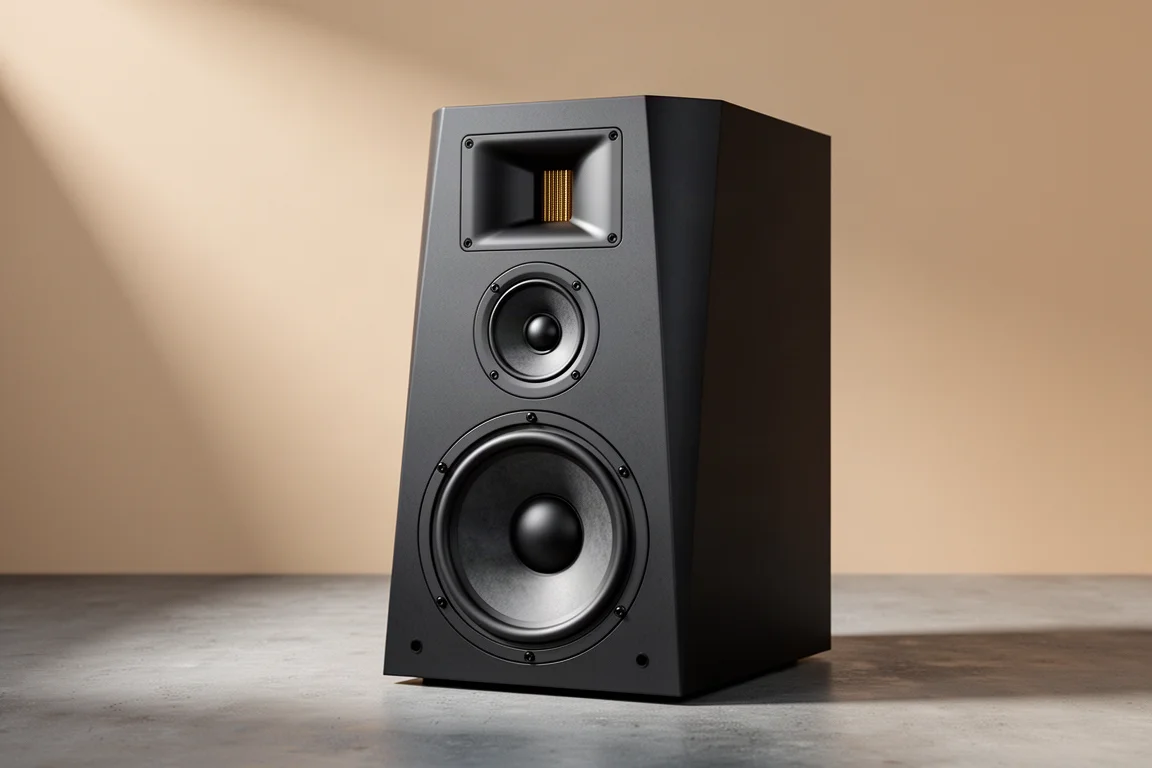
Studio Monitors
ADAM Audio A8H Review: A Three-Way Studio Monitor That Also Knows How to Have Fun
A three-way active studio monitor with an 8-inch woofer, a handmade AMT tweeter, and two distinct tunings, the ADAM Audio A8H aims to satisfy both critical work and everyday listening.
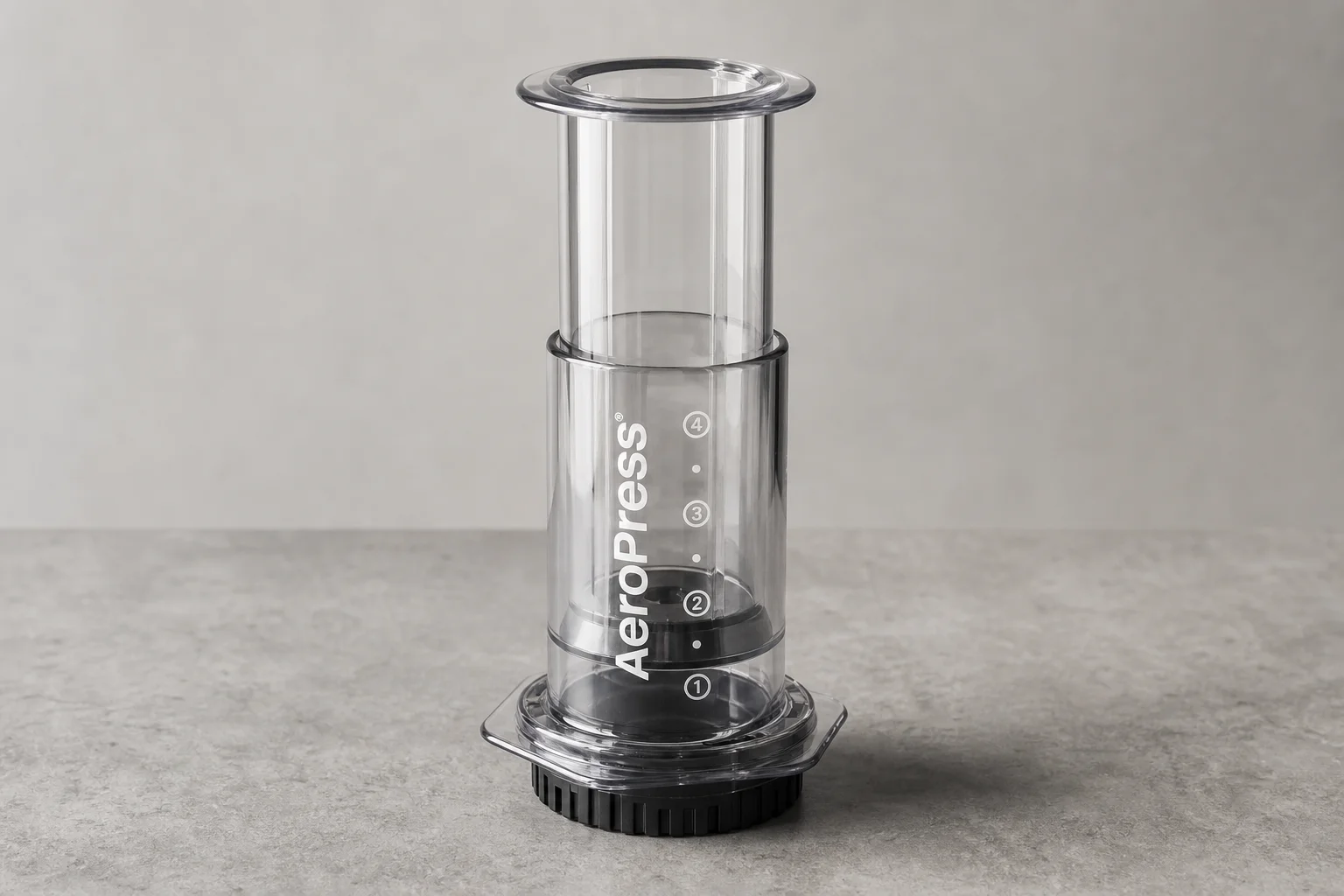
Coffee Brewing
AeroPress Clear Review: A Transparent Upgrade With Caveats
The new AeroPress Clear uses Tritan material and costs $50, but doesn't brew better coffee than the original. We tested durability, staining, and what the price increase means for the brand's future.