Vintage Audio
Realistic STA-700 Review: A 1983 Vintage Receiver Worth Hunting For
A practical look at the Realistic STA-700, a 1983 entry-level stereo receiver with a phono stage, loudness controls, and a build quality that still holds up.
Introduction
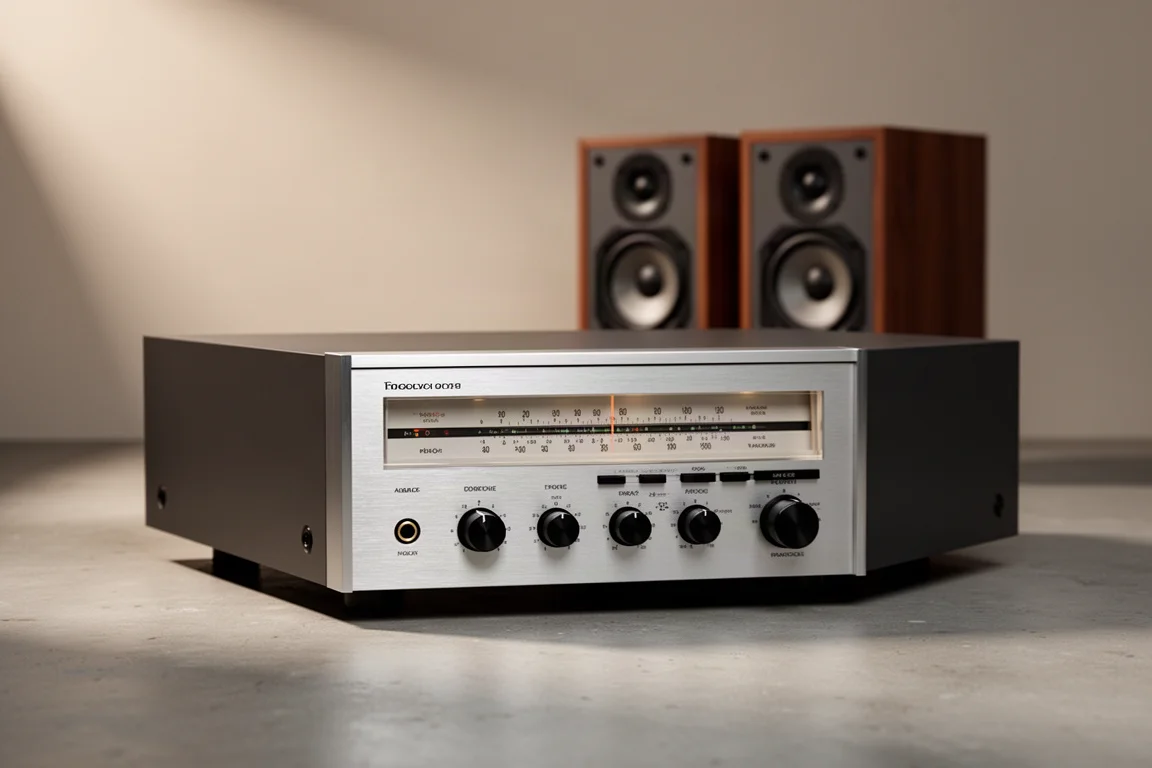
The Realistic STA-700 dates from 1983, and for a lot of listeners it sits at the very beginning of the road into separate components and proper two-channel hi-fi. It is an entry-level receiver rather than a flagship, yet the way it is built explains why clean examples are still worth tracking down.
Rated at 12 watts per channel, the STA-700 looks modest on paper by modern standards. Power was rated differently in the late 1970s and early 1980s, and in practice this receiver drives almost any speaker connected to it with real confidence. The clearest exception is a demanding first-generation pair of ELAC Uni-Fi speakers, which ask for more current than a small receiver can comfortably deliver.
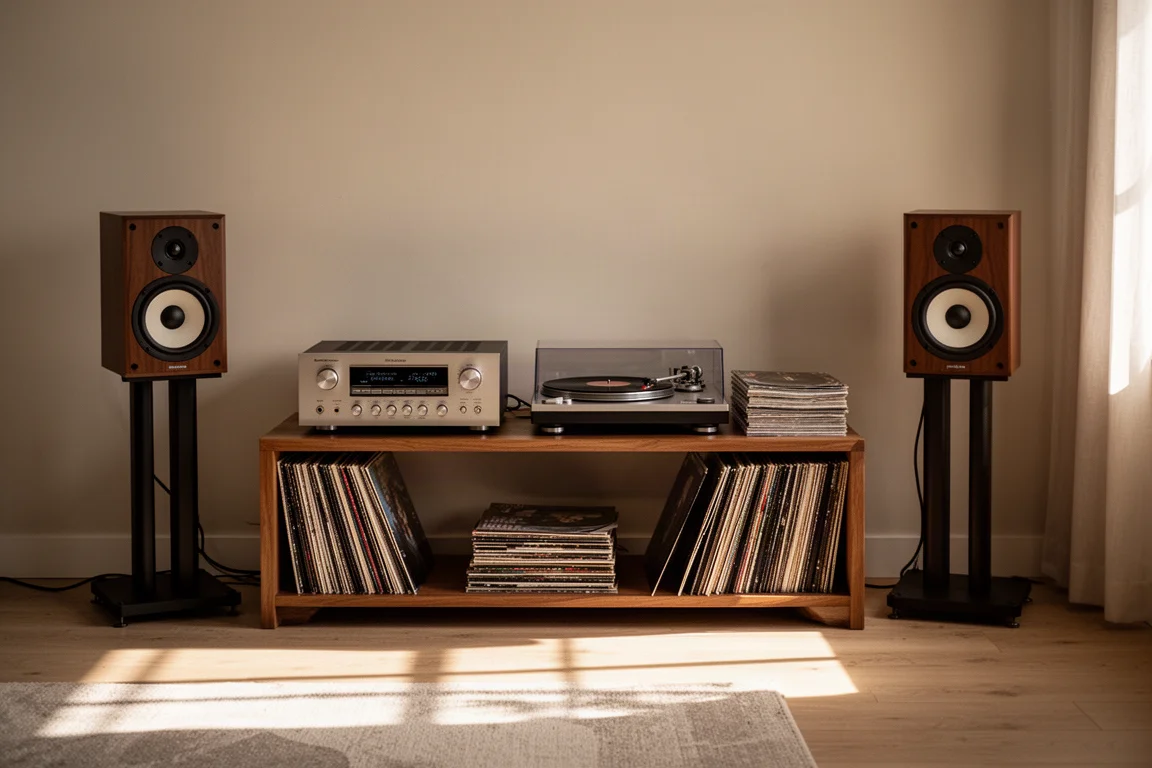
Clean used units still surface at prices well below a modern entry-level amplifier. A unit with no dust inside and no sign of rodent damage is the one to look for, and secondhand prices have ranged from roughly $40 to $100 depending on condition and how the sale is handled.
Who This Receiver Is For
This is a receiver for listeners who want to build a simple two-channel system around a turntable, a CD player, or a phone with a line output, and who are willing to accept some uncertainty in exchange for character and value.
It suits anyone starting out with separate components who wants a phono stage, a tuner, and tone controls in a single chassis without spending much. It also appeals to hobbyists who enjoy the search itself, browsing thrift stores, estate sales, and secondhand shops for a bargain that others have overlooked.
It is not the right choice for someone who wants a warranty, app control, room correction, or a predictable out-of-the-box experience. A vintage receiver asks for patience and a willingness to deal with whatever condition it arrives in.
Main Strengths
Build quality is the first thing that stands out. The input selector has satisfying detents, the tone control pots move smoothly, and the volume knob is a machined metal part with a silky feel that is rare on budget gear at any price today.
The feature set is genuinely useful rather than decorative. A loudness button, a system EQ button that lifts bass and treble, a balance control, a tape monitor loop, a mono switch, FM auto, and speaker A and B outputs are all present. The loudness control makes low-volume listening far more enjoyable, and the EQ button adds extra weight when a recording needs it.
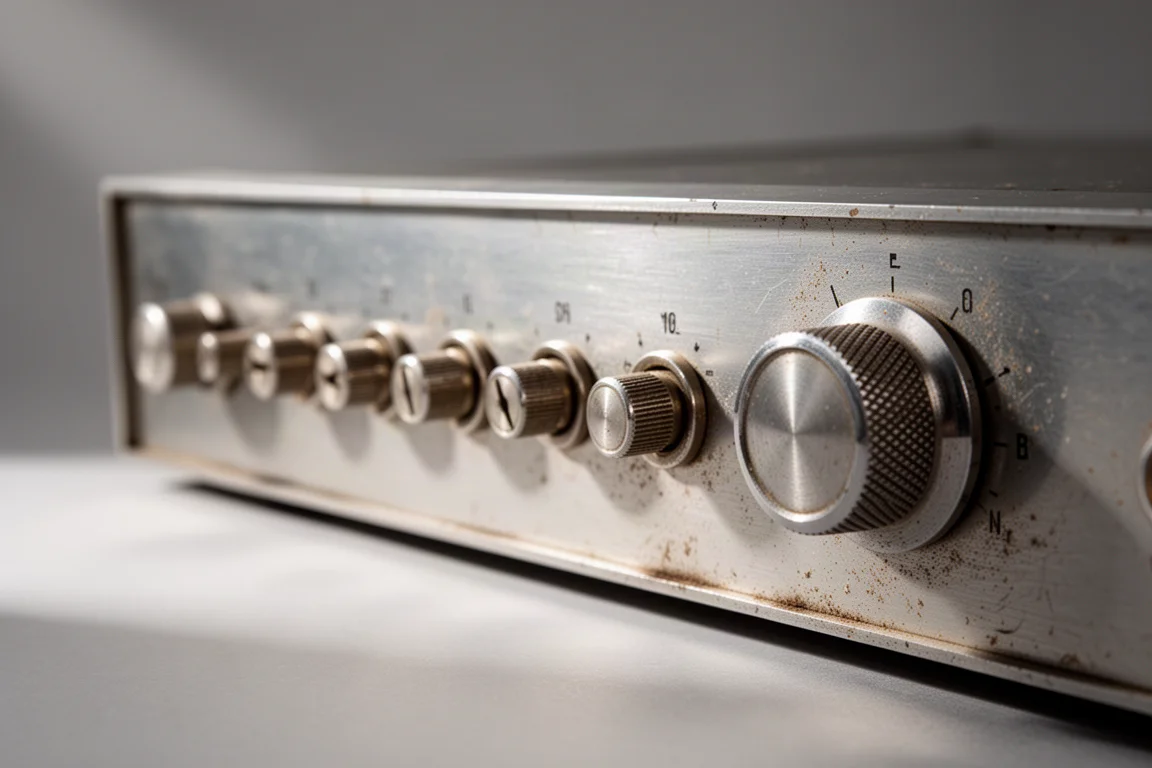
The AM and FM tuning sections feel smooth to operate, and the front panel includes a headphone output, which makes late-night listening easy without disturbing anyone else.
Rear Connections and Setup
Around the back, the STA-700 offers spring clip speaker terminals, a tape in and tape out pair, an auxiliary input, a phono input with a ground terminal, and connections for AM and FM antennas. Combined with the front selector, that covers AM, FM, phono, auxiliary, and tape sources.
Two switched AC outlets let you route power through the receiver to another component. It is convenient, particularly from an era when power strips were far less common, though it is worth being sensible about how much you plug into a receiver that is more than forty years old. This model was manufactured in Korea.
Listening Notes and Sound Character
Vintage receivers from the 1970s and early 1980s have a sound that is hard to replicate with modern budget amplifiers. Owners of vintage gear tend to describe it the same way: a fuller, more dynamic presentation with a little more energy in the low end, especially when the loudness and EQ circuits are engaged.
The STA-700 fits that description. It is not a neutral, clinical amplifier. It is an engaging one, and the extra bass and treble lift from the loudness and system EQ buttons lets you shape that energy to taste.
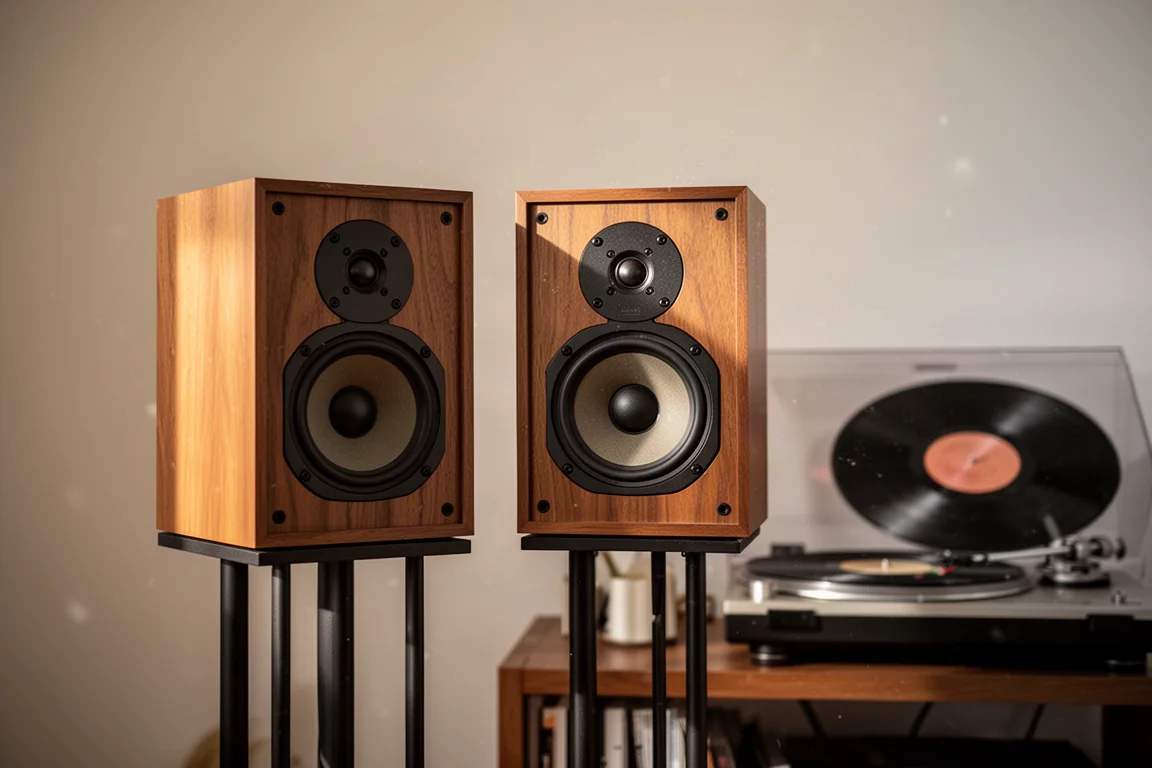
Part of what makes it compelling is how it feels to use. Clicking through inputs, turning a weighted volume knob, and nudging the tone controls is a large part of why these units stay on people’s shelves long after newer gear has been replaced.
Things to Consider Before Buying
Buying vintage is a gamble by nature. A used receiver may be clean and reliable, or it may pop, sizzle, and crackle in ways that no amount of contact cleaner fully resolves. A technician may quote around $600 for a full recap, which can easily exceed what an entry-level receiver is worth.
The STA-700 is also not the most sought-after vintage model on the market, so it should be treated as a piece to enjoy rather than an investment. Spring clip speaker terminals are less convenient than modern binding posts, and the 12 watt rating will not suit very power-hungry speakers.
Whatever you buy, plug it into a surge protector. Old components can behave unpredictably, and a little protection is cheap insurance.
Buying Advice
The sensible approach is to evaluate the specific unit rather than the model. Ask for photos of the inside, confirm that the controls move freely, and check that the tuning dial tracks properly across the band. If you can listen before buying, test every input, both speaker outputs, and the headphone jack.
Patience pays off here. The hunt through thrift stores, classifieds, and local shops is part of the appeal, and it is where the best deals usually come from. Expect to spend somewhere between roughly $40 and $100 for a clean example, and keep a little budget aside in case it eventually needs service.
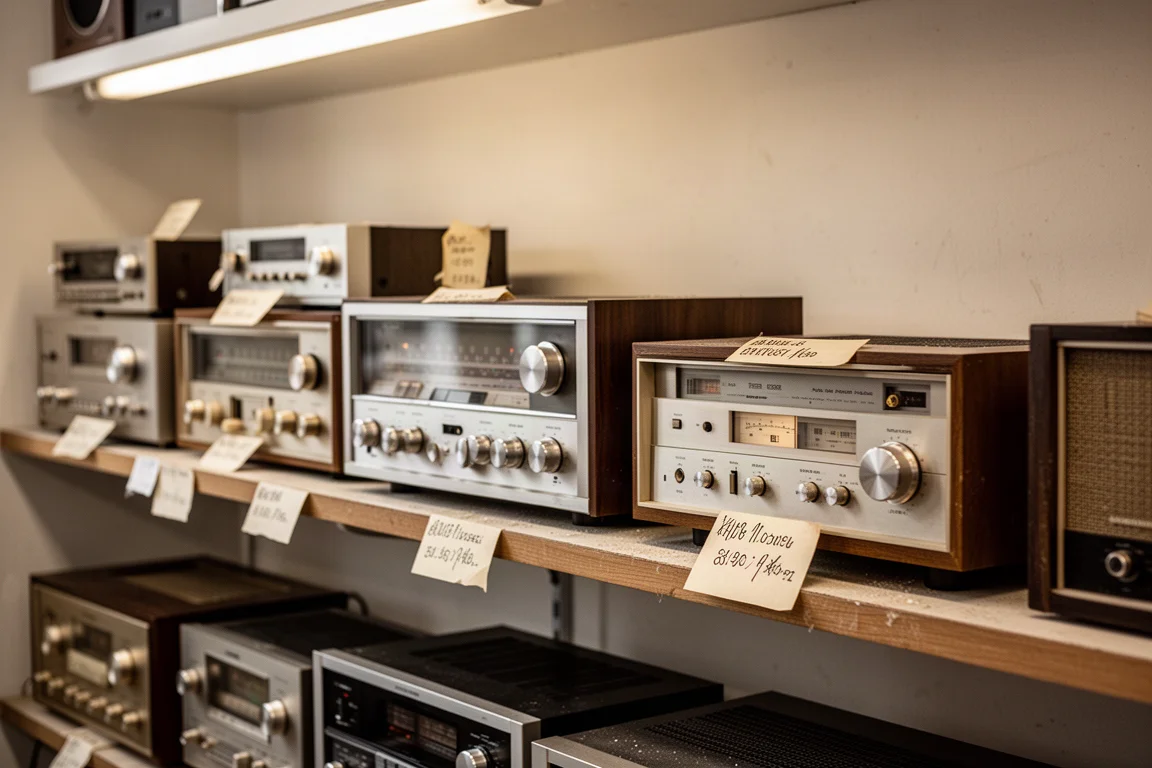
If the first unit turns out to be a dud, move on and look for another one. There is no shortage of vintage receivers, and the risk is manageable when the price is low and the seller is honest about condition.
Conclusion
The Realistic STA-700 is not the most famous receiver of its era, and it was never meant to be. What it offers is a well-built, feature-rich entry point into two-channel audio with a phono stage, a tuner, loudness controls, and a feel that modern budget gear rarely matches.
For listeners who want to enjoy vinyl and digital sources without spending a fortune, and who are comfortable with the uncertainties that come with older equipment, it remains a rewarding place to start.
Product link
View more details for Realistic STA-700
This product is mentioned in the review. Check the specifications, options, and compatibility before buying.
View more details for Realistic STA-700Further reading
Related Reviews
Vintage Audio
Affordable Vintage Receivers: 8 Overlooked Models Worth a Second Look
A practical guide to eight vintage stereo receivers that stay under the collector radar, with real strengths, honest trade-offs, and what to check before you buy.
Vintage Audio
Conrad Johnson PV8 Review: A 1988 Tube Preamplifier With Real Character
A vintage tube preamplifier with a built-in phono stage, six tubes, and a warm, sweet presentation that makes long listening sessions effortless.
Vintage Audio
Dynaco PAS-3 and Krell PAM-1: Two Vintage Preamplifiers Worth Knowing
A restored 1964 all-tube preamplifier and a dual mono solid-state classic from the mid 1980s, compared on sound, usability and restoration quality.