Vintage Audio
Conrad Johnson PV8 Review: A 1988 Tube Preamplifier With Real Character
A vintage tube preamplifier with a built-in phono stage, six tubes, and a warm, sweet presentation that makes long listening sessions effortless.
Introduction
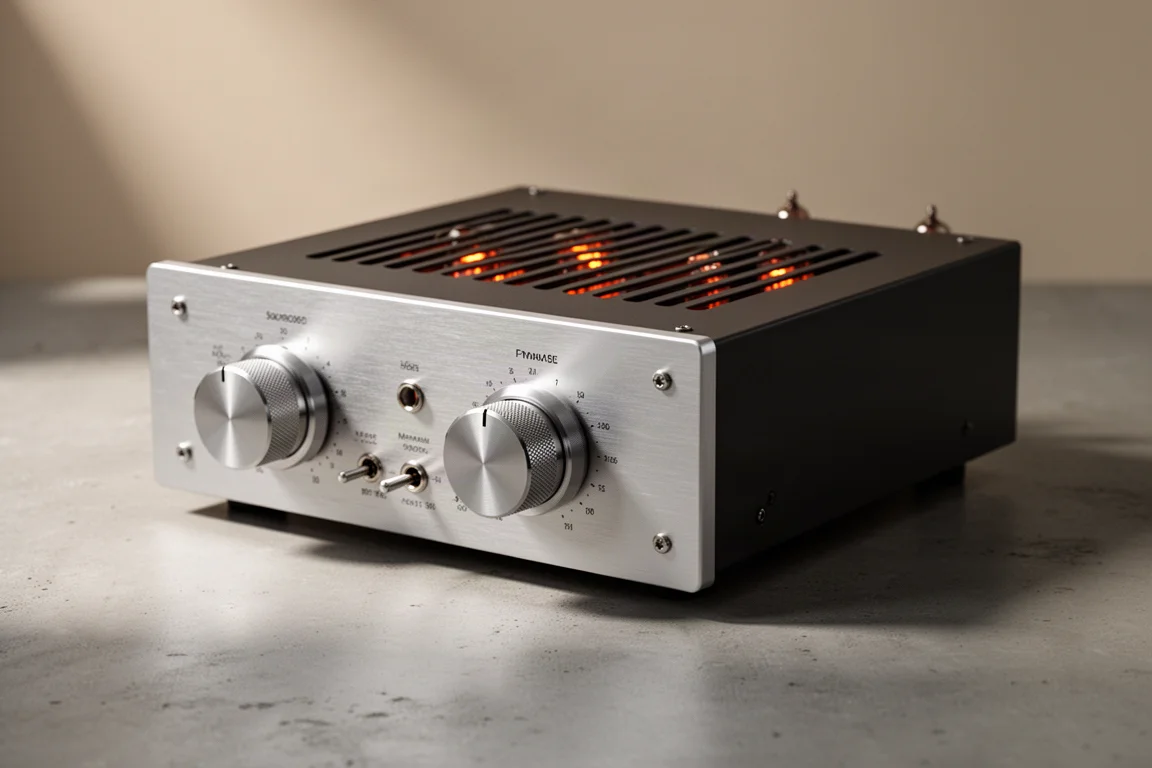
Vintage audio has a way of reminding listeners what matters most. The Conrad Johnson PV8 is a tube preamplifier built in 1988, and it is a full preamplifier rather than a line stage, which means it includes a phono stage alongside its line-level inputs. That one detail makes it relevant to anyone who still plays records.
Used examples surface regularly, and they often cost far less than a modern high-end preamplifier. They also tend to be well cared for, since the people who own them usually understand what they have. The PV8 is not a neutral, modern-sounding component. It is warm, sweet, and unapologetically tube-based, and that is exactly the appeal.
Who the Conrad Johnson PV8 Is For
The PV8 is for listeners who put musicality ahead of analysis. It suits anyone who wants a rich, sweet, easy-going presentation and who would rather sit through a stack of records than pick apart a recording’s finest details. If the goal is a sound that pulls you into the music and keeps you there, this preamplifier makes a strong case.
It is not the right choice for listeners who chase maximum resolution, razor-sharp imaging, or a completely silent background. Modern preamplifiers handle those priorities better, and the PV8 does not pretend otherwise. It offers a softer, more forgiving version of tube sound.
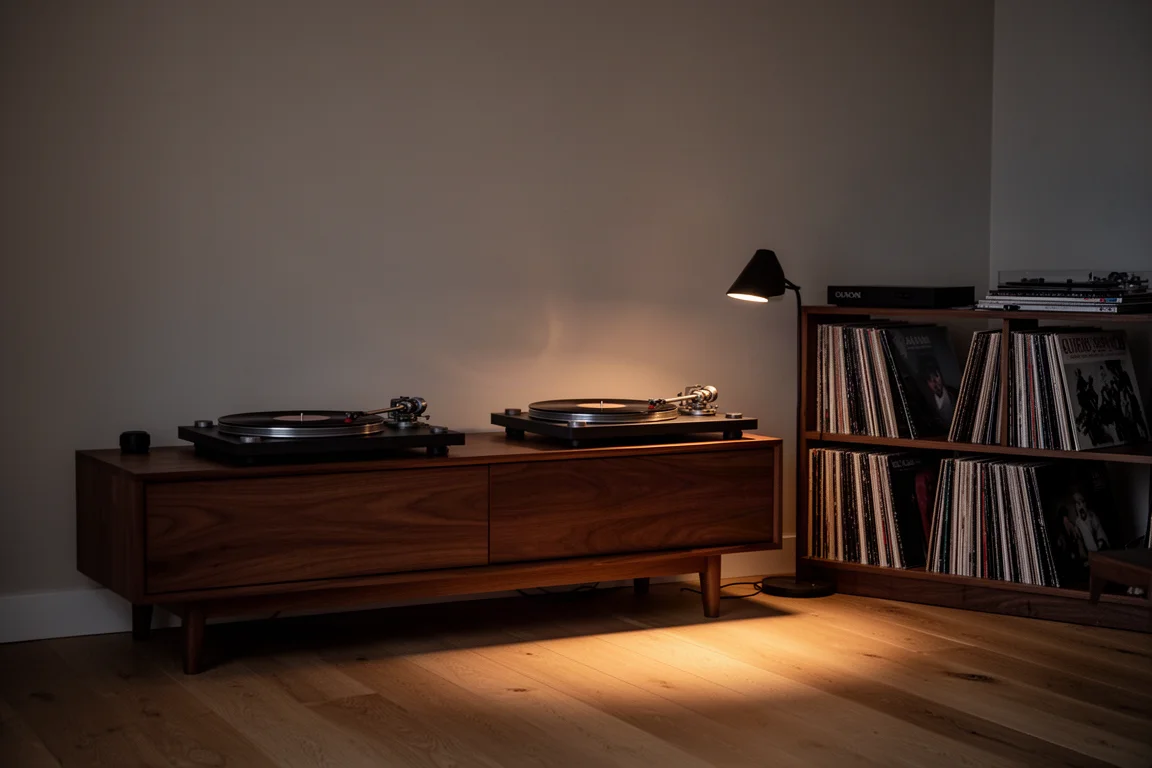
Vinyl listeners get extra value from the built-in phono stage, which is genuinely capable rather than an afterthought. With 47 dB of gain on the phono input it comfortably handles moving magnet cartridges, and the high overall gain means low-output moving coils and step-up transformers are both realistic options. Anyone assembling a second system around a warm, relaxed presentation will find plenty to like here.
Design, Tubes, and Gain
The PV8 uses a zero feedback design, a topology that many listeners associate with a more natural, less clinical presentation. Six tubes sit inside: 12AX7s, a 5751, and a pair of 5965s. The circuit is deliberately simple and old-school in the best sense.
Gain is generous. The phono section provides 47 dB, which is about average for a moving magnet input, and the line stage adds another 31 dB on top. That combination gives the preamplifier a lot of headroom, so low-output moving coil cartridges can be run directly or through step-up transformers. The trade-off is that a high-gain tube circuit can make a certain amount of tube hiss audible through the speakers during quiet passages, particularly with very low output cartridges.
There is also the question of parts. Modified examples exist, and the unit described here has been fitted with paper-in-oil capacitors in place of the stock parts, along with an internal layout that differs from a factory example. Because stock and modified units differ internally, two used PV8s may not sound identical, and buyers should ask what has been changed.
It is worth remembering how unlikely this preamplifier is. By the early 1970s, tubes were widely considered obsolete and the industry had moved to solid state. Audio Research and Conrad Johnson are the two companies most often credited with keeping tube electronics alive and proving they could still compete, and that work is the reason tube designs remain common in high-end audio today.
The Sound: Warm, Sweet, and Unabashedly Tube
The PV8 sounds warm, sweet, and proud of its tubes. It does not try to imitate a solid state preamplifier, and it never sounds sluggish. Rhythm, pace, and timing come through cleanly, and the presentation has a lucidity that makes it easy to follow a performance rather than merely hear it.
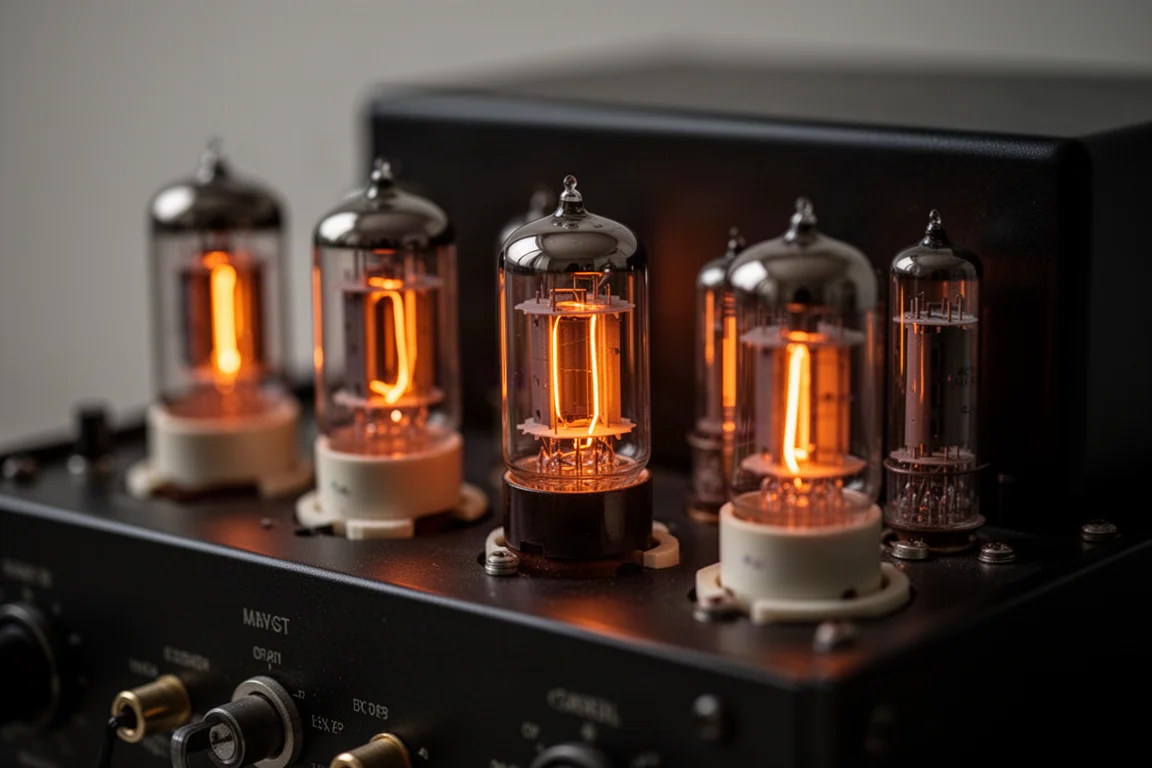
What stands out most is the sense of energy. The sound has juice, power, and guts, and it fills a room in a believable, solid way rather than as a thin, ghostly image. The soundstage is wide and deep, and it also has surprising height, with images appearing above the height of the speakers themselves.
The compromises are real but predictable. Bass is not the tightest, fastest, or clearest around, and the top end is slightly rolled off. Individual singers and instruments are not focused with the razor sharpness of a modern preamplifier. What the PV8 offers instead is musicality in abundance, the kind that makes one more record feel like a reasonable idea at midnight.
How It Compares With Modern Preamplifiers
Set against a modern tube reference such as the Linear Tube Audio MicroZOTL, the differences are easy to hear. The modern design is faster, clearer, and more immediate, with sharper edges around voices and instruments and quicker, cleaner bass. The PV8, by contrast, is a soft focus version of tube sound.
Neither approach is automatically better. The MicroZOTL rewards listeners who want precision and clarity. The PV8 rewards listeners who want warmth and a relaxed, enveloping presentation, and who are willing to trade some precision to get it.
Partnering equipment shapes the result. The PV8 has been used with tube power amplifiers such as the Linear Tube Audio UltraLinear and with solid state designs including the First Watt J2 and the First Watt SIT 3. The SIT 3 combination stood out for a big, fat, juicy character. On the speaker side, Pure Audio Project Duet 15 and KEF R11 Meta models both showed how convincingly the preamplifier can fill a room.
Living With a 1988 Preamplifier
There is no remote control. Volume changes mean walking over and turning a knob the old-fashioned way, which some listeners will consider a deal breaker and others will not mind at all. The knobs themselves feel excellent, with a weight and smoothness that is rare on modern budget gear.
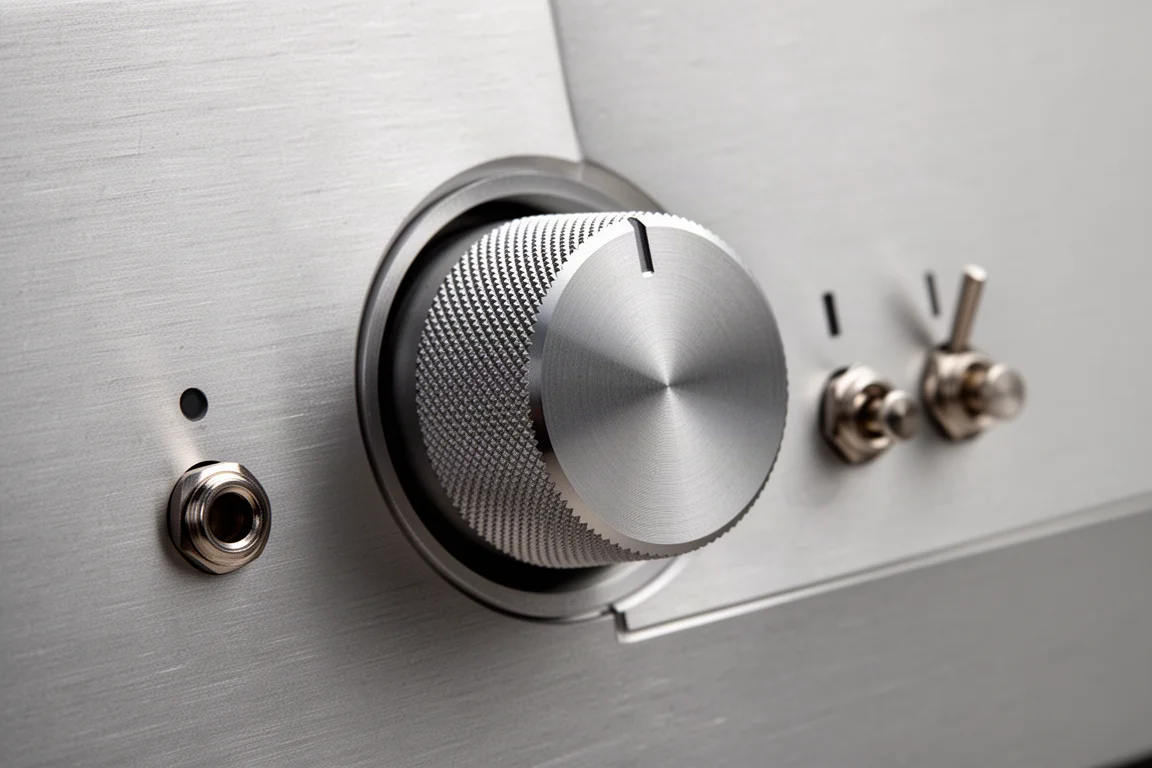
Age has not made this example difficult. Input switching is quiet, the controls do not crackle, and the preamplifier behaved without trouble throughout use. That said, a component from 1988 deserves a careful check before purchase, and cosmetic marks from decades of service are common on examples that have led a working life.
Tube rolling is part of the experience. Changing tubes changes the sound, and the combination that worked best here paired JJ 12AX7s in the first phono position with vintage RCA 5751s and a set of selected Ray Tubes 12AT7s in the line stage. Conrad Johnson specifies the 5965 for that position and lists the 12AT7 as an approved alternative, so there is room to experiment within the design’s intent.
Things to Consider Before Buying
Background noise is the first thing to weigh. A high-gain tube preamplifier is not the tool for listeners who need a silent, black background, especially when a very low output moving coil cartridge is connected directly. Through the speakers that hiss is generally not audible while music is playing, but it is present.
The second consideration is tonal balance. The PV8 does not deliver the tightest bass or the most extended treble, and it does not resolve individual images with modern precision. Buyers who want those qualities should look at current designs instead.
The third is condition and provenance. Vintage tube gear can be modified, and modifications change both the parts and the sound. Ask what has been replaced, whether the tubes are fresh, and how the unit has been stored. Finally, matching matters. This preamplifier is at its best with speakers and amplifiers that suit a warm, full-bodied presentation rather than those that already lean bright or lean.
Buying Advice
The PV8 is one of the more accessible routes into vintage tube sound. Clean examples typically sell for around $1,300 to $1,400 or less on the used market, and even well-kept units without cosmetic blemishes stay within that range. That is modest money for a component with this much character.
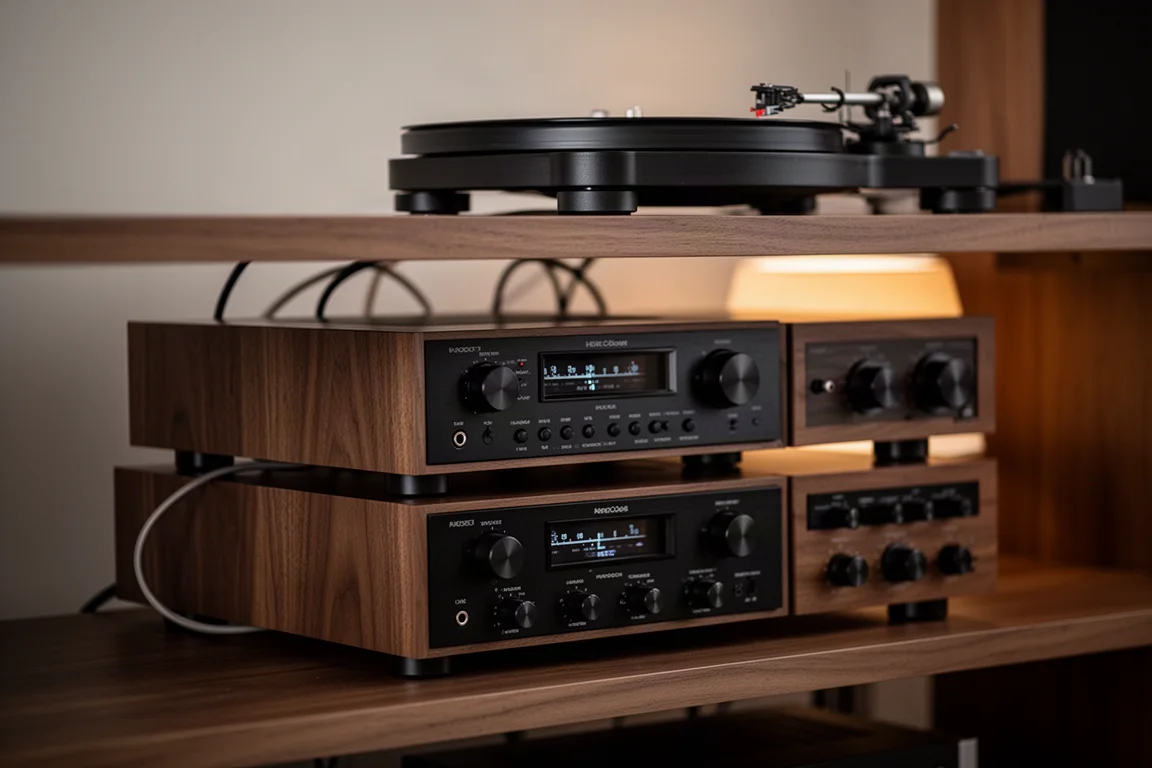
Approach the purchase with the right expectations. Buy the PV8 for warmth, sweetness, and a presentation that makes long listening sessions effortless, not for maximum detail or the quietest possible background. Listen to it with the speakers you own if you can, since the pairing has as much influence on the result as the preamplifier itself.
It also helps to think of the PV8 as a long-term companion rather than a stepping stone. It rewards owners who enjoy tube rolling and who are comfortable with a hands-on, remote-free listening ritual. Buyers who want convenience and clinical accuracy will be happier elsewhere.
Conclusion
The Conrad Johnson PV8 is a 1988 tube preamplifier that still knows exactly what it is. It offers a warm, sweet, energetic sound, a genuinely capable phono stage, and a level of musical engagement that makes the absence of modern precision easy to forgive. For tube lovers and vinyl listeners who value character over measurement, it remains an easy recommendation at its current used prices.
Product link
View more details for Conrad Johnson PV8
This product is mentioned in the review. Check the specifications, options, and compatibility before buying.
View more details for Conrad Johnson PV8Further reading
Related Reviews
Vintage Audio
Affordable Vintage Receivers: 8 Overlooked Models Worth a Second Look
A practical guide to eight vintage stereo receivers that stay under the collector radar, with real strengths, honest trade-offs, and what to check before you buy.
Vintage Audio
Dynaco PAS-3 and Krell PAM-1: Two Vintage Preamplifiers Worth Knowing
A restored 1964 all-tube preamplifier and a dual mono solid-state classic from the mid 1980s, compared on sound, usability and restoration quality.
Vintage Audio
Realistic STA-700 Review: A 1983 Vintage Receiver Worth Hunting For
A practical look at the Realistic STA-700, a 1983 entry-level stereo receiver with a phono stage, loudness controls, and a build quality that still holds up.